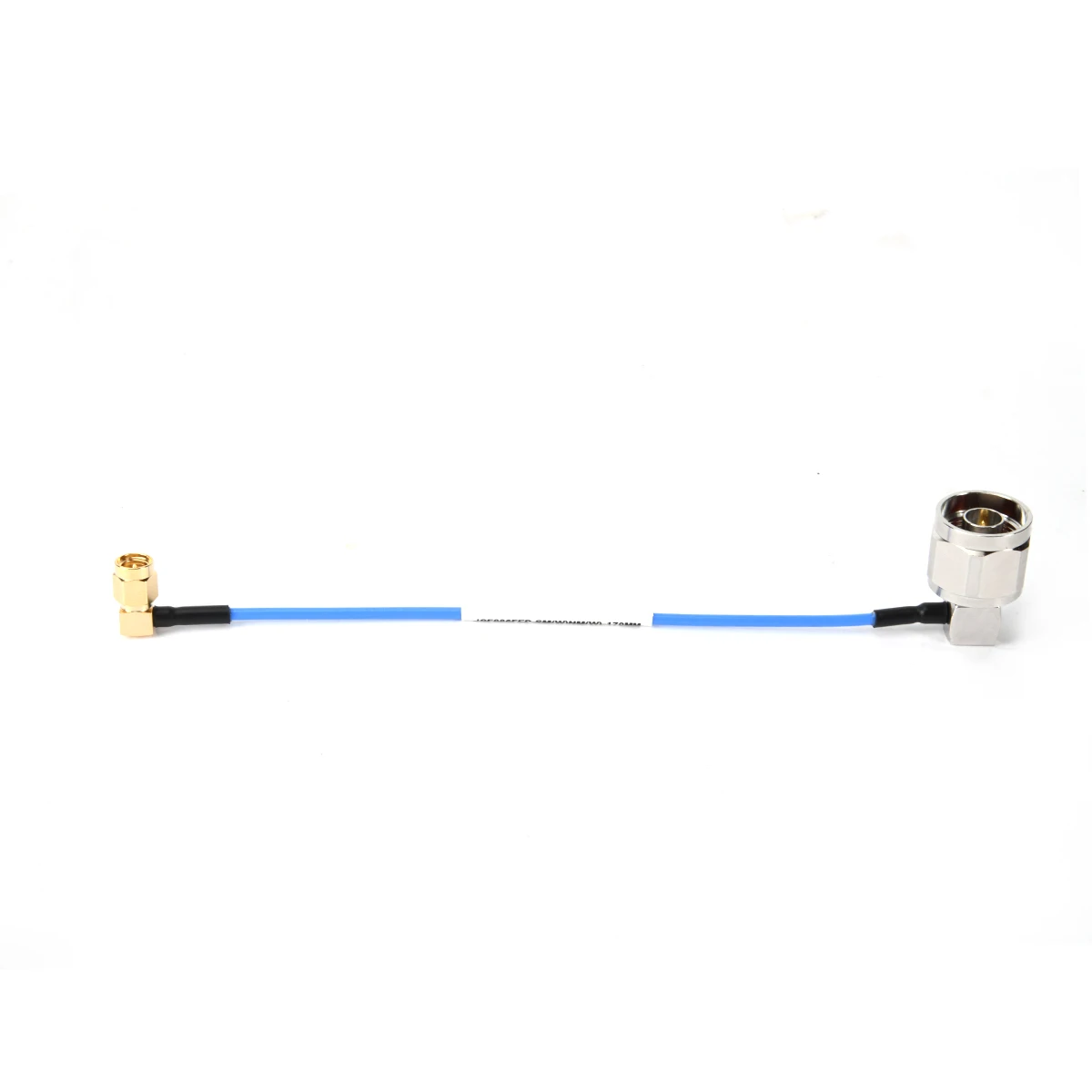
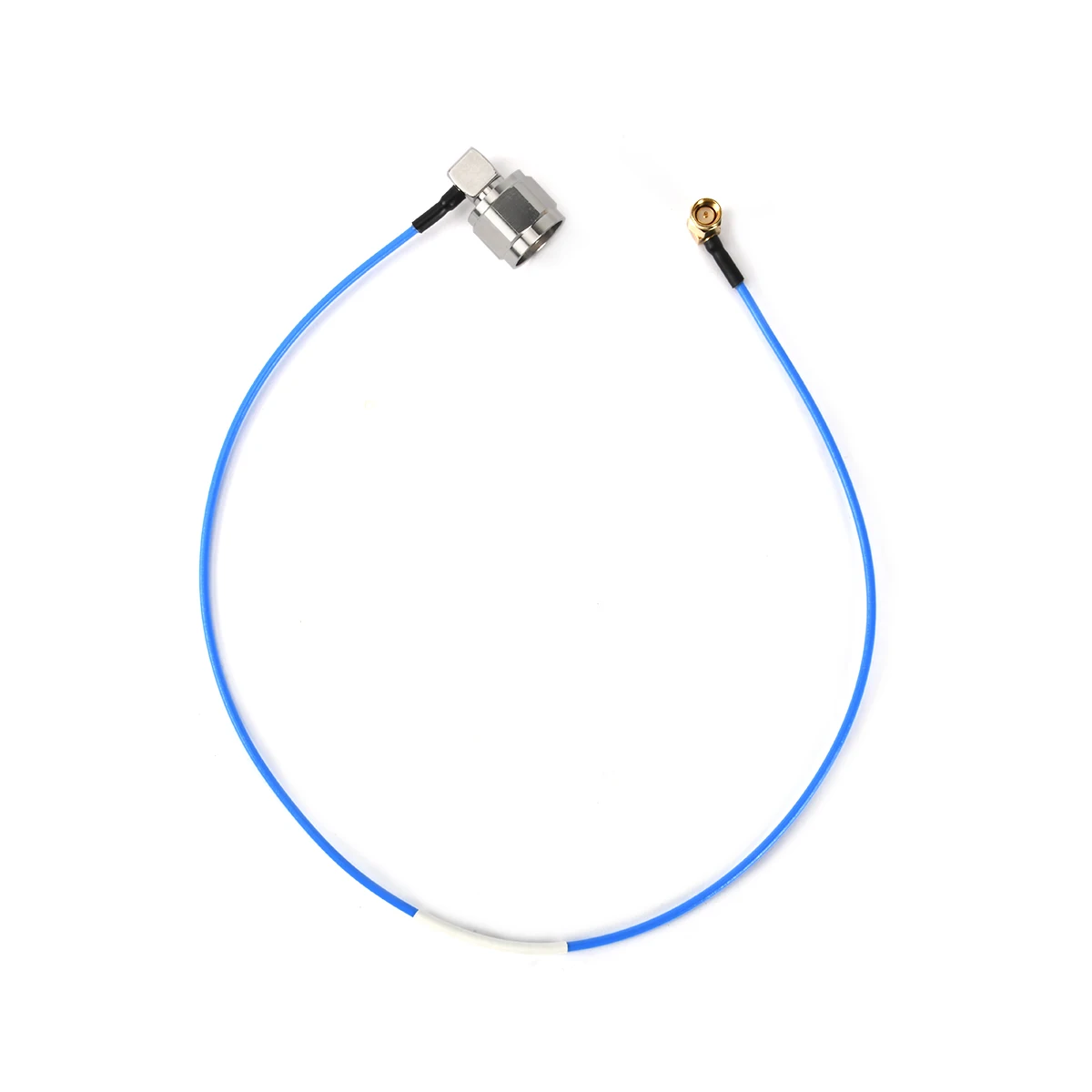
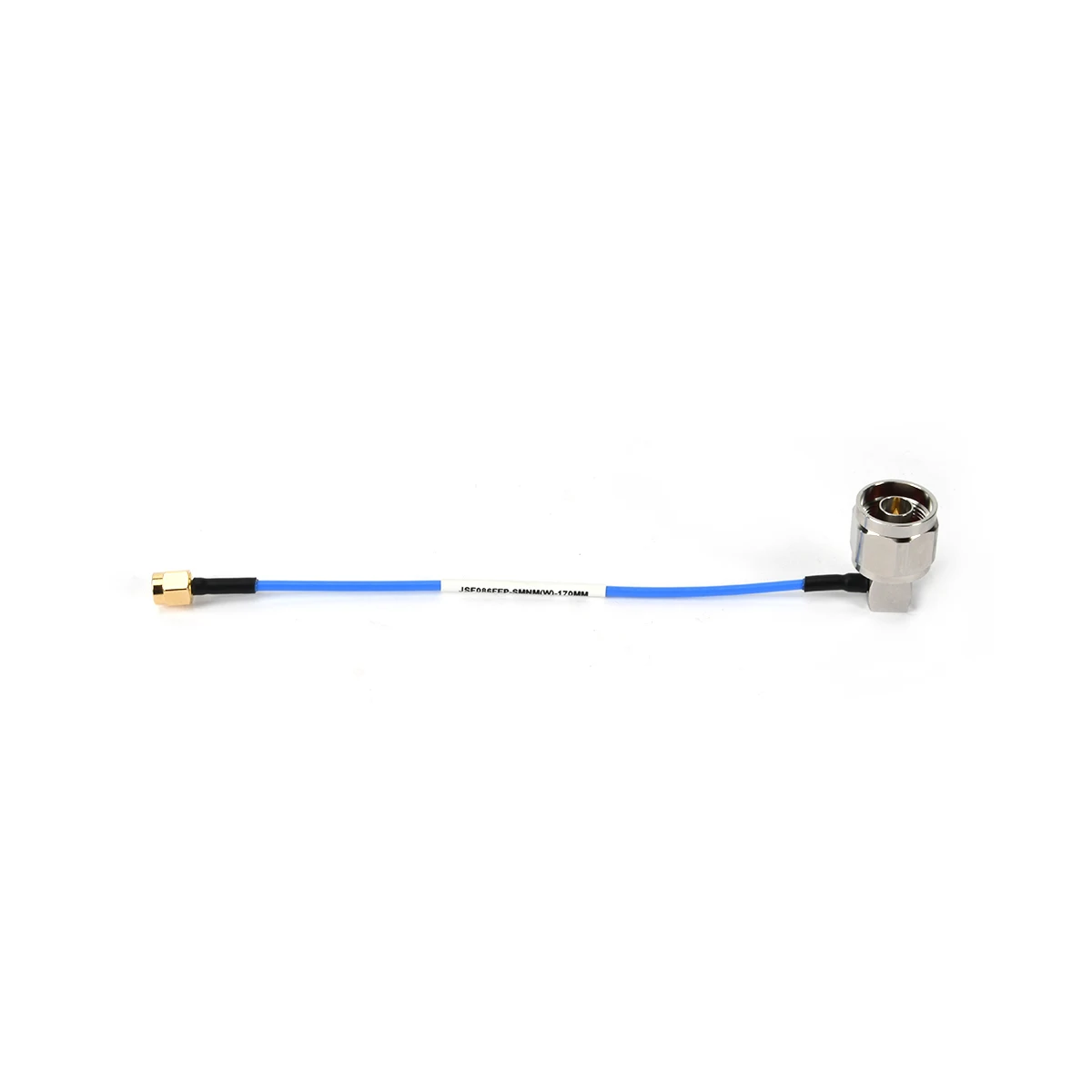
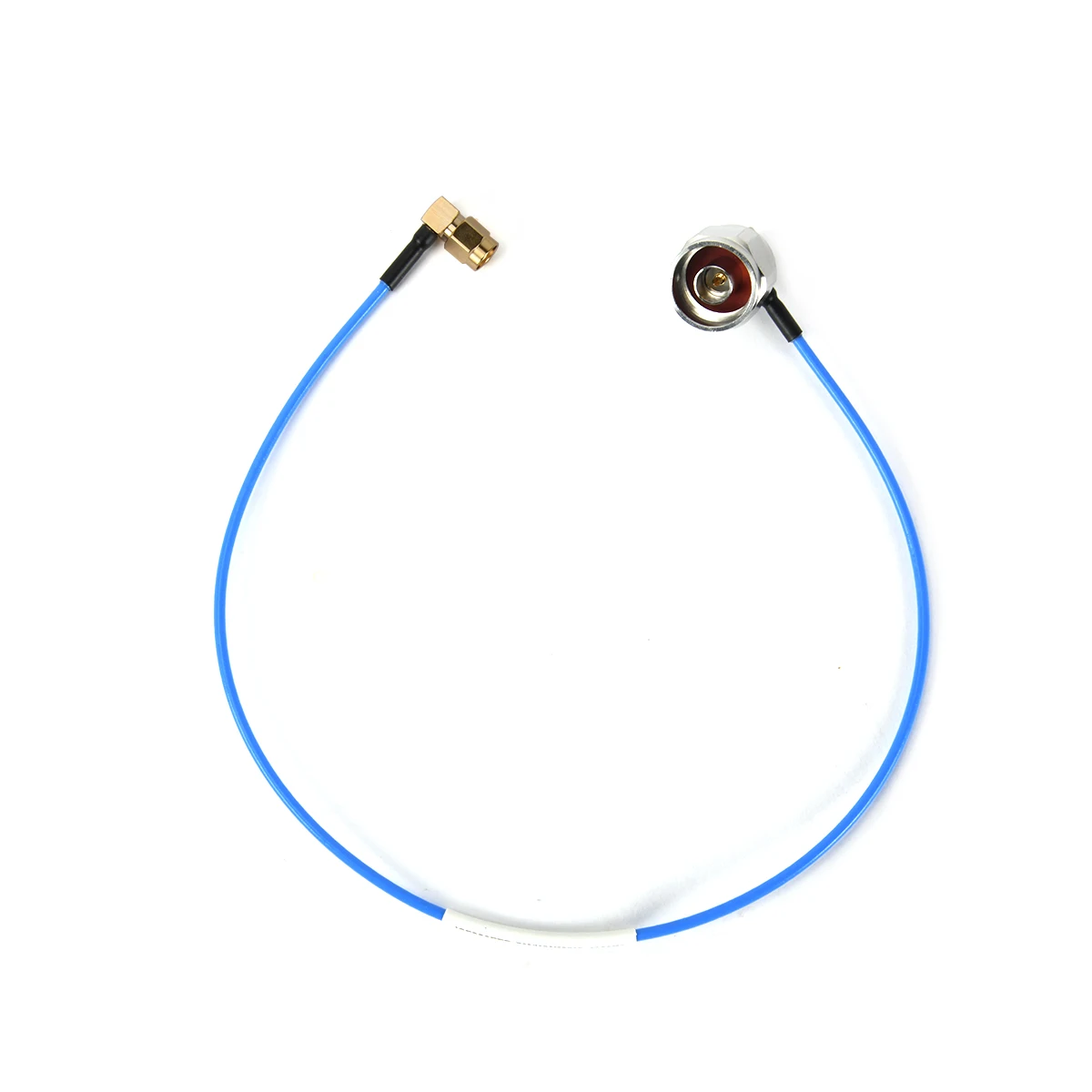
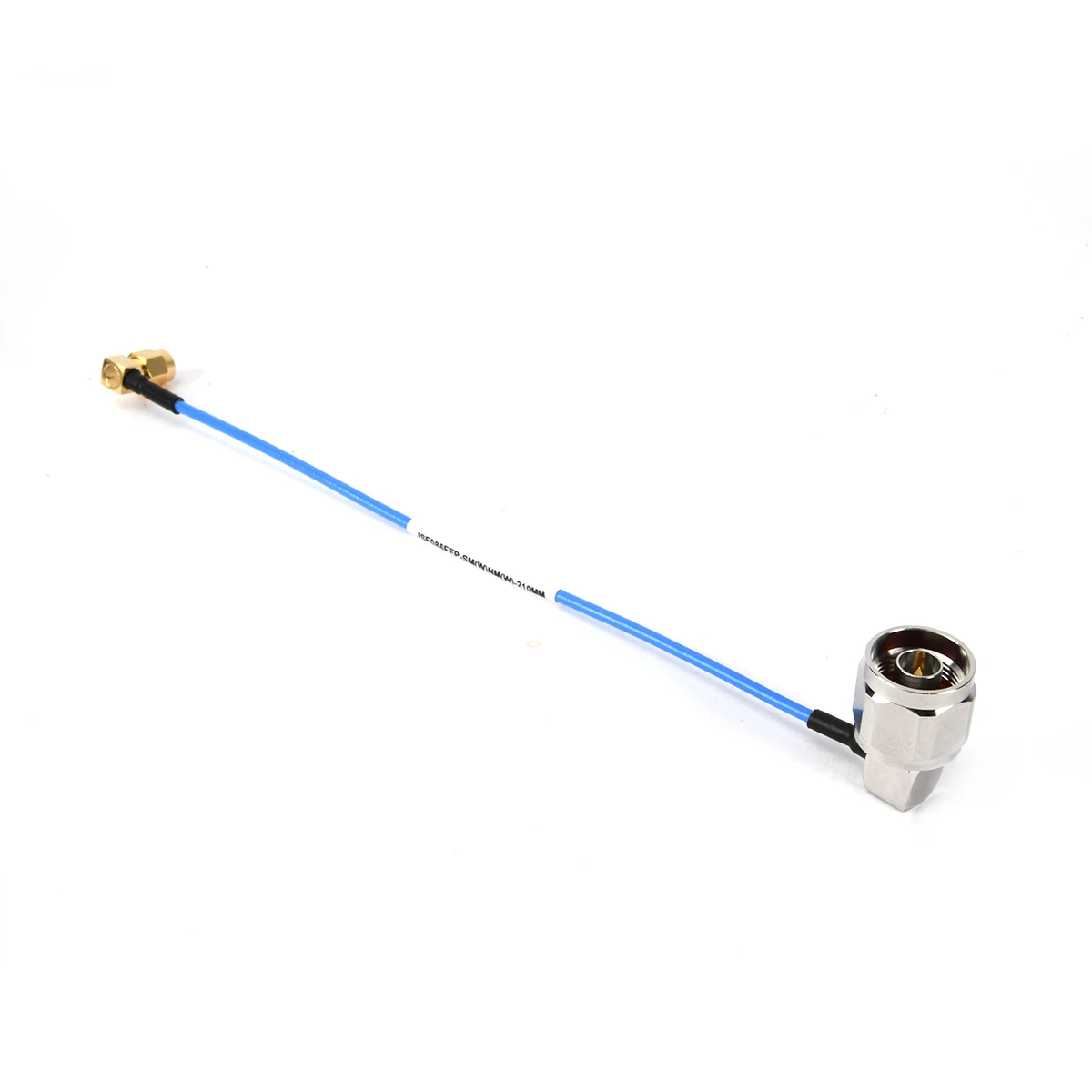
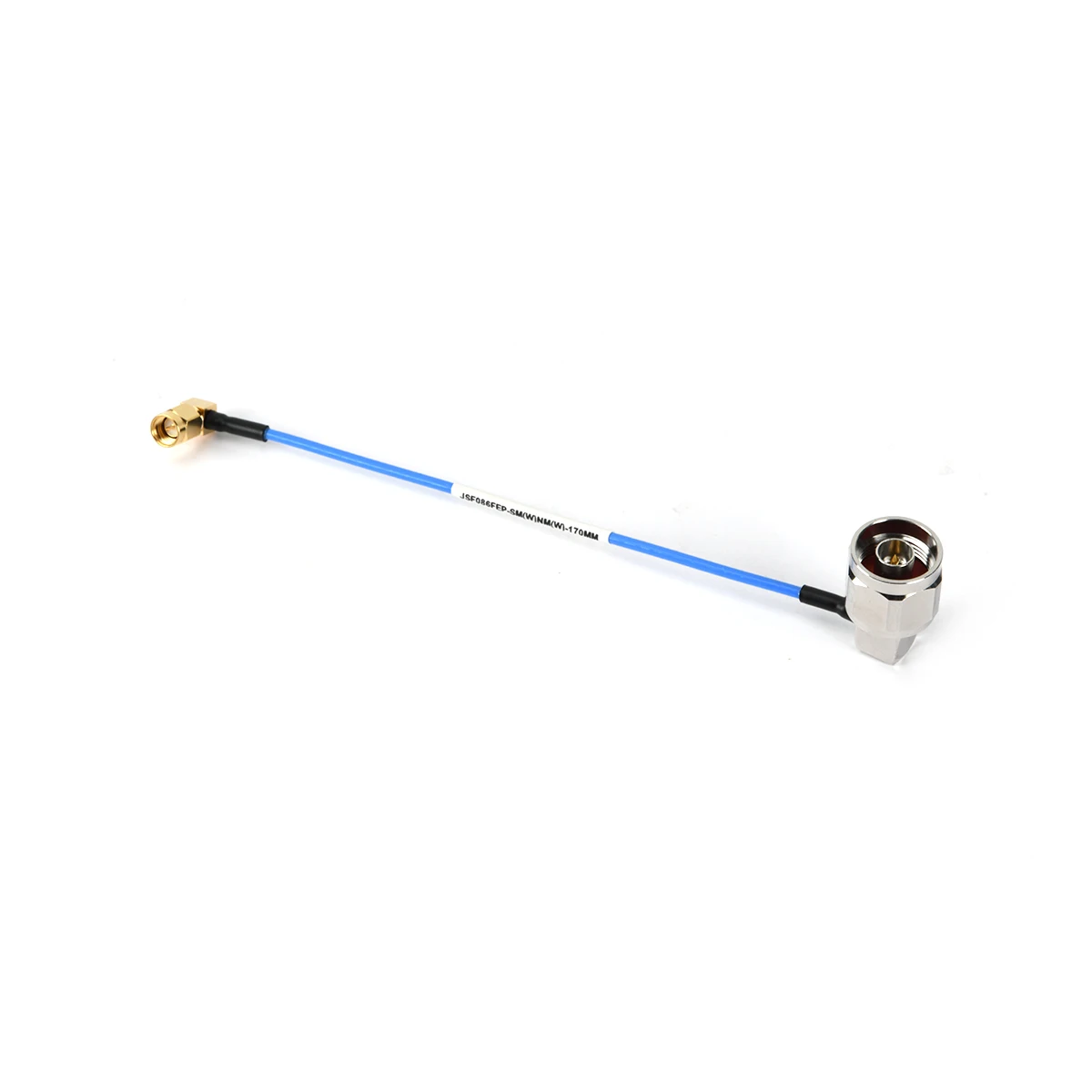
Zhenjiang Linkworld Microwave Communication Co., Ltd. is a leading RF and microwave technology company with over 20 years of expertise in the design and manufacturing of RF coaxial connectors, adapters, and cable assemblies. As an integrated manufacturing and trading enterprise established in 2015, Linkworld benefits from an R&D team with 25 years of product development experience, enabling close collaboration with customers from the early design phase to deliver optimized, high-reliability solutions. Guided by the core values of "Honesty and Perfection," the company produces a full portfolio compliant with IEC60169 standards, serving mission-critical industries including military and aerospace, telecommunications, radar systems, test and measurement, and medical equipment.
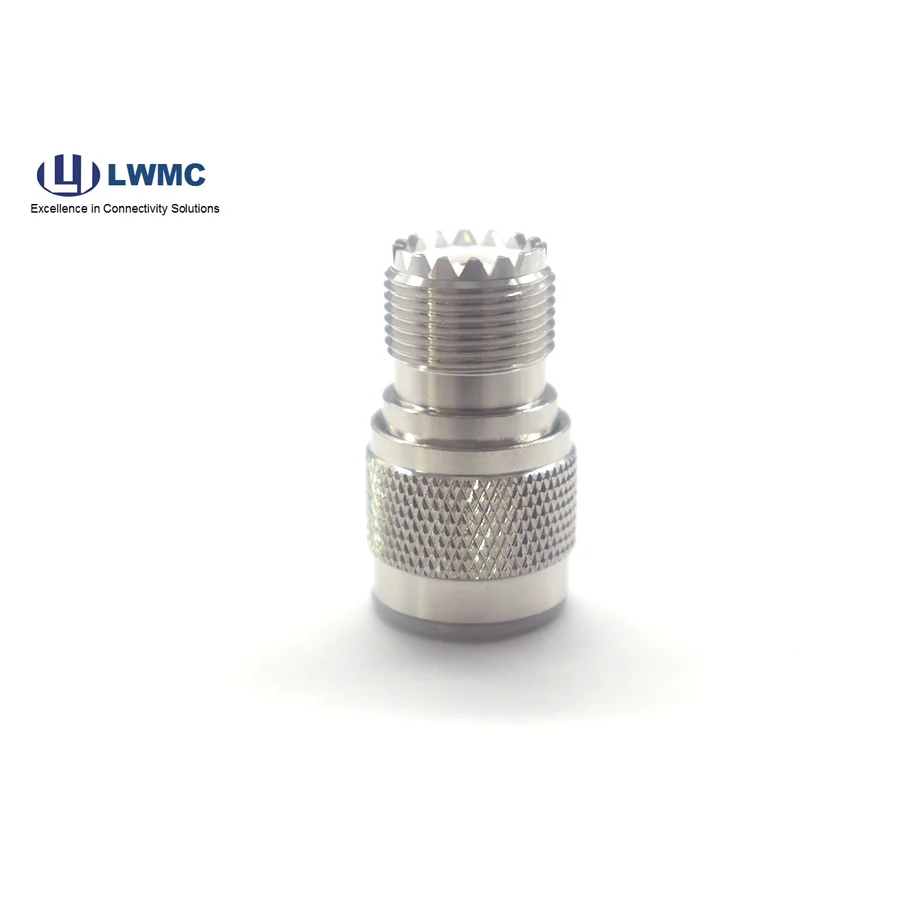
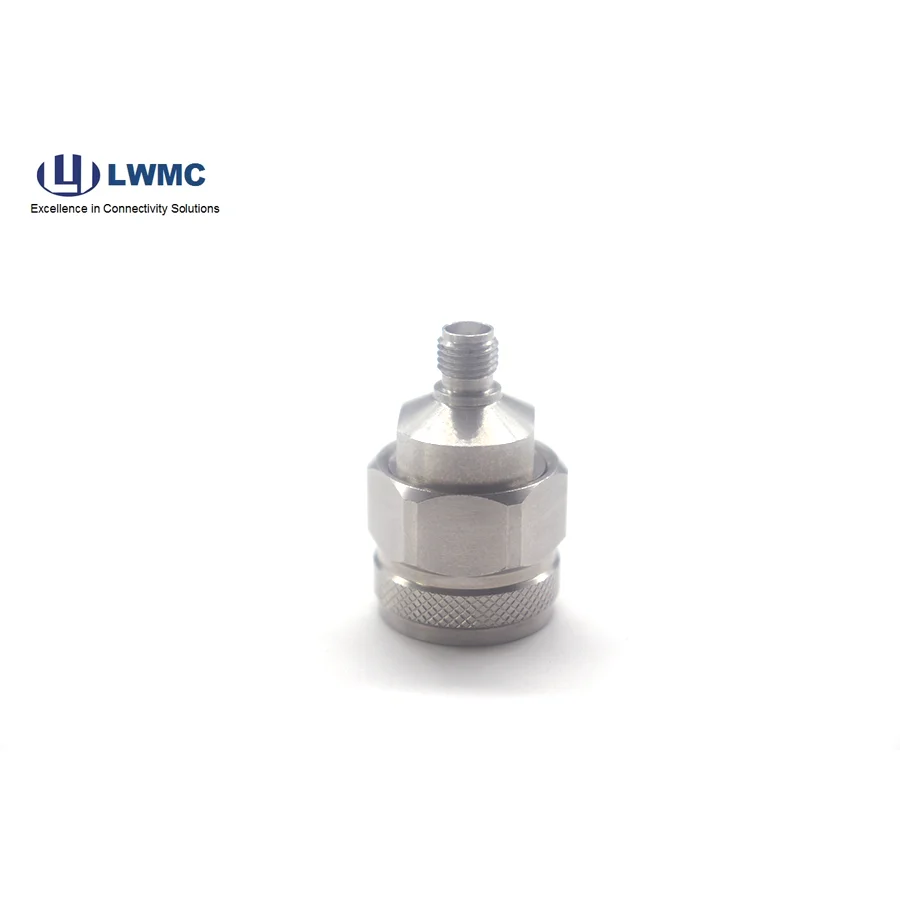
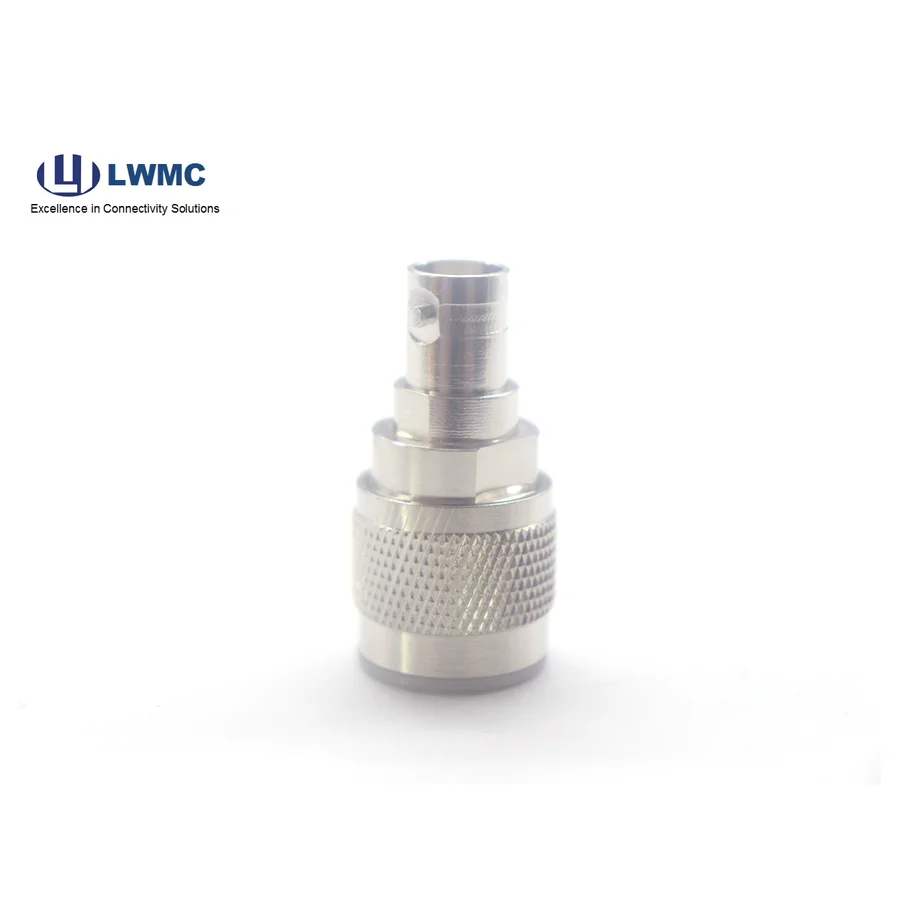
An N male to N male adapter is a passive device with two protruding male pins (center conductors) and threaded outer coupling nuts on both ends. Its primary function is to join two female N connectors—for example, extending a cable run, linking a test instrument to a device‑under‑test, or connecting two panels within a rack system. Unlike a cable assembly, this rigid adapter introduces minimal insertion loss and phase variation, making it ideal for calibration setups and reference standards. Linkworld’s adapters are fully compliant with IEC60169 standards, available in 50‑ohm and 75‑ohm versions, and can be finished with stainless steel, brass, or beryllium copper contacts to suit different mechanical and environmental requirements.
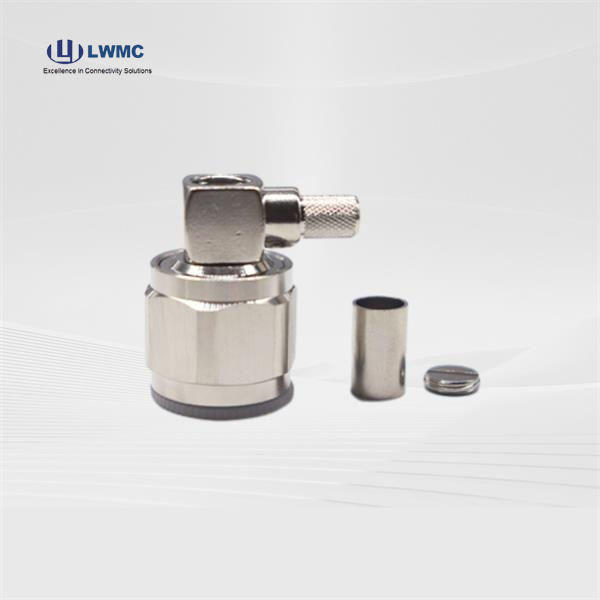
When selecting an N male to N male adapter, key specifications include frequency range, VSWR, insertion loss, and mating cycle durability. Linkworld’s adapters support frequencies up to 18 GHz for standard versions and up to 67 GHz for precision‑grade variants, with VSWR as low as 1.10 to minimise signal reflections. Insertion loss is kept below 0.15 dB at typical operating bands, ensuring high power transfer efficiency. The adapters feature a mating life exceeding 500 cycles, with gold or silver plating on contact surfaces to resist corrosion and maintain consistent electrical performance. Passive intermodulation (PIM) is another critical factor; our high‑performance versions achieve IMD as low as ‑168 dBc, making them suitable for low‑PIM base station and satellite applications. Custom designs with specific torque values, plating, or mechanical dimensions are also available to meet unique system requirements.
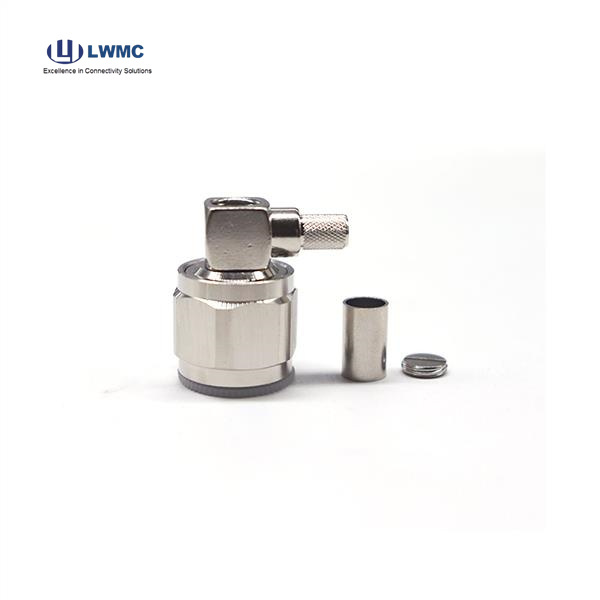
Proper installation of an N male to N male adapter begins with a visual inspection of both male pins for straightness and cleanliness, and of the female ports for debris or damaged threads. Align the adapter carefully with each female connector, then thread the coupling nuts by hand until finger‑tight—never force the connection, as cross‑threading can permanently damage all interfaces. Use a calibrated torque wrench to apply the recommended torque, typically 1.0–1.7 N·m, to each side sequentially; over‑tightening can deform the center pins, while under‑tightening causes poor contact and elevated VSWR. For critical or outdoor installations, clean the threads and mating surfaces with isopropyl alcohol and lint‑free swabs before assembly, and apply connector‑grade lubricant to threads (not to the dielectric) to ease future disassembly and extend service life.
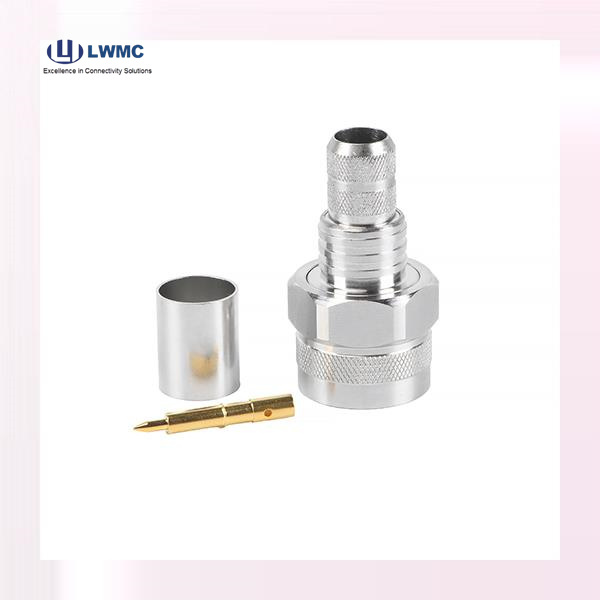
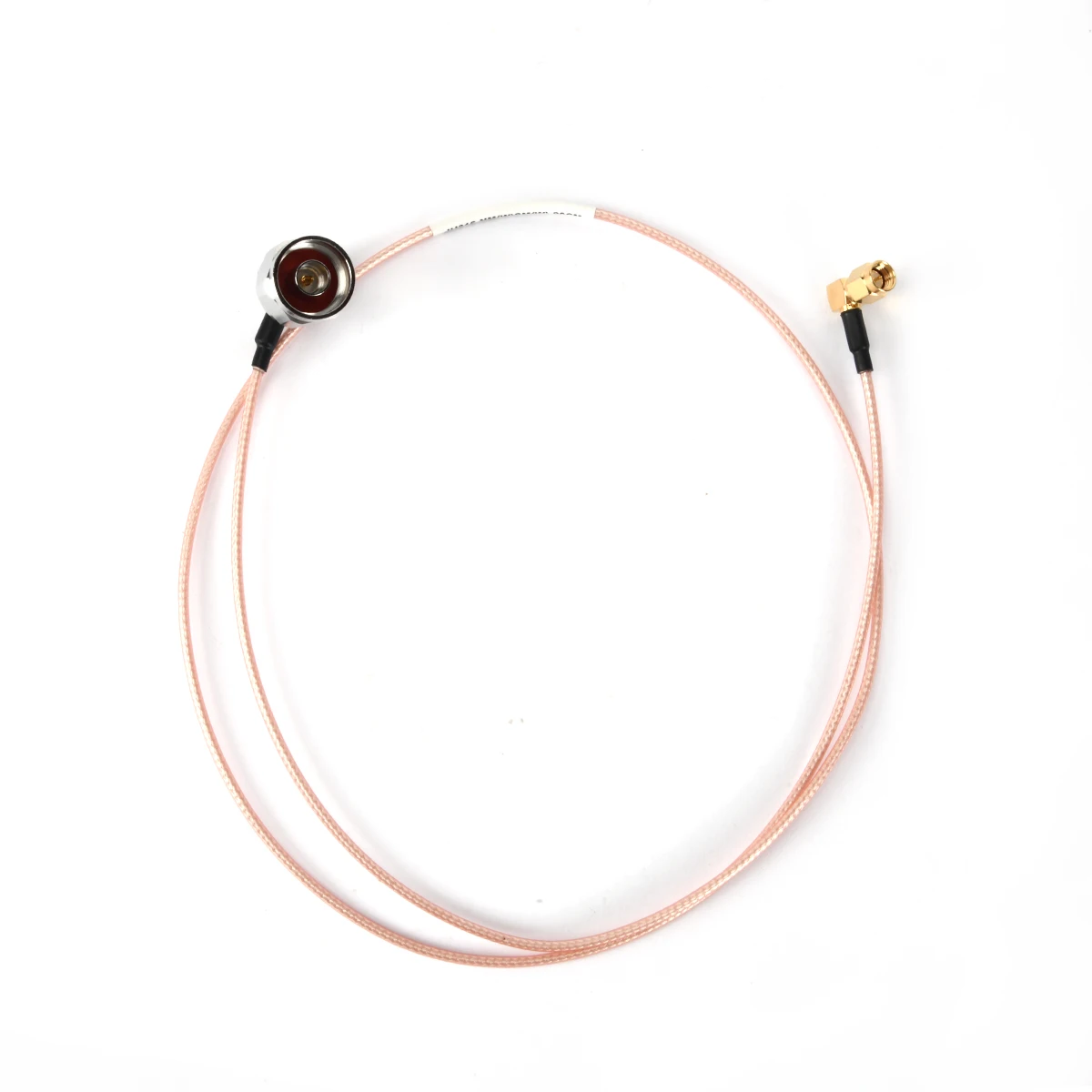
N male to N male adapters are widely used across numerous RF applications. In test and measurement, they connect calibration kits, network analyzers, and signal generators to DUTs (devices under test), providing a stable, low‑loss reference path. In telecommunications, they bridge antenna feeders, jumpers, and base station equipment, often in low‑PIM configurations to prevent intermodulation distortion in multi‑carrier systems. Military and aerospace installations use them in radar feeders, electronic warfare suites, and satellite ground terminals, where ruggedness and environmental sealing are essential. They also appear in medical imaging equipment (e.g., MRI), oil exploration downhole tools, and broadcast transmission chains. Linkworld’s integrated manufacturing capability allows us to supply these adapters as standalone items, matched with our cable assemblies, or integrated with glass‑to‑metal seals for hermetic applications up to 350°C—delivering reliable, high‑performance connections wherever they are needed.

 EN
EN