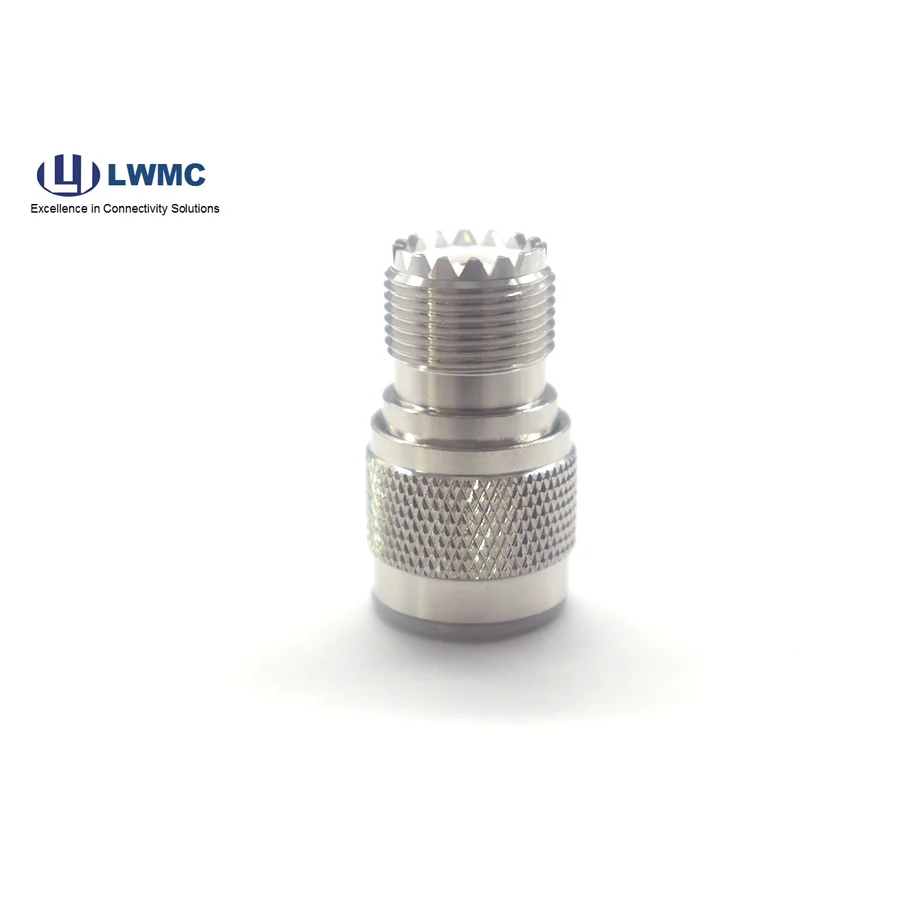
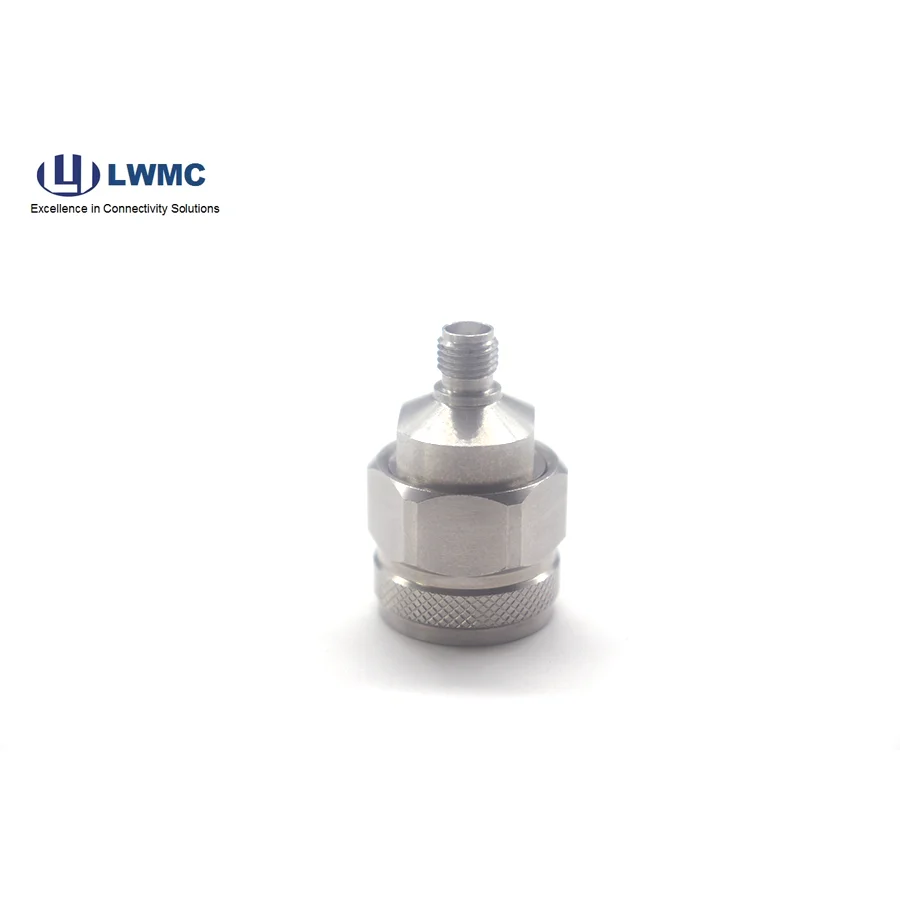
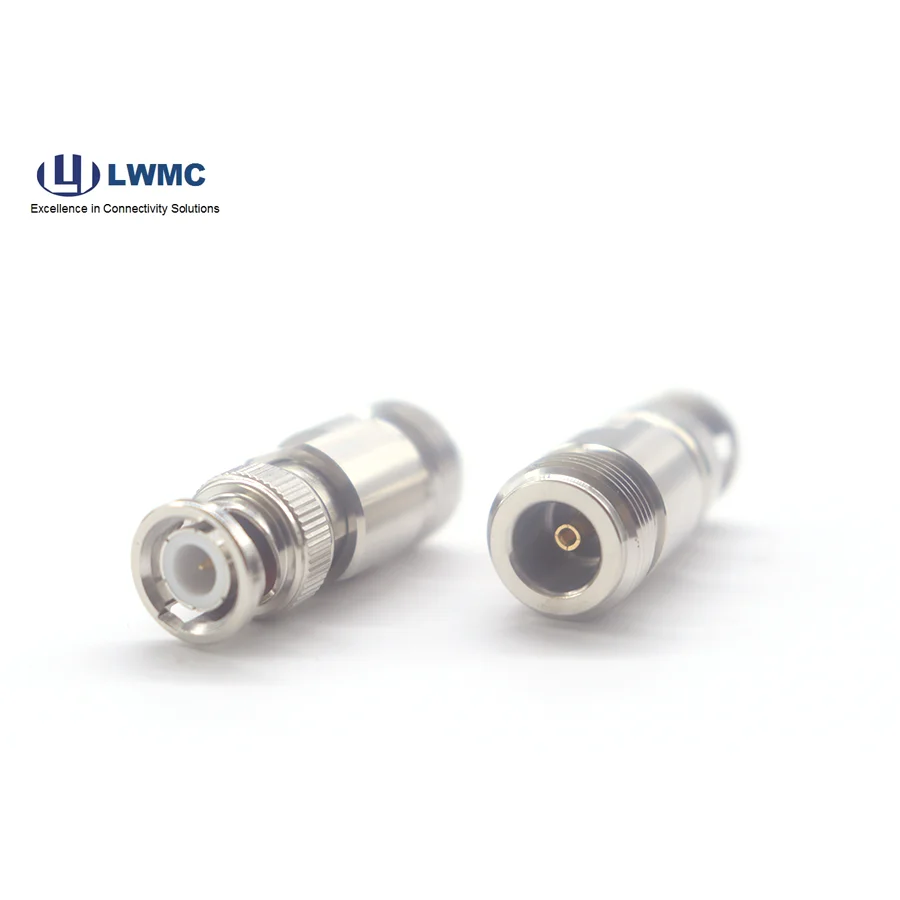
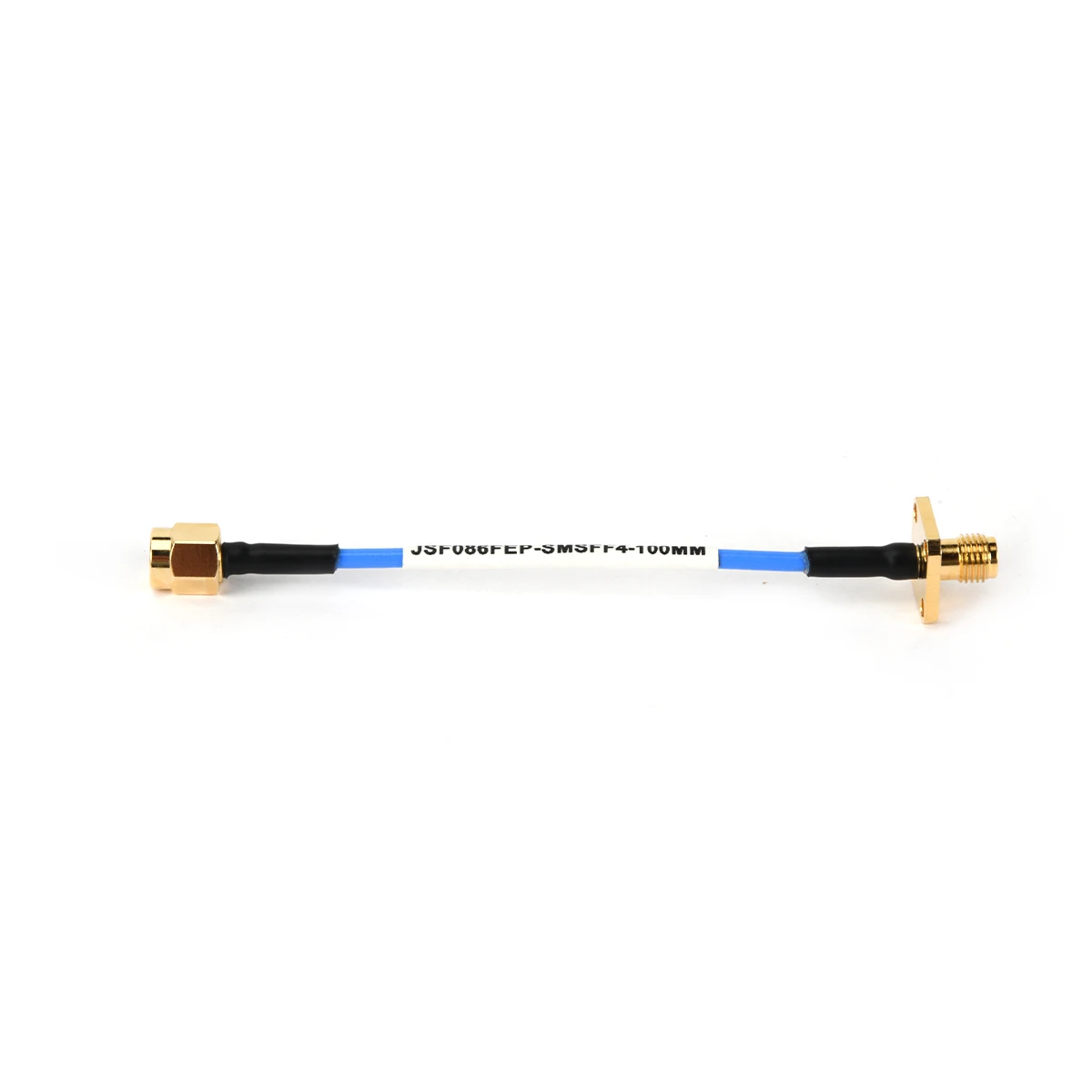
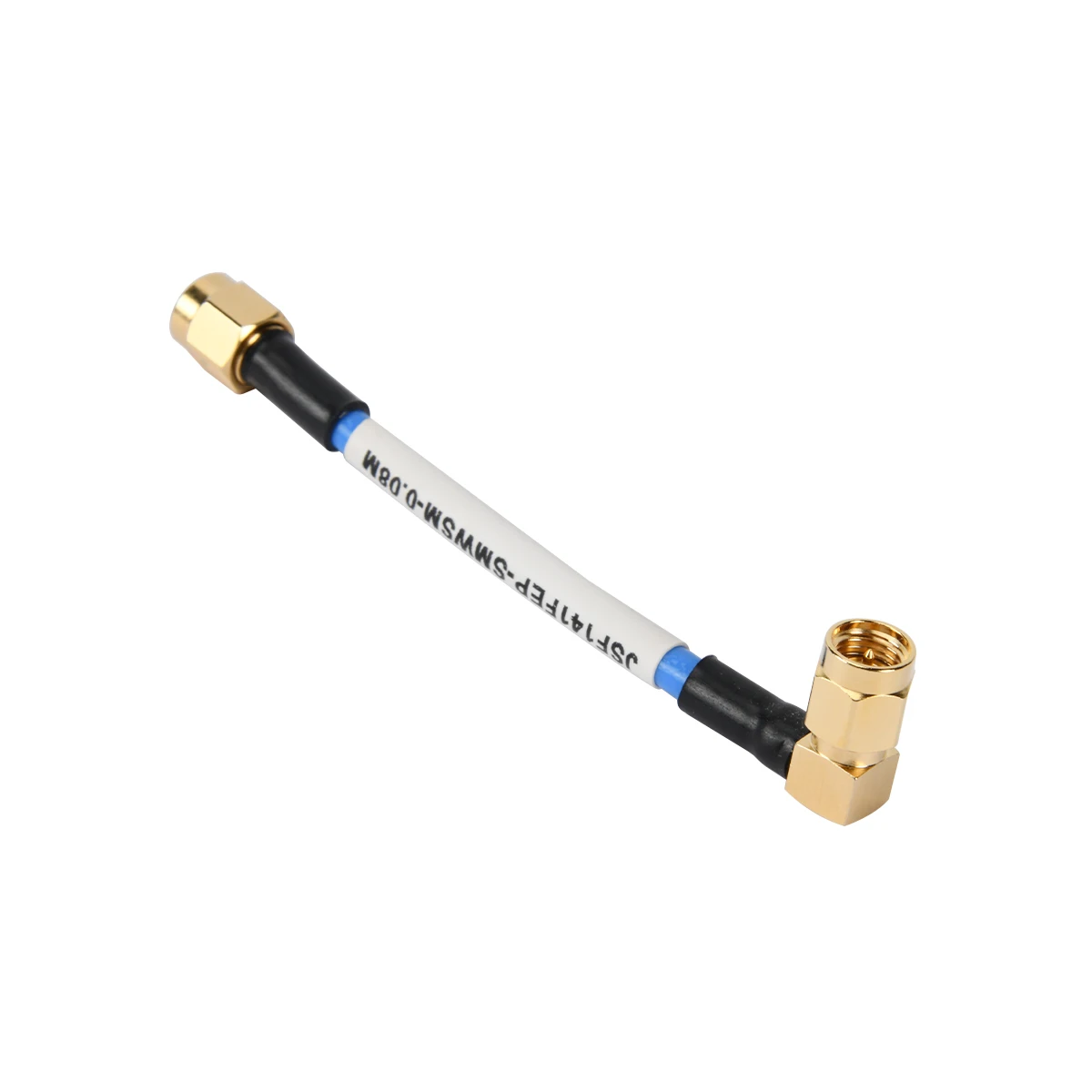
The N male connector is a threaded, medium-sized coaxial interface that has become a workhorse in RF and microwave systems worldwide. Known for its rugged construction, weather resistance, and stable electrical performance up to 18 GHz (with precision versions reaching 67 GHz), this connector is indispensable in telecommunications, military aerospace, satellite ground stations, radar, and test instrumentation. At Zhenjiang Linkworld Microwave Communication Co., Ltd., we combine over 20 years of RF expertise with an R&D team that brings 25 years of product development experience to engineer N male connectors that deliver low VSWR (as low as 1.10), high power handling, and exceptional durability.
Proper installation is critical to achieving the connector’s rated performance. Start by inspecting the N male connector’s center pin for straightness and the threads for any burrs or debris. Align the connector axially with the mating female jack, then thread the coupling nut on by hand until it is finger-tight—never force it if resistance is felt, as cross-threading can permanently damage both connectors. Next, use a calibrated torque wrench to apply the recommended torque, typically between 1.0 and 1.7 N·m for standard N-types; over-tightening can deform the dielectric or center conductor, while under-tightening leads to poor contact and increased VSWR. For outdoor installations, wrap the joint with self-amalgamating tape and weatherproof sealant to prevent moisture ingress. Linkworld’s N male connectors feature a mating life exceeding 500 cycles, but always clean threads and mating surfaces with isopropyl alcohol and lint-free swabs before each critical connection to maintain optimal signal integrity.
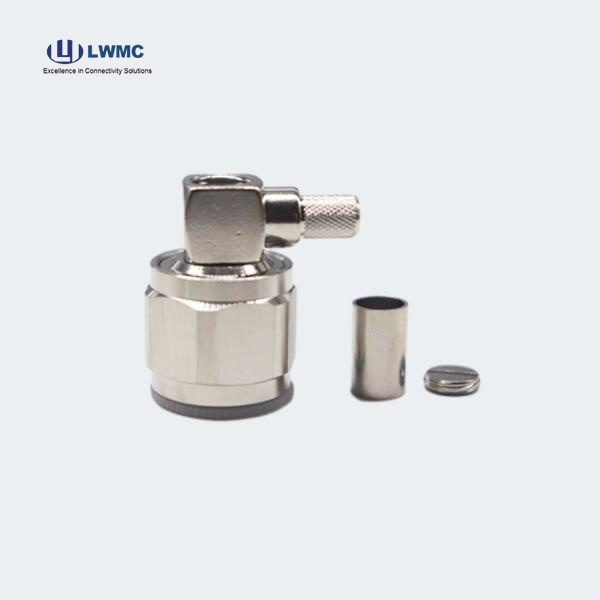
The N male connector offers several distinct advantages over smaller interfaces like SMA or BNC. Its air-dielectric design and precision-machined outer conductor provide low insertion loss and excellent return loss across a wide bandwidth, while the threaded coupling mechanism ensures a vibration-proof, secure connection that withstands harsh environments and repeated mating cycles. Power handling is significantly higher—typically up to several hundred watts—making it ideal for high-power transmitters and broadcast applications. Linkworld’s precision-grade N male connectors also offer phase-stable and amplitude-stable characteristics, ensuring consistent measurements in laboratory calibration and radar phased-array systems. Additionally, our connectors are fully compliant with IEC60169 standards and available in various plating options (silver, nickel, or passivated stainless steel) to suit indoor, outdoor, and corrosive settings, giving you flexibility without compromising performance.
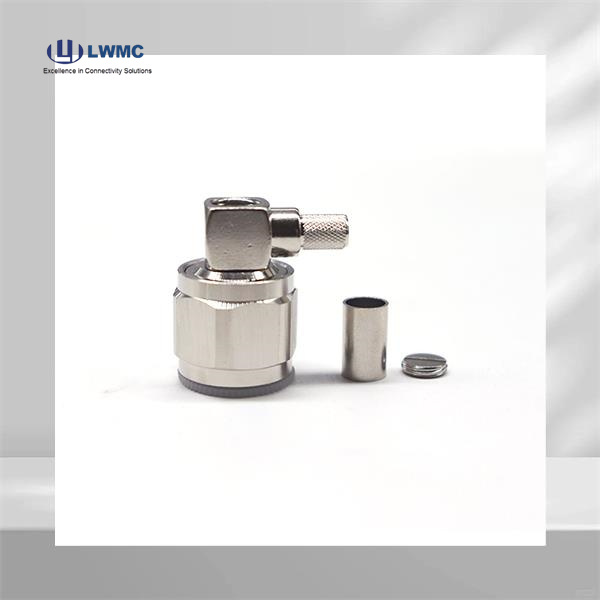
N male connectors are found in a wide array of mission-critical applications. In telecommunications, they connect base station feeders, antennas, and jumpers, handling high RF power with minimal loss. Military and aerospace systems rely on them for radar feeders, electronic warfare equipment, and satellite communication terminals, where ruggedness and reliability are paramount. Test and measurement laboratories use precision N male connectors for network analyzers and calibration kits, benefiting from their excellent repeatability and low VSWR. Other sectors include oil exploration (where downhole tools require robust interconnections), medical equipment (such as MRI systems), and consumer electronics testing. Linkworld’s integrated manufacturing capabilities allow us to offer N male connectors as standalone parts, integrated into flexible or semi-rigid cable assemblies, or combined with glass-to-metal seals for hermetic applications up to 350°C—ensuring a solution for virtually any environment.
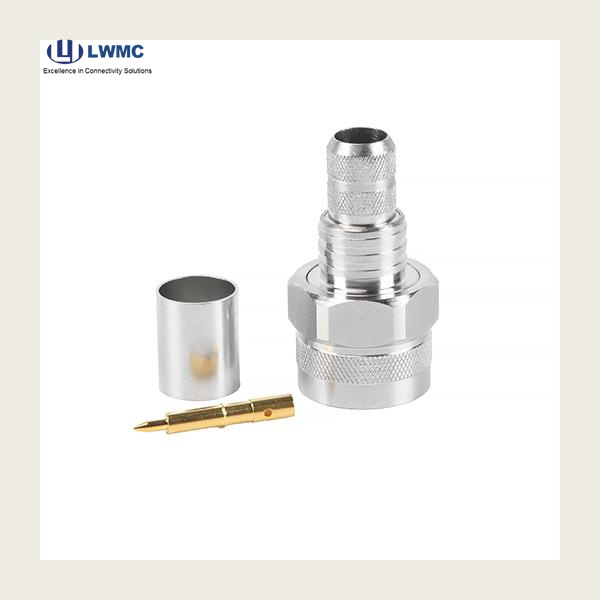
Common issues with N male connectors include increased VSWR, intermittent signals, or complete loss of continuity. First, inspect the center pin for bending or pitting—a bent pin cannot be repaired and requires replacement. Check the mating female socket for debris, corrosion, or damaged threads; clean with isopropyl alcohol and a lint-free swab. If the coupling nut feels loose or rough, the threads may be worn—re-torque to specification, but if the problem persists, replace the connector. For systems experiencing passive intermodulation (PIM) distortion, verify that all connections are clean and properly torqued, and ensure no dissimilar metals are in contact. Linkworld’s technical support team is always available to assist with diagnostics; we also offer re-certification services to restore your connectors to factory performance. With proper care and our high-quality engineering, your N male connectors will deliver years of reliable service.

 EN
EN