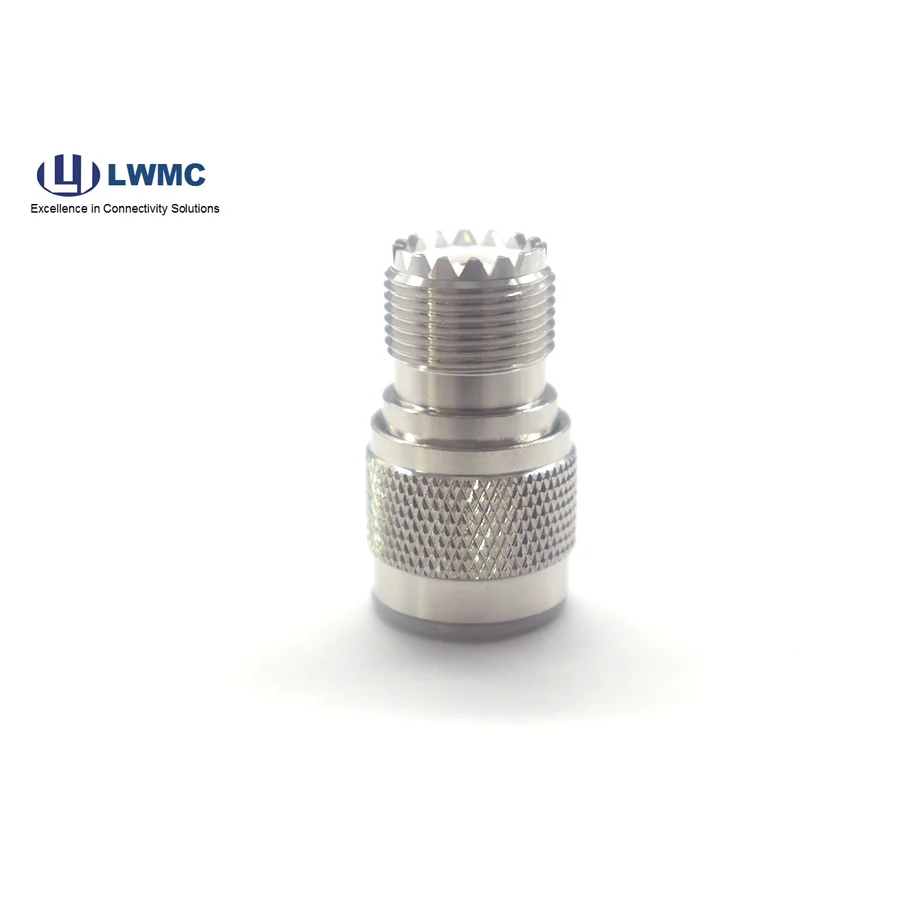
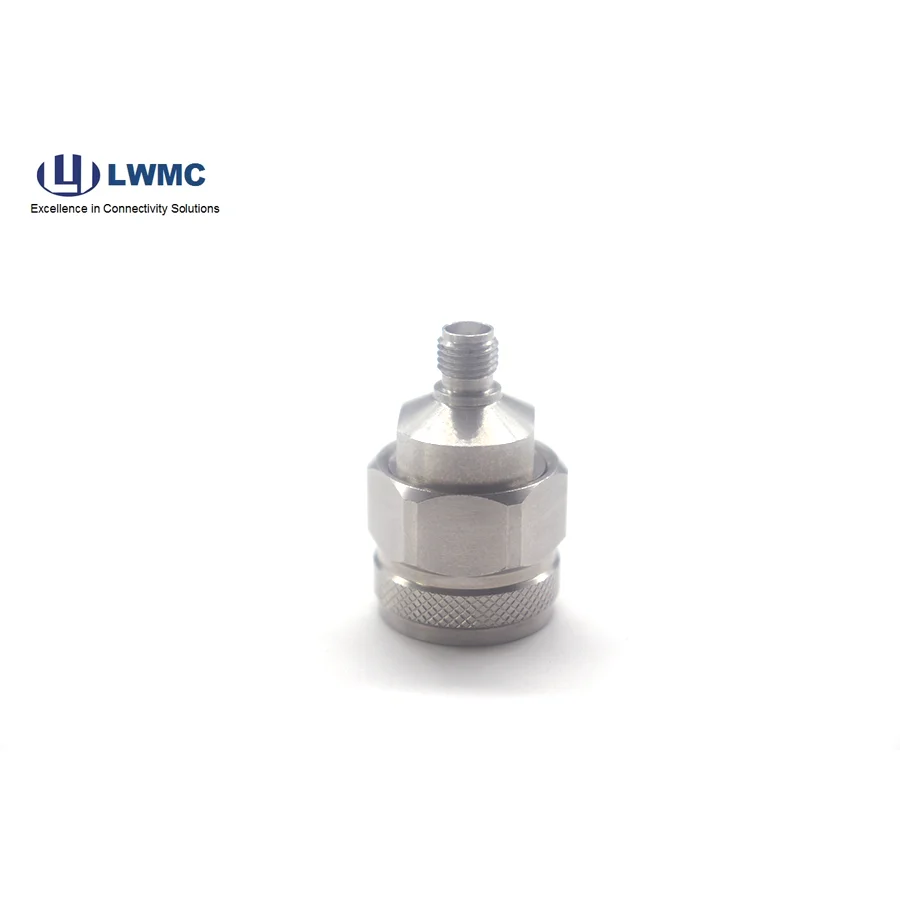
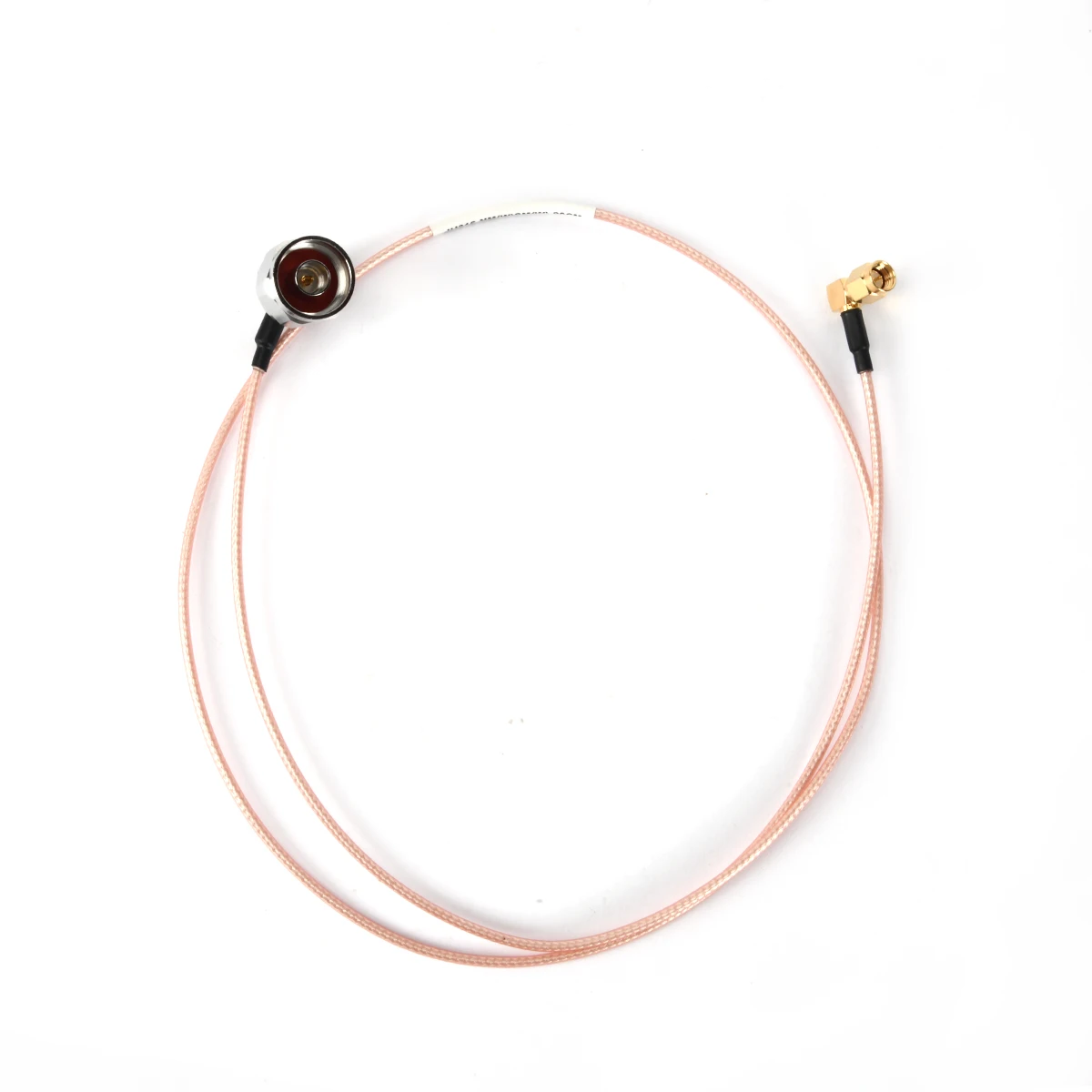
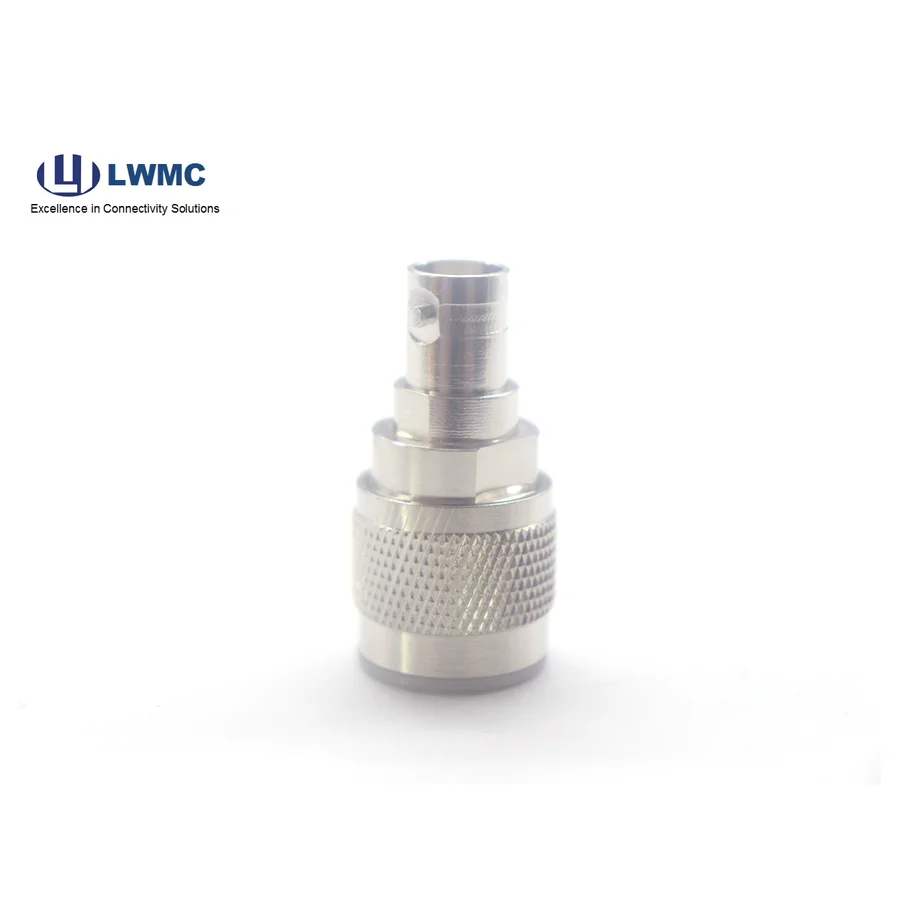
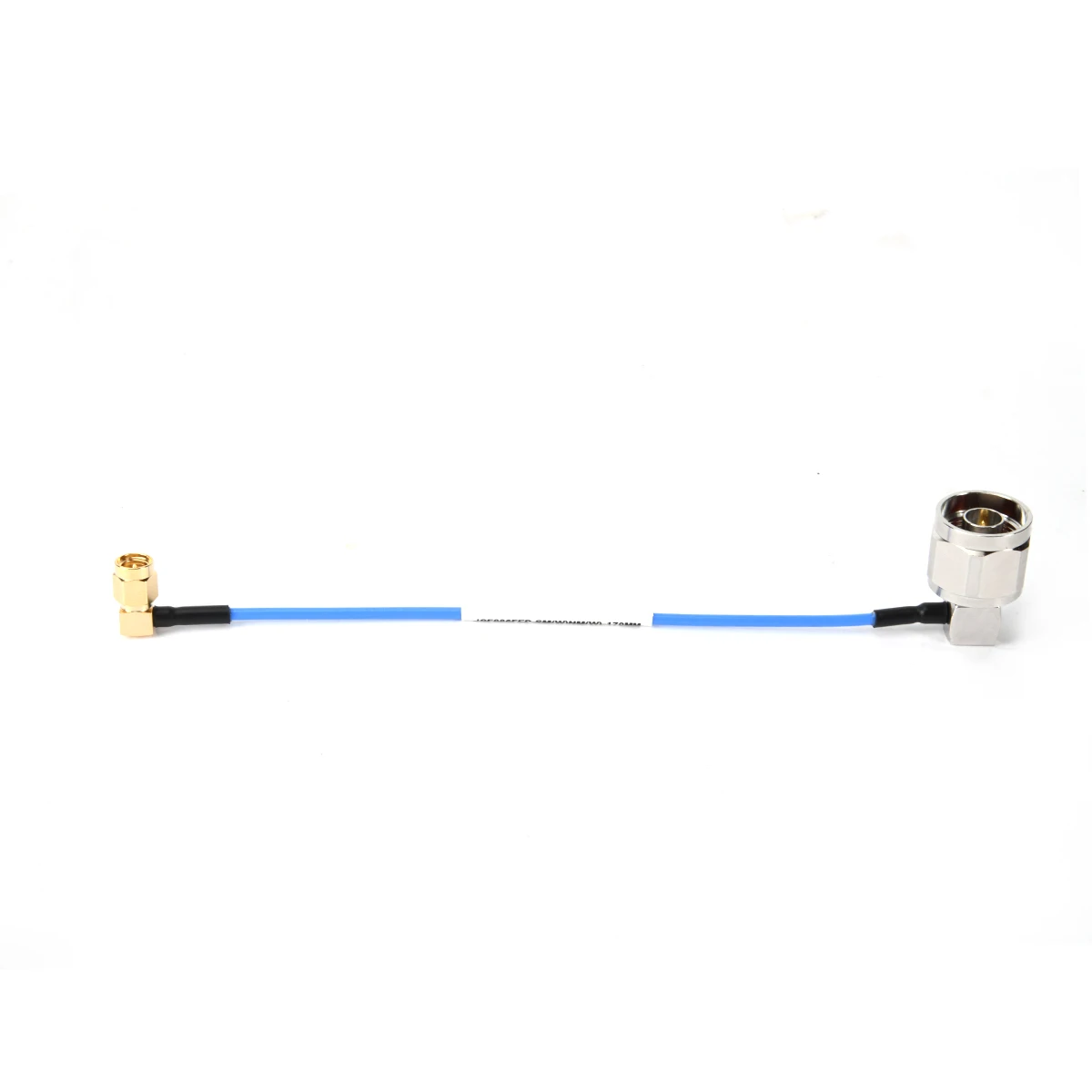
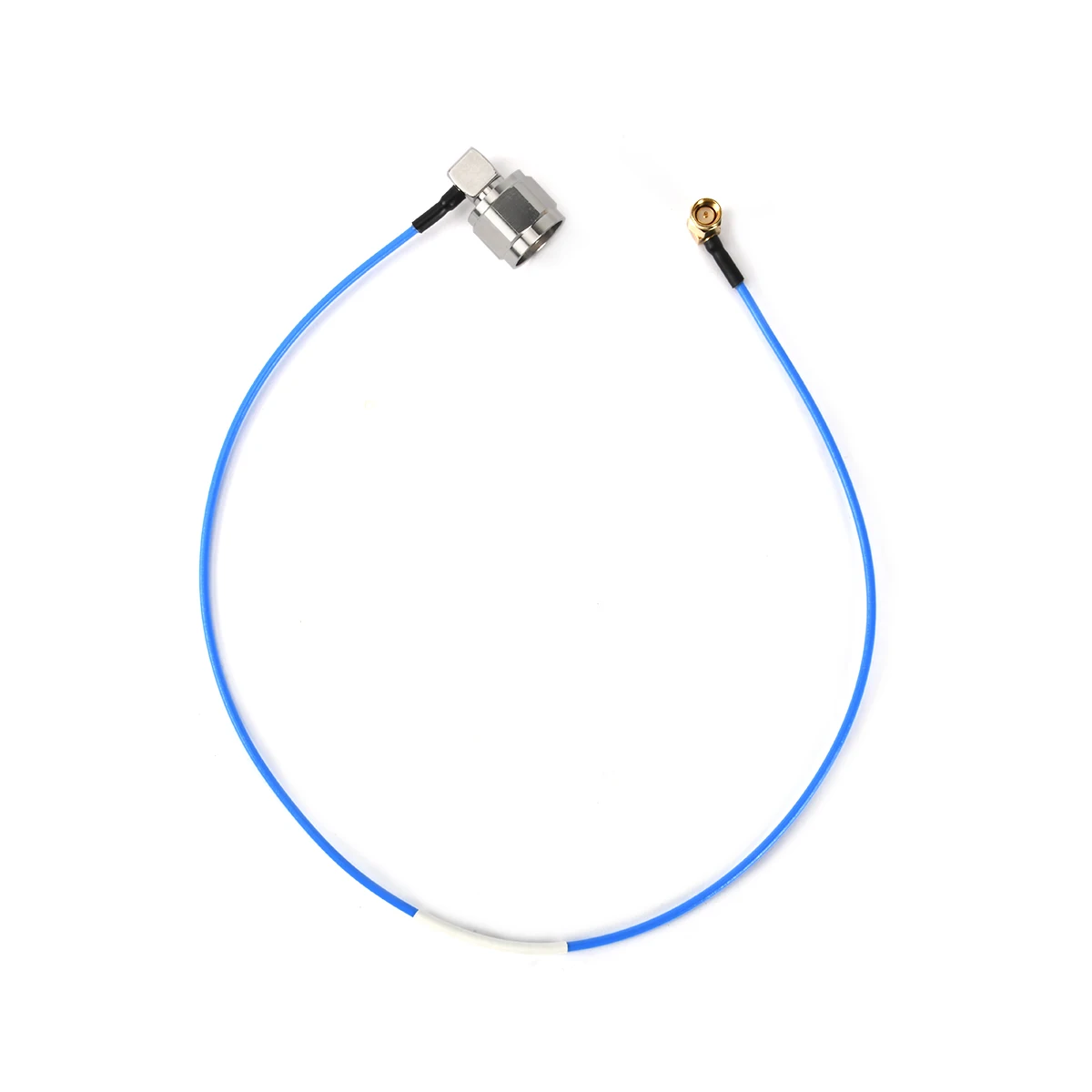
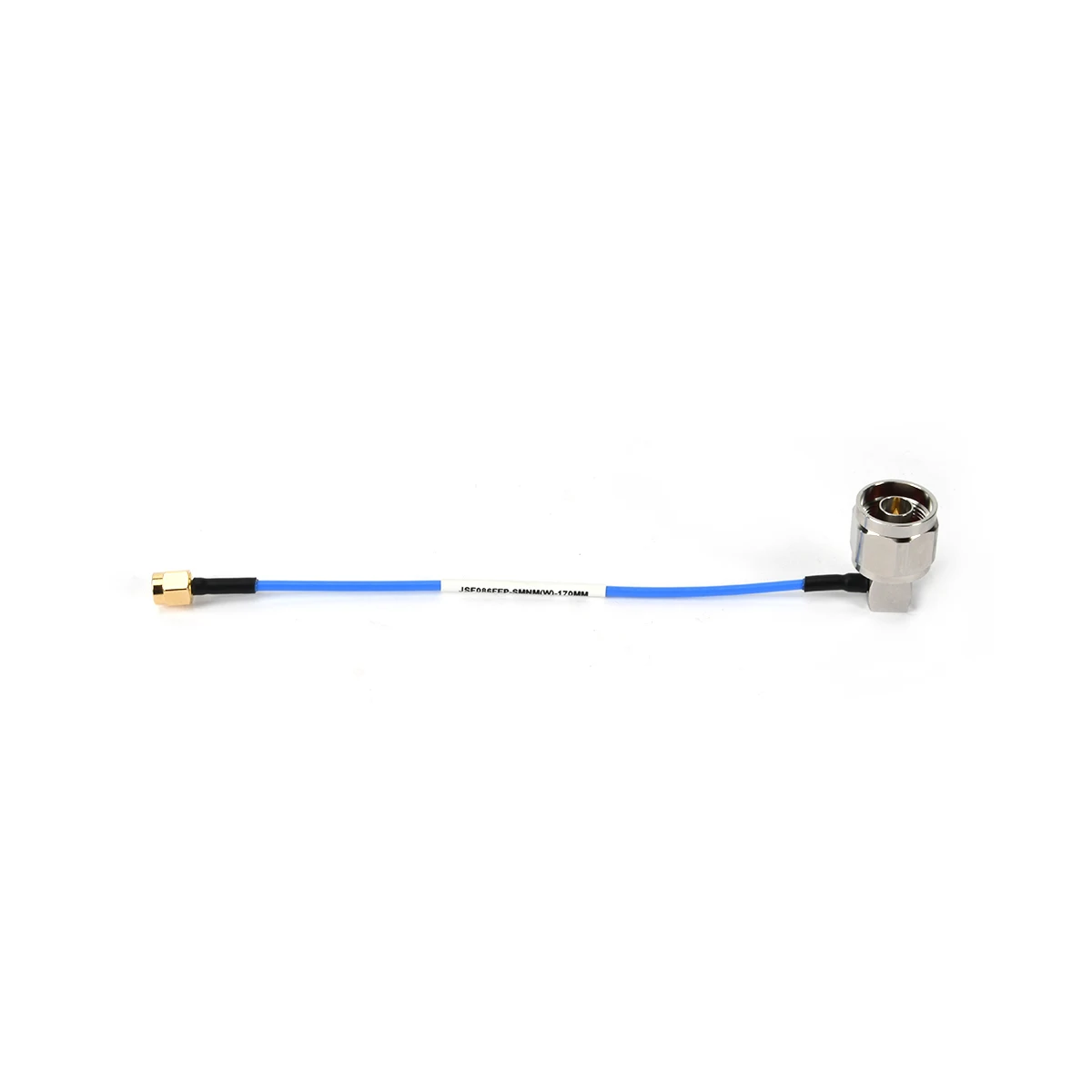
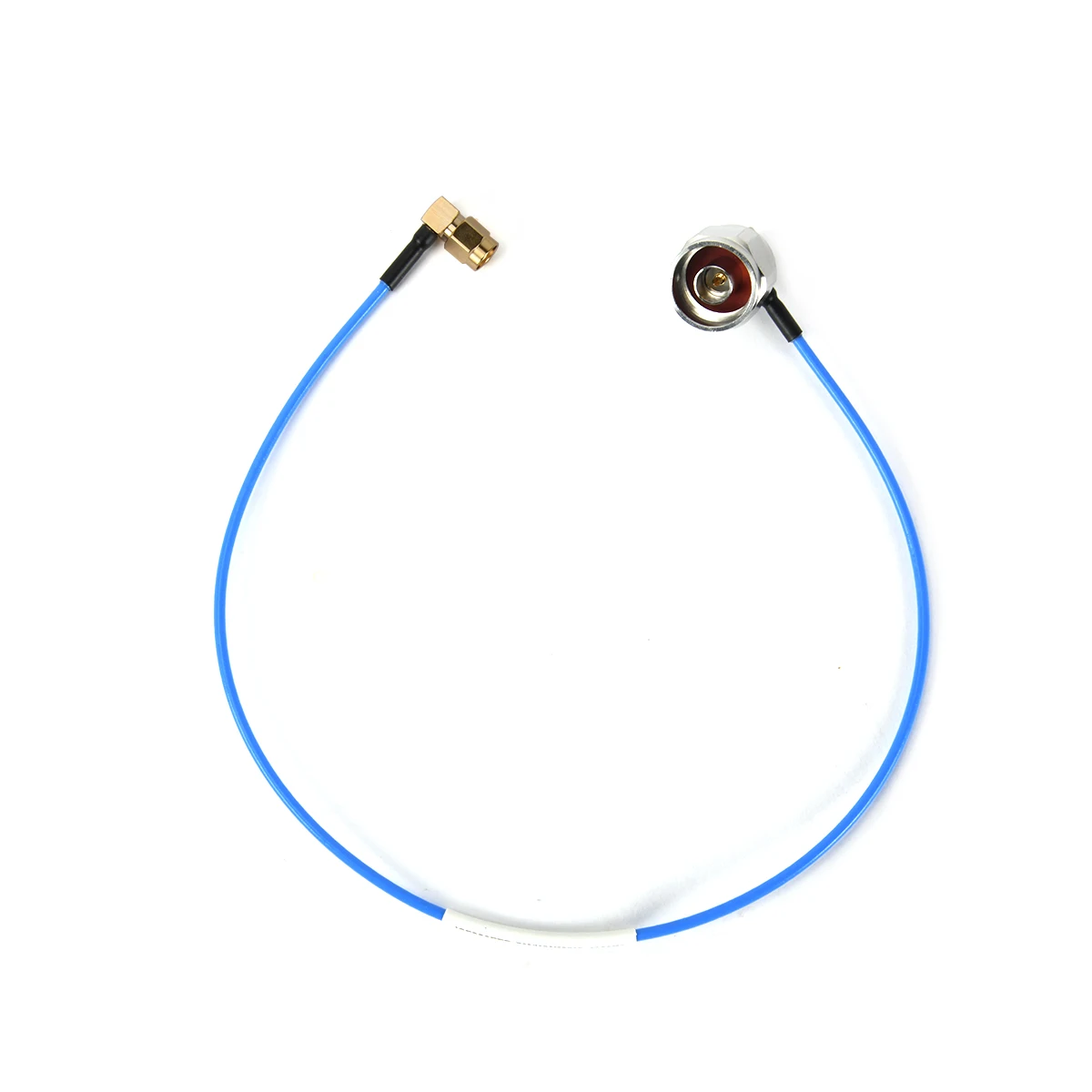
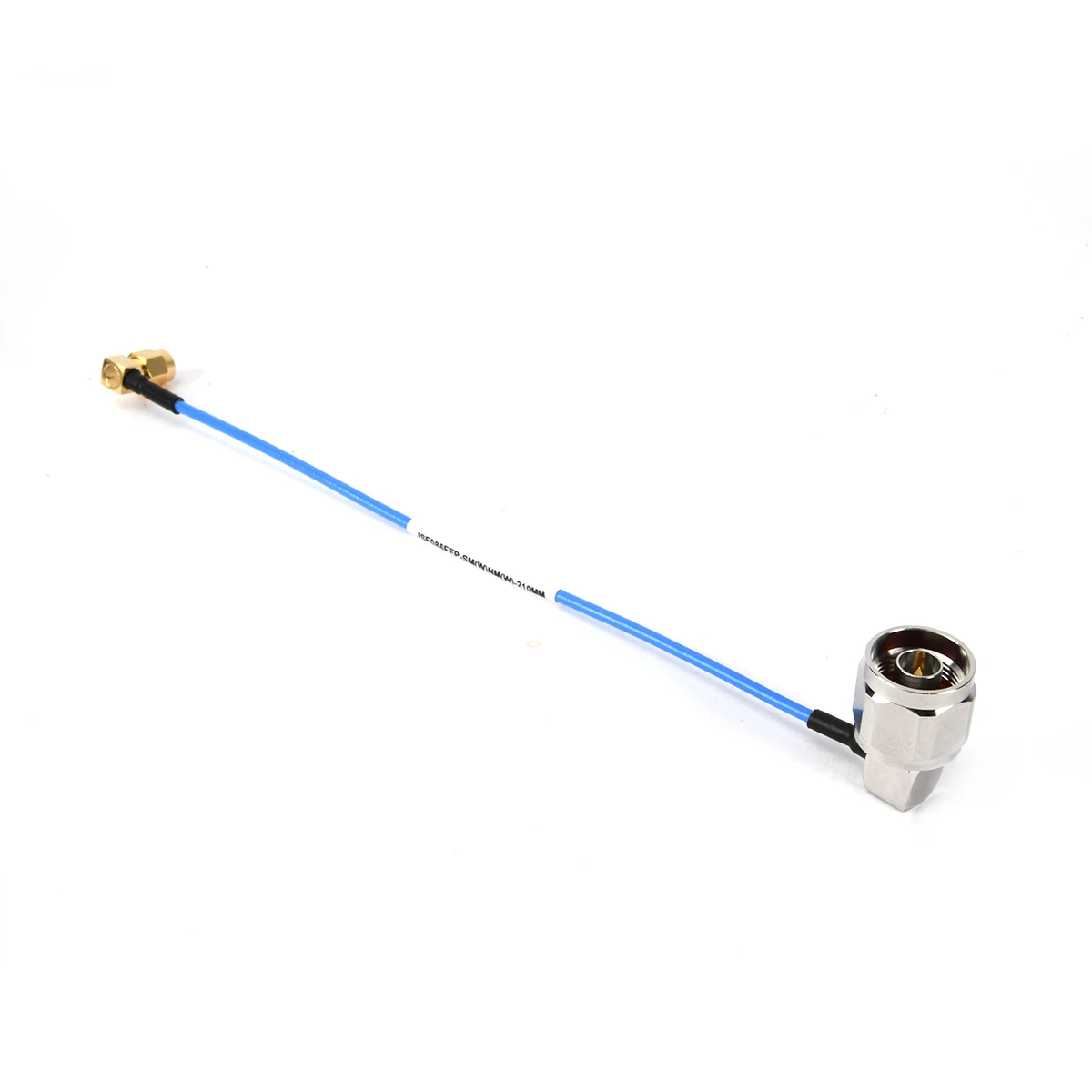
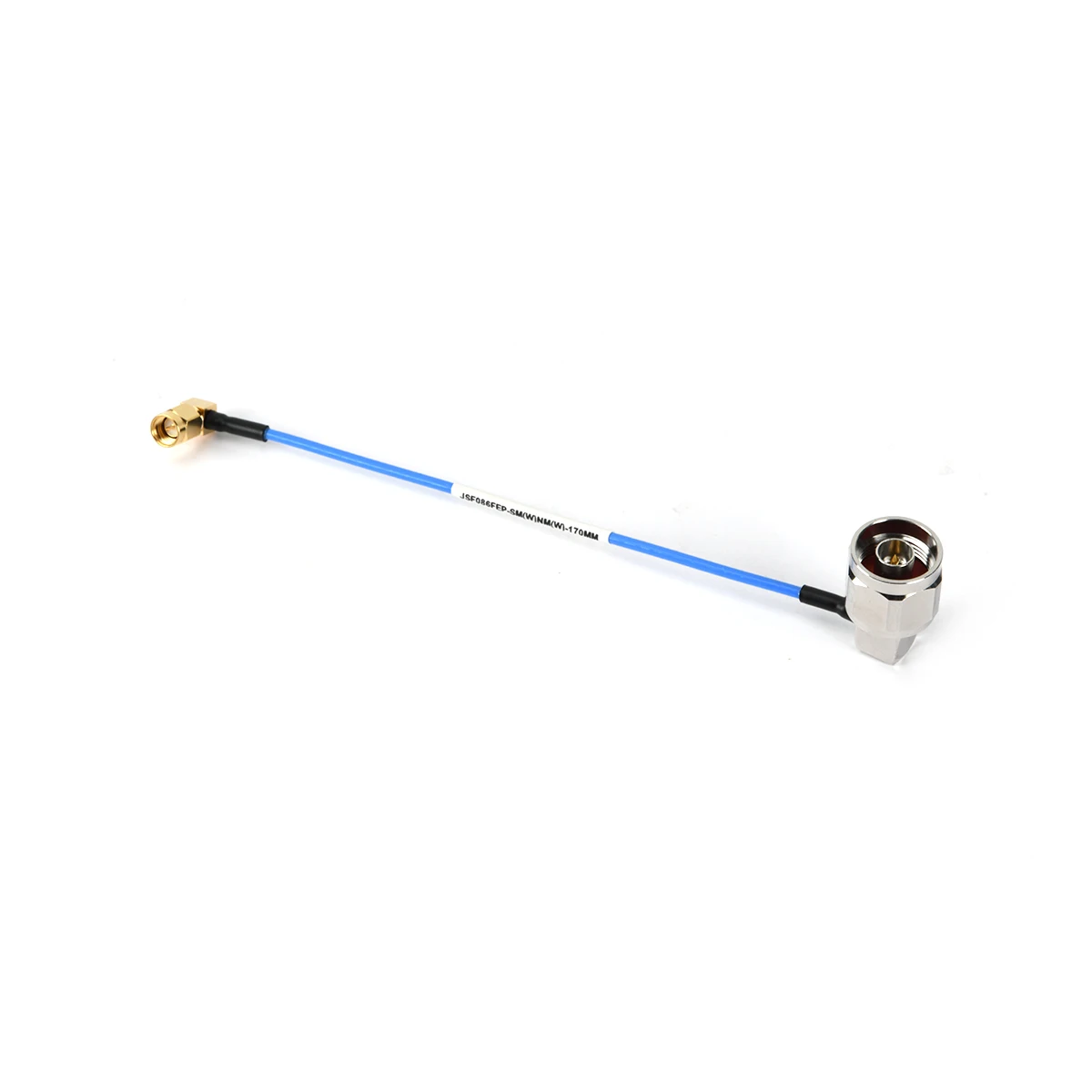
The N male connector is a threaded, medium‑sized coaxial interface that has proven itself as a reliable workhorse across RF and microwave systems worldwide. Renowned for its rugged construction, weather resistance, and stable electrical performance from DC up to 18 GHz (with precision versions extending to 67 GHz), the N male is the preferred choice for telecommunications, aerospace, defence, radar, and test instrumentation. At Zhenjiang Linkworld Microwave Communication Co., Ltd., we combine over 20 years of RF innovation with an R&D team possessing 25 years of product development experience to engineer N male connectors that meet the most rigorous demands. Our connectors are fully compliant with IEC60169 standards, deliver VSWR as low as 1.10, and are backed by our core value of “Honesty and Perfection”—ensuring every connection you make is strong, stable, and enduring.
Linkworld’s N male connectors are precision‑machined from high‑grade materials such as stainless steel, brass, or beryllium copper, with silver, nickel, or gold plating to resist corrosion and optimise conductivity. They support frequencies up to 18 GHz for standard versions and up to 67 GHz for precision‑grade variants, with a characteristic impedance of 50 ohms (75‑ohm versions also available). Key electrical specifications include VSWR as low as 1.10, insertion loss below 0.15 dB at typical operating bands, and passive intermodulation (IMD) as low as –168 dBc for low‑PIM applications. Mechanically, they offer a mating life exceeding 500 cycles, with coupling torque ratings of 1.0–1.7 N·m and operating temperature ranges from –55°C to +155°C (or up to 350°C when integrated with glass‑to‑metal seals). Custom designs with specific attenuation values, power ratings, or mechanical dimensions are also available to match your unique system requirements.
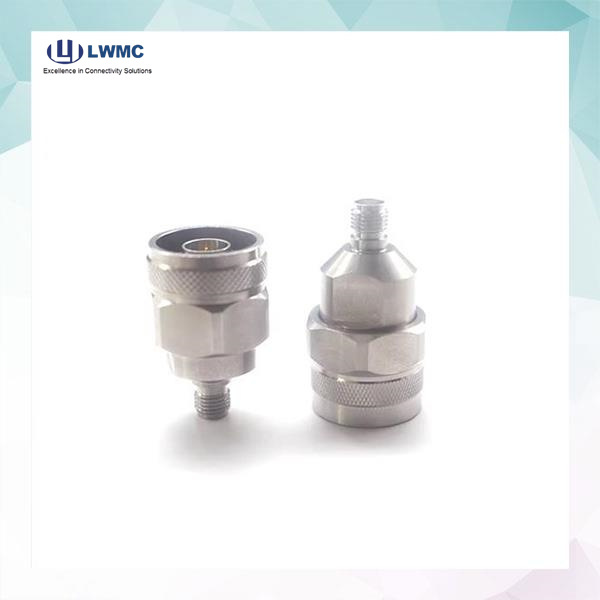
The N male connector is found in a diverse array of mission‑critical systems. In telecommunications, it connects base station feeders, antenna jumpers, and distributed antenna systems (DAS), handling high RF power with minimal signal degradation. Military and aerospace applications rely on N males for radar feeders, electronic warfare equipment, and satellite communication terminals, where ruggedness and environmental sealing are paramount. Test and measurement laboratories use precision‑grade N males for network analysers, calibration kits, and signal generators, benefiting from their excellent repeatability and low VSWR. Other sectors include broadcast transmission, oil exploration (downhole tools), medical imaging (MRI systems), and consumer electronics testing. Linkworld’s integrated manufacturing capability allows us to supply N male connectors as standalone parts, integrated into flexible or semi‑rigid cable assemblies, or combined with hermetic seals for high‑temperature or high‑pressure environments.
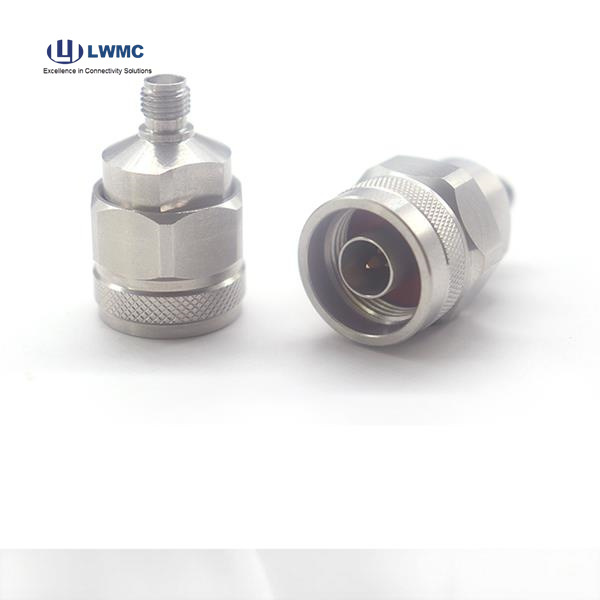
Correct installation is essential to achieve the connector’s rated performance. Begin by inspecting the N male’s centre pin for straightness and the threads for debris or damage. Align the connector axially with the mating female jack, then thread the coupling nut by hand until finger‑tight—never force it. Use a calibrated torque wrench to apply the recommended torque (1.0–1.7 N·m for standard types); over‑tightening can deform the dielectric or centre conductor, while under‑tightening causes poor contact and elevated VSWR. For outdoor installations, wrap the joint with self‑amalgamating tape and weatherproof sealant to prevent moisture ingress. For cable termination, strip the cable precisely according to our documented instructions, solder or crimp the centre pin, and secure the outer braid before assembling the connector body. Always clean threads and mating surfaces with isopropyl alcohol and lint‑free swabs before each critical connection to maintain optimal signal integrity.
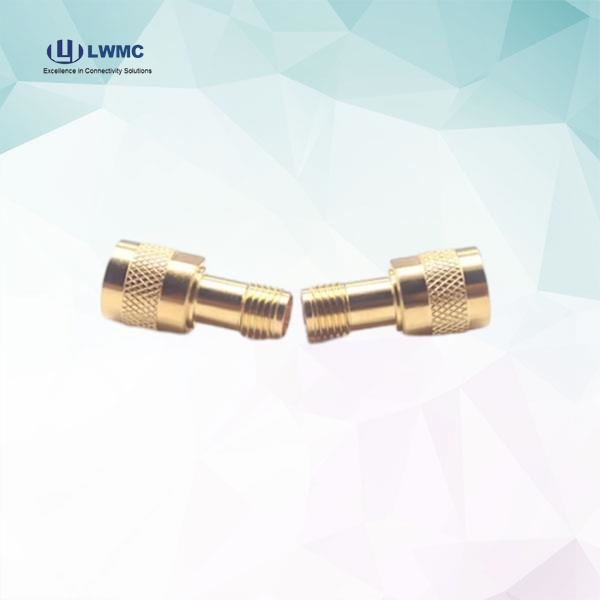
Compared to SMA connectors, the N male offers higher power handling (typically up to several hundred watts) and more robust mechanical construction, making it better suited for outdoor and high‑vibration environments—though SMA is smaller and preferred for dense PCB layouts up to 18 GHz. Against BNC, the N male’s threaded coupling provides a more secure, vibration‑proof connection than the bayonet‑style BNC, which is limited to lower frequencies (under 4 GHz). Compared to 7‑16 DIN connectors, the N male is more compact and cost‑effective, while 7‑16 DIN offers even higher power and lower PIM for large‑scale cellular infrastructure. Linkworld’s comprehensive product portfolio includes all these types, enabling us to recommend and supply the optimal connector for your specific frequency, power, and environmental needs—ensuring your system achieves the perfect balance of performance, reliability, and cost‑efficiency.

 EN
EN