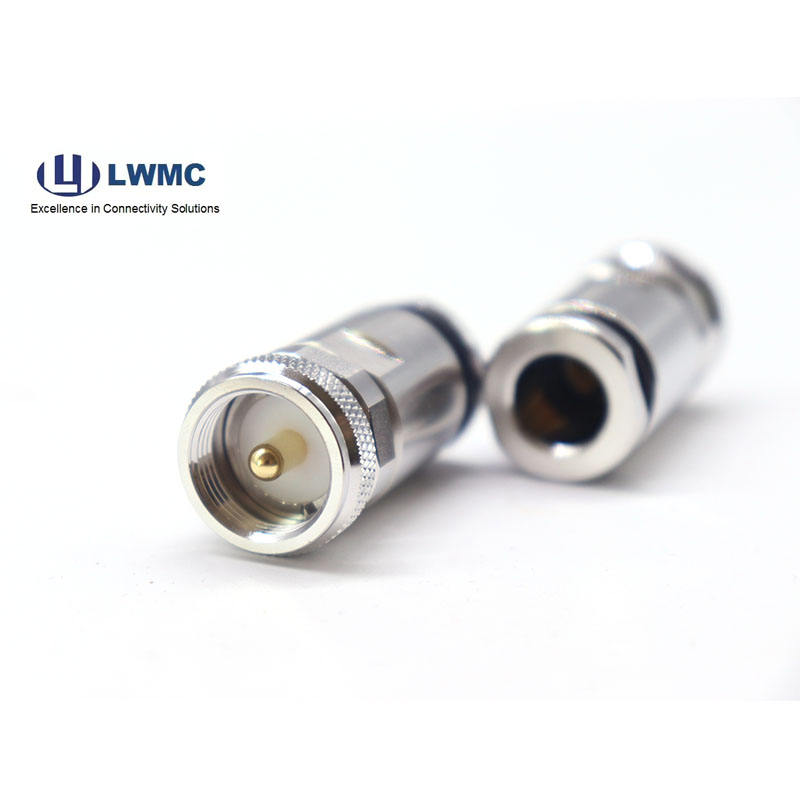
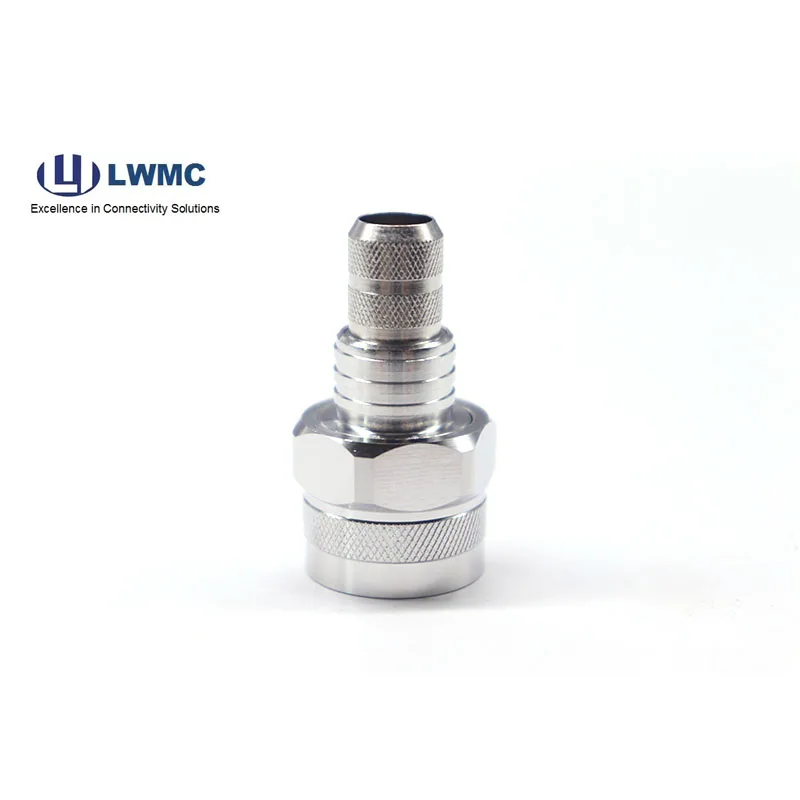
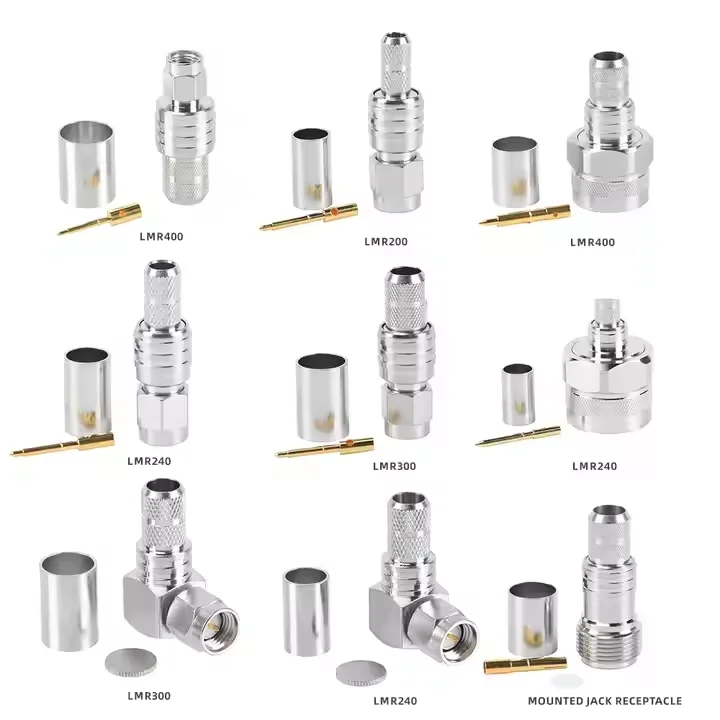
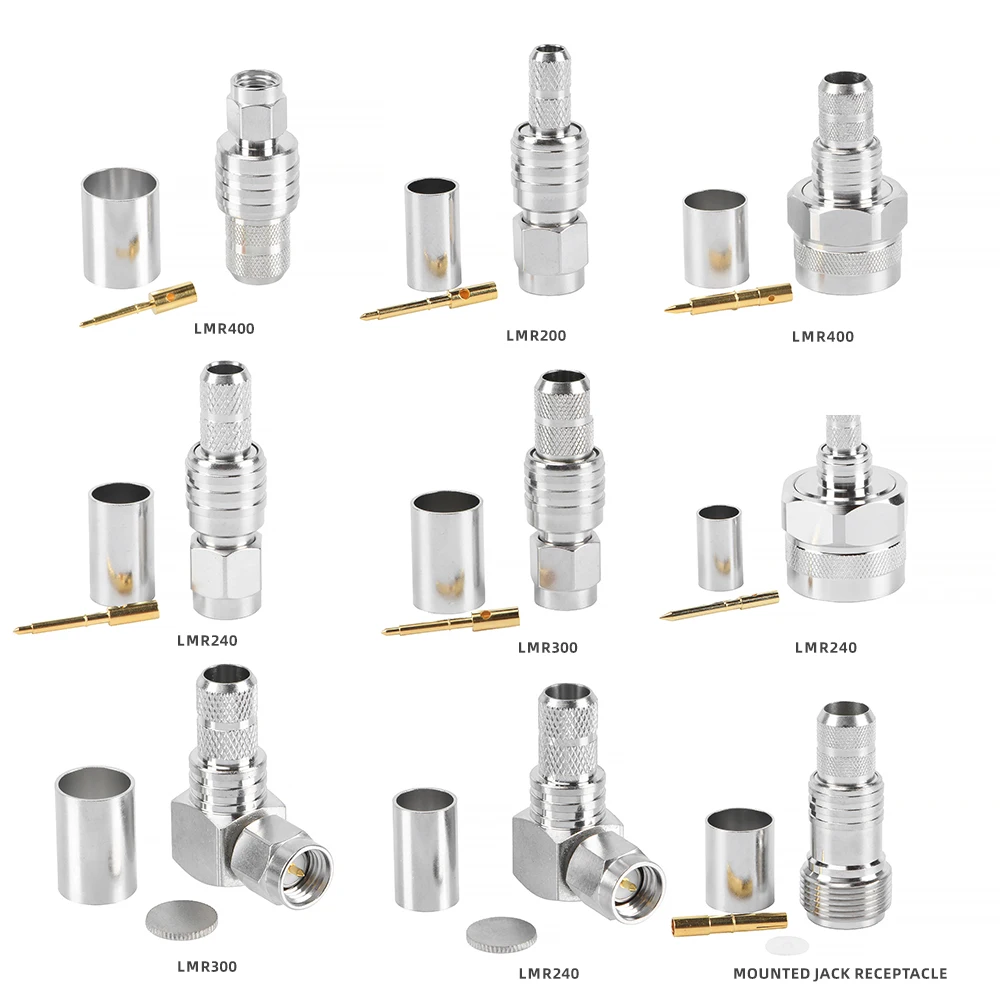
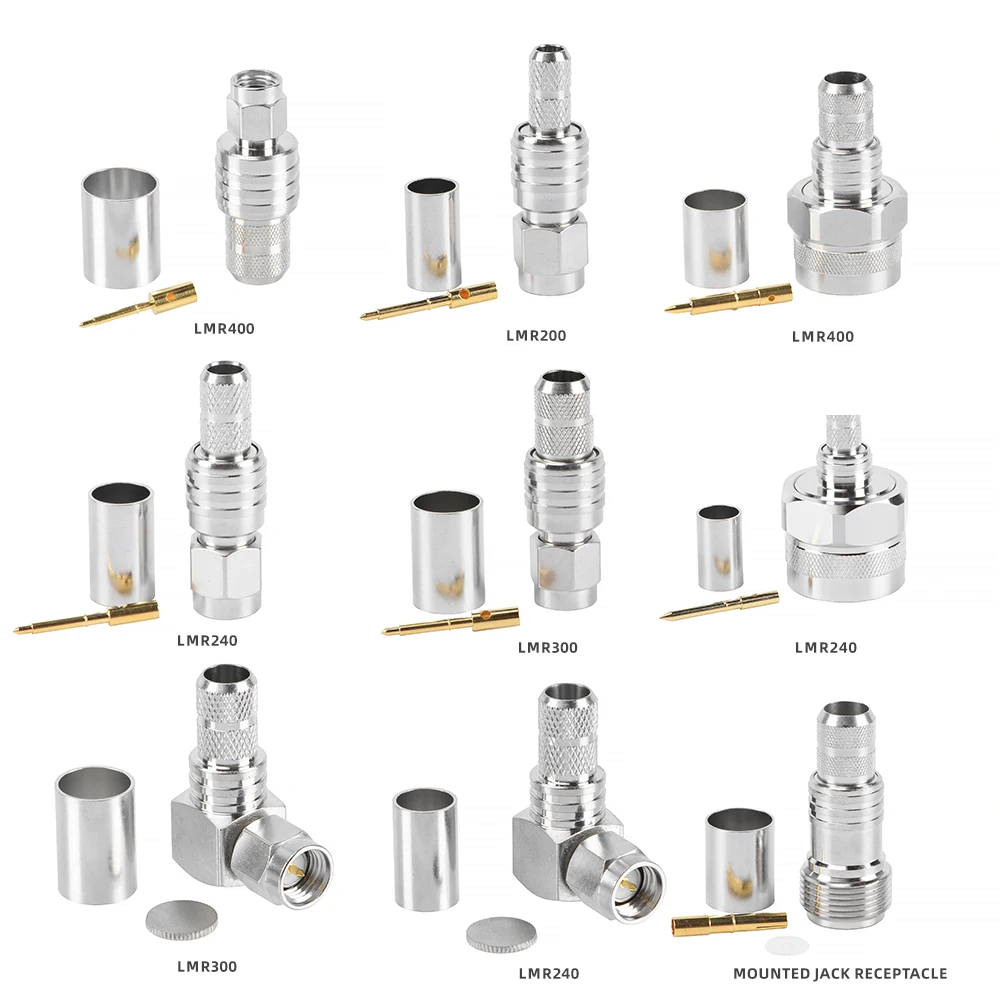
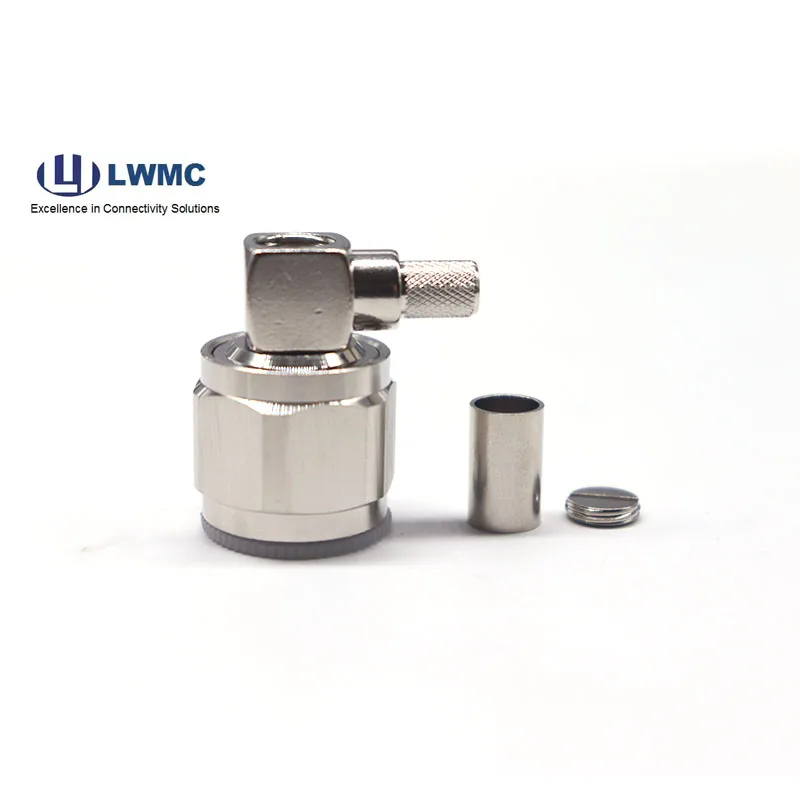
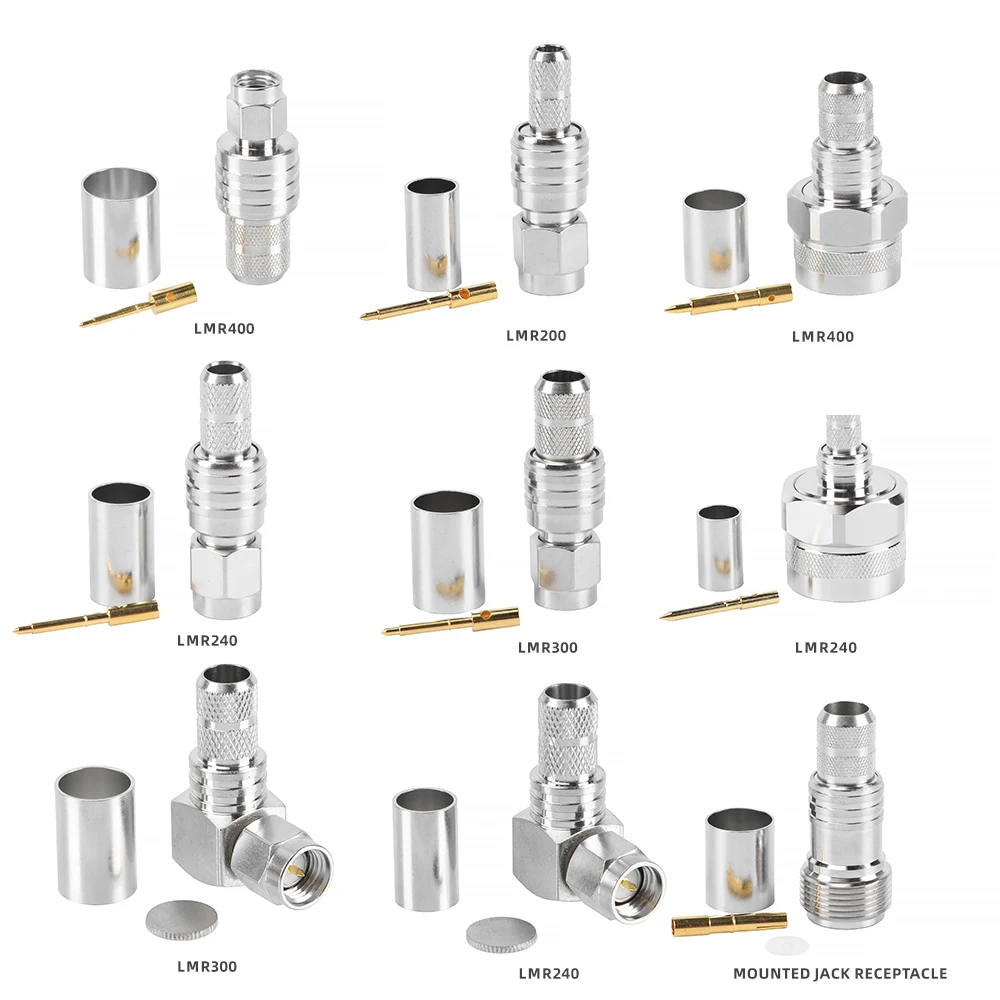
In the critical world of radio frequency (RF) communications, where signal integrity defines performance, the physical components forming the connection are as vital as the transmitted data itself. Among these components, the Type N male connector stands as a benchmark of reliability and durability. Characterized by its threaded coupling mechanism and robust construction, it is engineered to deliver consistent performance from DC up to 11 GHz. As an industry standard for medium- to high-power applications, the Type N male connector is essential for building resilient and efficient communication networks, forming a secure and stable bridge between coaxial cables and a vast array of telecommunications, aerospace, and test equipment.
The Type N male connector plays a foundational role in RF communications by ensuring a secure, low-loss connection at critical system interfaces. Its importance stems from its ability to maintain a reliable 50-ohm impedance, which minimizes signal reflection and power loss (low VSWR). This electrical stability is paramount for the accuracy and efficiency of signal transmission, whether in a cellular base station feeding an antenna or a test instrument validating a component. Furthermore, its mechanically rugged, threaded design offers superior environmental sealing and vibration resistance compared to push-on connectors.
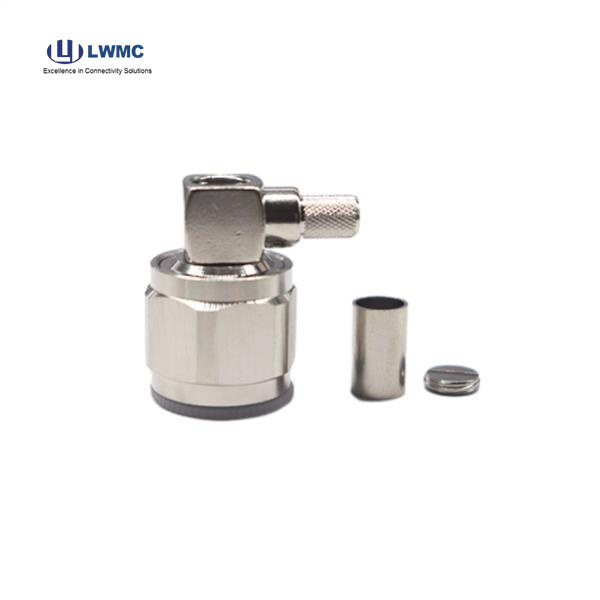
A correct installation is critical to achieving the rated performance of a Type N male connector. The process begins with preparing the coaxial cable—typically RG-8, LMR-400, or similar—using a precision stripper to expose the center conductor and braid to exact lengths without nicking the conductor. For a standard crimp-style connector, the prepared cable is inserted, ensuring the center conductor seats fully into the contact pin. A two-step crimping process is then performed with a calibrated tool: first on the center contact and then on the outer ferrule, which compresses the braid and cable jacket to create a weatherproof, mechanically secure bond with excellent electrical grounding. When mating, hand-tighten the connector's coupling nut onto the female port, followed by a final gentle torque with a wrench (typically 12-15 in-lbs) for a secure, sealed connection. Avoid over-tightening to prevent damage.
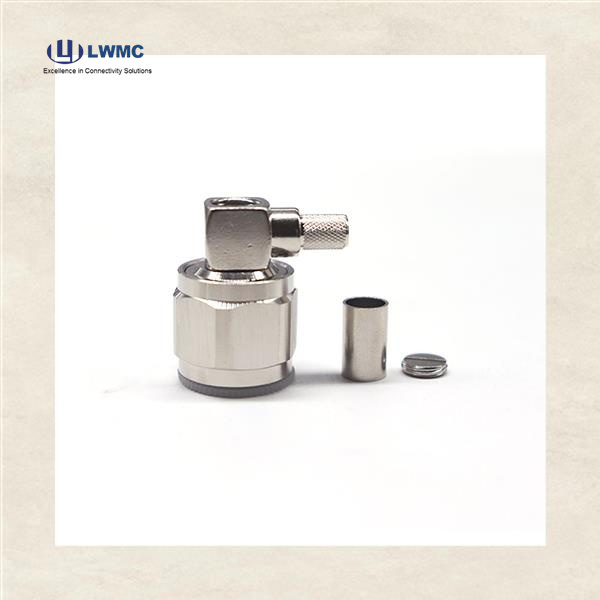
In networking and telecommunications infrastructure, the advantages of Type N male connectors are numerous. Their primary benefit is durability and environmental resilience, making them the default choice for outdoor antenna connections, feeder cables, and base station equipment exposed to the elements. They offer superior power handling compared to smaller connectors, supporting the higher power levels often used in broadcast and long-distance links. The threaded coupling ensures a stable, vibration-proof connection, crucial for equipment on towers or in vehicles. Furthermore, their widespread adoption creates a standardized and interoperable ecosystem. This allows for flexible system design and easier maintenance, as components from different manufacturers can be reliably interconnected, simplifying network upgrades and expansions.
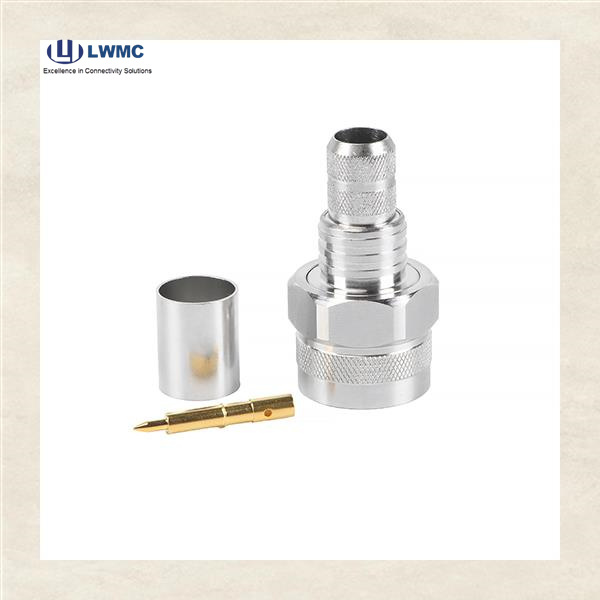
Selecting the optimal Type N male connector requires matching its specifications to your application's demands. Key considerations include:
Cable Compatibility: Ensure the connector is designed for your specific cable type and diameter (e.g., for RG-213 vs. LMR-600). Using the wrong size will compromise the seal and performance.
Environmental Needs: For outdoor use, specify connectors with neoprene gaskets, and consider stainless steel or nickel-plated bodies for superior corrosion resistance.
Impedance: The standard is 50-ohm; confirm compatibility with your system.
Frequency Range: Standard Type N performs reliably up to 11 GHz. Verify this meets your system's maximum frequency.
Interface Style: Choose between straight or right-angle versions based on spatial constraints in your equipment rack or enclosure.

 EN
EN