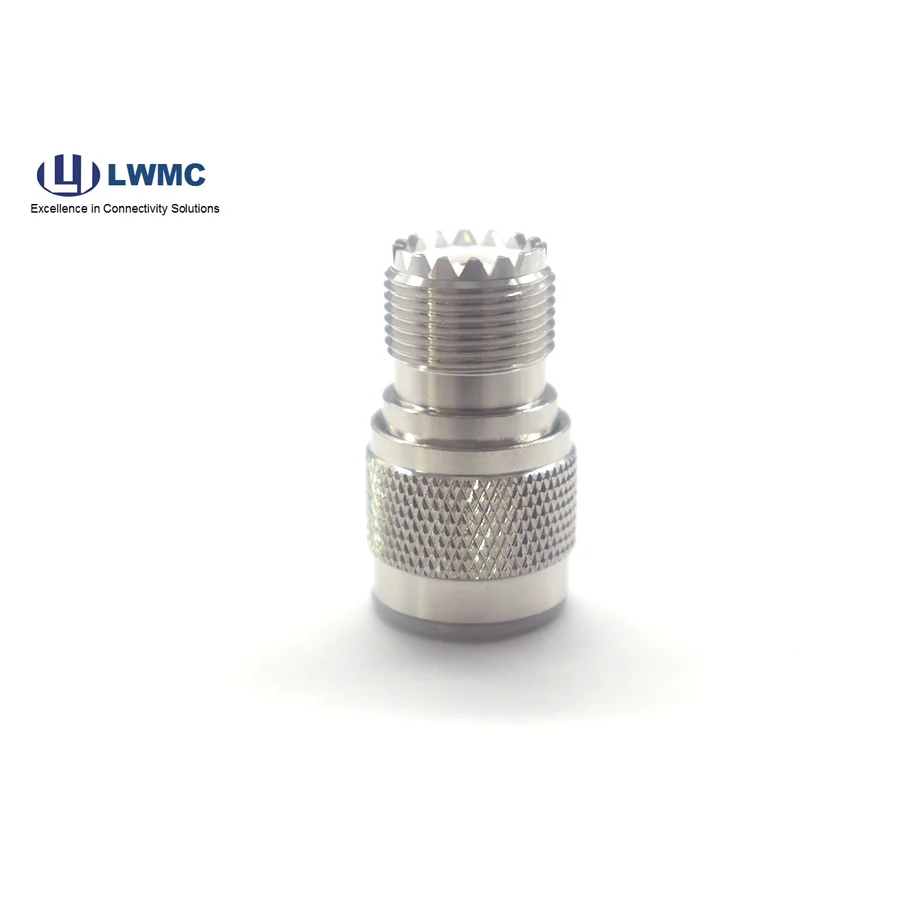
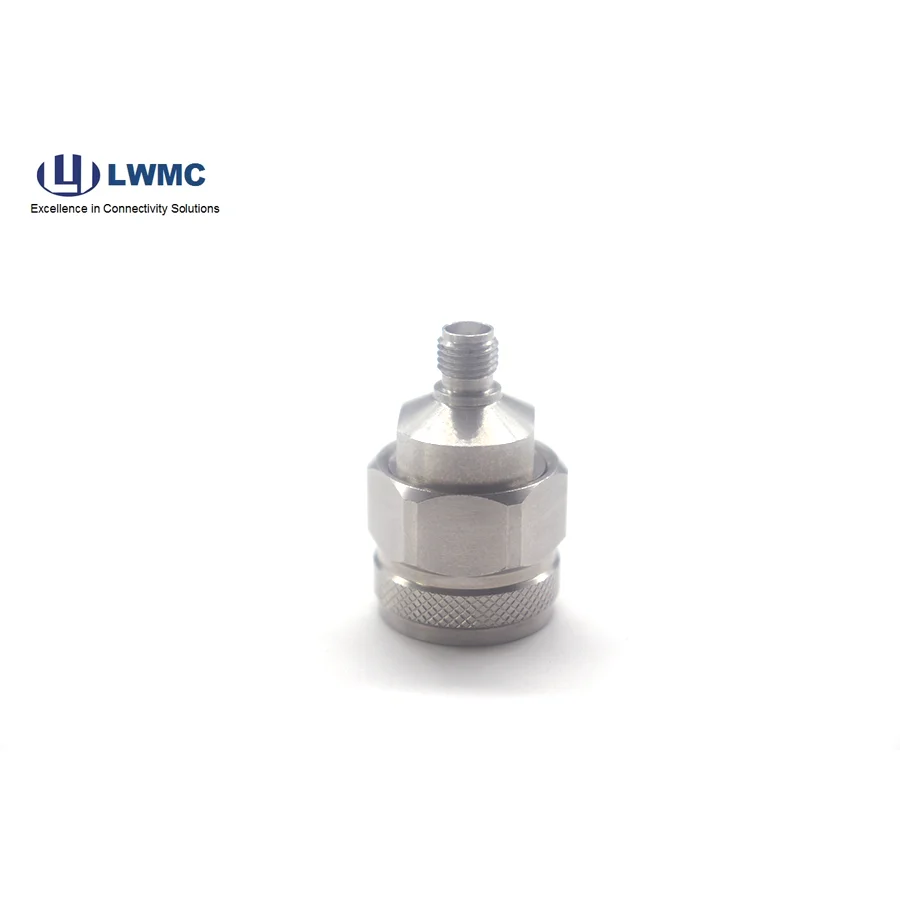
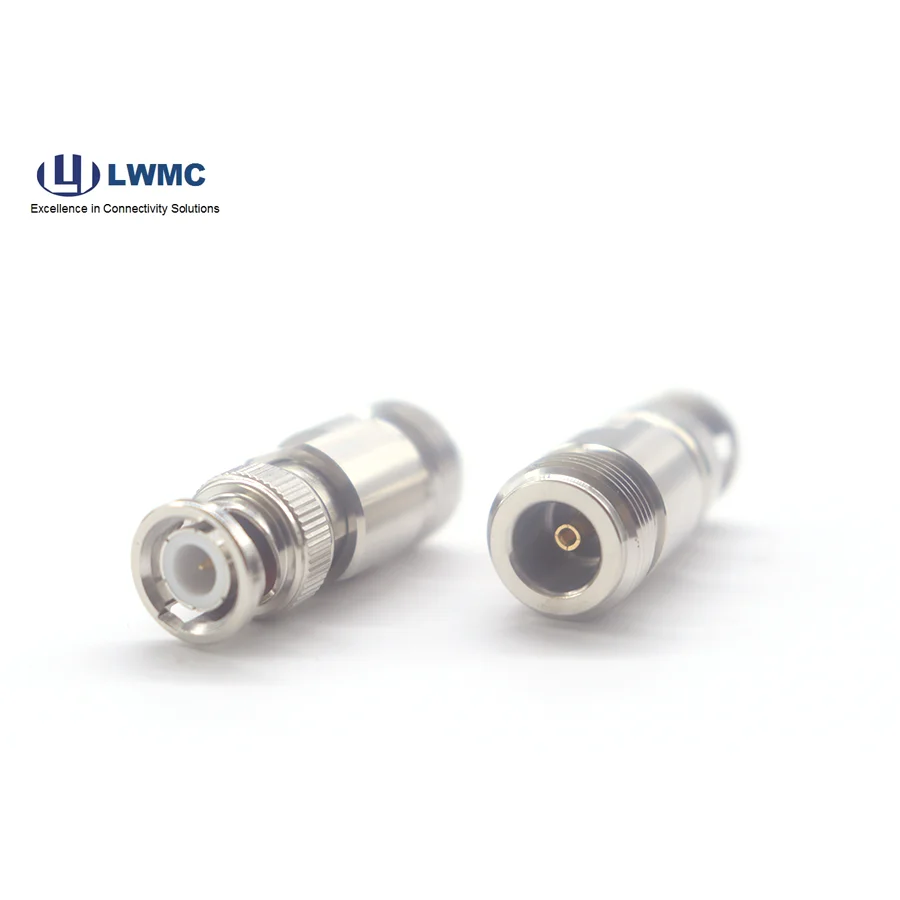
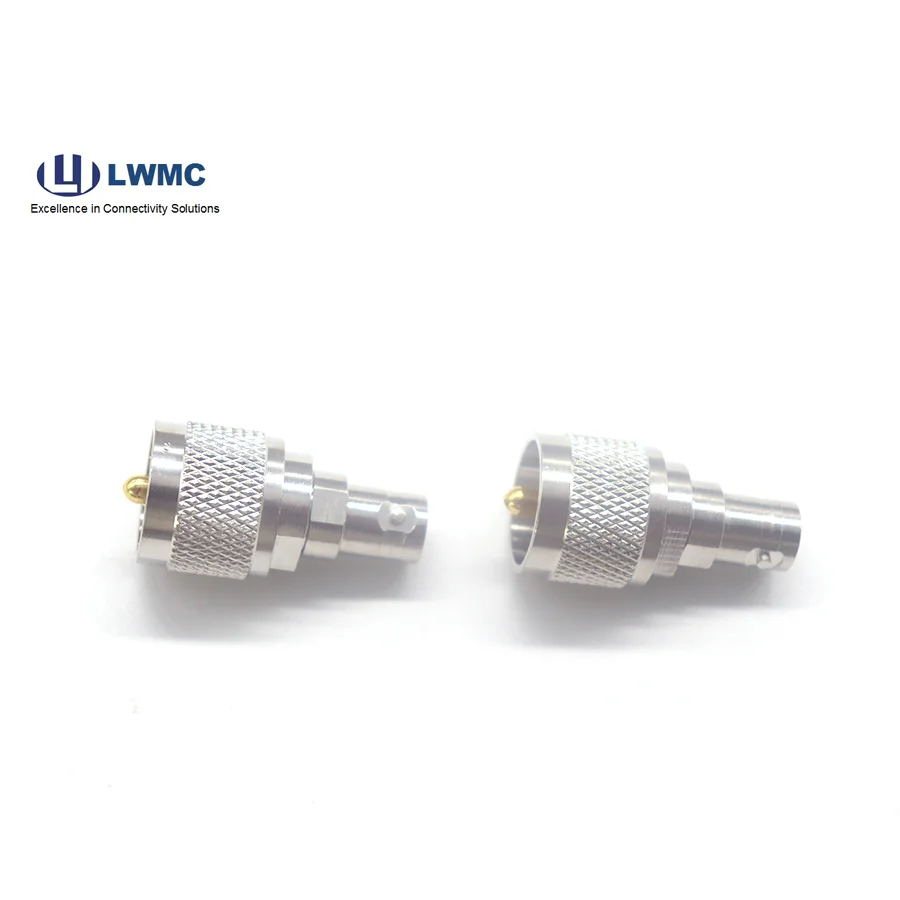
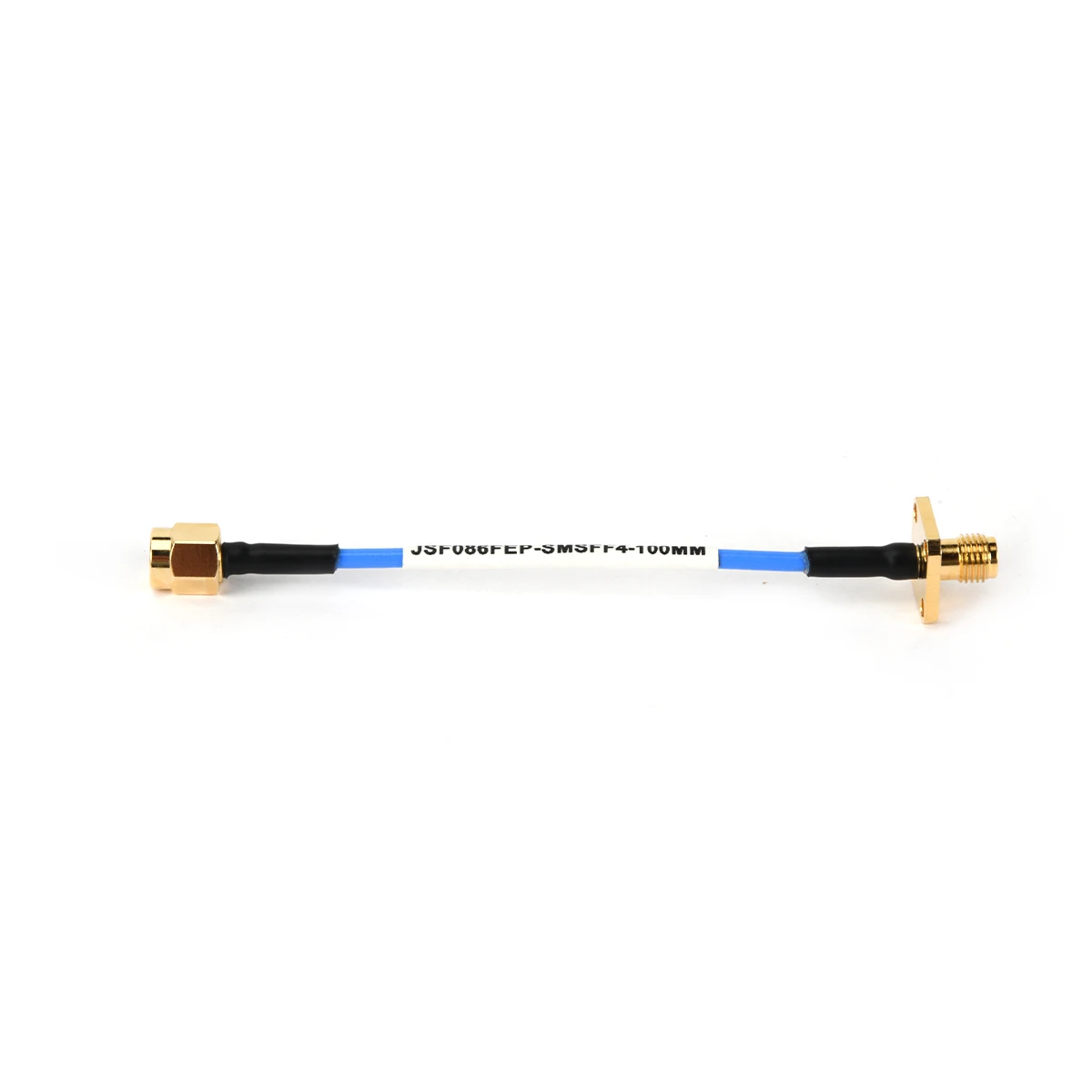
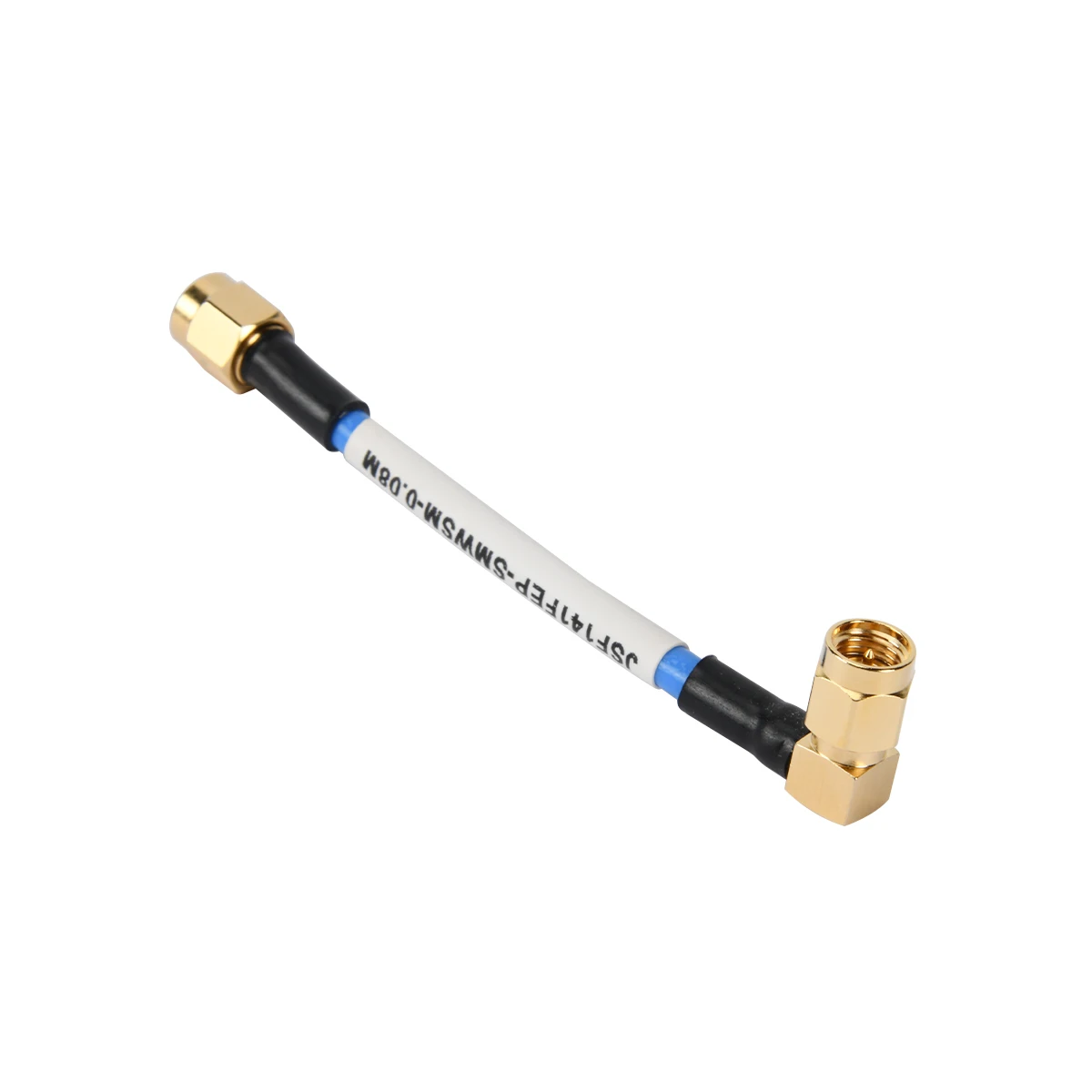
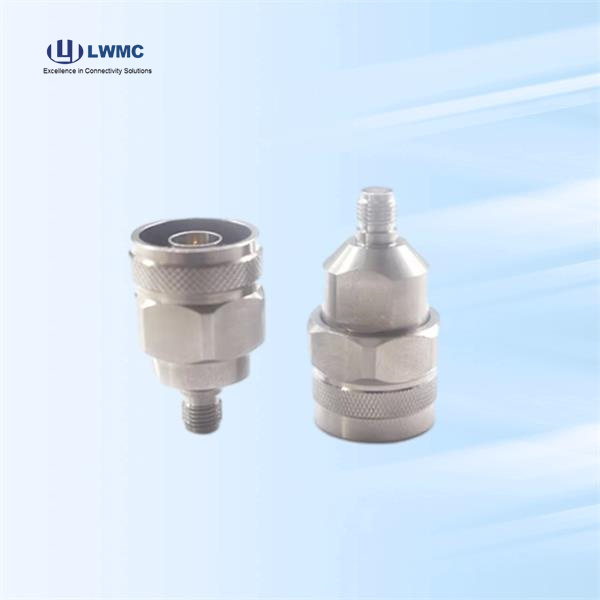
In the complex landscape of RF and microwave engineering, ensuring seamless connectivity between different equipment standards is a fundamental requirement. The N Male to SMA Male adapter serves as a critical interface solution, enabling direct and reliable connections between two of the industry's most widely used connector types. This precision-engineered component allows engineers and technicians to bridge the gap between the rugged, high-power N-type interface and the compact, high-frequency SMA standard. By providing a controlled impedance transition, this adapter ensures optimal signal integrity while delivering the flexibility needed in diverse applications ranging from telecommunications infrastructure to sophisticated test and measurement setups.
Integrating the N Male to SMA Male adapter into your RF network offers several distinct advantages. First and foremost, it provides exceptional flexibility and interoperability, allowing equipment with different connector standards to communicate seamlessly. This eliminates the need for custom cable assemblies or system redesigns when interfacing legacy N-type infrastructure with modern SMA-based components. Secondly, the adapter enables optimal performance preservation; high-quality versions from manufacturers like Linkworld are engineered to maintain a consistent 50-ohm impedance, minimizing signal reflection and insertion loss. Additionally, the adapter supports space-efficient configurations, as the compact SMA end can connect to densely packed ports while the robust N end handles higher power levels and outdoor environmental stresses. This combination makes it an invaluable tool for system integration, field deployments, and laboratory environments.
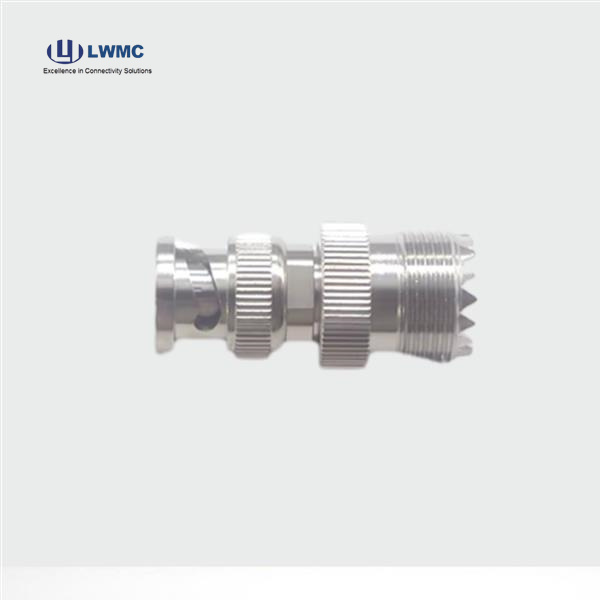
Proper installation and maintenance are crucial for ensuring the long-term reliability and performance of any RF adapter. For the N Male to SMA Male connector, begin by visually inspecting both the adapter and the equipment ports for any damage or debris. Ensure the adapter threads are clean and undamaged. During installation, carefully align the adapter with the equipment port and hand-tighten the N connector first, using a calibrated torque wrench if specified by the manufacturer—typically 12-15 in-lbs for N types. Then, connect the SMA male end to its corresponding port, again hand-tightening to approximately 5-7 in-lbs. Avoid over-tightening, as this can damage the delicate SMA threads. For maintenance, periodically check connections for tightness, especially in environments subject to vibration. When not in use, protect the adapter with dust caps to prevent contamination of the critical mating surfaces.
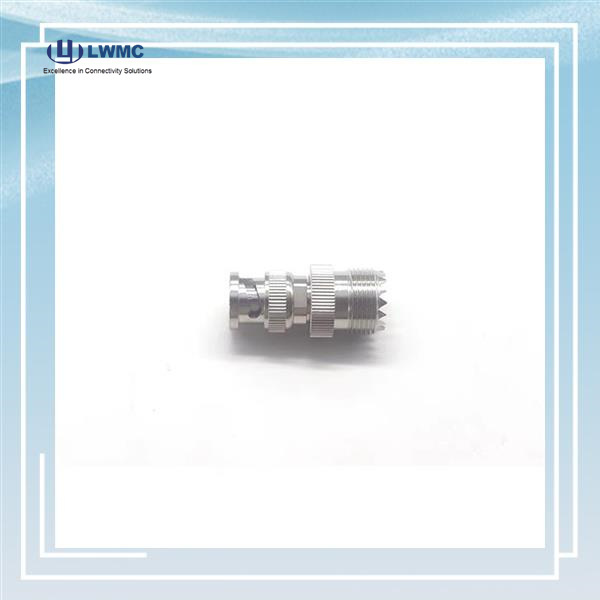
The N Male to SMA Male adapter demonstrates remarkable compatibility across a wide range of RF devices and systems. In telecommunications, it commonly connects base station antennas (often with N-type ports) to remote radio units or test equipment featuring SMA interfaces. For aerospace and defense applications, it enables interfacing between ruggedized vehicle-mounted systems using N connectors and portable test sets or internal modules with SMA ports. The adapter is indispensable in test and measurement laboratories, linking signal generators, spectrum analyzers, and network analyzers (typically SMA-based) to devices under test that may utilize N-type connections. It also finds use in broadcast equipment, scientific instrumentation, and wireless networking gear. This broad compatibility stems from the adapter's ability to effectively bridge the frequency ranges and power handling capabilities of both connector standards.
Even with high-quality components, occasional issues may arise. Common problems and their solutions include:
High VSWR or Signal Loss: This often indicates a poor connection or adapter damage. Check for loose connections, contamination on mating surfaces, or physical damage to the adapter. Clean contacts with isopropyl alcohol and reconnect.
Intermittent Connection: Usually caused by worn threads, damaged center pins, or loose couplings. Inspect all components for physical damage and replace if necessary.
Difficulty in Mating: Ensure you're not mixing impedance standards (50-ohm vs. 75-ohm). Verify that both equipment ports and the adapter are properly aligned before applying torque.
Performance Degradation at High Frequencies: Lower-quality adapters may not maintain proper impedance matching at higher frequencies. For applications above 6 GHz, ensure you're using a precision adapter rated for your frequency range.

 EN
EN