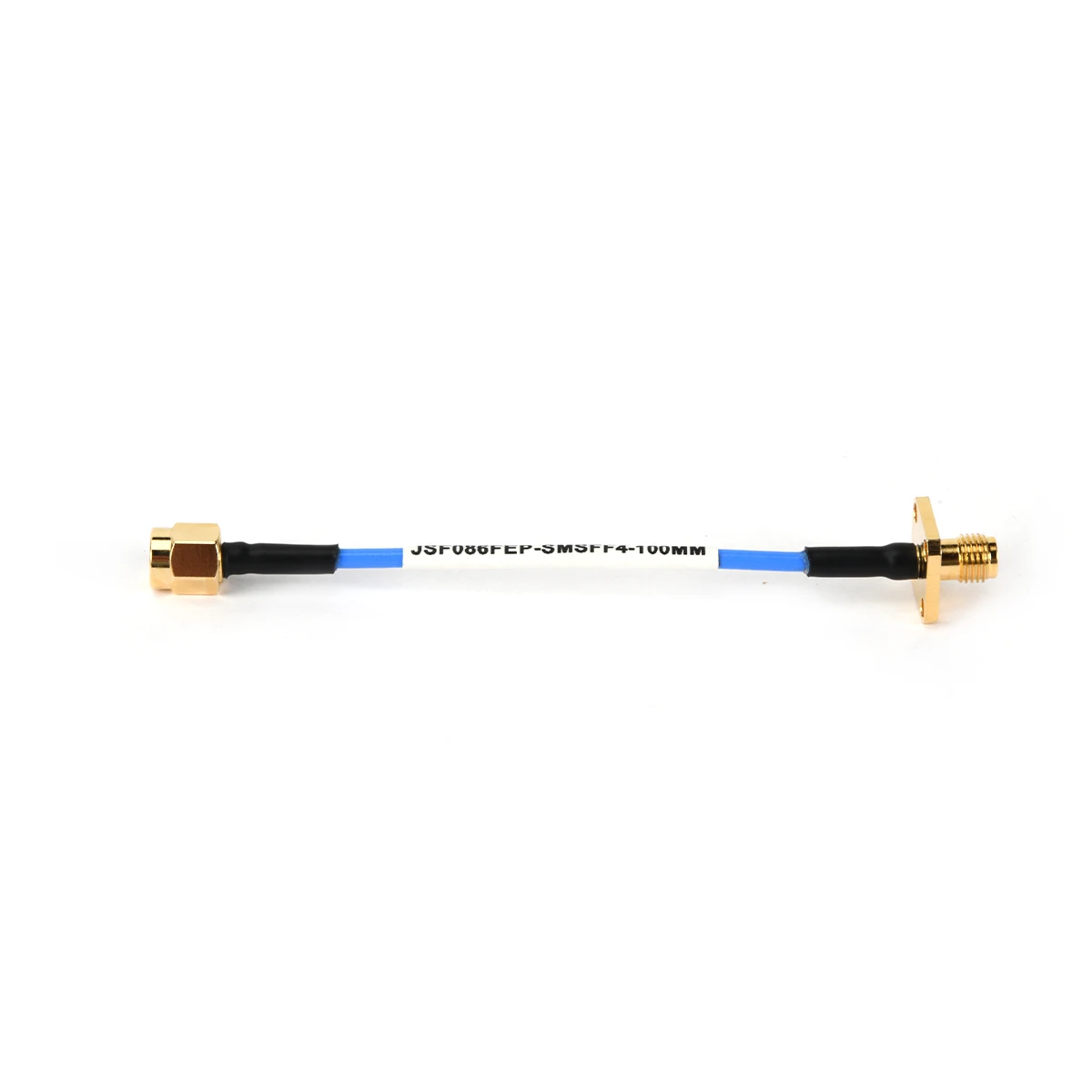
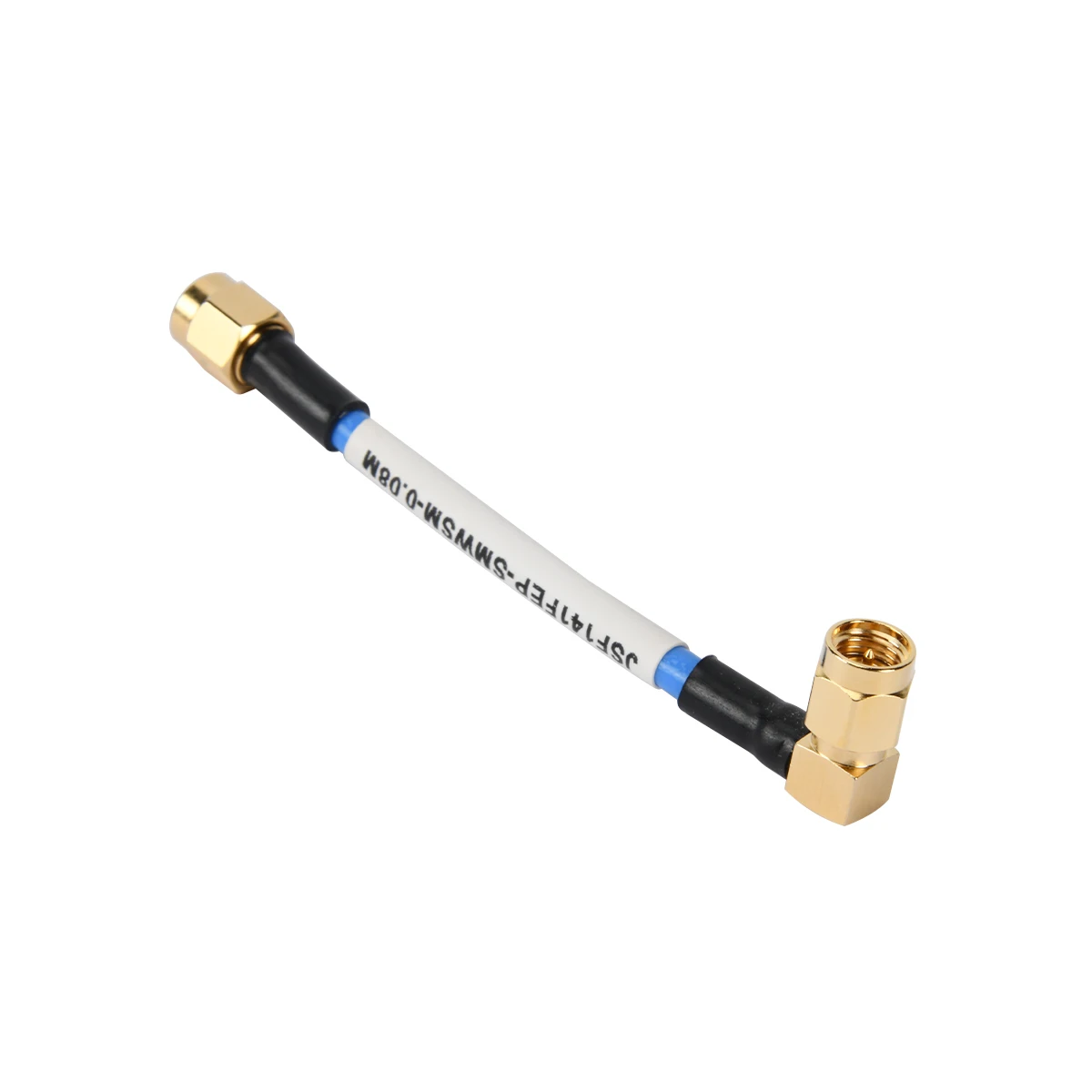
In today's interconnected world, reliable signal transmission forms the backbone of communication, broadcasting, data transfer, and countless industrial applications. At the heart of these critical connections are RF cables and connectors, which serve as the essential pathways for radio frequency signals. Choosing the correct components and ensuring their quality is paramount to achieving optimal system performance, minimal signal loss, and long-term reliability. This guide explores key considerations for selecting, using, and maintaining these fundamental elements.
Selecting the appropriate RF cable and connector requires careful evaluation of your specific needs. The primary factors to consider include frequency range, impedance, power handling, and environmental conditions. For instance, high-frequency applications demand cables with low signal attenuation and connectors rated for GHz performance, such as SMA or 2.92mm types. Impedance must be matched throughout the system (typically 50 or 75 ohms) to prevent signal reflections. Additionally, outdoor or harsh environments necessitate weather-sealed, robust connectors and cables with superior shielding and durable jacketing to withstand moisture, temperature extremes, and physical stress.
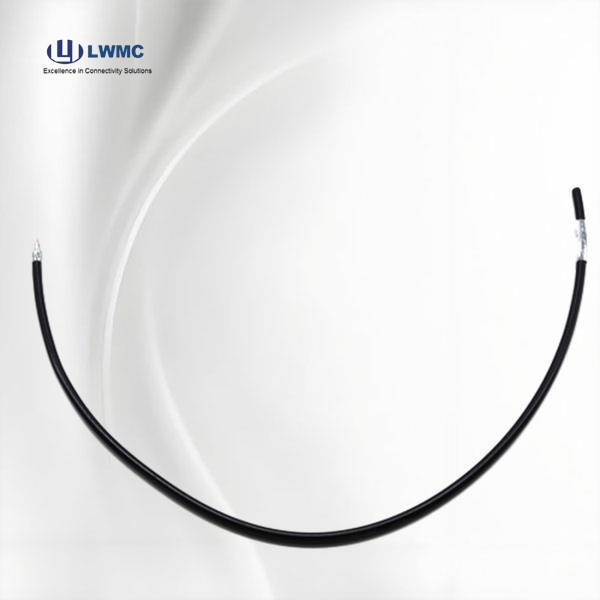
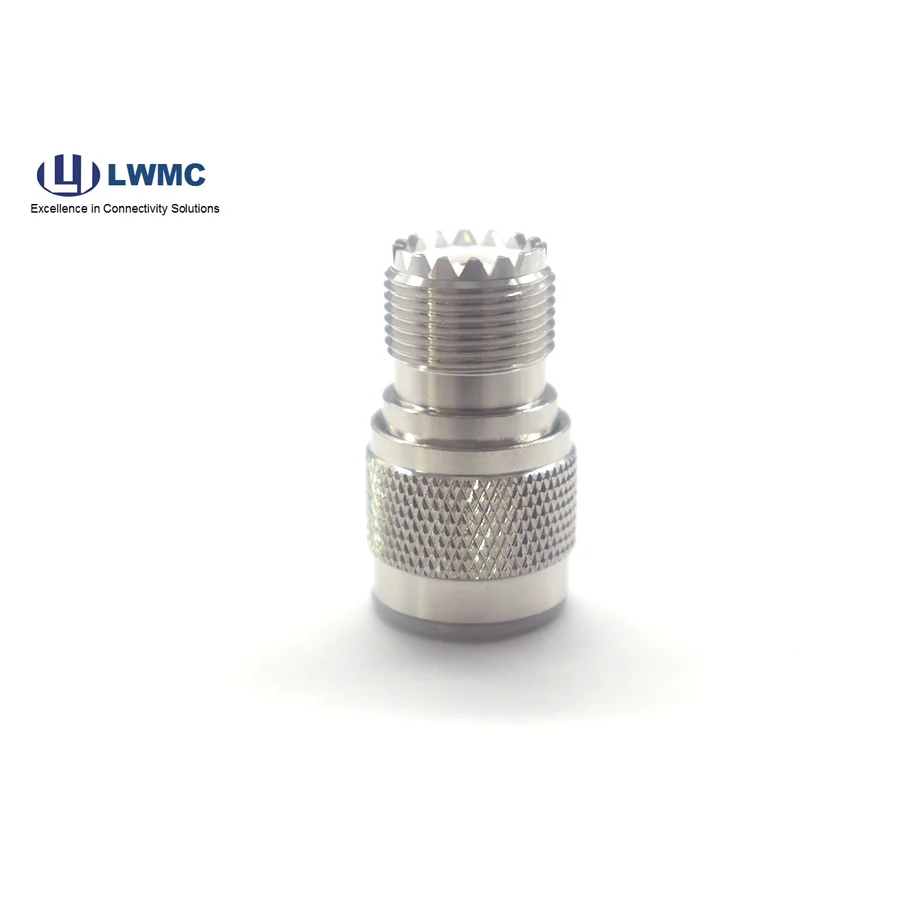
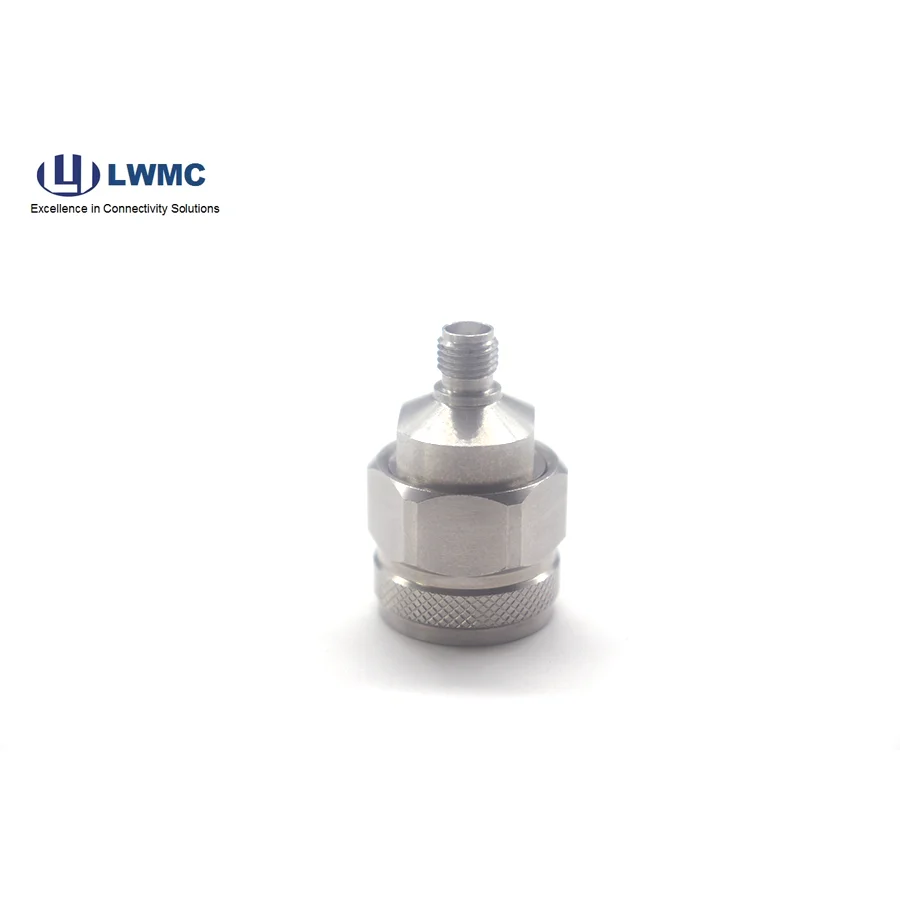
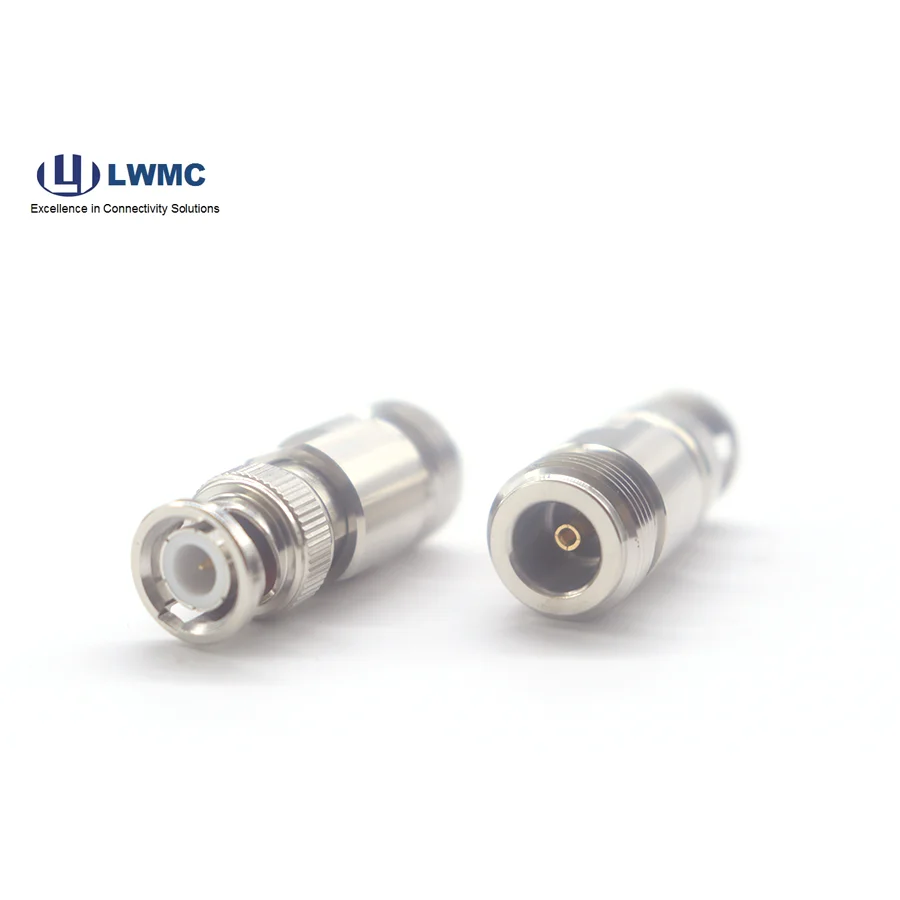
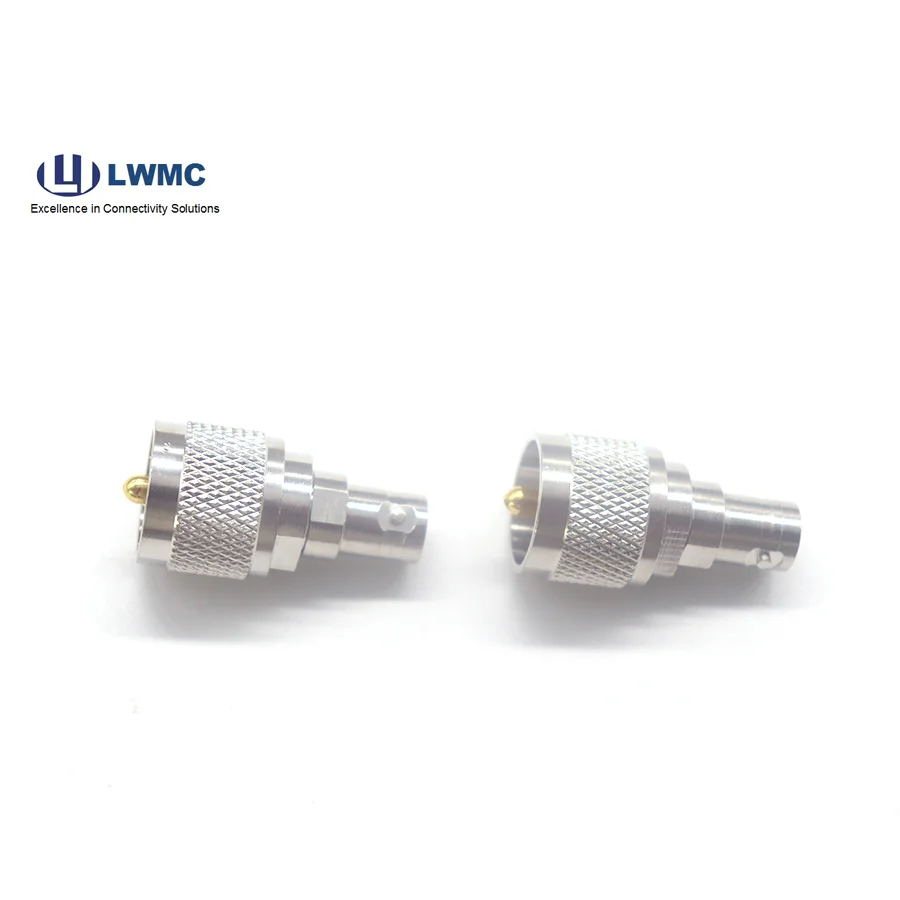
The industry utilizes a variety of standardized cables and connectors, each suited for different purposes. Common coaxial cable types include flexible RG-series cables (e.g., RG-58, RG-213) for general use, and lower-loss alternatives like LMR or equivalent cables for longer runs. For critical, high-frequency fixed paths, semi-rigid cables offer excellent shielding and phase stability. Popular connector families include the ubiquitous SMA for applications up to 18 GHz, the robust N-type for cellular and infrastructure, the quick-connect BNC for test equipment, and the high-performance 7/16" DIN for high-power broadcast applications. Adapters enable seamless transitions between these different interface types.
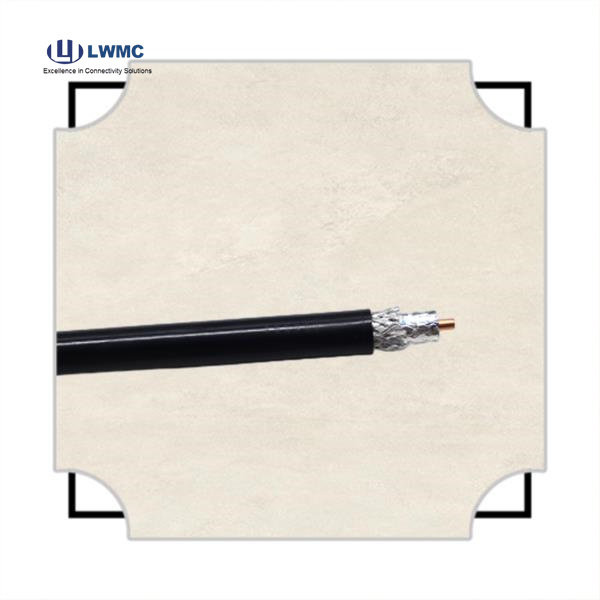
The quality of RF cables and connectors directly impacts the integrity of the entire signal chain. Inferior components introduce increased insertion loss, higher Voltage Standing Wave Ratio (VSWR), and poor shielding against electromagnetic interference (EMI). This can result in weakened signals, data errors, reduced range, and even interference with nearby equipment. High-quality, precision-engineered connectors ensure consistent impedance, secure mating, and excellent shielding. Similarly, well-constructed coaxial cable assemblies with stable dielectric materials and effective shielding preserve signal strength and purity, protecting the significant investment in the connected active equipment.
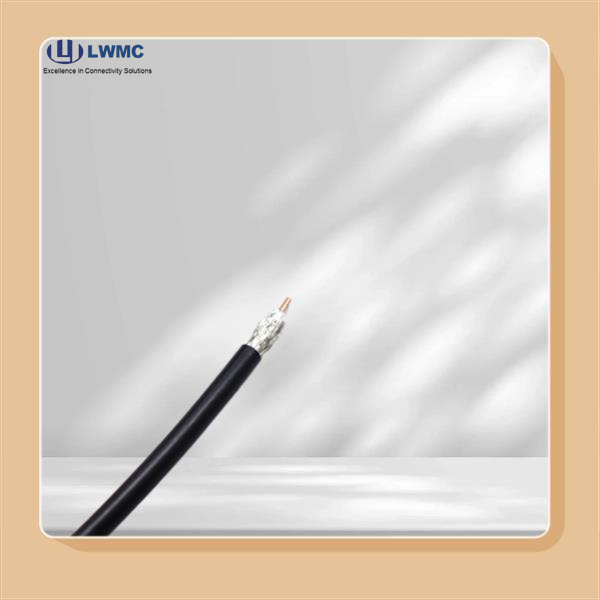
Correct installation and maintenance are crucial for sustained performance. Always observe the cable's minimum bend radius to avoid damaging the internal conductor and dielectric. Use a calibrated torque wrench to tighten threaded connectors to the manufacturer's specification—overtightening can damage threads, while undertightening can cause poor electrical contact and ingress. Route cables away from sharp edges and secure them with proper clamps to avoid strain on the connector junctions. Implement a regular inspection routine to check for connector wear, corrosion, or cable damage, and always use protective caps when connectors are not in use to prevent contamination.

 EN
EN