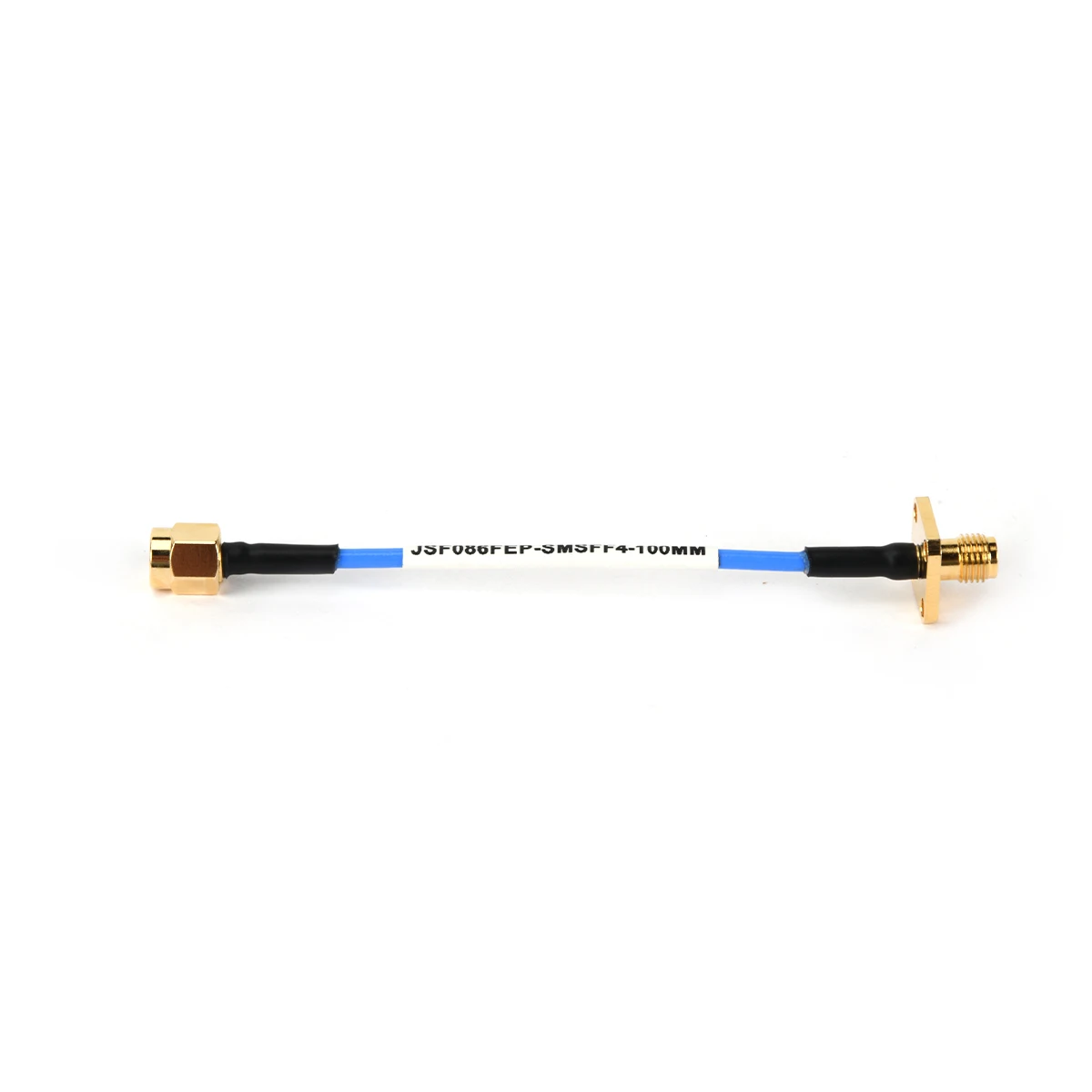
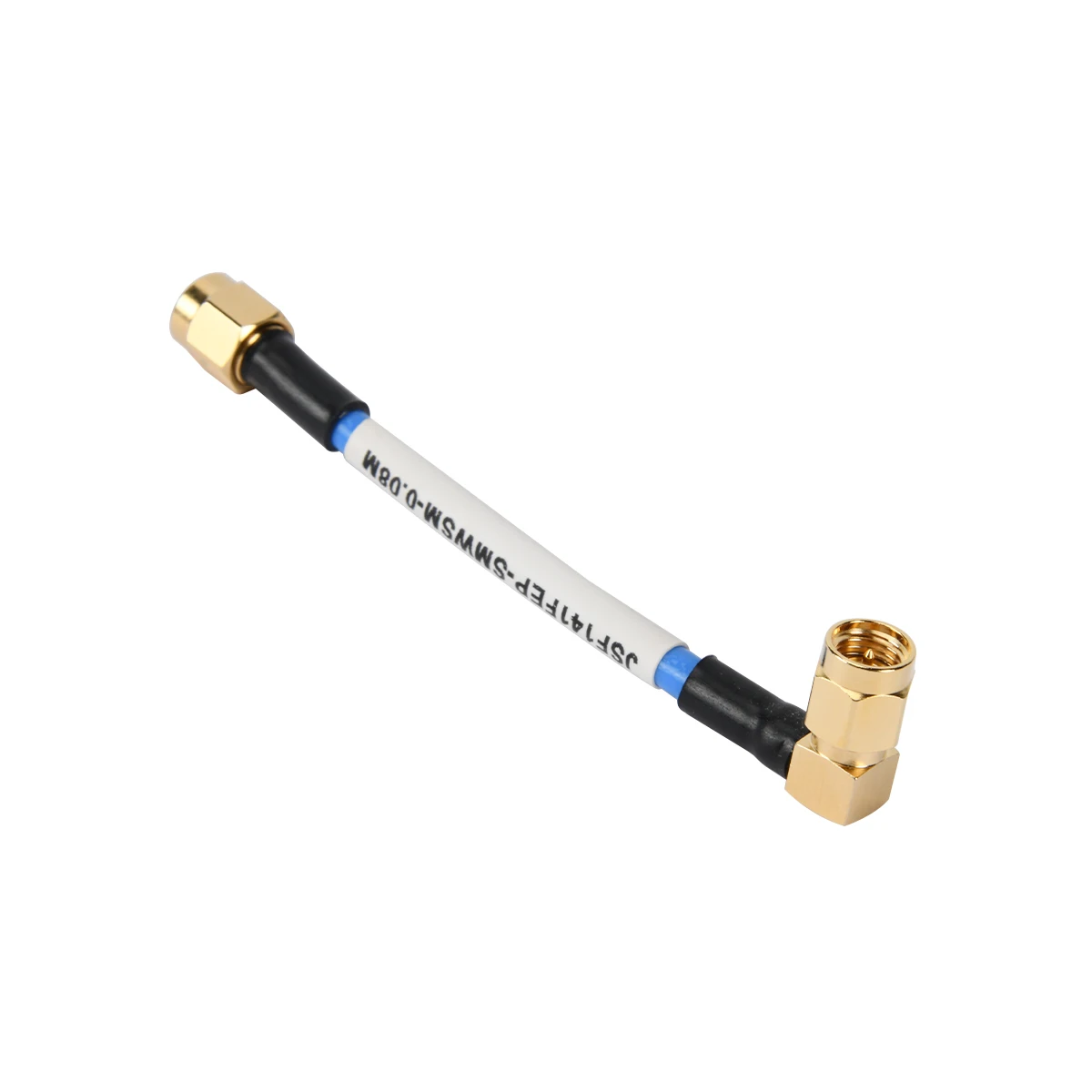
Coaxial cable connectors are critical components in various industries, facilitating reliable signal transmission in applications ranging from telecommunications to aerospace. When selecting coax cable assemblies for bulk orders, buyers often face challenges related to quality, compatibility, and performance. This article aims to guide purchasing managers, engineers and distributors through the essential considerations for choosing the right coaxial cable connectors, ensuring they make informed decisions that align with their specific application needs.
When placing bulk orders for coaxial cable connectors, several key factors should be taken into account to ensure optimal performance and reliability. Firstly, compatibility with existing systems is crucial. Buyers should verify that the connectors fit seamlessly with the cables and devices they will be used with. This includes checking the connector type, size, and impedance specifications.
Quality assurance is another vital consideration. It is advisable to assess the manufacturer's quality control processes and certifications to ensure that the connectors meet industry standards. Look for suppliers with a robust track record in producing high-performance components, particularly those that serve demanding sectors like military and aerospace.
Lastly, customization capabilities should be evaluated. Depending on the application, you might require specific features, such as unique dimensions, materials, or performance characteristics. A manufacturer like Zhenjiang Linkworld Microwave Communication Co., Ltd., with extensive experience and a focus on customized solutions, can provide tailored connectors to meet specific project requirements.
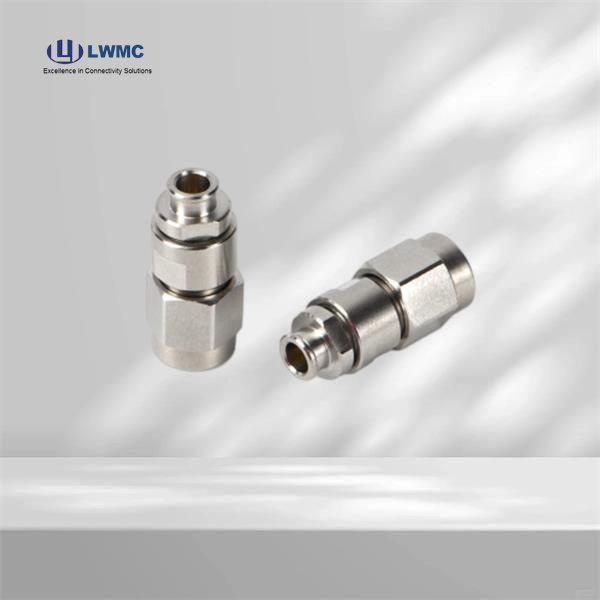
Understanding the specifications of coaxial cable connectors is essential for making an informed purchasing decision. Here are some critical specifications to consider:
Impedance: The impedance rating (typically 50 or 75 ohms) should match the application requirements to minimize signal reflection and loss.
Frequency Range: Ensure the connectors can operate effectively within the required frequency range for your application, especially in high-frequency environments such as RF and microwave communications.
Material: The choice of materials affects durability and performance. Common materials include brass, stainless steel, and aluminum, each offering different levels of corrosion resistance and conductivity.
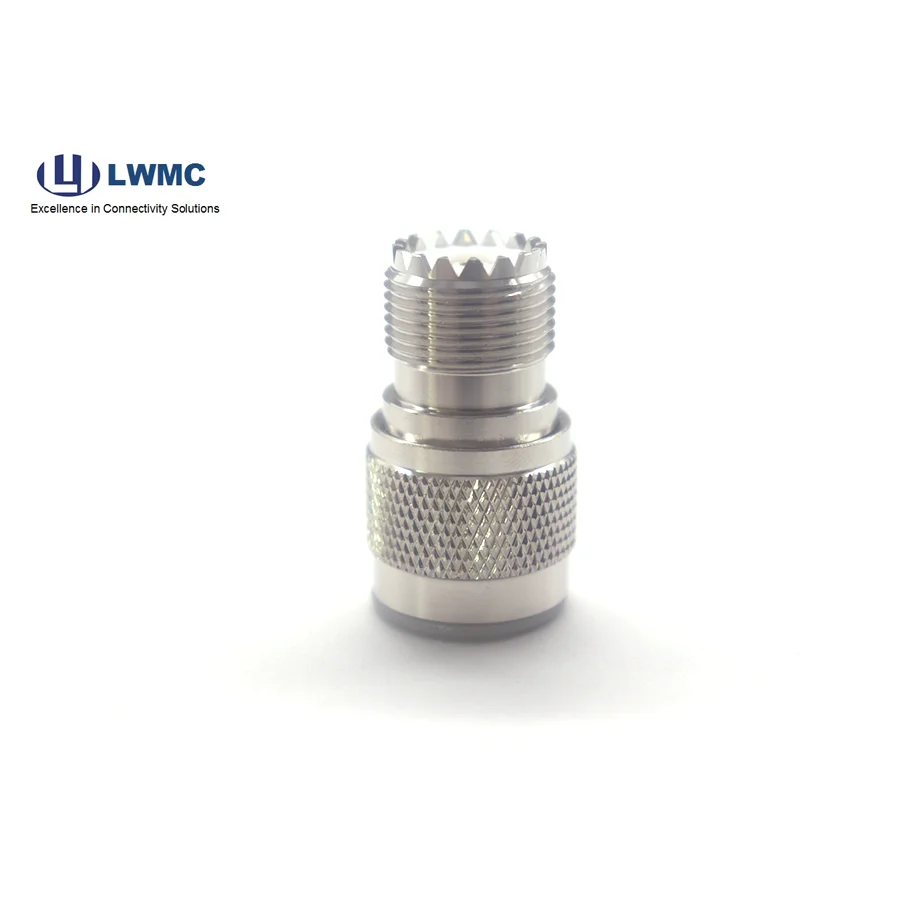
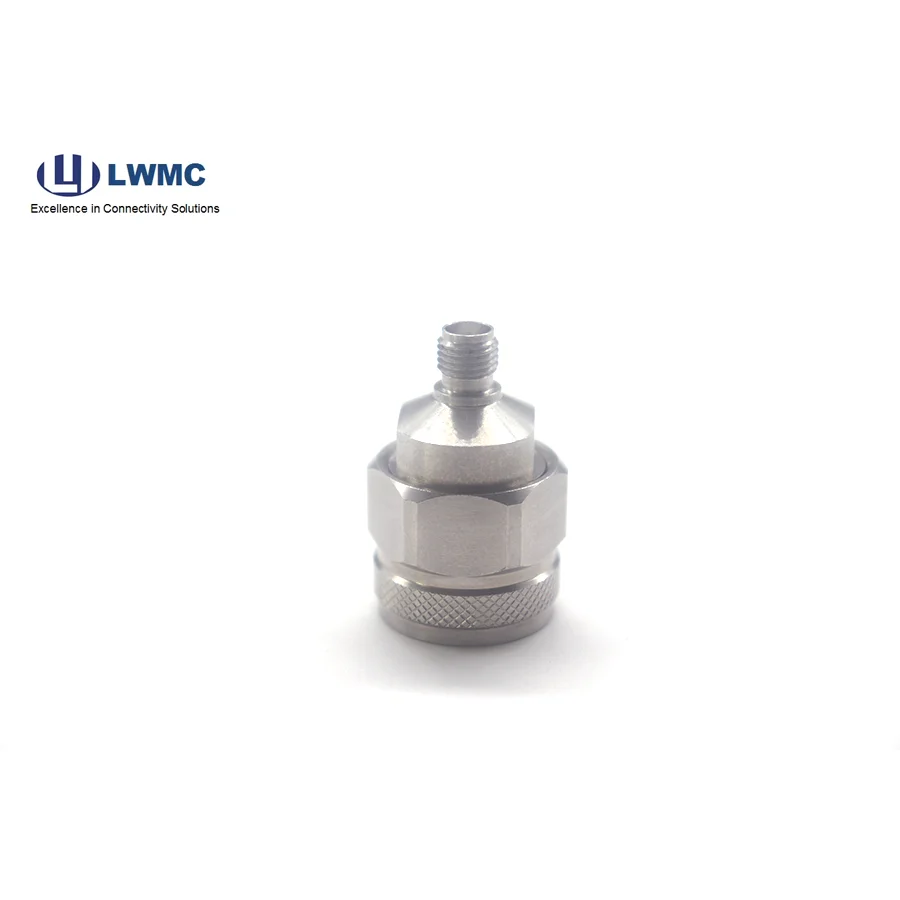
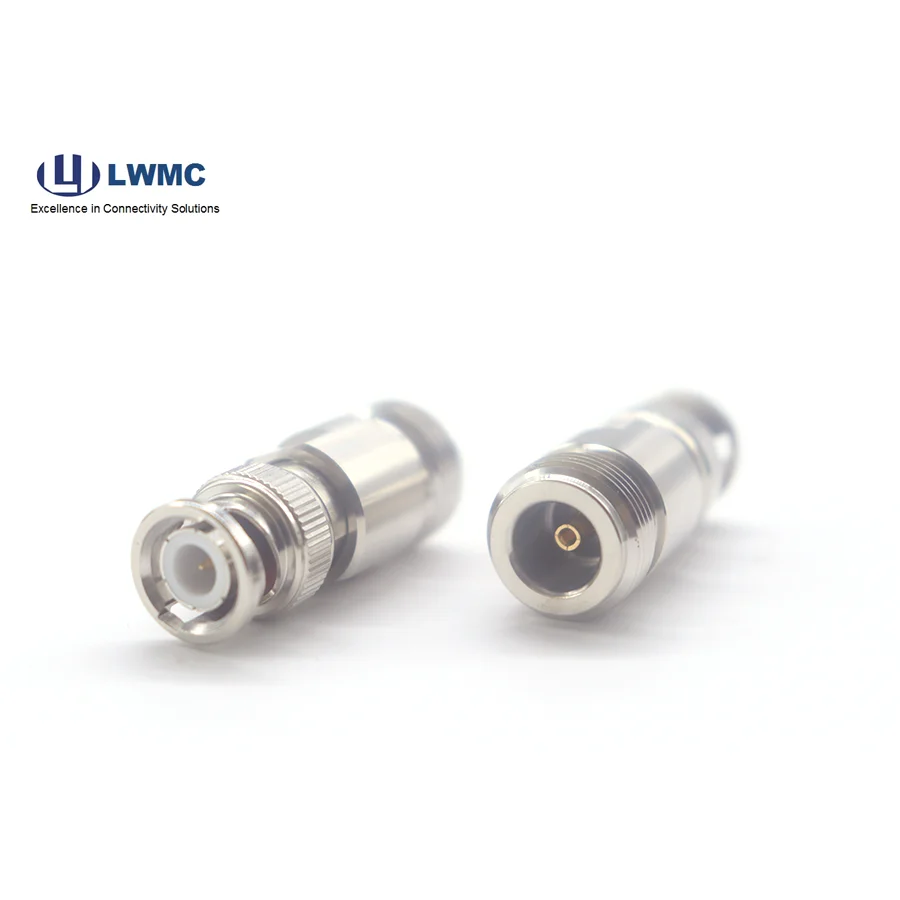
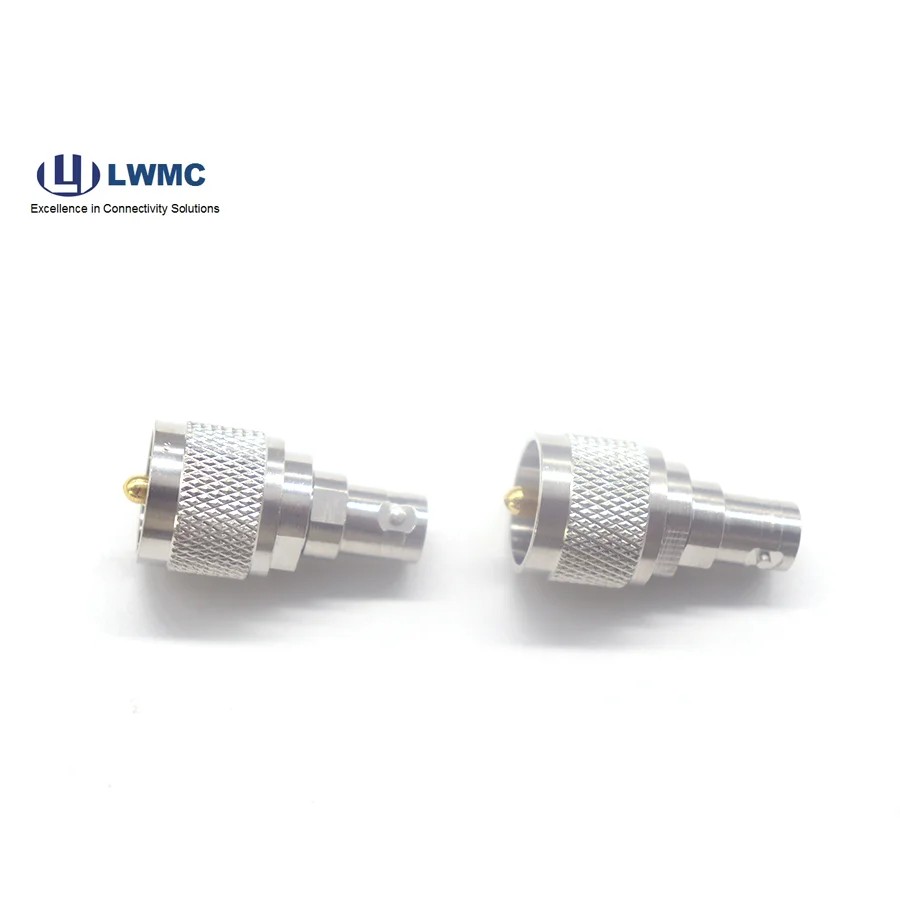
Connector Type: Various connector types (e.g., SMA, BNC, N-type) cater to specific applications. Evaluating the compatibility of these types with your existing systems is vital.
Mechanical Strength: Look for specifications on tensile strength and pull-off force to ensure male to female rf cable can withstand environmental stresses during installation and operation.
When evaluating these specifications, buyers should consider how each aspect impacts performance in their specific use case, as even minor discrepancies can lead to significant issues in communication systems.
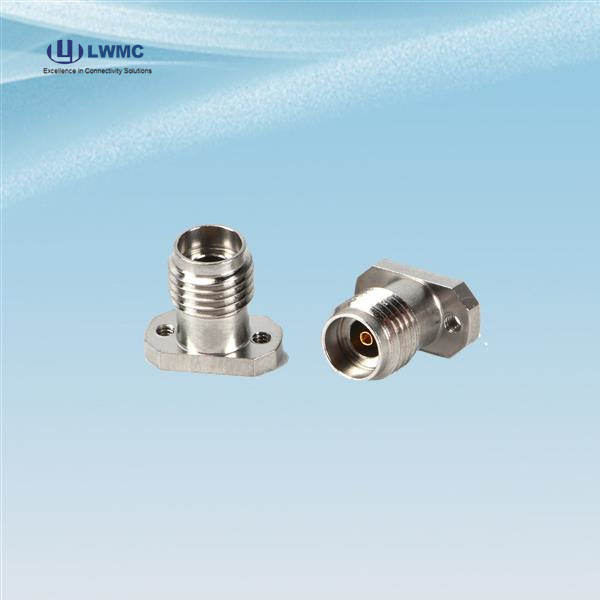
Quality evaluation of coaxial cable connectors involves a multi-faceted approach. First, request samples before placing bulk orders. Testing these samples under actual operating conditions can provide insight into their performance and suitability. Pay attention to aspects such as signal integrity, durability under stress, and ease of installation.
Certifications are another important indicator of quality. Look for connectors that comply with relevant industry standards, such as MIL-spec for military applications or IEC standards for telecommunications. This compliance ensures that the rf cables and connectors have undergone rigorous testing and meet specific performance criteria.
Supplier reputation also plays a critical role in quality assurance. Research the manufacturer’s history and customer reviews to gauge their reliability and commitment to quality. Companies with a long-standing presence in the RF/microwave industry, like Zhenjiang Linkworld, often have established processes to ensure consistent quality output.
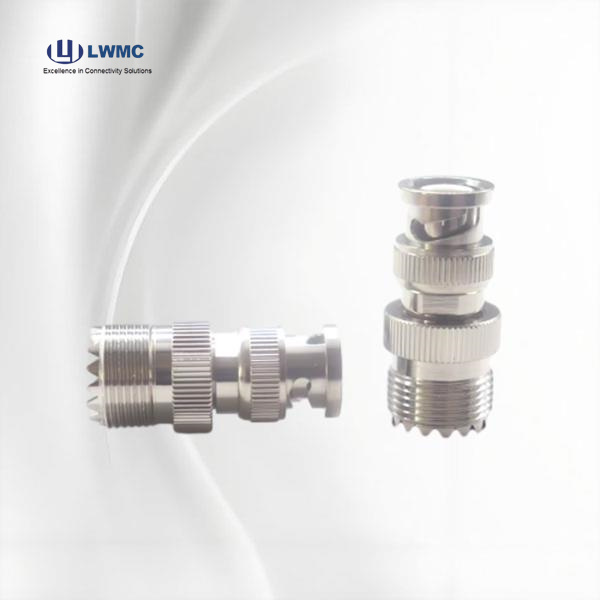
When preparing to purchase coaxial cable connectors, consider compiling the following information to facilitate the quotation process:
Connector Type: Specify the type of connector required (e.g., SMA, BNC).
Quantity: Determine the volume needed for your project, keeping in mind minimum order quantities (MOQ) set by suppliers.
Specifications: Include detailed specifications, such as impedance, frequency range, and material requirements.
Application Information: Provide details about the intended application, including environmental conditions and performance requirements.
Customization Needs: If applicable, outline any specific customization requests to ensure the connectors meet your precise needs.
Delivery Requirements: Specify the required lead time and delivery location to avoid delays in project timelines.
This information will streamline the RFQ process and help suppliers provide accurate and competitive pricing.
Selecting the right type of coaxial cable connector depends on your specific application and operational requirements. Here are some common connector types and their typical uses:
SMA Connectors: Known for their compact size and high-frequency performance, SMA connectors are commonly used in microwave applications and are ideal for environments requiring precision.
BNC Connectors: These connectors are versatile and widely used in video and audio applications. They are easy to connect and disconnect, making them suitable for temporary connections and field testing.
N-Type Connectors: Robust and suitable for outdoor use, N-type connectors offer excellent performance at high frequencies and are often used in telecommunications and radar systems.
TNC Connectors: Similar to BNC but with a threaded coupling, TNC connectors provide improved performance in high-vibration environments, making them ideal for military and aerospace applications.
When comparing connectors, consider factors such as size, frequency range, durability, and ease of installation. Matching the connector type to the specific needs of your application will ensure optimal performance and reliability.
By understanding these key considerations and specifications, buyers can make informed decisions when selecting coaxial cable connectors that align with their operational needs and performance expectations.

 EN