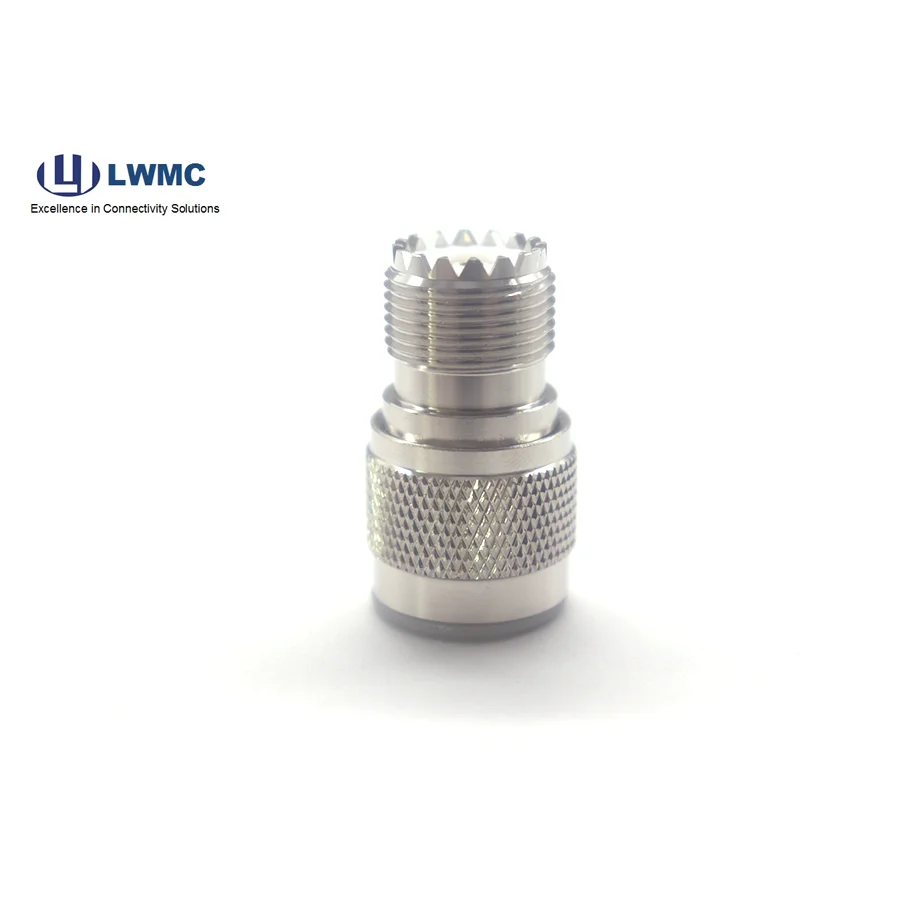
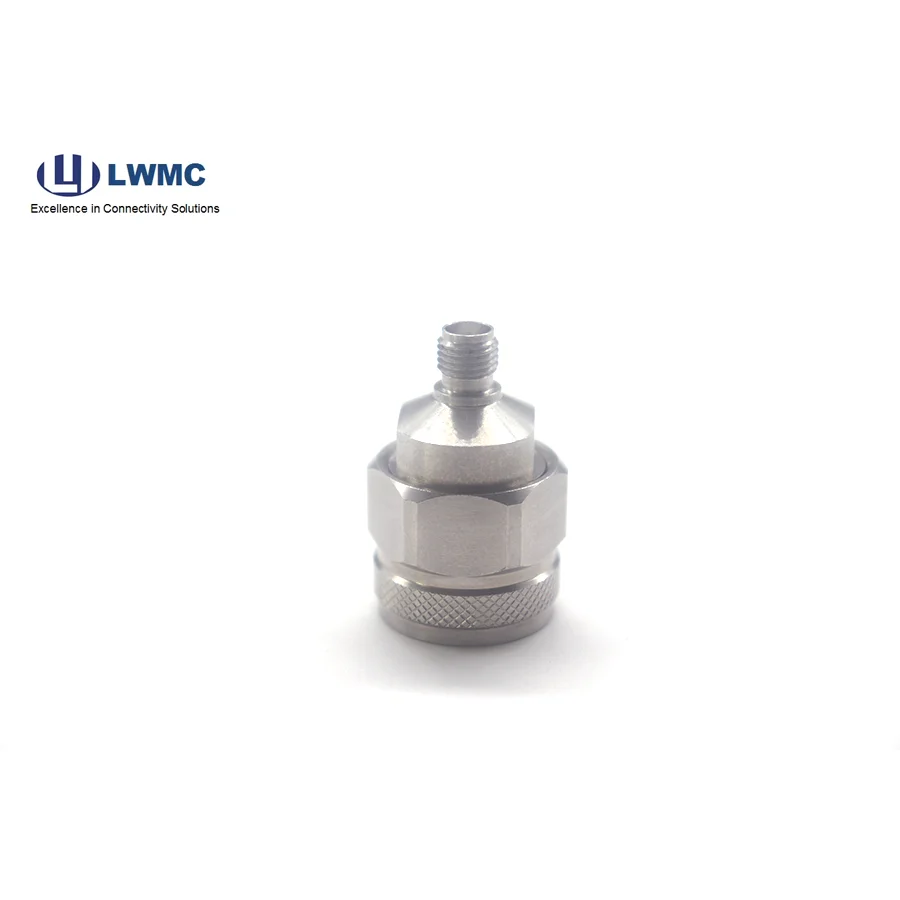
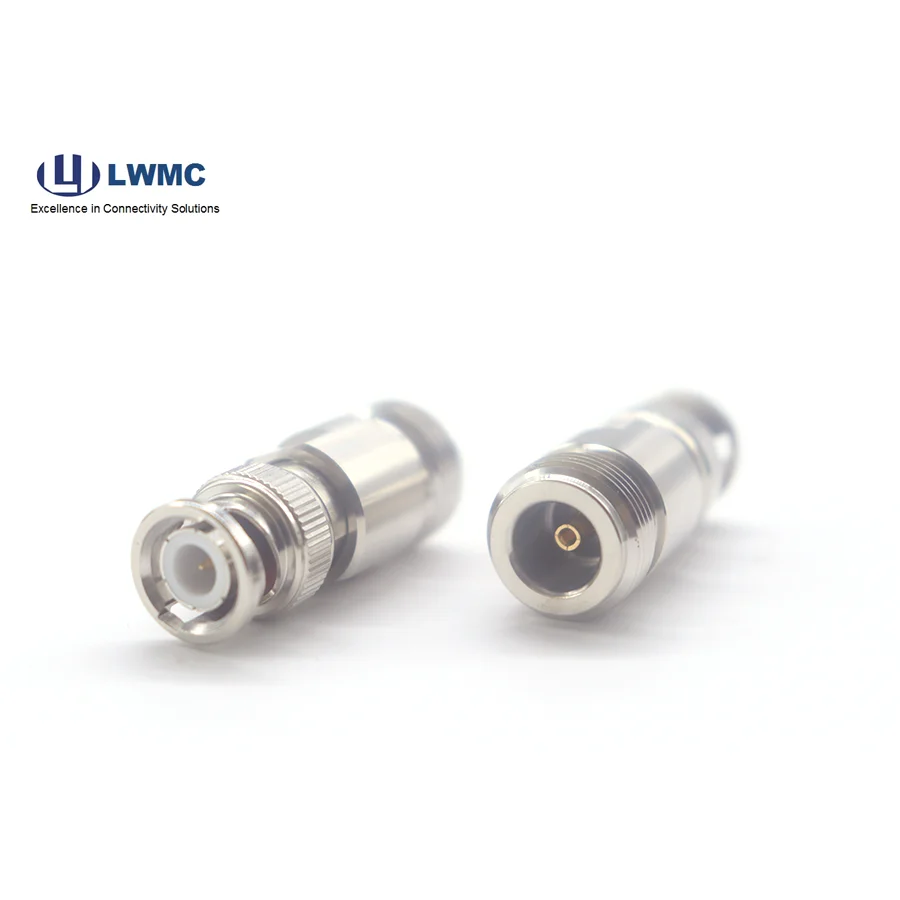
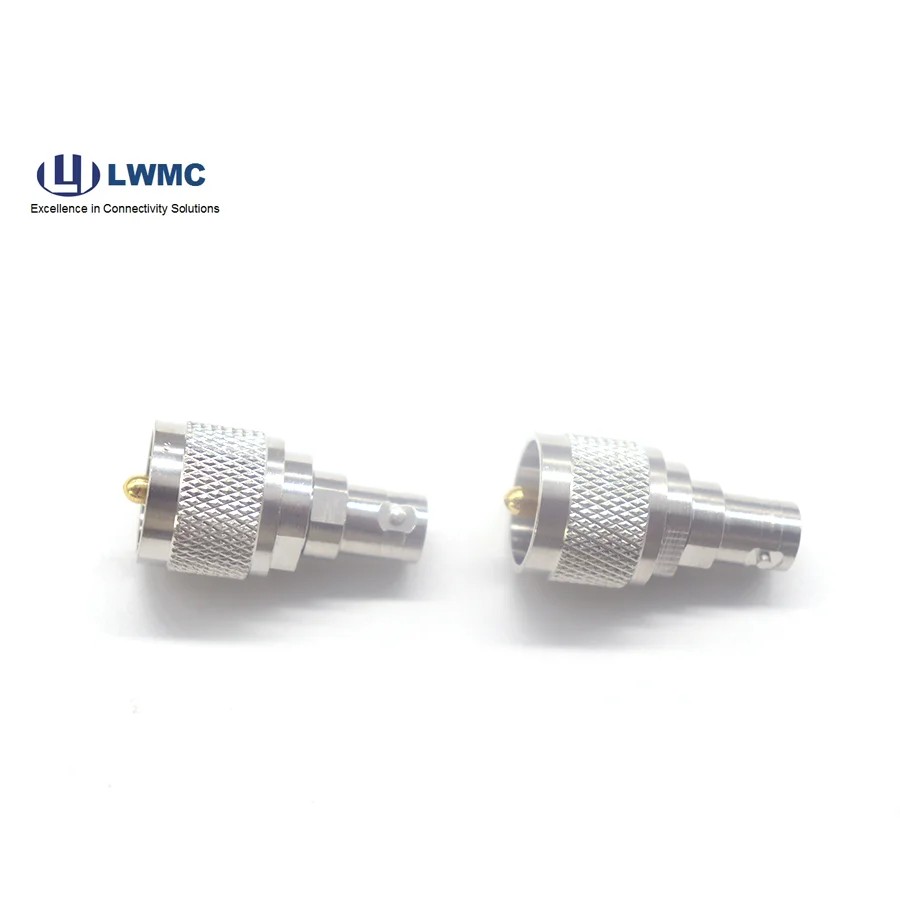
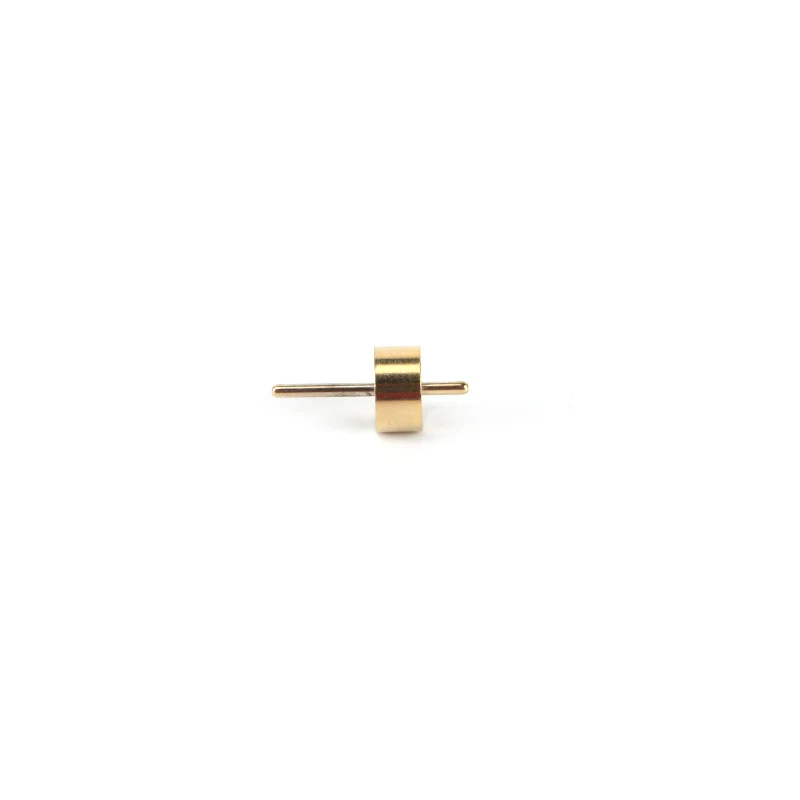
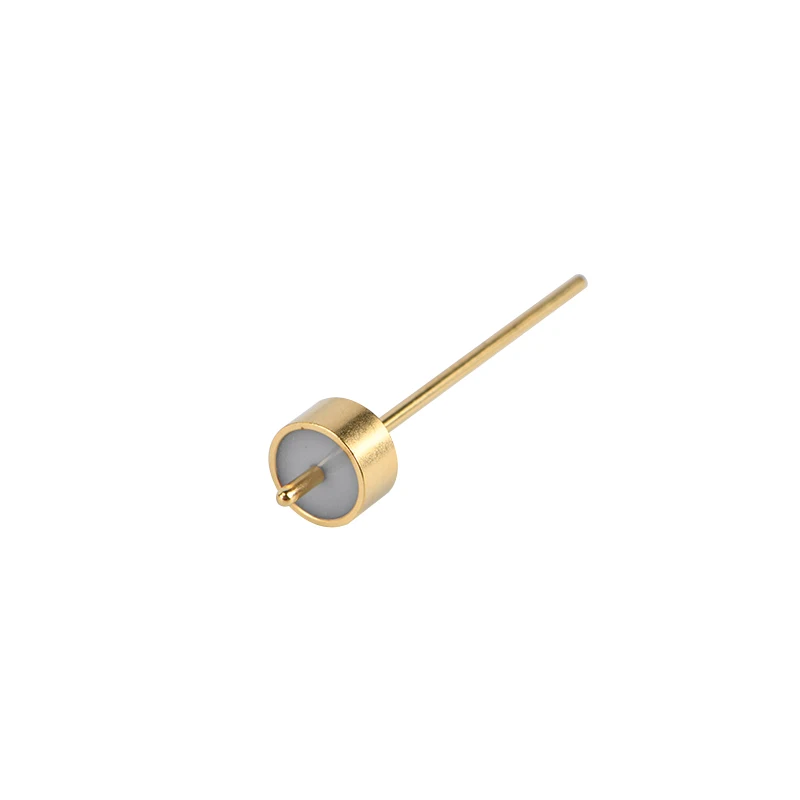
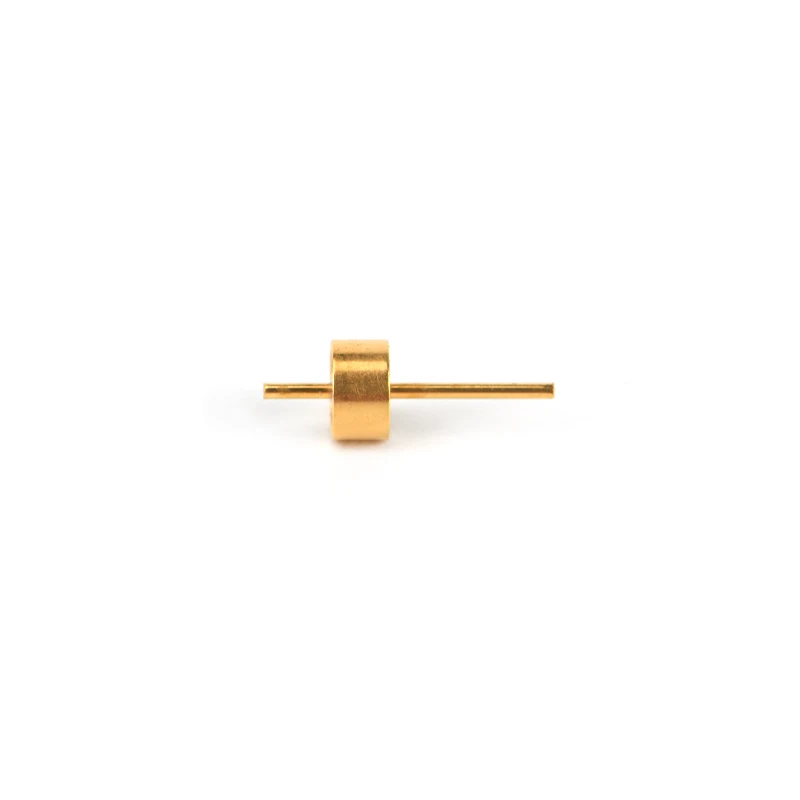
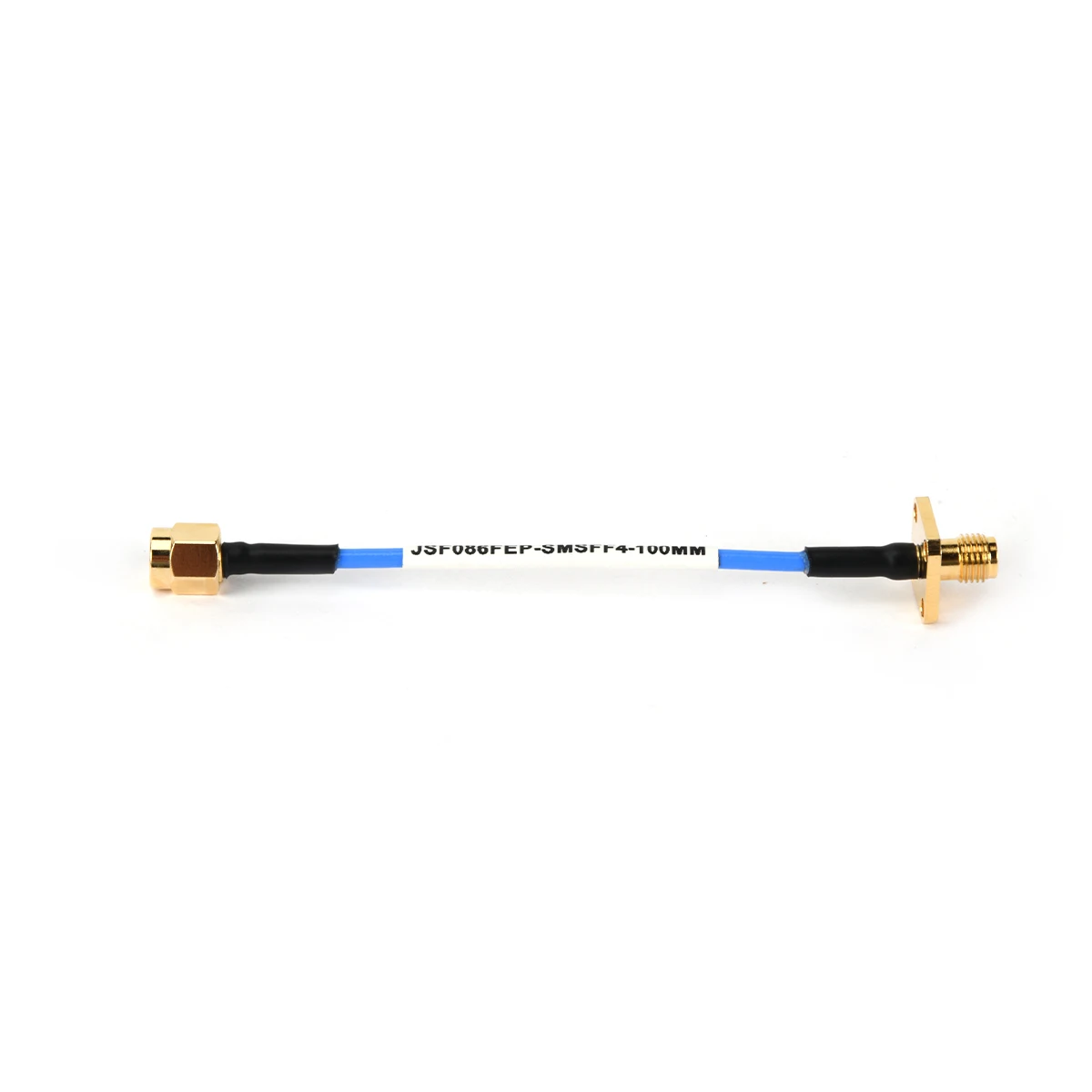
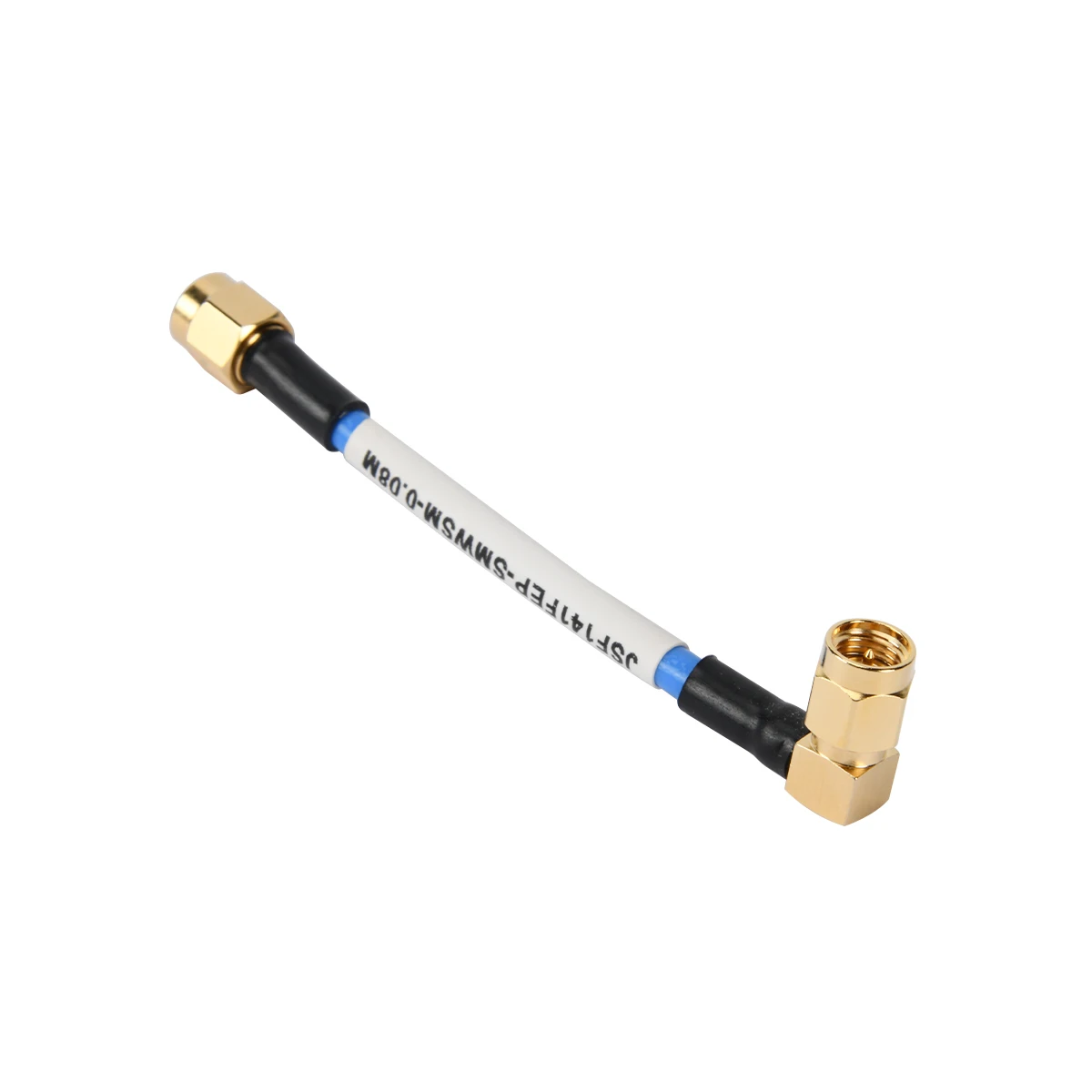
SMA socket connectors are essential components in various RF/microwave applications, providing reliable connections within electronic systems. As a purchasing manager or engineer, understanding the intricacies of these connectors is crucial for ensuring performance and reliability in your projects. This article will guide you through critical considerations, quality comparisons, common issues material advantages, and quality control measures related to SMA socket connectors, helping you make informed purchasing decisions.
When selecting SMA socket connectors, several key factors must be taken into account:
Application Requirements: Understand the specific needs of your application, such as frequency range, power handling, and environmental conditions. SMA connectors are typically used in applications involving RF and microwave frequencies, so ensure the connector's specifications align with your operational requirements.
Material Selection: The materials used in the construction of SMA connectors significantly impact their performance. Common materials include brass, stainless steel, and various plating options. Each material offers different characteristics in terms of conductivity, corrosion resistance, and durability, which should be matched to the intended use.
Connector Configuration: SMA connectors come in various configurations, including straight, right-angle, and bulkhead types. Select a configuration that suits your design layout to minimize signal loss and maintain integrity.
Mechanical and Electrical Specifications: Pay close attention to specifications such as VSWR (Voltage Standing Wave Ratio), insertion loss, and operating temperature range. These specifications will directly influence the connector's performance in your specific application.
By carefully considering these factors, you can select SMA male female connector that will enhance your project's efficiency and reliability.
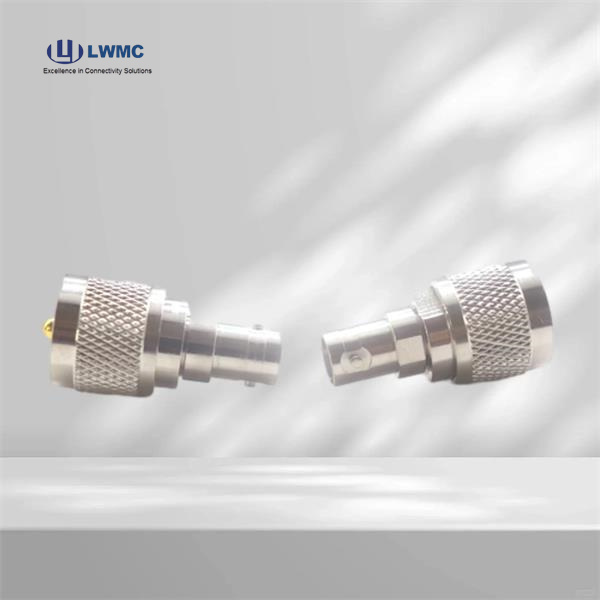
To ensure you choose high-quality SMA socket connectors, consider the following comparison criteria:
Manufacturing Standards: Look for connectors that adhere to industry standards such as ISO 9001 or MIL-STD-348. Certifications indicate a commitment to quality and consistent manufacturing processes.
Testing Protocols: Verify that the manufacturer conducts rigorous testing on their connectors. Tests should include mechanical stress, environmental exposure, and electrical performance assessments. A reliable supplier will provide detailed test reports.
Performance Metrics: Compare specifications such as insertion loss and return loss. Connectors with lower insertion loss and higher return loss are generally preferable, as they ensure minimal signal degradation.
Customer Feedback and Reviews: Research customer experiences and feedback regarding performance and reliability. Reviews can provide insights into the long-term viability of the connectors under various conditions.
By employing these criteria, you can effectively assess the quality and performance of SMA rp sma connector from different suppliers.
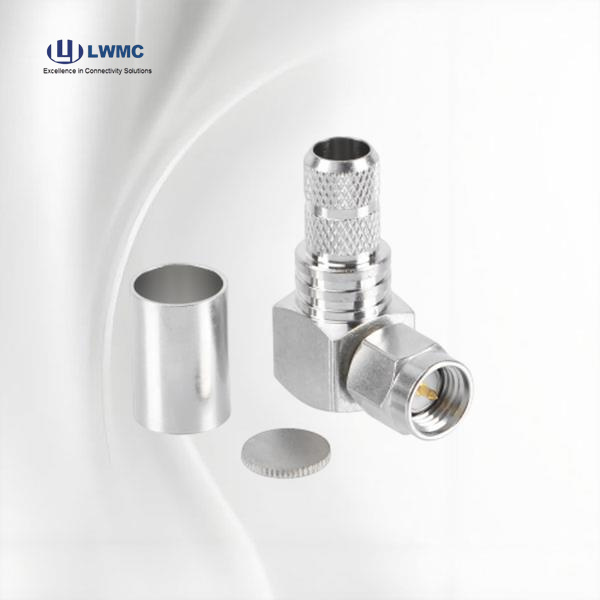
SMA socket connectors, while reliable, can encounter specific issues that may affect performance. Here are some common problems along with their solutions:
Poor Signal Integrity: This can occur due to improper mating or misalignment. Ensure that connectors are securely mated and consider using jigs or alignment tools during installation to maintain proper alignment.
Corrosion and Oxidation: Environmental factors can lead to corrosion, particularly in outdoor or harsh environments. Use connectors with appropriate plating (such as gold or nickel) to enhance corrosion resistance and consider applying protective coatings if necessary.
Mechanical Wear: Repeated mating and unmating can lead to wear and damage. To mitigate this, limit the number of cycles and consider using connectors designed for high mating cycles.
Thermal Expansion Issues: Differences in thermal expansion rates between materials can lead to connector failure. Choose connectors made from materials that have similar thermal expansion coefficients to minimize this issue.
By being aware of these common problems, you can take proactive measures to ensure the longevity and reliability of your SMA socket connectors.
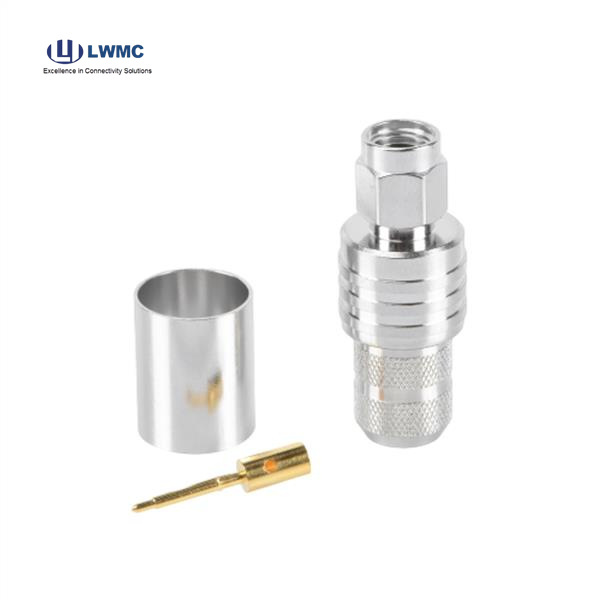
The choice of material in SMA socket connectors significantly influences their performance and durability. Here's a breakdown of the common materials used:
Brass: Widely used due to its good electrical conductivity and cost-effectiveness. However, it may corrode in harsh environments, making it less suitable for outdoor applications unless coated.
Stainless Steel: Known for its excellent corrosion resistance and durability. It is ideal for applications in challenging environments, such as marine or industrial settings. While more expensive, its longevity can justify the cost.
Plating Options: Gold plating offers superior conductivity and corrosion resistance, making it ideal for high-performance applications. Silver plating is also an option, providing excellent conductivity but lower corrosion resistance compared to gold.
PTFE Insulation: For the dielectric, PTFE (Polytetrafluoroethylene) is commonly used due to its high-temperature resistance and low loss characteristics, making it suitable for RF applications.
Understanding these material advantages will help you choose the right SMA socket connectors based on your application's specific requirements.
Quality control is crucial in ensuring that the SMA socket connectors you purchase meet your specifications and performance needs. Here are steps to ensure effective quality control:
Request Samples: Before placing a bulk order, request samples of the SMA socket connectors. This allows you to verify the quality and performance under your specific operating conditions.
Review Manufacturing Processes: Inquire about the manufacturer's production techniques and quality assurance protocols. Understanding their manufacturing processes can give you confidence in the quality of the connectors.
Conduct Incoming Inspection: When receiving connectors, implement a systematic inspection process to check for visual defects, dimensions, and compliance with specifications. This can prevent issues from arising later in your project.
Establish a Feedback Loop: Maintain open communication with your supplier about any quality issues encountered during use. This feedback can help them improve their manufacturing processes and address any ongoing concerns.
By implementing these quality control measures, you can enhance the reliability of your SMA female connector and ensure they meet your project's demands.

 EN