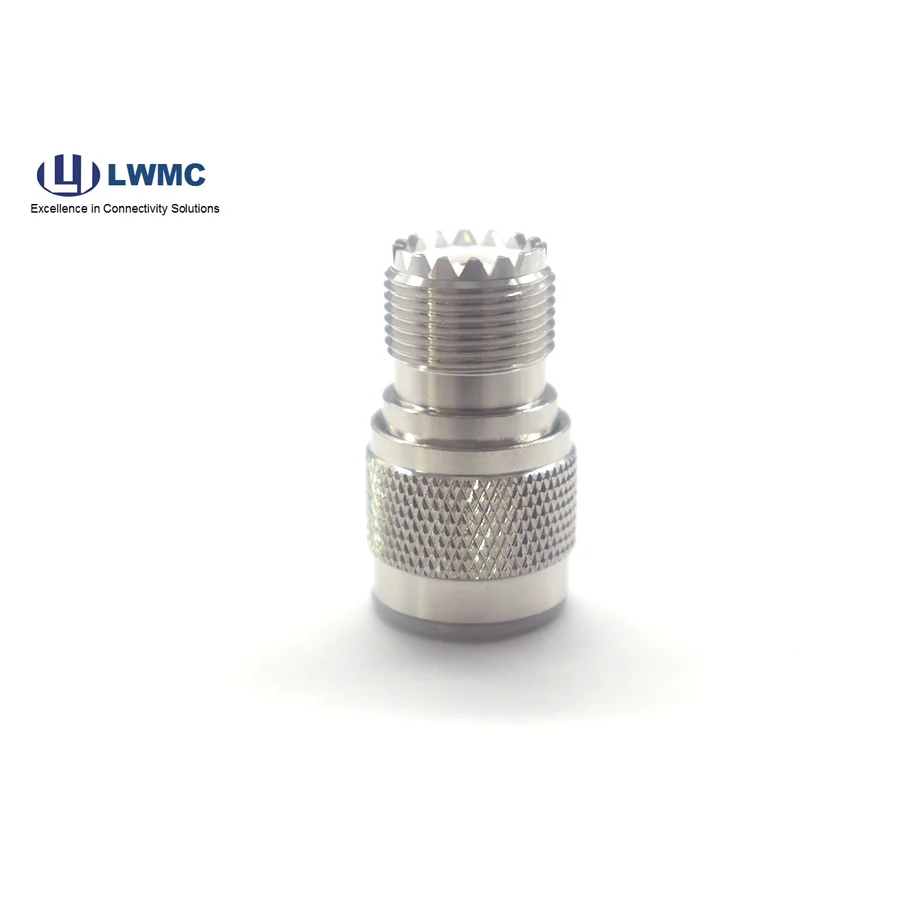
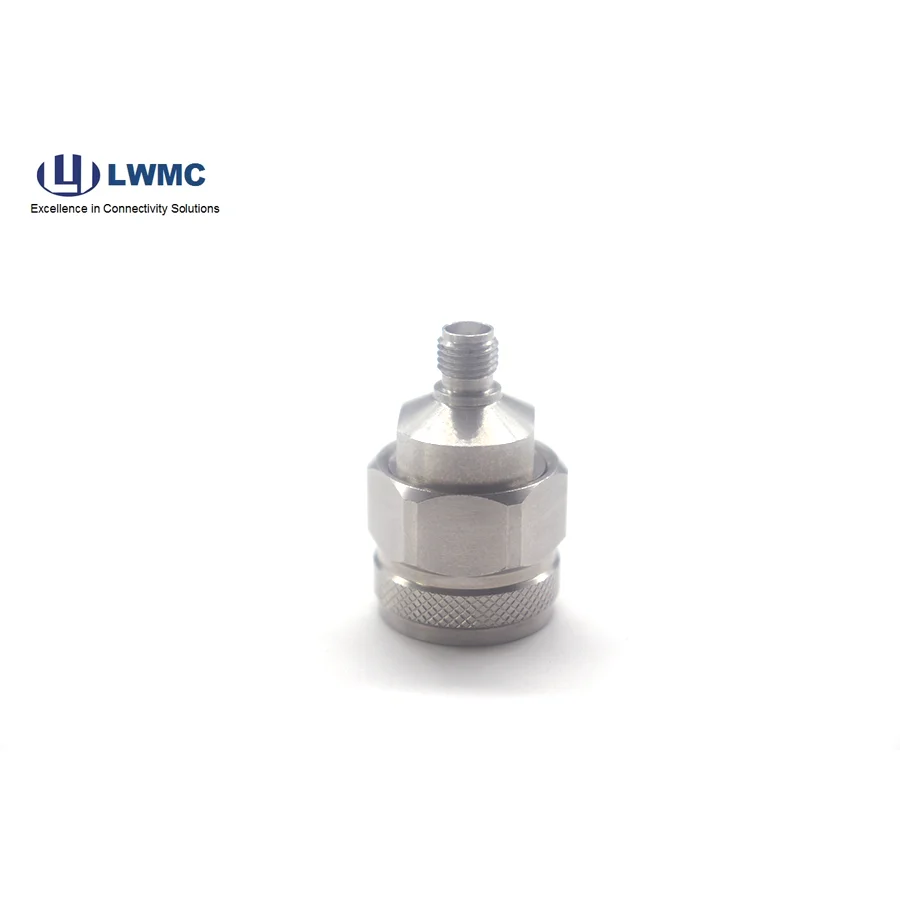
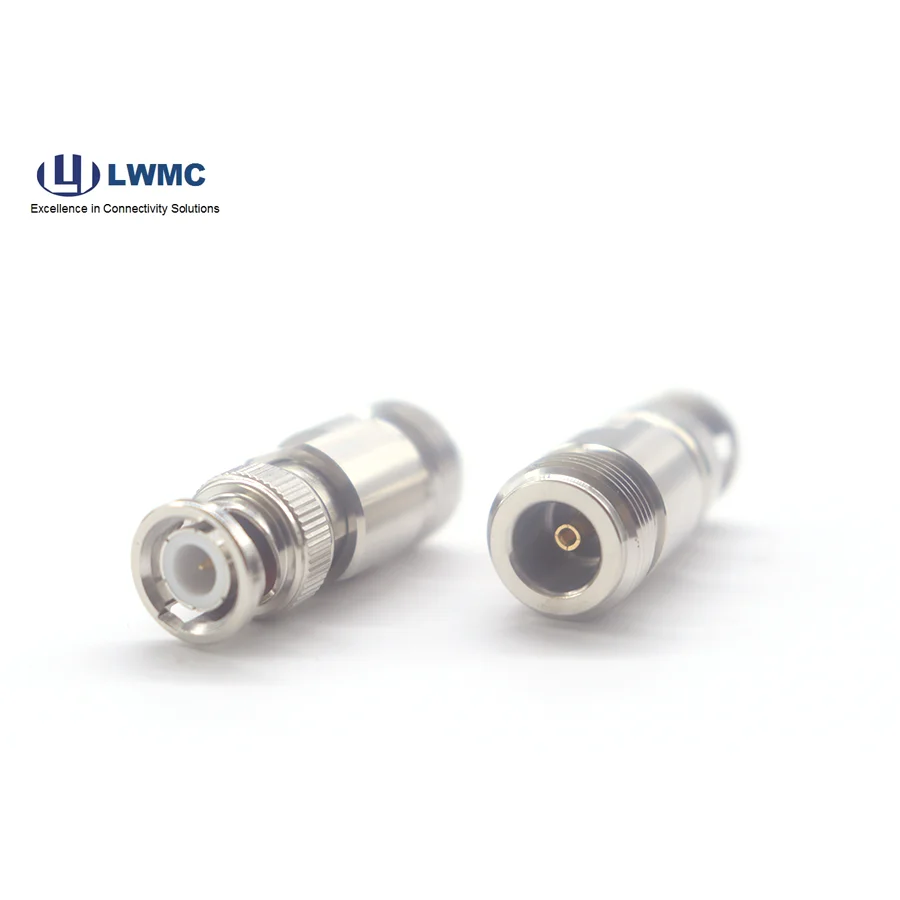
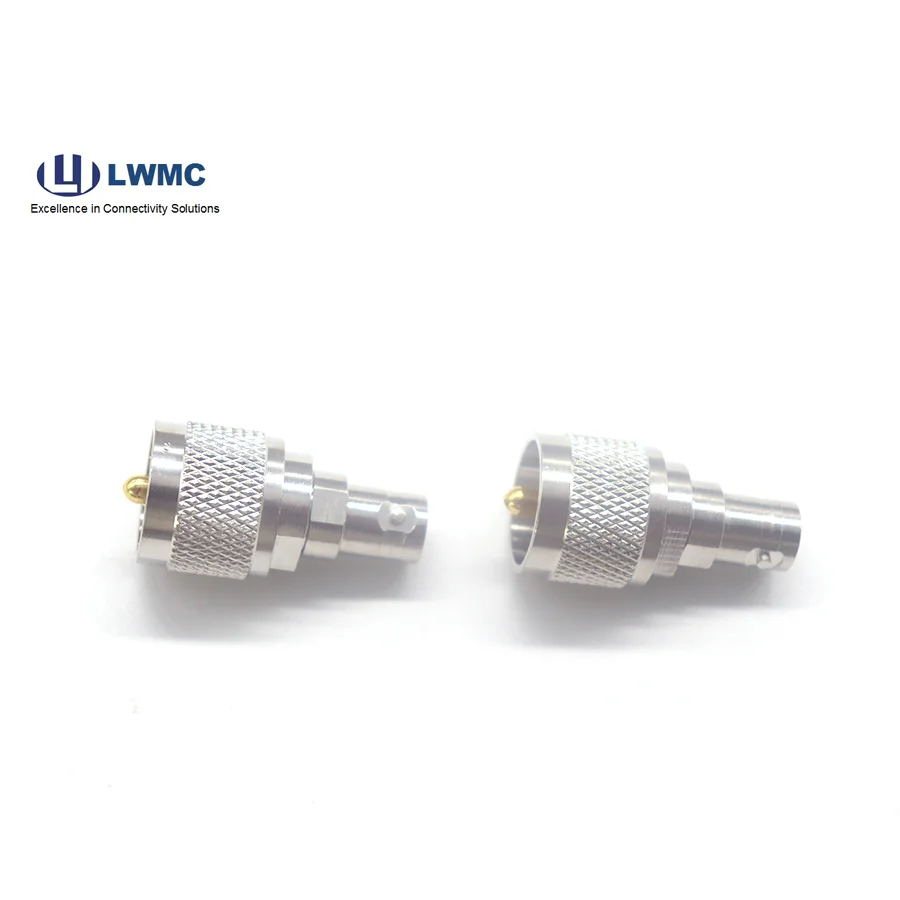
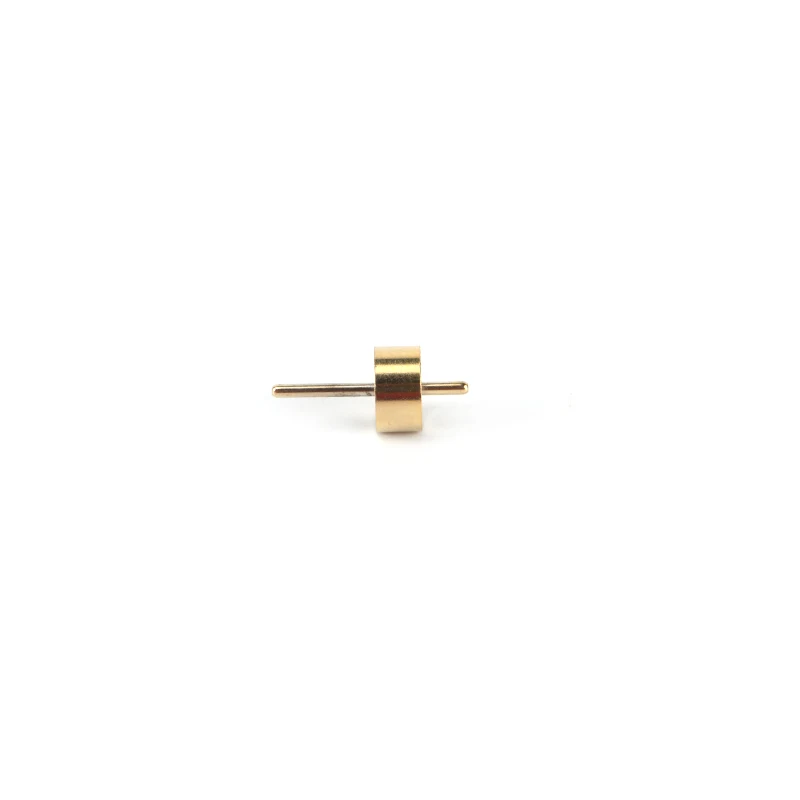
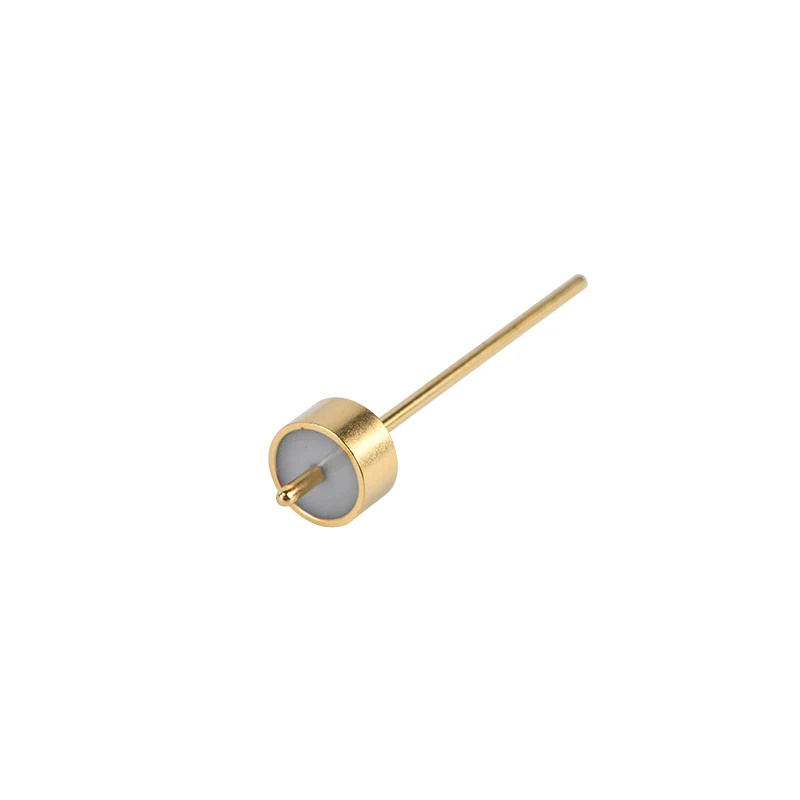
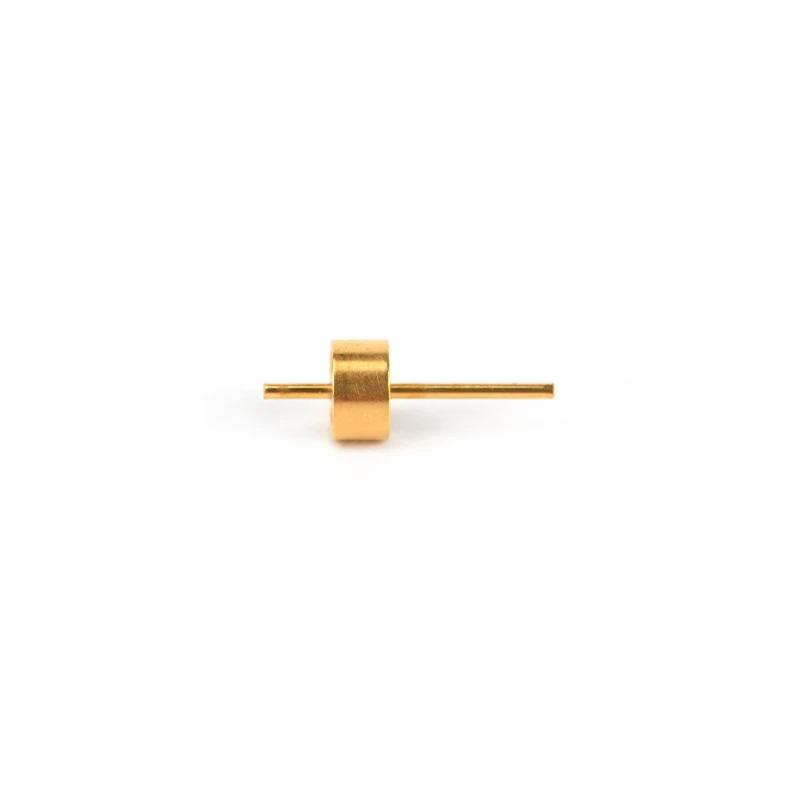
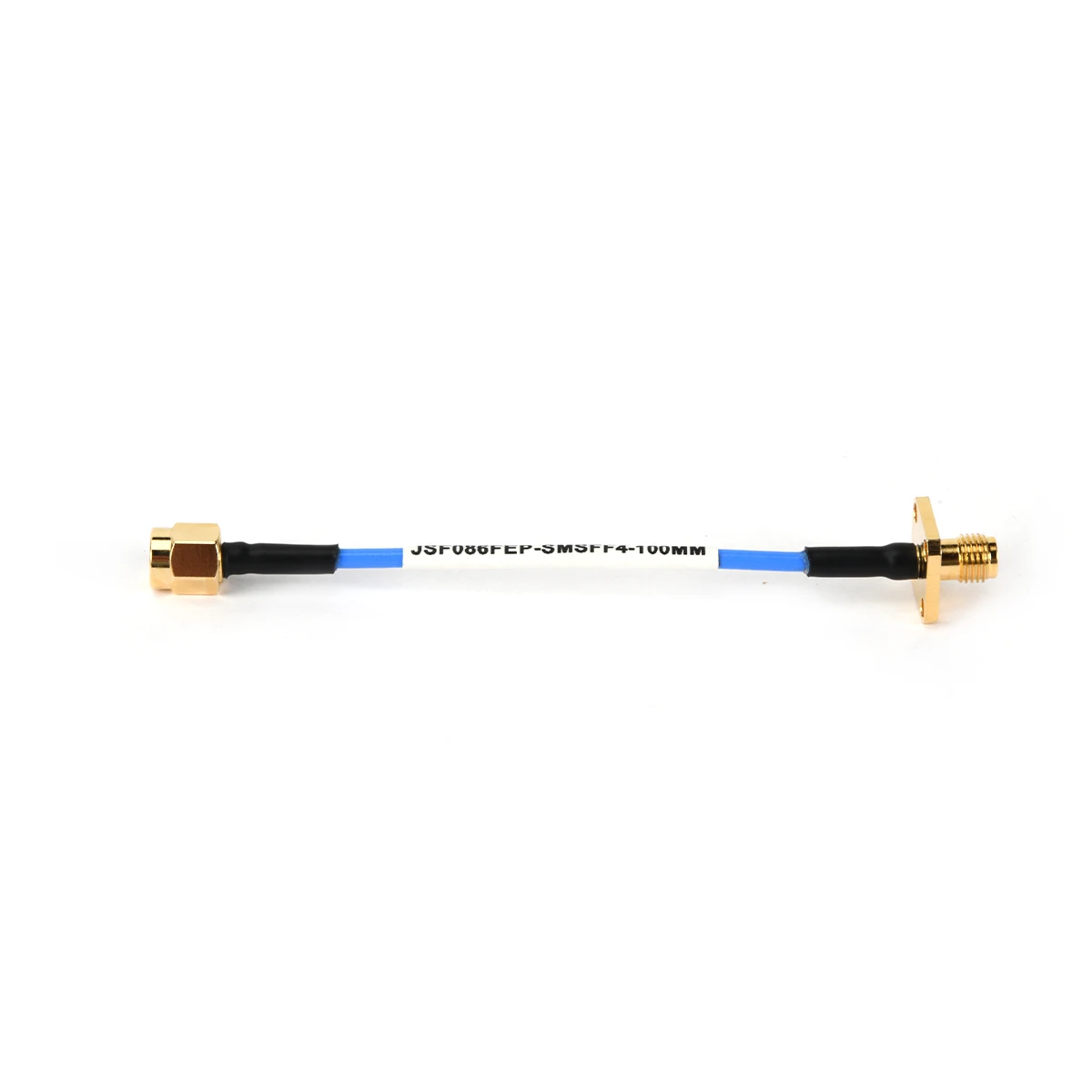
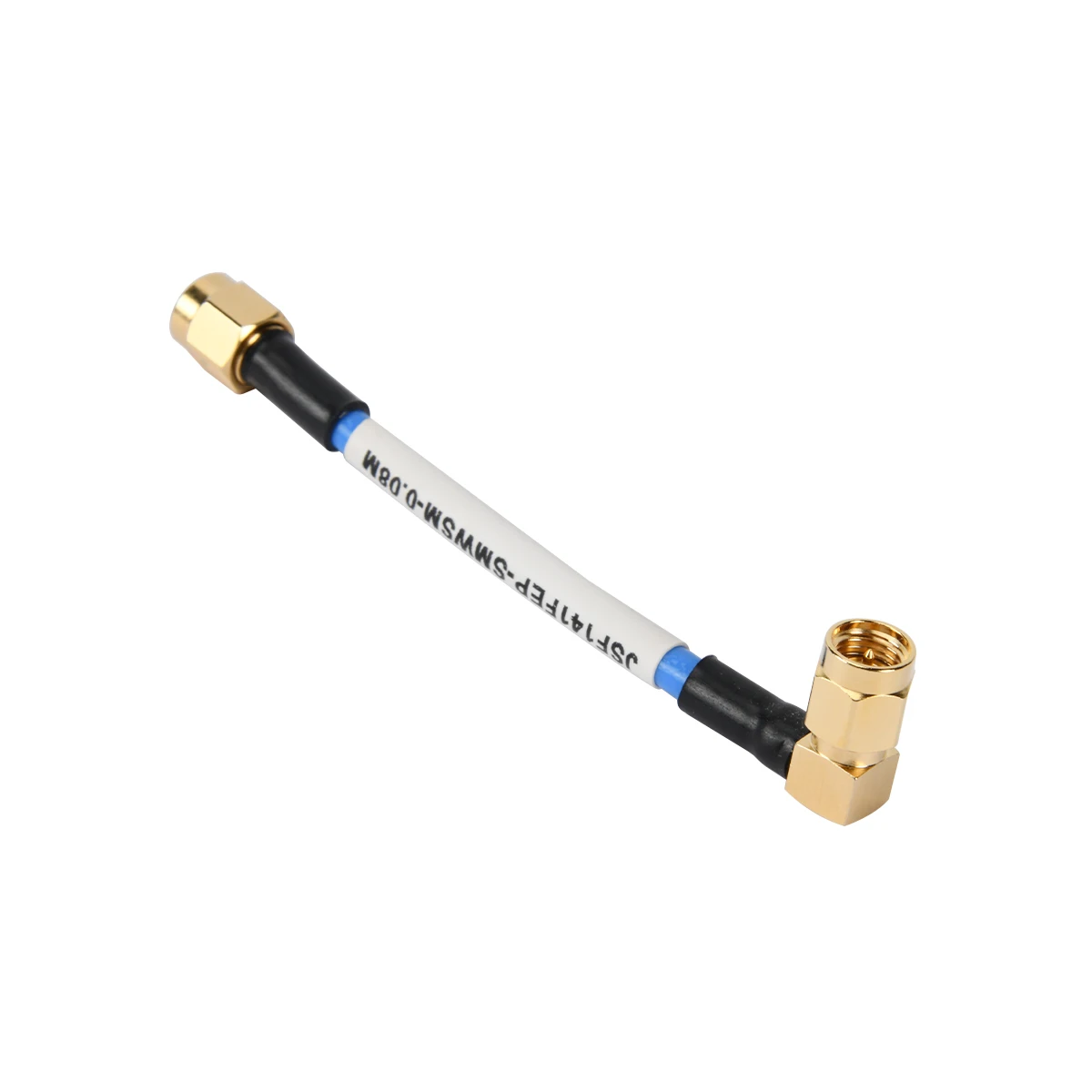
In the intricate world of radio frequency (RF) systems and microwave technology, the female connector plug serves as a foundational interface point. Often referred to as a "jack" or "socket" in technical specifications, it is the receptacle designed to accept a corresponding male connector. Characterized by a precision center socket and a surrounding coupling mechanism—which can be threaded, bayonet, or push-on—the female plug is engineered to establish secure electrical and mechanical contact for signal transmission. As a core component of RF Connectors, Coaxial Cable Assemblies, and RF Adapters, it is critical for ensuring signal integrity, ease of integration, and system reliability across communication infrastructure, microwave devices, radar systems, aerospace platforms, and consumer electronic applications.
Female connector plugs are central to simplifying system design and user interaction. They provide the standardized, secure ports on devices and panels, eliminating the need for hardwired, permanent connections. For instance, in a test setup, a spectrum analyzer's input is typically a female connector (like an N-type or SMA jack), allowing any compatibleCoaxial Cable Assemblywith a male plug to be easily attached or swapped. This modularity enables rapid reconfiguration, troubleshooting, and upgrades without specialized tools. In essence, the female plug transforms complex wiring into a simple, user-friendly "plug-and-play" interface, drastically reducing installation time and complexity.
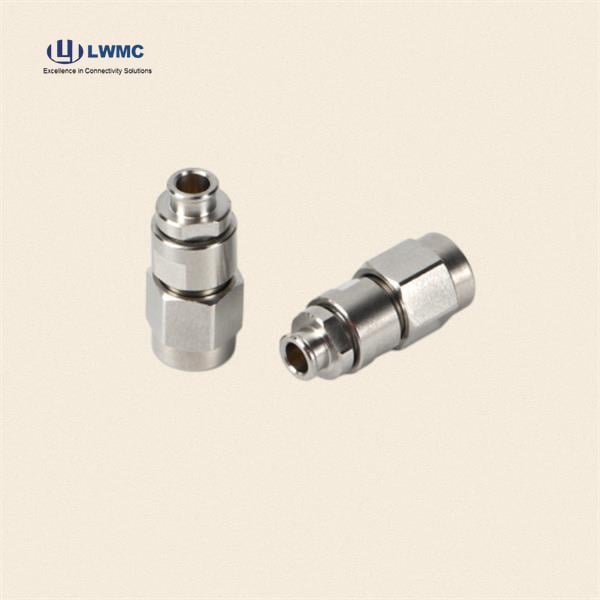
The versatility of female connector plugs is demonstrated by their broad adoption across the technology spectrum. In RF and microwave systems, common types include SMA, N-Type, 2.92mm, and BNC female connectors, each precision-engineered for specific frequency ranges—from DC to millimeter-wave—durability requirements, and environmental conditions encountered in aerospace and defense applications. They are ubiquitous in telecommunications infrastructure, microwave components, radar arrays, satellite communications equipment, and test instrumentation. This versatility is further amplified by RF Adapters, which can convert a female SMA port to a female N-Type or 2.92mm interface, thereby bridging different system requirements and extending the functionality of existing equipment across communication networks, microwave assemblies, and aerospace platforms with remarkable flexibility.
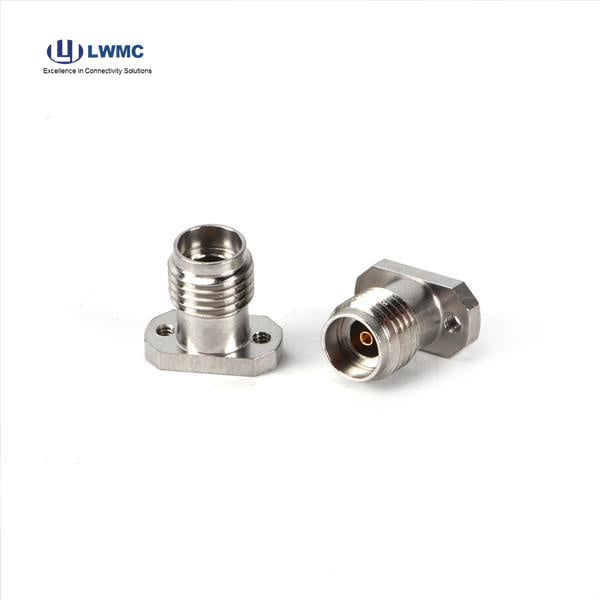
The design principles of the female connector plug are essential for successful signal transmission across communication systems, microwave devices, and radar installations. In these demanding applications, female connectors provide the critical interface for RF signal transmission from DC through millimeter-wave frequencies. A high-quality female connector ensures proper impedance matching—typically 50 ohms—and shielding to prevent electromagnetic interference from degrading signal quality or causing data errors in communication links and radar returns. Its precision coupling mechanism—whether threaded for vibration-resistant aerospace applications or quick-connect for test scenarios—prevents accidental disconnection that could interrupt critical communications. For defense communications, satellite ground stations, and microwave systems, robust female connectors on cables, components, and instrumentation are non-negotiable for maintaining the signal purity required in these mission-critical applications.
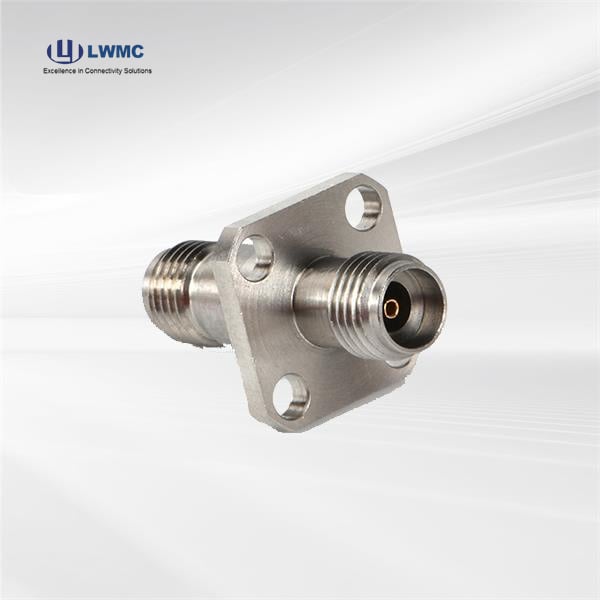
The use of high-quality female connector plugs delivers significant operational benefits across communication, microwave, radar, aerospace, and consumer electronic applications. First and foremost, they provide secure and reliable connections for RF signal paths. Coupling mechanisms like the threaded interface on N-Type, SMA, and 3.5mm connectors ensure vibration-resistant, gas-tight connections that maintain electrical continuity in challenging aerospace and defense environments. This directly enhances system reliability by minimizing insertion loss and voltage standing wave ratio (VSWR)—critical parameters in microwave devices and radar systems where signal fidelity is paramount. Secondly, precision female connectors offer durability and longevity, with quality interfaces rated for hundreds or thousands of mating cycles in test equipment and production environments. For any mission-critical signal path, from consumer wireless devices to complex aerospace radar arrays, the female connector plug is an indispensable element for guaranteed RF performance and system integrity.

 EN
EN