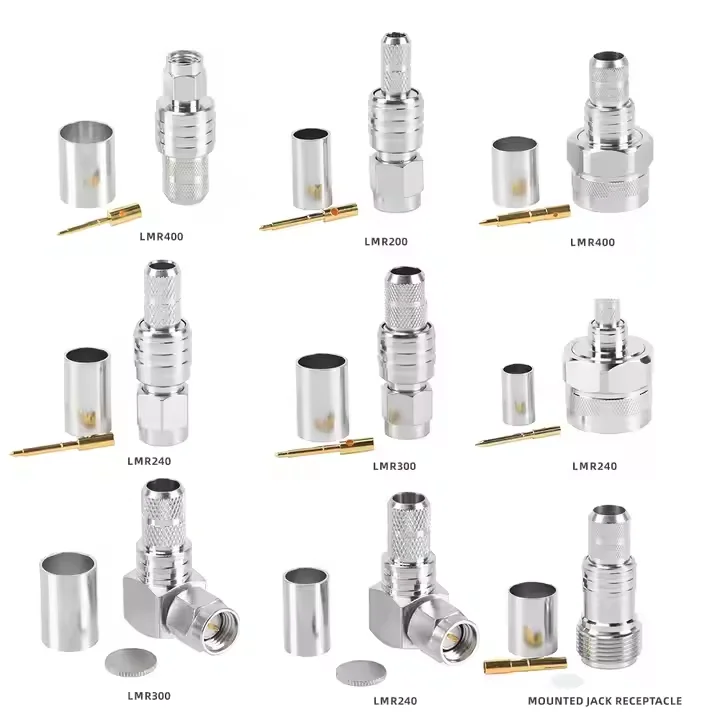
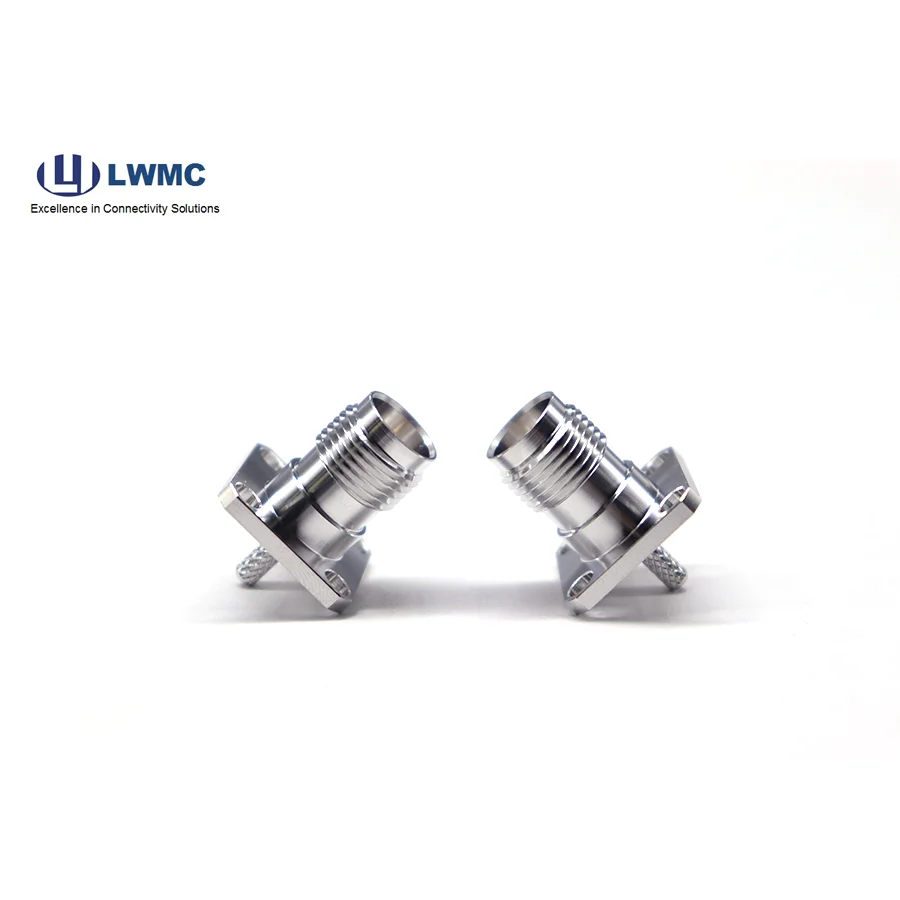
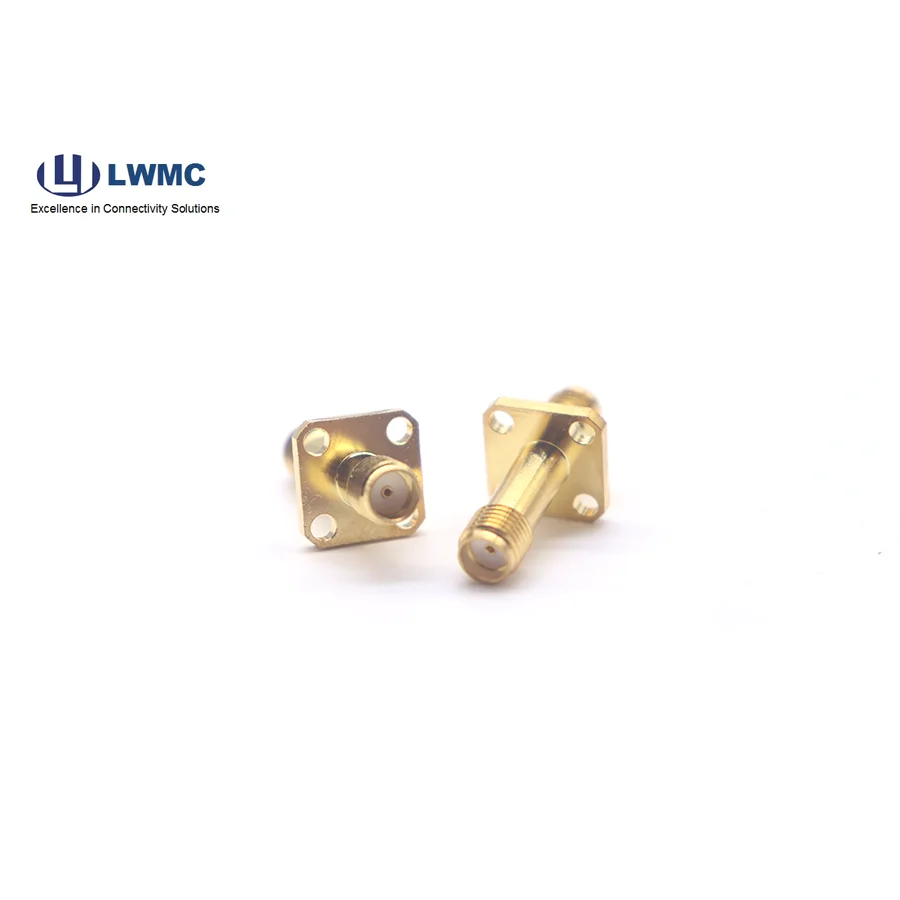
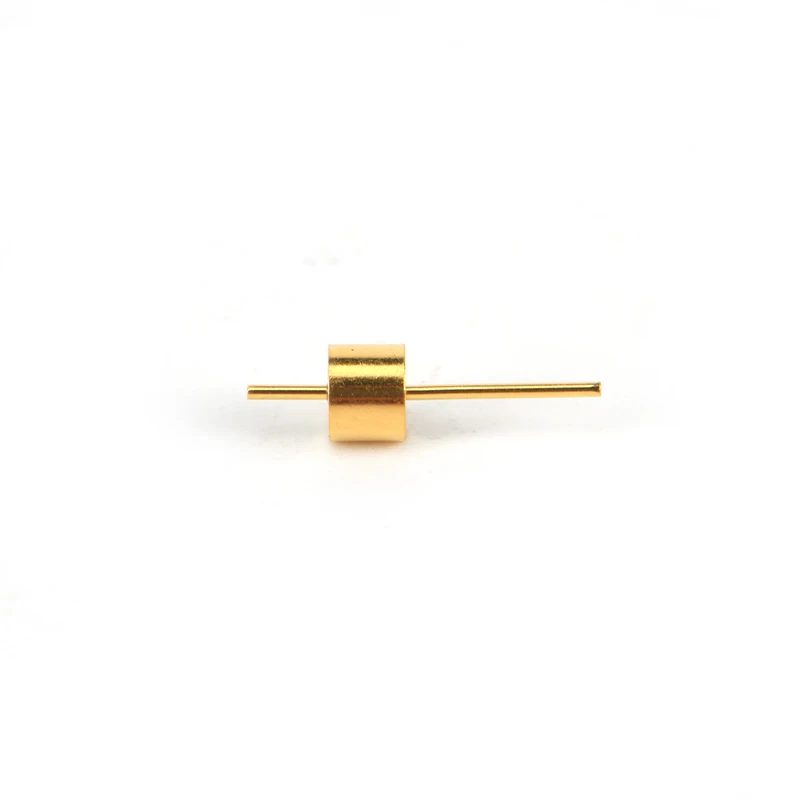
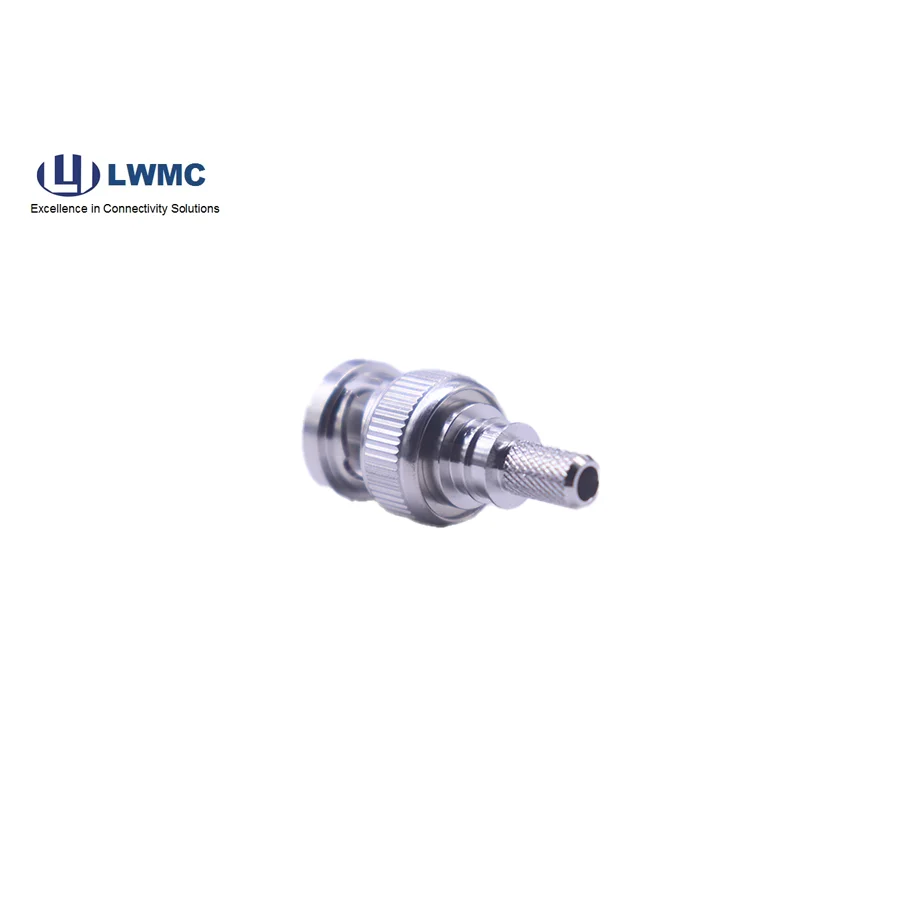
Coaxial cable plugs are essential components in RF and microwave applications, providing secure connections for signal transmission across various sectors like telecommunications, aerospace, and medical devices. As a B2B buyer, understanding the intricacies of coaxial cable plugs—including their specifications, compatibility, and manufacturing processes—is crucial. This article aims to clarify vital considerations for sourcing coaxial 90 degree adapter, empowering you to make well-informed purchasing decisions.
When selecting coaxial cable plugs for wholesale needs, several factors must be evaluated. First, consider the application of the coaxial cable plugs. Different applications may require varying specifications in terms of frequency, impedance, and connector type. For instance, military and aerospace applications may necessitate plugs that can withstand extreme environmental conditions.
Next, assess compatibility with existing systems. Ensure that the plugs you choose match the connectors already in use within your organization. This can prevent costly compatibility issues down the line. Additionally, evaluate the performance requirements, such as signal integrity and loss specifications, to ensure that the plugs can meet the necessary standards.
Lastly, consider customization options. Many manufacturers, including Zhenjiang Linkworld Microwave Communication Co., Ltd., offer tailored solutions to meet specific needs. Customization can include variations in materials, sizes, or even unique designs to enhance performance.
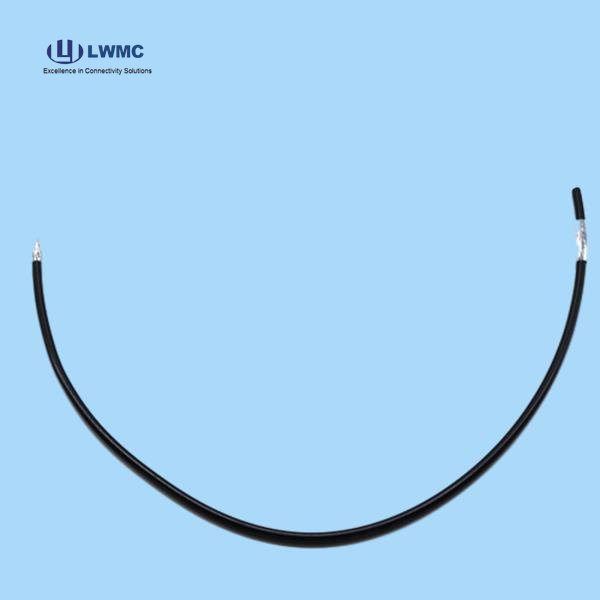
Evaluating manufacturers of coaxial cable plugs is crucial for ensuring quality and reliability. Start by examining their experience and expertise in the RF and microwave sector. A manufacturer like Zhenjiang Linkworld, with 20 years of experience, is likely to have established quality control processes and technical know-how.
Next, look for certifications that demonstrate the manufacturer meets industry standards. Compliance with international standards can indicate a commitment to quality and safety. It's also beneficial to inquire about their production capabilities, including the types of machinery used and their production capacity, as these factors can influence lead times and product availability.
Requesting samples is another critical step. Assess the quality and performance of the samples under actual operating conditions. This allows for a practical evaluation of the manufacturer's claims about their products.
Finally, consider their customer service and support. A manufacturer that provides end-to-end support, including technical assistance and after-sales service, can significantly enhance the purchasing experience.
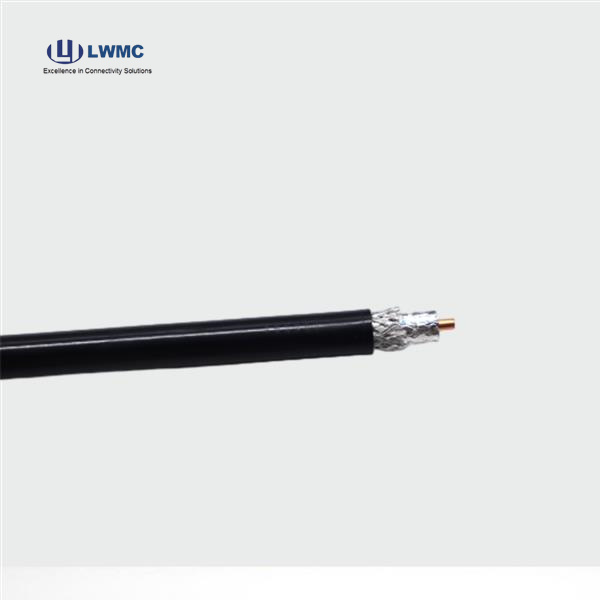
When sourcing coaxial cable plugs, several key specifications should be considered to ensure optimal performance for your application:
Impedance: The most common impedances are 50 ohms and 75 ohms. Ensure you select plugs that match your system's impedance to minimize signal loss.
Frequency Range: Different applications may require plugs that can operate effectively over specific frequency ranges. Verify that the plugs meet the frequency requirements of your application.
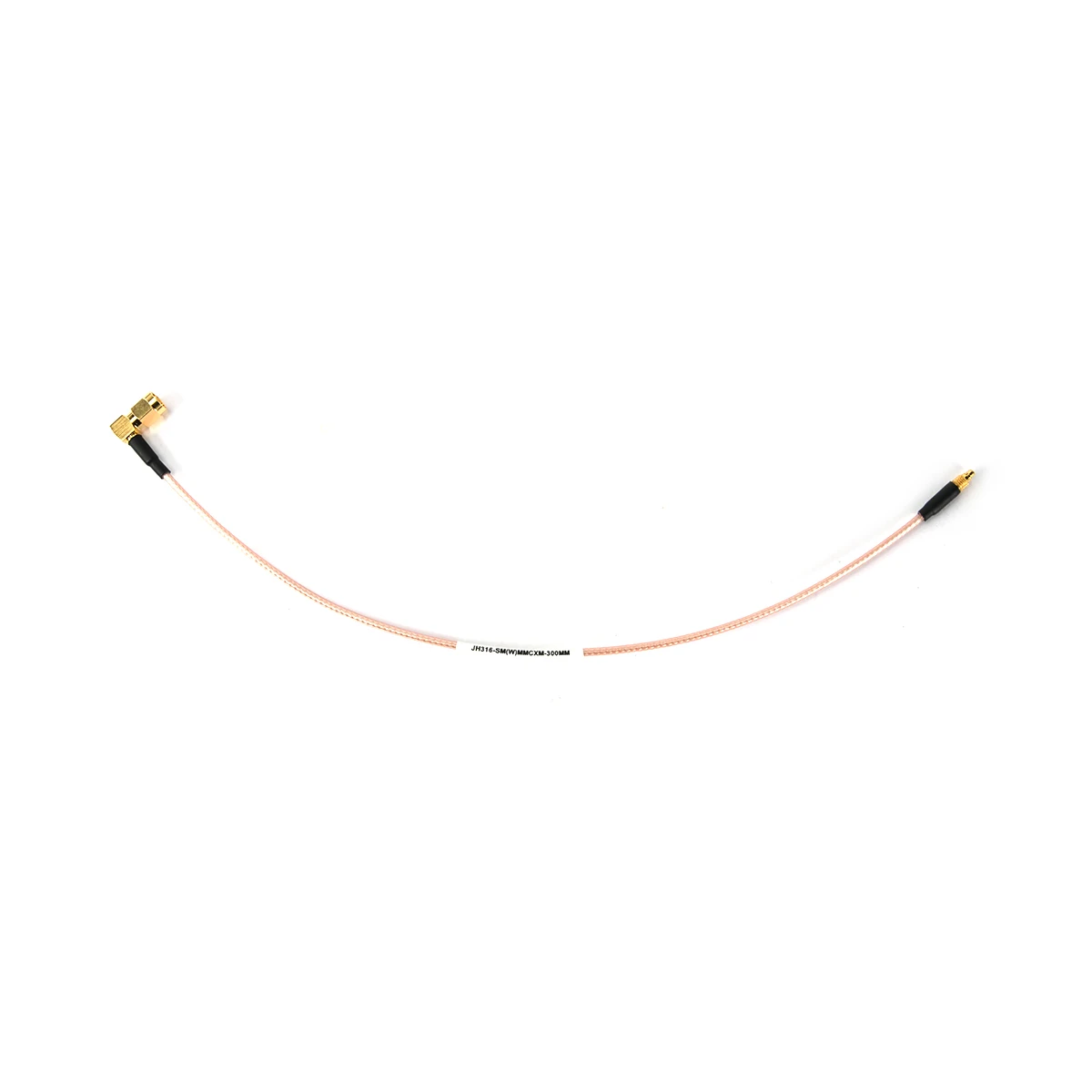
Connector Type: There are various types of coaxial 90 degree adapter, including SMA, BNC, and N-type. Choose the connector type that is compatible with your existing equipment.
Material: The materials used in the plugs affect durability and performance. Common materials include brass and stainless steel, with finishes like nickel plating for enhanced corrosion resistance.
Environmental Ratings: For applications in harsh environments, ensure the plugs have appropriate environmental ratings to withstand temperature variations, moisture, and other challenges.
Considering these specifications can help you avoid common pitfalls such as signal degradation or connector failure, which can occur when inappropriate plugs are used.
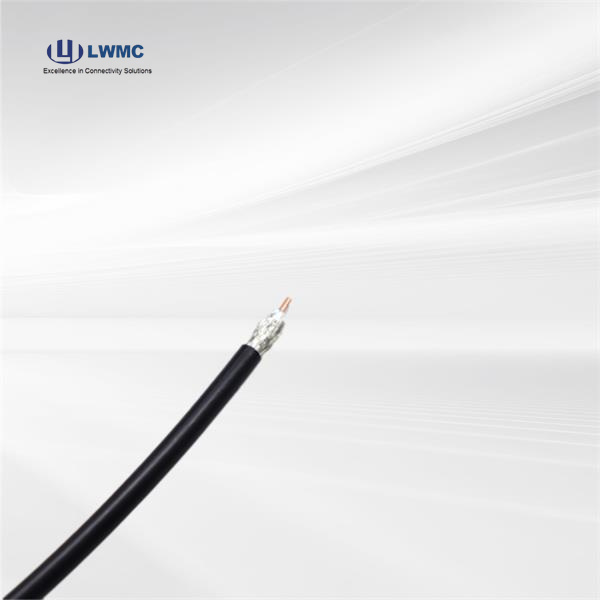
To ensure a smooth procurement process for coaxial cable plugs, consider these best practices:
Detailed RFQ: When requesting quotations, provide detailed specifications, including the connector type, material preferences, and any customization requirements. This helps manufacturers provide accurate pricing and lead times.
Quality Assurance Protocols: Establish quality control measures. This can include inspecting incoming products against a checklist of key specifications and conducting performance testing on samples.
Regular Communication: Maintain open lines of communication with your supplier. Regular updates regarding production timelines and changes in specifications can prevent misunderstandings and delays.
Documentation: Keep thorough documentation of all transactions, including RFQs, purchase orders, and correspondence. This can serve as a reference in case of discrepancies or quality issues.
By following these best practices, you can enhance the efficiency of your procurement process and ensure the quality of the coaxial cable plugs you source.
Despite their reliability, coaxial cable plugs can encounter several common issues. Understanding these can help in troubleshooting and prevention:
Signal Loss: This can occur due to improper connections or mismatched impedance. Always ensure that connectors are securely fastened and that the impedance is consistent with your system.
Corrosion: Exposure to moisture and harsh conditions can lead to corrosion, affecting performance. Selecting plugs with appropriate environmental ratings and finishes can mitigate this risk.
Mechanical Failure: Over-tightening or improper handling can lead to mechanical failure. Use torque specifications provided by the manufacturer to avoid damage.
Compatibility Issues: Using plugs that do not match the connector type or specifications can cause performance issues. Always verify compatibility with existing equipment before making a purchase.
To address these problems, establish a routine maintenance schedule for inspecting connectors and replace any that show signs of wear or damage. Additionally, working closely with a manufacturer like Zhenjiang Linkworld can provide access to expert advice and support for resolving specific issues related to your n type coaxcoaxial cable plugs.
By understanding these common problems and their solutions, you can ensure reliable performance from your coaxial cable plugs and enhance the overall efficiency of your RF and microwave applications.

 EN