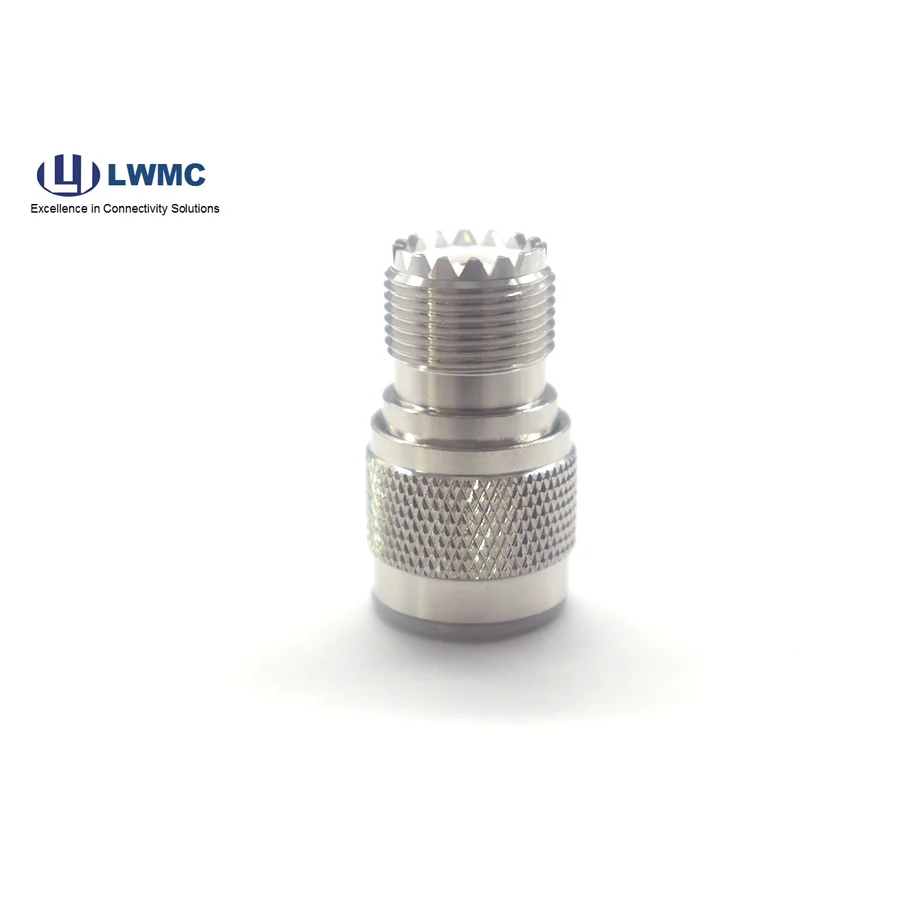
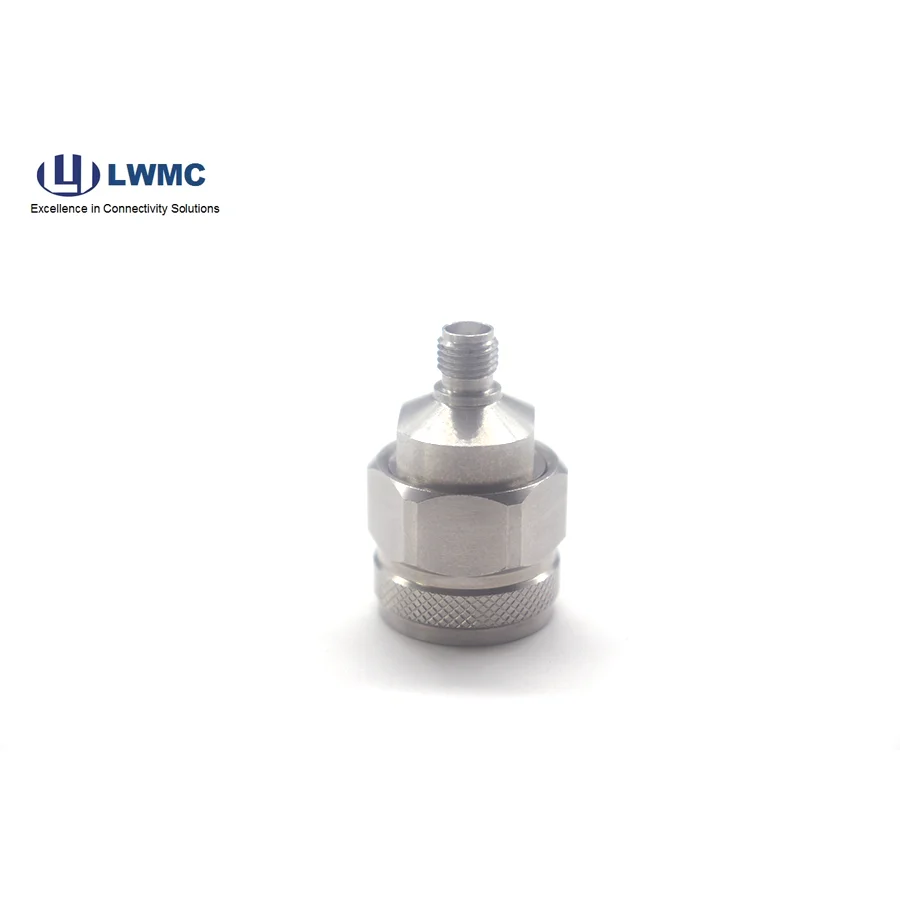
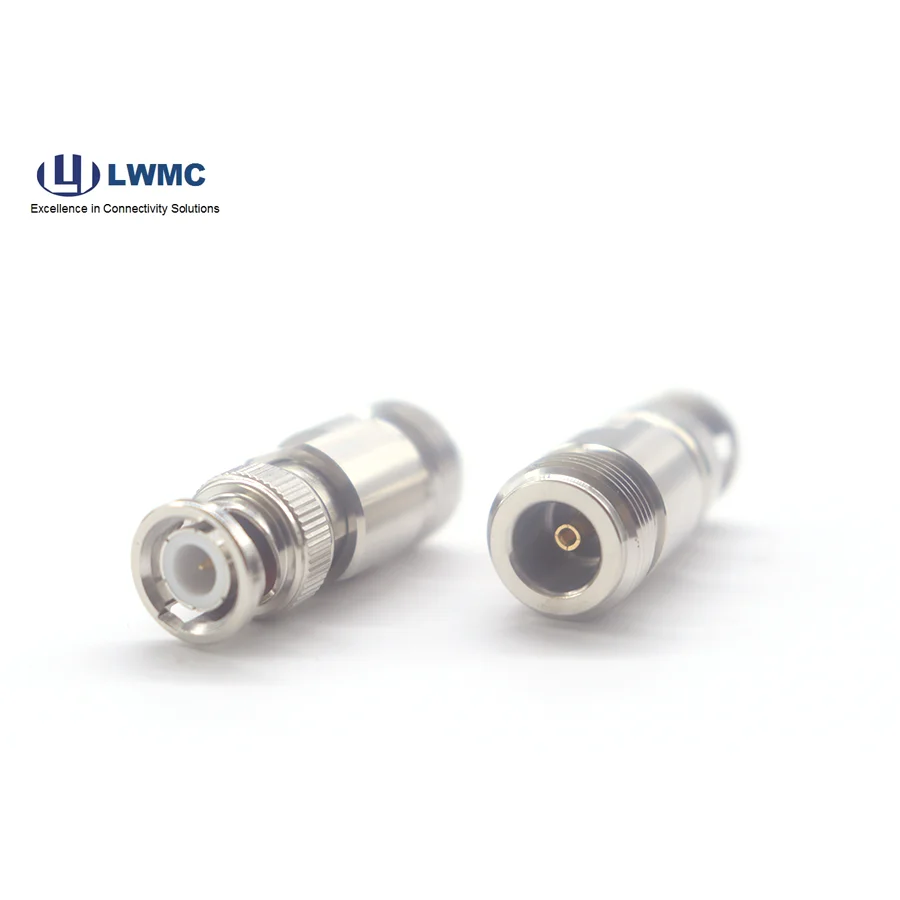
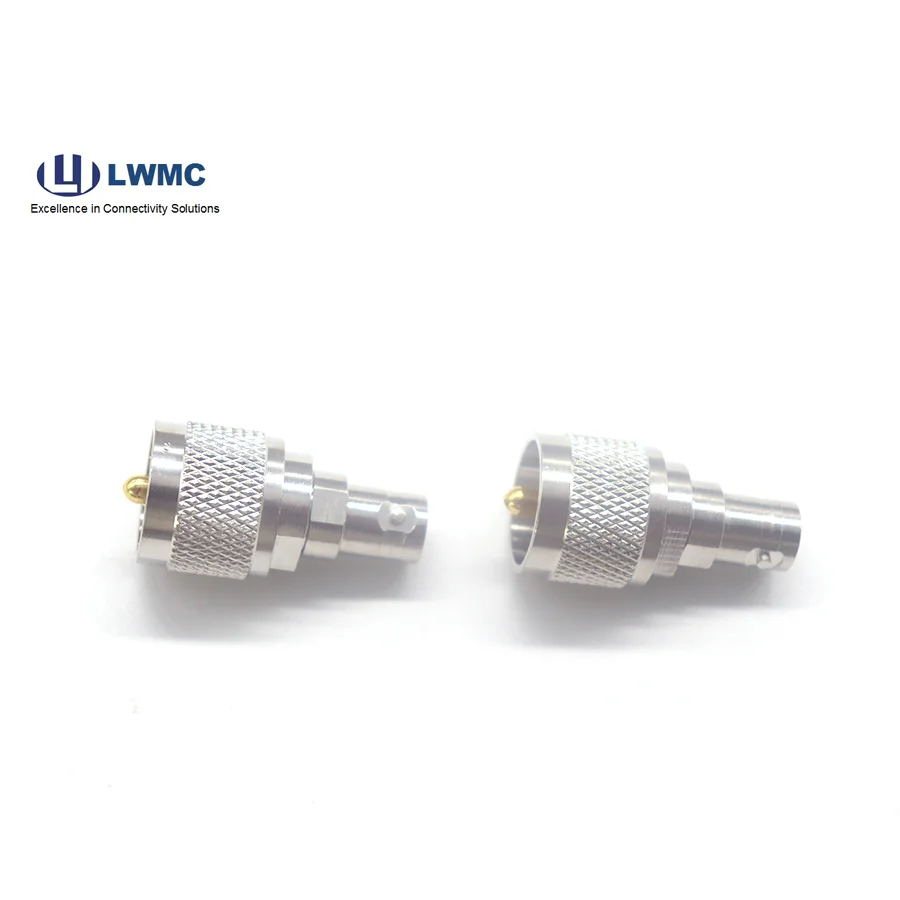
In the interconnected landscape of RF systems, seamless interoperability between different equipment standards is a common challenge. Among the essential solutions offered by RF Adapters, the N Female to SMA Male Adapter serves as a critical bridge, linking two of the most prevalent connector families. This compact yet robust component allows for the direct and reliable interconnection of devices utilizing the large, threaded N-type interface with those equipped with the smaller, high-frequency SMA port, ensuring system flexibility without compromising signal integrity.
The primary function of the N Female to SMA Male adapter is to solve compatibility issues between equipment generations and application domains. The N connector (typical to 11 GHz) is renowned for its ruggedness and is commonly used in base station antennas, outdoor cabling, and robust test equipment. The SMA connector (operational to 18 GHz/26.5 GHz) is the standard for many modern radio modules, GPS units, and internal board-level connections due to its compact size. This adapter enables, for instance, connecting an N-type antenna cable to an SMA-port radio, or interfacing legacy N-type test gear with newer SMA-based devices. It effectively transforms an RF Adapter into a vital tool for system integration, field testing, and lab prototyping.
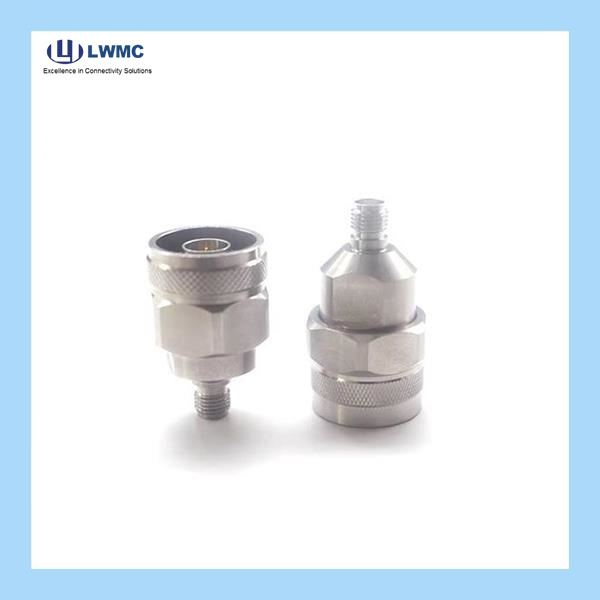
A high-quality N Female to SMA Male adapter is precision-engineered to maintain electrical performance across the transition. Key design considerations include:
Impedance Matching: Both N and SMA are standardized as 50-ohm interfaces. A well-designed adapter maintains this 50-ohm characteristic impedance through its internal construction to minimize signal reflections and VSWR (Voltage Standing Wave Ratio) spikes.
Material and Plating: The adapter body is typically machined from brass or stainless steel, with gold or silver plating on the center conductor and contact surfaces. This ensures low insertion loss, excellent conductivity, and corrosion resistance.
Frequency Range: While the adapter itself can support high frequencies, its effective operational limit is often governed by the lower-rated of the two connectors—in this case, typically the N connector's range. Using such an adapter in a system pushing 18 GHz may introduce performance limitations.
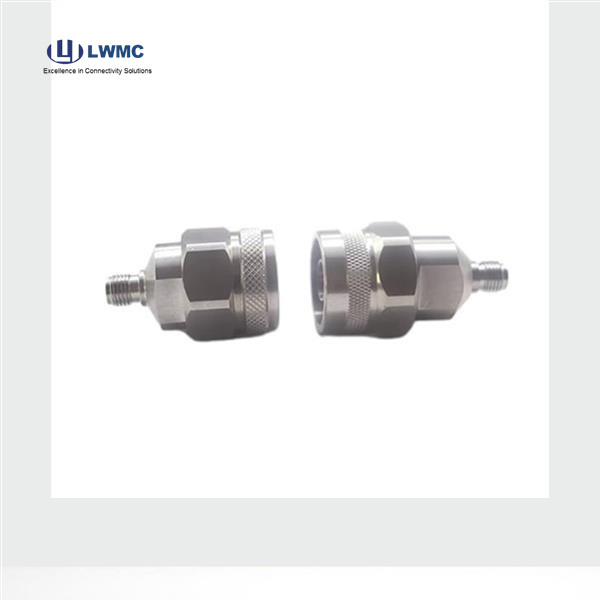
Incorporating this adapter into an RF toolkit offers significant practical advantages:
Enhanced Flexibility: It eliminates the need for custom cables or equipment modification, allowing for quick reconfiguration of test setups or field deployments.
Cost-Effectiveness: A single, reliable adapter is far more economical than replacing entire cables or purchasing duplicate equipment with matching connectors.
Space Efficiency: As a compact inline solution, it is often preferable to using two separate adapters (e.g., N to TNC and then TNC to SMA), reducing connection points and potential failure sources.
Preserved Performance: When selected for the appropriate frequency and power level, it provides a secure, stable link that protects the integrity of the Coaxial Cable Assembly it connects to.
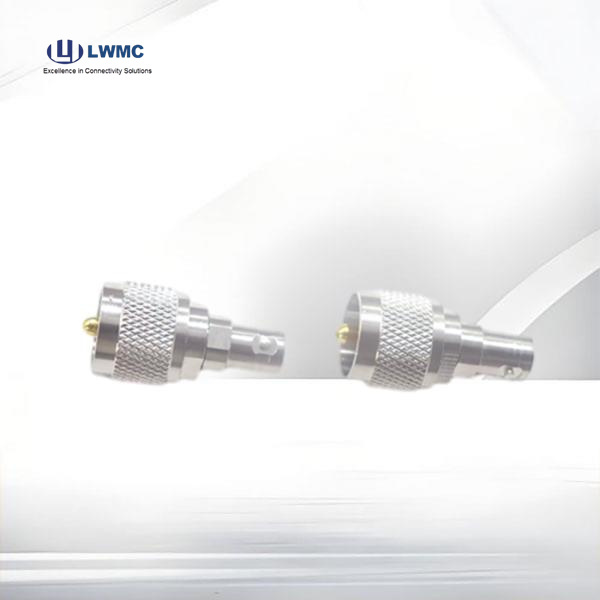
To ensure optimal performance, proper selection and maintenance are crucial:
Selection Criteria: Confirm the required genders (N Female / SMA Male) and verify the impedance (50-ohm). For outdoor or high-vibration environments, choose models with robust construction and, if necessary, a hex nut for wrench-tightening the SMA side to the correct torque (typically 5-8 in-lbs).
Common Issues and Solutions:
High VSWR/Loss: Check for adapter damage, thread wear, or dirt on the contacts. Ensure both the N and SMA interfaces are clean and tightened to their respective specifications.
Intermittent Connection: This often indicates a loose connection or a worn center contact. Verify that the SMA male pin is not bent or recessed and that the N female socket is clean.
Physical Damage: Cross-threading is a common risk. Always start threading connections by hand to ensure proper alignment before applying torque with a wrench.

 EN
EN