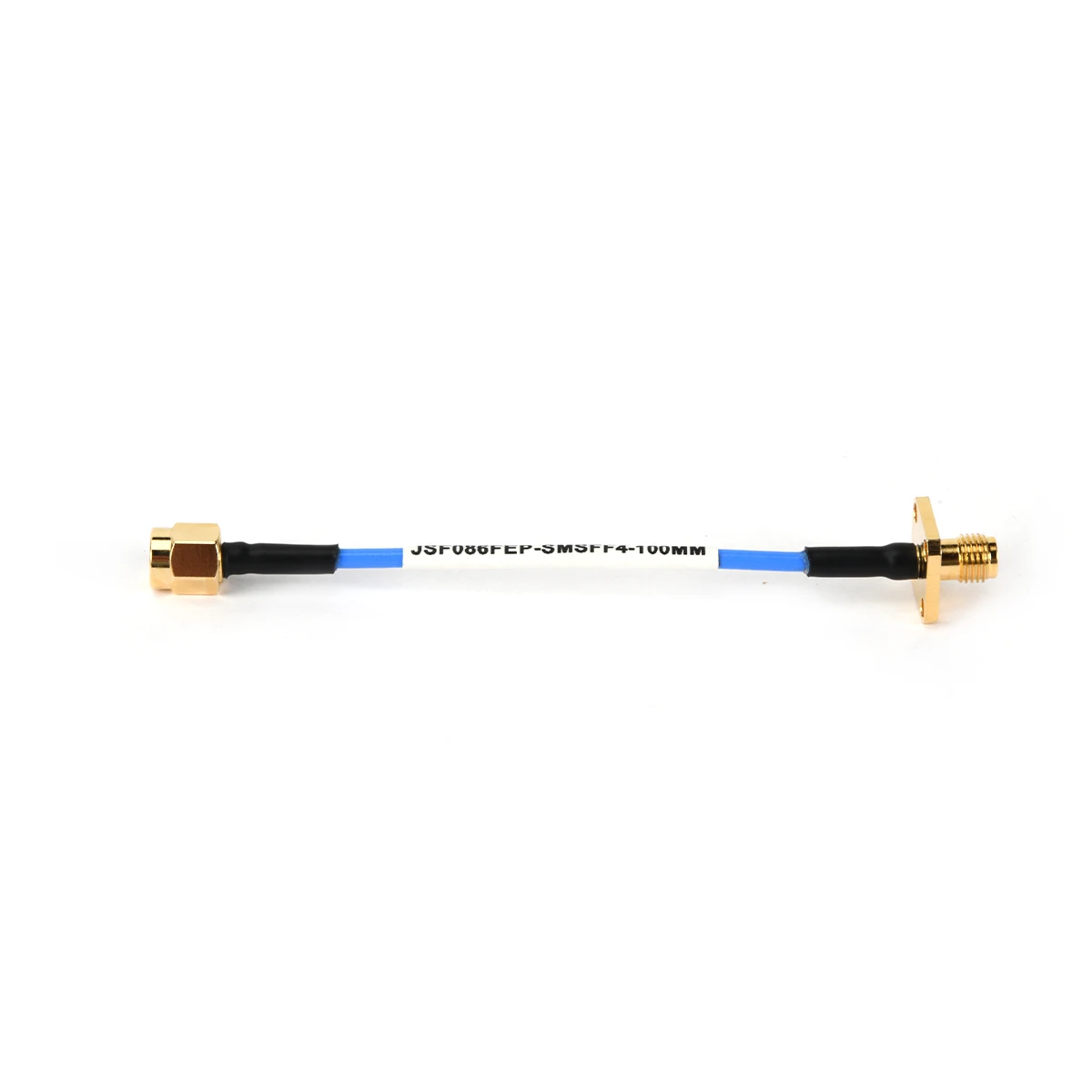
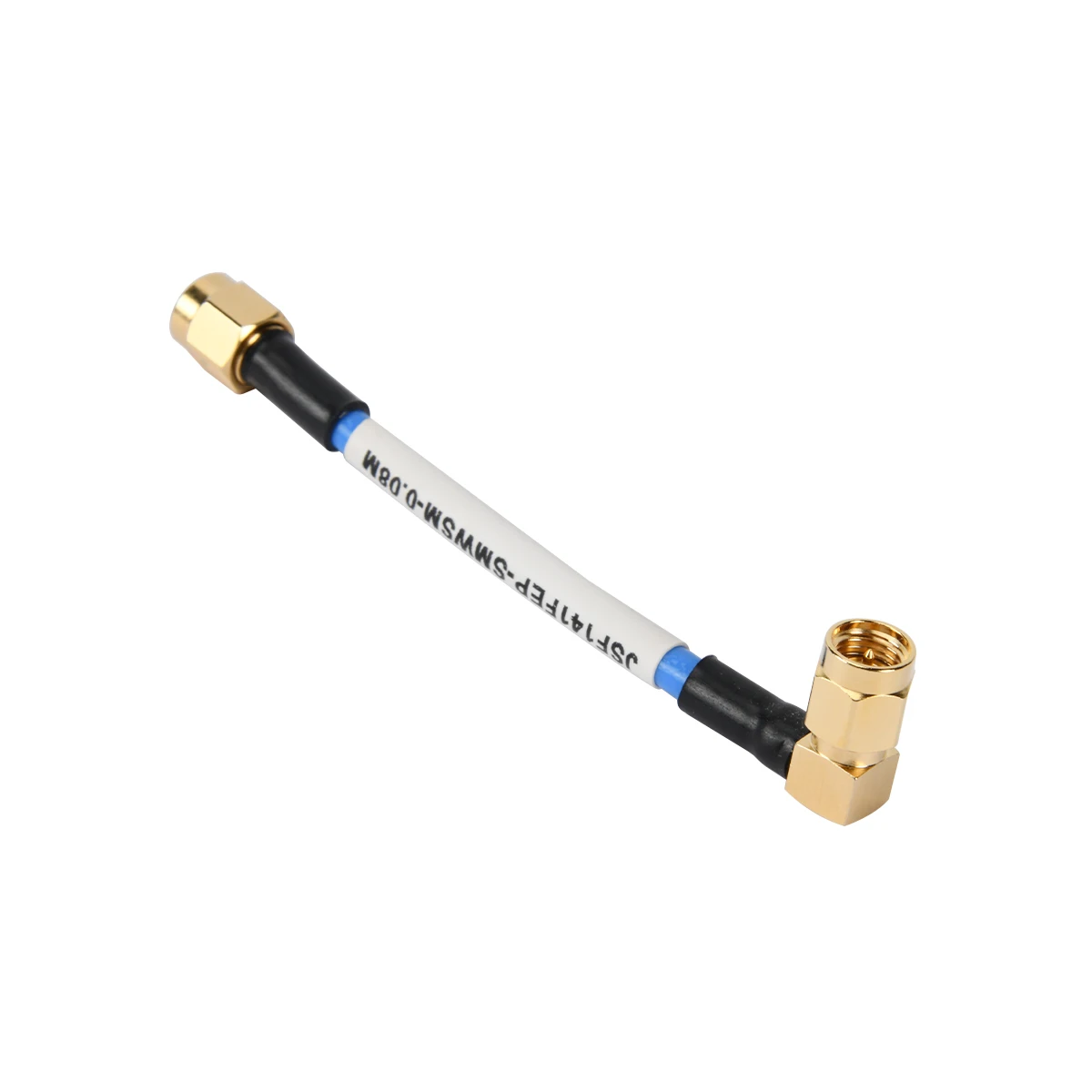
In the intricate ecosystem of RF connectivity, bridging gaps between components is a fundamental task. The SMA male to SMA male solution, available both as a direct coaxial cable assembly and as a barrel adapter, serves as this essential bridge. Featuring the ubiquitous threaded SMA interface on both ends, it provides a standardized and reliable method for creating extended signal paths or linking two devices with SMA female ports. This simple yet critical component ensures continuity in systems ranging from laboratory test benches to complex telecommunications infrastructure.
The SMA male to male coaxial cable assembly is a workhorse of flexibility. Unlike fixed adapters, these cables provide not just an electrical connection but also physical routing freedom. Available in various lengths and with different cable types (such as flexible RG-178 or lower-loss options), they can be deployed to navigate around obstacles, connect equipment at a distance, or reduce strain on device ports. Their primary role is to extend signal paths between two SMA female interfaces, making them indispensable for configuring test setups, connecting instruments to devices under test, or wiring internal components within a rack. Their versatility lies in this ability to solve both connectivity and physical layout challenges simultaneously.
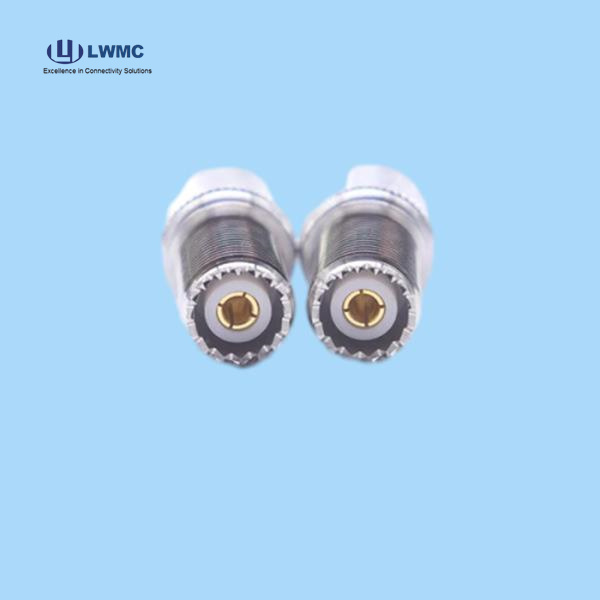
The SMA male to male barrel adapter represents the most direct form of connection. This compact, solid adapter serves as a pure gender-changing interface, designed to join two SMA female ports back-to-back with minimal added length. Its key advantage is minimal signal path disruption; high-quality versions are engineered to have a very low VSWR and insertion loss. This makes it ideal for applications where space is at a premium or where adding cable length is undesirable, such as directly coupling a filter to an amplifier module or connecting a precision test probe to an instrument's front panel. It enables a seamless, in-line connection that is both electrically efficient and mechanically robust.
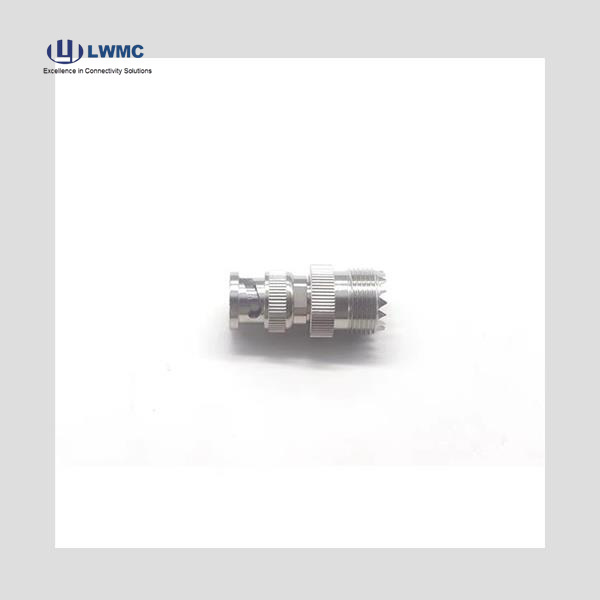
Beyond simple extension, SMA male to male solutions unlock significant system configuration possibilities. They are fundamental for creating complex signal chains in R&D and prototyping, allowing engineers to freely interconnect signal generators, amplifiers, attenuators, and analyzers. In field applications, they enable the quick integration of external filters, sensors, or antennas into existing systems with SMA ports. Furthermore, by utilizing a combination of cable assemblies and adapters, technicians can build custom, reconfigurable interconnection kits that adapt to evolving needs, thereby maximizing the utility and lifespan of their core RF equipment.
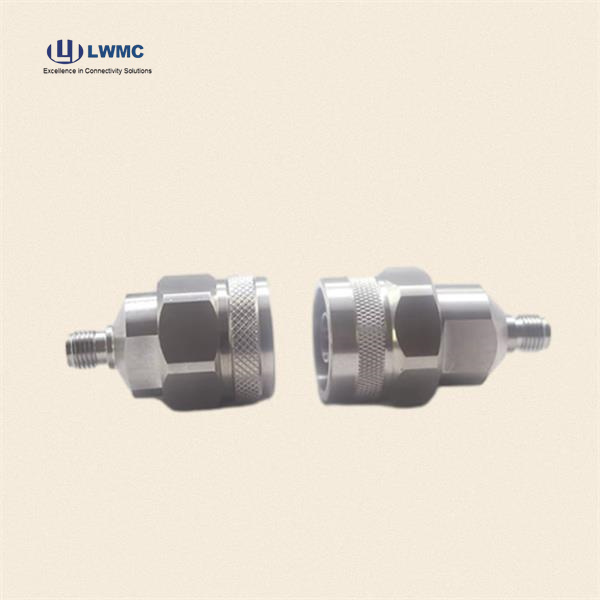
The performance of any SMA male to male link is directly governed by the quality of its construction. Inferior cables or adapters with poor impedance control become the weak link, introducing significant signal attenuation, reflection, and instability. High-quality assemblies feature precision-machined, gold-plated connectors for optimal conductivity and corrosion resistance, coupled with cables that maintain a stable 50-ohm impedance. They employ robust shielding to minimize EMI/RFI interference. Investing in such quality ensures that signal integrity—encompassing amplitude, phase, and noise characteristics—is preserved from source to destination, which is critical for accurate measurements, clear communications, and reliable system operation.

 EN
EN