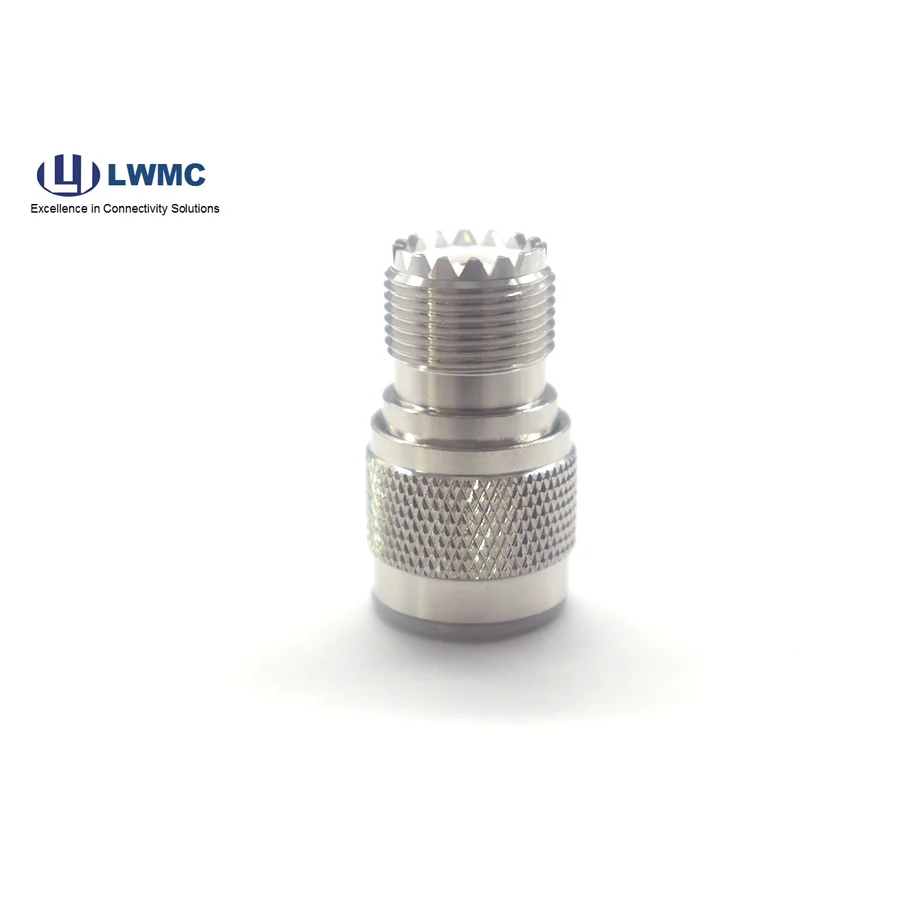
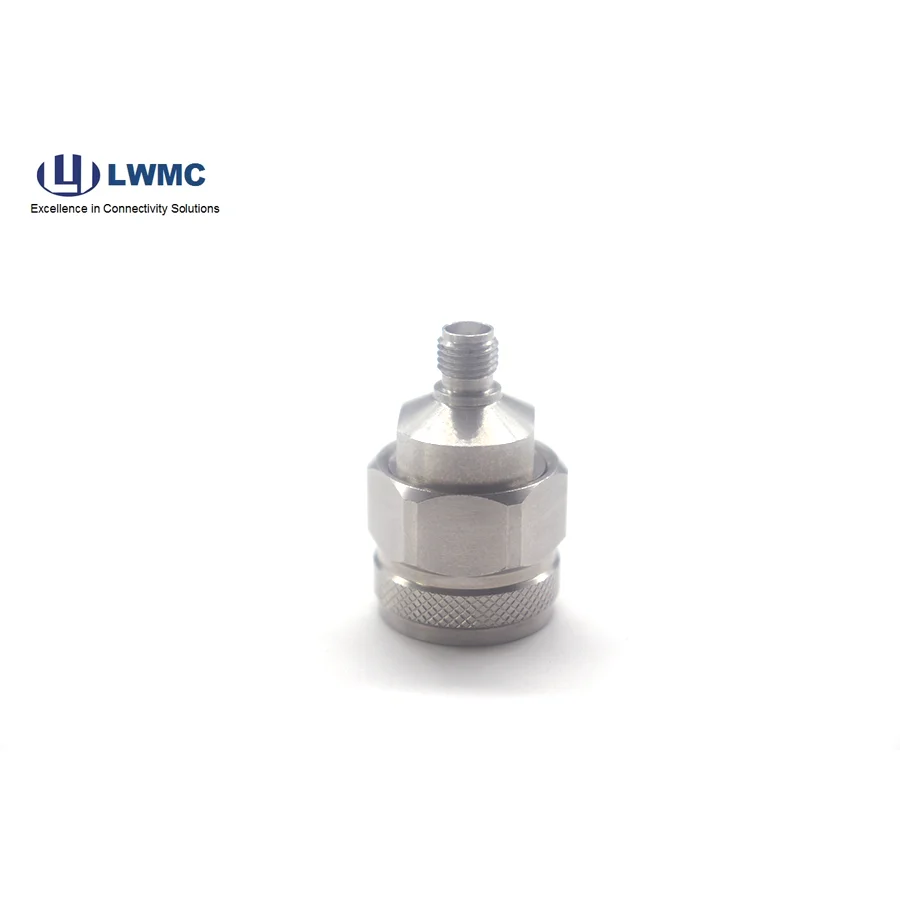
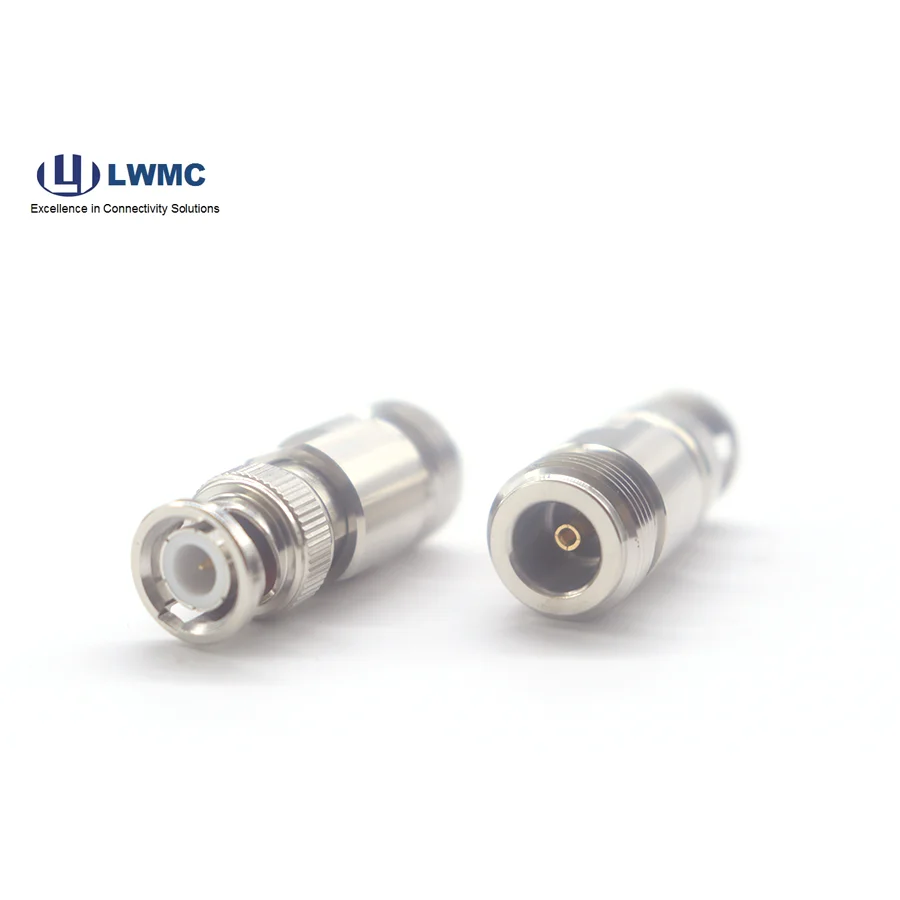
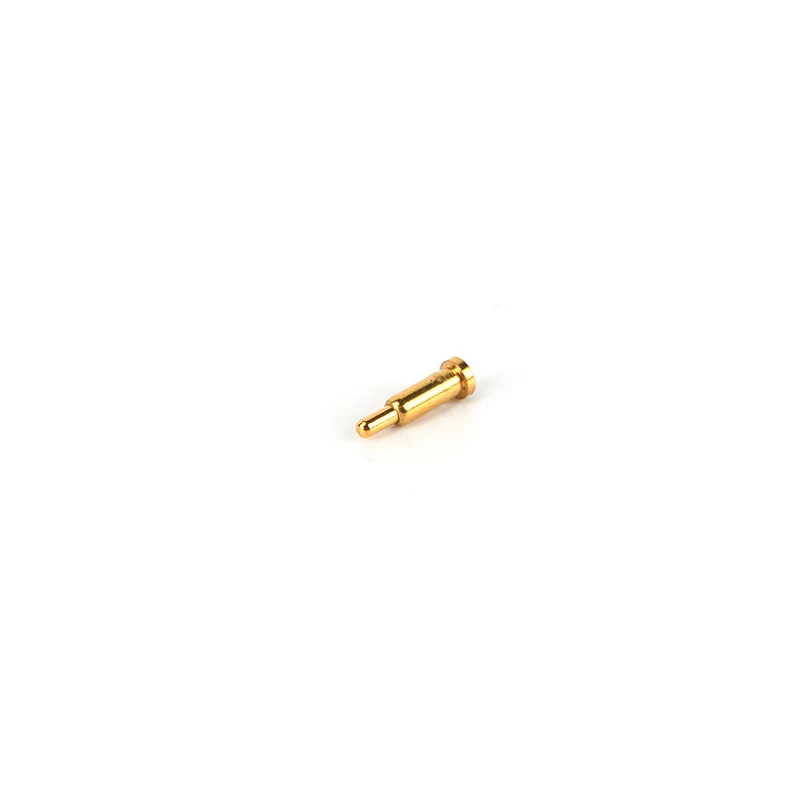
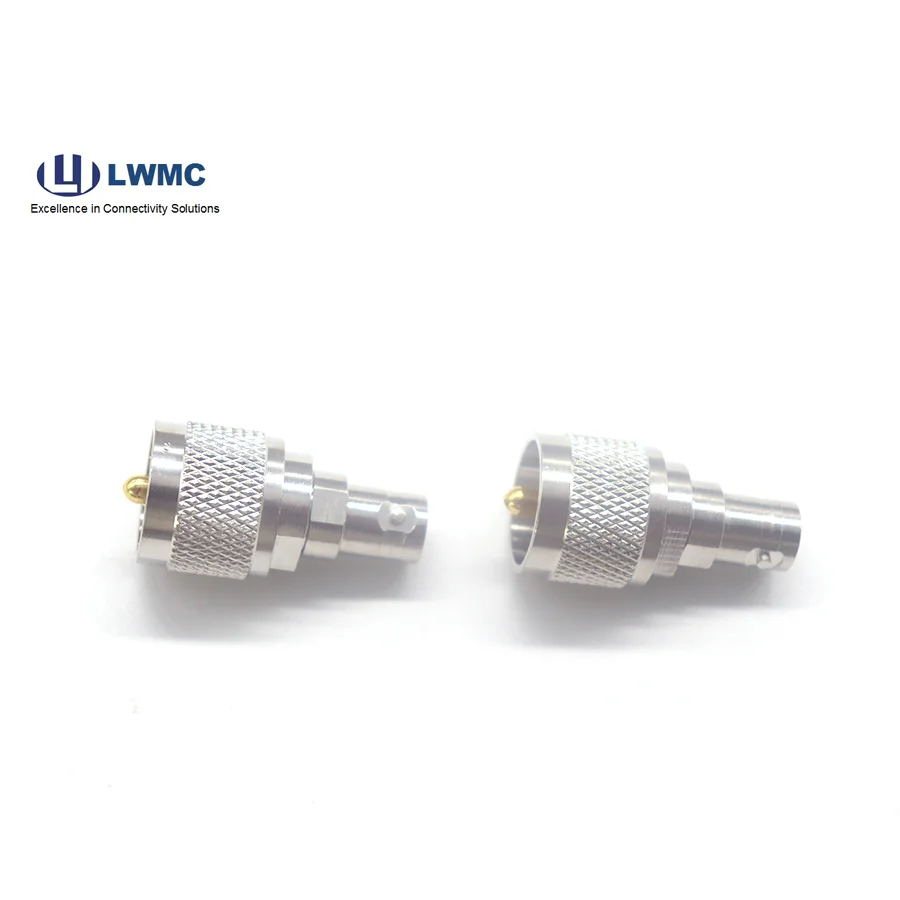
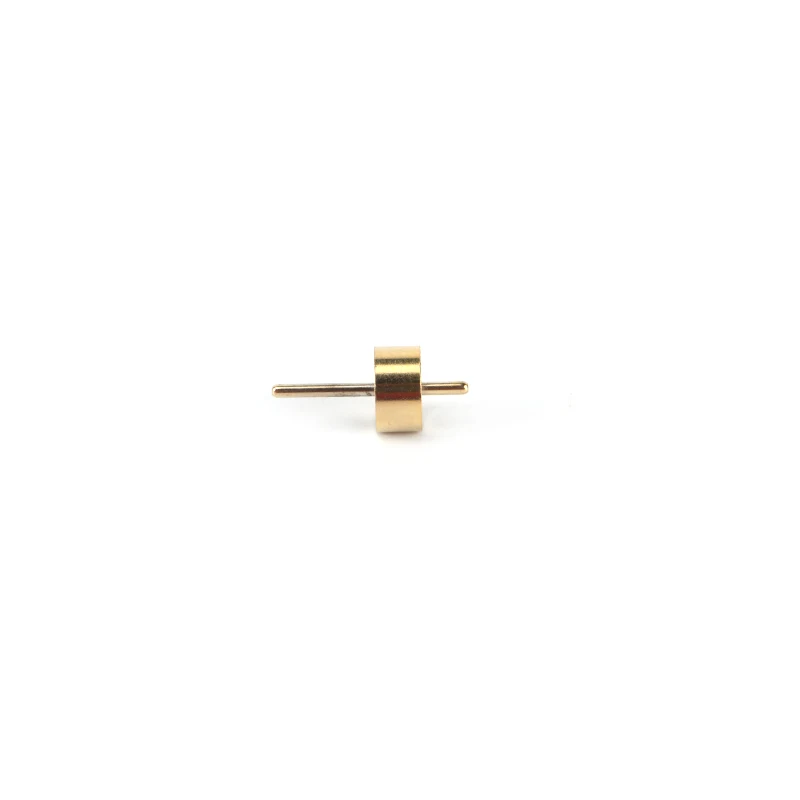
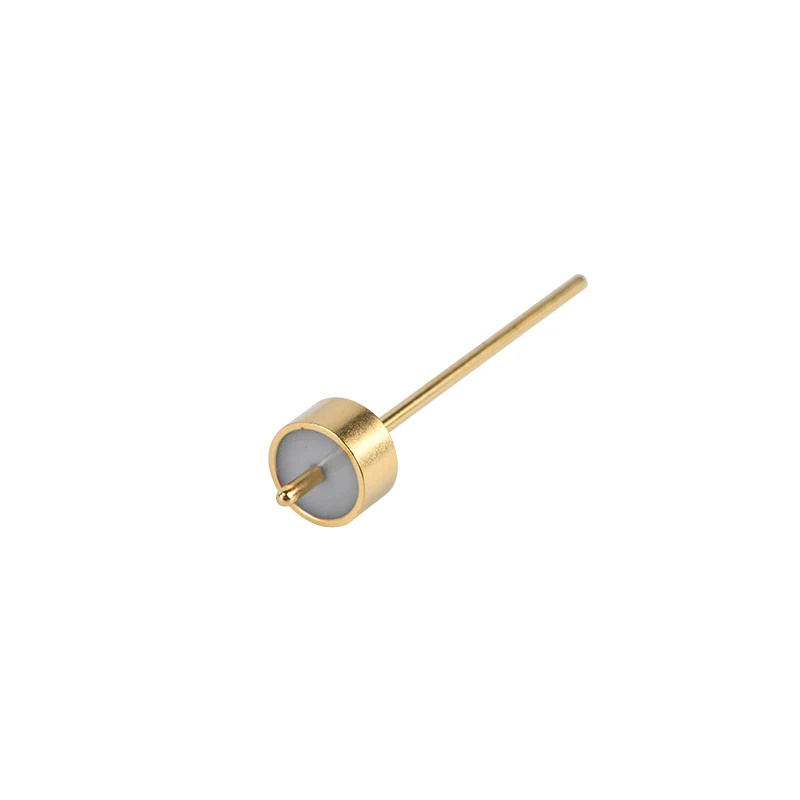
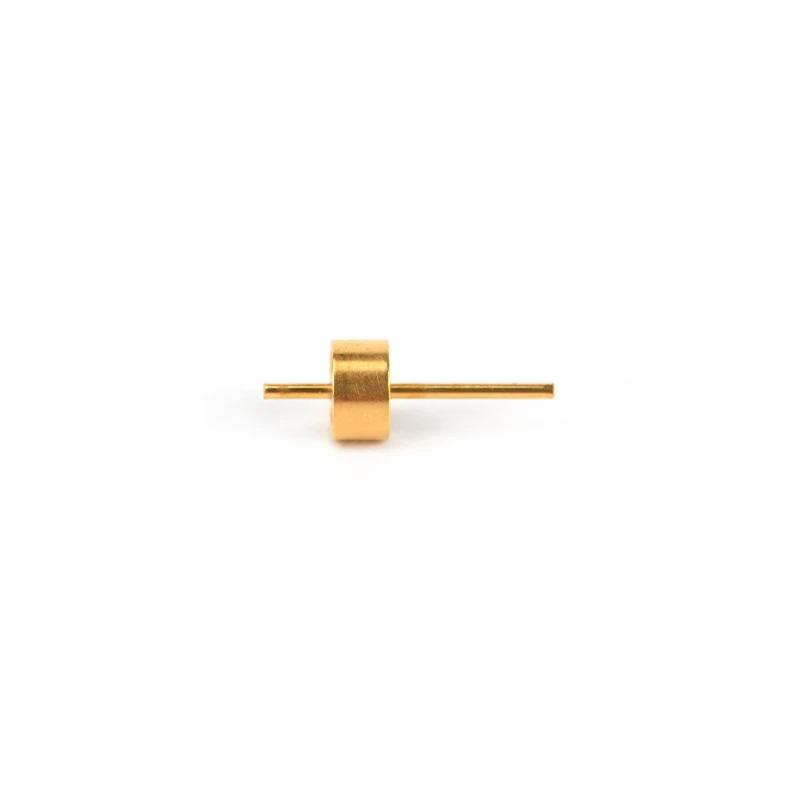
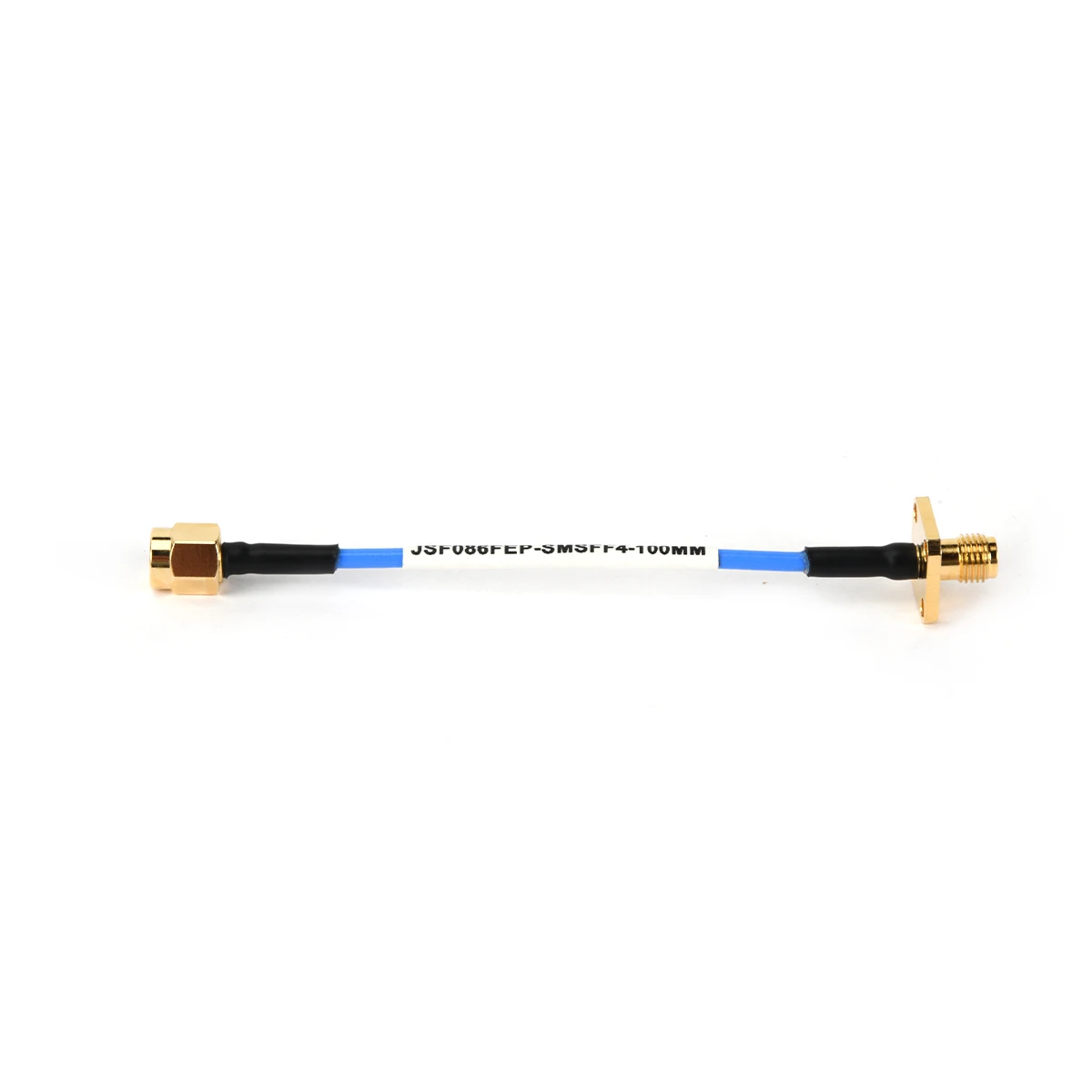
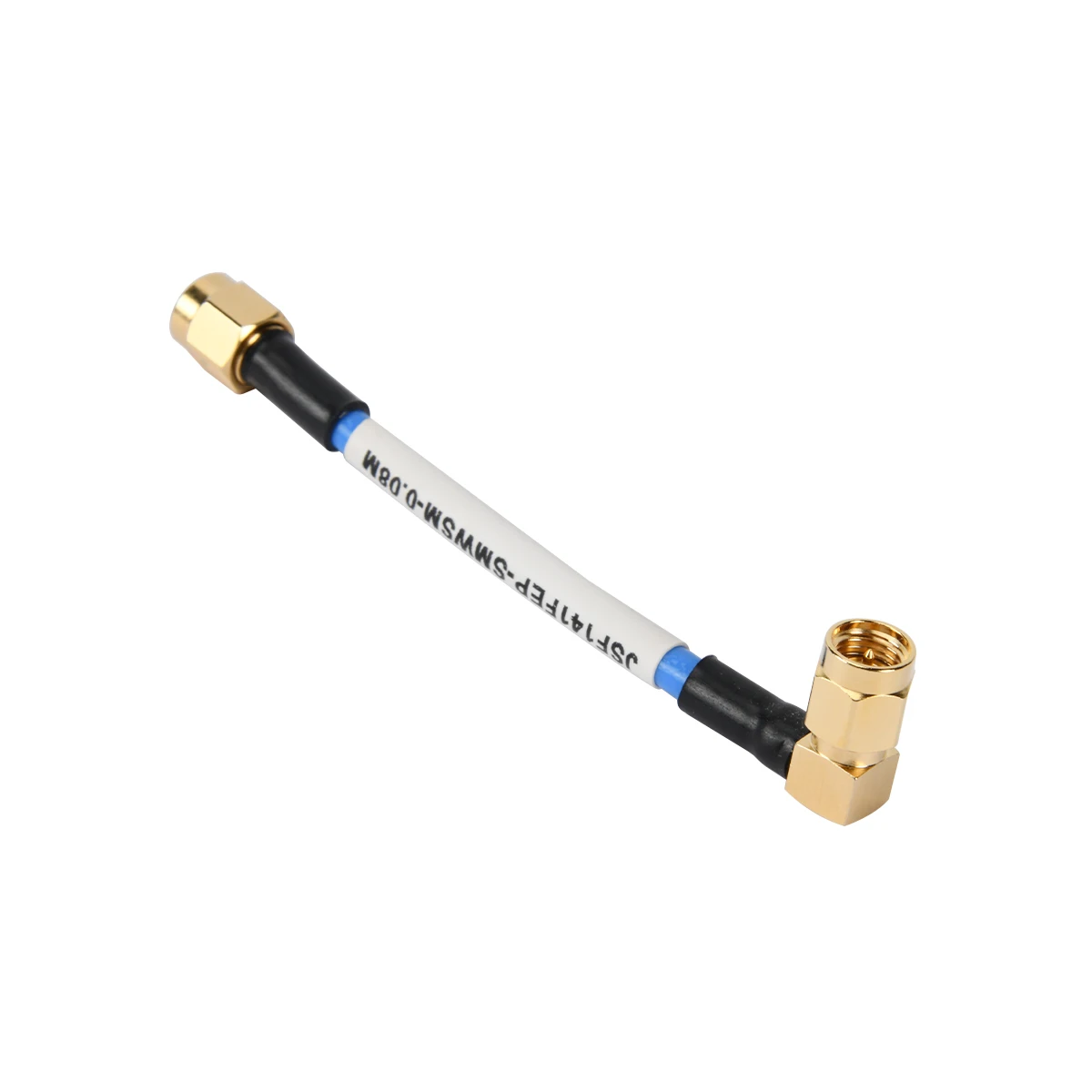
Precision male and female SMA sockets are fundamental interface components in radio frequency systems, enabling reliable signal transmission across communication devices, microwave assemblies, radar arrays, aerospace platforms, and consumer electronics. Male SMA sockets feature a center pin and external coupling threads, while female SMA sockets incorporate a center receptacle and internal threads. Proper mating of these precision interfaces ensures consistent 50-ohm impedance and signal integrity throughout the RF path.
Method Article Summary To Identify Sockets as Male or Female Community Q&A References X Article Summary In this Article:Article Summary Identifying Sockets as Male or Female Recognizing Male and Female Sockets with Ties Using a Compressed Air Hose to Test Hose Fittings Check Out My Other Projects Distinguish between male and female sockets.
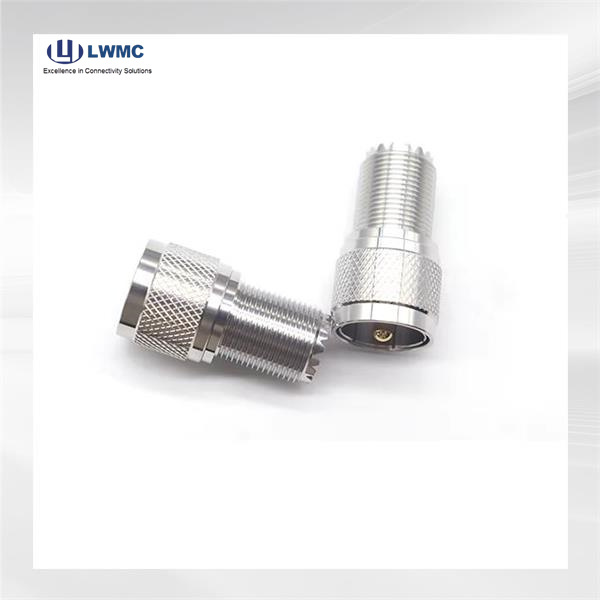
Identifying male and female SMA sockets is straightforward when examining their physical characteristics. Male SMA connectors feature a protruding center pin and external coupling threads on the outer barrel. Female SMA connectors have a recessed center receptacle and internal coupling threads within the outer shell. When mating SMA interfaces, verify that the center pin aligns with the receptacle before engaging the coupling nut. Forcing incompatible interfaces can damage precision contact surfaces and degrade RF performance in microwave and aerospace applications.
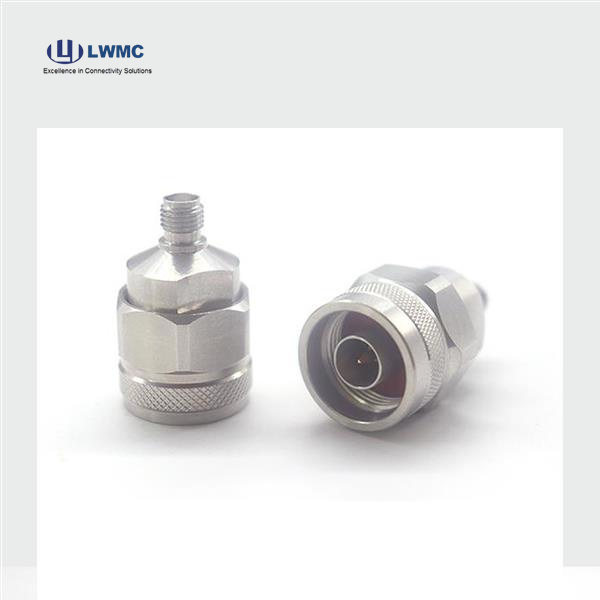
Precision mating of male and female SMA sockets is essential for maintaining signal integrity in RF systems. When properly torqued to manufacturer specifications—typically 3-5 in-lbs—the threaded interface ensures consistent contact force and impedance matching across the connection. Improper mating, insufficient torque, or contamination can increase insertion loss and voltage standing wave ratio (VSWR), compromising performance in radar systems, satellite communications, and microwave assemblies. Always inspect interfaces before connection to ensure optimal RF performance.
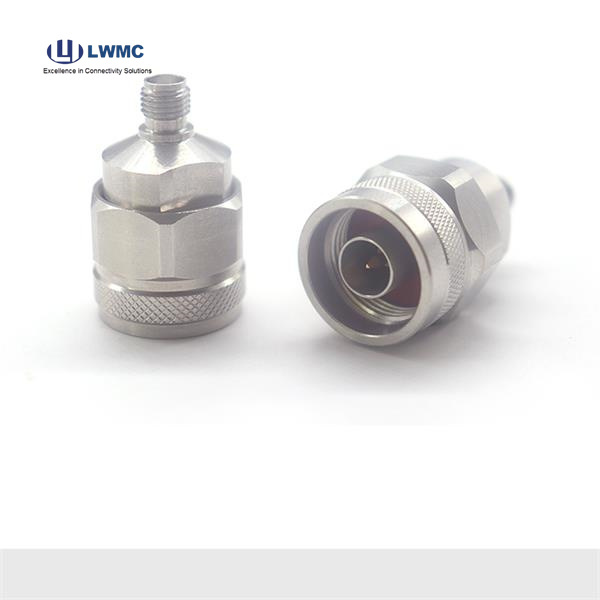
To ensure reliable performance in communication and microwave applications, follow these guidelines when using precision male and female SMA sockets. Verify connector compatibility—standard SMA, reverse-polarity, and precision 3.5mm variants serve different requirements. Maintain clean interfaces using appropriate cleaning methods. Apply correct torque during installation. Protect unmated connectors with dust caps. These practices preserve signal integrity across telecommunications infrastructure, aerospace platforms, radar systems, and consumer electronic devices requiring consistent RF performance.

 EN
EN