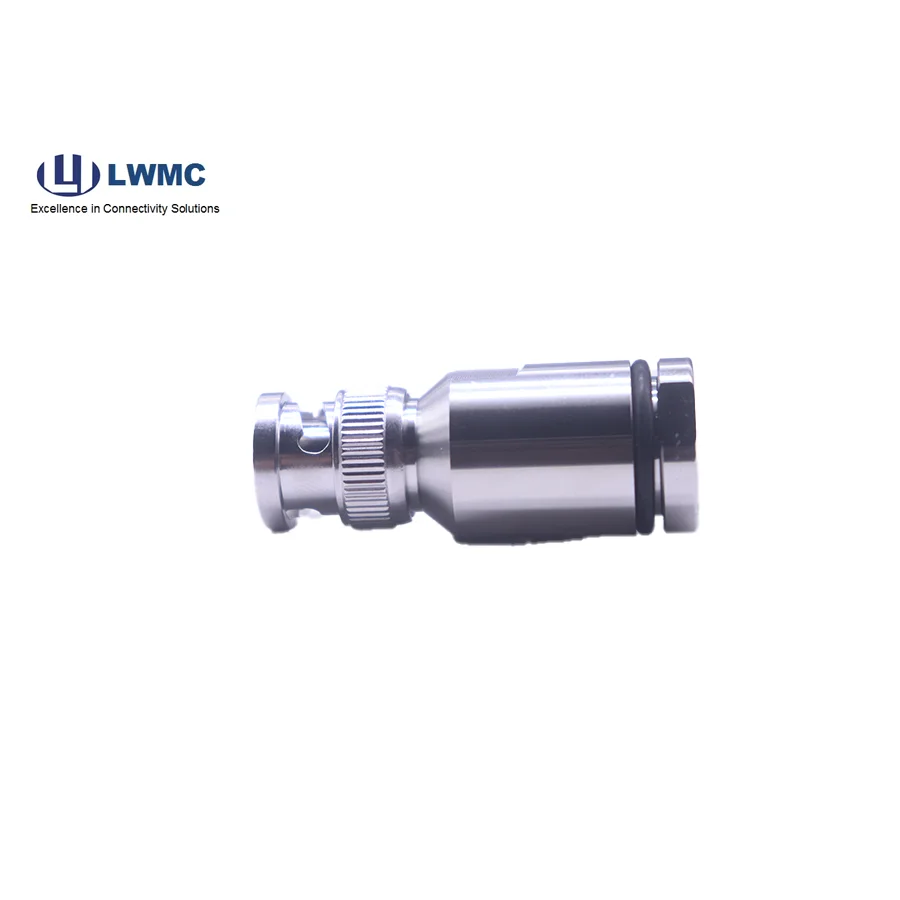
In modern RF and microwave systems, the coaxial cable assembly serves as the critical link that connects components and ensures signal integrity across the entire transmission path. At Zhenjiang Linkworld Microwave Communication Co., Ltd., we understand that a cable assembly is far more than a simple interconnect—it is a precision-engineered transmission line where performance hinges on the synergy between cable quality and connector termination. With over 20 years of expertise and an R&D team possessing 25 years of product development experience, Linkworld delivers standard assemblies covering DC to 27 GHz, and 1.85mm precision assemblies supporting DC to 67 GHz, trusted in military, aerospace, satellite, telecommunications, and medical applications.
A properly assembled coaxial cable maintains consistent 50-ohm impedance along its entire length, minimizing signal reflections and achieving VSWR as low as 1.10 within 18 GHz narrow bandwidth. The assembly directly determines insertion loss, shielding effectiveness, and mechanical durability. Linkworld's products are engineered to prevent impedance discontinuities that cause signal reflections, data corruption, and equipment damage. For mission-critical systems where failure is not an option, proper assembly separates a functional link from a catastrophic point of failure.
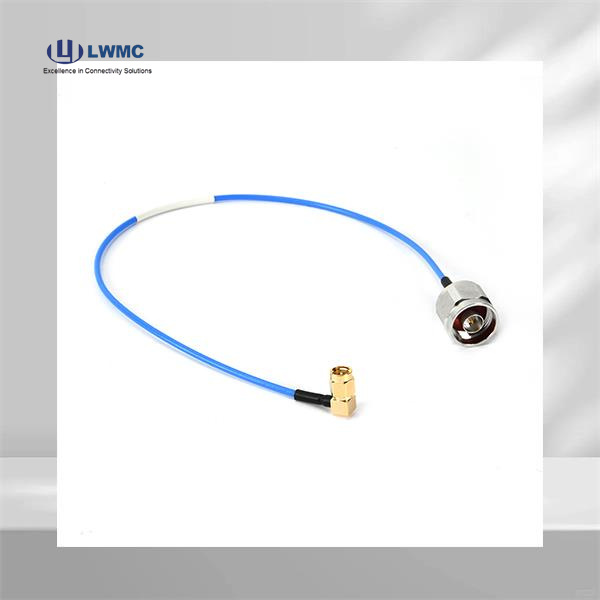
Efficiency comes from precision and consistency. Linkworld recommends using dedicated coaxial stripping tools calibrated for specific cable types to ensure clean, depth-controlled cuts. Employ the "dry-fit" method—prepare the cable end and partially assemble the connector to verify all dimensions before final crimping or soldering. For crimp-type connectors, use calibrated tools and visually inspect each crimp. With test cable assemblies offering dynamic lifespans exceeding 5,000 cycles, these practices ensure repeatable, reliable performance across high-frequency applications from 18 GHz to 67 GHz. General standard connectors and adapters are rated for over 500 mating cycles, while dedicated test cable assemblies are reinforced for over 5,000 dynamic mating cycles for laboratory repeated use.
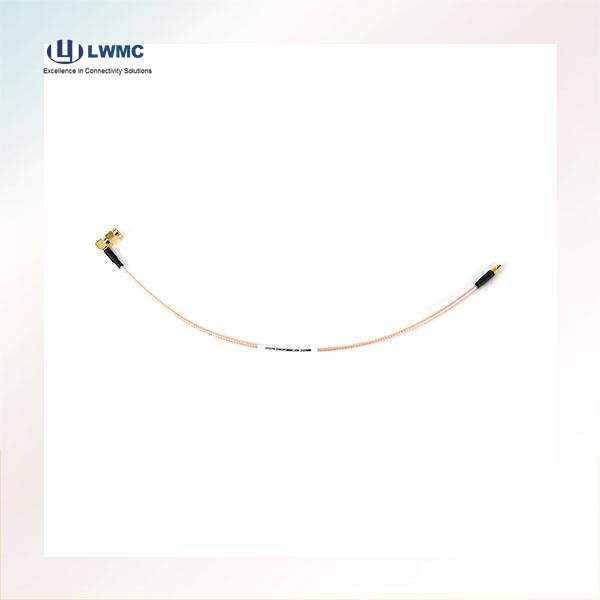
High VSWR or signal loss typically indicates impedance discontinuity caused by improper center conductor seating, incorrectly trimmed dielectric, or crushed cable. Intermittent connectivity often stems from poorly secured center contacts or shield braid failing to achieve full 360-degree contact with the connector body. Linkworld's assemblies undergo 100% electrical testing—including VSWR and insertion loss measurements—to verify performance before shipment. A simple continuity check and visual magnification inspection are essential first steps for diagnosing assembly flaws. All low-PIM precision assemblies are tested to confirm intermodulation (IMD) performance down to -168 dBc under 2×43dBm carrier test conditions.
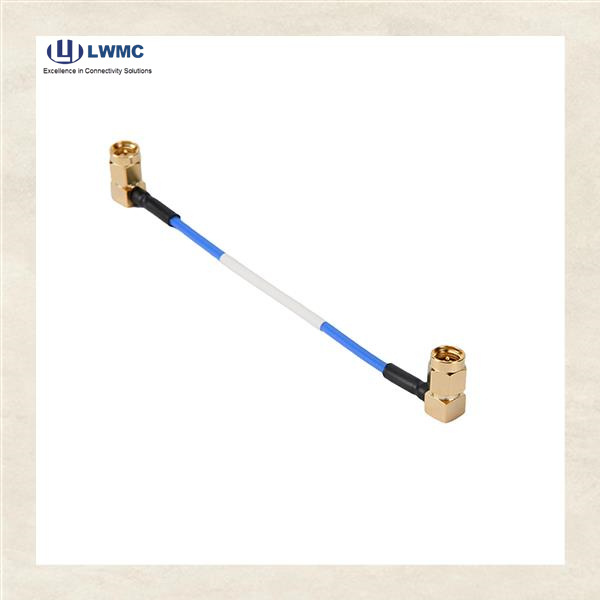
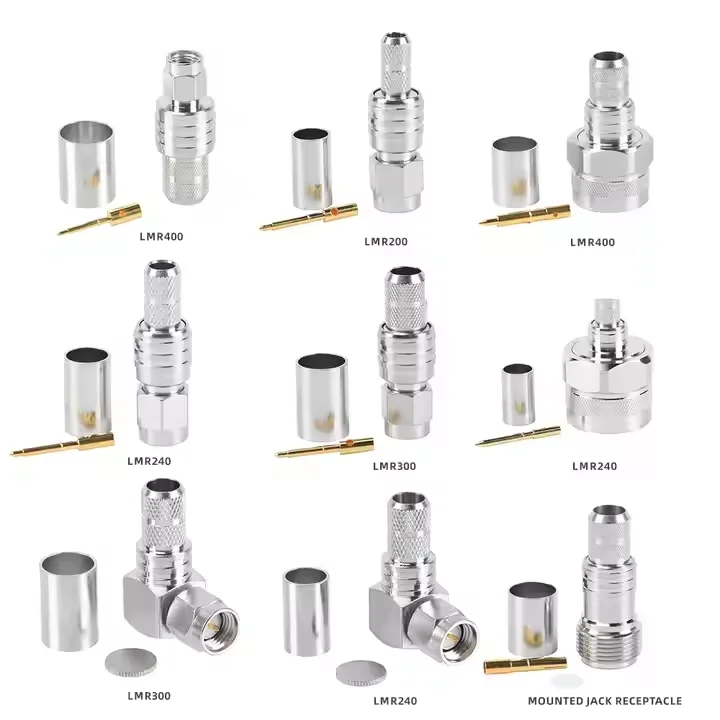
Investing in the right tools is non-negotiable for professional results. Essential equipment includes a precision coaxial cable stripper adjustable for specific diameters, connector-specific crimp tools with correct die sets (SMA, N-Type, 2.92mm, 2.4mm interfaces), temperature-controlled soldering irons for solder-type connectors, torque wrenches for consistent mating force, and inspection tools for visual verification. Linkworld's comprehensive portfolio supports various cable mating methods, enabling customers to achieve optimal performance with the right tools and expertise. Glass-to-metal hermetic sealed cable assemblies can withstand up to 350°C, while standard non-hermetic products operate from -55°C to +155°C.

 EN
EN