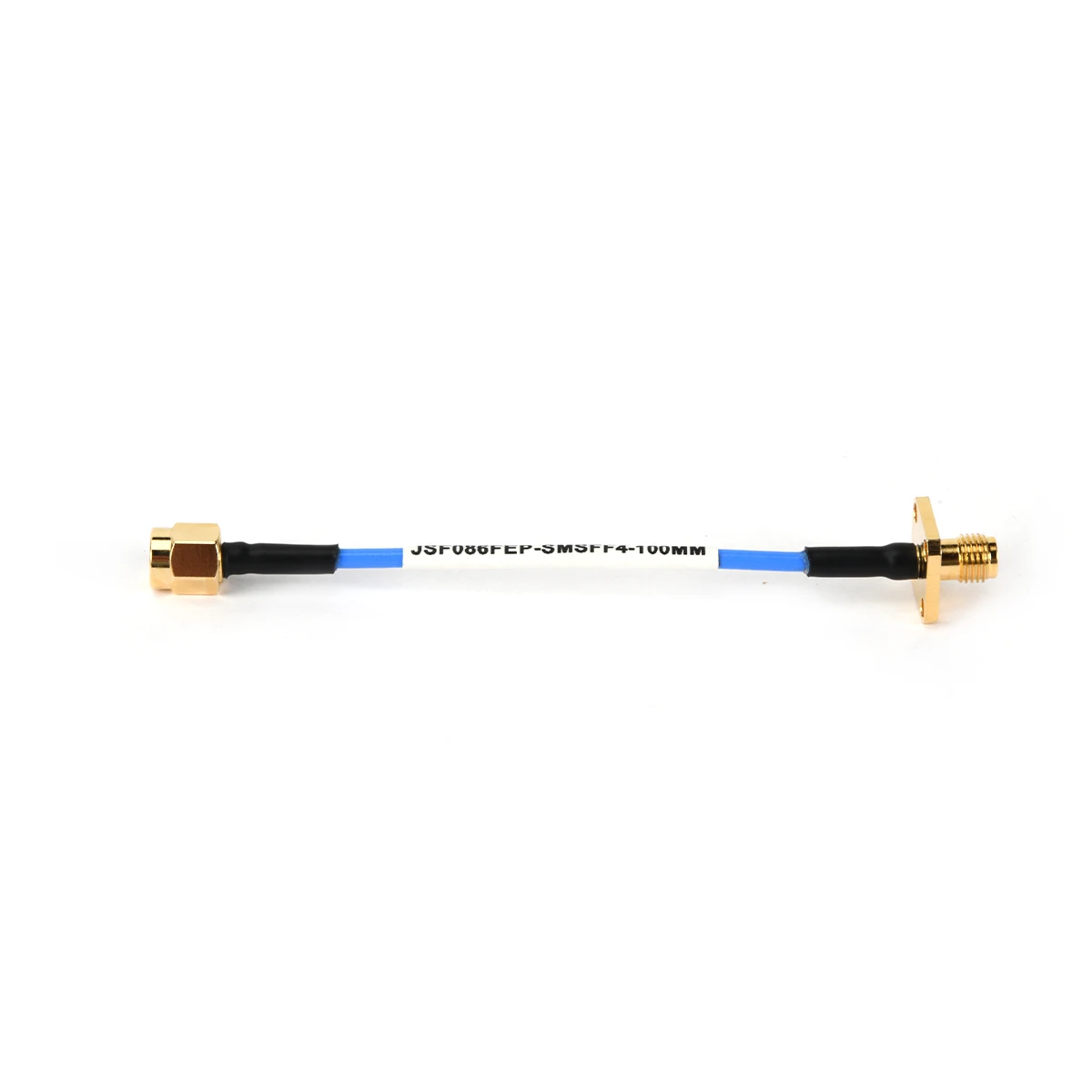
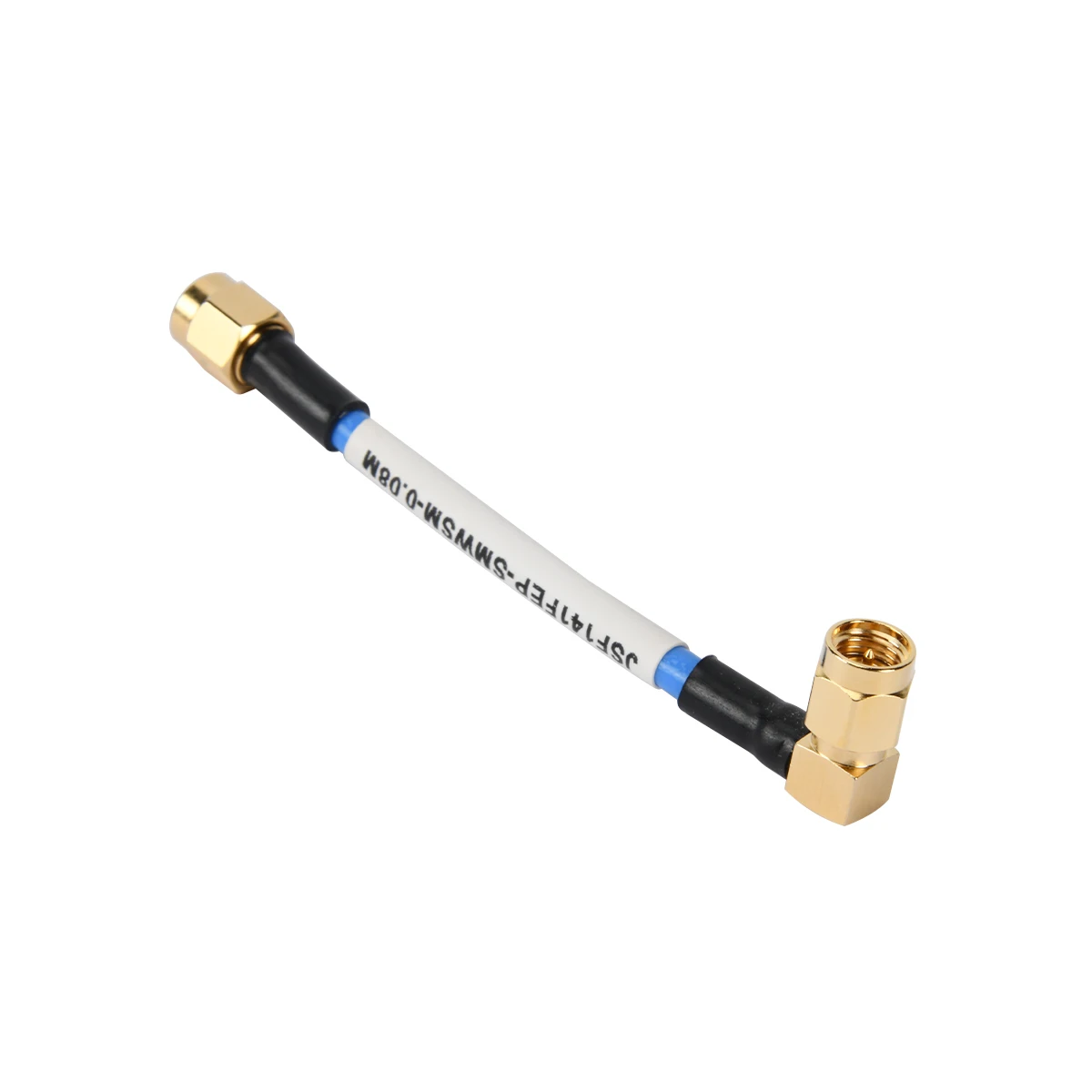
In the world of radio frequency (RF) communication, selecting the appropriate cable is as critical as choosing the electronic equipment itself. UHF coaxial cable stands as a fundamental and versatile component, engineered to carry high-frequency signals with integrity over distances. Its core function is to provide a shielded pathway for Ultra High Frequency (UHF) signals, minimizing external interference and signal loss. While its name references the UHF band (300 MHz to 3 GHz), its reliable performance and robust construction make it a preferred choice for a wide array of applications beyond traditional television, including two-way radio, amateur radio, and certain data links. Its balanced design ensures it remains a cornerstone in both home entertainment and professional communication setups.
UHF coaxial cable, particularly types like RG-6, has become the de facto standard for terrestrial and satellite TV antenna connections for several key reasons. Its 75-ohm impedance is perfectly matched to the input requirements of most televisions and set-top boxes, ensuring efficient power transfer and minimizing signal reflection. The cable's robust construction—featuring a solid copper or copper-clad steel center conductor, a dielectric insulator, a foil or braided shield, and a durable outer jacket—provides excellent protection against electromagnetic interference (EMI) from household appliances and radio signals. This shielding prevents "snow" or pixelation in the picture. Furthermore, its connectors, typically F-type, are inexpensive, easy to install, and provide a secure, weather-resistant connection suitable for both indoor and outdoor antenna runs, delivering a clear and stable broadcast signal to the receiver.
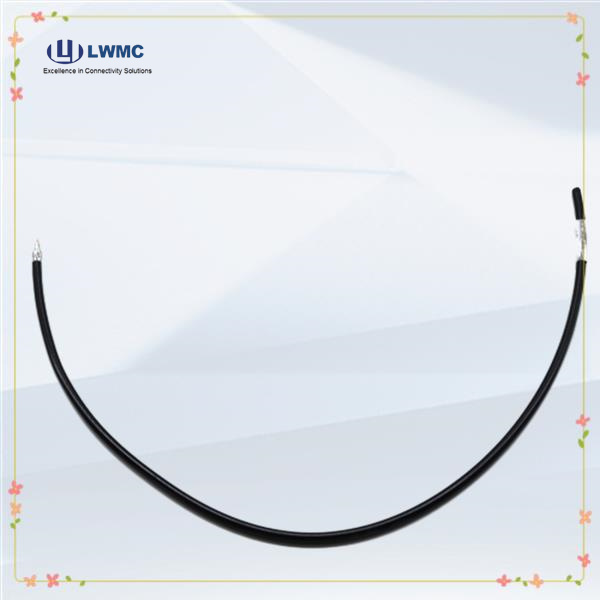
The superiority of UHF coaxial cable for high-frequency devices lies in its controlled electrical characteristics. Signal degradation over distance, known as attenuation, is a major challenge at higher frequencies. Quality UHF cables use advanced dielectric materials (like foam polyethylene) and precise engineering to achieve lower attenuation per meter compared to basic cables. This means more of the original signal strength from your antenna, satellite dish, or radio transmitter reaches the device. Additionally, the effectiveness of its shielding—often a combination of foil and a high-density braid—is paramount. This dual shielding dramatically reduces ingress from external noise and prevents signal egress, preserving the clarity and strength of the desired UHF signal, whether it's a digital TV broadcast, a GPS signal, or data from a wireless security camera.
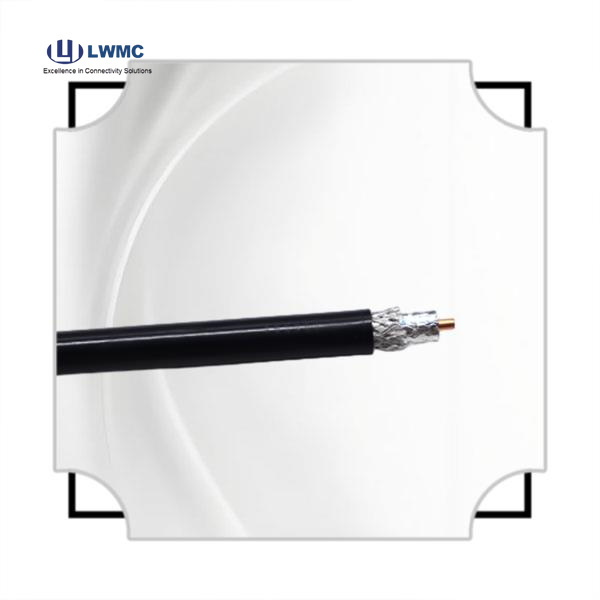
Selecting the optimal UHF coaxial cable requires considering your specific setup and needs. The primary choice is between RG-6 and RG-59. For modern home entertainment, RG-6 is strongly recommended. It has a thicker center conductor and dielectric, resulting in lower signal loss (attenuation), especially important for long runs from an outdoor antenna or for distributing high-definition and 4K signals. RG-59 is thinner and more flexible but has higher loss; it is suitable for very short, indoor connections. Key specifications to check include the shield percentage (look for cables with 95% or higher braid shielding for best performance), the jacket rating (use CM/CMR-rated for in-wall installation, or direct-burial/UV-resistant for outdoor use), and connector quality. Pre-terminated cables with molded, waterproof connectors offer the best reliability and are a core product of manufacturers like Linkworld, ensuring a hassle-free, high-performance installation.
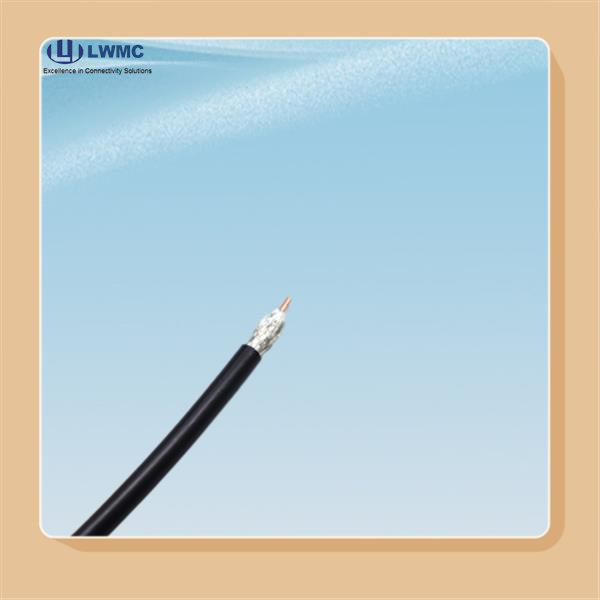
Proper installation and maintenance are crucial for sustaining optimal performance. During installation, avoid sharp bends; maintain a minimum bend radius (typically 5 times the cable diameter) to prevent damaging the internal conductor and altering the cable's impedance. Use cable clips or staples designed for coaxial cable to secure it without crushing the jacket. For outdoor runs, ensure all connector interfaces are weatherproofed. Use self-amalgamating tape or a silicone sealant over the F-connector connection to the antenna to prevent moisture ingress, which is the leading cause of signal degradation and cable failure. Indoors, keep cables away from power lines to minimize interference. Periodically inspect connectors for corrosion, especially after extreme weather, and ensure all connections are hand-tight plus a quarter-turn with a wrench for security. For the most reliable and clean setup, consider using professional-grade, factory-terminated cable assemblies from a trusted supplier like Linkworld, which guarantee consistent electrical performance and durability from the outset.

 EN
EN