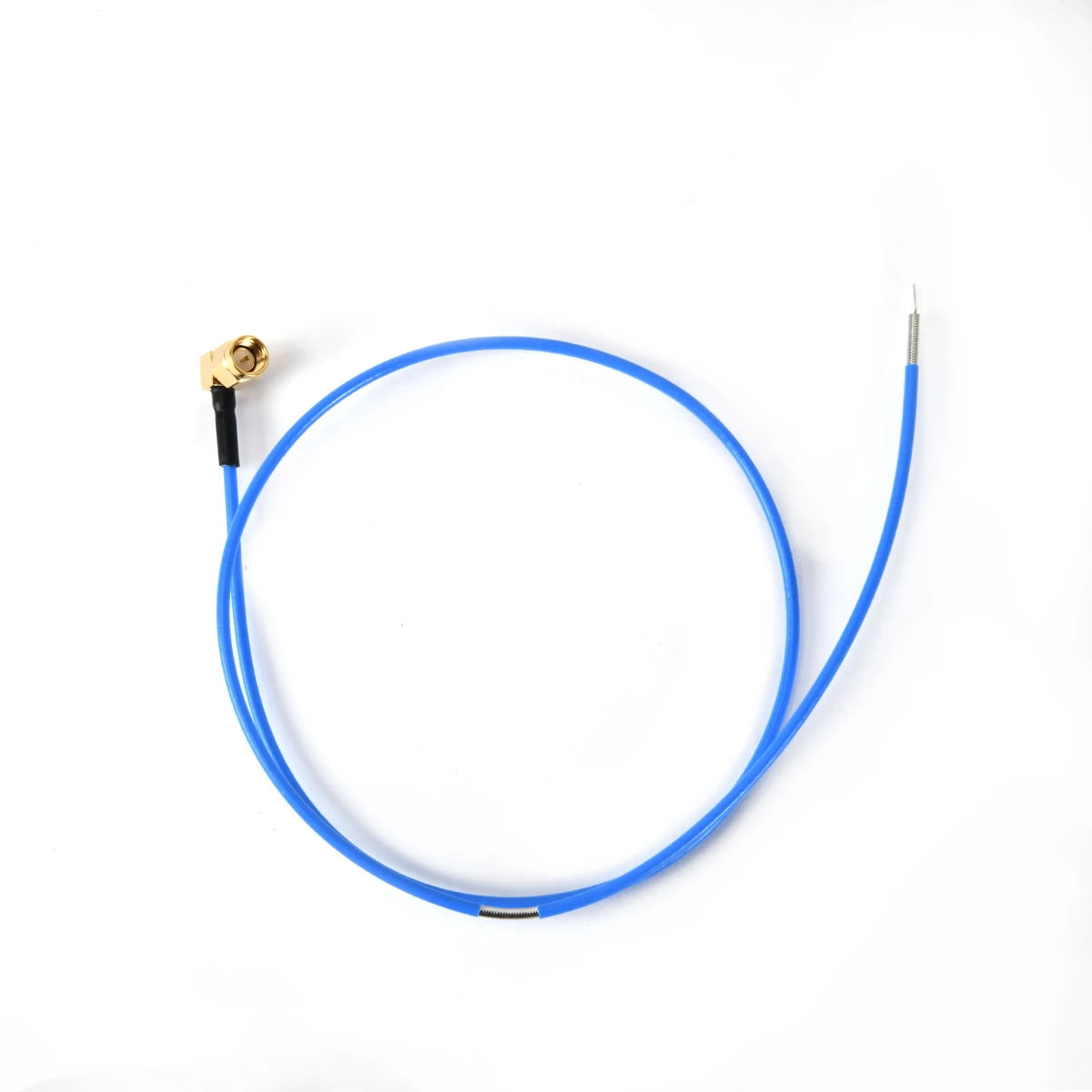
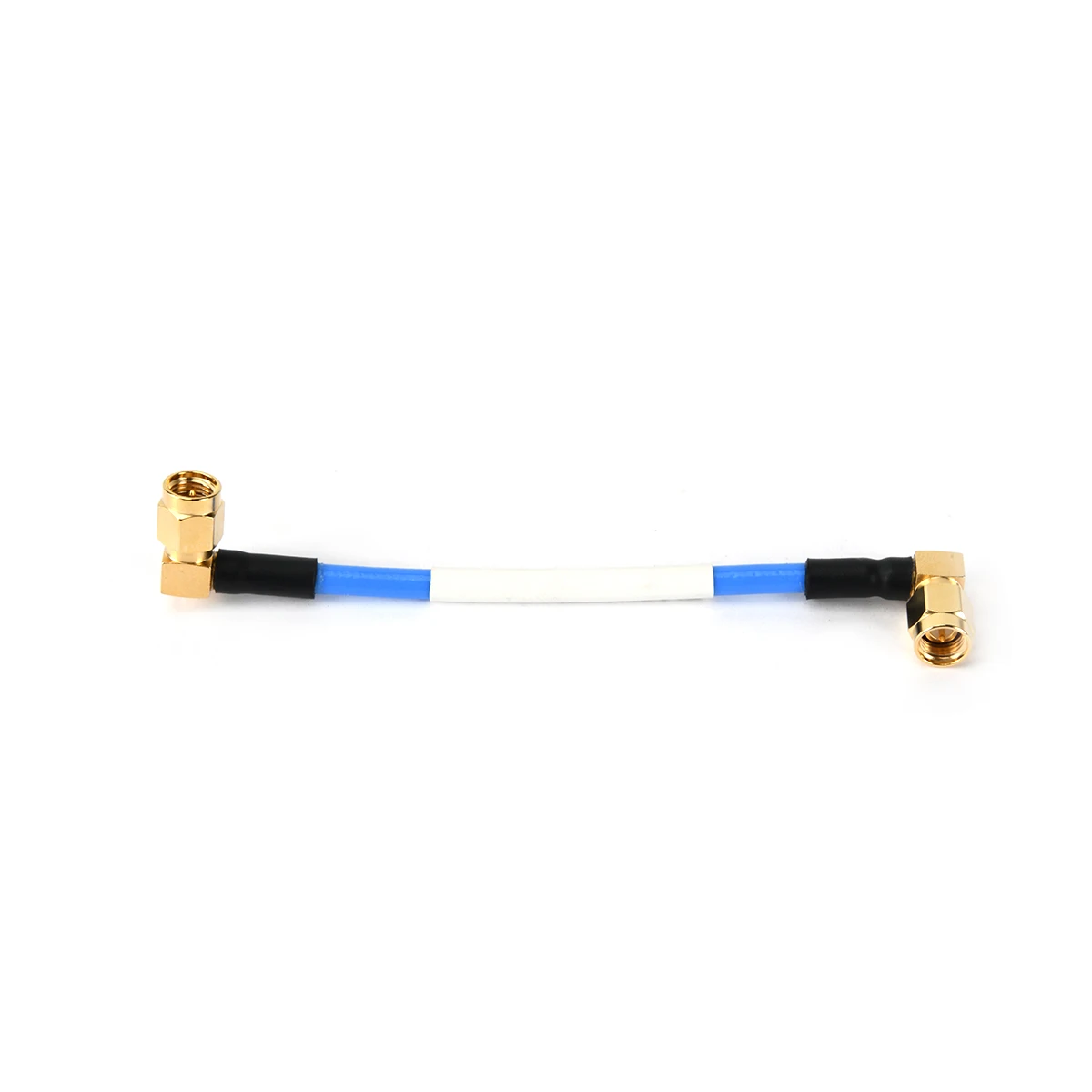
SMA (Subminiature Version A) coaxial connectors are among the most widely used RF interfaces in modern communications and test systems. Zhenjiang Linkworld Microwave Communication Co., Ltd. specializes in the R&D and manufacturing of SMA connectors compliant with IEC60169 standards, delivering high-reliability solutions backed by over 20 years of RF innovation and a dedicated R&D team with 25 years of product development experience.
SMA connectors deliver exceptional high-frequency performance across DC to 27 GHz; our separate 1.85mm precision connector series is engineered for millimeter-wave applications up to 67 GHz. Their threaded coupling mechanism provides a vibration-proof connection, ensuring consistent signal integrity even in demanding environments. Key advantages include VSWR as low as 1.10 within 18 GHz narrow bandwidth and low intermodulation (IMD) performance down to -168 dBc under 2×43dBm carrier test conditions on low-PIM precision components, making them ideal for mission-critical applications ranging from military and aerospace systems to satellite communications and test instrumentation. SMA connectors feature a mating life exceeding 500 cycles, ensuring long-term durability in industrial deployments. General standard connectors and adapters are rated for over 500 mating cycles, while dedicated test cable assemblies are reinforced for over 5,000 dynamic mating cycles for laboratory repeated use.
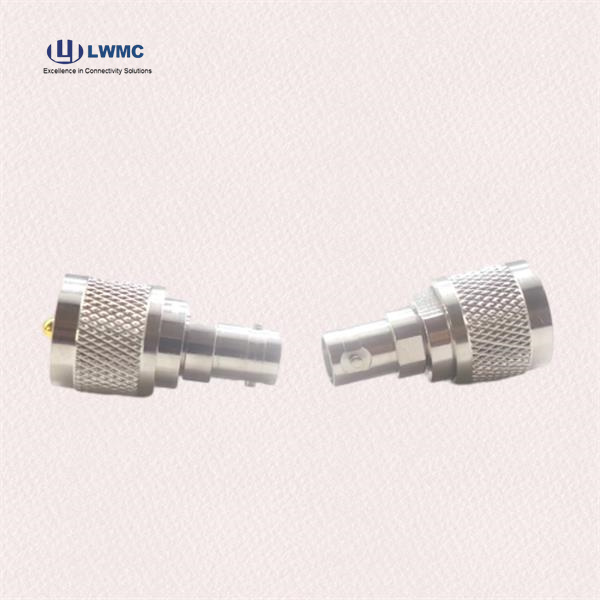
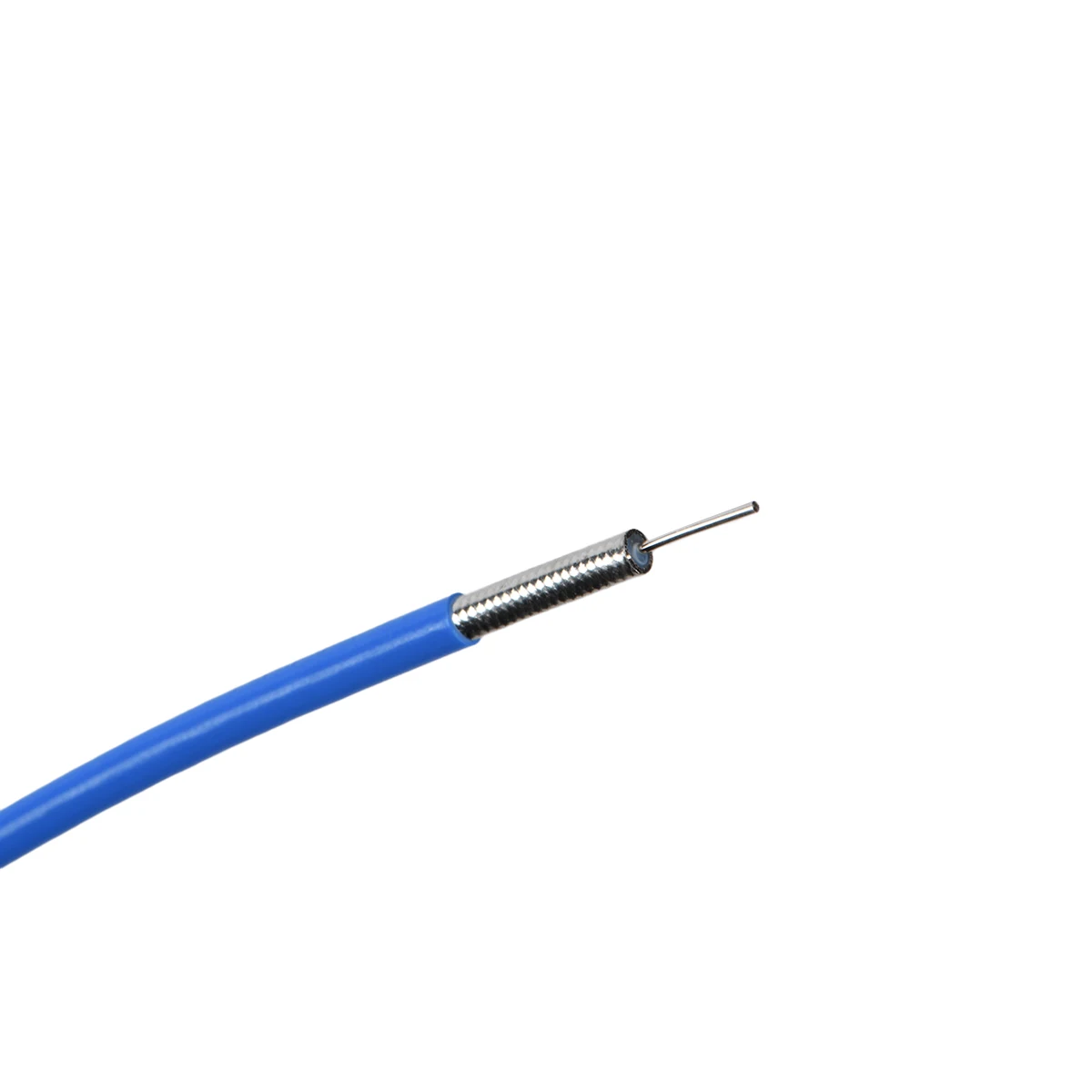
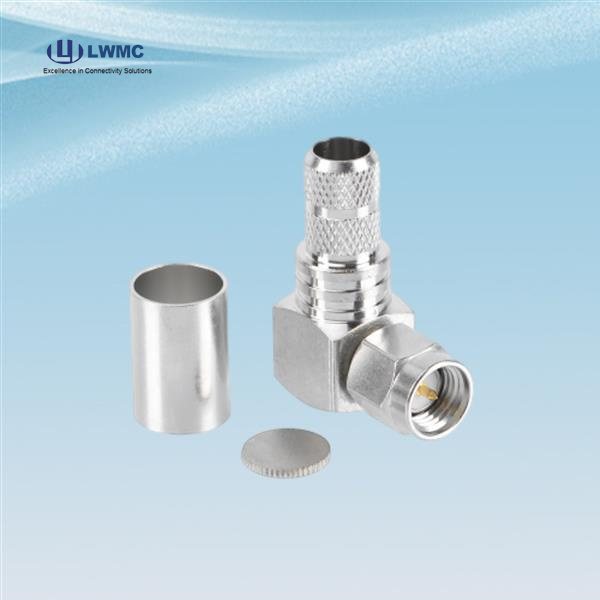
Proper installation is essential for optimal performance. For solder-type SMA connectors, the process begins with trimming the cable outer conductor and dielectric to specified dimensions, taking care not to nick the center conductor. The center conductor is then tinned and soldered to the contact, ensuring the contact seats squarely against the dielectric. For crimp-style connectors, after preparing the cable, the pin is soldered onto the center conductor, and a standard hex die is used to crimp the ferrule. The coupling nut should be tightened to recommended torque specifications—typically 7 to 10 inch-pounds (0.79–1.13 N·m) for standard SMA hand-tightening. Over-tightening can deform the center pin and degrade performance, so precision is critical.
Common failure modes in SMA connections include loose coupling nuts, loose or retracted center conductors, and increased VSWR. Loose nuts often result from improper materials or excessive torque beyond military specifications. Center conductor retraction can occur due to thermal cycling or defective assembly. To maintain performance, connectors should be retired after exceeding their rated mating cycles (typically 500), as wear on the contact surfaces leads to degraded signal quality. For cable assemblies, failures frequently occur at the connector-cable junction, often due to solder joint fracture or improper cable preparation. Using silver-bearing solder materials and proper cable strain relief can effectively resolve these issues.
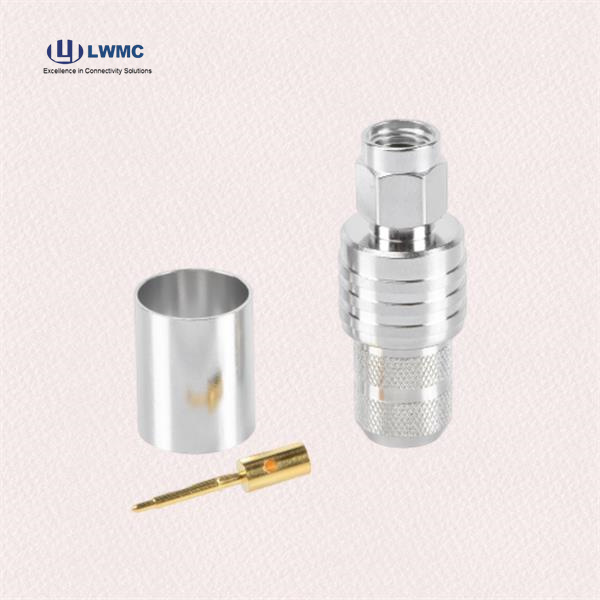
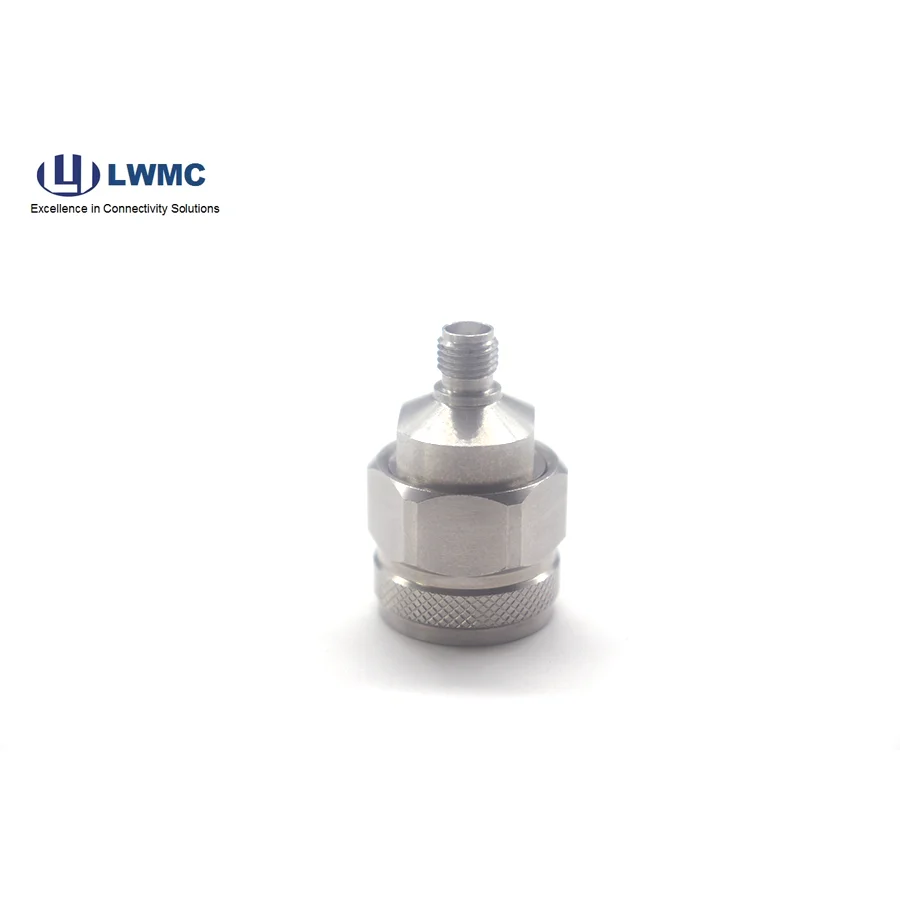
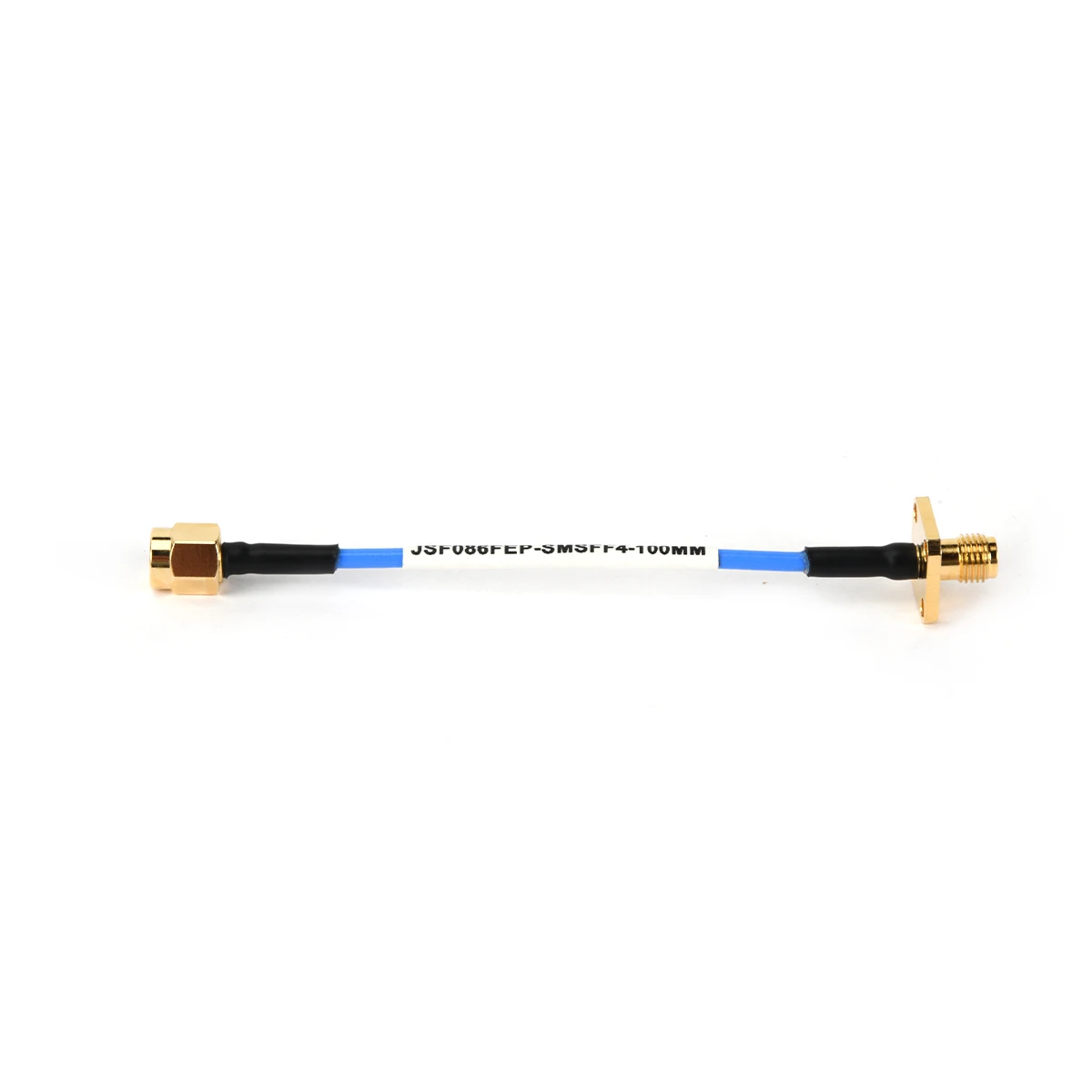
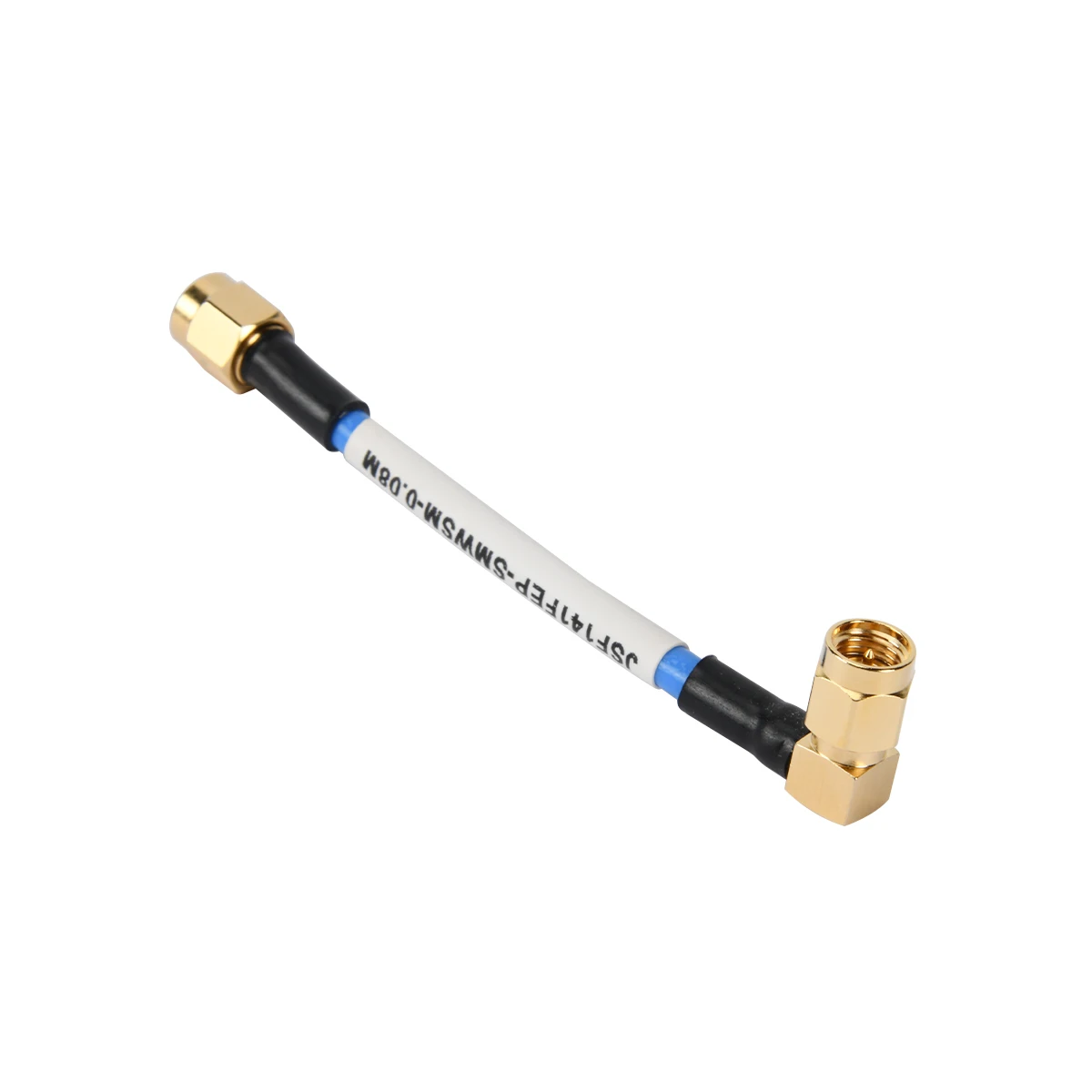
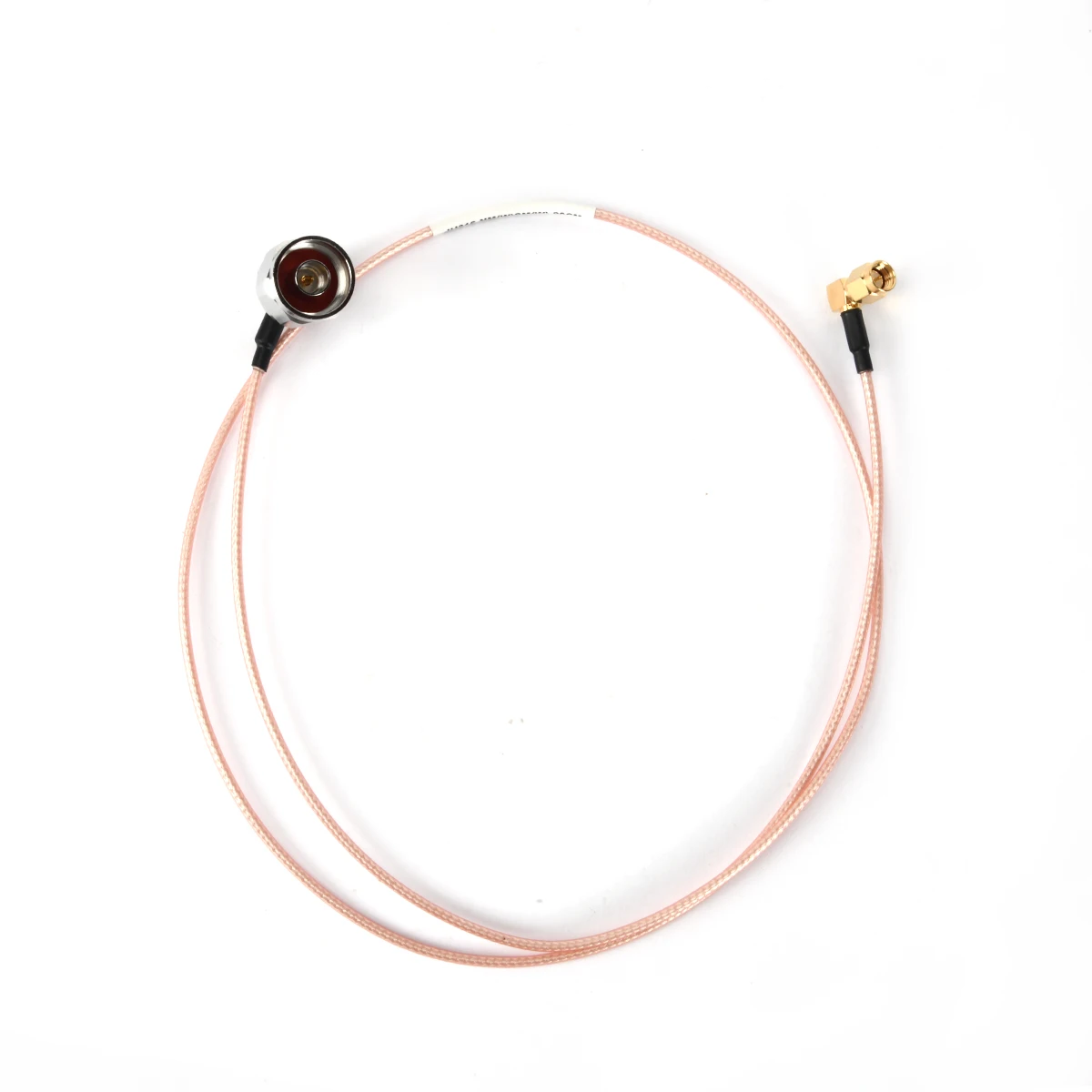
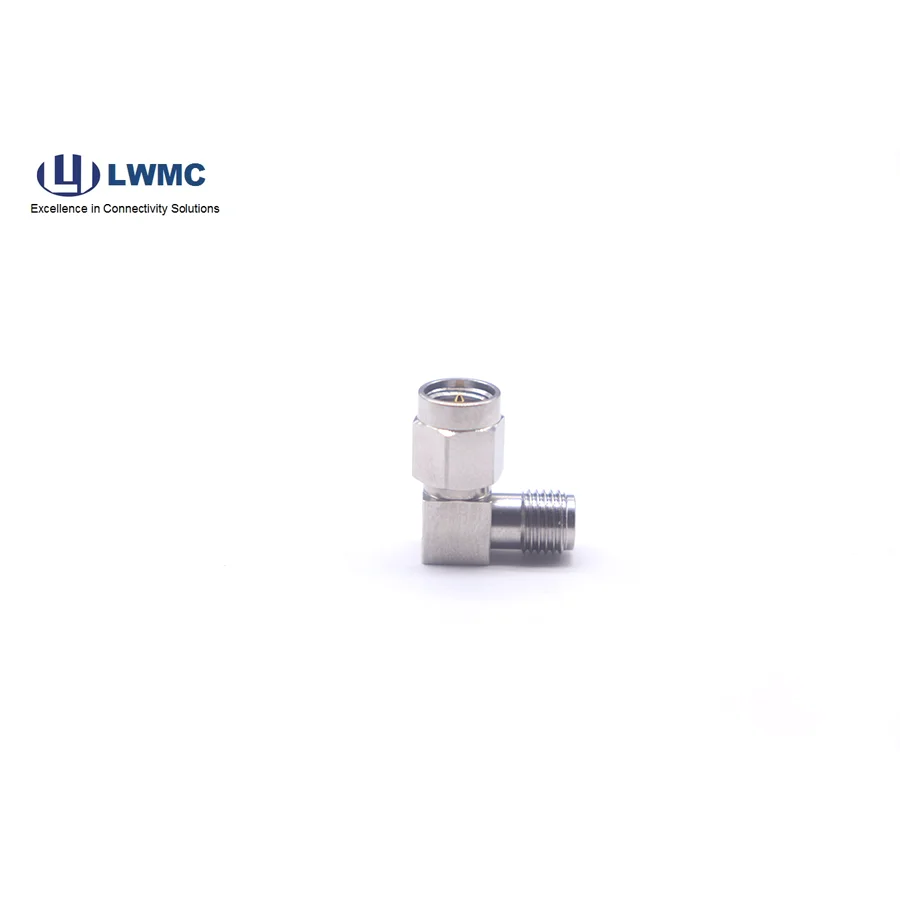
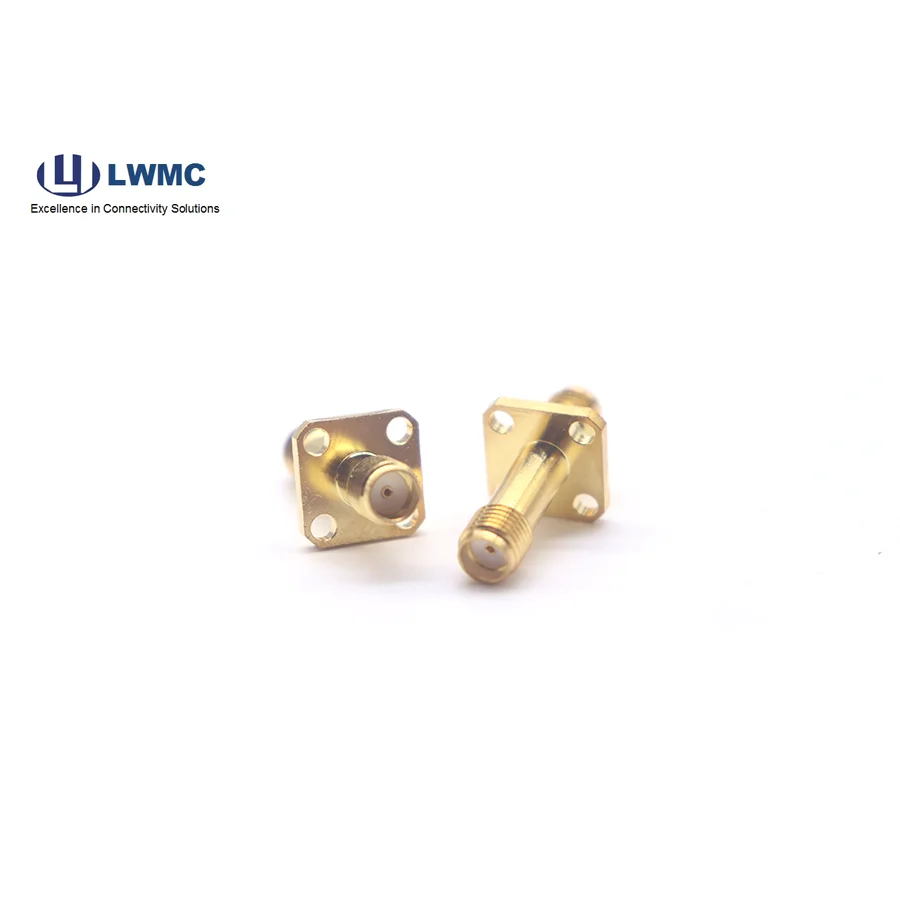
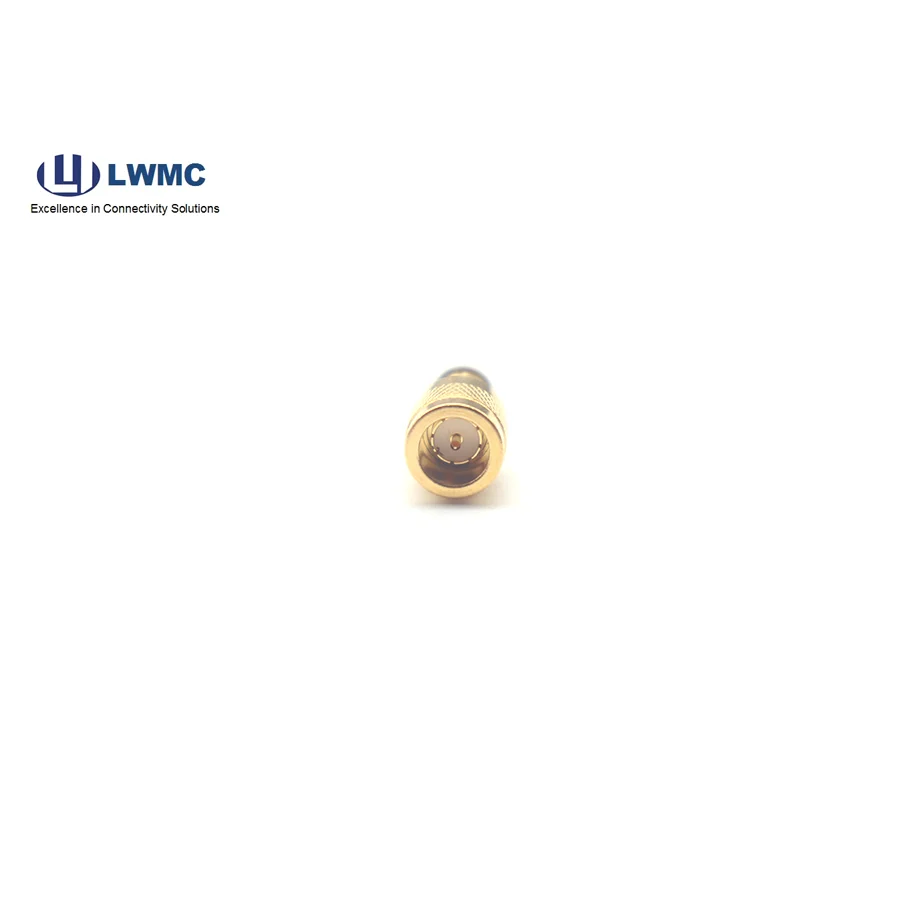
Linkworld offers a comprehensive SMA product portfolio including straight, right-angle, and bulkhead configurations, supporting various cable types such as LMR240, LMR300, LMR400, RG-316, RG-142, RG-58, and RG-141. The SMA series includes both male and female interfaces across multiple mounting styles—crimp, solder, and clamp terminations—catering to diverse application requirements. For environments requiring hermetic sealing, Linkworld integrates glass-to-metal hermetic seals with SMA connector assemblies, supporting reliable operation at temperatures up to 350°C, while standard non-hermetic SMA connectors operate from -55°C to +155°C. Additionally, precision SMA variants (3.5 mm, 2.92 mm, and 2.4 mm interfaces) deliver enhanced performance for high-frequency test and measurement applications up to 50 GHz. Guided by the core value of “Honesty and Perfection,” Linkworld provides end-to-end support from design optimization to after-sales service, ensuring customer success across global markets.

 EN
EN