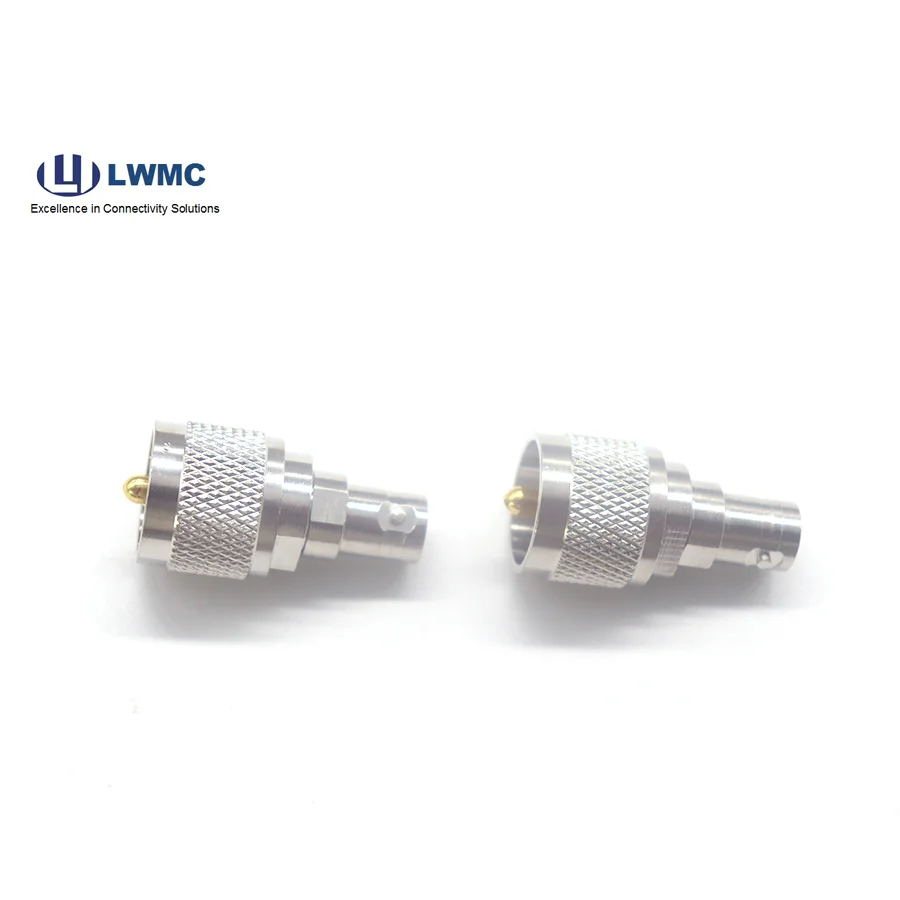
In the realm of RF connectivity, few interfaces are as recognizable and widely used as the UHF connector series. Officially known as the "Ultra High Frequency" type, these robust components have become a ubiquitous standard for applications ranging from amateur radio and broadcast equipment to public safety communications and industrial systems. Characterized by their distinctive threaded coupling nut and straightforward design, UHF coaxial cable connectors offer a reliable, cost-effective solution for establishing secure RF links where frequencies typically do not exceed 500 MHz. Understanding their proper use, inherent benefits, selection criteria, and maintenance is key to leveraging their full potential in creating durable and effective communication infrastructure.
Correct installation is fundamental to achieving optimal performance and longevity from UHF connectors, such as the common PL-259 (plug) and SO-239 (socket). The process for a PL-259 on a cable like RG-8X or RG-213 involves several precise steps. First, the coaxial cable must be stripped to exact dimensions using a proper stripping tool, exposing the center conductor and carefully preparing the braided shield. For many UHF plugs, a soldering technique is required: the center conductor is fed through and soldered into the connector's pin, while the braid is splayed over the connector body and secured with a soldering collar to ensure a solid electrical ground. Finally, an outer threaded sleeve is screwed on to provide mechanical strain relief and environmental protection. Meticulous workmanship—avoiding cold solder joints and preventing braid strands from shorting the center conductor—is crucial for maintaining a low VSWR and a reliable connection.
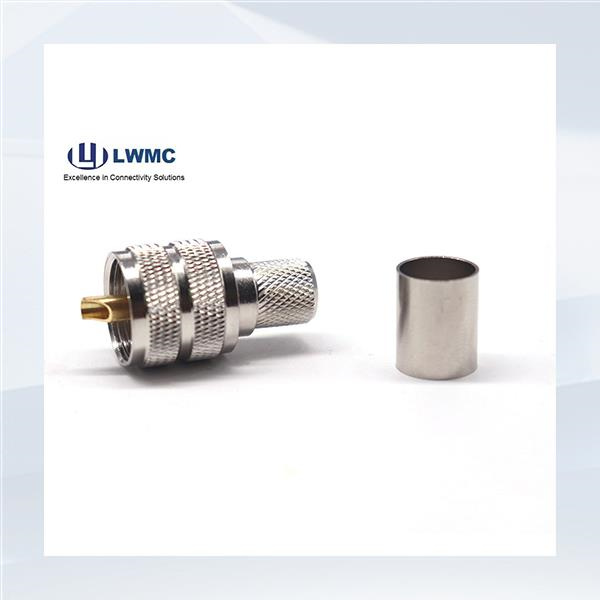
The enduring popularity of UHF connectors stems from a compelling set of practical benefits. Their primary advantage is mechanical robustness; the threaded coupling mechanism provides excellent vibration resistance and a secure physical connection superior to push-on types like BNC, making them ideal for mobile or permanent installations that experience movement. They are also renowned for their durability and high power-handling capability, suited for transmitter outputs in HF and VHF bands. Furthermore, UHF connectors offer exceptional cost-effectiveness and ease of use. Their relatively simple design makes them affordable and allows for straightforward field servicing and cable assembly with common tools. For applications below 500 MHz, such as CB radio, amateur HF/VHF stations, land mobile radio, and analog broadcast, they deliver reliable performance without the complexity or cost of precision microwave connectors.
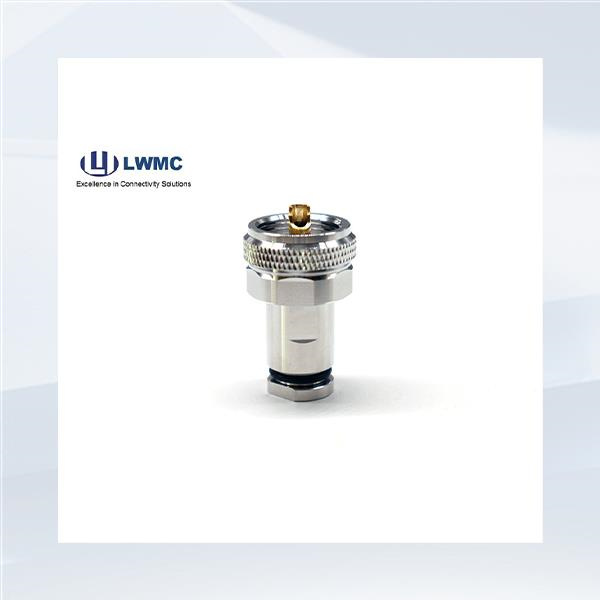
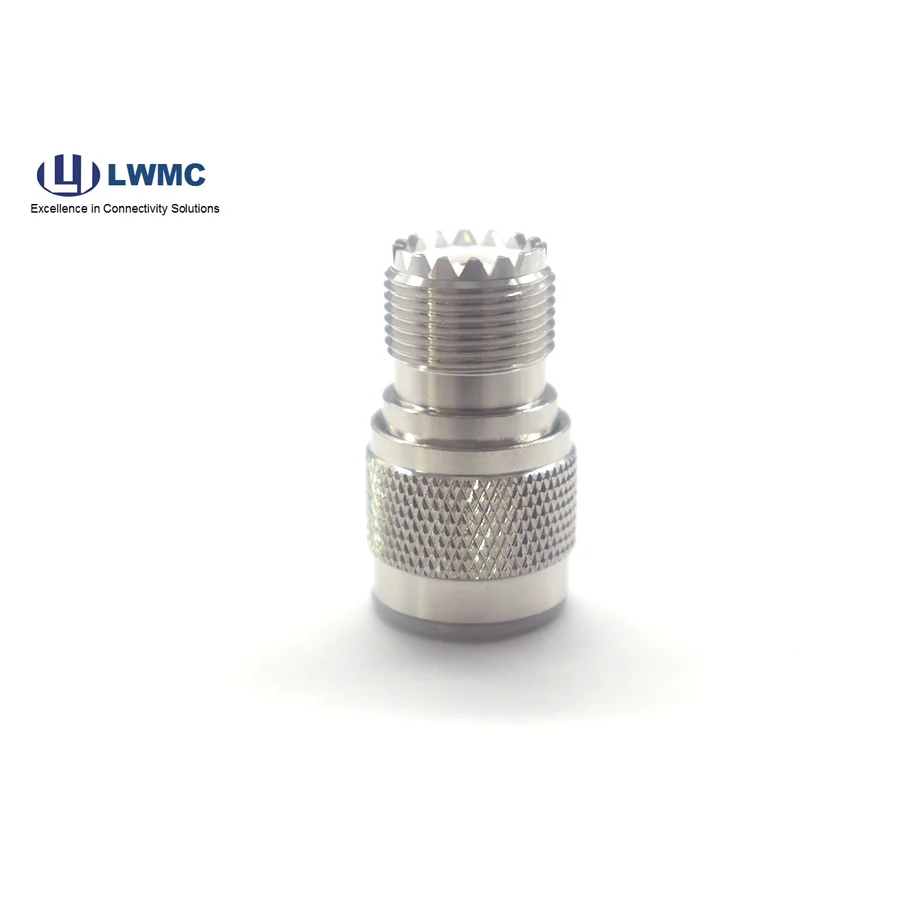
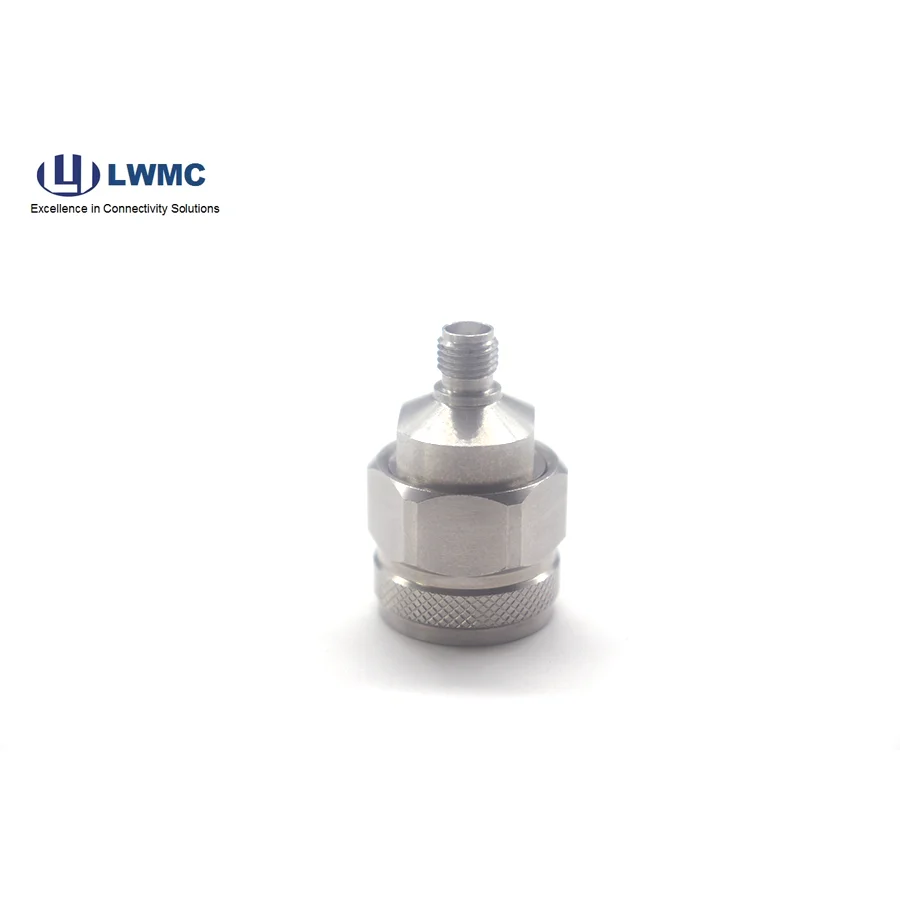
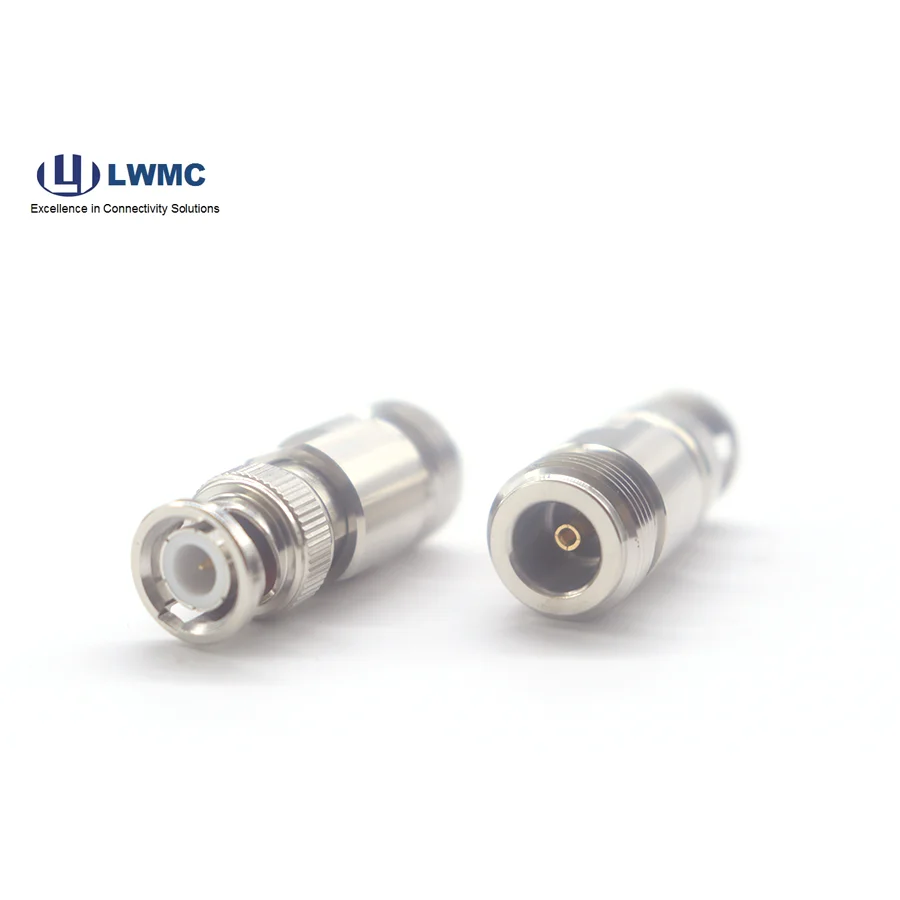
Selecting the optimal UHF connector requires matching the component to both the cable and the application. The first consideration is cable compatibility. Ensure the connector is designed for your specific cable diameter (e.g., RG-8, RG-58, RG-213); adaptor sleeves are often needed for smaller cables. Next, evaluate the environmental demands. Standard brass connectors are suitable for indoor use, while nickel-plated or stainless-steel versions with sealing gaskets offer better corrosion resistance for outdoor installations. For the interface itself, decide between a straight or right-angle plug based on space constraints. Finally, consider the required interface gender—typically a male PL-259 plug on the cable end mating to a female SO-239 jack on the equipment. For system flexibility, integrating a high-quality UHF to N-Type or UHF to BNC adapter from a manufacturer like Linkworld can seamlessly bridge equipment with different port standards.
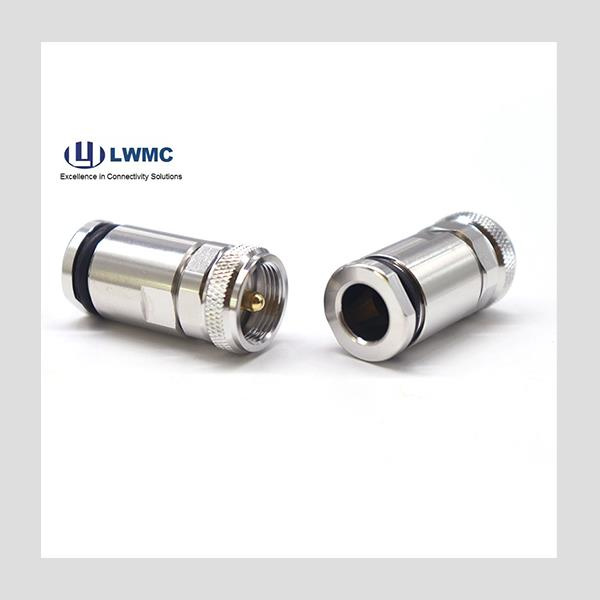
Even robust connectors can encounter problems, most often related to installation wear or environmental factors. Common issues and their remedies include:
High SWR/Poor Signal: This is frequently caused by a poor solder joint on the center pin or braid, a damaged cable, or an incorrect cable-to-connector match. Re-terminating the connector with proper technique is the first step.
Intermittent Connection: Usually results from a loose coupling nut, internal corrosion, or a broken center conductor solder joint. Tighten the connection, inspect for corrosion, and re-solder if necessary.
Water Ingress/Moisture: Over time, seals can degrade. Applying a layer of waterproof sealing compound (like silicone grease or coax seal tape) over the threaded interface after connection can prevent moisture penetration.
Difficulty Mating Connectors: Check for cross-threading, dirt, or physical damage to the threads. Clean with a contact cleaner and ensure connectors are aligned before threading.

 EN
EN