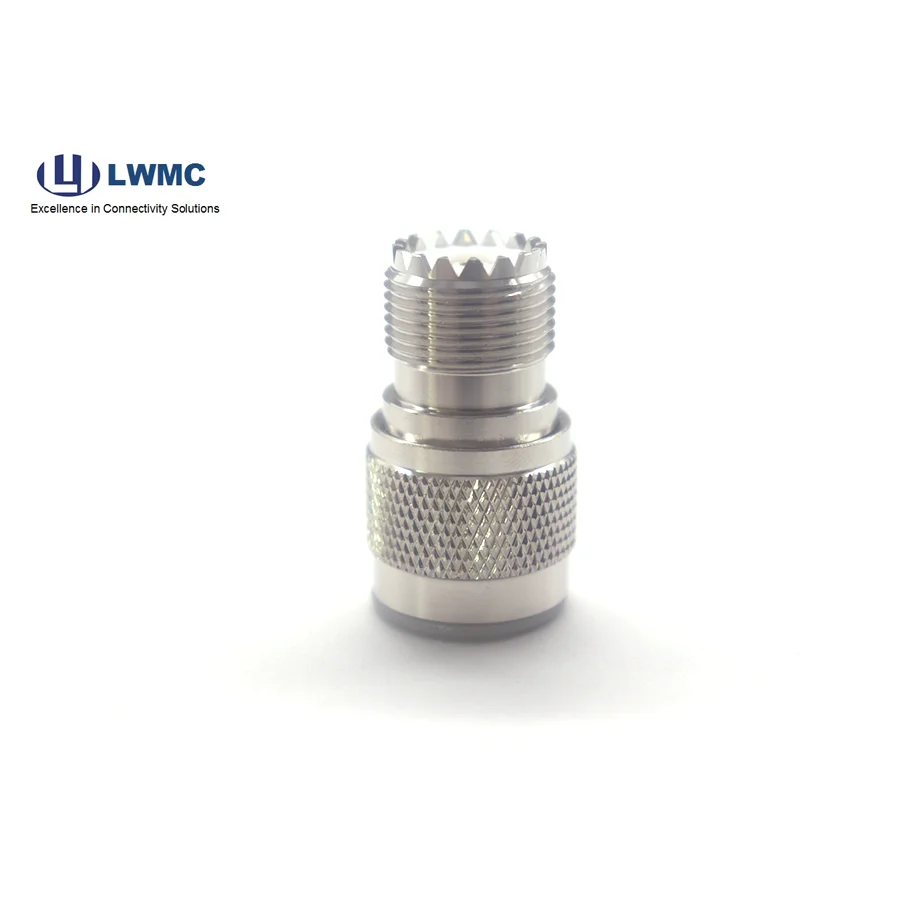
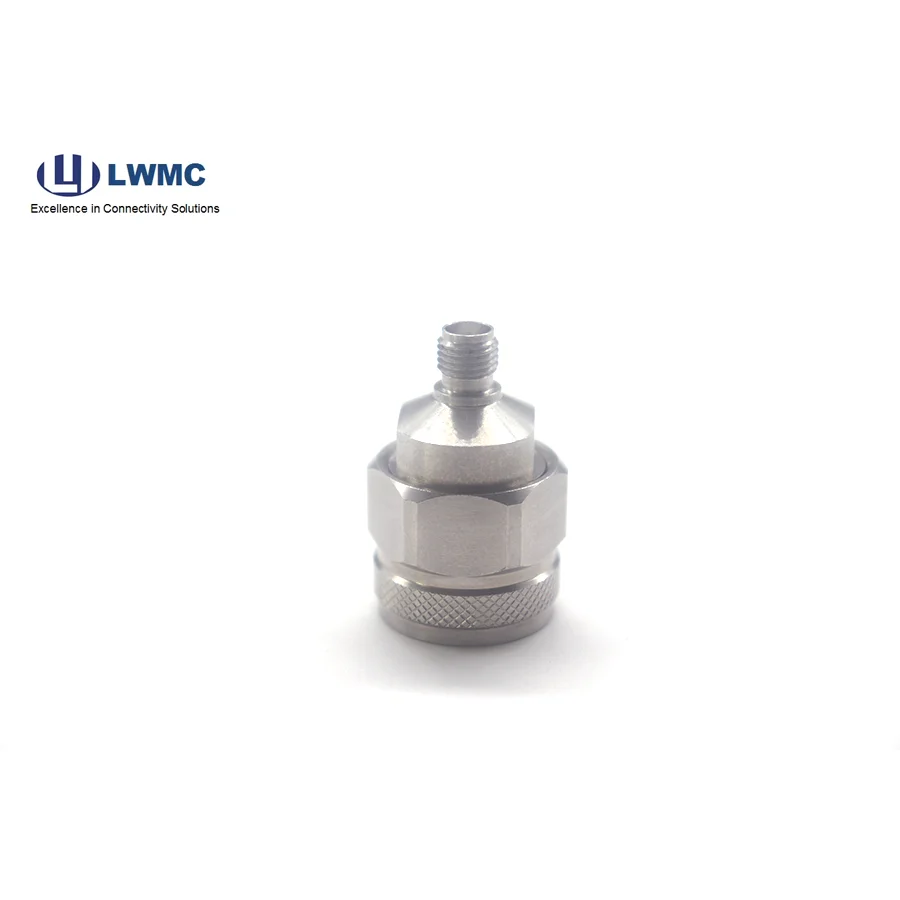
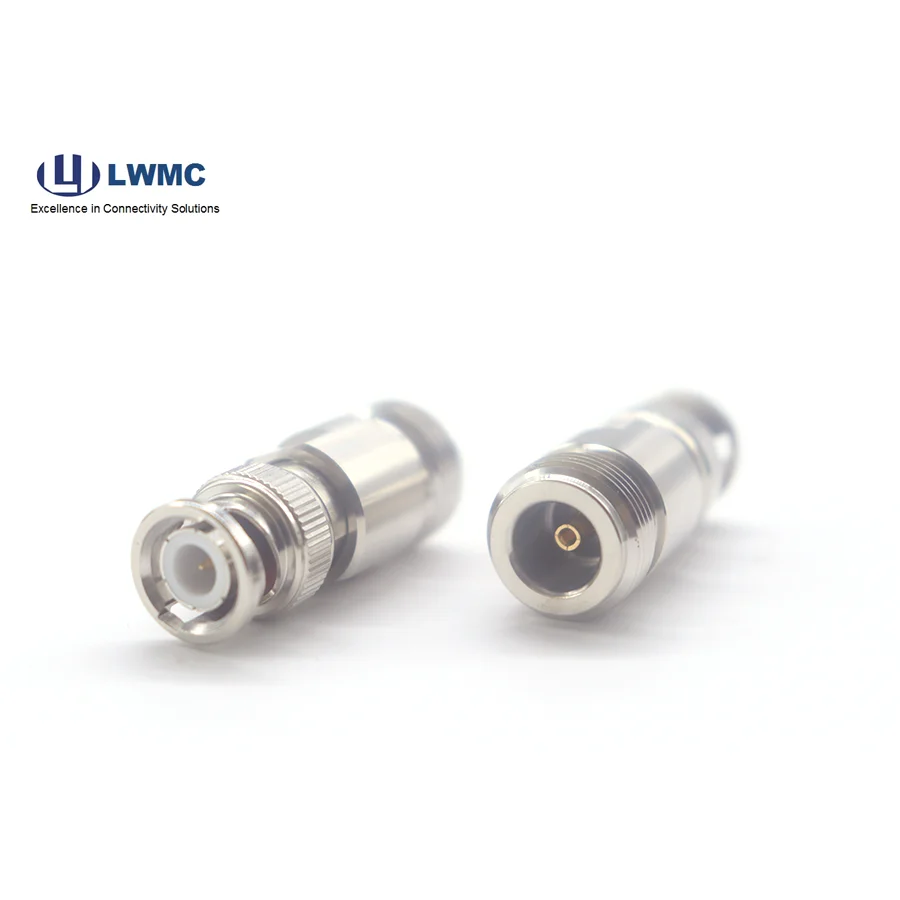
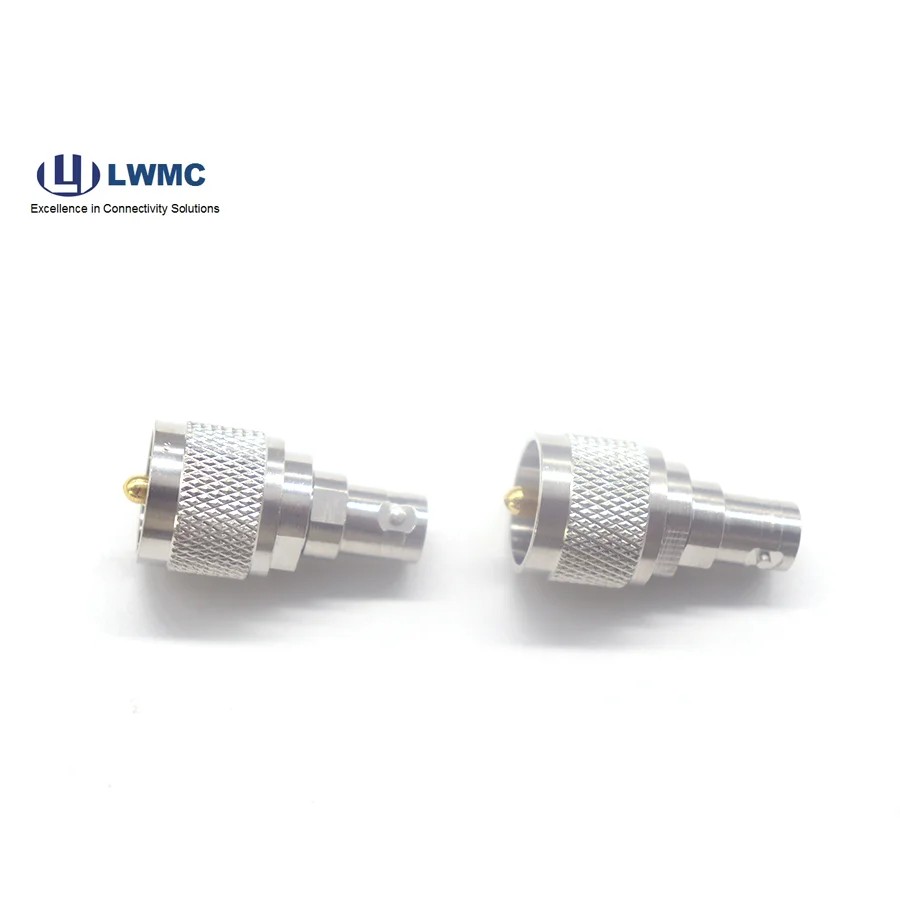
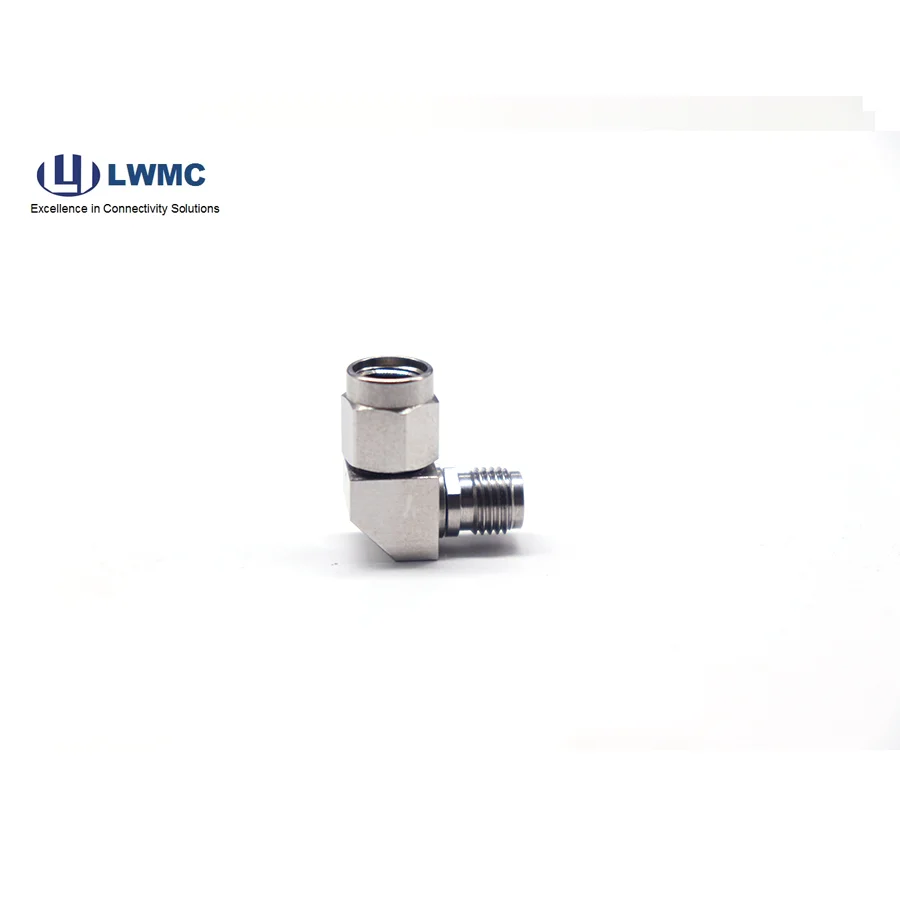
Coaxial 90 degree adapters play a crucial role in RF and microwave applications by enabling flexible connections while minimizing signal loss. For B2B buyers—such as purchasing managers, engineers, and distributors—understanding the specifications, quality, and sourcing options for these components is essential for making informed purchasing decisions. This article will guide you through the key considerations when evaluating coaxial 90 degree adapters, ensuring that you select the right product for your specific needs.
Coaxial 90 degree adapters are designed to facilitate the connection of coaxial cables at a right angle, which can help save space and improve cable management in various applications. When evaluating these adapters, several specifications are critical:
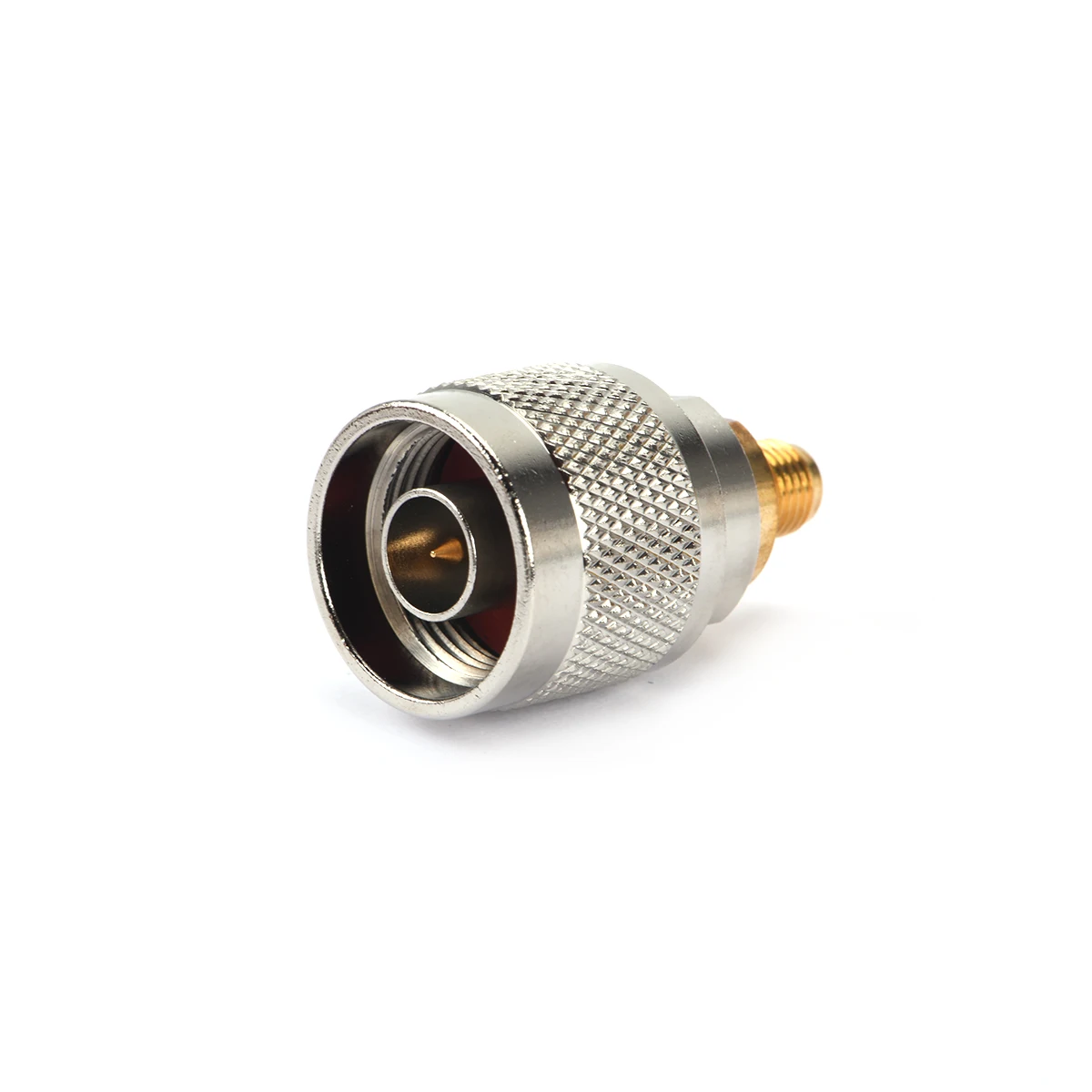
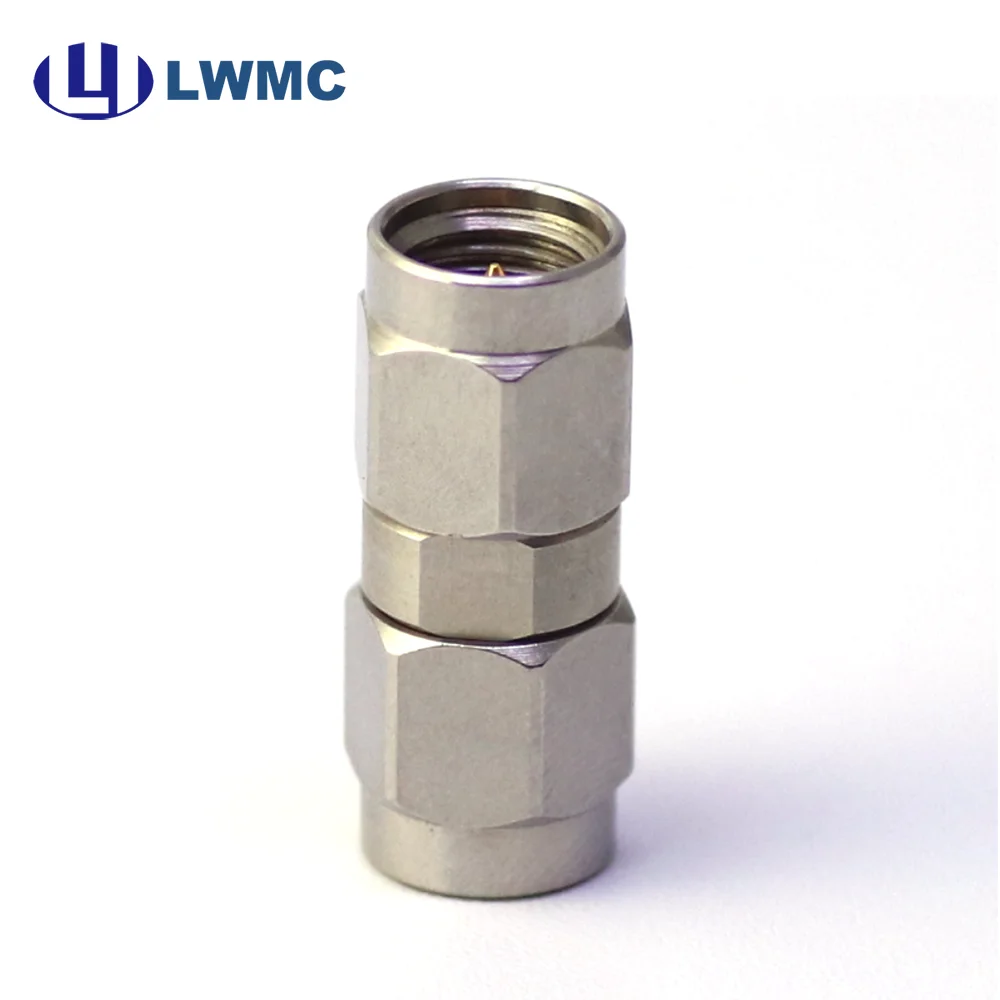
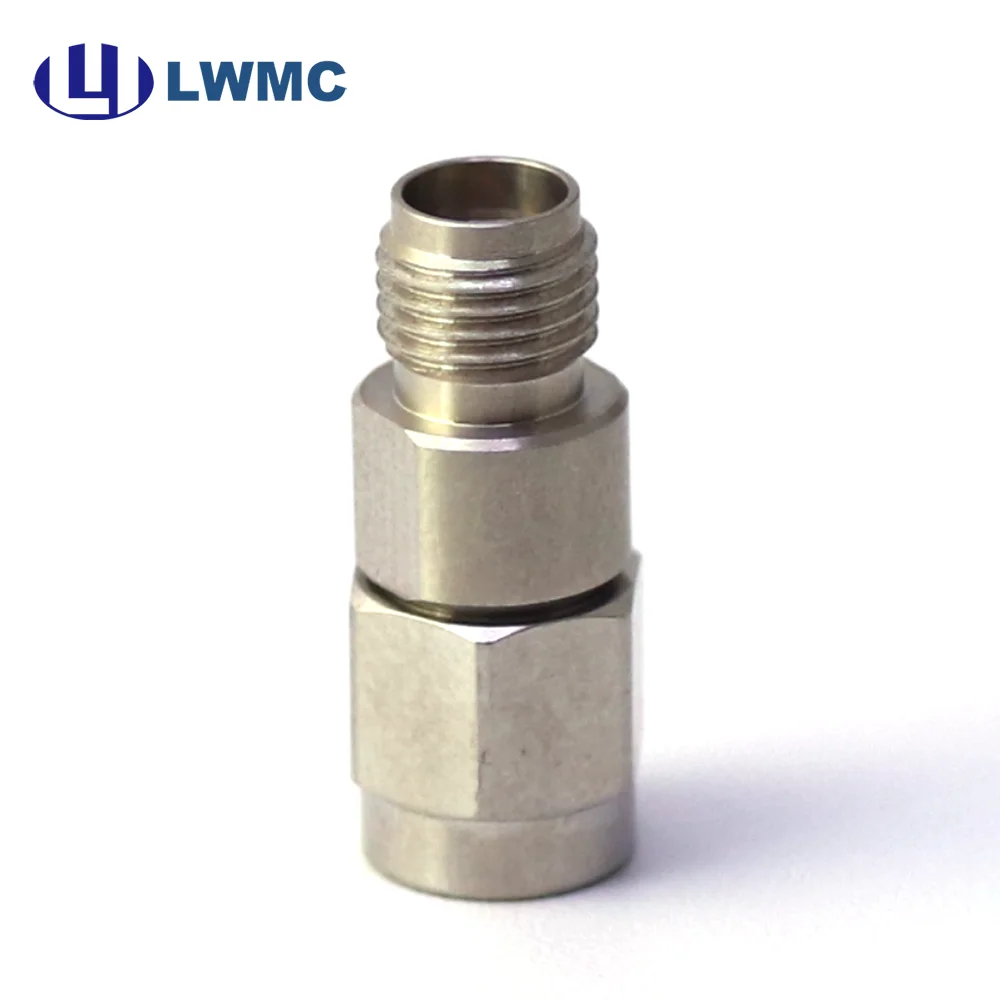
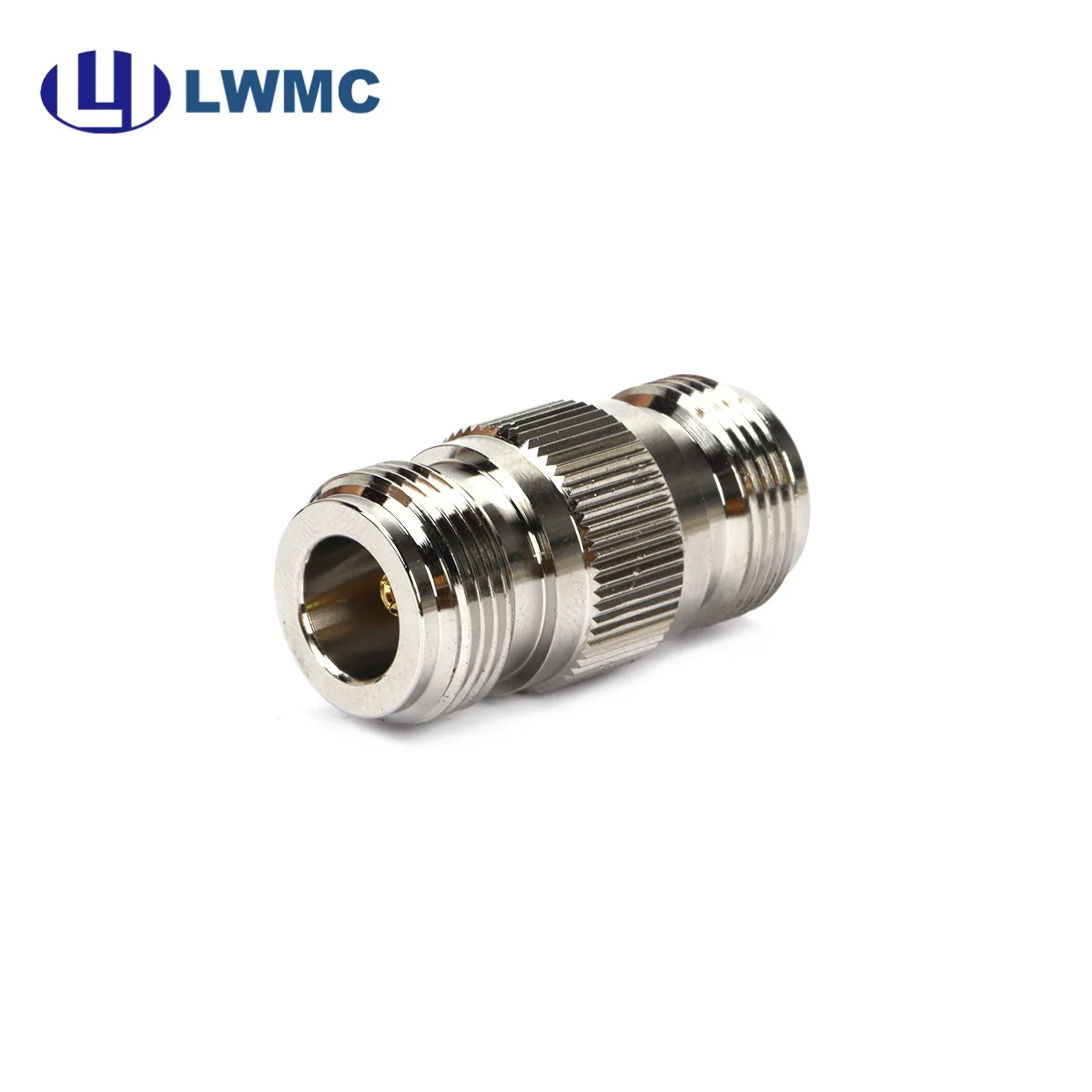
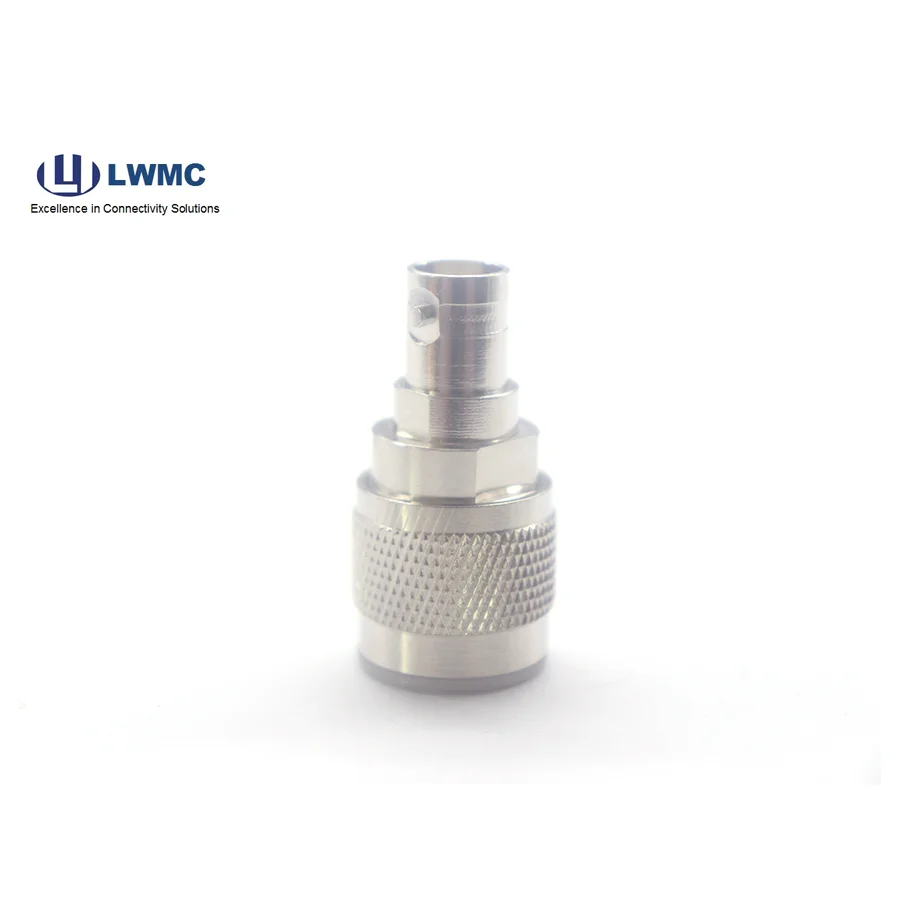
Connector Type: The most common types include SMA, N-Type, BNC, and TNC connectors. Selecting the appropriate type is essential to ensure compatibility with your existing equipment.
Impedance: Typically, coaxial cables are designed for either 50 Ohm or 75 Ohm applications. Using an male adapter with the wrong impedance can lead to signal reflections and loss.
Frequency Range: Each adapter has a specified frequency range within which it operates optimally. This is particularly important in RF and microwave applications where signal integrity is crucial.
Material and Finish: The materials used, such as brass or stainless steel, can impact durability and performance. Additionally, surface finishes (like gold plating) enhance corrosion resistance and conductivity.
Understanding these specifications will help you identify the right coaxial 90 degree adapter for your application, enhancing performance and reliability.
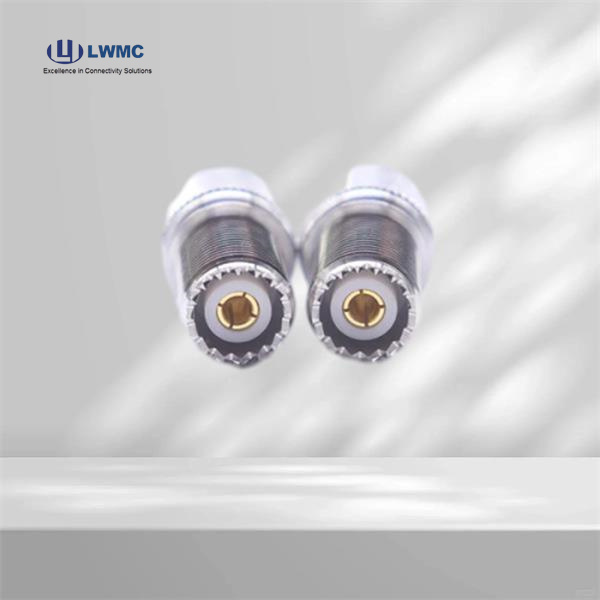
Choosing the right adapter involves considering several factors that align with your specific requirements:
Application Requirements: Determine the application—be it military, aerospace, telecommunications, or medical. Each sector may have unique requirements regarding durability, frequency, and environmental resistance.
Space Constraints: If space is limited, a 90 degree adapter can help minimize the footprint of your cable connections. Measure your installation area to ensure the adapter fits without causing strain on the cables.
Customization Options: If standard options do not meet your needs, inquire about custom solutions. Many manufacturers, including Zhenjiang Linkworld Microwave Communication Co., Ltd., offer tailored products to fit specific applications.
Testing and Quality Assurance: Before finalizing your choice, request samples or test units to evaluate performance under actual operating conditions. Look for manufacturers with robust quality control processes to ensure consistency and reliability in their products.
By carefully assessing these factors, you can select an adapter that meets both your technical and operational requirements.
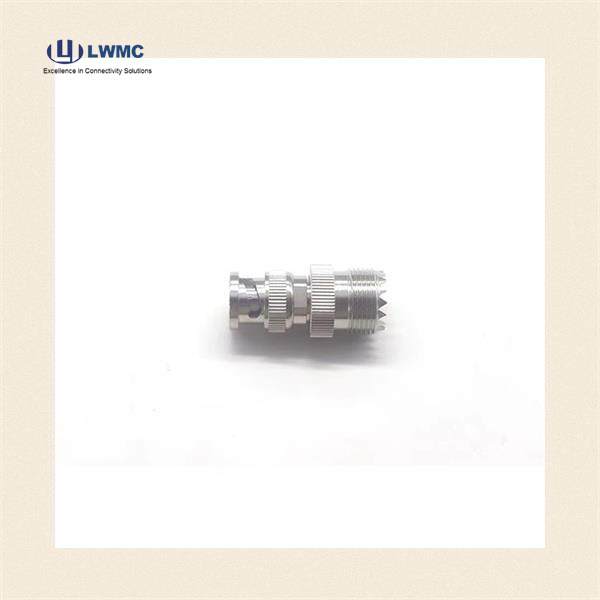
When purchasing coaxial 90 degree adapters in bulk, quality assurance becomes paramount. Here are key aspects to consider:
Manufacturing Standards: Ensure that the manufacturer adheres to relevant industry standards. Certifications such as ISO 9001 can indicate a commitment to quality management systems.
Material Quality: Verify the specifications of the materials used. For example, high-quality connectors should be made from corrosion-resistant materials to ensure longevity, especially in harsh environments.
Performance Testing: Request details about the testing protocols employed by the manufacturer. Look for performance metrics related to insertion loss, return loss, and VSWR (Voltage Standing Wave Ratio), which are critical for assessing signal integrity.
Feedback from Previous Buyers: Consider reaching out to existing customers or reading reviews about the manufacturer's products. Feedback regarding performance and durability can provide valuable insights into quality.
Sample Approval: Before placing a bulk order, always request samples to evaluate their performance in your specific application. This step can help identify any potential issues before committing to a larger purchase.
By focusing on these quality evaluation criteria, you can ensure that your bulk order of male plug adapter meets your operational standards.
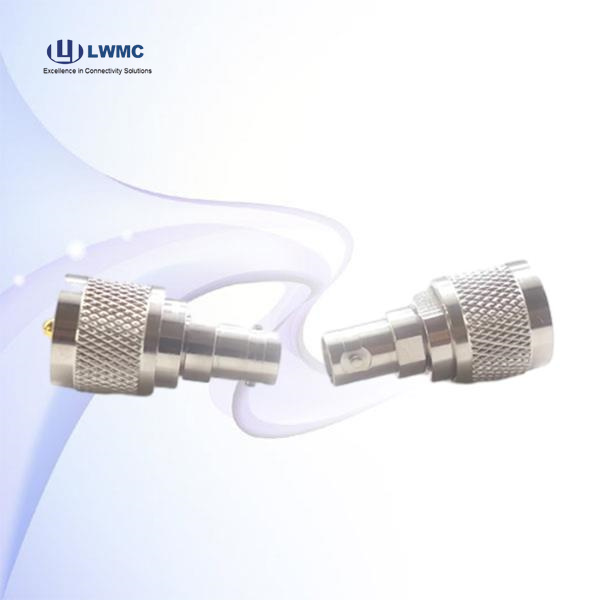
Sourcing reliable coaxial 90 degree adapters wholesale involves identifying reputable manufacturers and distributors. Here are some strategies for finding trustworthy suppliers:
Industry Trade Shows and Exhibitions: Attending industry-specific events can provide opportunities to meet manufacturers, inspect products, and discuss your needs directly.
Online Marketplaces and Directories: Utilize B2B platforms such as Alibaba, ThomasNet, or industry-specific directories to find potential suppliers. Look for those with a proven track record in RF and microwave components.
Networking: Leverage industry contacts and professional networks to get recommendations for reliable suppliers. Colleagues and industry peers can often provide insights based on their experiences.
Manufacturer Websites: Explore the websites of established manufacturers, such as Zhenjiang Linkworld Microwave Communication Co., Ltd., that specialize in RF components. Look for detailed product catalogs, specifications, and customization options.
Request Quotes and Proposals: Once you have identified potential suppliers, request quotes and proposals. Compare pricing, lead times, and terms of service to make an informed decision.
By employing these sourcing strategies, you can identify reliable suppliers for your coaxial 90 degree adapter needs.
When budgeting for LINKWORLD coaxial 90 degree adapters, several cost factors should be taken into account:
Volume Discounts: Many manufacturers offer discounts for bulk orders. Understanding the pricing structure for different order quantities can help optimize your budget.
Material Selection: The choice of materials can significantly impact cost. While higher-quality materials may come at a premium, they often provide better performance and longevity, reducing replacement costs in the long run.
Customization Costs: If your application requires custom sma to sma rf cable, be aware that customization may lead to higher costs and longer lead times. Discuss these aspects with the manufacturer upfront to avoid unexpected expenses.
Shipping and Handling: Factor in shipping costs, especially for international orders. Ensure that you understand the delivery terms and any potential duties or tariffs that may apply.
Quality Assurance and Testing: Some manufacturers may charge extra for extensive testing and quality assurance processes. While this can increase the upfront cost, it can lead to savings by reducing the risk of failures in the field.
By considering these cost factors, you can develop a comprehensive understanding of the financial implications of your purchase, enabling you to make a more informed decision that aligns with your budget and quality requirements.

 EN