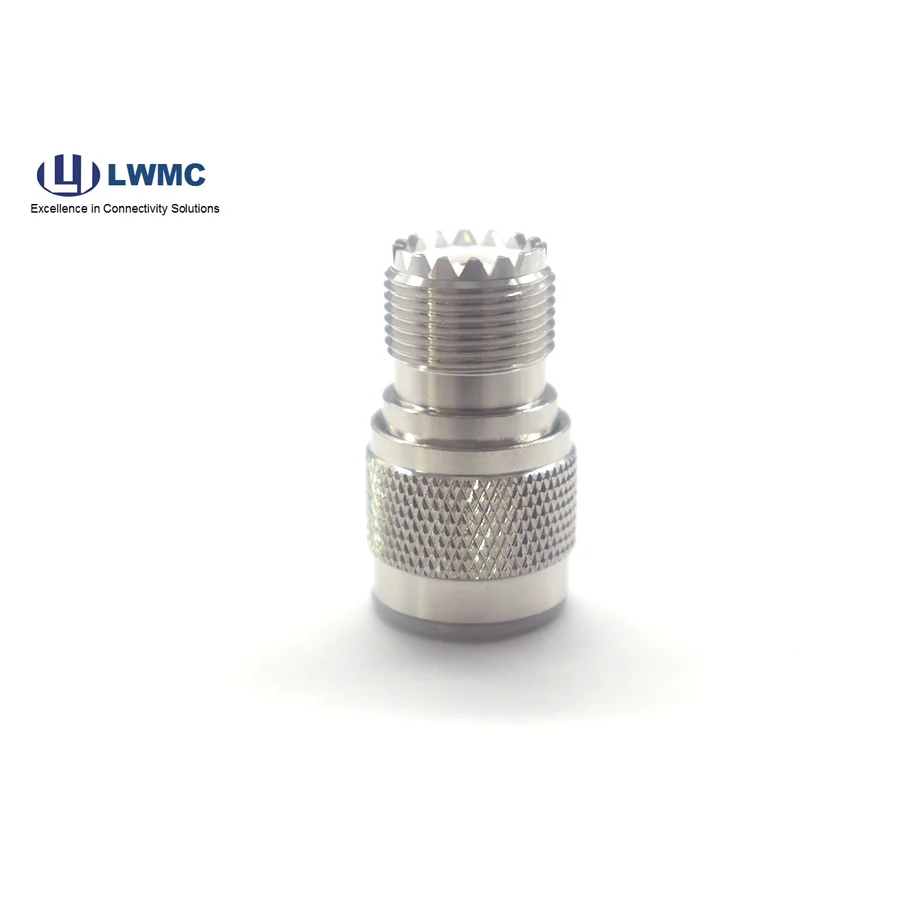
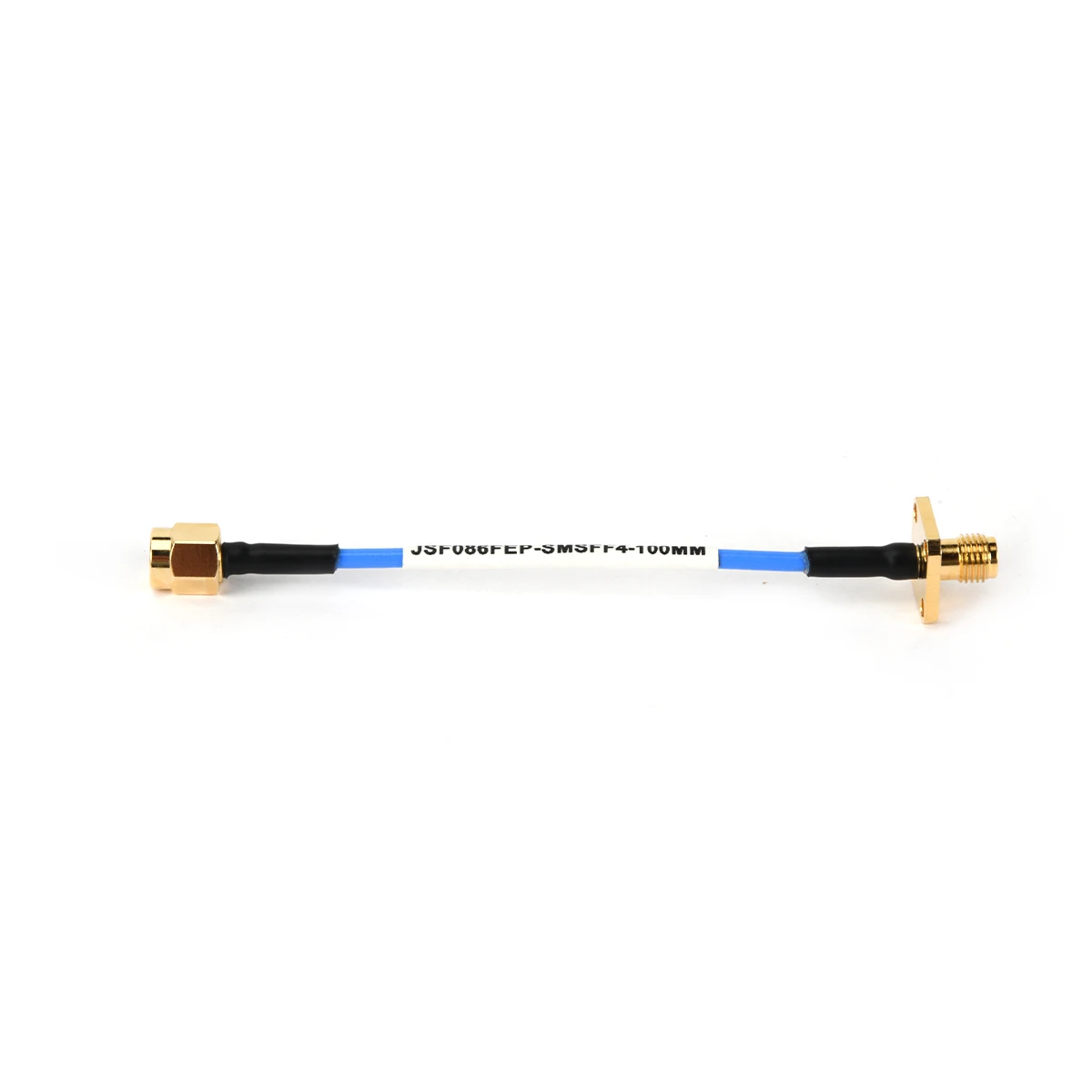
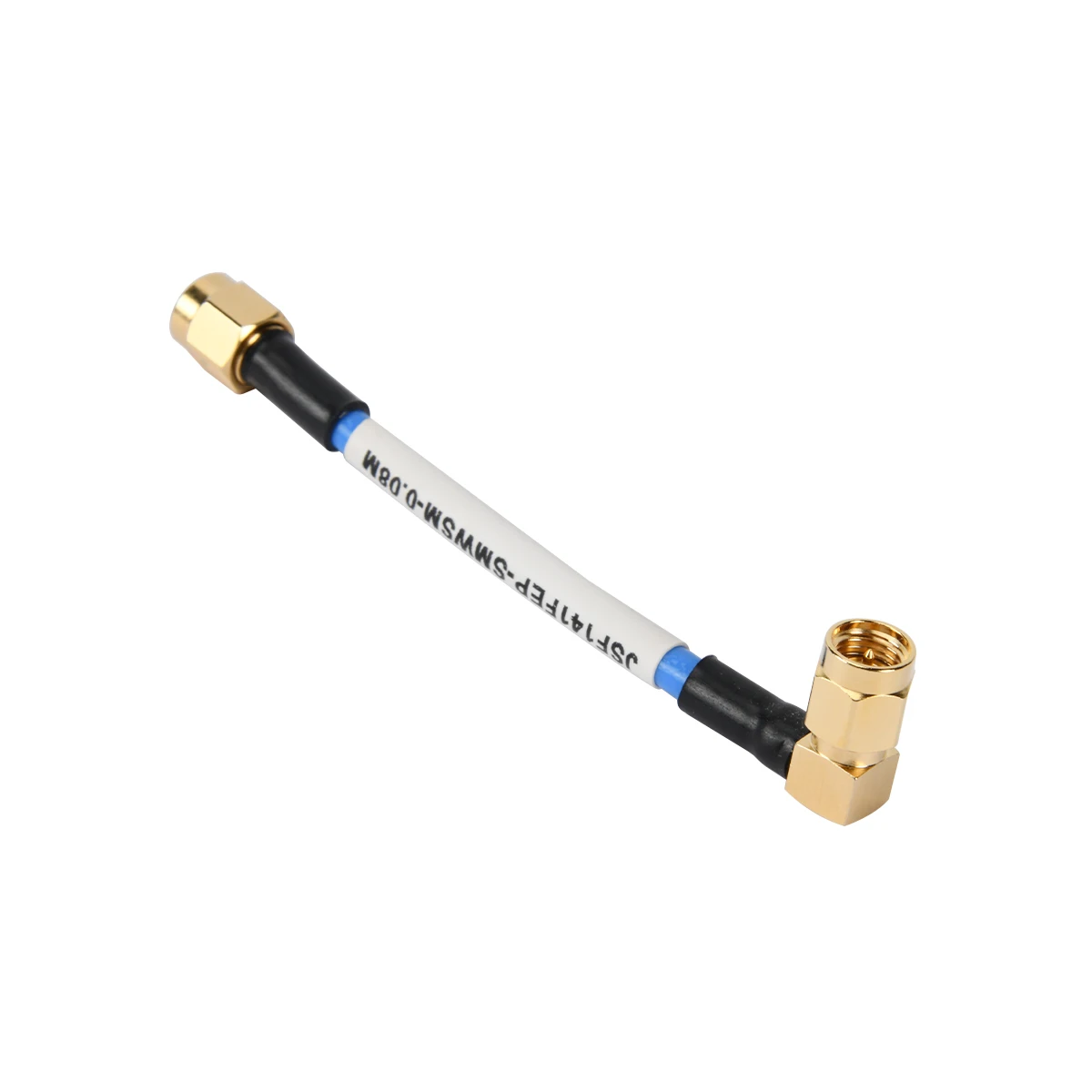
Within the robust ecosystem of RF connectivity, the UHF Female connector, standardly known as the SO-239, represents a cornerstone of stationary equipment interfacing. Recognized for its durable threaded socket design, this connector is engineered to provide a secure and reliable mating point for the ubiquitous UHF Male (PL-259) plug. As a primary chassis-mount or bulkhead component, the UHF Female connector excels in applications demanding mechanical stability, environmental resistance, and straightforward installation in the HF to VHF frequency spectrum. Its widespread adoption in amateur radio, broadcast, marine, and land mobile systems underscores its reputation as a workhorse interface for fixed installations where long-term reliability outweighs the need for ultra-high-frequency performance.
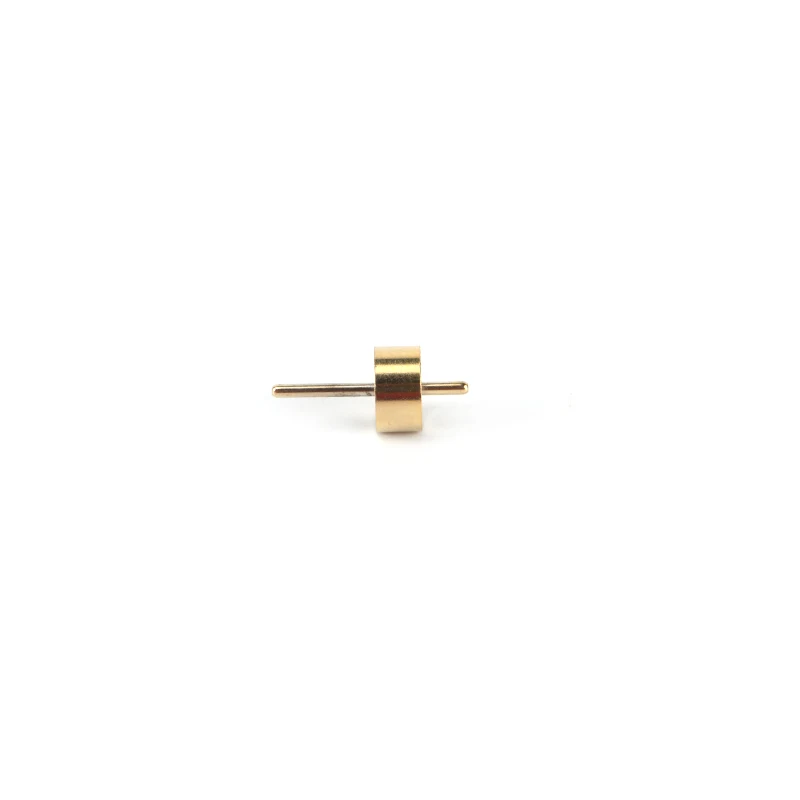
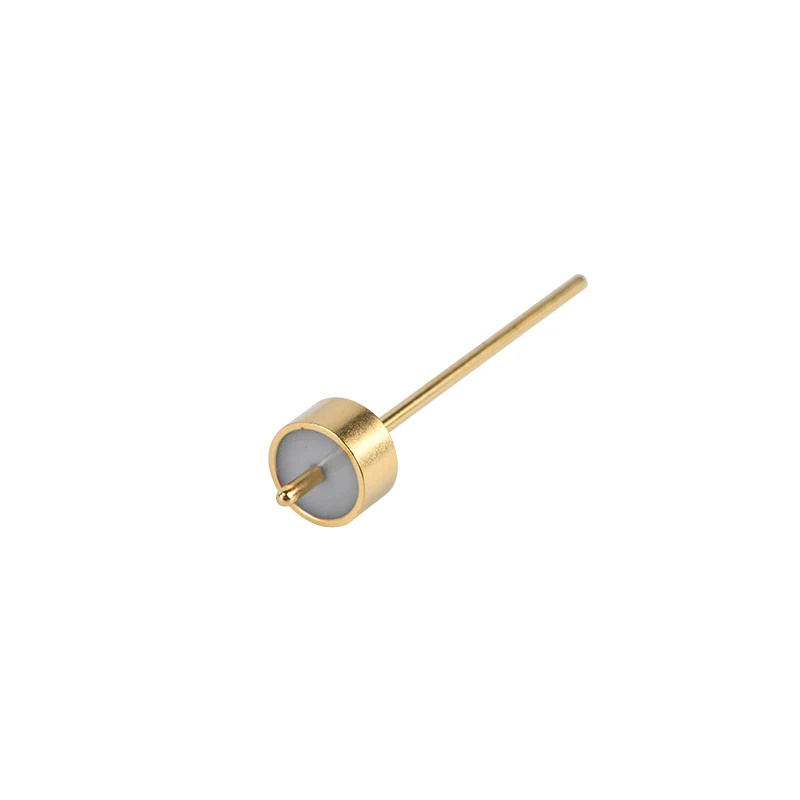
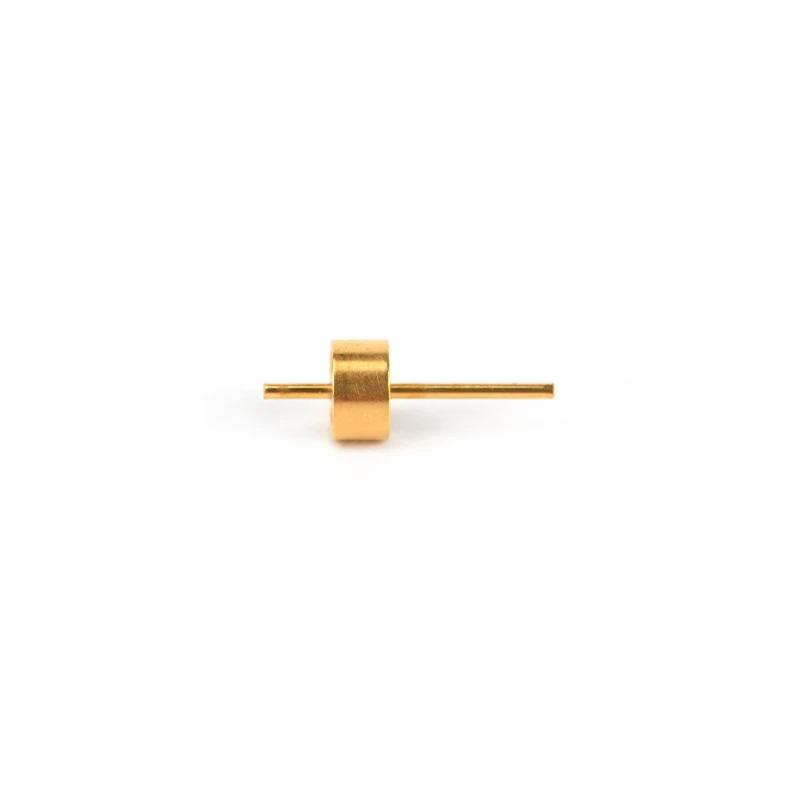
The UHF Female connector is characterized by its internal threaded coupling mechanism and recessed socket contact. Its design is fundamentally complementary to the male PL-259, featuring a threaded outer shell that accepts the male's coupling ring to form a secure, vibration-resistant joint. Typically constructed from solid brass or nickel-plated steel, the body is built for durability and is often designed for bulkhead mounting via a hex nut or flange. The critical internal contact is a female socket designed to receive and maintain electrical continuity with the male pin. This socket, along with the grounding surfaces, is commonly silver or gold-plated to ensure low resistance and corrosion resistance. The connector's simplicity and robust physical construction make it exceptionally reliable for permanent installations exposed to the elements or mechanical stress.
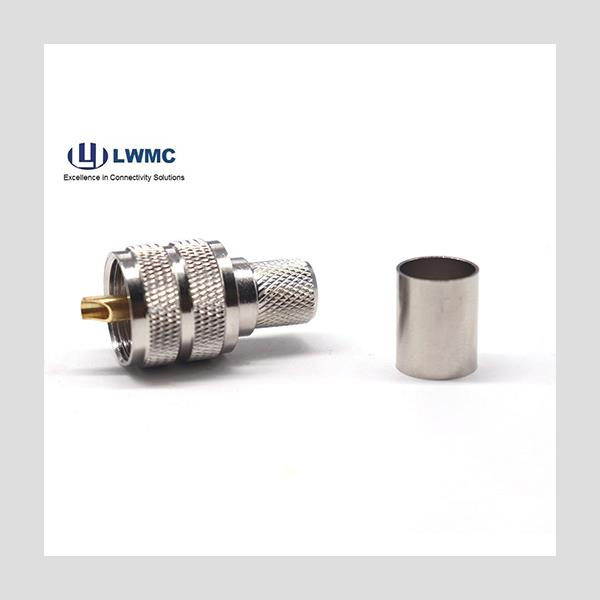
The UHF Female connector's primary role is as a fixed equipment port. Its most common applications are in scenarios where equipment requires a permanent, high-reliability feed point. This includes mounting on the chassis of amateur radio transceivers, FM broadcast transmitters, and base station radios for public safety and commercial land mobile systems. It is also the standard antenna connector on many marine VHF radios and is frequently found on antenna tuners, power amplifiers, and test equipment designed for HF/VHF operation. In these applications, the stationary female connector provides a protected, stable interface for the more frequently connected and disconnected male cable assemblies, ensuring the equipment's port remains undamaged over years of service.
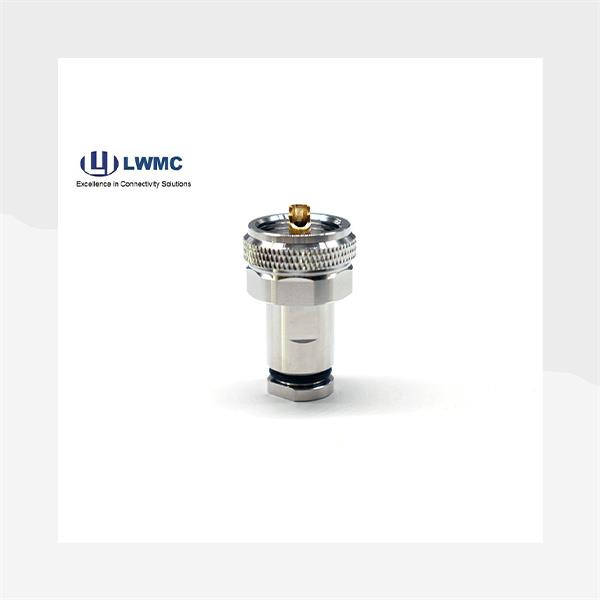
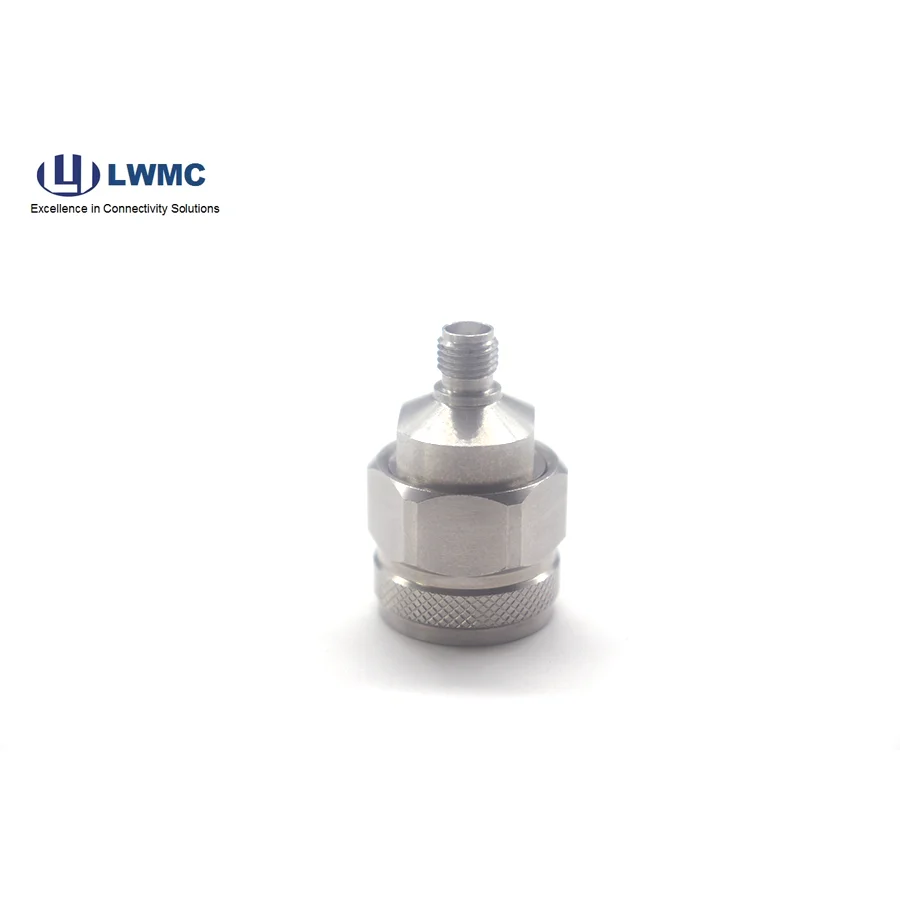
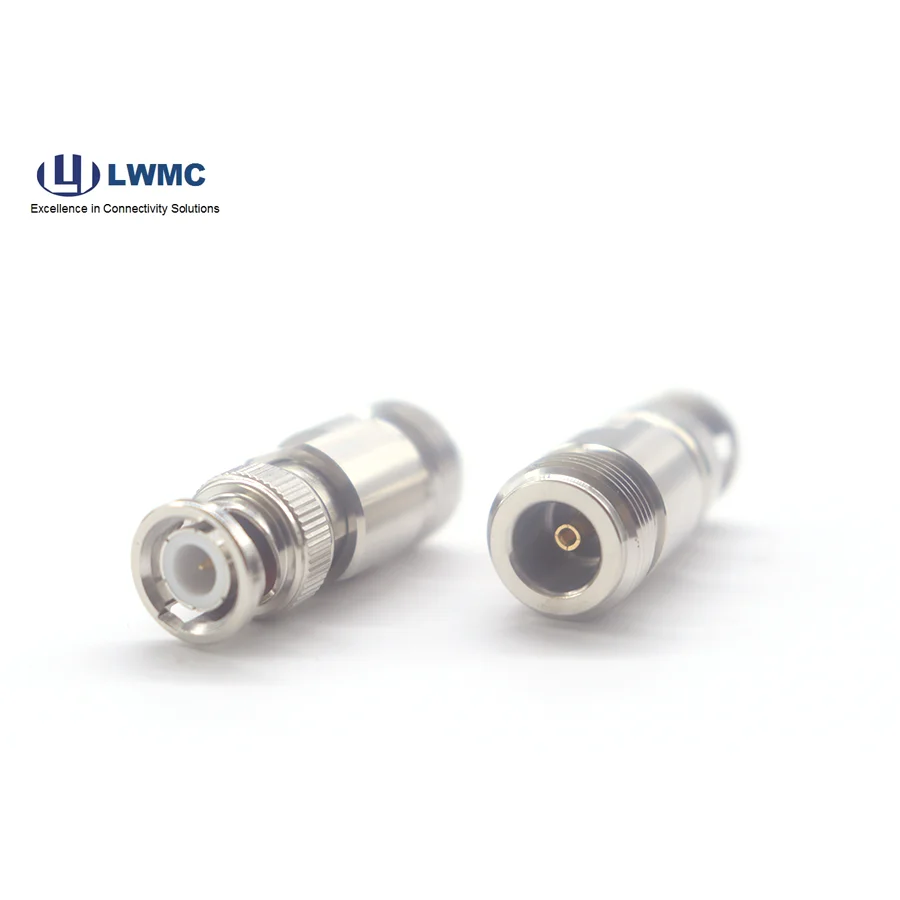
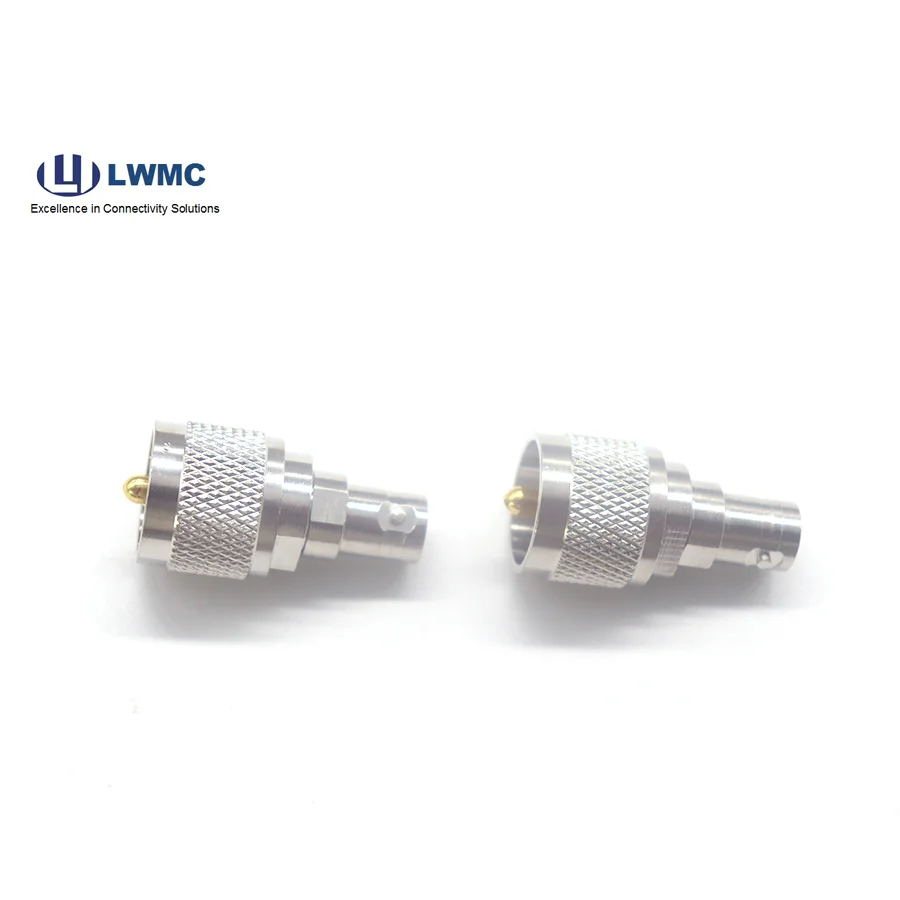
While the UHF Female is a fixed port, its utility is fully realized through interconnection with cable assemblies and adapters. It is designed to mate directly with a UHF Male-terminated Coaxial Cable Assembly, such as those using RG-8 or RG-213 cable. This creates the primary signal path from stationary equipment to an antenna or another device. Furthermore, system flexibility is greatly enhanced through RF Adapters. Common and essential adapters include the UHF Female to N Male or UHF Female to BNC Female. These adapters allow legacy equipment with UHF ports to interface seamlessly with modern systems using different connector standards, enabling technology upgrades and hybrid system integration without modifying the original hardware. This adaptability extends the functional lifespan of valuable equipment.
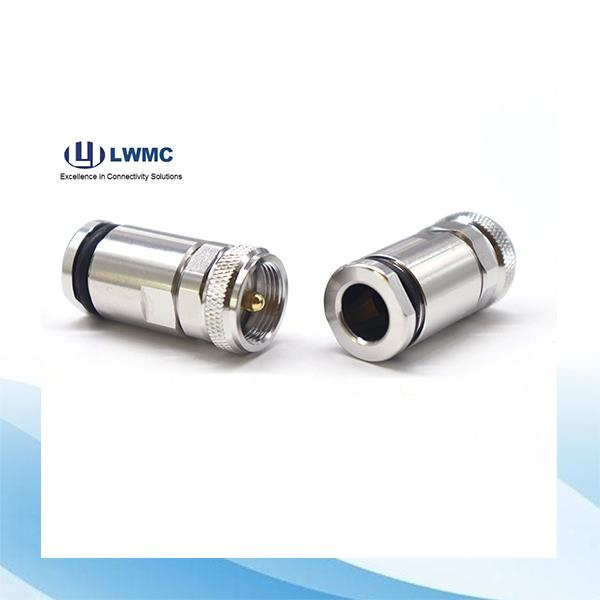
Installation of a UHF Female connector typically involves securing it to an equipment panel, ensuring a clean, weatherproof pass-through for outdoor applications. Proper electrical grounding of the connector body to the chassis is crucial. Maintenance is generally minimal due to its robust design but should include periodic inspection for corrosion on the mating threads and socket contact. For optimal performance and longevity, specifying high-quality components is essential. A poorly manufactured female connector can suffer from poor socket retention, leading to intermittent connections, or inferior plating that corrodes and increases loss. Sourcing connectors and complete interconnect solutions from a reputable manufacturer like Linkworld guarantees precision machining, superior materials, and reliable plating. Our commitment to quality ensures that every UHF Female connector delivers a stable, low-resistance interface that forms the dependable foundation of your critical RF connections for years to come.

 EN
EN