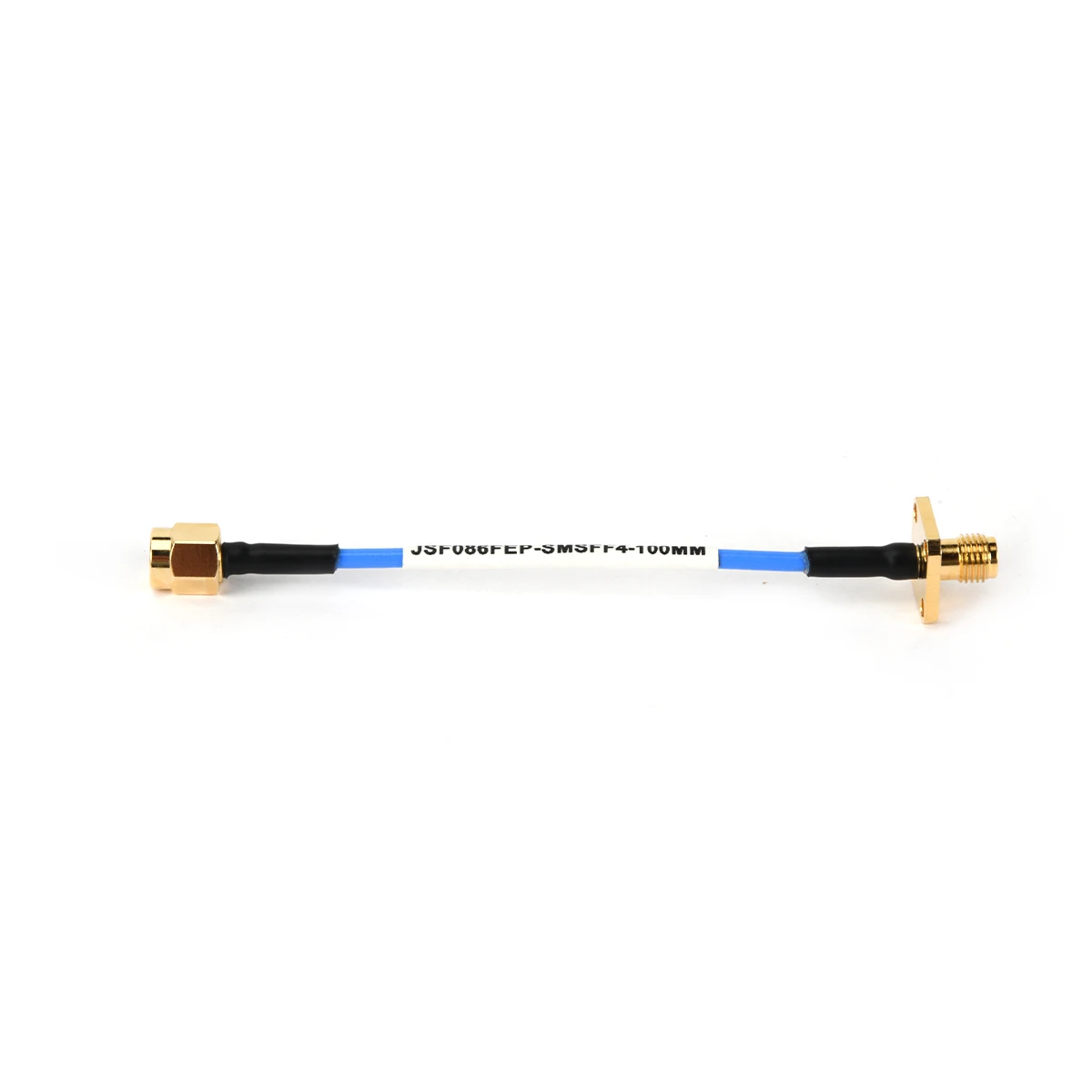
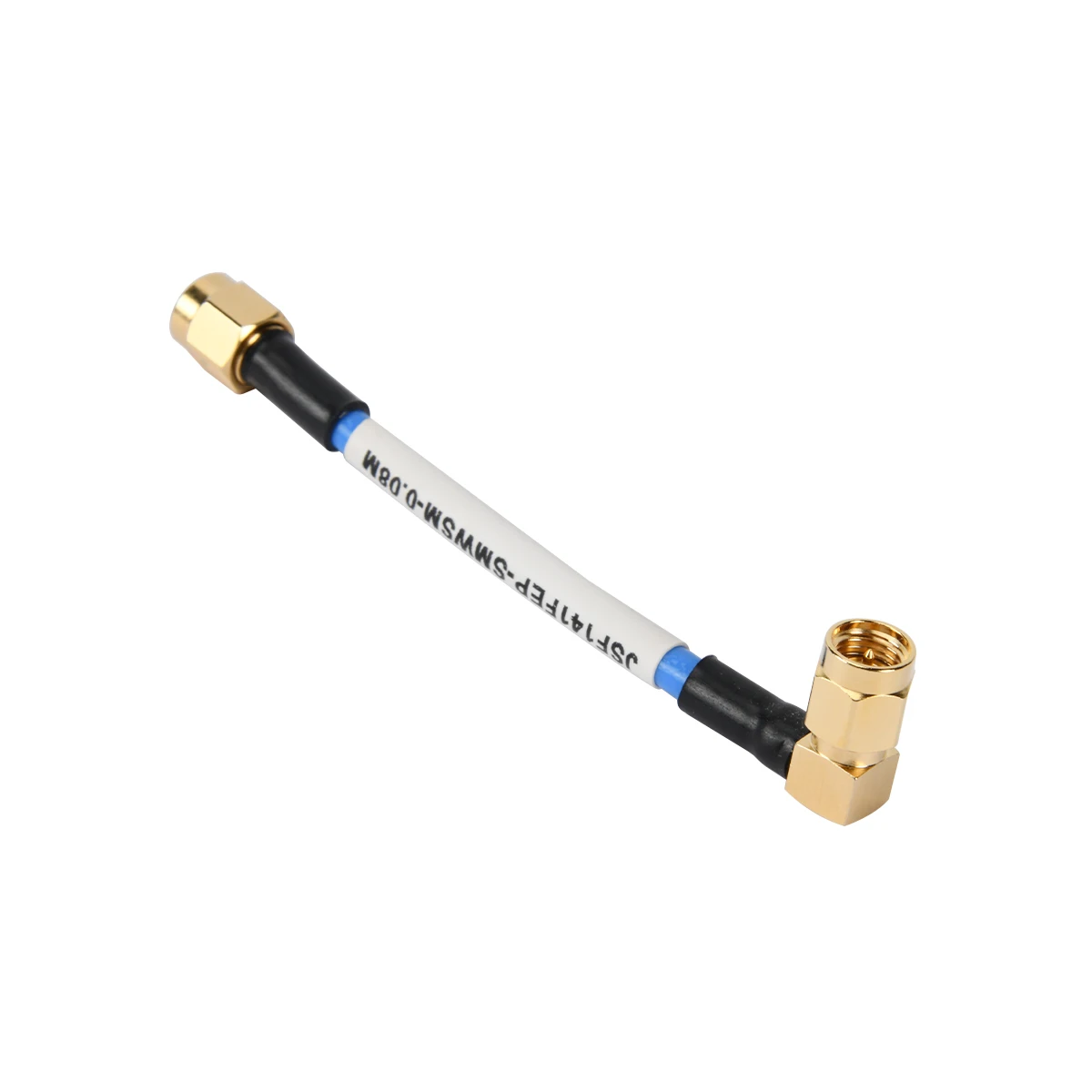
In the demanding world of high-power radio frequency (RF) transmission, particularly within modern cellular and broadcast infrastructure, the need for robust and efficient connectivity is paramount. Enter 7/8" Flexible Coaxial Cable Assemblies—a critical product category engineered to meet these rigorous demands. These assemblies, utilizing specialized 7/8" RF Connectors and occasionally RF Adapters, form the muscular backbone that carries significant RF energy with remarkable reliability and performance.
The "7/8"" designation refers to the outer diameter of the coaxial cable's dielectric and sheath, indicating a larger physical size compared to common cables like 1/2" or LDF. This larger size is directly tied to its primary function: efficiently transmitting high power levels with minimal loss over extended distances. The "Flex" variant denotes a corrugated copper outer conductor, providing exceptional flexibility for easier installation in complex, space-constrained site layouts like tower tops and equipment rooms. Key applications include:
Macro Cellular Base Stations: Connecting high-power remote radio units (RRUs) to antennas.
Broadcast Transmitters: Linking broadcast equipment to transmission antennas for TV and FM radio.
In-Building DAS Feeder Networks: Distributing signal from main head-end units throughout large buildings.
Any high-power, low-loss RF link where flexibility and durability are required.
Deploying a 7/8" Flex Coaxial Cable Assembly offers distinct technical and operational benefits:
Superior Power Handling: The large conductor diameter allows it to handle very high RF power levels (often exceeding 2 kW average) without risk of breakdown or excessive heat generation.
Low Attenuation (Signal Loss): It exhibits significantly lower signal loss per unit length than smaller cables, enabling longer runs between active equipment and antennas while maintaining signal strength. This translates to better coverage and system efficiency.
Excellent Flexibility & Durability: The corrugated copper design offers excellent bending radius and crush resistance, surviving harsh weather, repeated movement, and the physical stresses of installation far better than rigid coaxial lines.
Low Passive Intermodulation (PIM): When paired with high-quality, properly installed connectors, these assemblies can achieve very low PIM ratings (e.g., ≤ -155 dBc), which is crucial for maintaining signal purity and capacity in modern multi-carrier, multi-operator wireless networks.
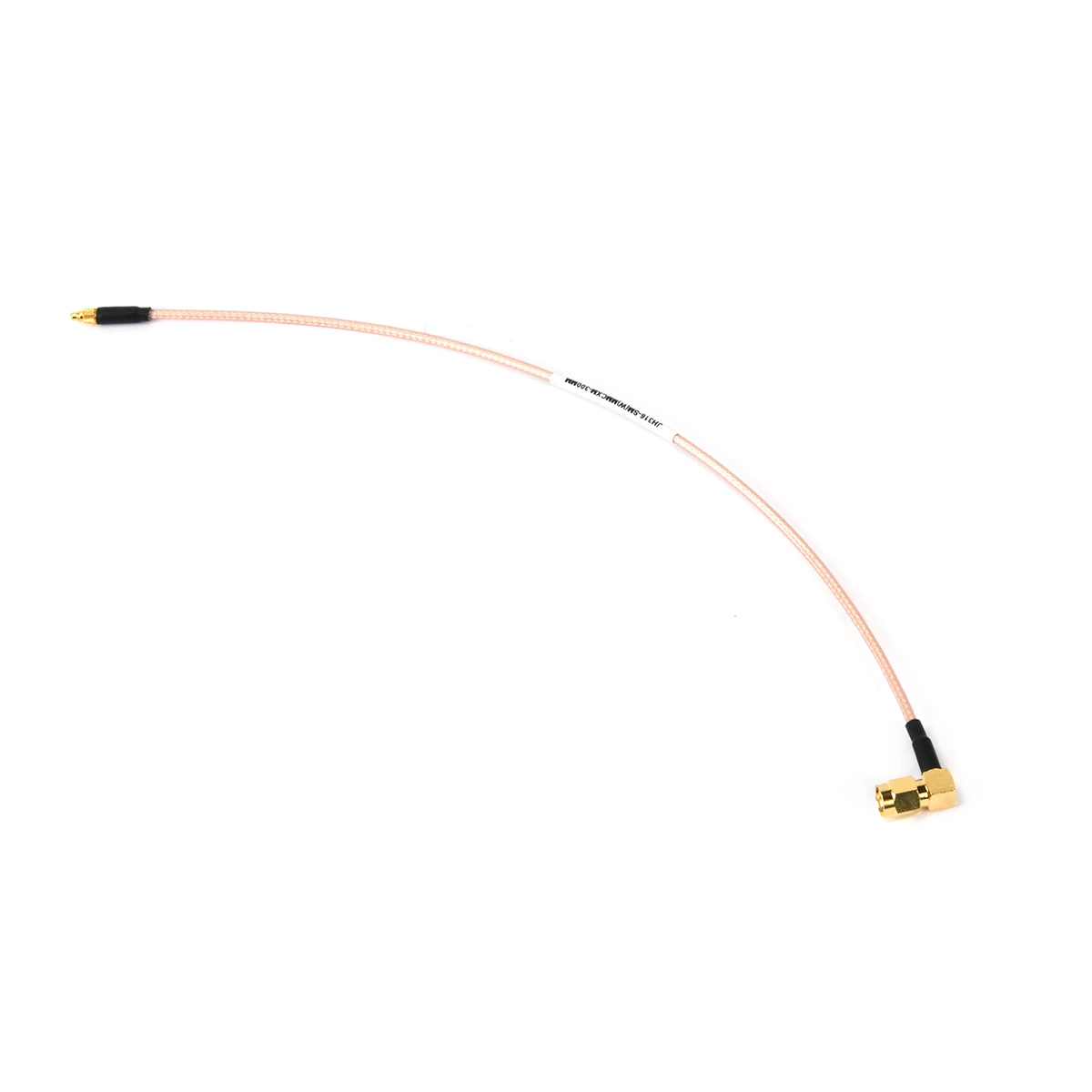
A complete 7/8" Flexible Coaxial Cable Assembly is a system comprising several precision components:
The 7/8" Cable: The core conductor, typically air-dielectric or foam dielectric with a corrugated copper outer sheath.
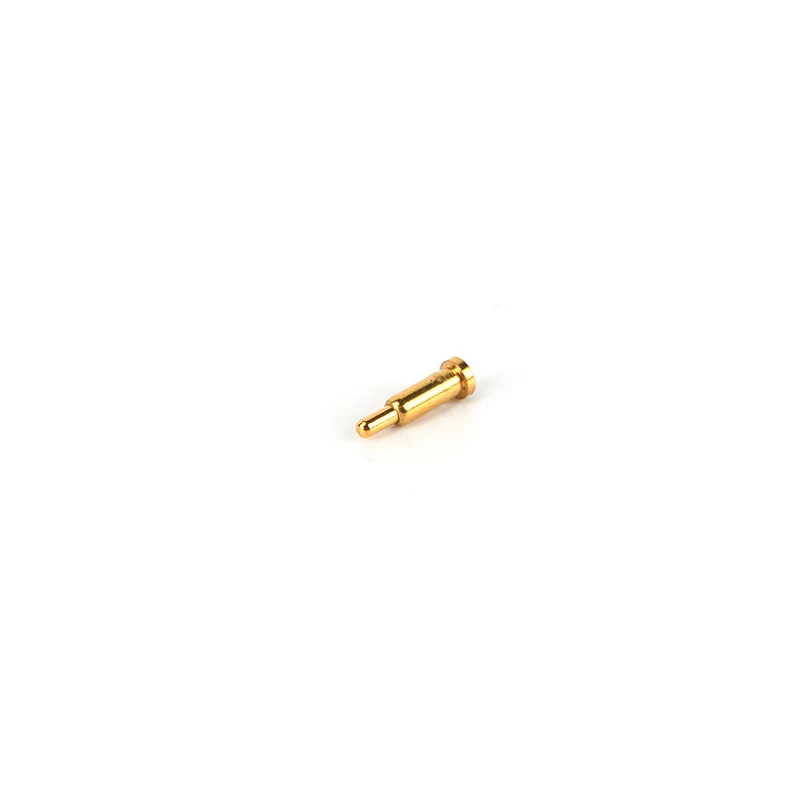
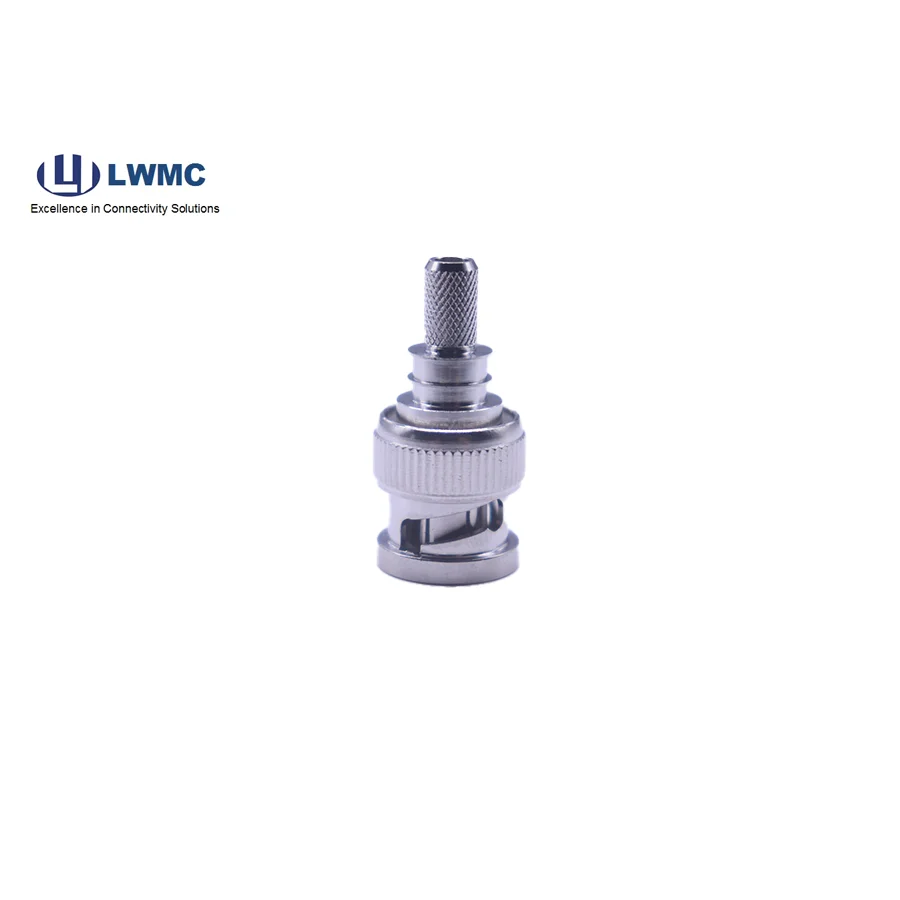
7/8" RF Connectors: Specialized connectors designed for this cable type, such as the 7/16 DIN interface. This connector is the industry standard for high-power, low-PIM applications due to its robust, non-slip threaded coupling and superior electrical contact. Assemblies are typically terminated with a Male (plug) on one end and a Female (jack) on the other.
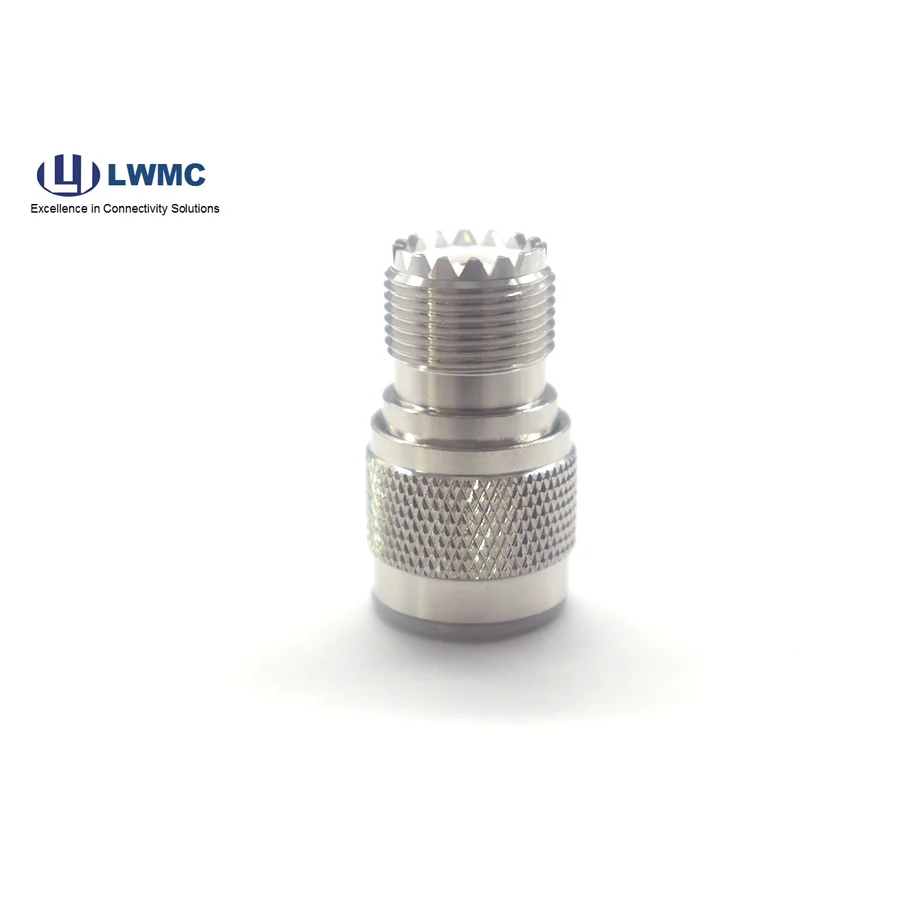
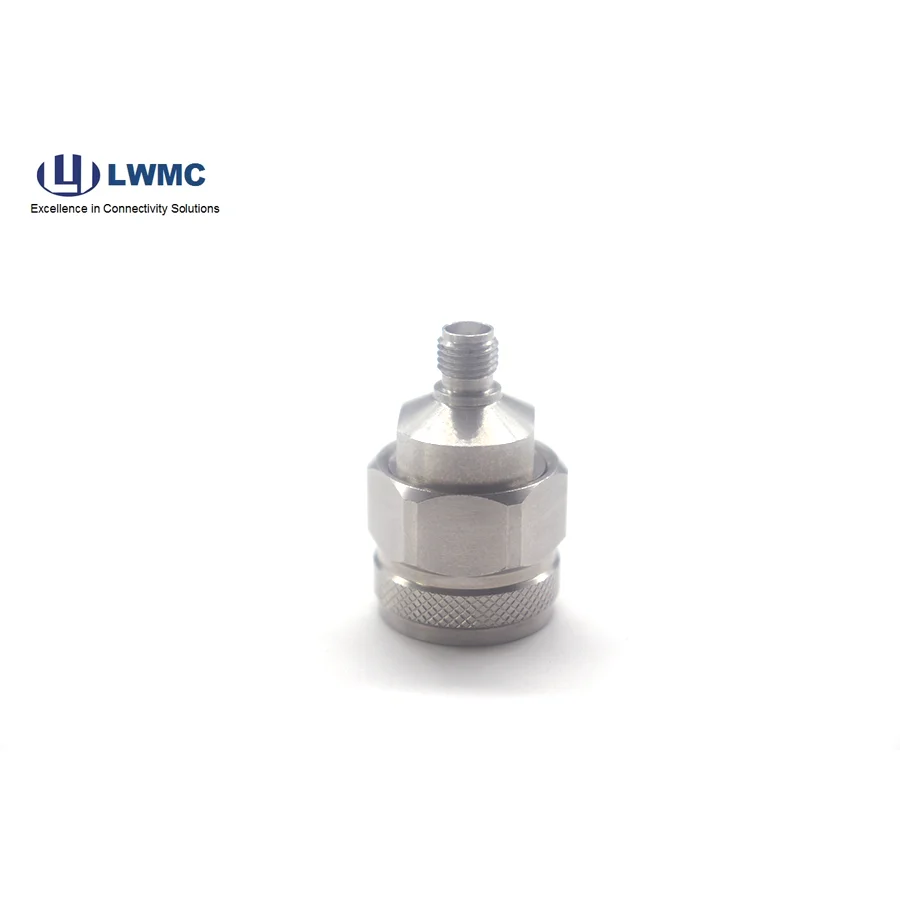
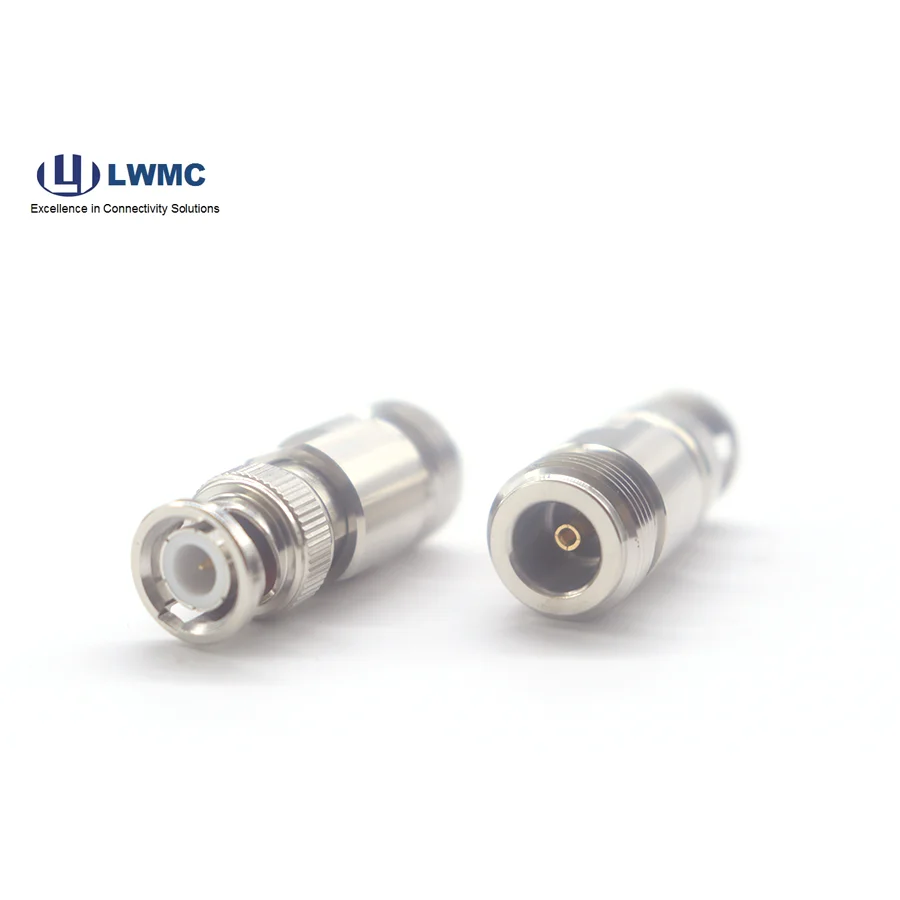
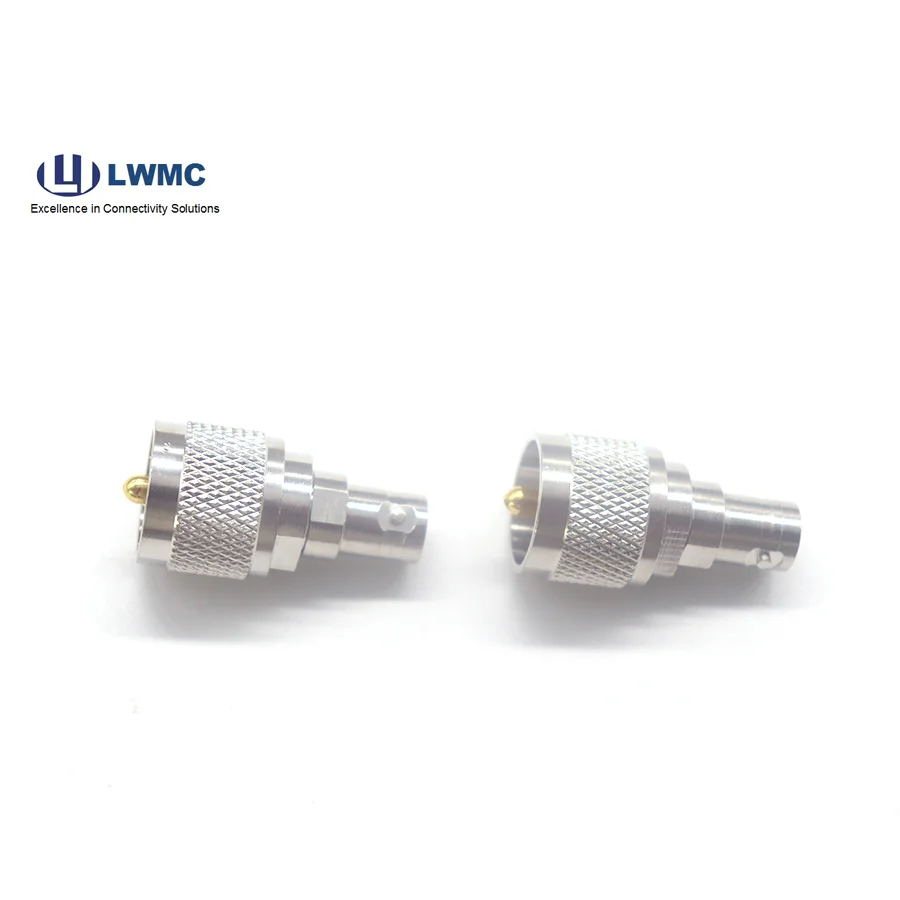
RF Adapters: Adapters play a vital role in interfacing the 7/8" system with other equipment. Common examples include 7/16 Female to N Male Adapters or 7/16 Female to 4.3-10 Female Adapters, allowing connection to radios, jumpers, or antennas with different port types.
The performance of a 7/8" system hinges on correct installation:
Avoid Sharp Bends: Respect the manufacturer's specified minimum bend radius (typically 10-12 times the cable diameter) to prevent kinking and impedance deformation.
Proper Connector Installation: Termination requires specific, calibrated tooling and trained technicians to ensure a perfect seal, correct pin depth, and low PIM performance. Field-installed connectors are possible but factory-prepared assemblies offer the highest guaranteed performance.
Use Correct Torque: Always torque 7/16 DIN connectors and related adapters to the specified value (usually 25-30 Nm) using a torque wrench. This ensures a weatherproof, gas-tight seal and optimal electrical contact.
Weatherproofing: For outdoor deployments, ensure all connection points are properly sealed with rubber boots, mastic tape, or heat-shrink kits to prevent water ingress, which is the leading cause of long-term failure.

 EN
EN