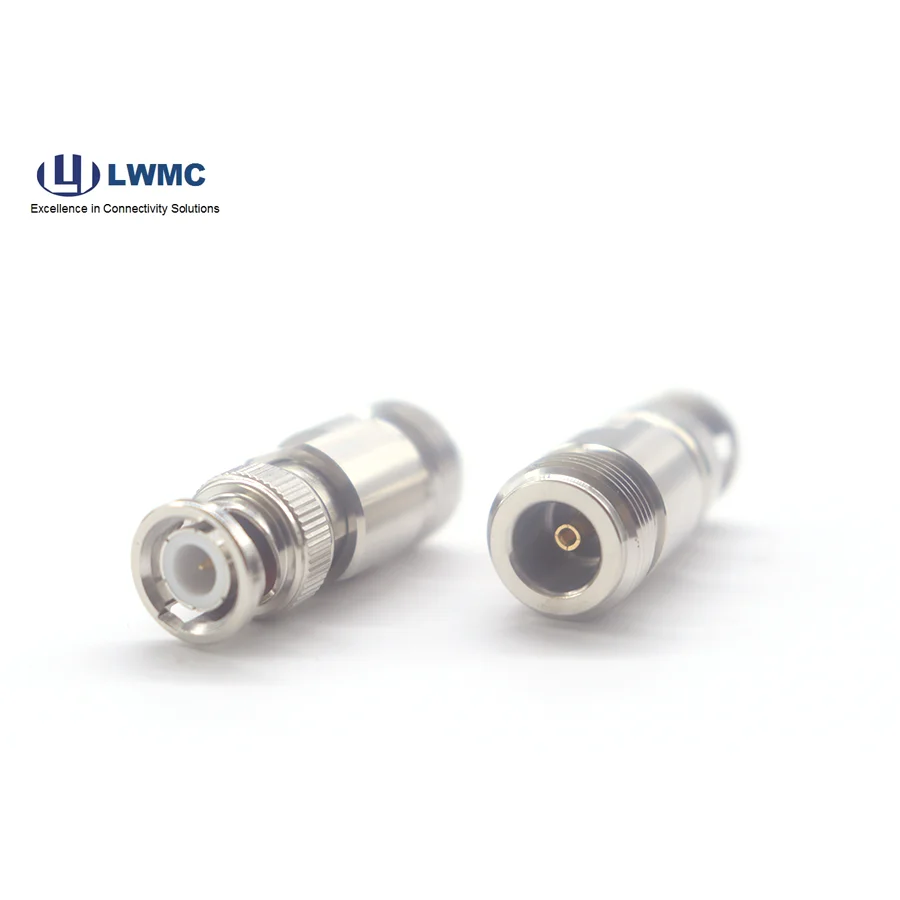
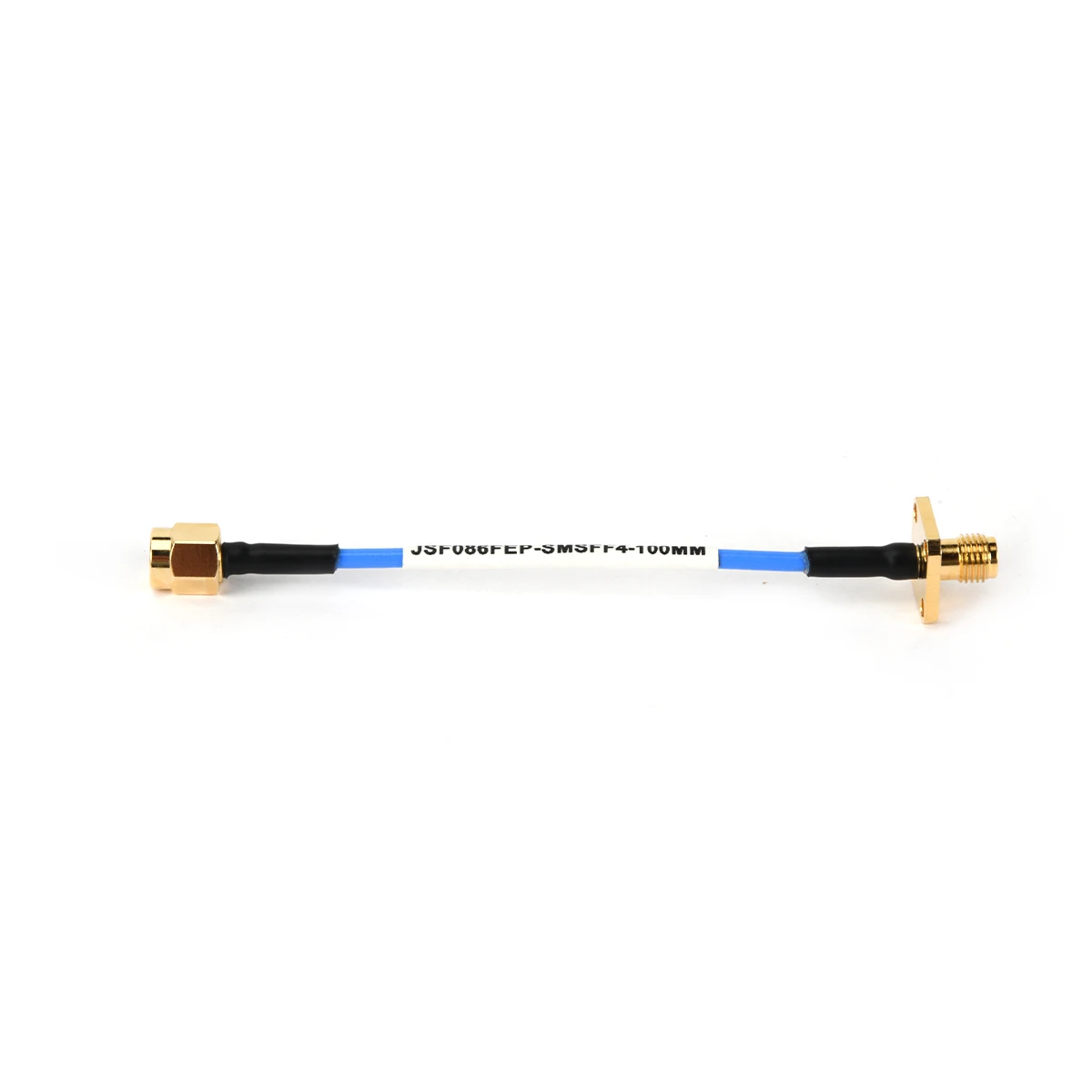
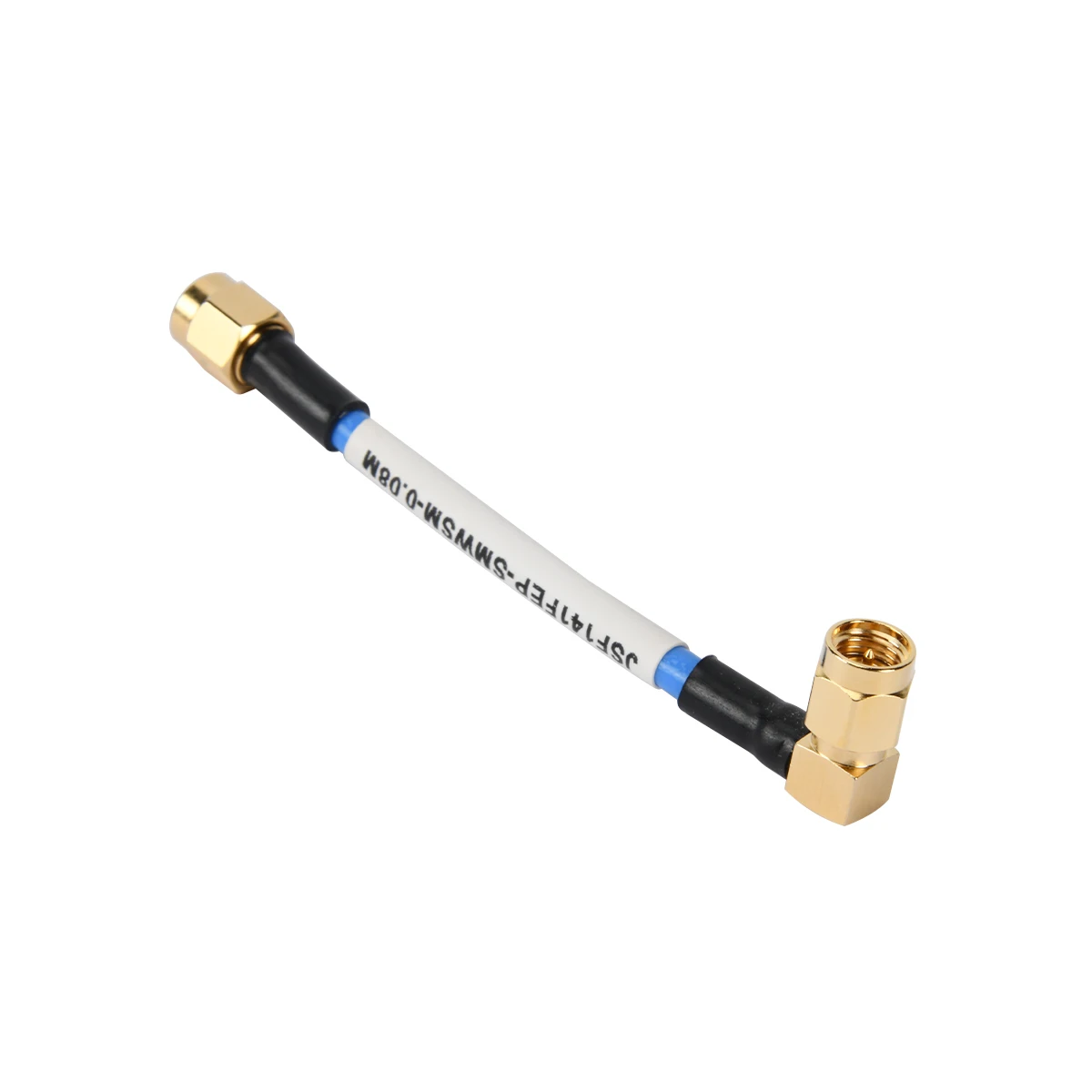
In the demanding world of RF communication, the quality of the physical link directly determines system performance. For applications requiring a balance of low signal loss, durability, and ease of installation over medium distances, the combination of LMR®-400 coaxial cable and N-type connectors has become a gold standard. This pairing forms the backbone of countless professional wireless systems, from cellular networks and public safety radio to broadcast and amateur radio installations. The LMR400 N connector assembly represents a critical, ready-to-deploy component that ensures reliable power transfer and signal integrity in both indoor and outdoor environments.
The synergy between LMR-400 cable and N connectors offers distinct advantages for robust RF infrastructure. LMR-400 is a flexible, low-loss communications-grade coaxial cable with an attenuation of only 6.7 dB per 100 feet at 1 GHz, making it far more efficient than traditional RG-8 cables. Its foam polyethylene dielectric and dual-layer shielding (aluminum foil plus a tinned copper braid) provide excellent protection against signal leakage and electromagnetic interference. When terminated with a rugged N connector, this performance is secured at the interface. The N connector's threaded coupling offers superior weather resistance and vibration-proof stability compared to bayonet-style connectors, ensuring a stable connection that won't loosen over time. This combination delivers an optimal blend of electrical efficiency, mechanical durability, and environmental protection for feeder lines, antenna runs, and system interconnects.
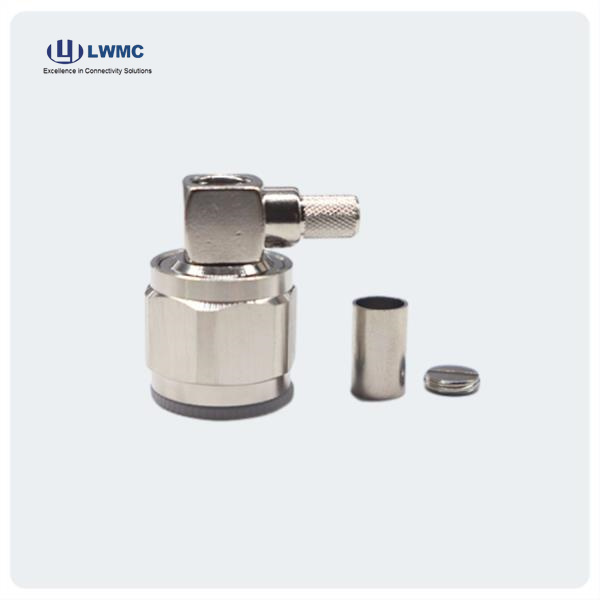
A proper installation is paramount to realizing the full performance of an LMR400 N connector assembly. While pre-terminated assemblies from manufacturers like Linkworld offer guaranteed quality, field installation requires precision. The process involves:
Precise Stripping: Using a dedicated coaxial cable stripper to remove the outer jacket, foil shield, and dielectric to exact lengths without nicking the center conductor.
Preparation: Folding back the braid over the jacket, and preparing the center conductor.
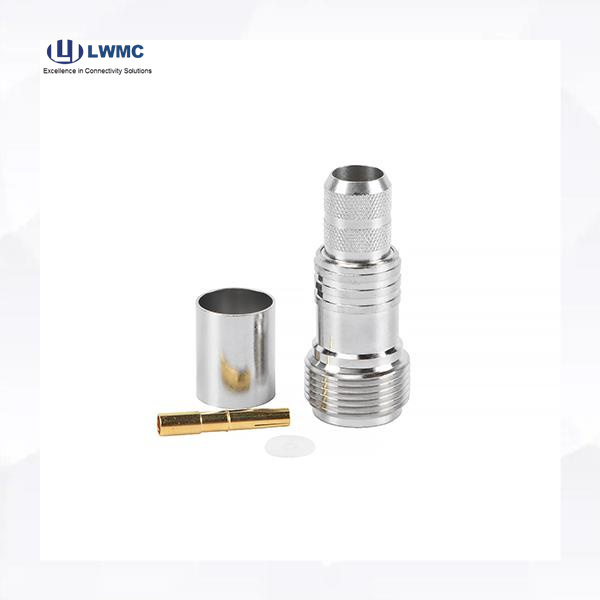
Connector Assembly: Sliding on the connector body and coupling ring, then inserting the prepared cable end. The center pin is typically crimped or soldered to the center conductor, while a ferrule is crimped over the braid and jacket to create a secure, weather-blocked mechanical and electrical bond.
Final Inspection: Ensuring the center conductor is flush with the connector pin and no braid strands are causing a short.
Using the manufacturer-recommended crimp tools and following specified dimensions are non-negotiable for achieving a low VSWR and a reliable, waterproof seal.
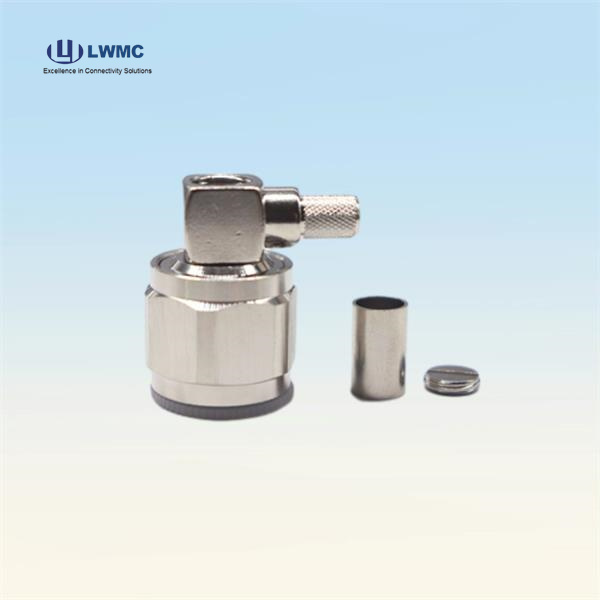
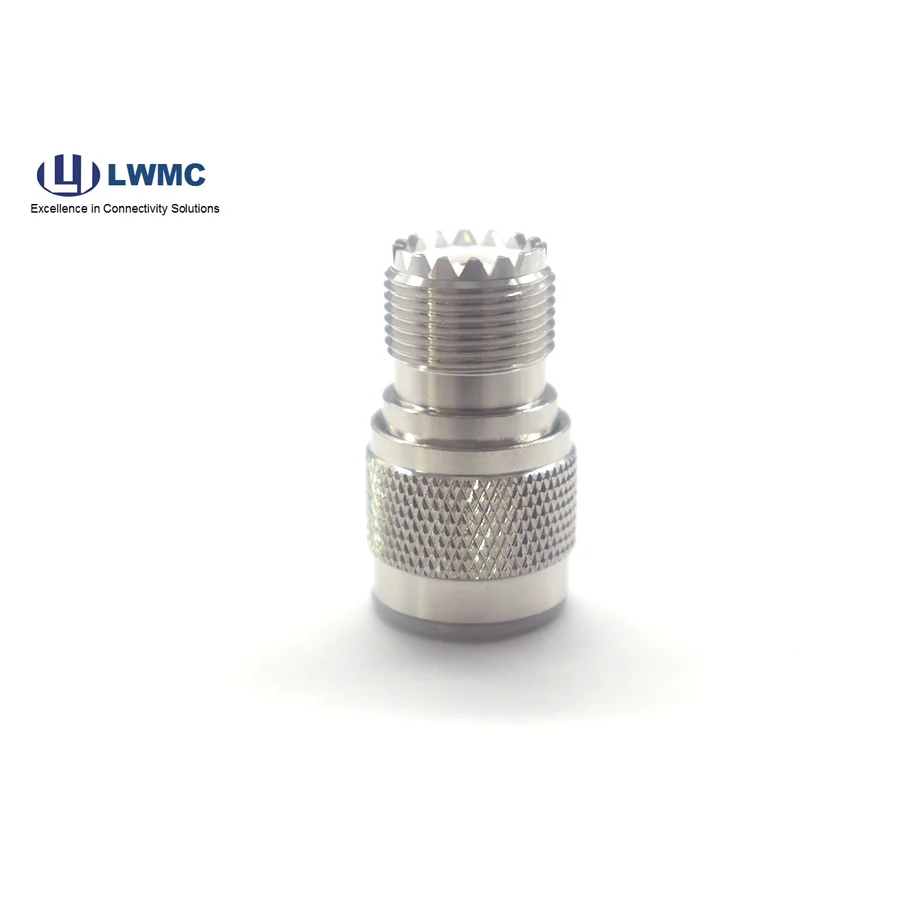
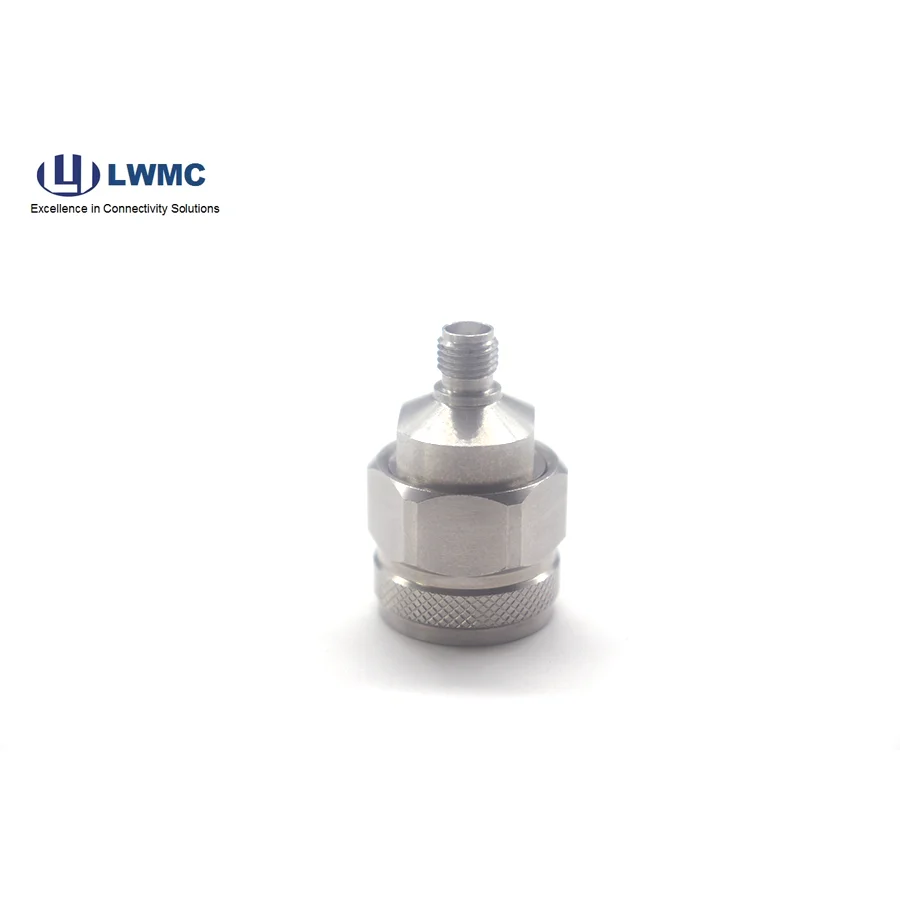
While the N connector is ideal for LMR-400, understanding alternatives is key for system design. The most common comparison is with UHF (PL-259/SO-239) connectors. UHF connectors are bulkier, have higher signal loss at UHF frequencies and above, and use a less robust thread. For LMR-400, N connectors provide superior electrical performance, especially above 200 MHz. Compared to SMA connectors, the N connector is larger but far more robust for outdoor, high-power applications and repeated mating cycles; SMA is suited for smaller, less flexible cables indoors. The choice often boils down to frequency, power, environmental needs, and equipment compatibility. For most outdoor, professional-grade installations with LMR-400, the N connector's performance and durability make it the preferred choice.
Even with quality components, issues can arise. Common problems and their solutions include:
High VSWR/Poor Signal: This is often caused by an improper installation—a poorly crimped center pin, damaged dielectric, or stray braid strands causing a short. Re-terminating the connector with correct technique and tools is the solution. Also, inspect for cable kinks or damage.
Water Ingress/Moisture in Cable: This indicates a failed weather seal. Ensure the connector's rubber gasket (o-ring) is present and the coupling nut is fully tightened. Use waterproofing tape (e.g., Coax-Seal) over the connector interface for permanent outdoor installations.
Intermittent Connection: Usually caused by a loose connector coupling or a compromised center contact. Tighten the connection and inspect the male pin and female socket for damage or corrosion.
Connector Won't Mate: Check for cross-threading or dirt/debris in the threads. Ensure you are using compatible N-type genders (Male to Female) and not forcing a mismatched connector type.

 EN
EN