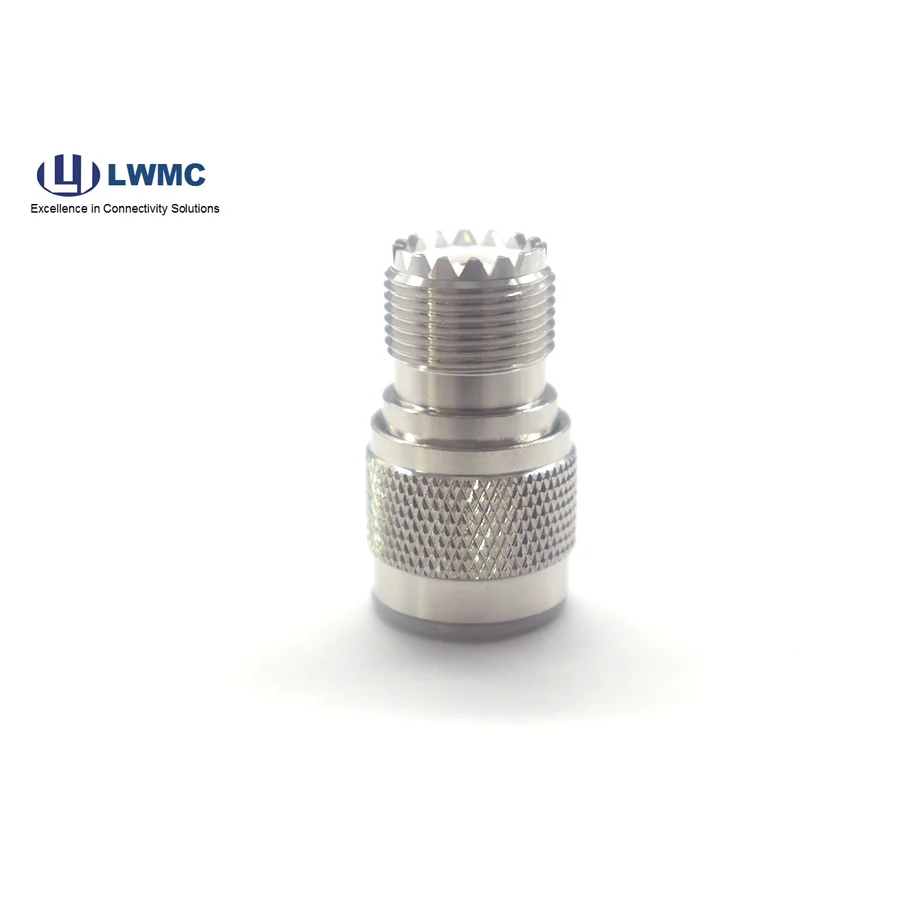
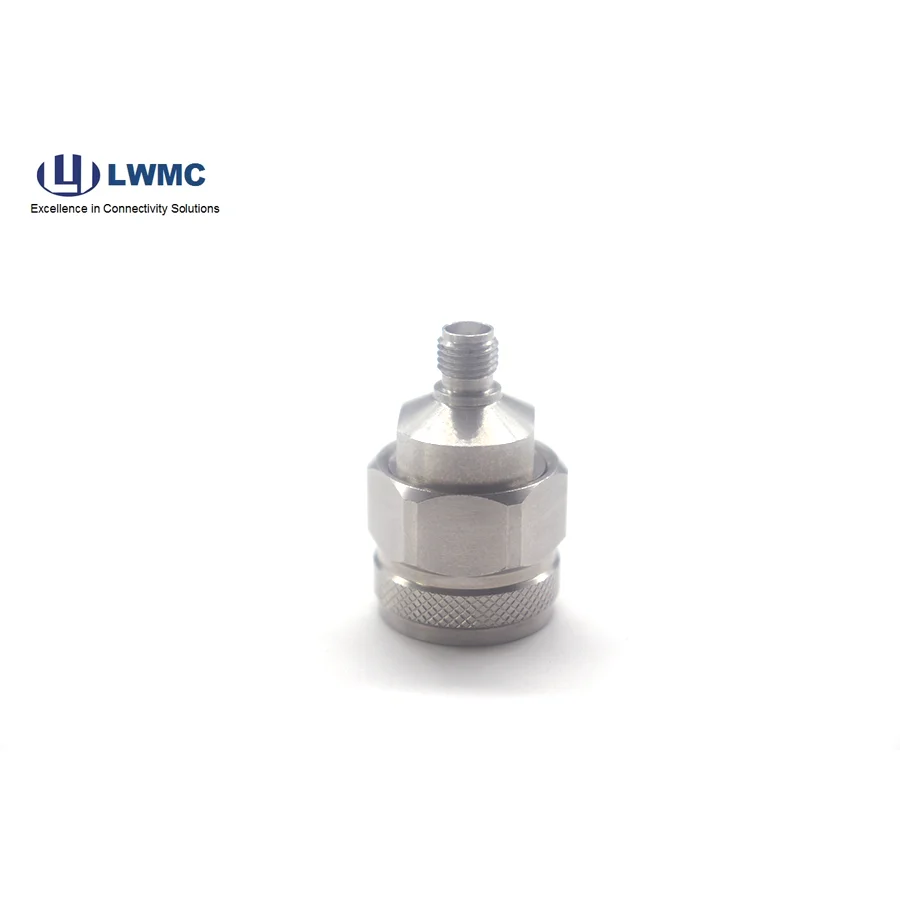
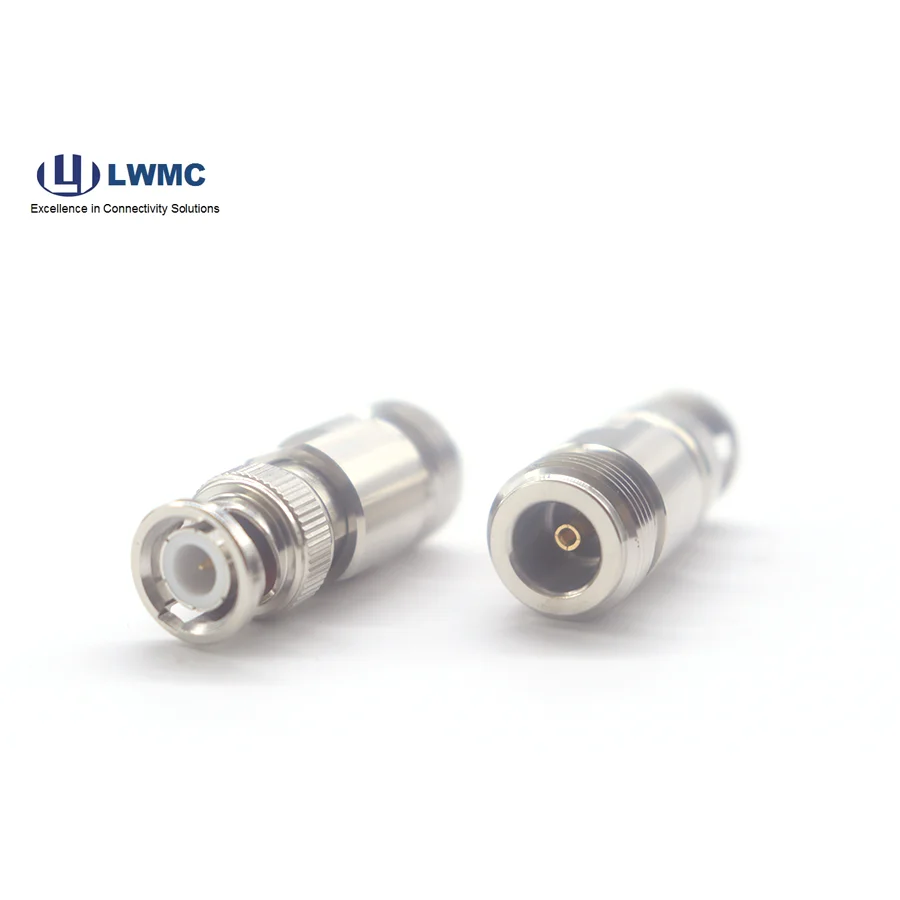
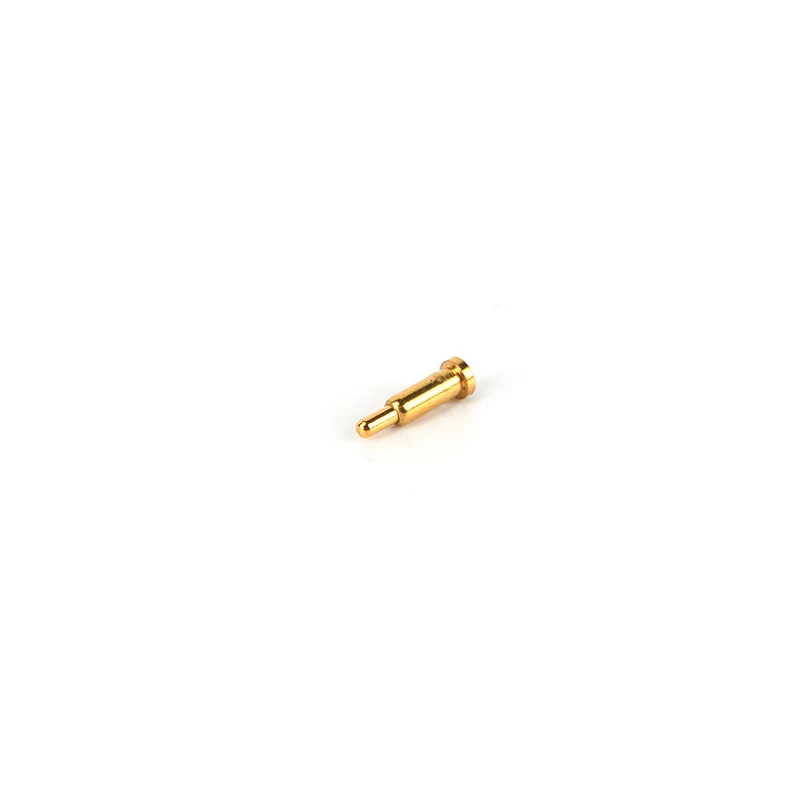
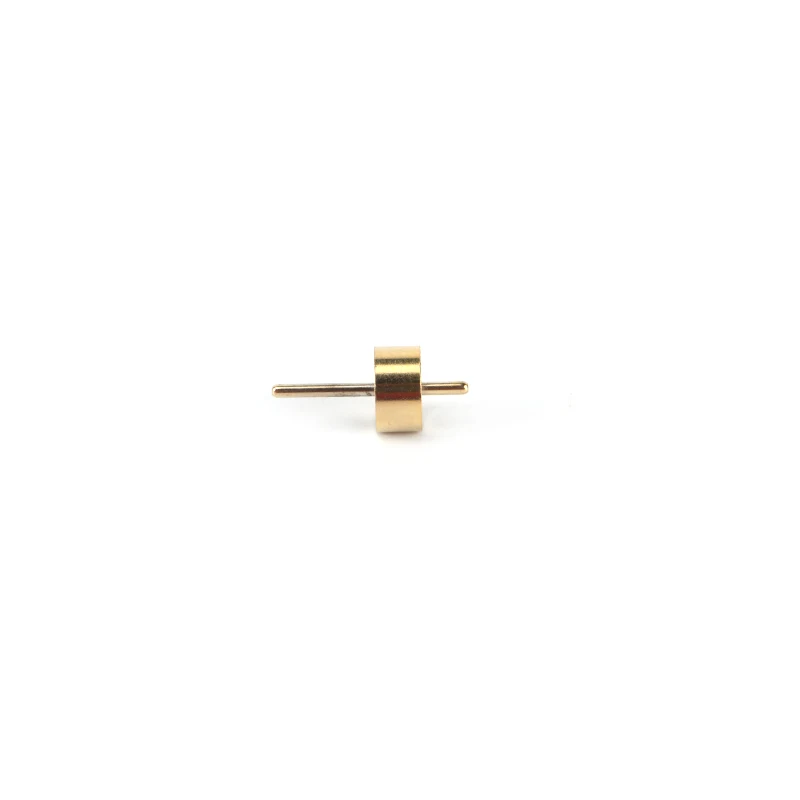
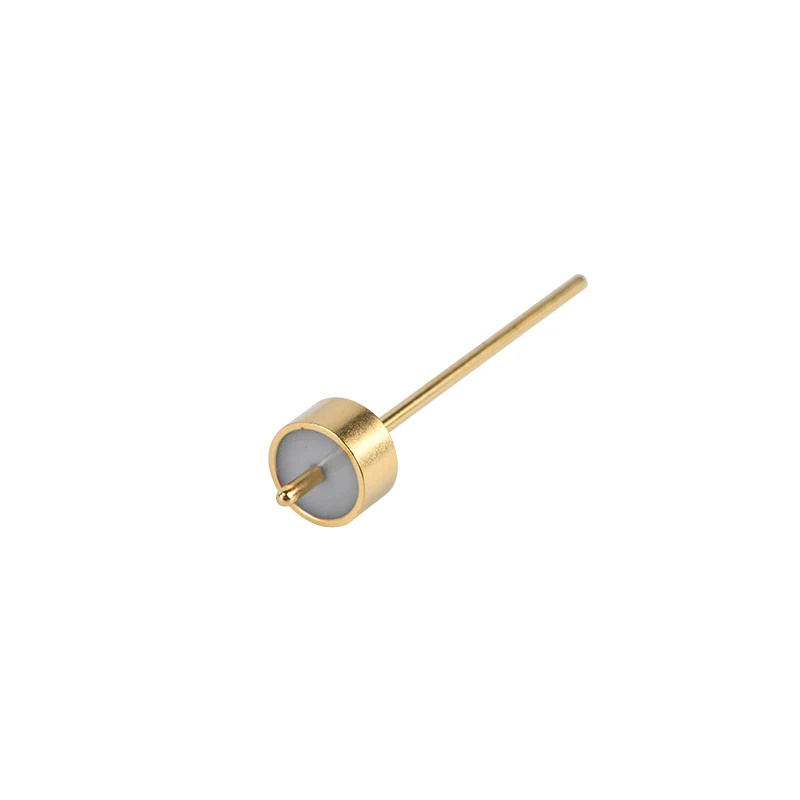
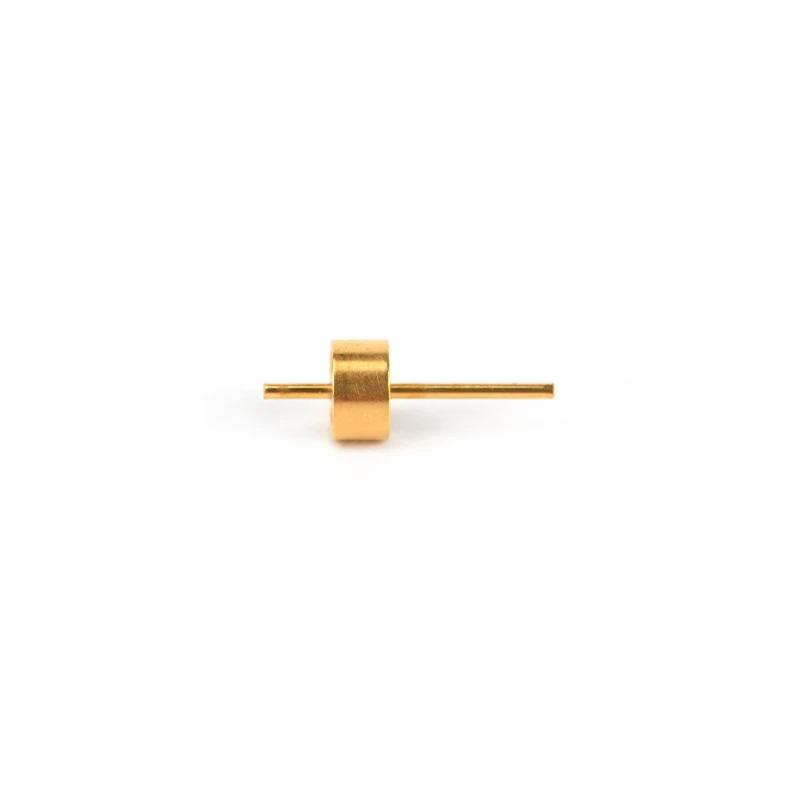
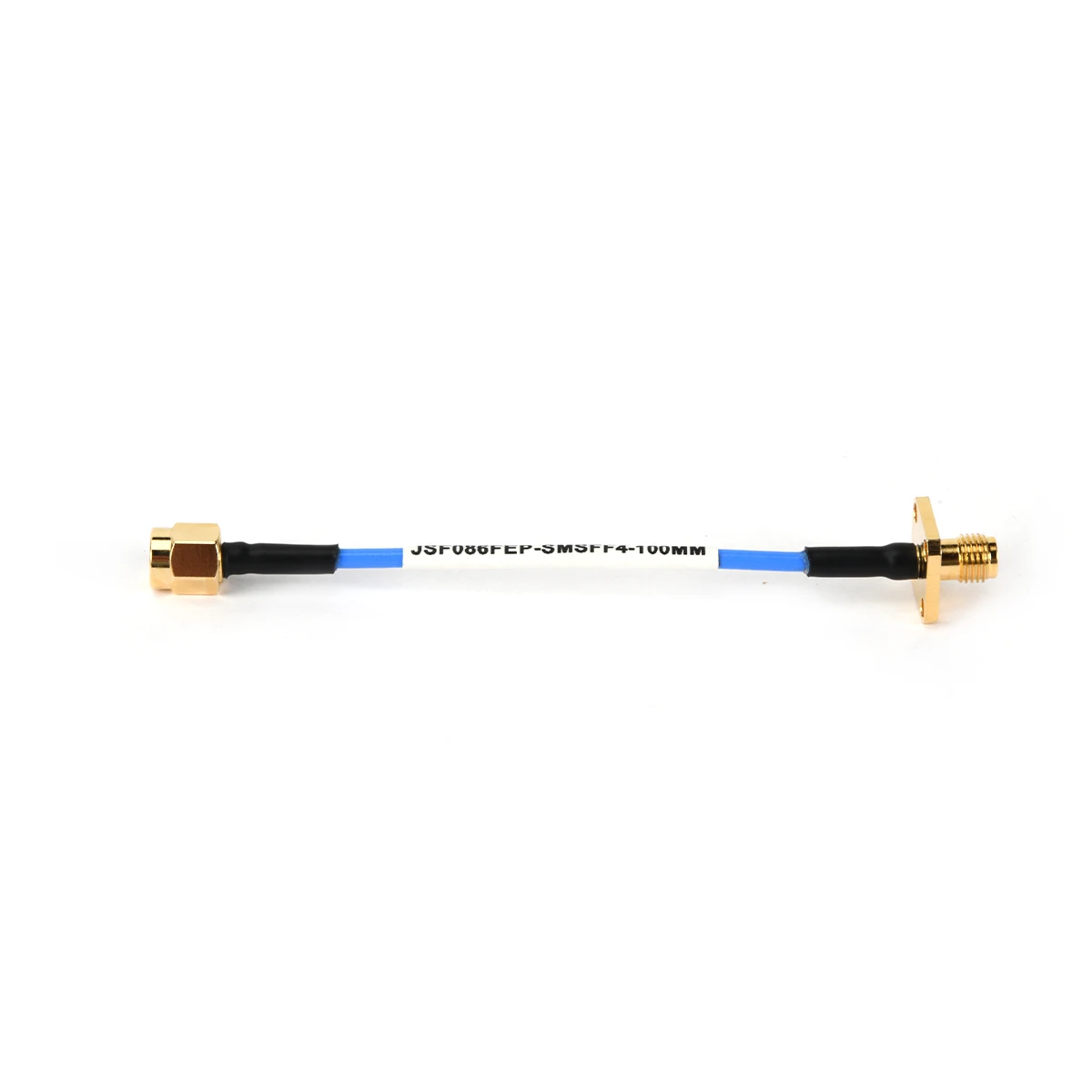
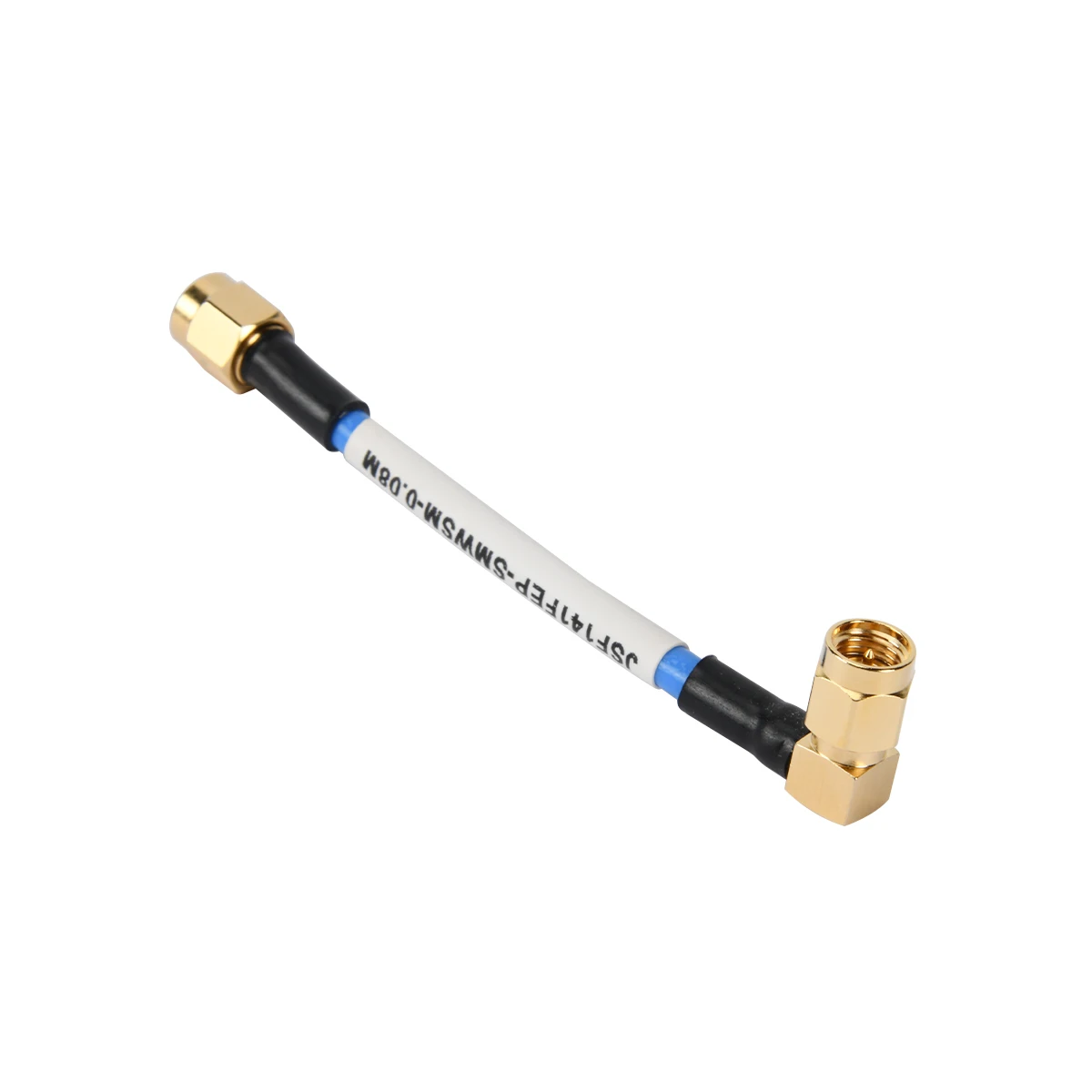
A feedthrough is a type of specialized part that enables signals, power or data to pass through barriers such as walls or boxes, without breaching that barrier. This protects devices from dust, water or pressure.
In factories, machinery frequently deals with rough conditions. That is why strong feedthroughs are so important. Poor feedthroughs Products lead to vital connections being broken and machines thrown out of operation. This can become very expensive during downtime.
Robust feedthroughs ensure that different portions of machines could communicate without a hitch. It is what enables machines to work well and safely. Wheter powering motors or signaling sensors, feedthroughs are crucial to keeping everything running smoothly.
So, for instance, in a robot, feedthroughs allow the robot’s body to communicate with sensors in its arms or motors in its legs. It’s what gives the robot information about its environment, lets it make decisions, then perform tasks accurately.
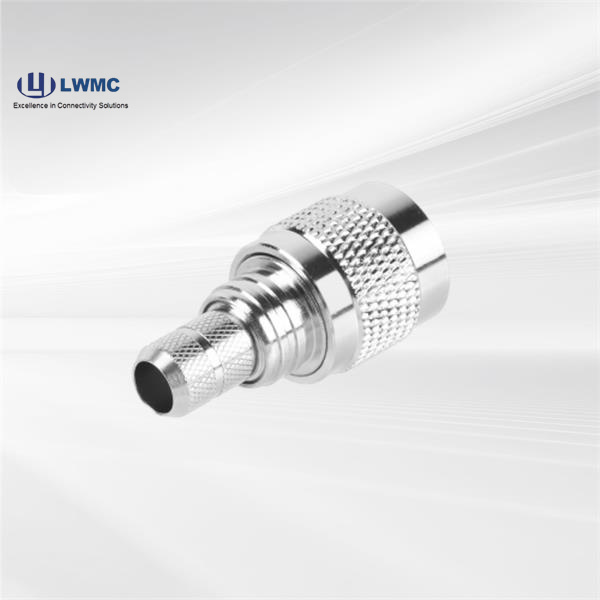
Feedthroughs come in many flavors, and each is designed for a certain task. Among the most common types are electrical feedthroughs, which transfer power and signals, and fluid feedthroughs, which permit the passage of RF Series liquids or gases through barriers.
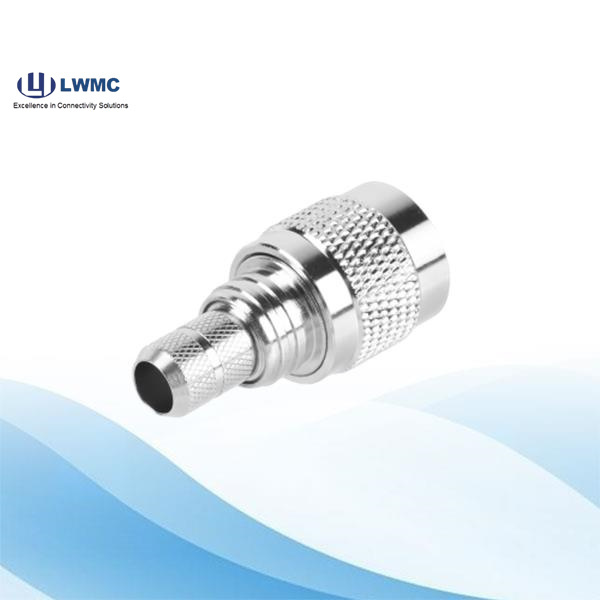
Electrical feedthroughs are in devices from smartphones to laptops to medical machines moving power and data. Types of fluid feedthroughs are used in industries ranging from pharmaceuticals, food processing, and oil and gas where liquids or gases must be transported safely.
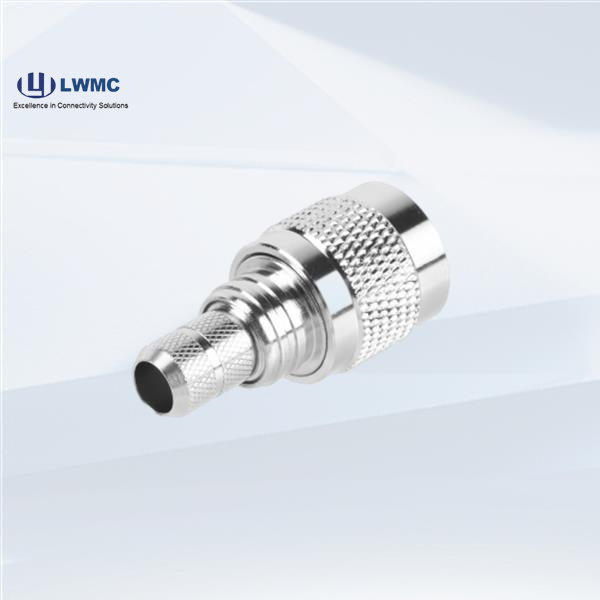
For instance, some feedthroughs Glass Seal now include special seals designed to prevent dust or moisture from entering. Others are constructed from things that can withstand high heat, pressure or damaging chemicals, so they’ll work great no matter where you’ve got them.

 EN
EN