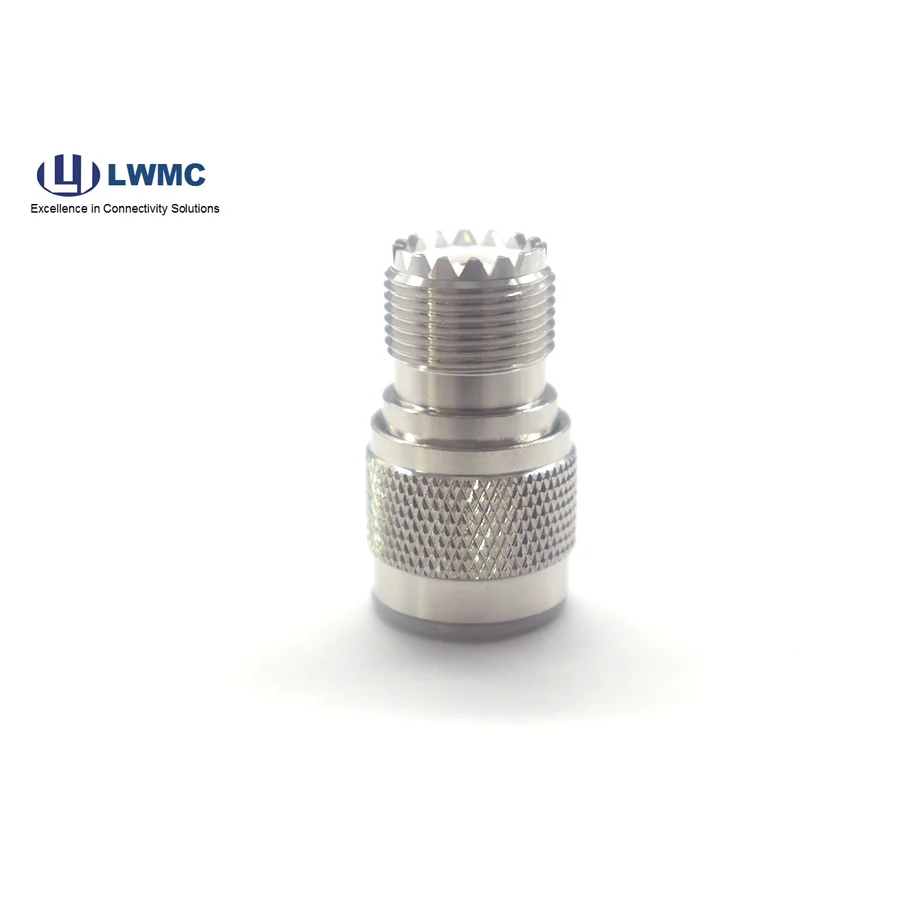
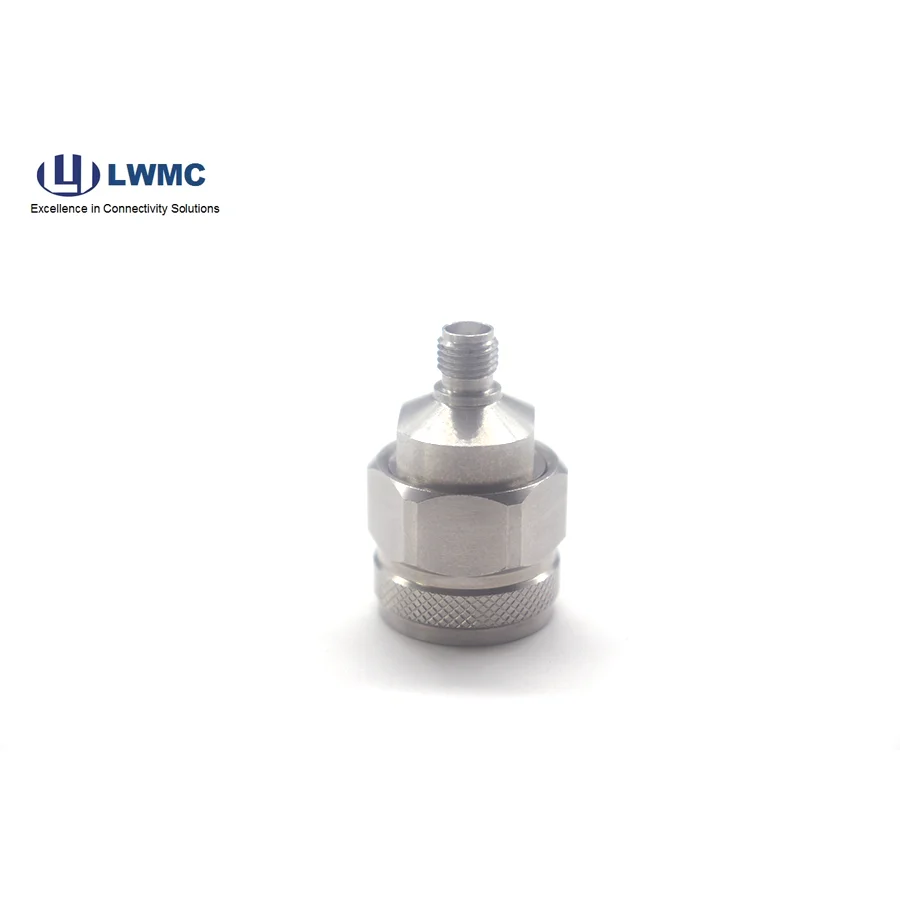
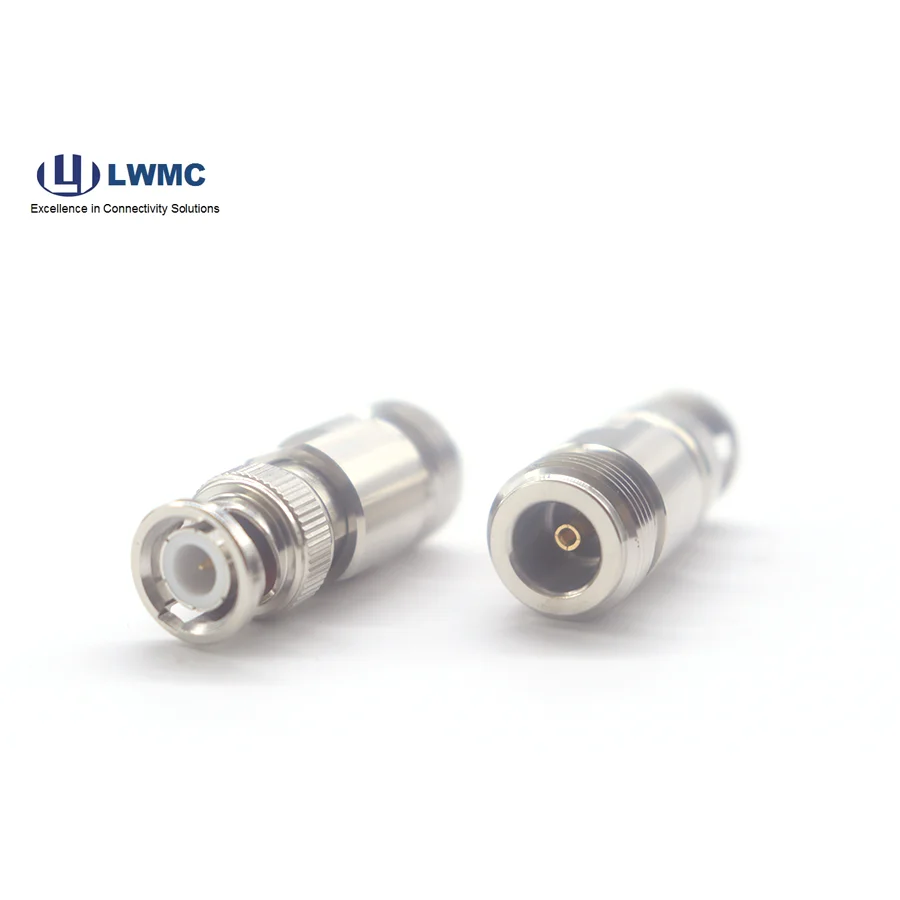
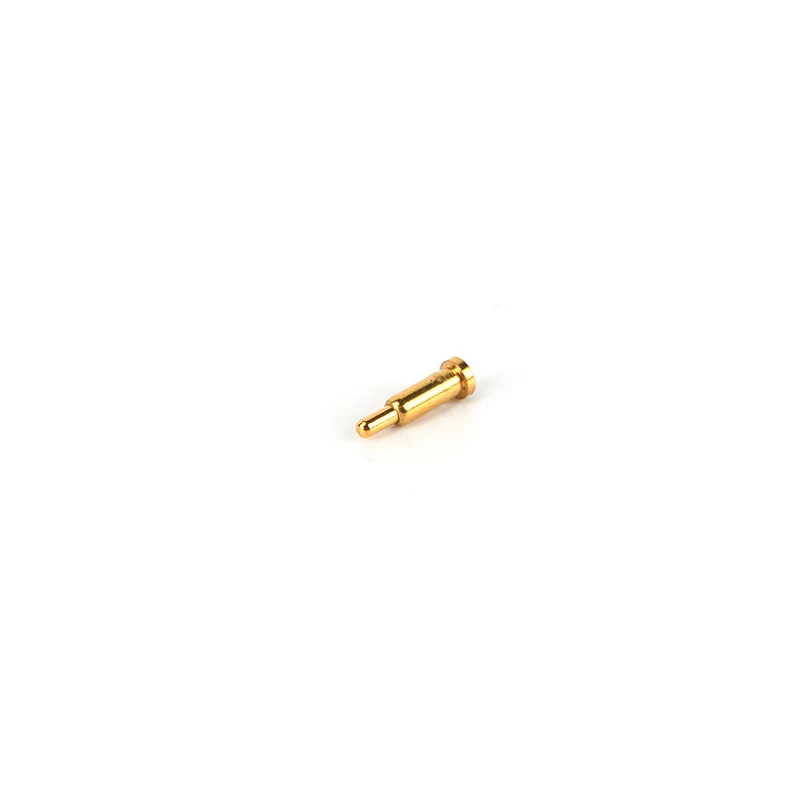
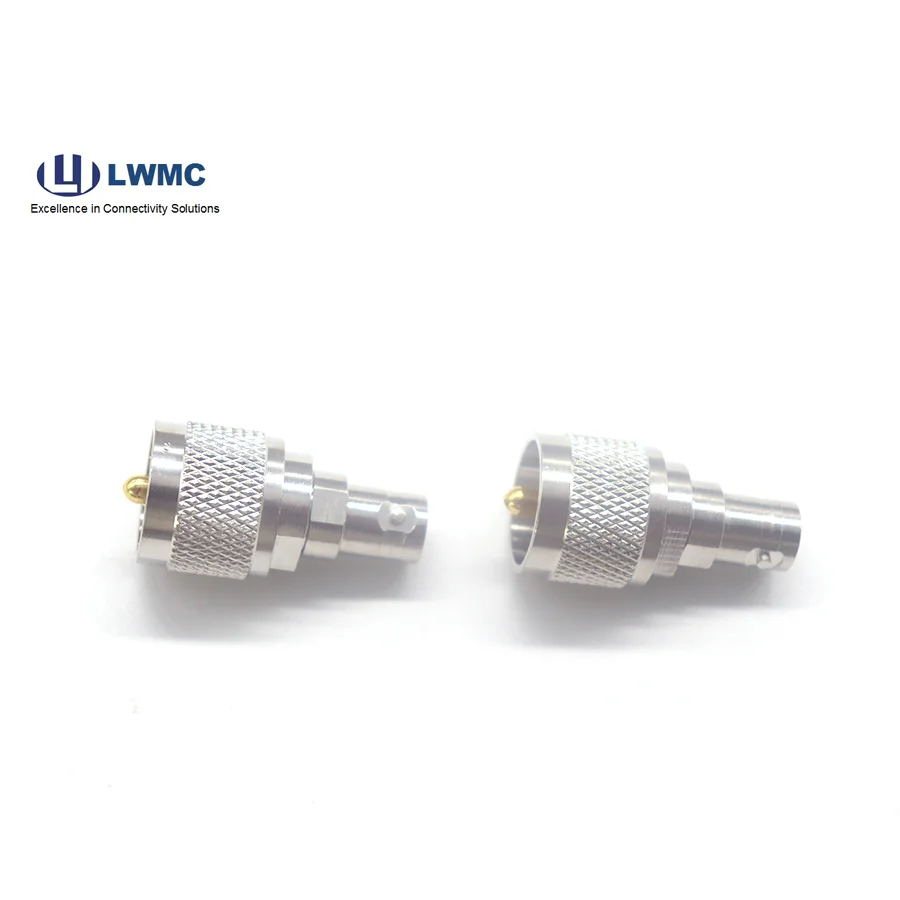
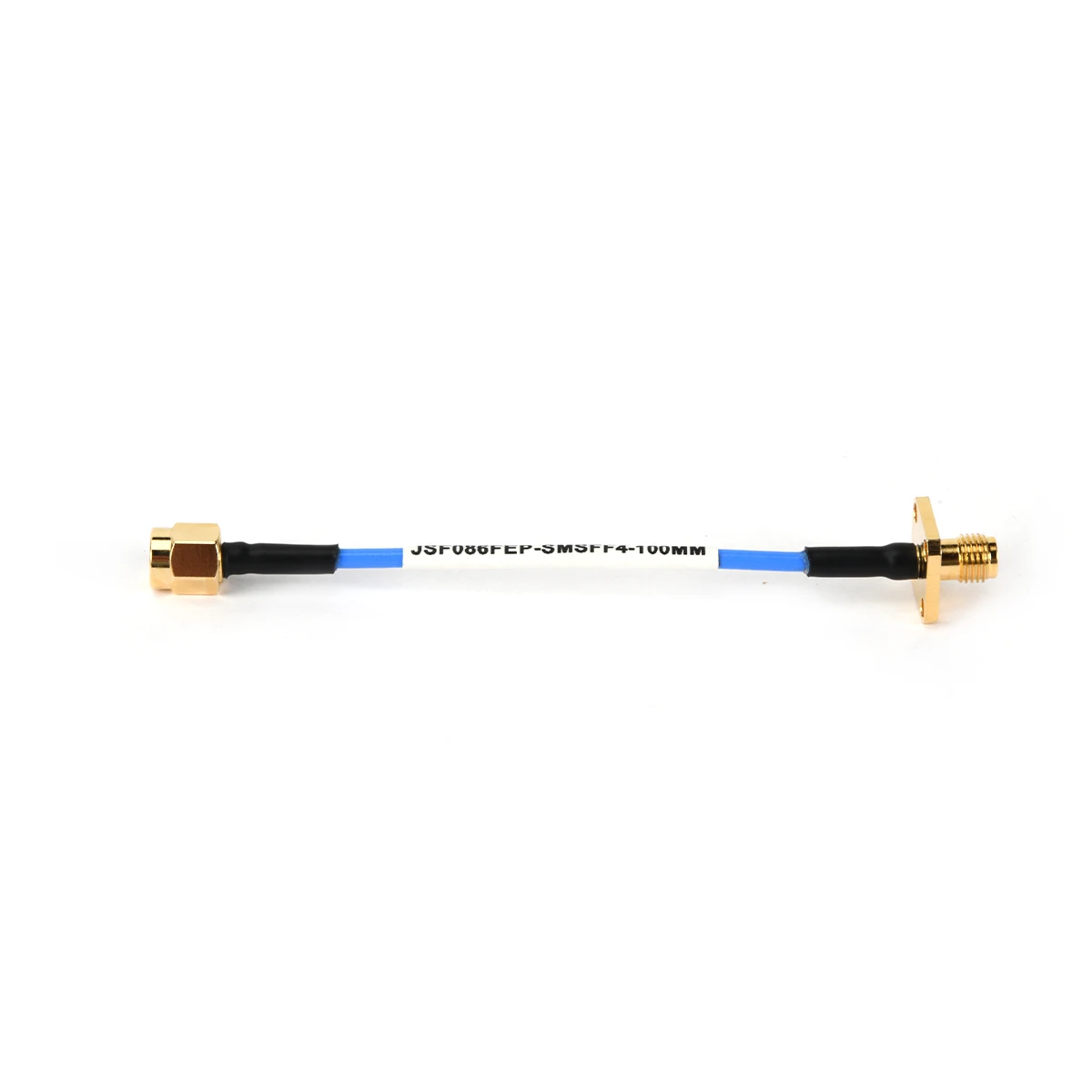
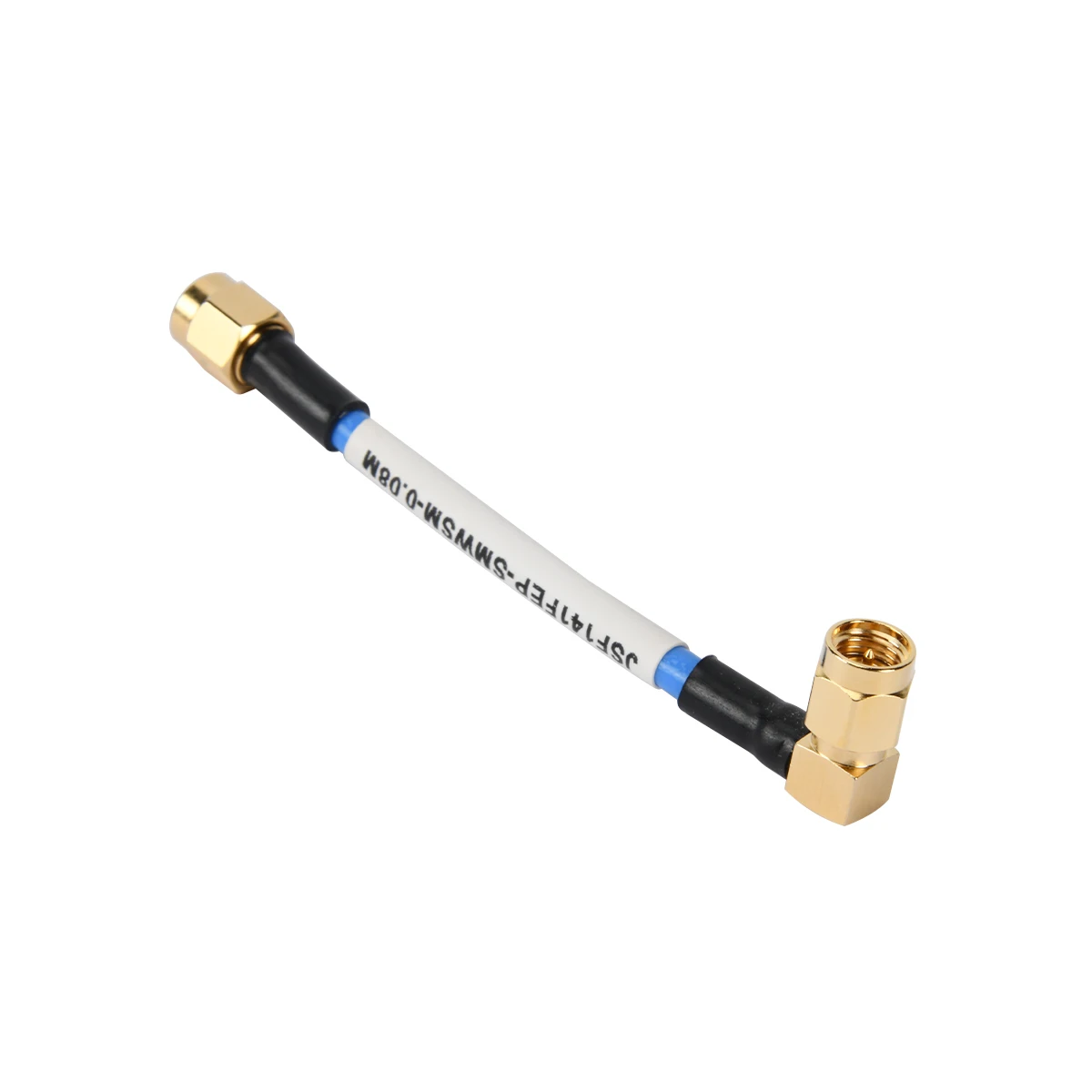
In RF and microwave systems, the humble male and female adapter is a critical link that ensures seamless signal transmission between different components. At Zhenjiang Linkworld Microwave Communication Co., Ltd., we understand that even the smallest interconnection can make or break system performance. With over 20 years of RF innovation and a dedicated R&D team boasting 25 years of product development experience, we engineer adapters that deliver reliability, precision, and durability across the most demanding applications—from military aerospace to satellite communications and test instrumentation.
Proper use begins with identifying the correct interface types—such as SMA, 3.5mm, 2.92mm, or 2.4mm—and ensuring the male (with a center pin) and female (with a center socket) match exactly. Always align the connector axes before mating; cross-threading is a common cause of damage. Tighten by hand first, then use a torque wrench to the manufacturer’s specified value—over-tightening can deform the center pin or socket, while under-tightening leads to poor contact and increased VSWR. Linkworld’s adapters are designed with precision tolerances, supporting up to 67 GHz and mating lives exceeding 500 cycles, but correct torque remains essential for achieving our specified VSWR as low as 1.10 and IMD as low as -168 dBc.
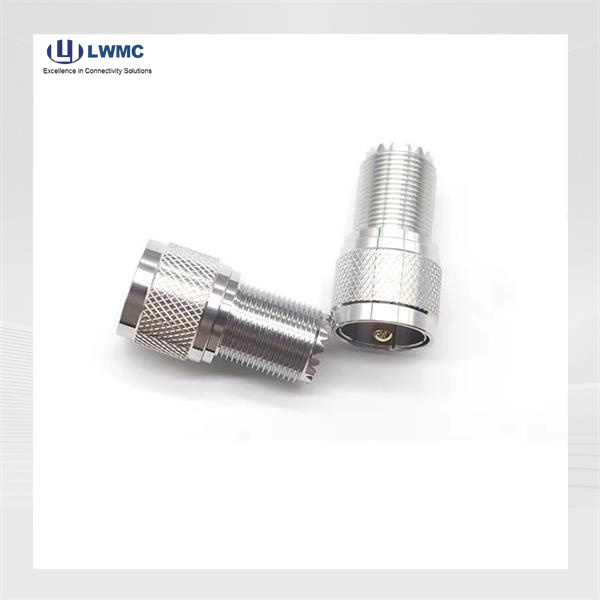
Selecting the wrong adapter can introduce impedance mismatches, signal reflections, and insertion loss, degrading system sensitivity and power transfer. In high-frequency applications (18–67 GHz), where Linkworld excels, every millimeter of path matters. Our adapters are fully compliant with IEC60169 standards and available in both inter-series and intra-series configurations, allowing you to bridge different interfaces without compromising performance. Moreover, for phase-sensitive applications like radar or satellite arrays, our phase-stable and amplitude-stable designs ensure consistent electrical length across temperature and mechanical cycling. Choosing Linkworld means you get end-to-end support—from design optimization to real-time usage tracking—so the adapter you select is exactly the one that maximizes your system’s reliability and cost-efficiency.
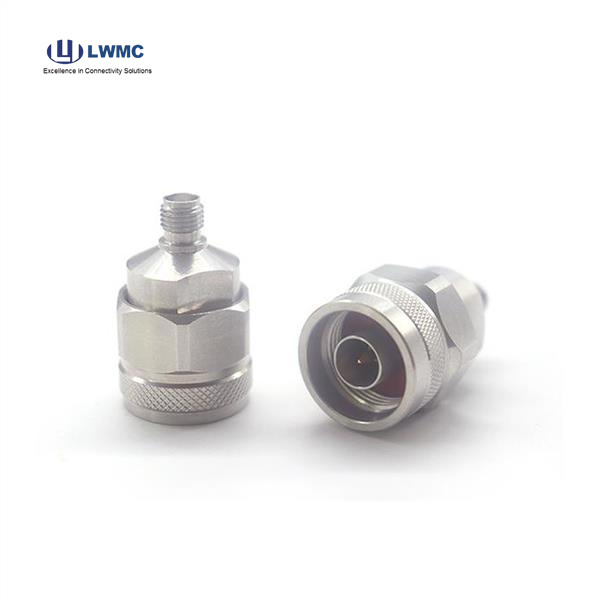
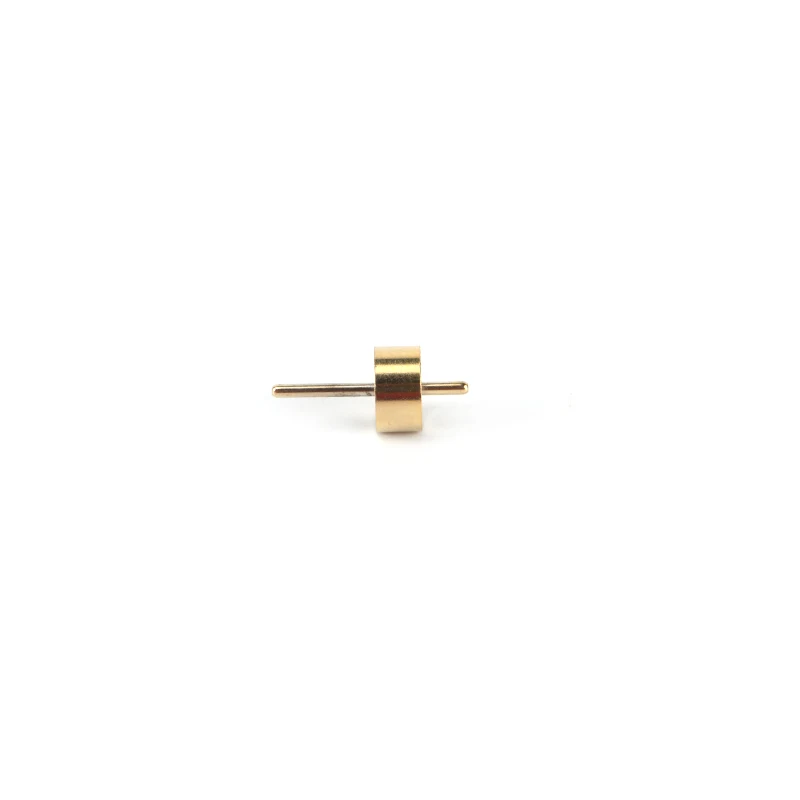
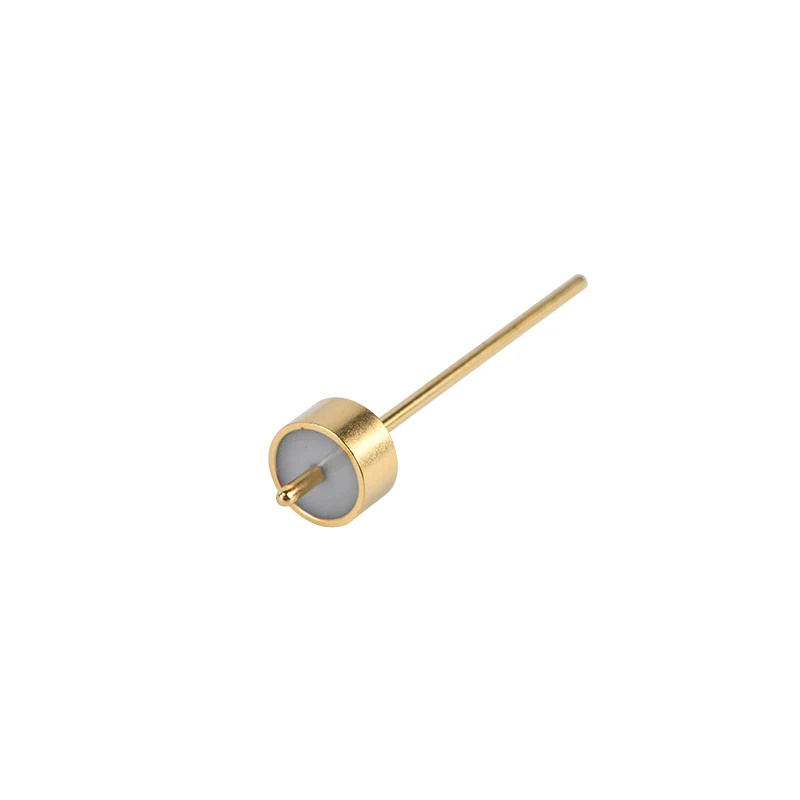
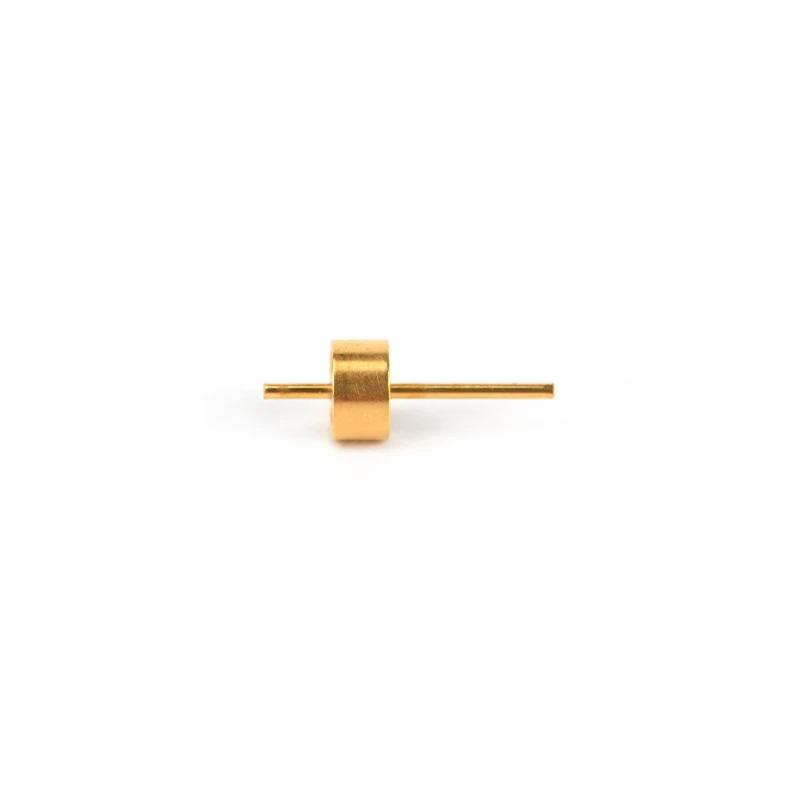
One frequent error is using a 50-ohm adapter in a 75-ohm system, or vice versa, which causes VSWR spikes. Another is failing to protect the center pin of male adapters during storage or handling—bent pins are irreparable and lead to intermittent connections. Users also often neglect the frequency derating of power handling; at higher bands, even a clean adapter can heat up if the average power exceeds its rating. Linkworld’s technical team works closely with customers to define power levels and attenuation values upfront, ensuring our adapters—whether for test cables (with dynamic lifespans >5,000 cycles) or hermetic glass-to-metal seals (withstanding up to 350°C)—are specified correctly for the environment. Always refer to our datasheets and, when in doubt, consult our R&D engineers for tailored advice.
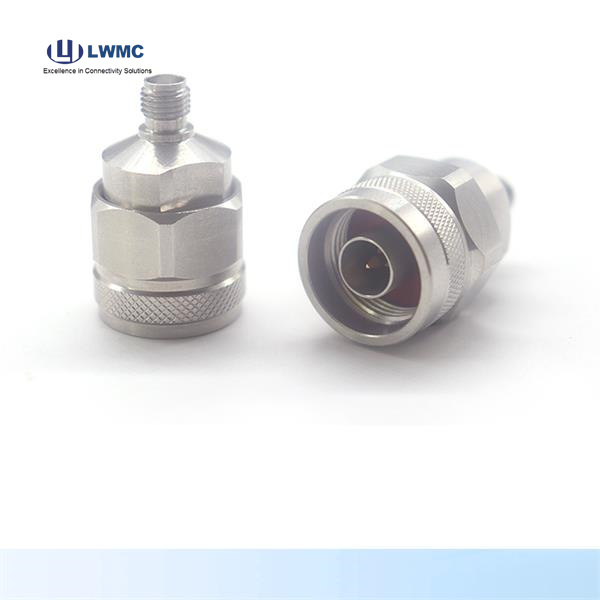
Maintenance starts with cleanliness: use isopropyl alcohol and lint-free swabs to remove dust or metallic particles from threads and mating surfaces. Inspect the center pin and socket under magnification for signs of wear or pitting after repeated use. Apply a thin layer of connector-grade lubricant to threads (but never to the dielectric) to reduce friction and extend mating life. For adapters used in field or outdoor systems, protective caps should be fitted when not in use to prevent ingress of moisture or debris. Linkworld’s adapters are built for high reliability, but regular inspection—especially before critical missions or high-frequency calibrations—ensures they continue to deliver the exceptional signal integrity our customers trust. With our commitment to “Honesty and Perfection,” we stand by our products and offer after-sales support that includes re-certification and replacement guidance, so your investment performs for years to come.

 EN
EN