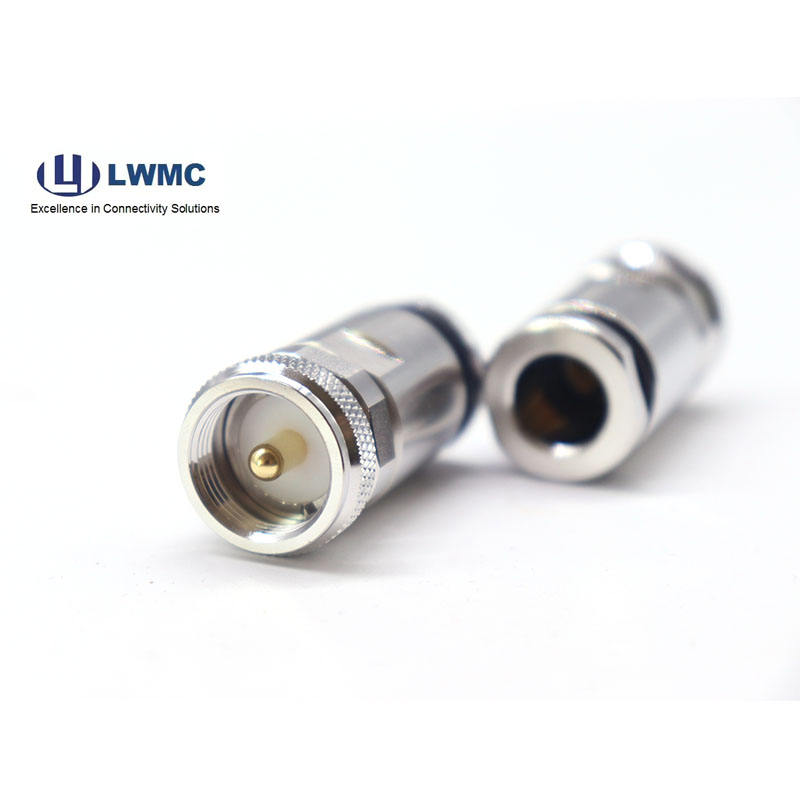
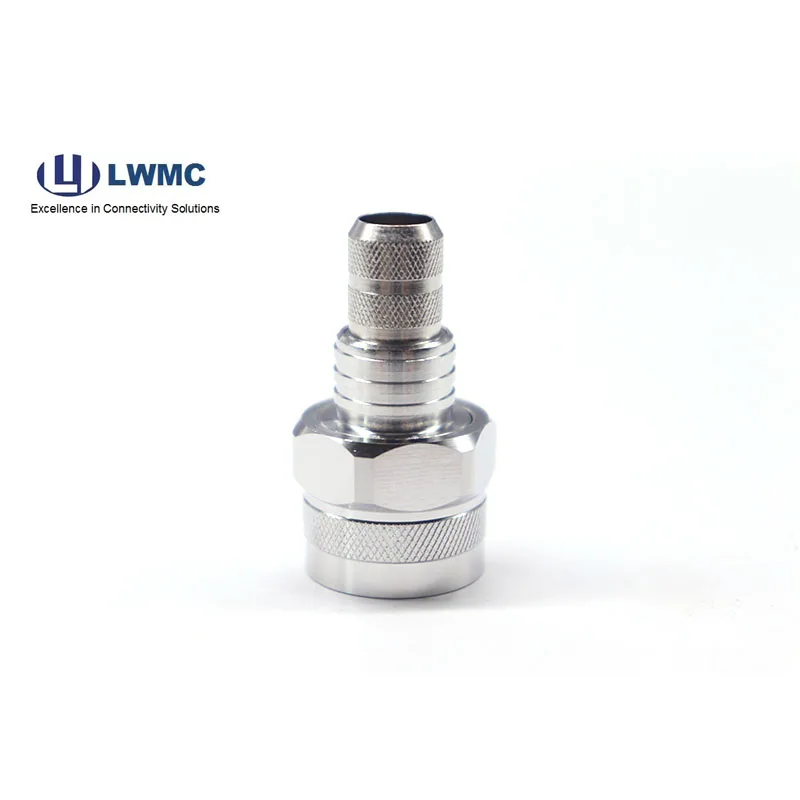
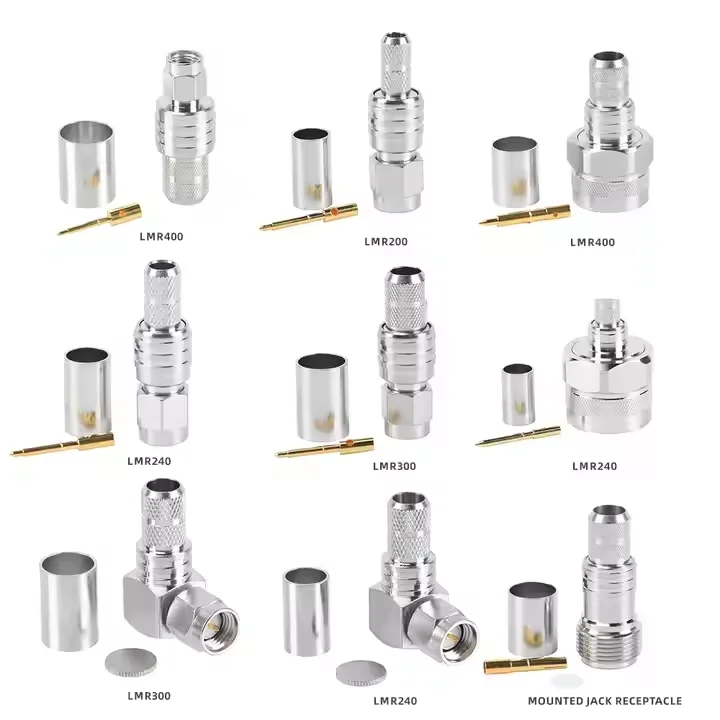
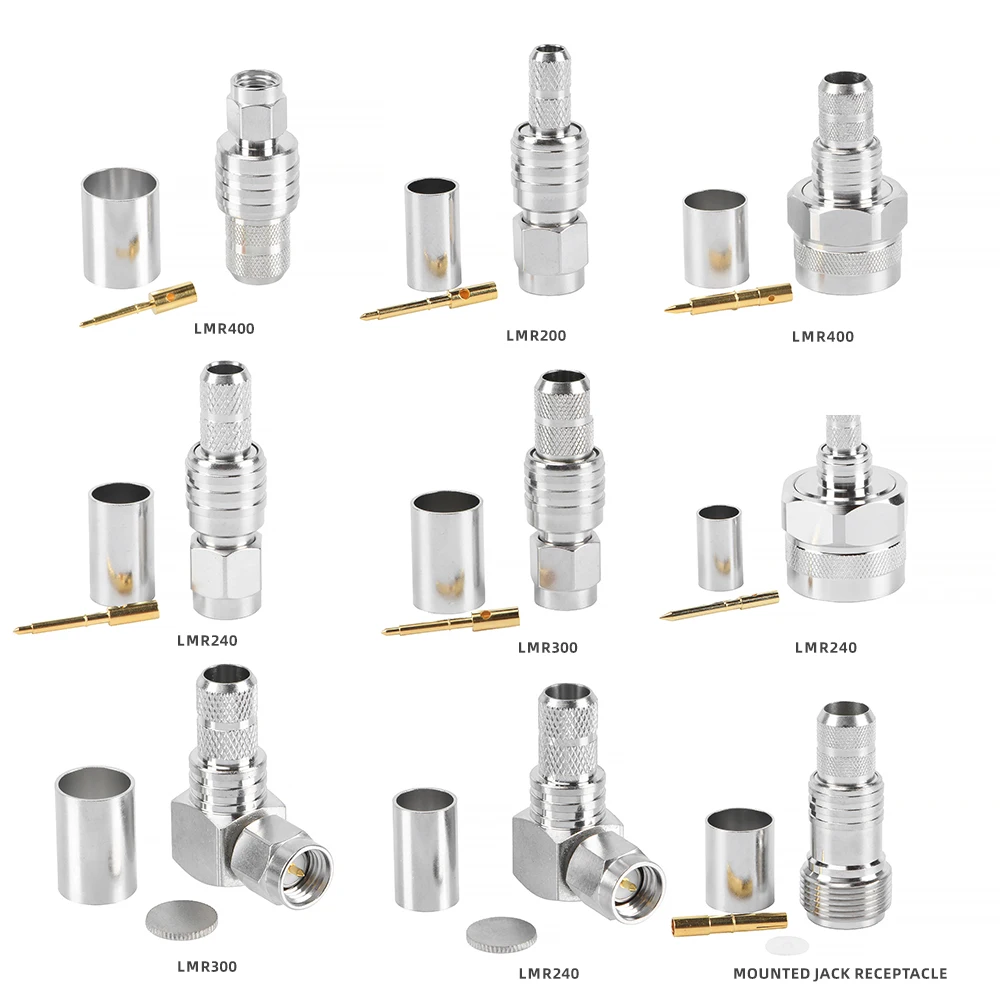
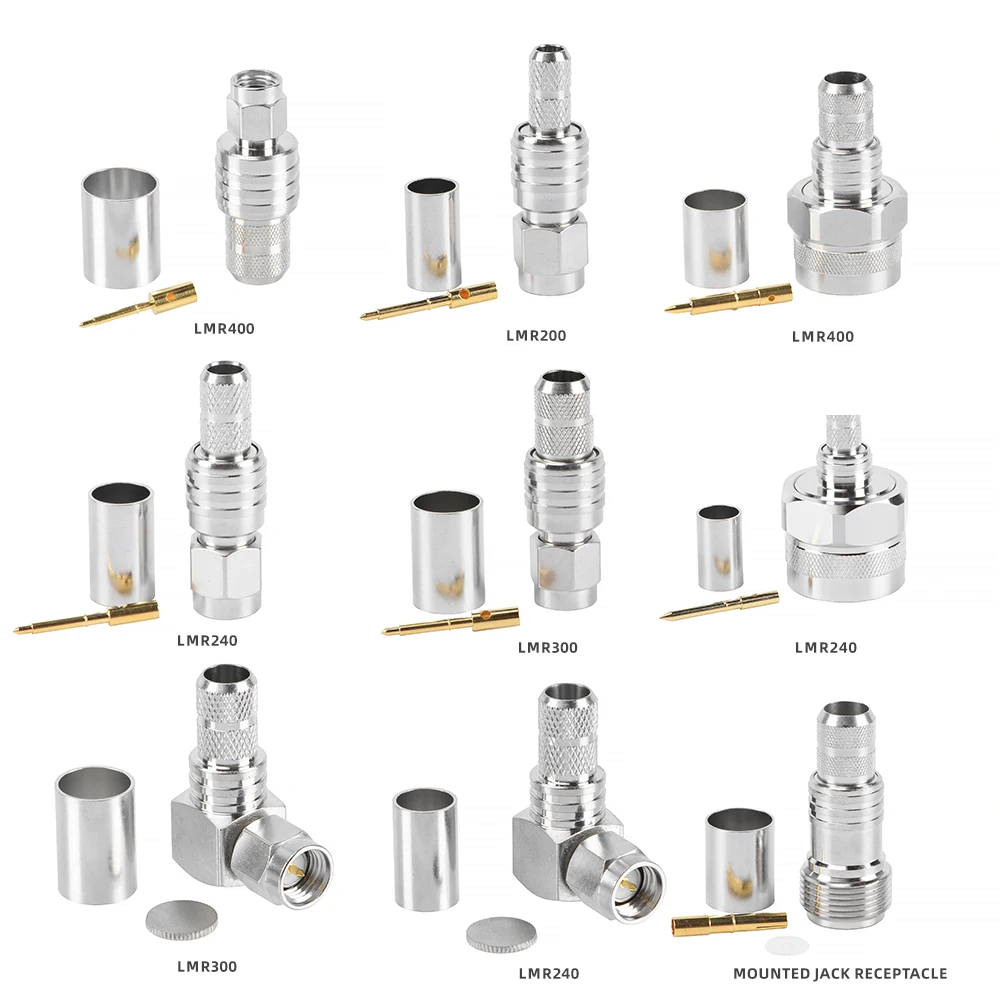
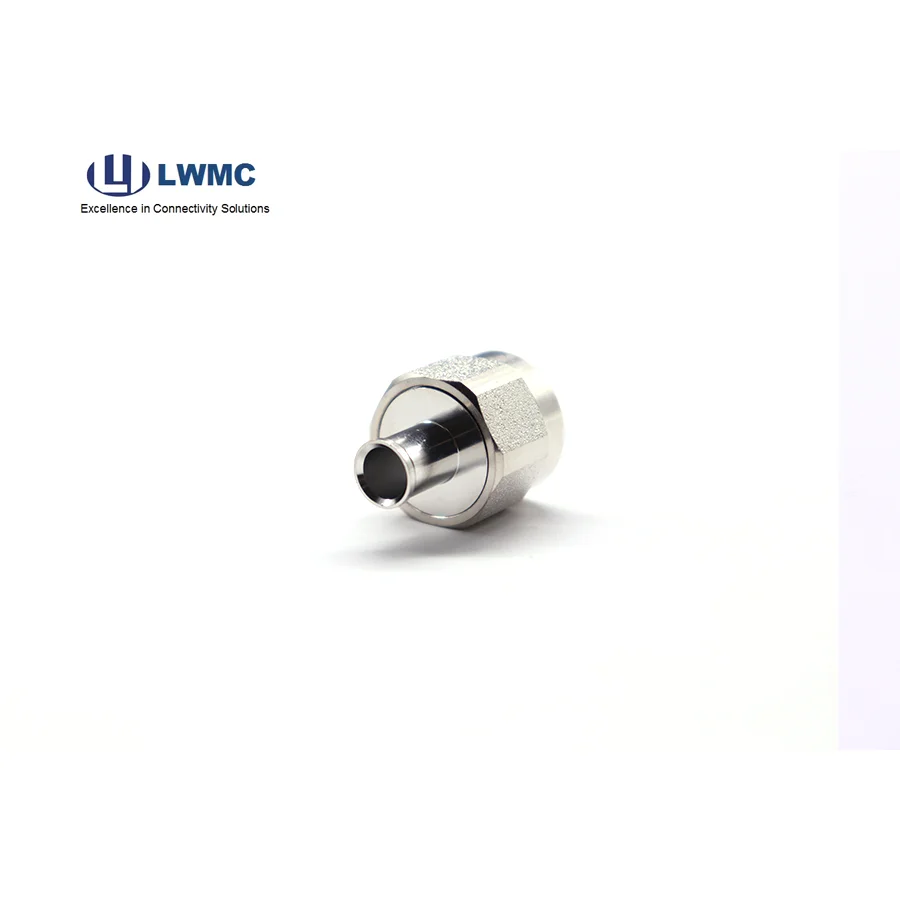
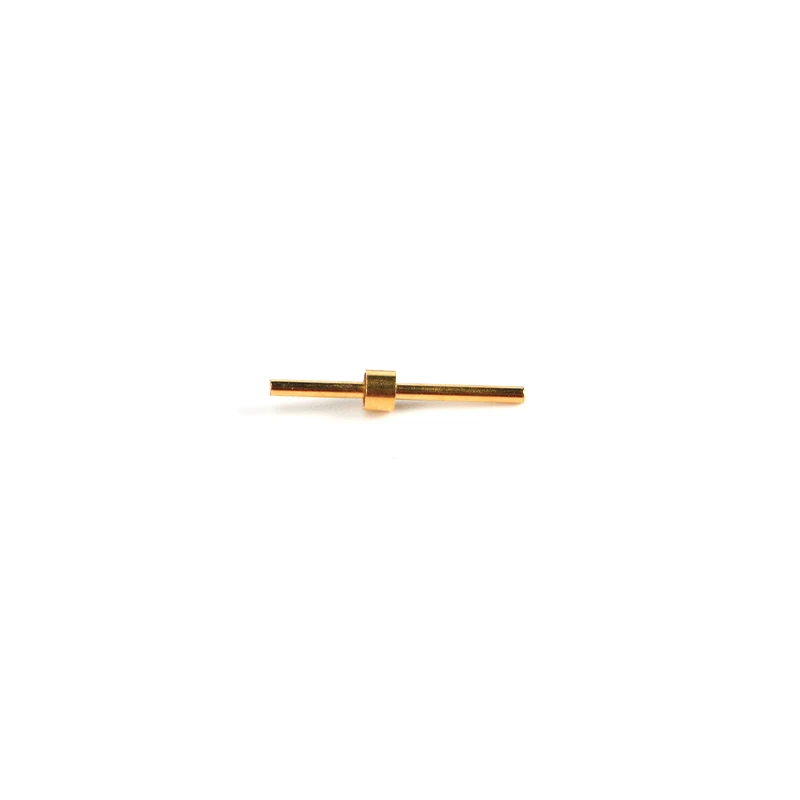
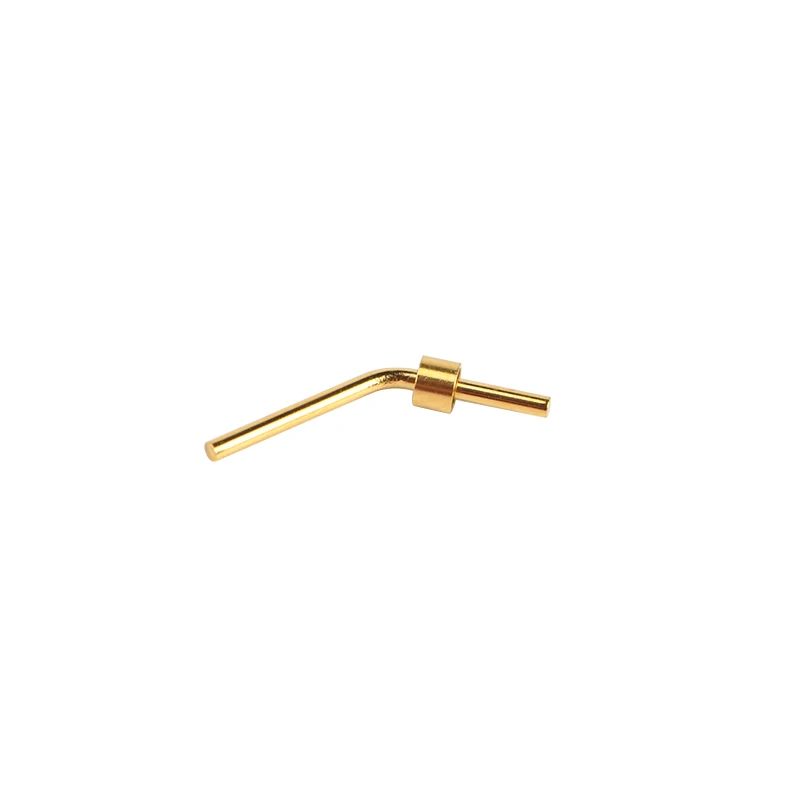
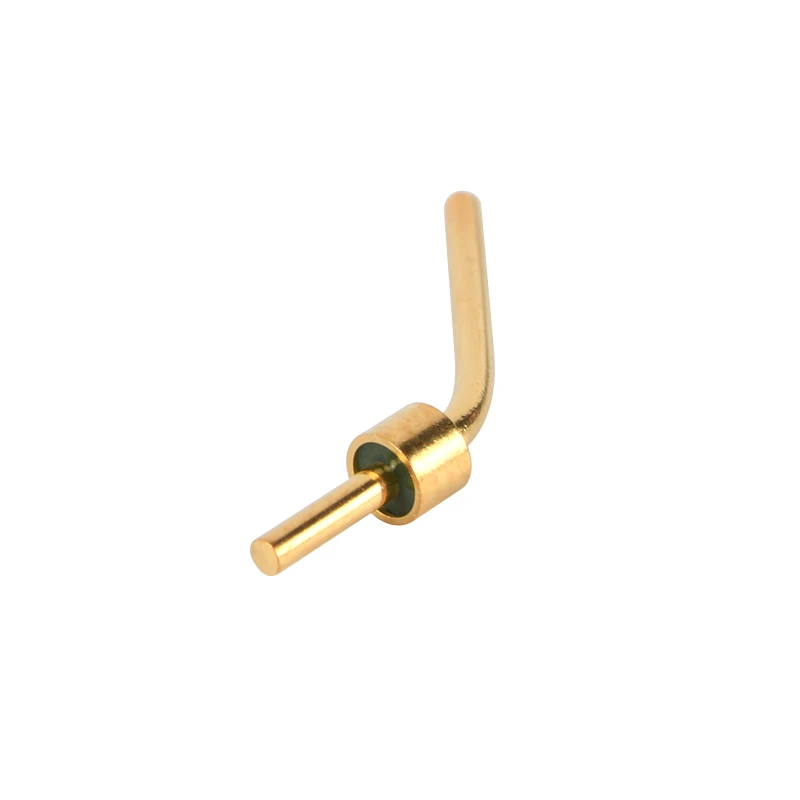
In the intricate world of modern electronics, the reliable transmission of high-frequency signals is a cornerstone of performance. The SMA (SubMiniature version A) RF connector stands as one of the most ubiquitous and vital components in this domain. Renowned for its compact threaded design and robust performance up to 18 GHz, the SMA connector is engineered to provide a secure, low-loss interface for coaxial cables in a vast array of applications. From cellular base stations and satellite communications to test and measurement equipment and aerospace systems, its versatility and reliability have made it an industry standard.
The widespread adoption of SMA connectors is driven by a compelling set of advantages. Their primary benefit is excellent high-frequency performance. Precision-engineered to maintain a consistent 50-ohm impedance, SMA connectors minimize signal reflection (low VSWR) and insertion loss, ensuring signal integrity into the lower microwave spectrum. Secondly, their compact size allows for high-density interconnections on circuit boards and within tight equipment enclosures, a critical factor in today's miniaturized devices. The threaded coupling mechanism provides superior mechanical stability and vibration resistance compared to push-on connectors like BNC, making them ideal for applications subject to movement or shock. Furthermore, their standardization and widespread availability ensure broad compatibility across global supply chains, simplifying sourcing and system integration for everything from R&D prototypes to mass-produced hardware.
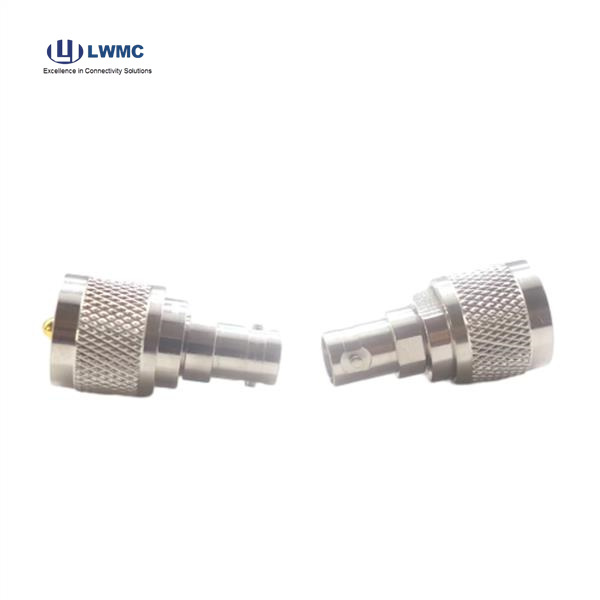
Correct installation and maintenance are critical to realizing the SMA connector's full electrical and mechanical potential. For field installation on coaxial cables, this typically involves precision stripping of the cable (e.g., RG-316) and either soldering or crimping the connector onto the prepared end, using manufacturer-specified tools to ensure a perfect connection. When mating connectors, it is crucial to align them squarely and engage the threads by hand before final tightening. Using a calibrated torque wrench set to 5 to 8 inch-pounds is essential; overtightening can damage the threads or deform the center pin, leading to poor performance or failure. For maintenance, periodic inspection for physical damage or corrosion is advised. Connectors should be kept clean, using only approved electronic contact cleaners, and protected with dust caps when not in use to preserve the critical mating surfaces.
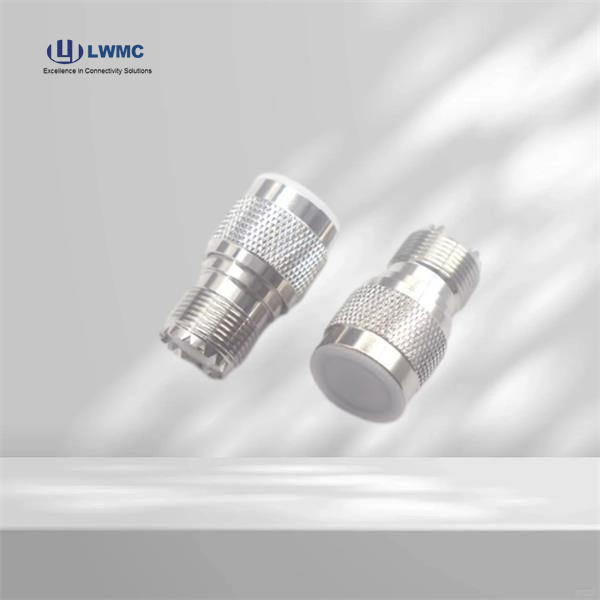
Understanding how SMA connectors fit within the broader RF landscape is key to selecting the right interface. Compared to the larger N-type connector, SMA connectors are smaller and are typically used for higher frequencies (up to 18 GHz vs. 11 GHz for N-type) but generally handle lower power levels. Versus the snap-on BNC connector, SMA offers a more secure threaded connection and much better performance at frequencies above 2 GHz, where BNC connectors become lossy. When compared to the even smaller MMCX connector, SMA connectors are less miniature but offer a more robust threaded interface suitable for applications requiring repeated mating cycles, whereas MMCX uses a snap-on mechanism better suited for permanent internal board connections. The choice ultimately hinges on the trade-off between frequency, power, size, and mating durability required by the application.
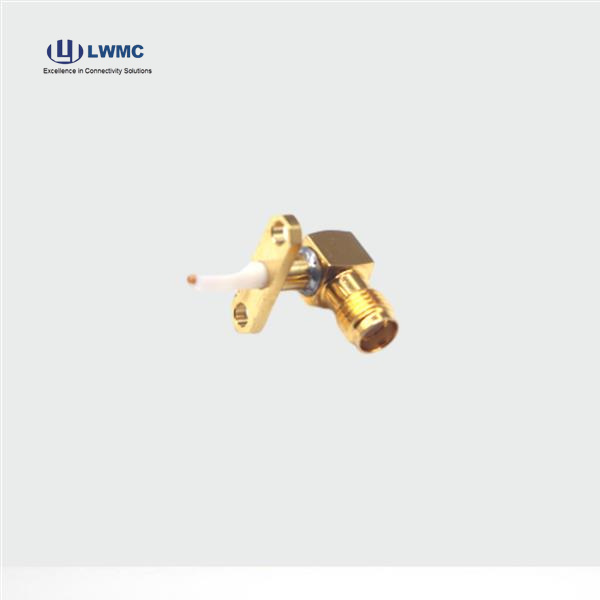
Not all SMA connectors are identical, and specifying the correct variant is vital for system success. Key considerations include:
Frequency Rating: Ensure the connector is rated for your maximum operating frequency (e.g., standard SMA up to 18 GHz, precision SMA up to 26.5 GHz).
Impedance: The overwhelming standard is 50-ohm; 75-ohm variants exist for specific video applications and are not mechanically compatible.
Construction Material: Stainless steel bodies offer superior strength and corrosion resistance, while brass is often used for cost-effective solutions. Gold plating on contacts ensures optimal conductivity and longevity.
Gender and Configuration: Specify male (plug) or female (jack), as well as straight or right-angle versions based on spatial constraints.
Cable Compatibility: Select a connector designed for the specific diameter and type of coaxial cable being used (e.g., semi-rigid vs. flexible).

 EN
EN