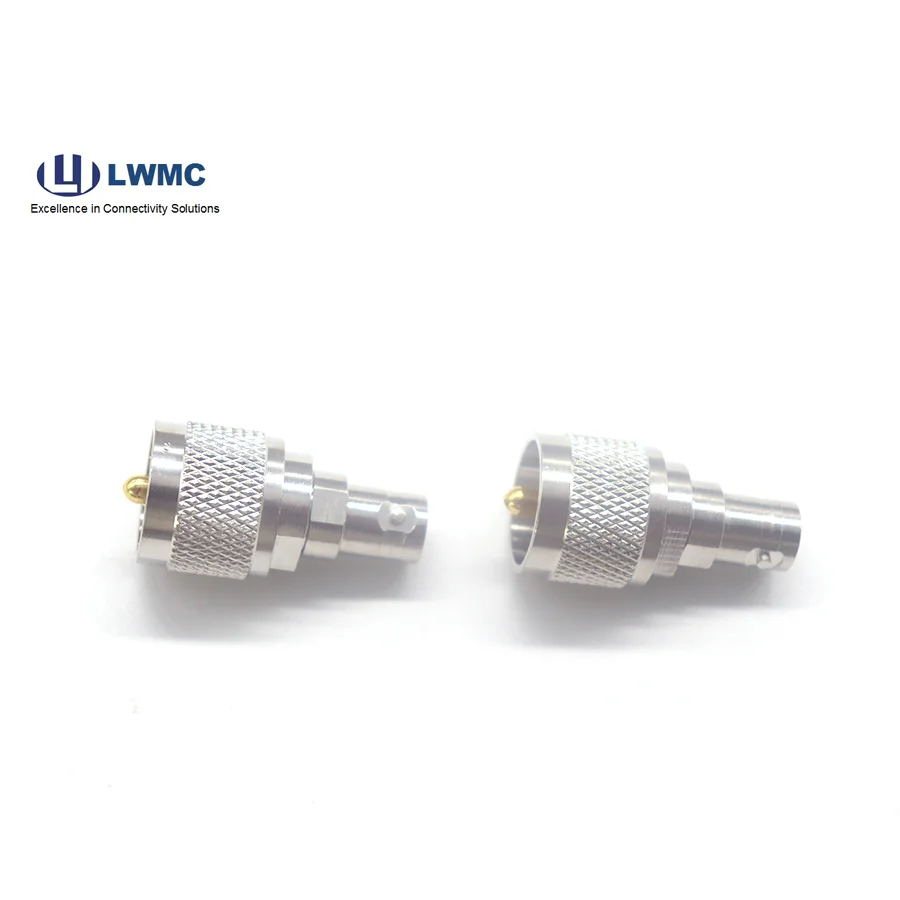
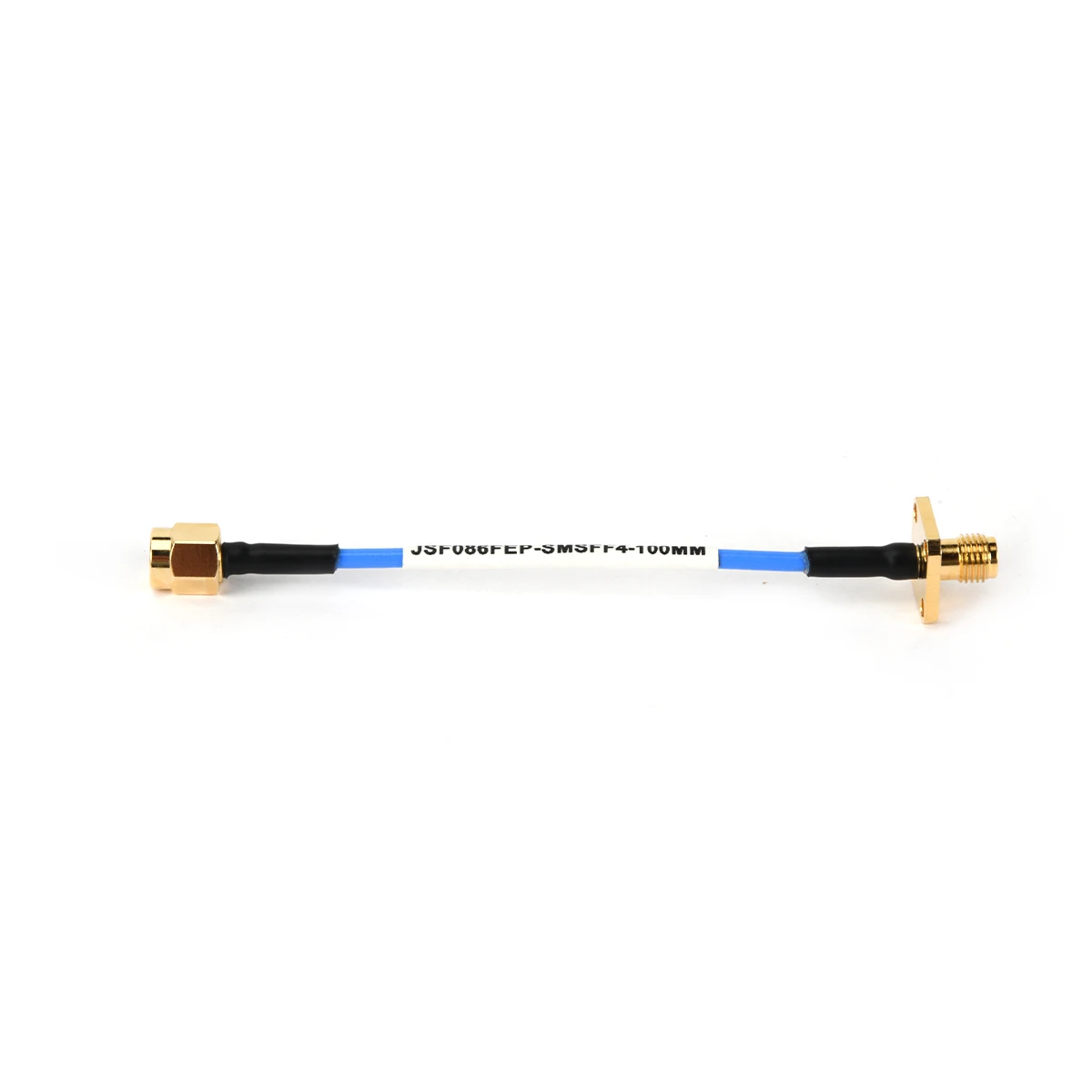
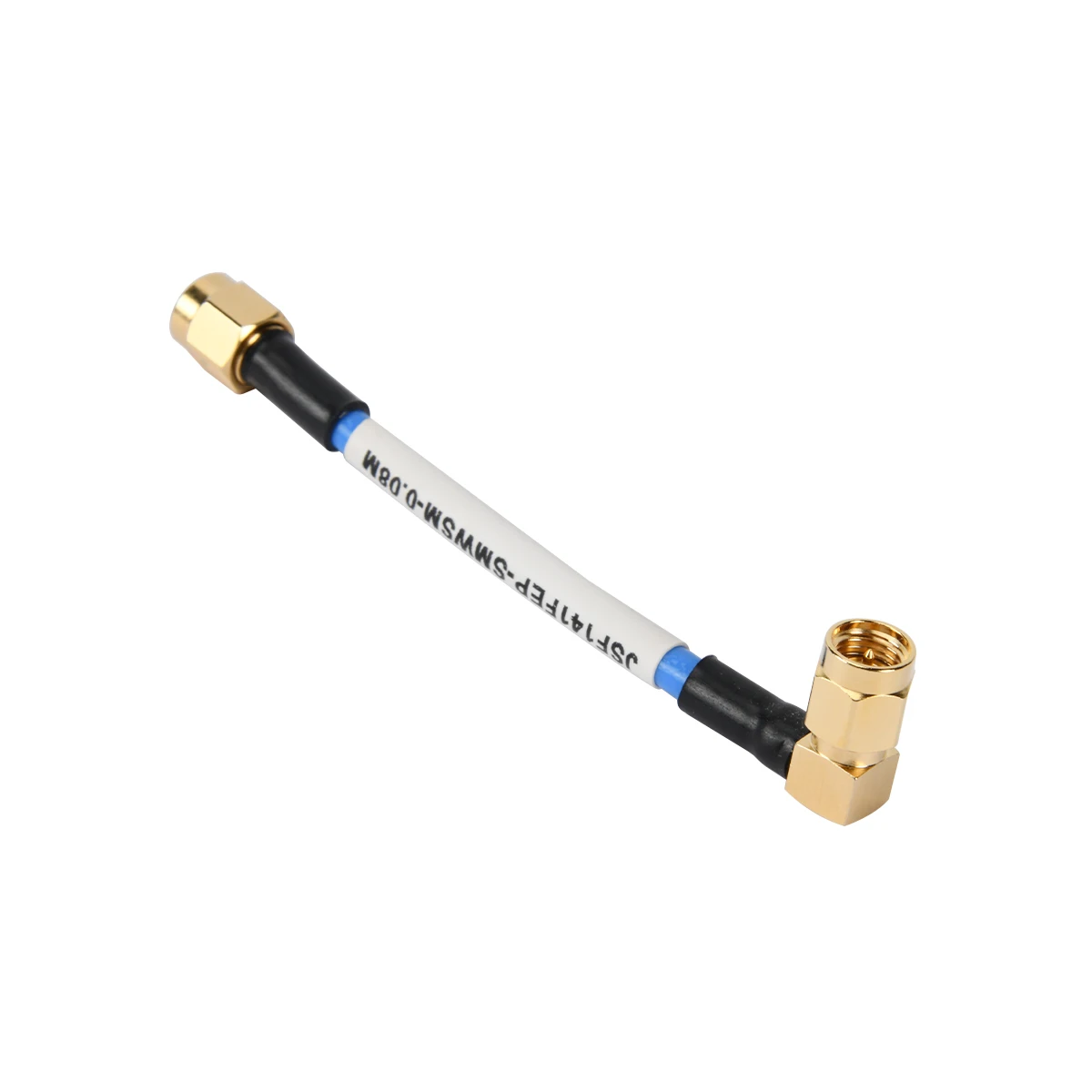
At the heart of countless modern wireless and test systems lies a small, robust, and precision-engineered component: the Male SMA Connector. Characterized by its threaded coupling mechanism and protruding center pin, the male SMA (SubMiniature version A) is a cornerstone interface in RF technology. As a fundamental part of RF Connectors, RF Adapters, and Coaxial Cable Assemblies, it plays a critical role in ensuring signal integrity where it matters most.
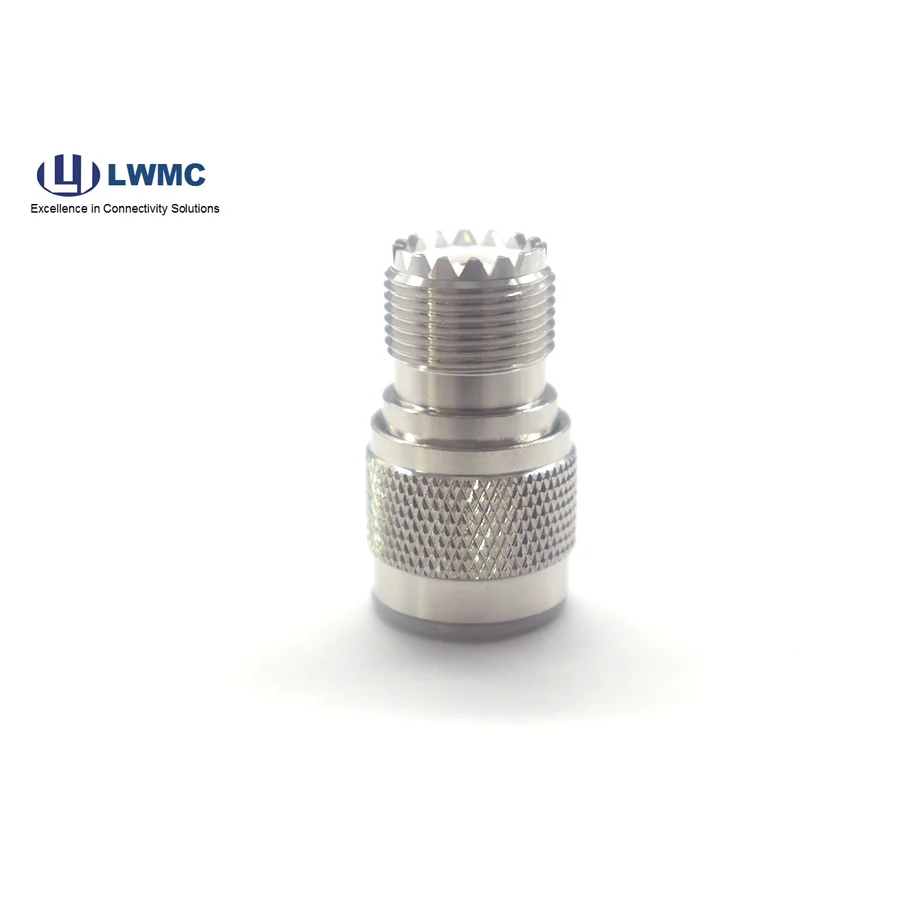
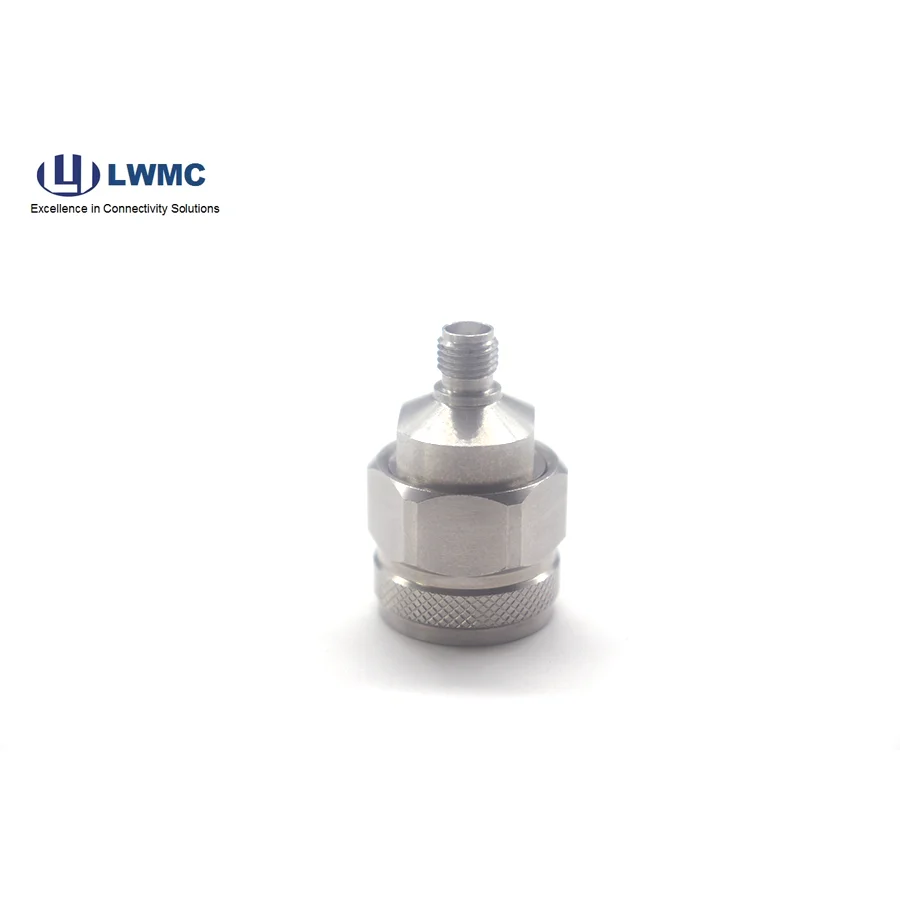
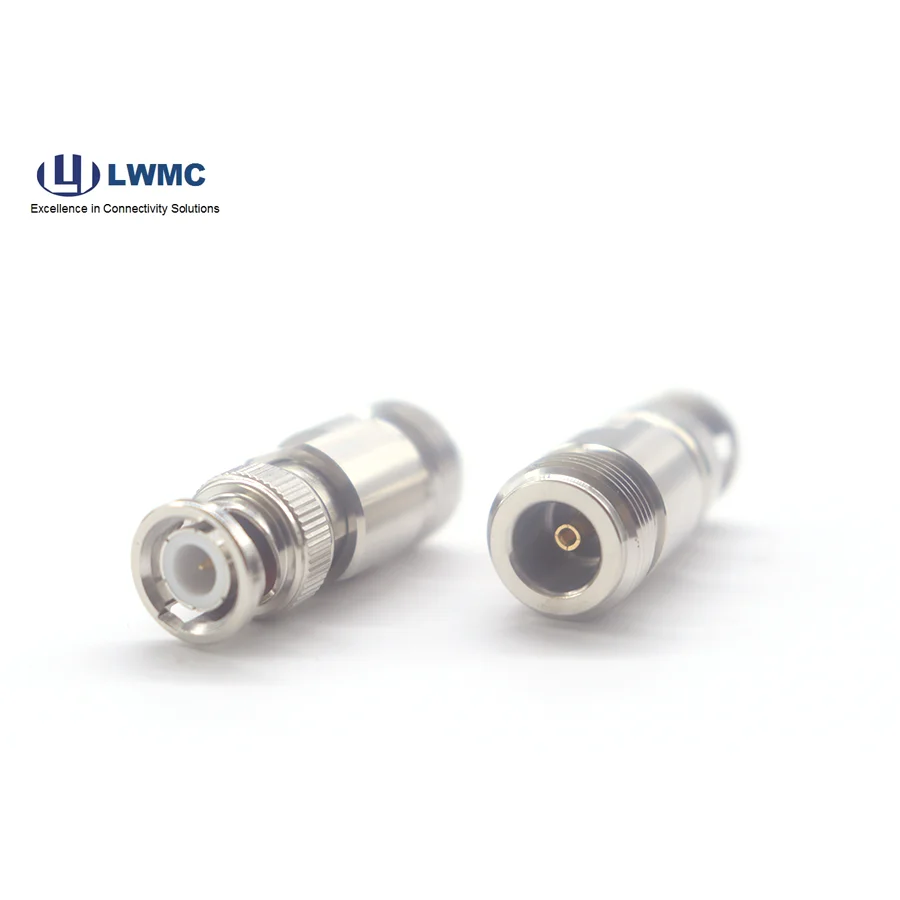
The primary role of the male SMA connector is to provide a reliable, semi-precision coaxial interface for transmitting RF signals. It is designed to mate with a corresponding female SMA jack, creating a shielded connection that minimizes signal leakage and electromagnetic interference. In practice, male SMA connectors are ubiquitously found terminating Coaxial Cable Assemblies used in wireless communications (like cellular and WiFi infrastructure), GPS modules, and RF sensing equipment. They are also integral components of many RF Adapters, enabling conversions to other connector series like N-type or 2.92mm. Their compact size makes them ideal for densely populated circuit boards, test equipment ports, and internal system interconnects.
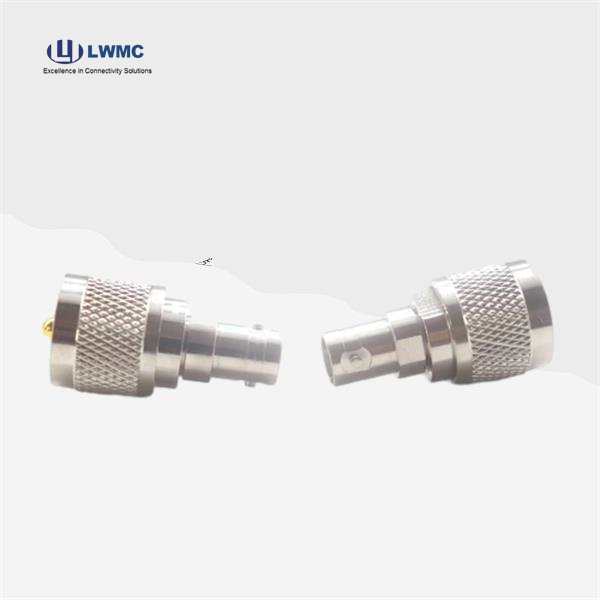
Male SMA connectors are engineered for performance at microwave frequencies. They are officially rated for reliable operation up to 18 GHz, with precision versions extending to 26.5 GHz. This makes them essential for applications where signal wavelength is short and integrity is paramount. The connector's design—featuring a solid dielectric support and a secure, threaded coupling—provides consistent impedance (50 ohms) and low Voltage Standing Wave Ratio (VSWR) across this broad spectrum. In high-frequency scenarios, such as in radar systems, satellite communications, or high-speed data links, any discontinuity or reflection can degrade performance. The precision of a properly mated SMA connection ensures minimal signal loss and reflection, safeguarding data integrity and system accuracy.
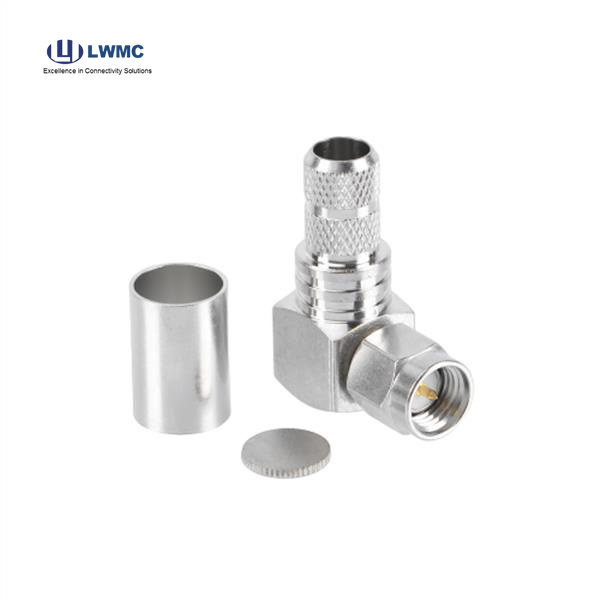
Threaded Coupling: Provides a secure, vibration-resistant connection superior to snap-on alternatives like BNC connectors, preventing accidental disconnections.
Robust Construction: Typically made from brass or stainless steel with passivation or plating (often gold over nickel), offering excellent corrosion resistance and durability.
Compact Size: The "SubMiniature" design saves valuable space on PCBs and in device chassis, enabling miniaturization of RF systems.
Excellent Electrical Performance: Offers low insertion loss and high shielding effectiveness, critical for maintaining signal strength and purity.
Broad Compatibility: As one of the most common RF interfaces, it ensures interoperability between a vast array of components, test gear, and cables from different manufacturers.
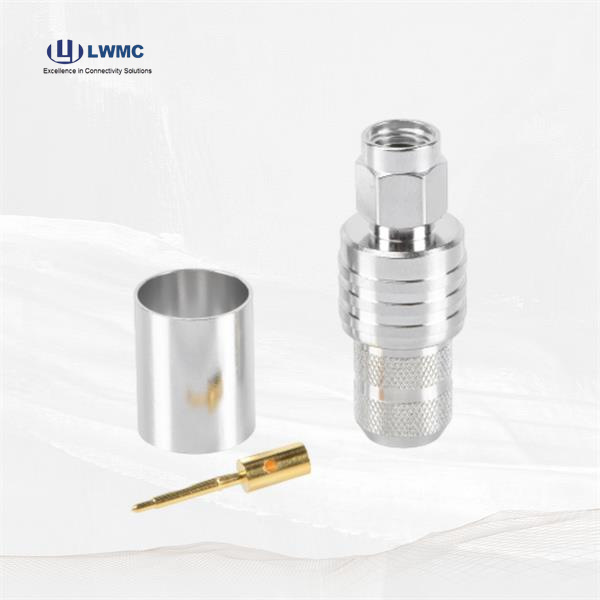
Correct handling is crucial to preserve the performance and longevity of these precision components.
Installation on Cable Assemblies: This requires specialized tooling (crimp or solder) and should typically be done in a controlled environment to produce a reliable, factory-grade Coaxial Cable Assembly. For most users, purchasing pre-assembled cables is recommended.
Mating Procedure: Always align the threads of the male and female connectors carefully. Start threading by hand to prevent cross-threading, which can instantly destroy the delicate threads. Once hand-tight, use a torque wrench to tighten to the specified value (usually 5-8 in-lbs for standard SMA). Avoid using pliers, which can overtighten and damage the coupling nut or crush the dielectric.
Inspection and Cleaning: Regularly inspect the male center pin for straightness and the threads for damage. Keep connectors clean using compressed air and isopropyl alcohol on a swab. Use protective caps when connectors are unmated.
Cycle Life Awareness: SMA connectors have a finite mating cycle life (typically 500 cycles for brass). Avoid unnecessary disconnection and reconnection to extend their service life.

 EN
EN