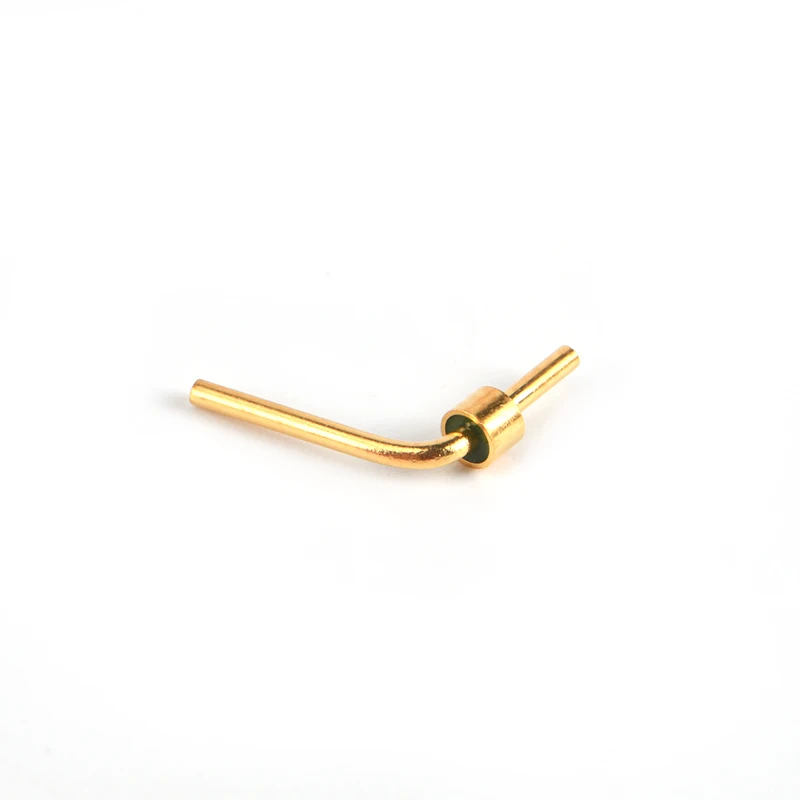
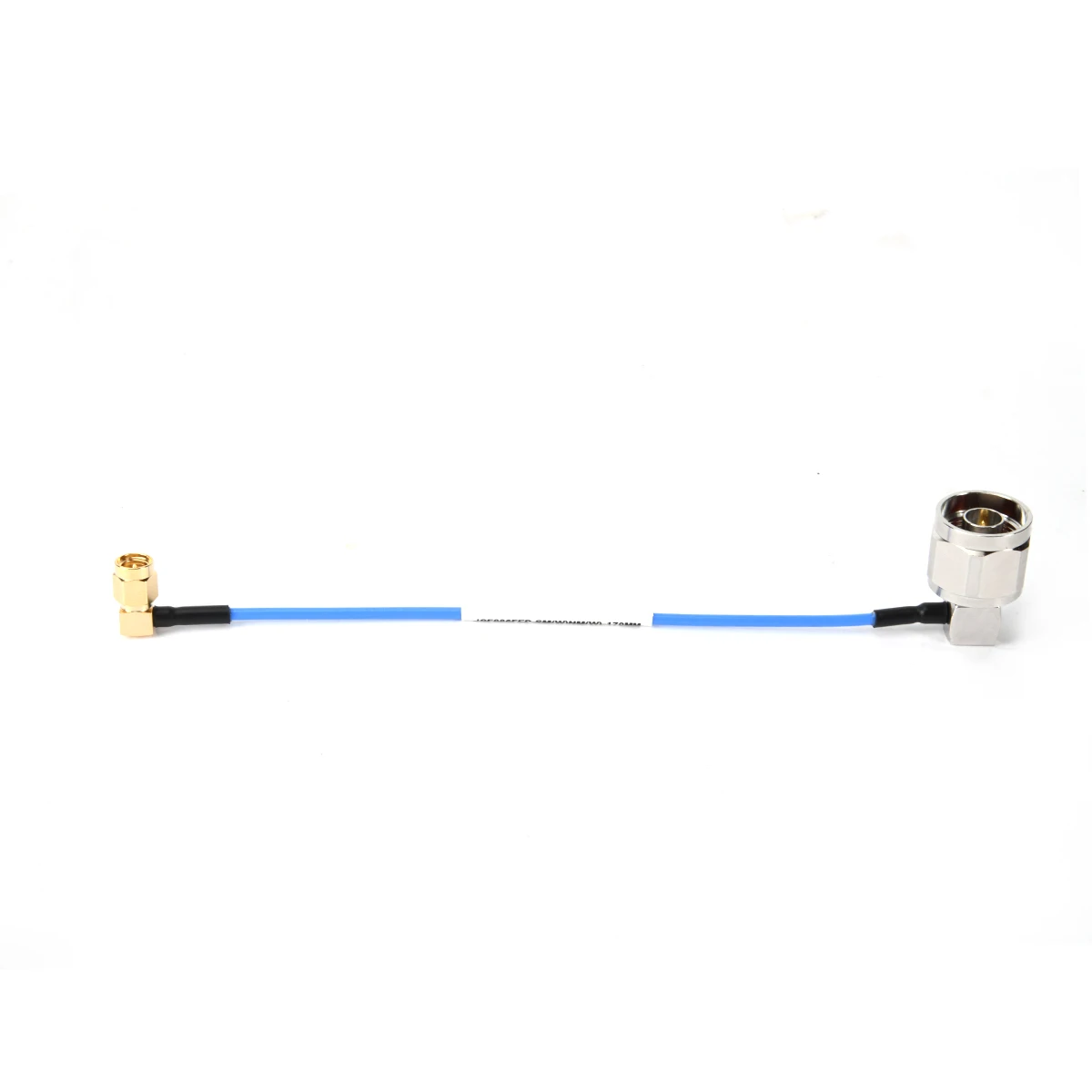
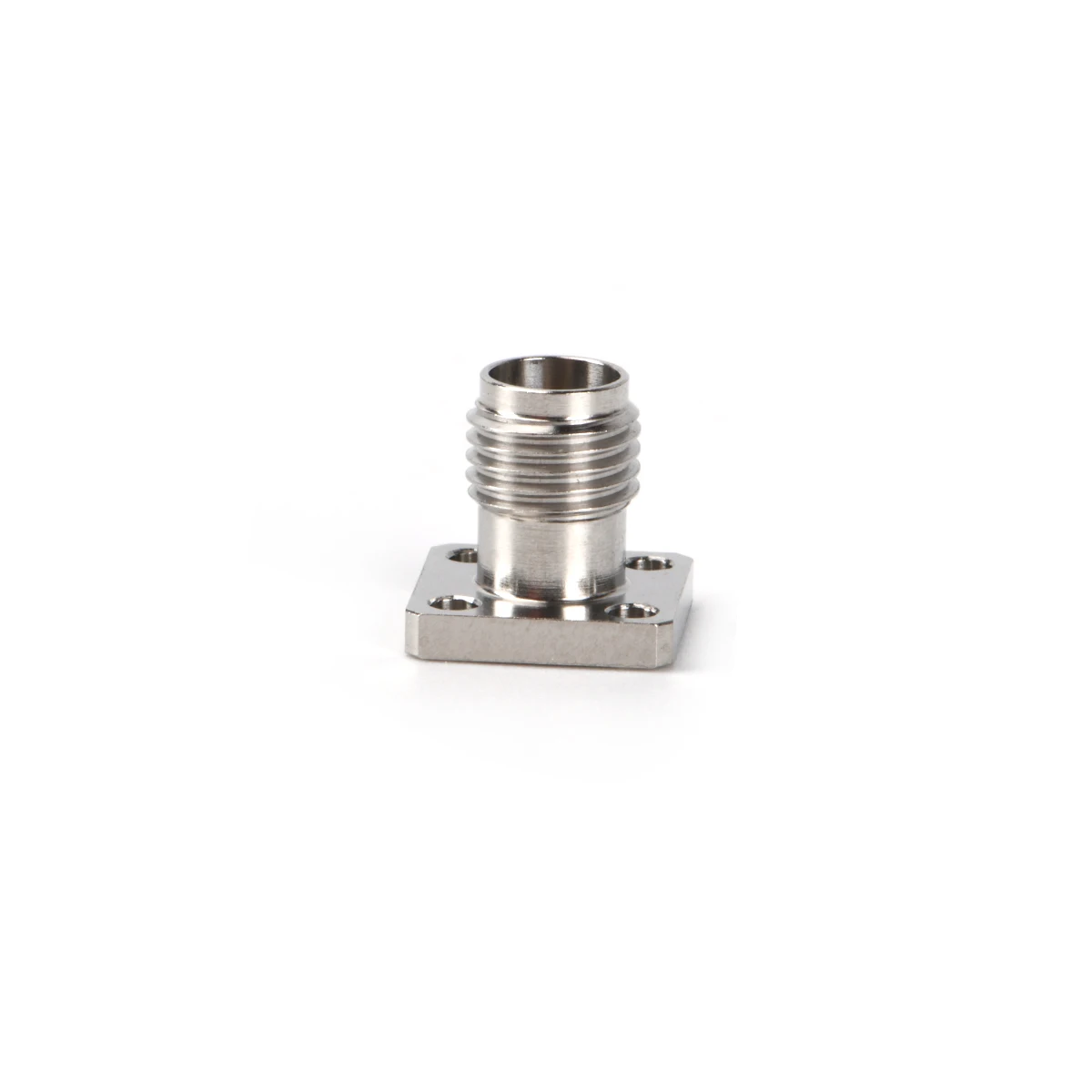
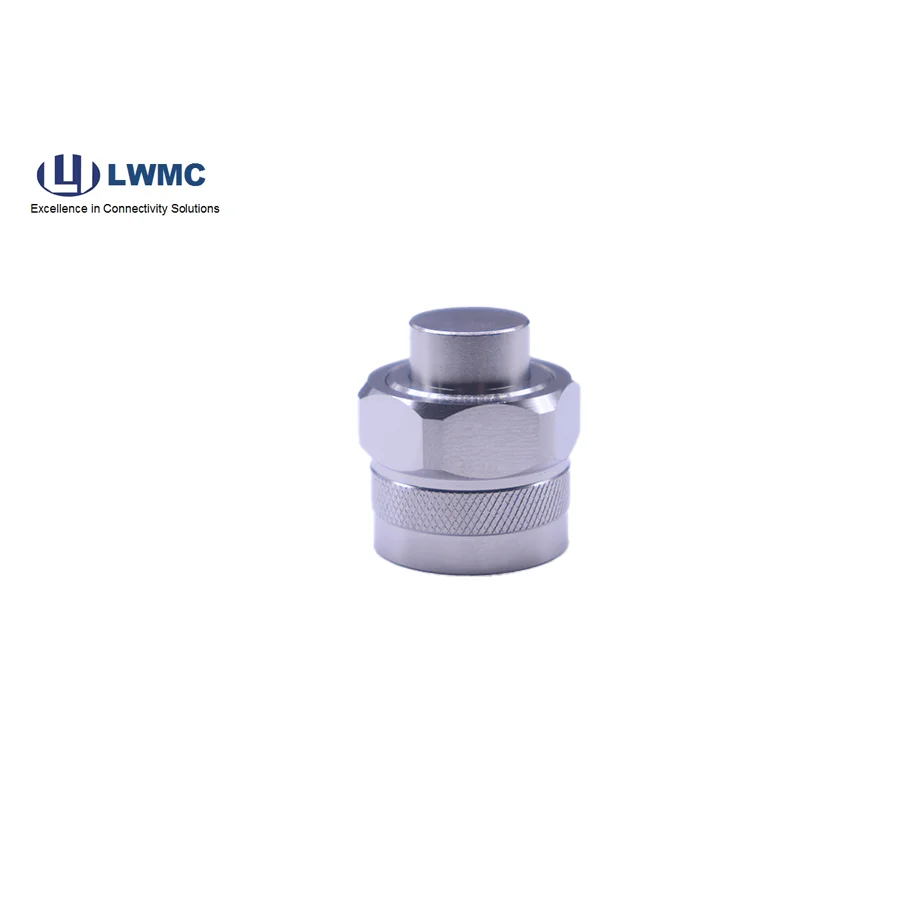
In radio frequency (RF) systems, the performance of the entire network hinges on the integrity of its most fundamental components. The RF cable connector is one such critical element, serving as the precise interface where the coaxial cable meets the device. Far more than a simple mechanical junction, a high-quality connector ensures minimal signal loss, prevents interference, and maintains the impedance match necessary for optimal power transfer. From cellular networks and satellite communications to medical imaging and defense systems, the choice and condition of the cable connector directly impact reliability, efficiency, and data fidelity. Understanding its role is the first step in building robust and high-performing RF infrastructure.
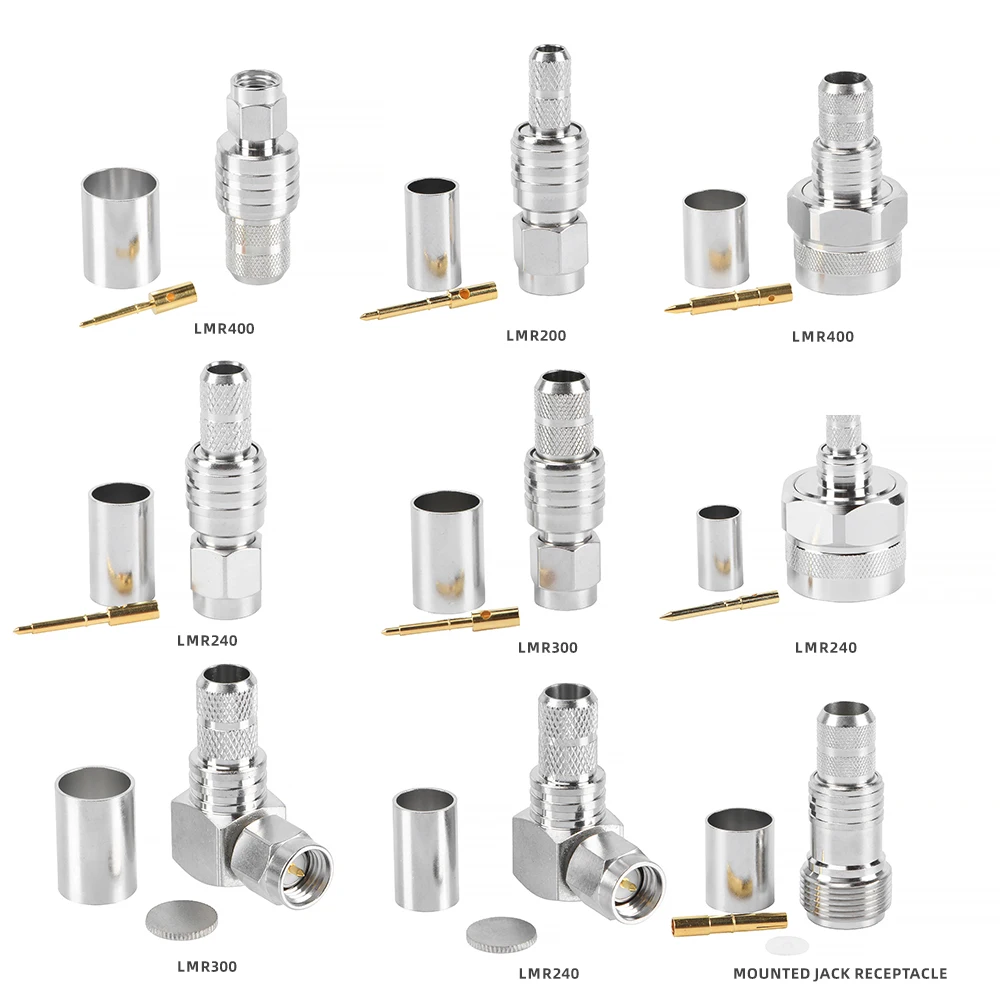
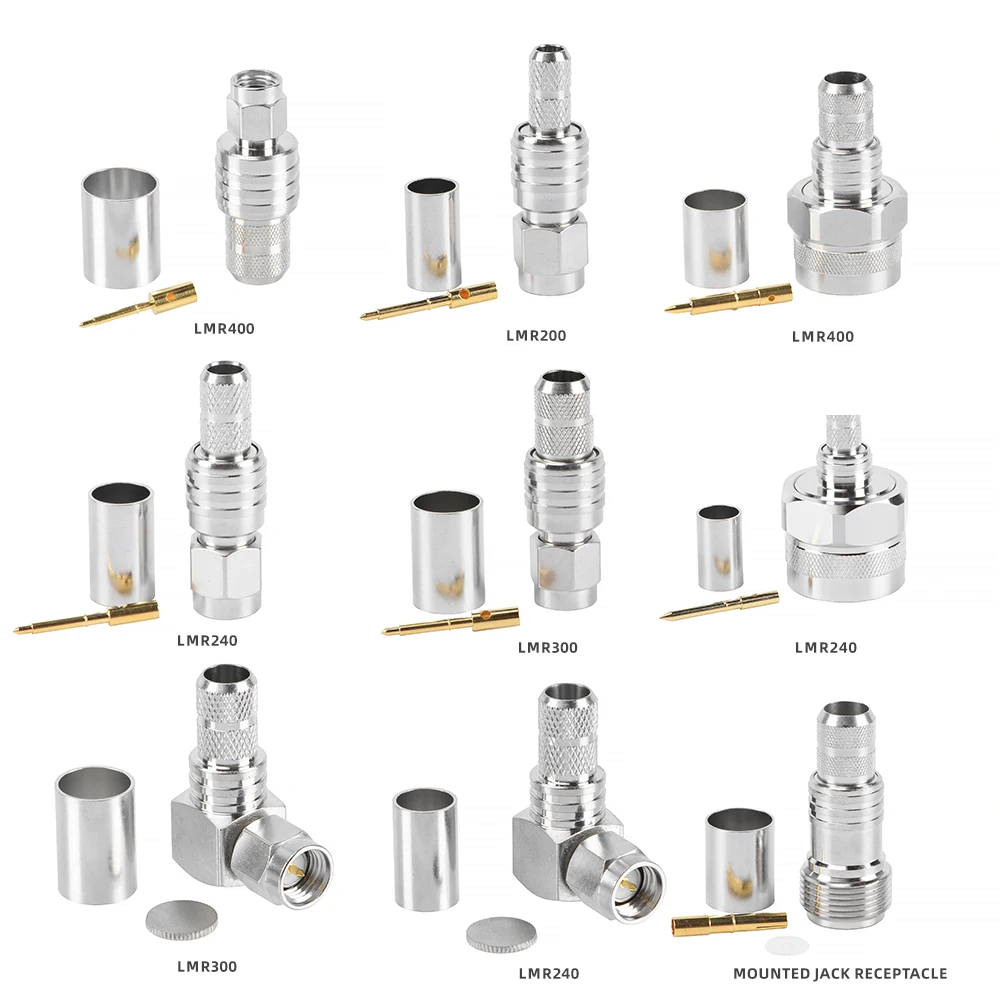
Selecting the correct RF cable connector is a foundational engineering decision. An improper choice can introduce significant signal degradation, leading to poor system performance. The selection is guided by several key factors: Frequency Range (e.g., SMA for up to 18 GHz, N-Type for up to 11 GHz), Impedance (typically 50 or 75 ohms, with mismatches causing signal reflection), and Application Environment (requiring materials like stainless steel for corrosion resistance or specific sealing for outdoor use). Furthermore, connector gender (male or female) and interface type (threaded like SMA/N or push-on like BNC) must match the mating equipment.
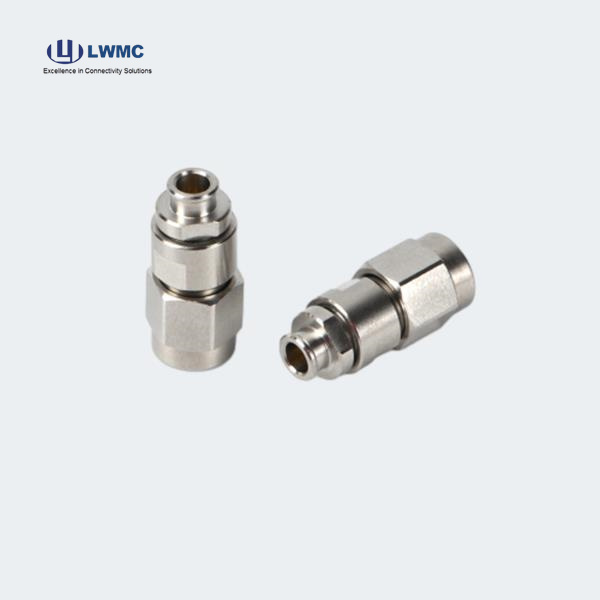
A perfect connector can still fail if installed incorrectly. Proper installation is a meticulous process that preserves the cable's electrical characteristics. For crimp-type connectors, this involves using a precision stripper to remove the cable jacket, shield, and dielectric to exact lengths without nicking the center conductor. The prepared cable is then inserted into the connector, and a calibrated, manufacturer-specified crimp tool is used to secure it. This creates a uniform, gas-tight connection. For solder-type connectors, careful application of heat is required to avoid damaging the dielectric. After installation, the connector should be inspected for any stray shield wires or flaws. The final step is mating: connectors should be aligned straight and tightened to the specified torque (e.g., 5-8 in-lbs for SMA) using a torque wrench to ensure a solid connection without damaging the threads.
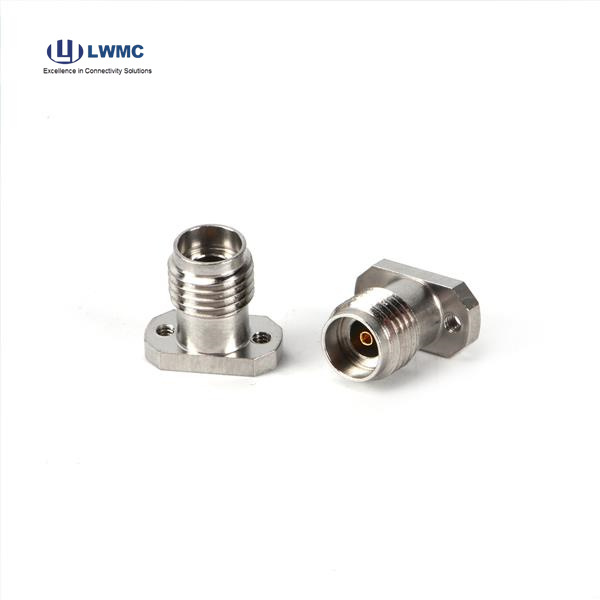
Even with proper installation, connectors can develop issues over time. Common problems and their solutions include:
High VSWR/Signal Loss: Often caused by a damaged center pin, poor solder/crimp joint, or cable kink near the connector. Inspect and re-terminate the connector or replace the cable assembly.
Intermittent Connection: Frequently results from a loose coupling nut, worn threads, or internal corrosion. Tighten the connection and clean contacts with electronic-grade cleaner.
Water Ingress: A leading cause of failure in outdoor installations. Ensure connectors are rated for the environment (e.g., IP67) and that sealing gaskets are intact. Use waterproofing tape over the mated interface for permanent outdoor runs.
Difficulty Mating: Can indicate cross-threading, dirt/debris, or connector damage (e.g., bent pin). Never force a connection. Clean and inspect both connectors for physical damage.
Systematic troubleshooting with a vector network analyzer (VNA) can isolate whether the issue lies with the connector, cable, or another system component.
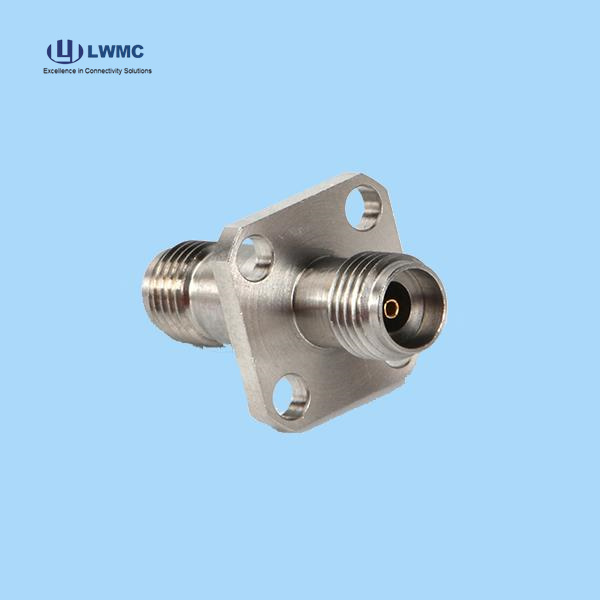
Technology evolves, and so do connector standards. Upgrading your RF cable connectors can be a direct path to better system performance. This may involve moving from older UHF connectors to low-PIM N-Type connectors in a cellular distributed antenna system (DAS) to improve signal quality. It could mean replacing standard SMA connectors with precision-grade versions for a test bench to achieve more accurate measurements above 6 GHz. These assemblies eliminate the variability of field terminations, guarantee optimal VSWR, and often use superior low-loss cables. Furthermore, integrating the appropriate RF Adapter allows for a seamless transition during an upgrade, enabling new equipment to work with existing infrastructure. Investing in higher-performance connectors and professional assemblies future-proofs systems, reduces maintenance, and ensures that the physical link is never the bottleneck in your RF performance.

 EN
EN