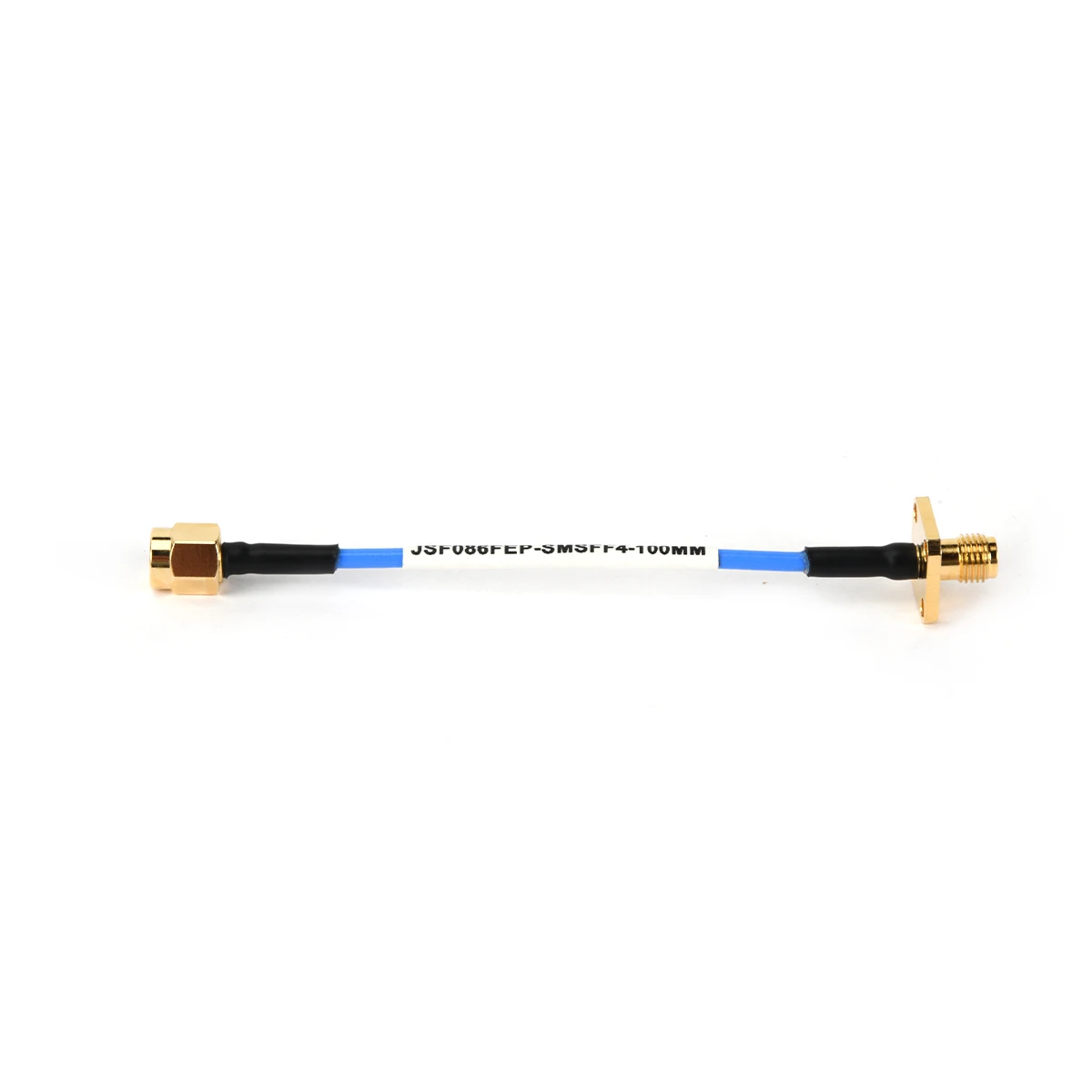
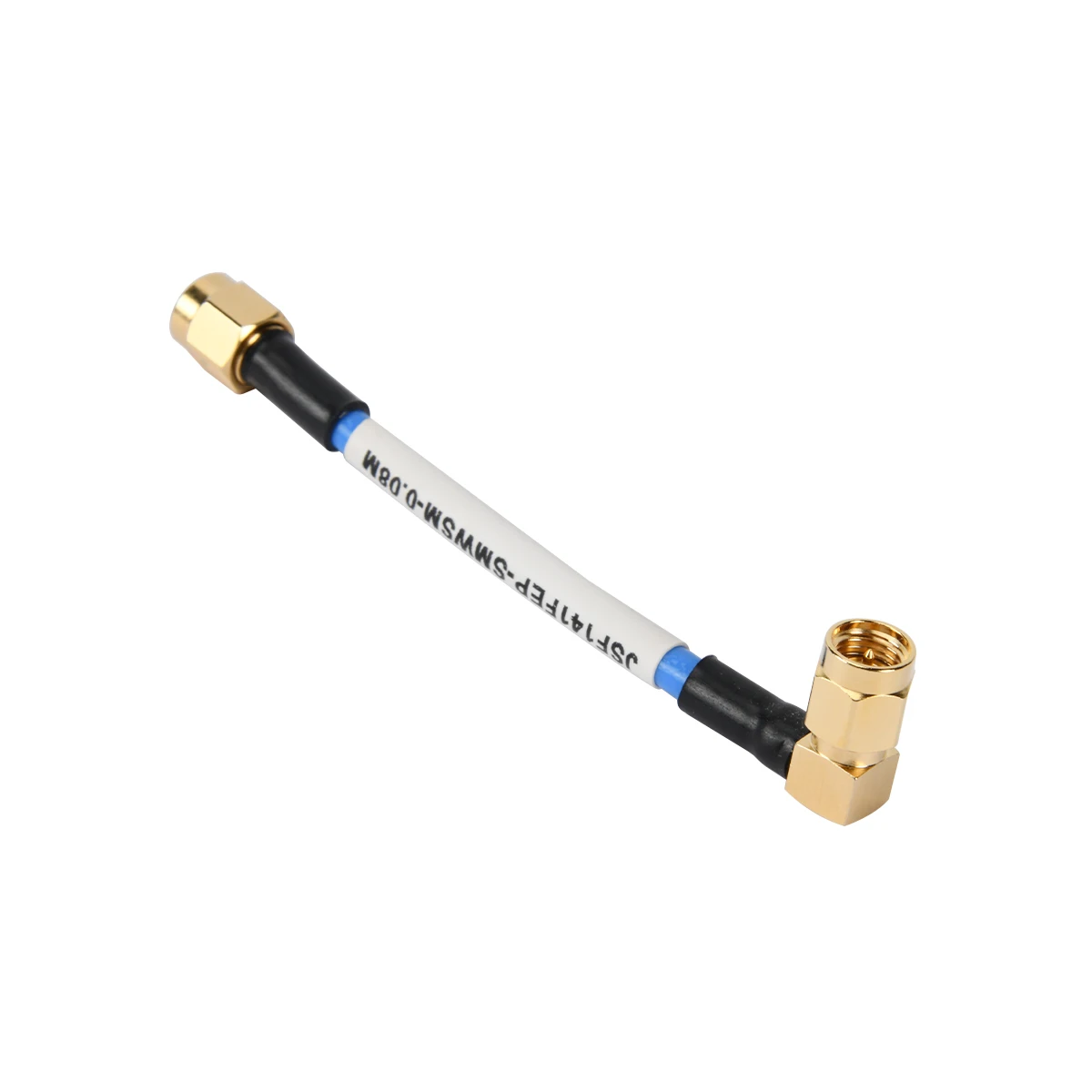
In the diverse landscape of radio frequency (RF) connectivity, certain components stand out for their durability, simplicity, and widespread adoption. The UHF Male connector, commonly known as the PL-259, is one such component. Recognizable by its distinctive threaded coupling nut and robust construction, this connector has served as a reliable workhorse for decades in applications ranging from amateur radio and broadcast to public safety and marine communications. Designed primarily for the HF to VHF spectrum, the UHF Male connector excels in environments where mechanical strength and environmental sealing are prioritized over ultra-high-frequency performance. It represents a foundational interface in RF systems, providing a secure and stable connection for coaxial cables in demanding field conditions.
The UHF Male connector is engineered for durability. Its defining feature is the coarse, threaded outer shell that mates with a corresponding UHF Female (SO-239) socket, creating a mechanically secure connection resistant to vibration and accidental disconnection. Typically constructed from nickel-plated brass or other corrosion-resistant materials, it is built to withstand harsh outdoor environments. The connector utilizes a soldered or clamp-style termination to secure the coaxial cable. The soldered version requires the cable's center conductor to be fed through and soldered into the connector's center pin, while the braid is soldered to the connector body. This design, while requiring more skill for installation, creates a very robust and permanent bond, making it ideal for fixed installations exposed to the elements.
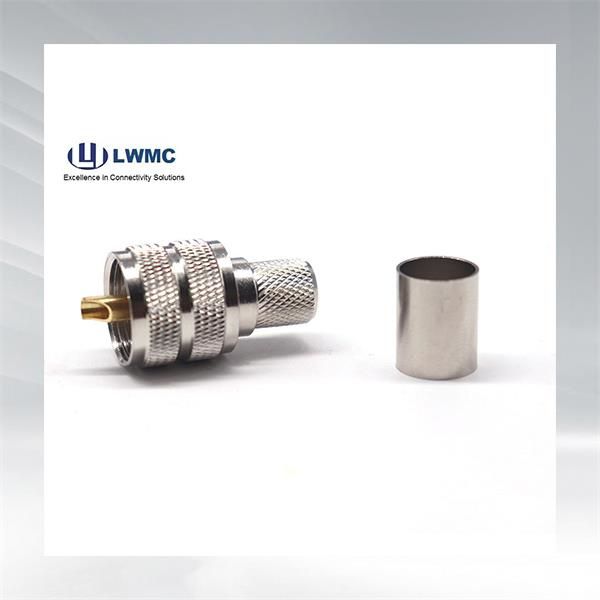
The UHF Male connector's combination of ruggedness and straightforward design has cemented its role in several key sectors. It remains a staple in amateur (ham) radio stations for connecting transceivers to antennas and feed lines. The broadcast industry utilizes these connectors for audio, video, and two-way radio antenna systems, particularly in FM and VHF television applications. In public safety and land mobile radio (LMR), they are found on base station antennas, mobile units, and repeaters where reliable, high-power connections are needed. Additionally, they are prevalent in certain marine communications installations and older military surplus equipment. Its utility is strongest in applications operating below 500 MHz, where its electrical performance is fully adequate and its mechanical advantages are most valued.
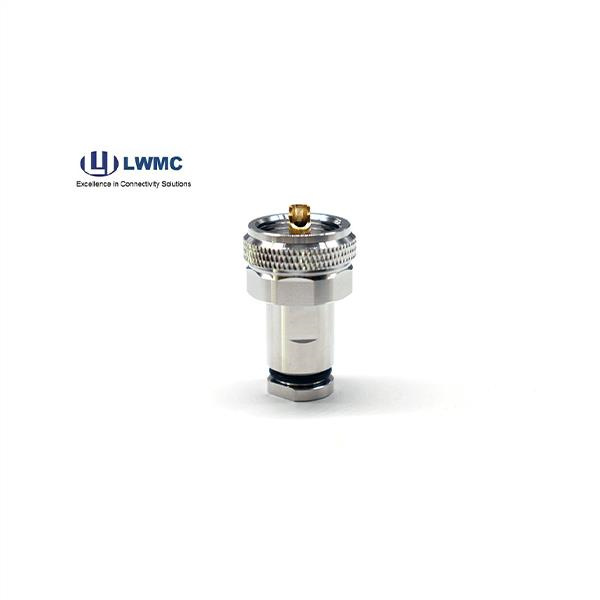
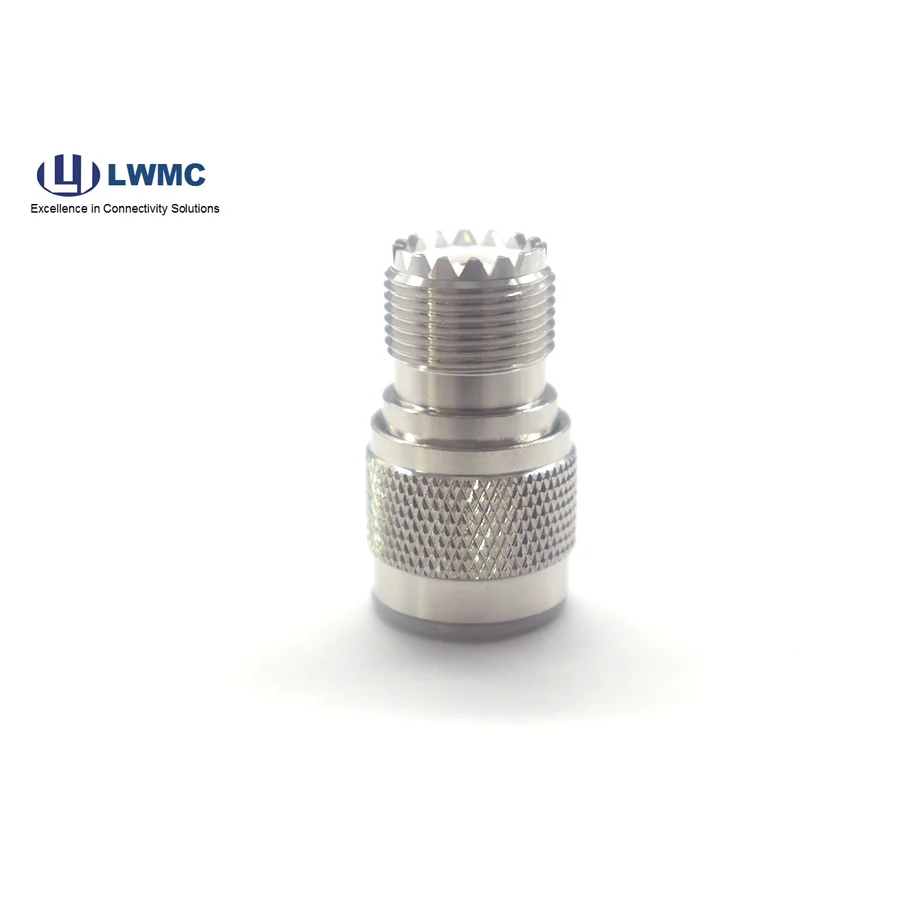
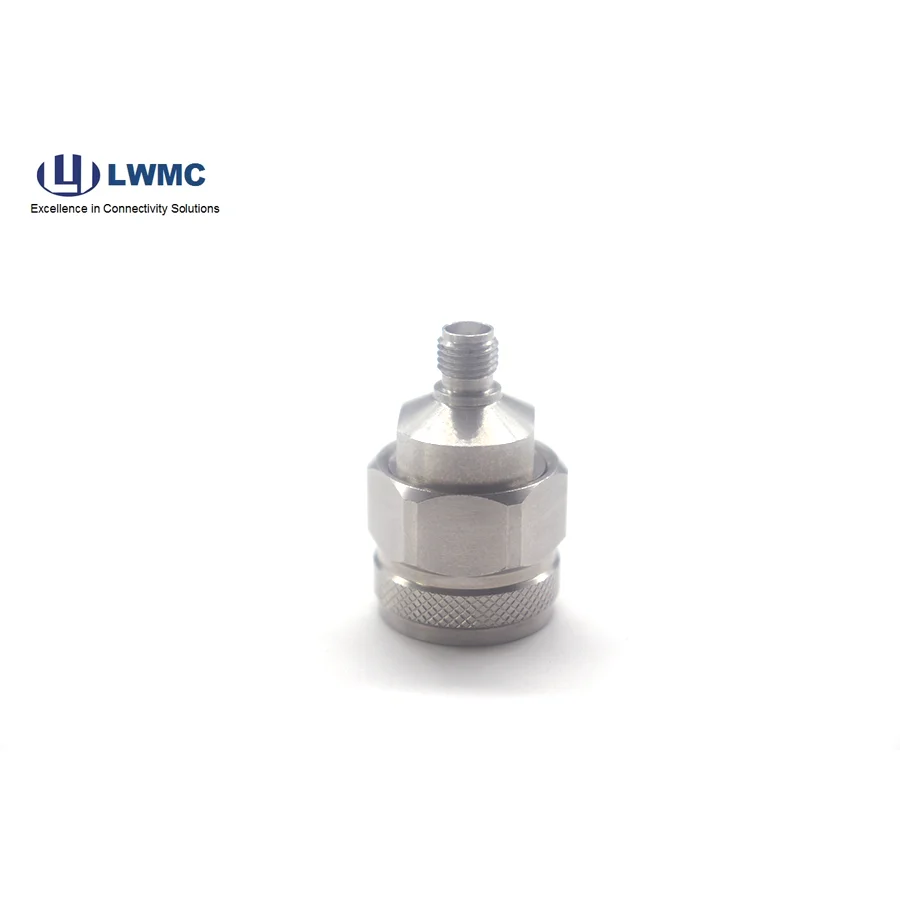
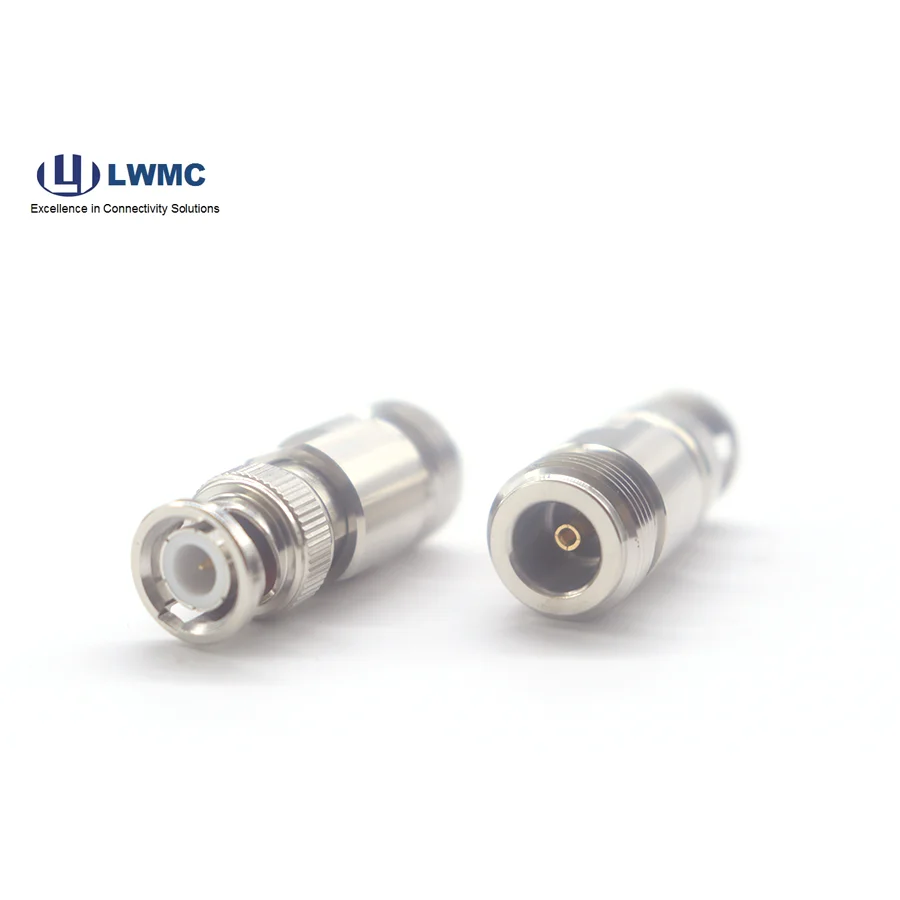
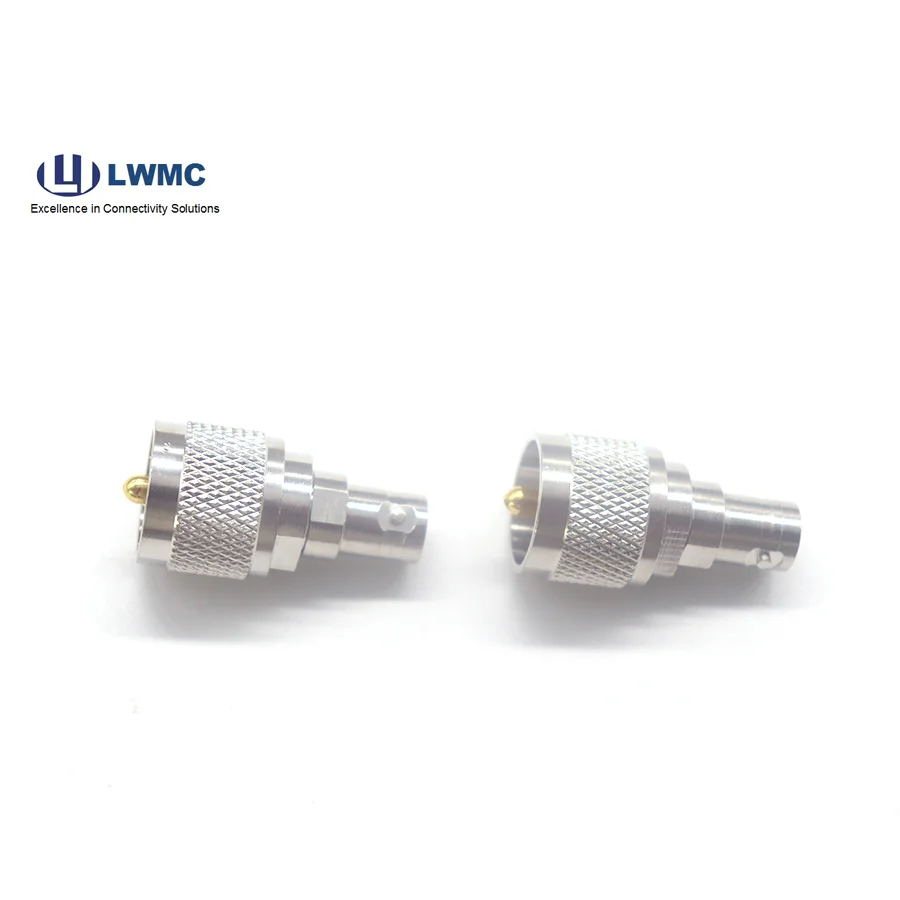
The true functionality of the UHF Male connector is realized through proper system integration. It is designed to interface with specific coaxial cable diameters, most commonly RG-8, RG-213, and RG-58 (the latter often requiring a reducing adapter sleeve). The connector forms the critical endpoint in a Coaxial Cable Assembly, and its performance hinges on a correct and careful installation. Furthermore, to ensure system flexibility, a range of RF Adapters are essential. UHF Male to N-Type Female or UHF Male to BNC Female adapters, for example, are invaluable tools. They enable seamless interconnection between legacy UHF-based equipment and modern devices using different connector standards, extending the usefulness of existing infrastructure without compromising connection integrity.
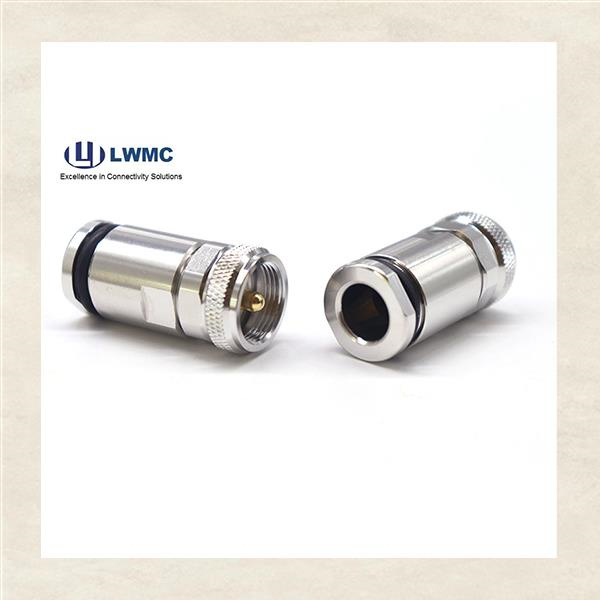
Proper installation of a UHF Male connector is a skilled process. It involves precise cable stripping, careful soldering of both the center conductor and braid, and the assembly of the outer coupling sleeve. For field technicians, crimp-style versions offer a quicker, tool-dependent alternative. Maintenance primarily involves ensuring the threaded connection remains tight and the interface is protected from corrosion; the use of dielectric grease on the threads can be beneficial. For users seeking guaranteed performance and reliability, sourcing pre-assembled cable units from a manufacturer like Linkworld is the optimal choice.

 EN
EN