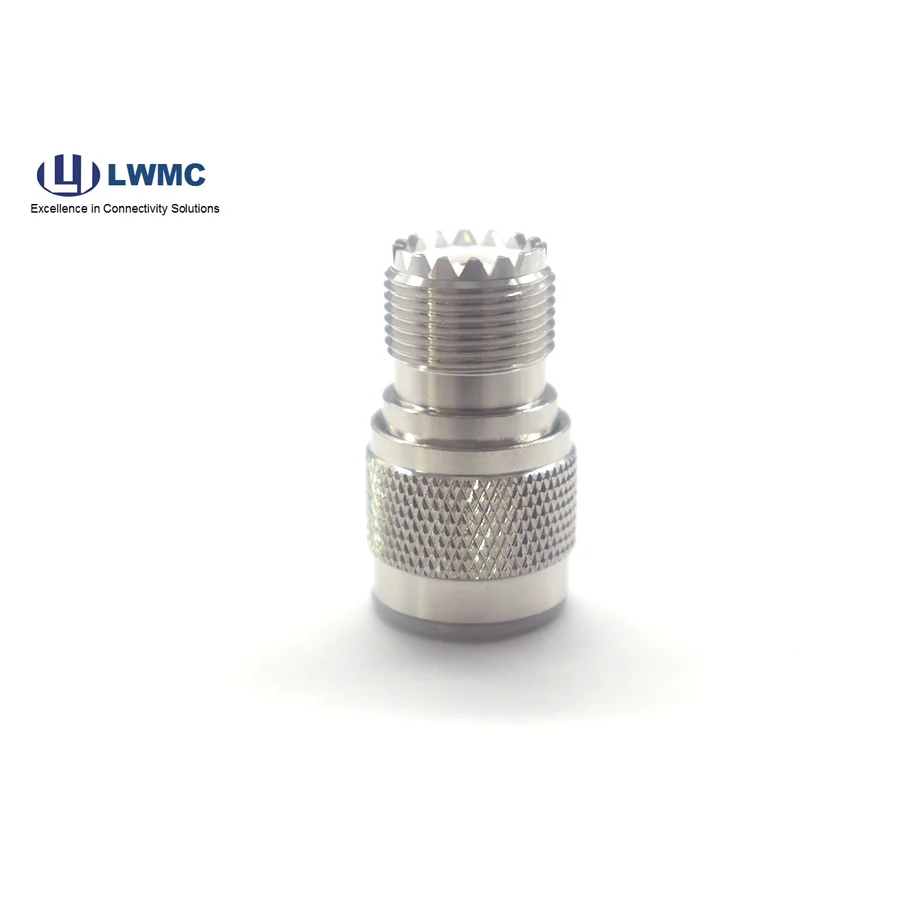
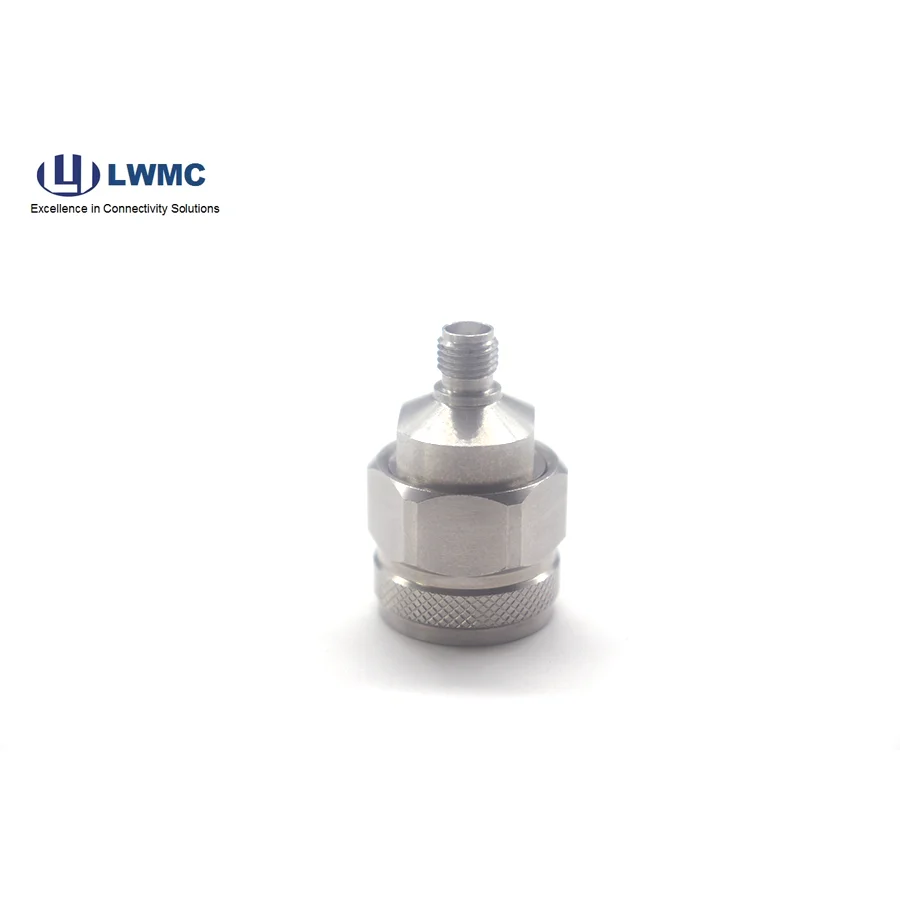
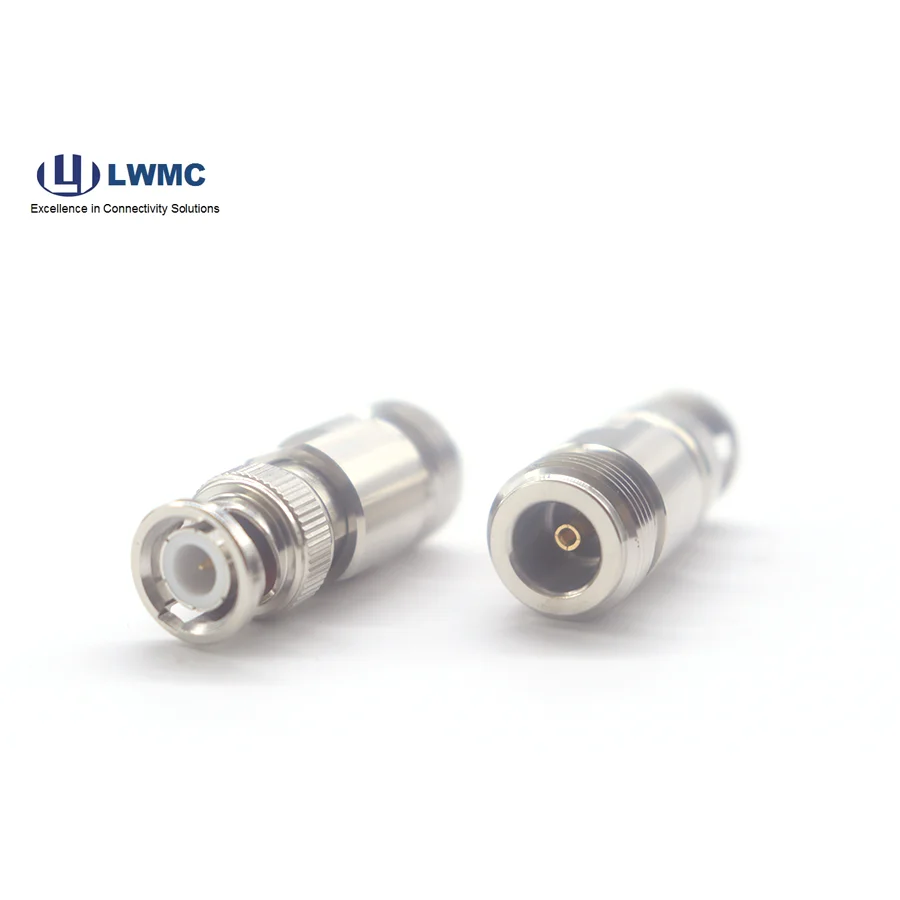
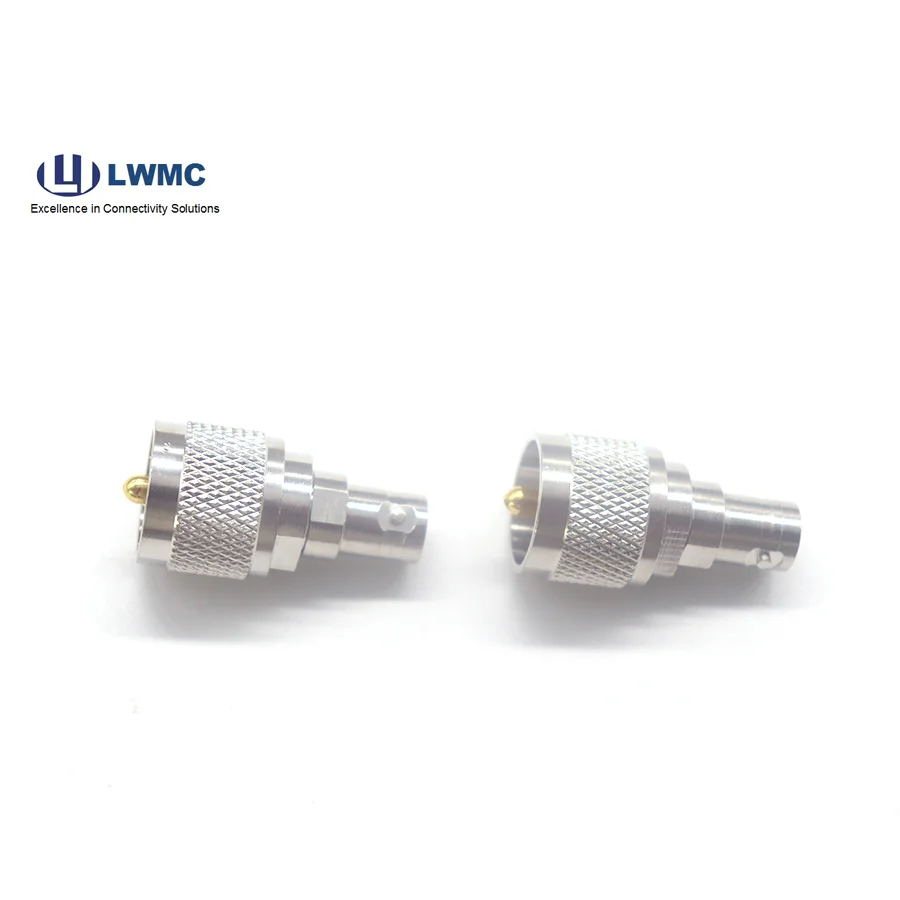
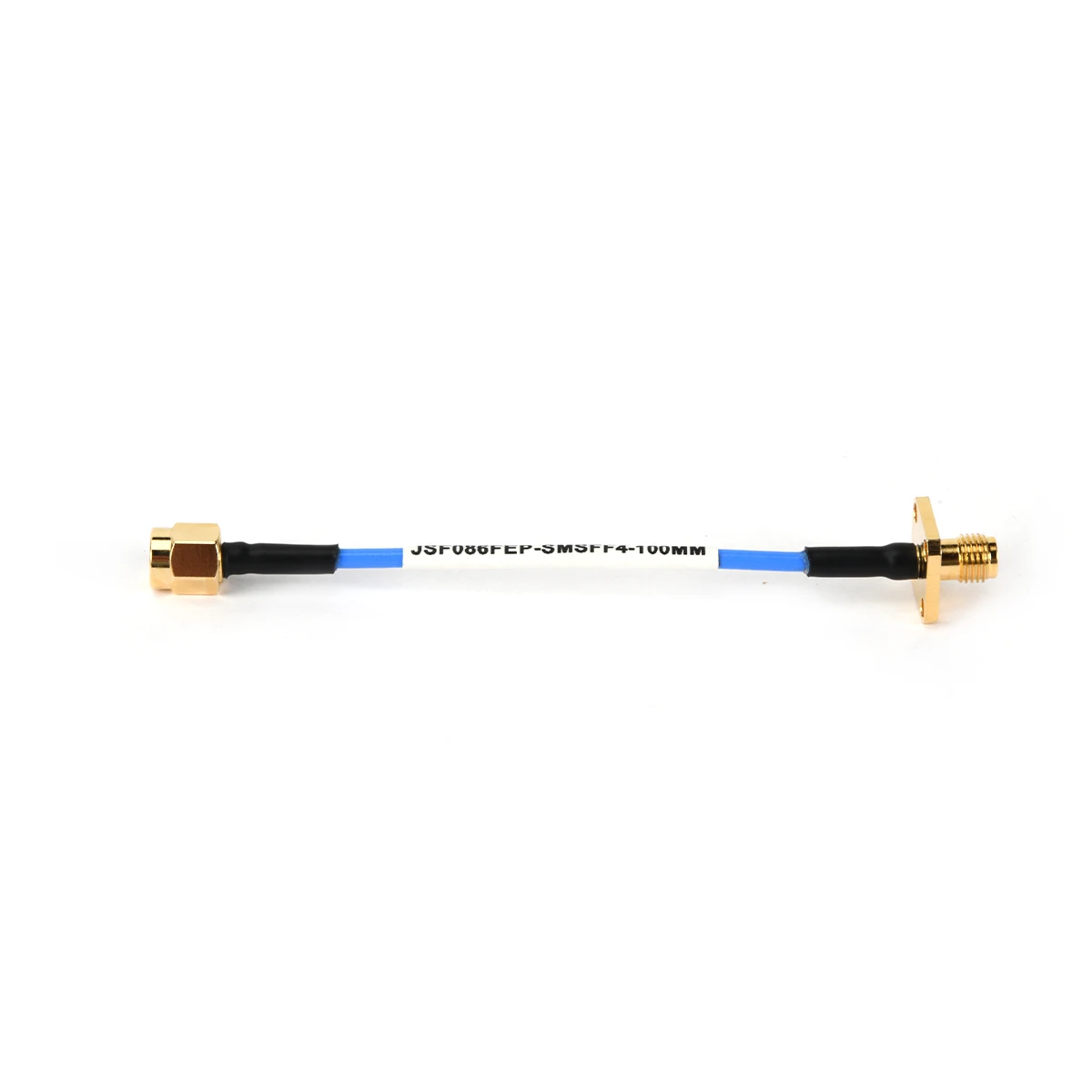
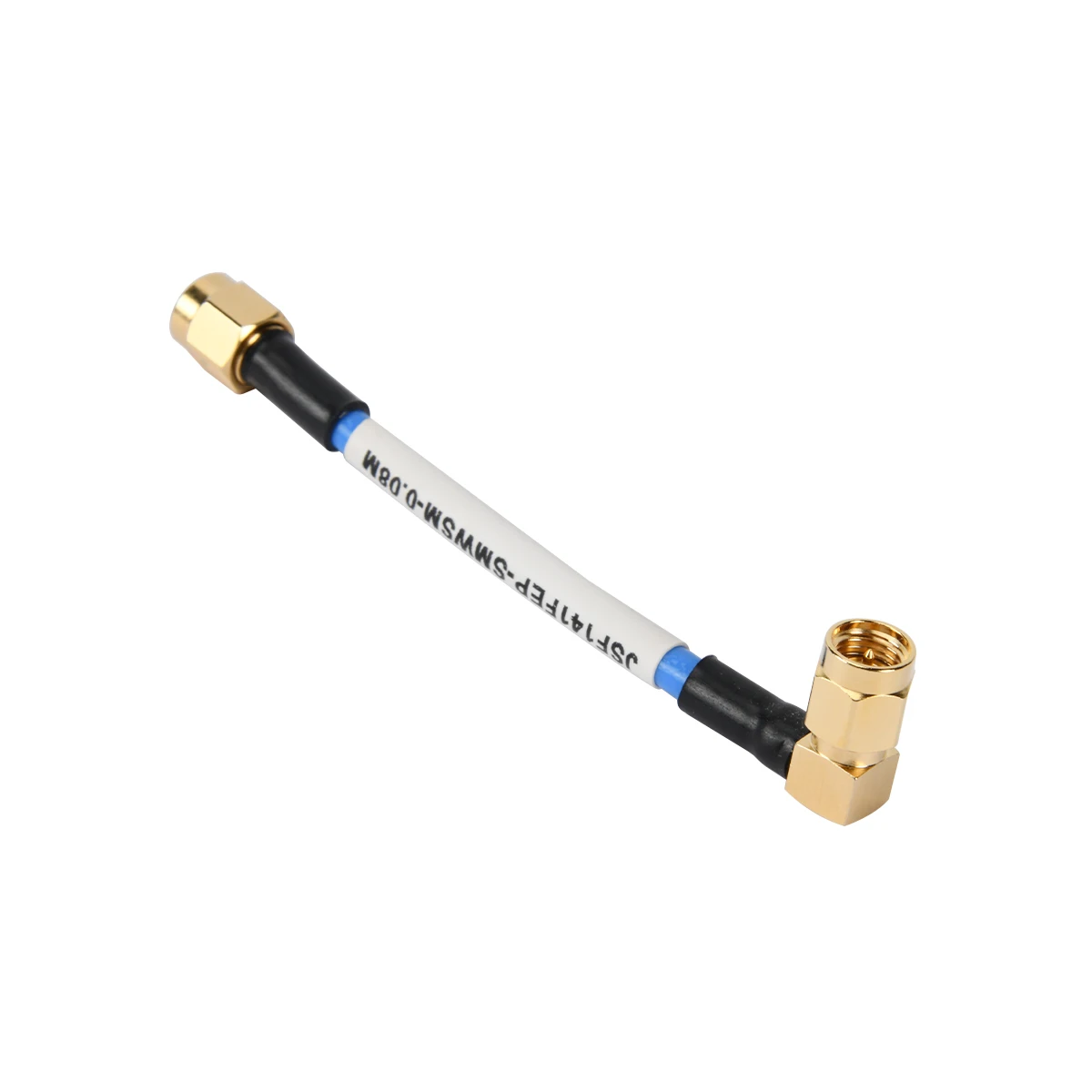
In modern RF systems, it is common to encounter equipment and components with different interface types. Effectively bridging these compatibility gaps is crucial for maintaining signal integrity and system functionality. The SMA to N connector serves as a vital adapter in this context, providing a seamless and reliable transition between the compact SMA interface and the robust N-type interface. This essential component allows engineers and technicians to connect devices from different standards, facilitating flexible system integration, testing, and optimization without requiring custom solutions or equipment modification.
Employing an SMA to N adapter delivers several key advantages. First, it ensures system compatibility, allowing you to connect SMA-based devices (like many GPS modules, WiFi cards, or portable test probes) directly to N-type infrastructure (such as base station antennas, high-power amplifiers, or measurement equipment with larger ports). This extends the utility of your existing equipment. Second, it supports signal integrity across the transition. High-quality adapters are engineered to minimize impedance mismatch and signal reflection, preserving performance. Finally, it offers significant cost and time efficiency, eliminating the need for specialized custom cables and enabling rapid reconfiguration of test benches or field setups.
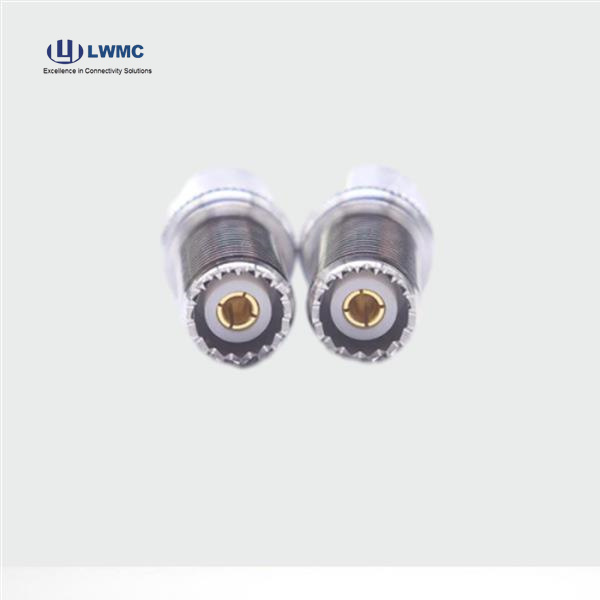
Correct handling ensures longevity and optimal performance. Always use a torque wrench to tighten the threaded interfaces—typically 7-10 in-lbs for SMA and 12-15 in-lbs for N-type—to avoid under-tightening (which causes signal loss) or over-tightening (which can damage the threads). When installing, support both sides of the adapter to prevent bending stress on the connectors, especially the smaller SMA end. For maintenance, keep connectors clean and free of debris; use compressed air or isopropyl alcohol and lint-free swabs for cleaning. Always use protective caps when the adapter is not in use to shield thecontacts from dust, moisture, and physical damage. Periodically inspect for signs of wear, corrosion, or loose parts.
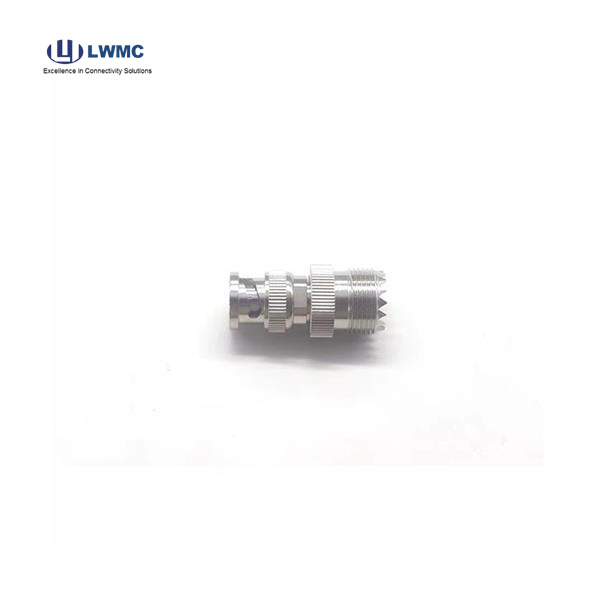
Selecting the appropriate SMA to N adapter depends on your specific application requirements. Key choices include:
Gender Configuration: The most common is a Female SMA to Male N adapter, used to connect an SMA-male cable to an N-female port. Reverse configurations (Male SMA to Female N) are also available. Ensure the adapter's gender matches the ports you need to connect.
Impedance: Both SMA and N connectors are predominantly 50-ohm standards. Ensure your adapter is specified as 50-ohm for general RF use.
Performance Grade: For lab testing or high-frequency applications (up to 18 GHz), choose a precision-grade adapter with superior materials and plating for minimal VSWR. For field use or general connectivity, a commercial-grade durable adapter is often sufficient.
Construction: Consider straight or right-angle designs based on space constraints in your assembly.
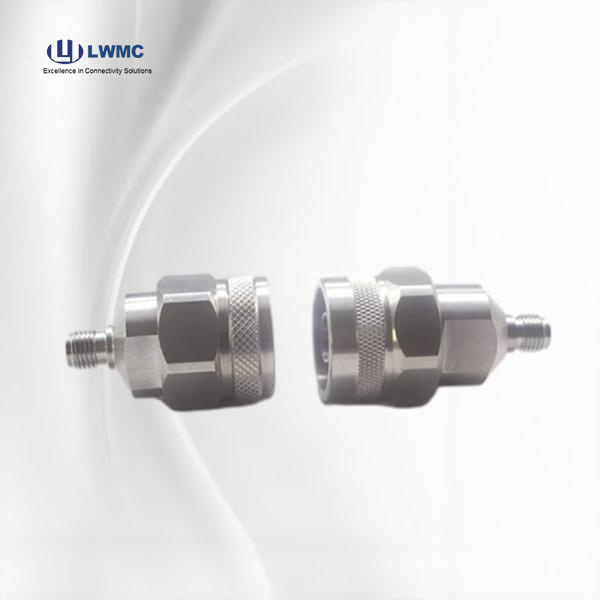
The SMA to N adapter's utility spans numerous fields due to its role as a universal translator. In Telecommunications and Networking, it is used to connect SMA-based customer premises equipment (CPE) to N-connector antennas on masts or to interface with larger distribution systems. In Test and Measurement, it allows handheld analyzers with SMA ports to connect to N-type test fixtures, dummy loads, or antenna systems, providing invaluable flexibility. Within Aerospace and Defense, it facilitates connections between compact onboard SMA devices and larger, ruggedized N-type cabling harnesses. It also plays a role in Broadcasting and Public Safety Radio, where equipment from various generations and standards must interoperate seamlessly.

 EN
EN