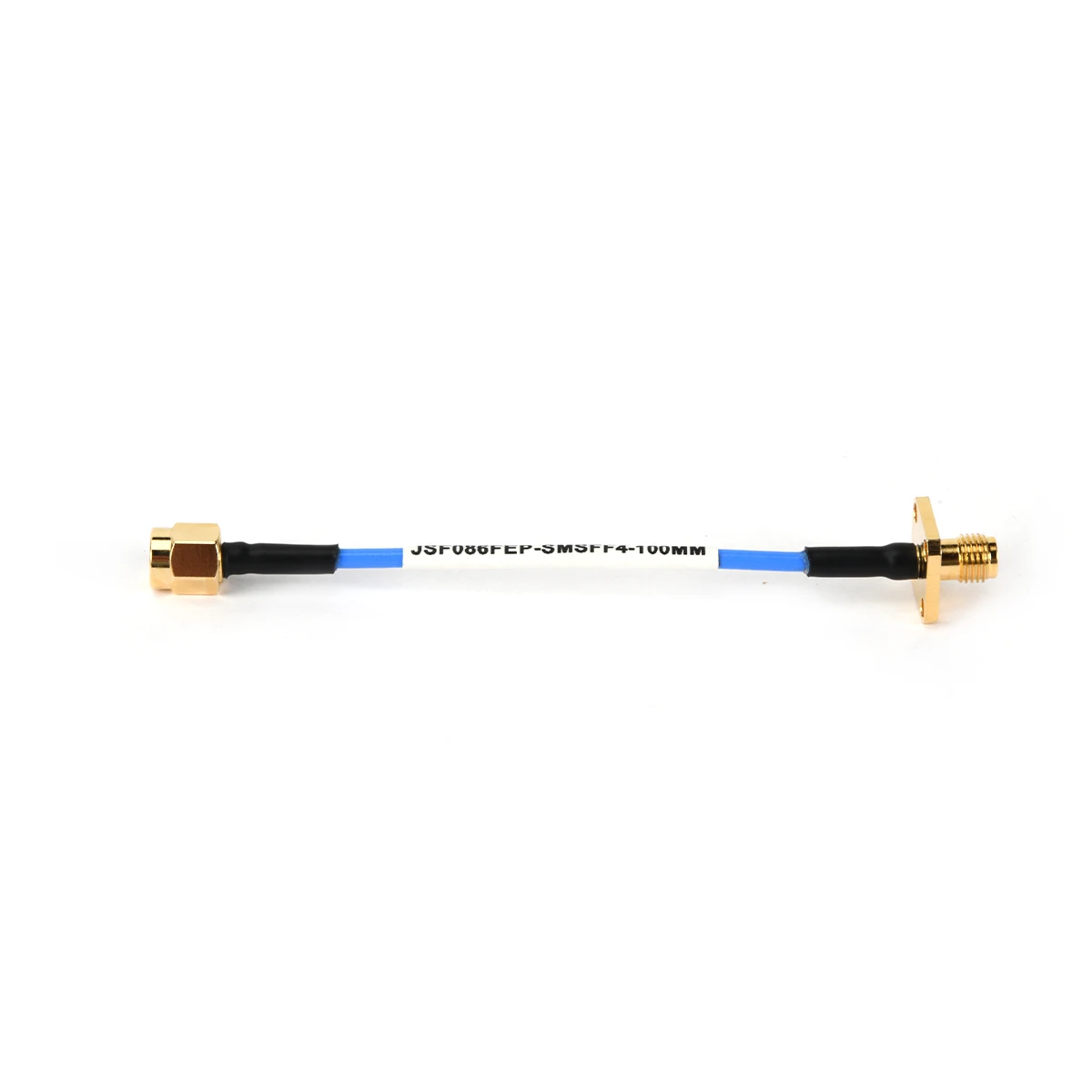
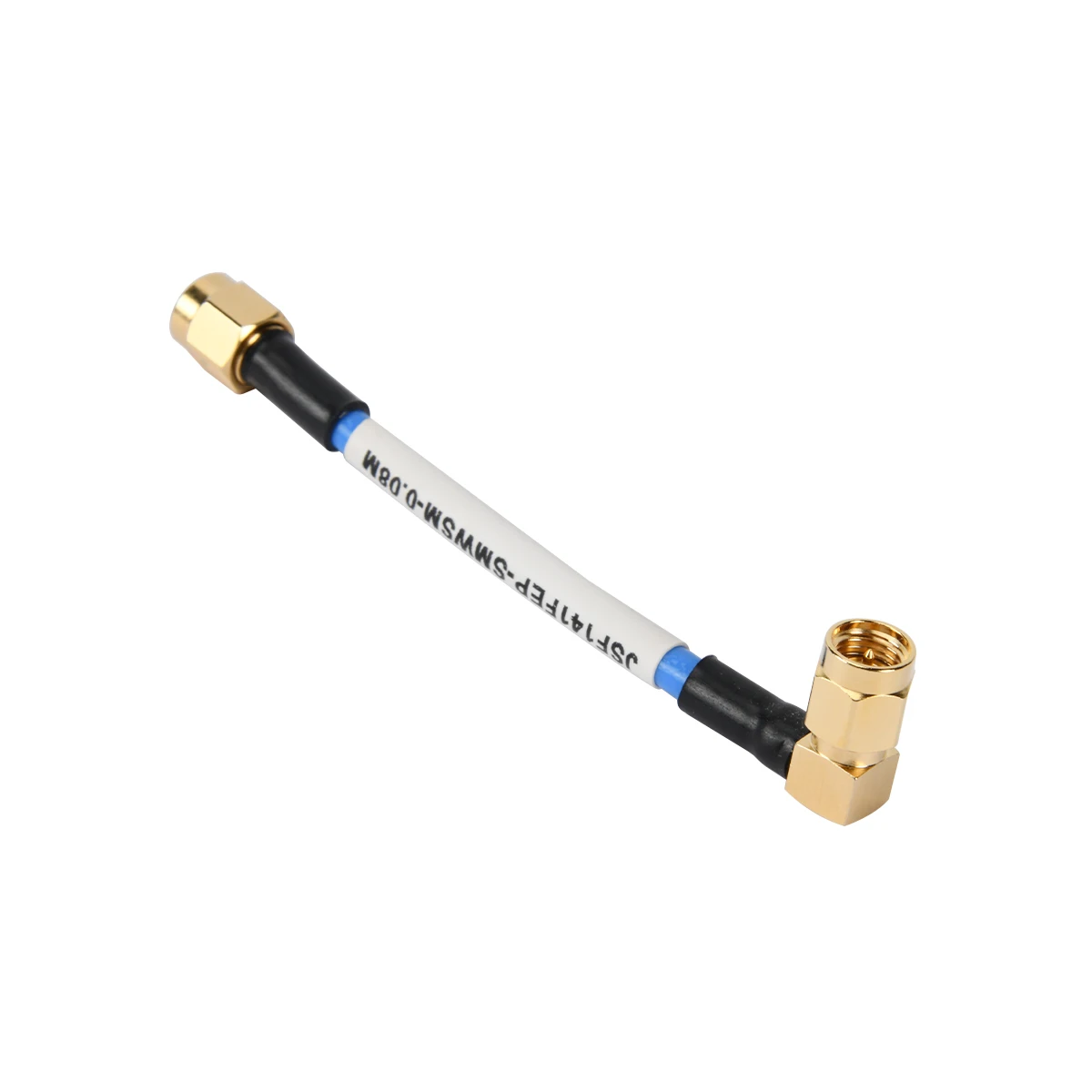
In the realm of RF and microwave electronics, the integrity of the physical connection is as critical as the performance of the components themselves. The SMA male cable assembly—a coaxial cable terminated with a SubMiniature version A (SMA) male connector—serves as a fundamental building block for countless modern systems. Designed for reliable operation up to 18 GHz (or higher for precision versions), this compact and robust interface is the de facto standard for connecting RF modules, antennas, filters, and test equipment. Its threaded coupling mechanism provides secure, vibration-resistant connections essential for maintaining signal integrity in dynamic environments. From 5G infrastructure and satellite communications to medical devices and laboratory instrumentation, the SMA male cable is an indispensable tool for engineers demanding precision and reliability in the microwave spectrum.
Employing SMA male cable assemblies offers a compelling set of advantages for system design and operation. Their foremost benefit is consistent high-frequency performance. Precision-engineered to maintain a stable 50-ohm impedance, they minimize signal reflection (low VSWR) and insertion loss, ensuring clean signal transmission up to 18 GHz and beyond. Secondly, they provide excellent mechanical stability. The threaded coupling interface offers superior vibration and shock resistance compared to push-on alternatives like BNC connectors, making them ideal for aerospace, mobile, or high-reliability applications. Furthermore, their compact size allows for high-density interconnections in space-constrained environments, such as within radios, phased array systems, or test racks. Finally, the widespread adoption of the SMA standard ensures broad compatibility and availability, simplifying sourcing and system integration across a global supply chain.
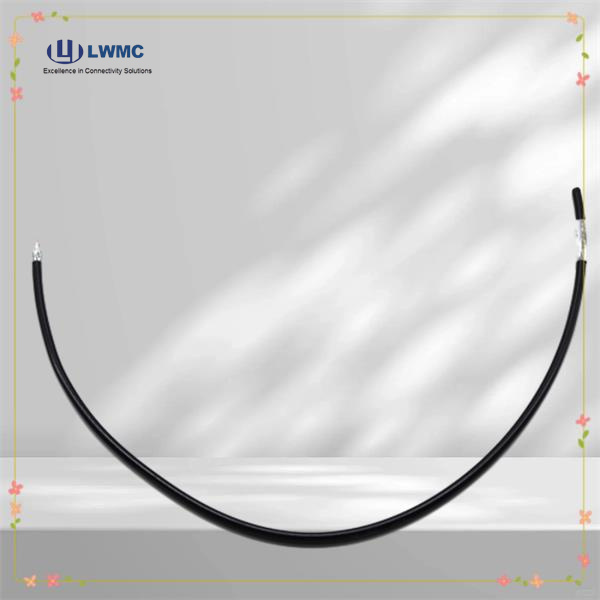
Correct installation is paramount to realizing the full electrical and mechanical potential of an SMA connection. The process begins with careful handling to avoid damaging the delicate center pin on the male connector. During mating, align the connector squarely with the female port and engage the threads by hand. Once hand-tight, use a torque wrench calibrated for SMA connectors to apply the final specified torque—typically 5 to 8 inch-pounds (in-lbs). Avoid using pliers or over-tightening, as this can permanently deform the connector, cross-thread the interface, or crush the dielectric, leading to degraded electrical performance and possible failure. For cable routing, maintain a bend radius greater than the cable's minimum specification (often 10 times the outer diameter) to prevent kinking, which can alter impedance and cause signal loss. When disconnecting, always grip the coupling nut, not the cable or connector body, to avoid strain.
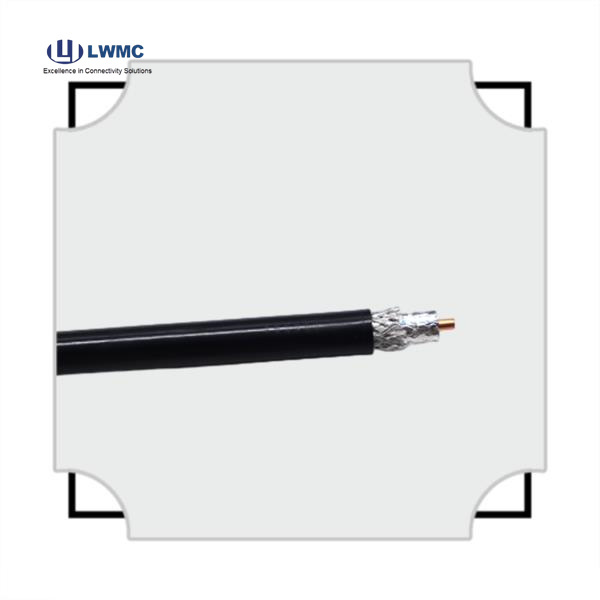
Understanding the distinction between SMA male and female cables is essential for correct system assembly. The difference is defined by the gender of the center contact. An SMA Male cable assembly features a connector with a center pin, while an SMA Female assembly has a connector with a receptacle socket designed to receive that pin. This is purely a mechanical mating distinction; their electrical performance and frequency ratings are identical when from the same product line. In practice, equipment ports are most commonly female (e.g., on a spectrum analyzer or RF module), requiring a cable with a male connector to interface with them. Conversely, to connect two male-ended devices or cables, an SMA Female-to-Female adapter (barrel coupler) is required. Choosing the correct gender is the first and most critical step in planning any RF interconnect.
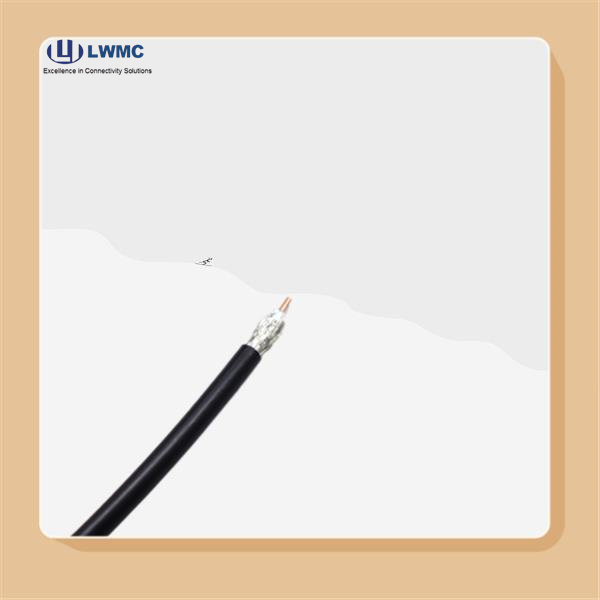
SMA male cables are non-negotiable for high-frequency devices due to their engineered electrical precision. As signal frequencies increase into the gigahertz range, the wavelength shrinks, making the physical dimensions of the connector critically important to impedance control. The SMA interface is designed with precise geometry to maintain a consistent 50-ohm characteristic impedance at these frequencies, preventing impedance mismatches that cause signal reflections, standing waves, and loss. This precision ensures accurate signal transfer in sensitive applications such as vector network analyzer (VNA) measurements, radar front-ends, microwave radio links, and high-speed digital test fixtures. In essence, the SMA male cable provides a predictable, low-loss extension of the device's internal circuitry, making it an essential conduit for preserving the fidelity of high-frequency signals from source to destination.

 EN
EN