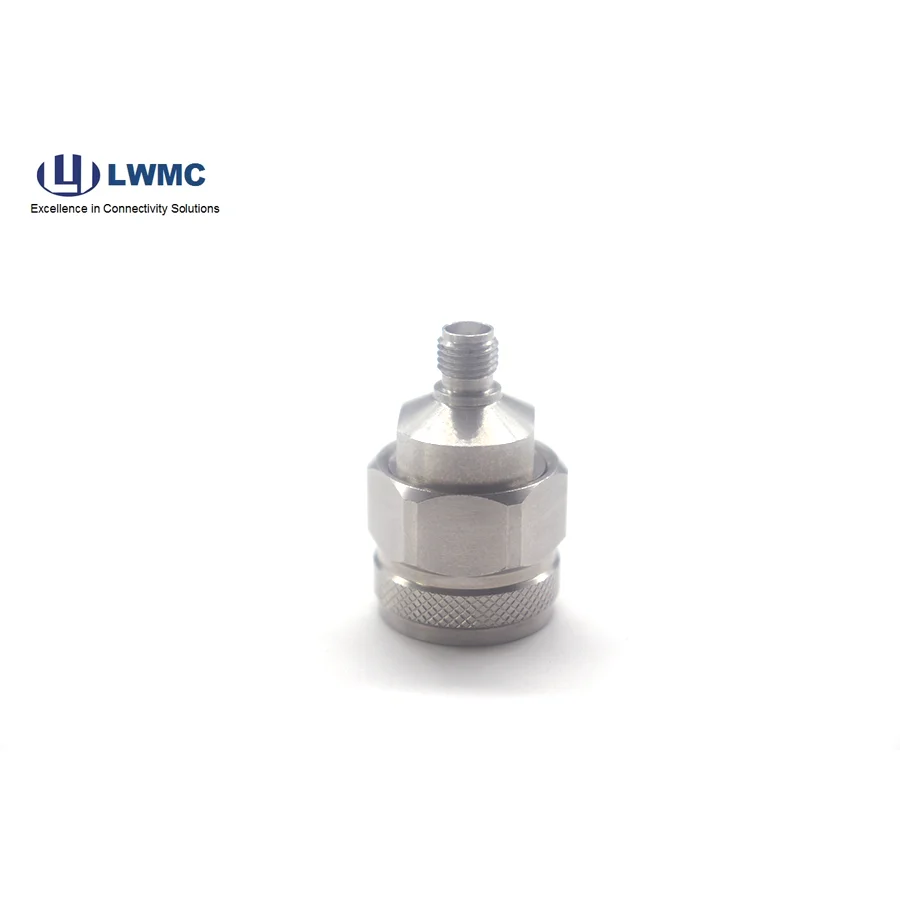
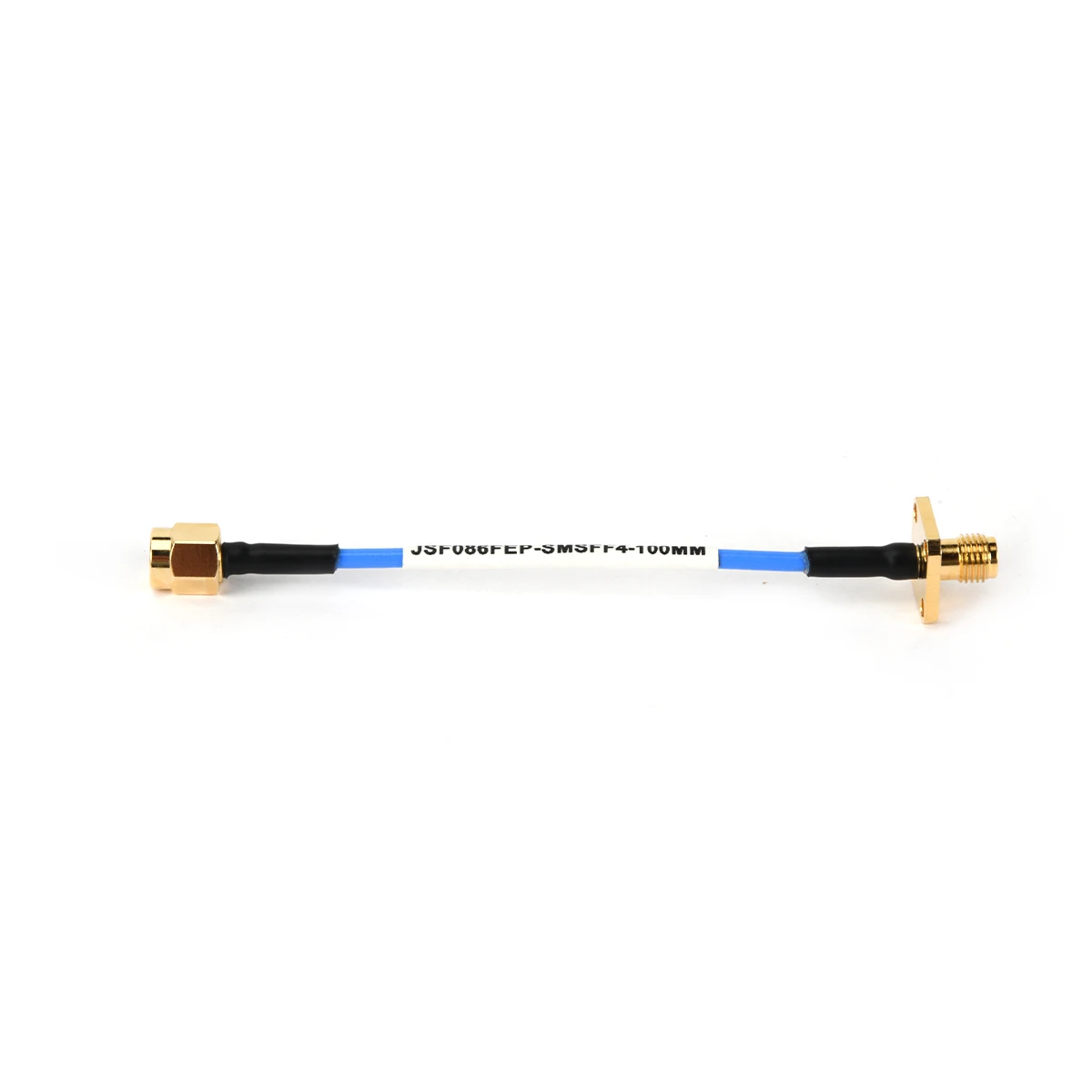
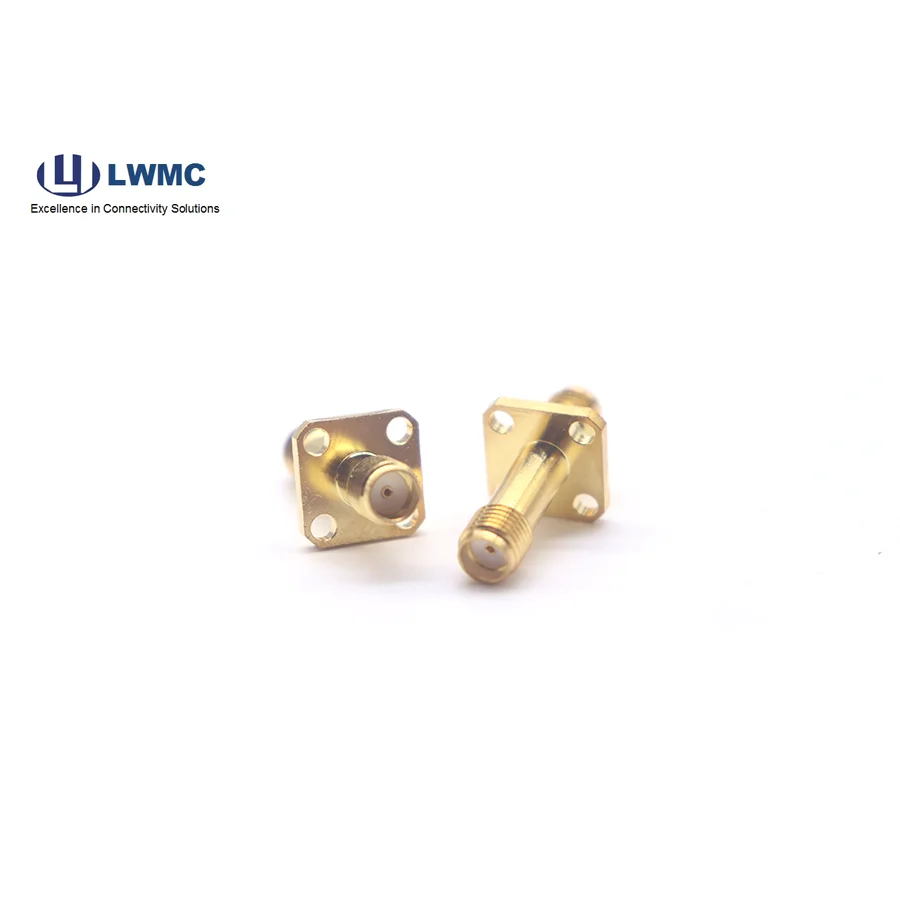
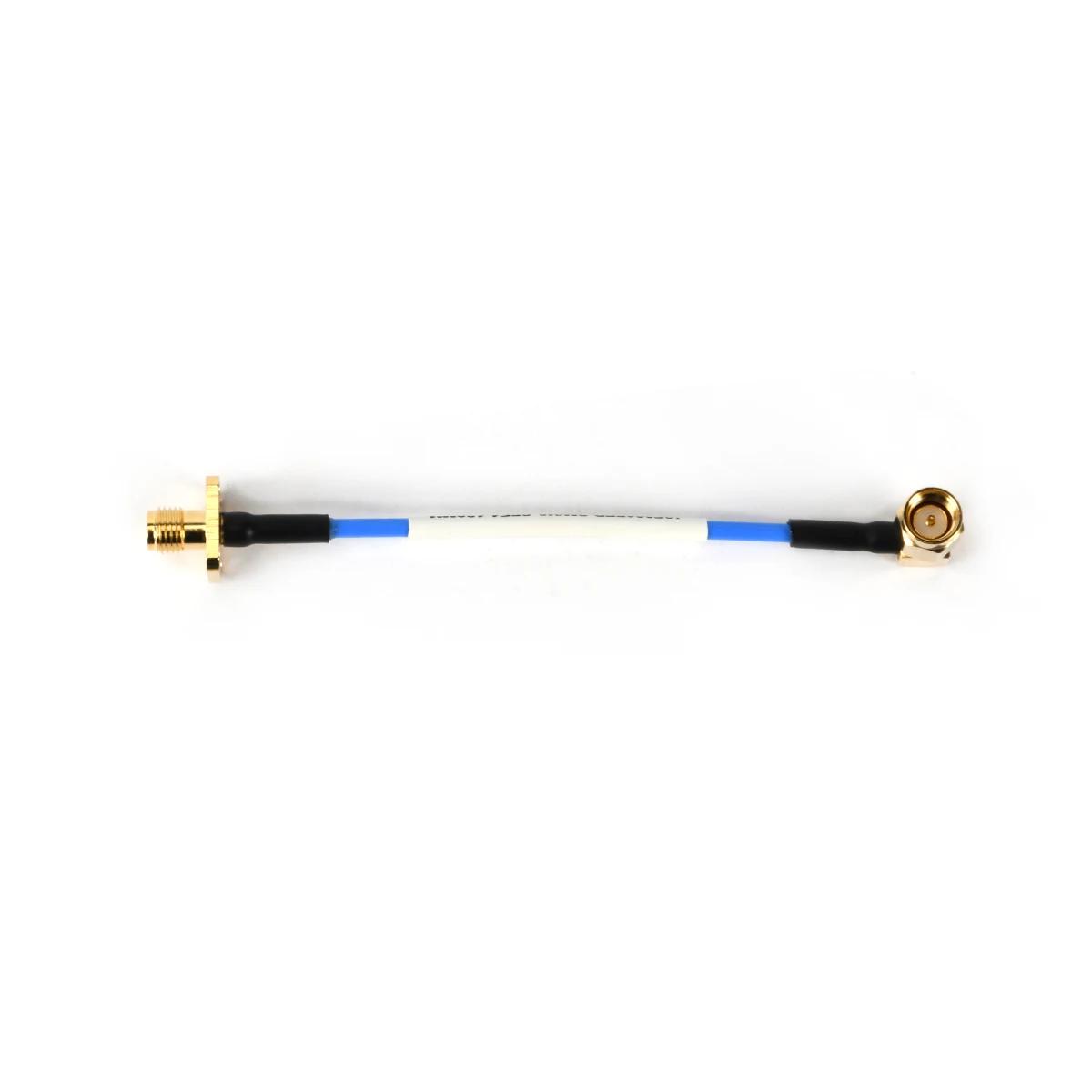
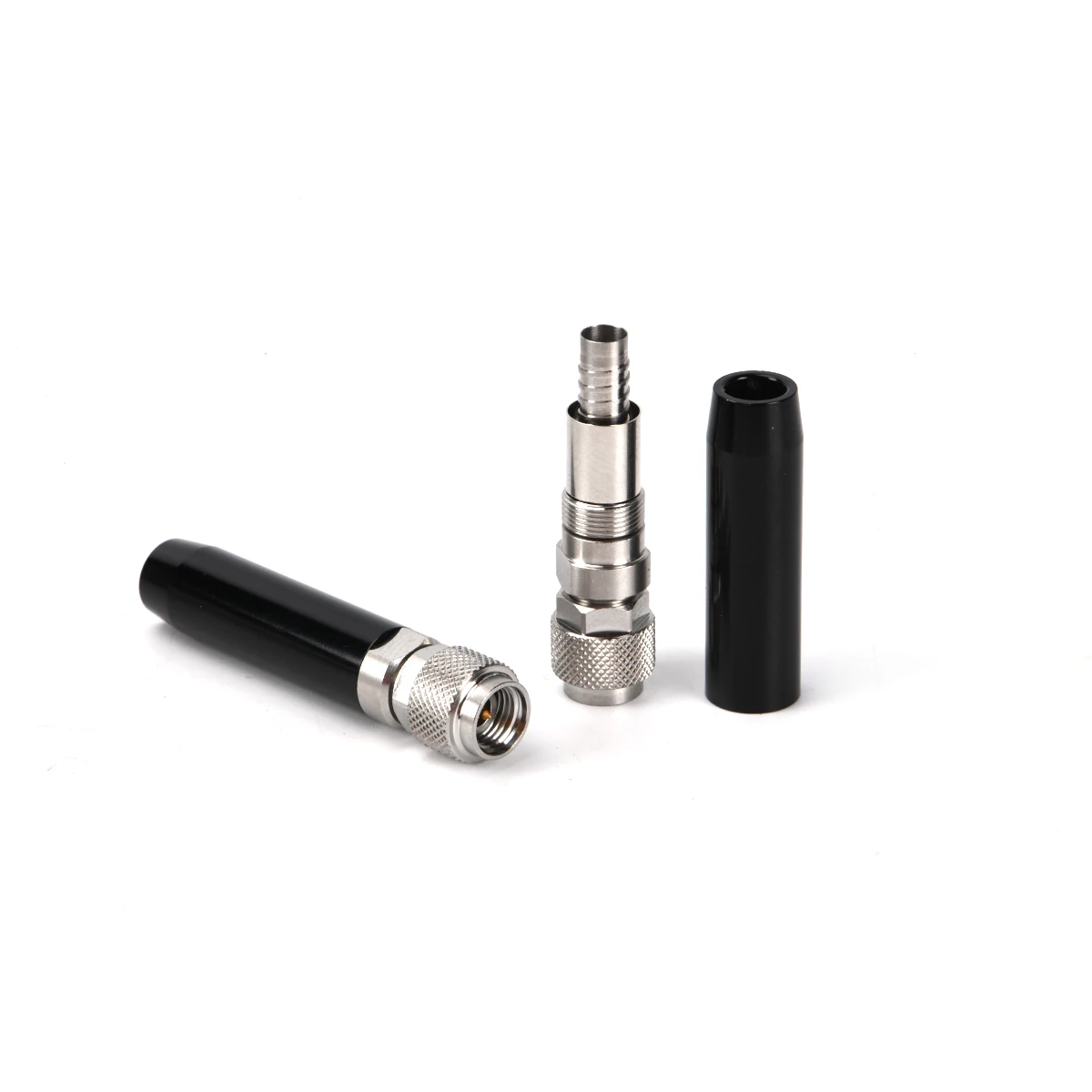
The SMA Female to SMA Female adapter is a fundamental yet indispensable component in the RF (Radio Frequency) and microwave connectivity landscape. This compact, precision-machined barrel features a standard SubMiniature version A (SMA) female jack on both ends, characterized by its threaded coupling nut and internal socket. Functioning primarily as a gender changer or inline coupler, it solves a common physical mismatch in systems where two cables or devices with SMA male connectors need to be joined. Operating effectively up to 18 GHz (with precision versions reaching 26.5 GHz), this adapter is a critical tool for maintaining signal continuity and system flexibility in test, telecommunications, and data applications.
The core function of an SMA Female to SMA Female adapter is to connect two SMA male plugs. This addresses the frequent scenario where two Coaxial Cable Assemblies with male terminations must be joined to extend length, or when a device with an SMA male output needs to connect to test equipment with an SMA male input. Common use cases are extensive. In test and measurement, it is used to connect a signal source to a spectrum analyzer or to insert a calibration standard into a chain. In telecommunications, it can link antenna jumpers or connect modules within a rack. For field technicians, it serves as an essential problem-solving tool in their kit, enabling rapid reconfiguration without requiring specialized, gender-specific cables, thereby simplifying inventory and logistics.
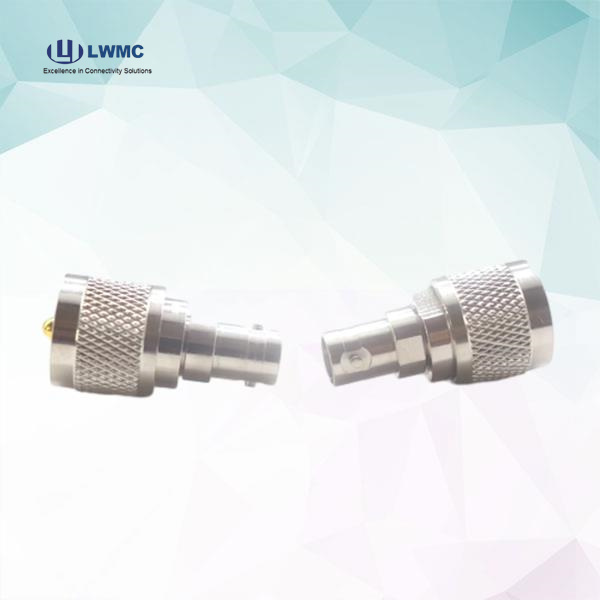
Selecting the correct SMA Female to Female adapter requires attention to key specifications that directly impact system performance. Impedance must be 50 ohms to match the standard of SMA systems. Frequency Range is critical; standard commercial adapters perform well up to 18 GHz, while precision models, with tighter mechanical tolerances, are necessary for higher frequencies and metrology-grade applications. Voltage Standing Wave Ratio (VSWR) is a paramount performance metric; a high-quality adapter will have a low VSWR (e.g., 1.15:1 or better) across its specified bandwidth to minimize signal reflections. Other considerations include the construction material (brass with nickel or gold plating), the durability of the internal dielectric, and the quality of the threading, all of which contribute to consistent electrical performance and long-term reliability in the RF Adapter lineup.
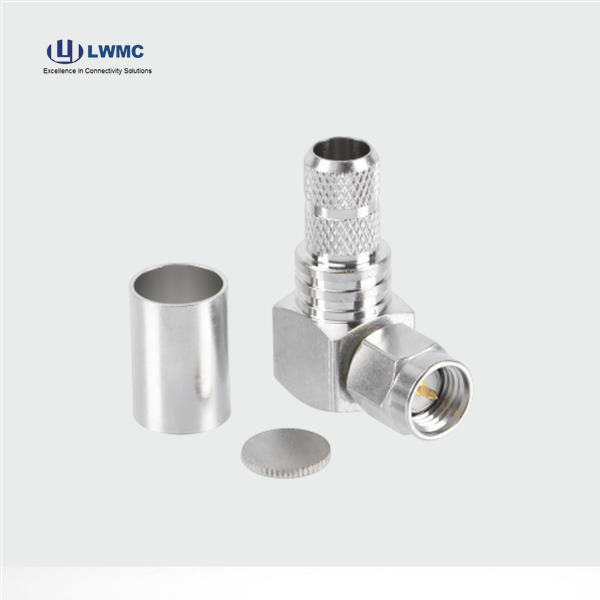
To preserve signal integrity and connector lifespan, proper handling is essential. First, ensure compatibility by verifying that both mating connectors are true SMA and not a similar but incompatible type (e.g., RP-SMA). Always clean connector interfaces with compressed air and isopropyl alcohol before mating to remove dust or contaminants. The most crucial practice is to avoid using the adapter as a wrench or grip point. When connecting, first hand-tighten one male connector into the adapter, then hand-tighten the other male connector into the opposite end. Finally, use a torque wrench (typically 5-8 in-lbs for SMA) on the coupling nuts of the male connectors to achieve the proper mating force. Never apply torque directly to the center body of the adapter, as this can cause undue stress and misalignment, degrading performance.
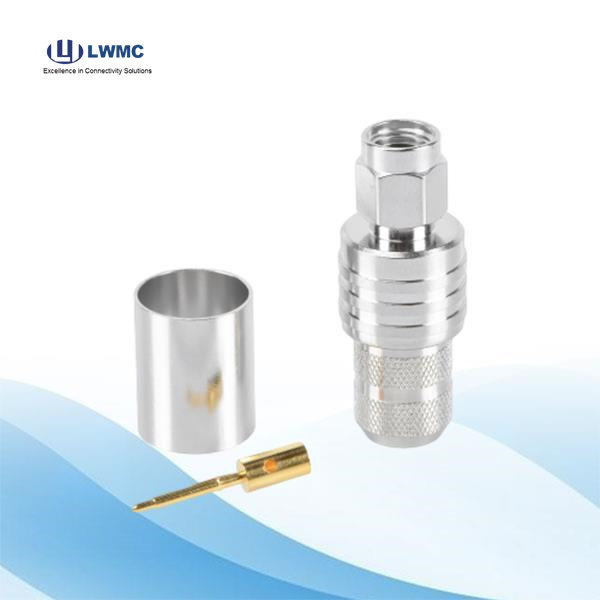
In system design, the SMA Female to Female adapter is a key enabler of modularity. It allows for the flexible interconnection of standardized components, reducing the need for custom, hard-wired solutions. However, it should be used judiciously. While invaluable for temporary setups, field repairs, or test configurations, minimizing the number of adapter junctions in a permanent, high-frequency signal path is best practice, as each interface introduces a potential point of loss and VSWR degradation. In troubleshooting, a faulty or low-quality adapter can be a hidden source of problems. Symptoms like high insertion loss, unexpected VSWR spikes, or intermittent connections can often be traced to a damaged or out-of-spec coupler. Isolating and testing the adapter separately is a standard diagnostic step, underscoring the importance of sourcing high-quality adapters from reputable suppliers of RF Connectors and related components.

 EN
EN