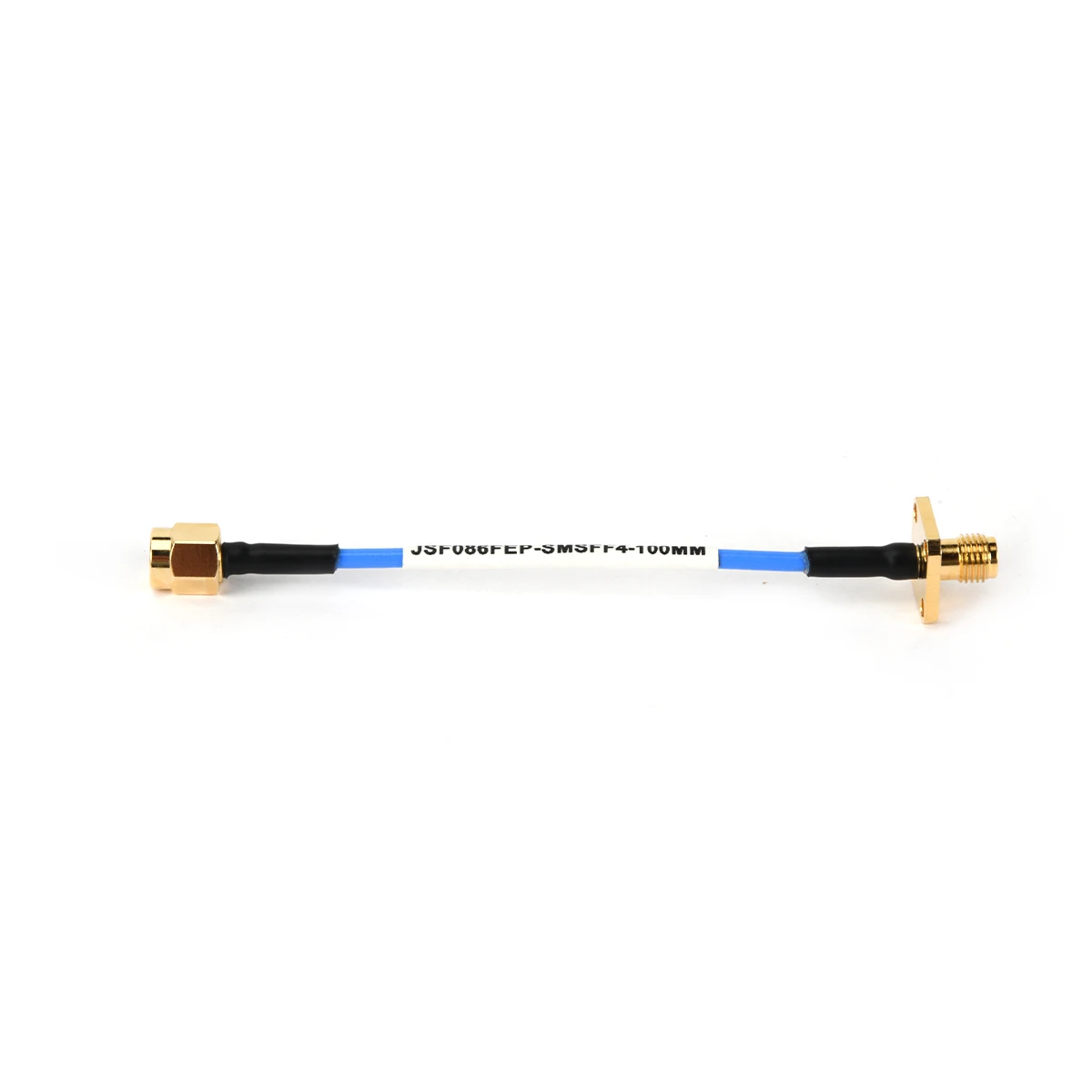
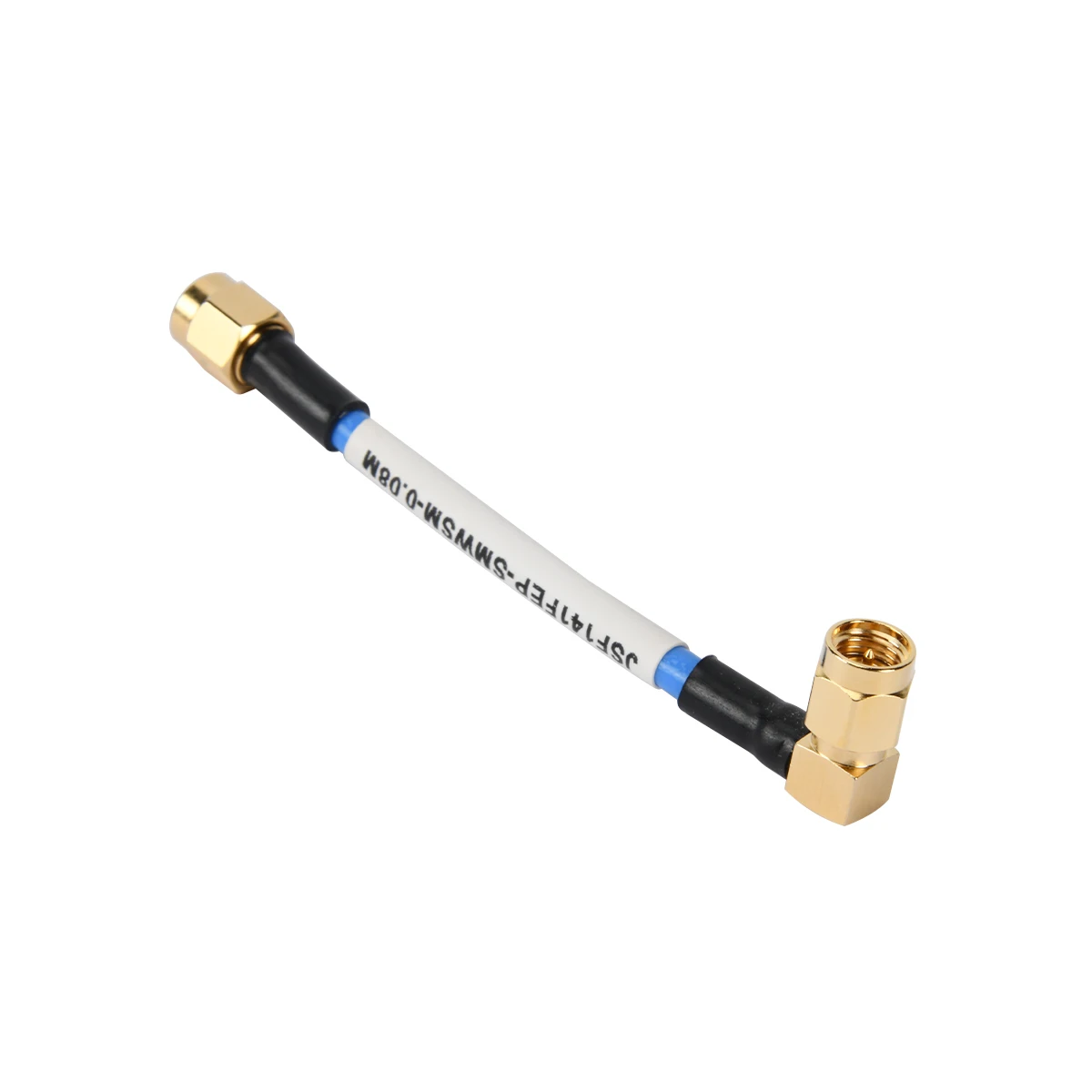
In the precision-driven world of radio frequency (RF) systems, the integrity of every component is paramount. Among the essential products like RF Adapters and Coaxial Cable Assemblies, the humble SMA (SubMiniature version A) connector is a cornerstone for high-frequency applications. While its compact size is often highlighted, the true key to its reliable performance lies in its specialized threaded coupling mechanism. The SMA connector thread is not merely a fastener; it is a critically engineered feature that ensures consistent electrical contact, mechanical stability, and optimal signal integrity from DC to 18 GHz and beyond.
The SMA connector employs a precise 1/4-36 UNF (Unified National Fine) thread. This specific thread size—a 1/4-inch diameter with 36 threads per inch—is the universal standard that guarantees interoperability between SMA components from any reputable manufacturer. Adherence to this exact specification is non-negotiable. A mismatched or out-of-tolerance thread can lead to catastrophic results: cross-threading, which permanently damages the connector interface; insufficient mating depth, causing an air gap that severely degrades signal transmission; or over-tightening, which can crack the connector body or deform the delicate center pin. Proper thread size ensures the connectors mate smoothly to the correct depth, creating a seamless, repeatable, and reliable RF path.
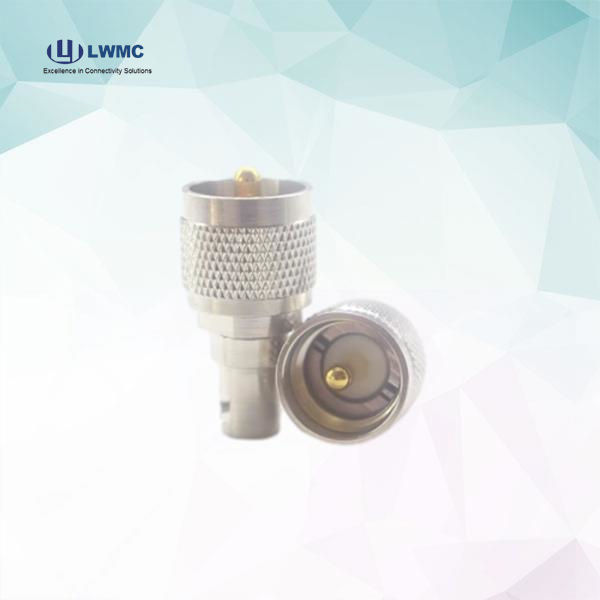
While the thread specification is standardized, variations exist to fulfill different mechanical and application needs. The most common is the standard hex-threaded nut, designed for hand-tightening with a wrench for a secure, torque-controlled connection, typical in most cable assemblies and panel mounts. For space-constrained applications where a wrench cannot fit, slip-on or slide-on versions exist, though they rely on a secondary locking mechanism and are less common for high-vibration environments. Crucially, users must distinguish between SMA and the visually similar RP-SMA (Reverse Polarity SMA). In RP-SMA, the thread specification is identical, but the gender of the center contact and the threaded sleeve is reversed. While they can thread together physically, connecting a standard SMA to an RP-SMA will cause catastrophic damage as the center pins clash. Awareness of these types is essential for correct system integration.
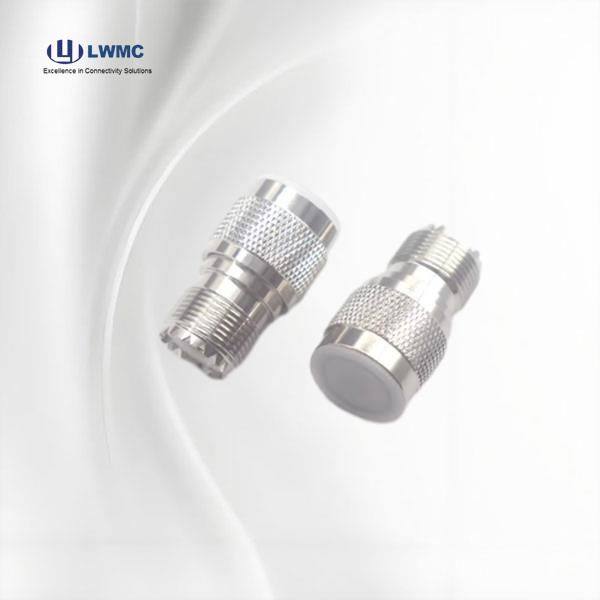
A securely threaded SMA connection delivers profound benefits for signal performance. First, it provides excellent shielding: the continuous metal-to-metal contact formed by the threaded interface acts as a robust barrier against electromagnetic interference (EMI), protecting weak signals from external noise. Second, it ensures consistent impedance: precise mating maintains the designed 50-ohm impedance profile across the connection, minimizing signal reflections and maintaining a low Voltage Standing Wave Ratio (VSWR). Third, it offers mechanical stability: the threaded coupling resists vibration and prevents accidental disconnection, which is vital in mobile or aerospace applications. This stability directly translates to long-term reliability, preventing intermittent signals that can plague push-on connectors. When integrated into a Coaxial Cable Assembly, a perfectly threaded SMA termination is what guarantees the assembly's specified high-frequency performance.
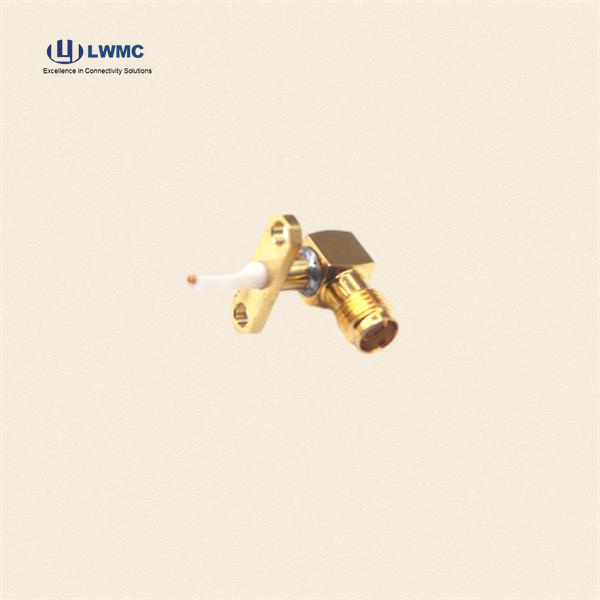
Many common SMA problems originate at the threads. Here is how to diagnose and address them:
Difficulty Threading: Never force the connection. Immediately stop and verify you are not mistakenly trying to connect SMA to RP-SMA or a different connector series (e.g., SMB). Inspect both threads under magnification for debris, damage, or cross-threading. Clean threads with compressed air and a soft brush.
Loose Connection or Signal Dropout: If a connector spins freely or wobbles, the threads may be worn or stripped. Check if the required mating depth (typically when the nut face is flush) is achieved. A loose connection creates an electrical discontinuity. Replace the damaged connector.
High VSWR/ Poor Signal Quality: This can result from threads that are dirty, damaged, or from using an adapter (RF Adapter) with worn threads. Ensure connectors are clean and use a torque wrench (usually 5-8 in-lbs for SMA) to achieve the specified mating torque, as under- or over-tightening can distort the interface.
Preventive Practice: Always use the correct mating torque. Visually inspect threads before each connection. For critical systems, use a torque wrench designed for RF connectors to ensure consistency and prevent damage.

 EN
EN