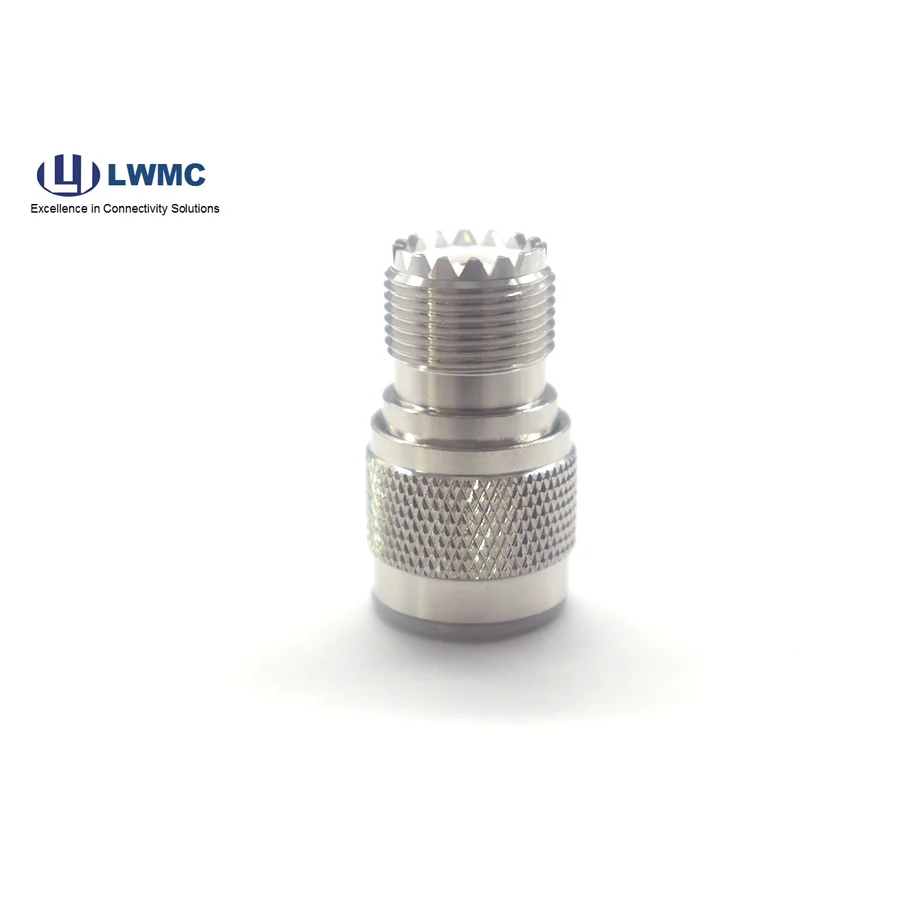
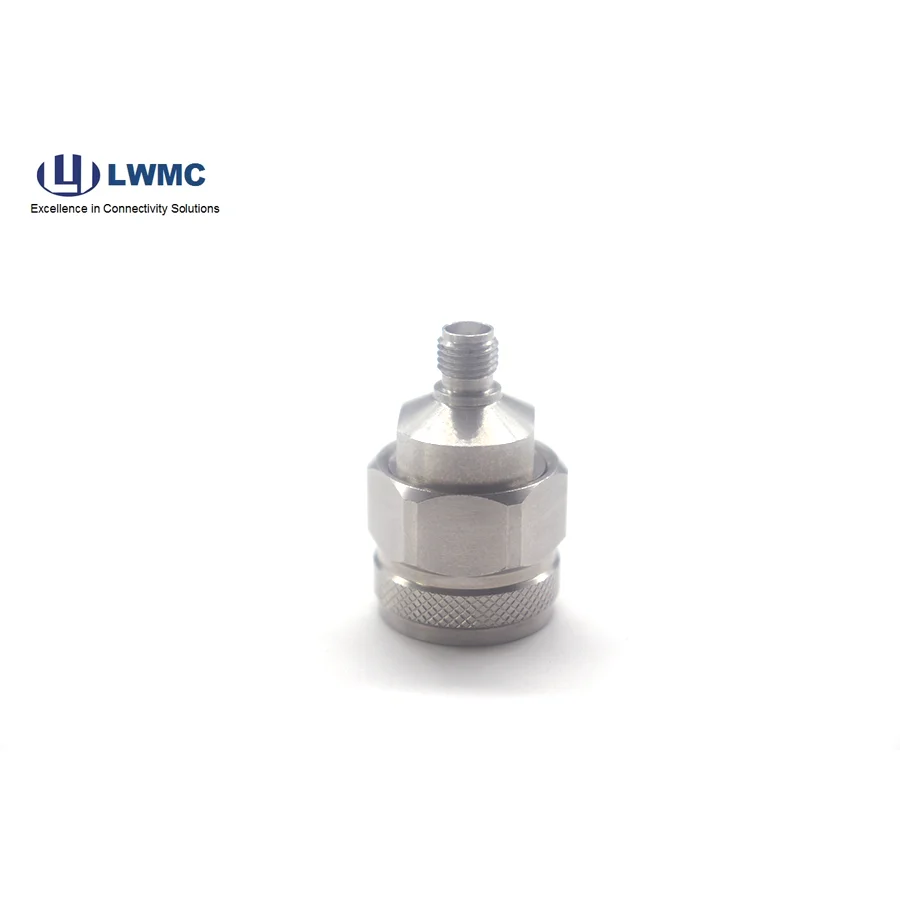
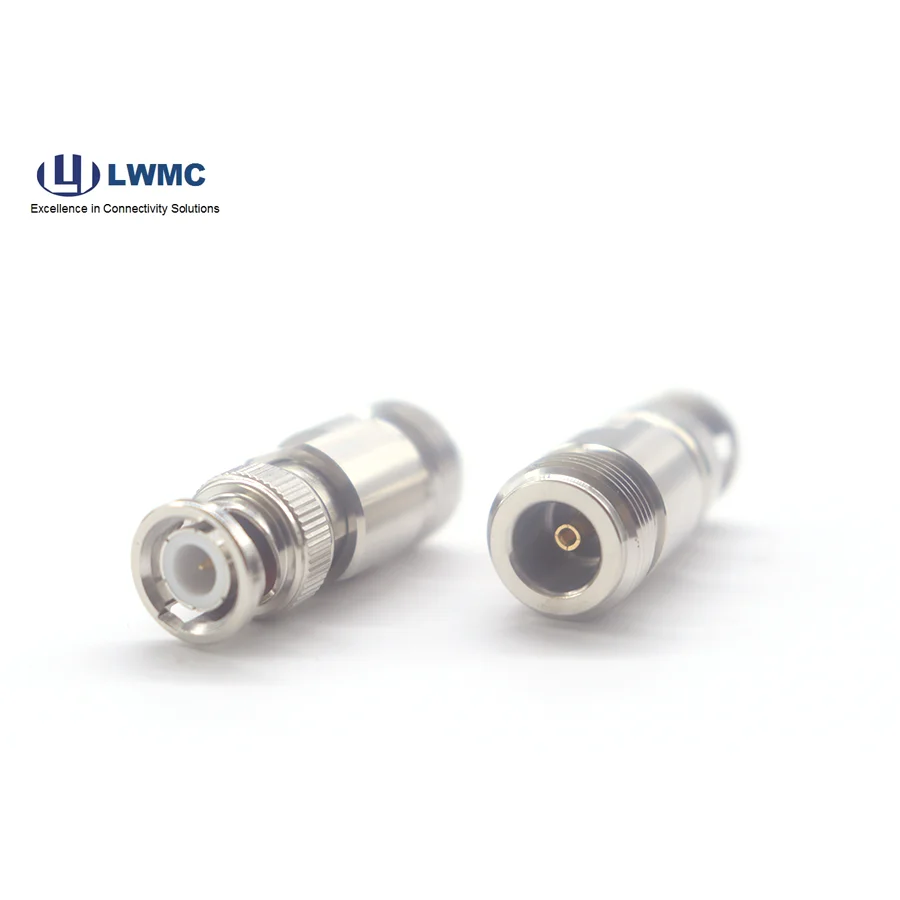
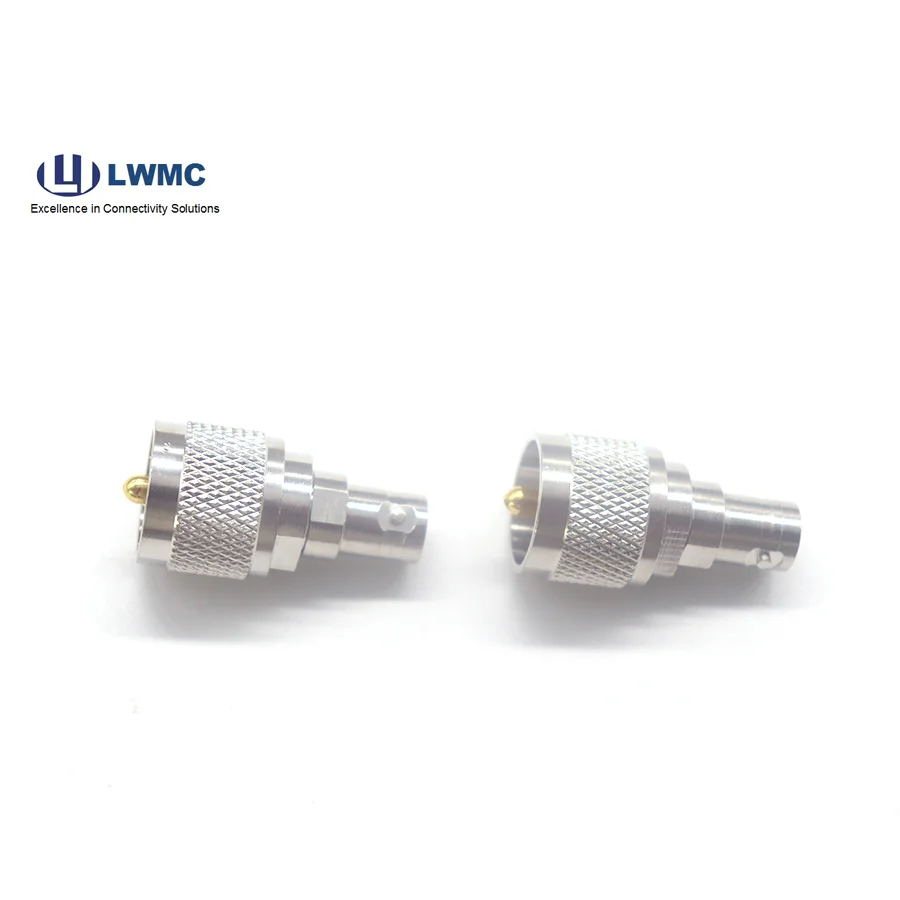
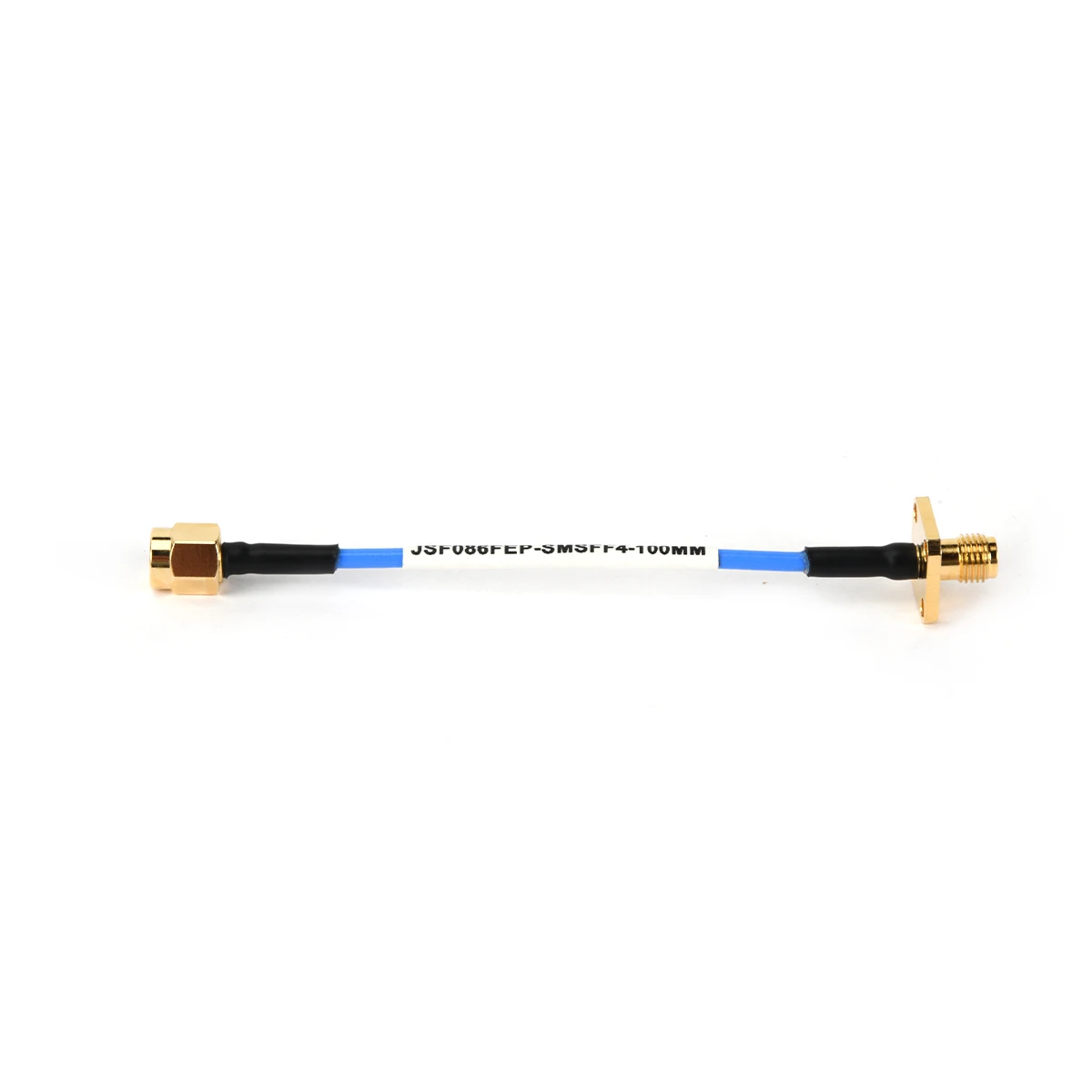
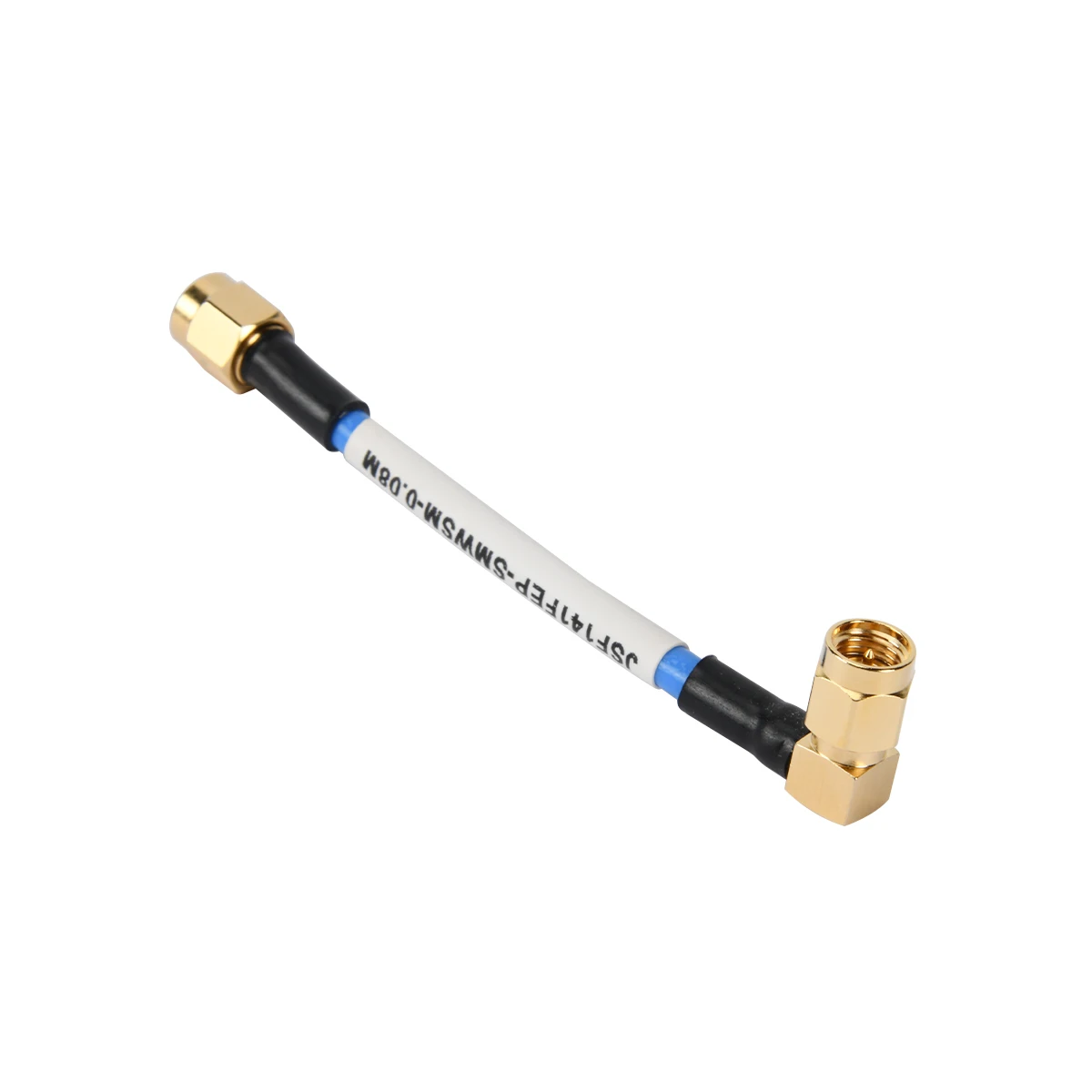
The RF coaxial connector is a fundamental yet sophisticated component that serves as the essential interface in any wireless or high-frequency system. As the core element of RF Connectors, and integral to both RF Adapters and Coaxial Cable Assemblies, it is responsible for maintaining a shielded, controlled-impedance pathway for electromagnetic signals. Selecting, installing, and maintaining the correct connector is paramount to the performance, reliability, and longevity of the entire RF chain, from simple test setups to complex telecommunications infrastructure.
Selecting the optimal connector is a multi-faceted decision that directly impacts system performance. The primary considerations are frequency, power, environment, and physical constraints. For high-frequency applications up to 26.5 GHz, precision connectors like SMA or 2.92mm are essential. For robust, high-power outdoor use, such as in cellular base stations, N-Type or 7/16 DIN connectors are standard due to their weatherproofing and high power handling. In space-constrained or vibration-prone environments, snap-on connectors like SMB offer quick mating, while BNC provides a secure bayonet lock for test equipment. Always ensure the connector’s impedance (typically 50 or 75 ohms) matches your system. For interfacing between different connector types, a high-quality RF Adapter is necessary, though minimizing adapter use is best for critical signal paths.
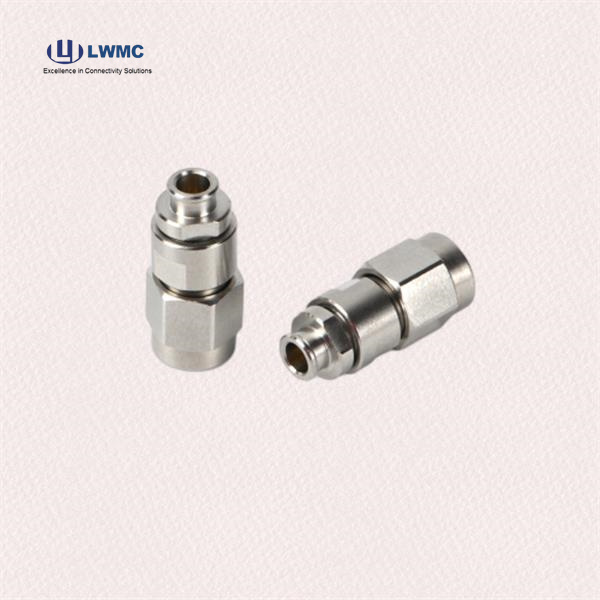
Even the highest-quality connector will fail if installed incorrectly. Proper installation ensures optimal electrical contact, mechanical stability, and signal integrity. For field-attachable connectors, this requires using the correct, calibrated tooling for crimping or soldering to manufacturer specifications. The most common installation error across all connector types is improper mating: threads must be aligned and started by hand to prevent cross-threading, and a calibrated torque wrench should be used to achieve the specified tightening value (e.g., 5-8 in-lbs for SMA, 25-30 Nm for 7/16 DIN). Overtightening can deform the dielectric and damage threads, while undertightening leads to high resistance, signal loss, and susceptibility to vibration. For Coaxial Cable Assemblies, proper strain relief at the connector interface is crucial to prevent cable pull-out and internal damage.
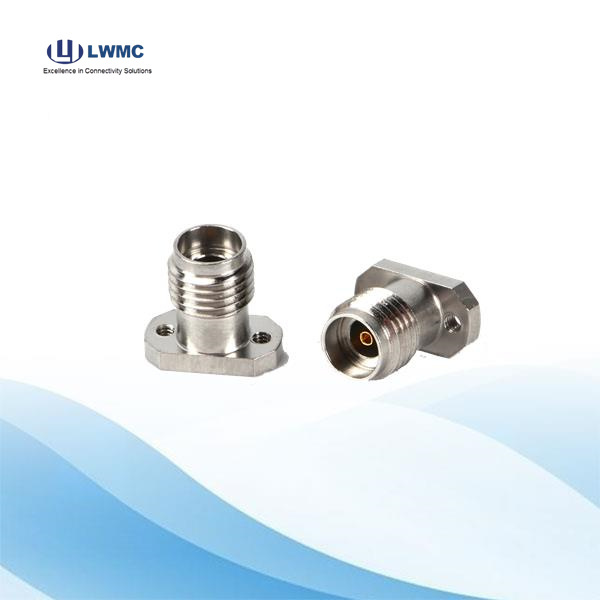
Most RF connection problems manifest as high signal loss, intermittent operation, or complete failure. A methodical approach is key:
High VSWR/Return Loss: This is often caused by a damaged interface, contamination, or improper mating. Inspect the male pin for bending and the female contact for debris or damage. Clean contacts with isopropyl alcohol and ensure the connector is properly torqued.
Intermittent Connection: Frequently results from a loose coupling, a worn-out female contact, or a failing cable near the connector termination. Check and re-torque the connection. Gently flex the cable near the connector while monitoring the signal to identify a cable fault.
No Signal/Complete Failure: Check for severe physical damage, such as a broken center pin, crushed connector, or completely severed cable. Verify that the connector pair is compatible (e.g., not mixing 50-ohm and 75-ohm types).
Water Ingress: In outdoor installations, failure will occur if connectors are not properly sealed. Look for corrosion on the contacts. Always use connectors with appropriate IP ratings and apply waterproofing tape or sealant as specified.
Connector technology continuously evolves to meet the demands of modern wireless systems. Key advancements focus on density, performance, and reliability:
Miniaturization: Connectors like 1.0/2.3 and 1.35 are enabling higher port density on 5G Massive MIMO antennas and small cells, supporting frequencies up to 10 GHz and beyond in a smaller footprint than traditional N-Type.
Low-PIM (Passive Intermodulation) Design: As networks become more crowded, ultra-low PIM connectors (rated ≤ -165 dBc) are now standard for infrastructure. Advanced contact designs, superior plating (often silver), and specialized materials minimize nonlinear effects that create interference.
Push-Pull and Quick-Lock Mechanisms: To facilitate rapid, tool-less deployment in dense installations, connectors with secure push-pull locking (e.g., the 4.3-10 series) are replacing threaded types, reducing installation time while maintaining weatherproof performance and low PIM.
Enhanced Materials and Plating: Developments in dielectric materials reduce loss at higher frequencies, while advanced plating techniques improve corrosion resistance and electrical conductivity over extended environmental and mating cycle life.

 EN
EN