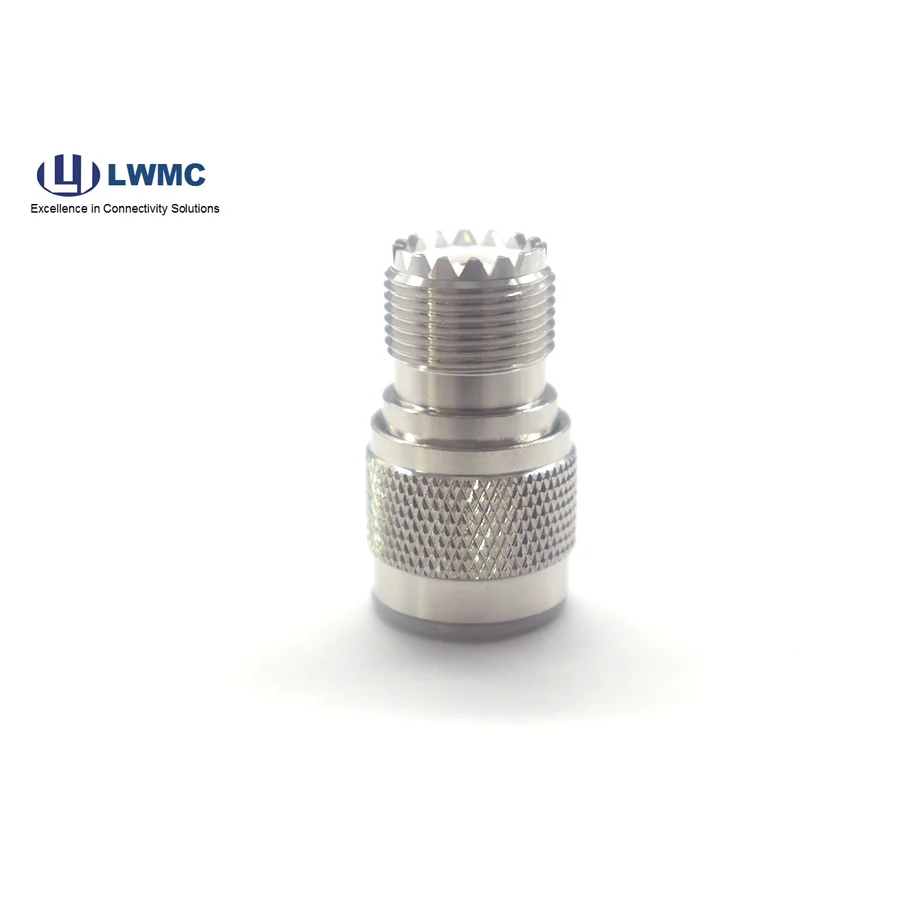
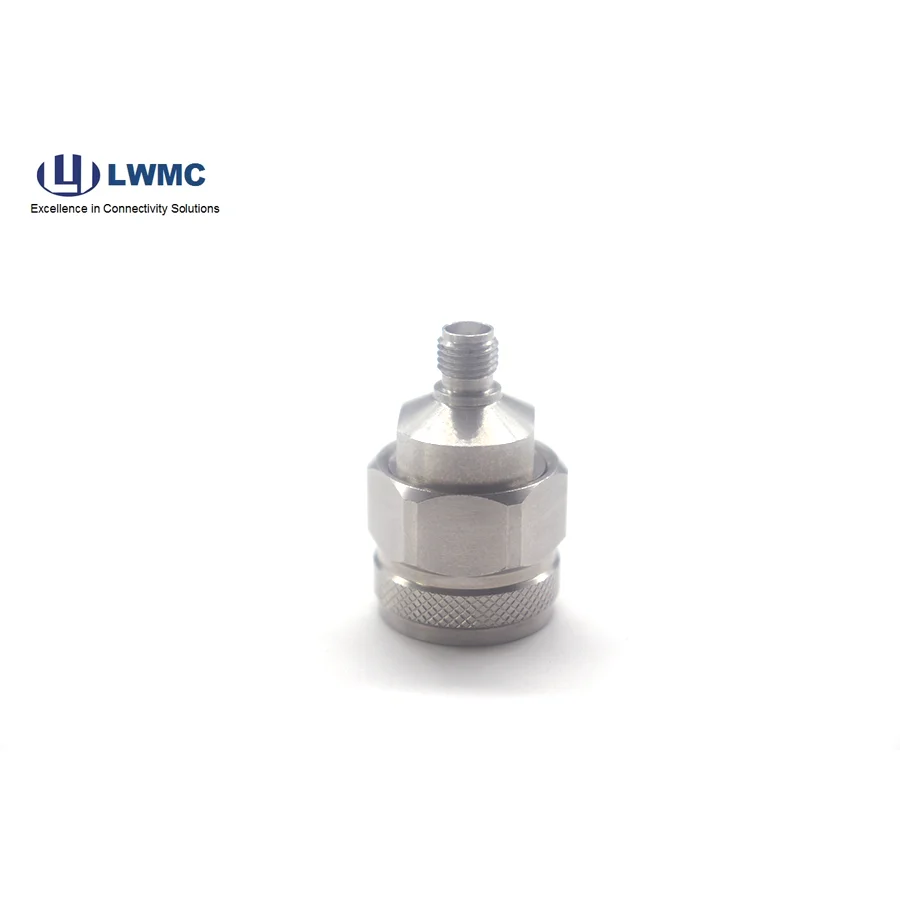
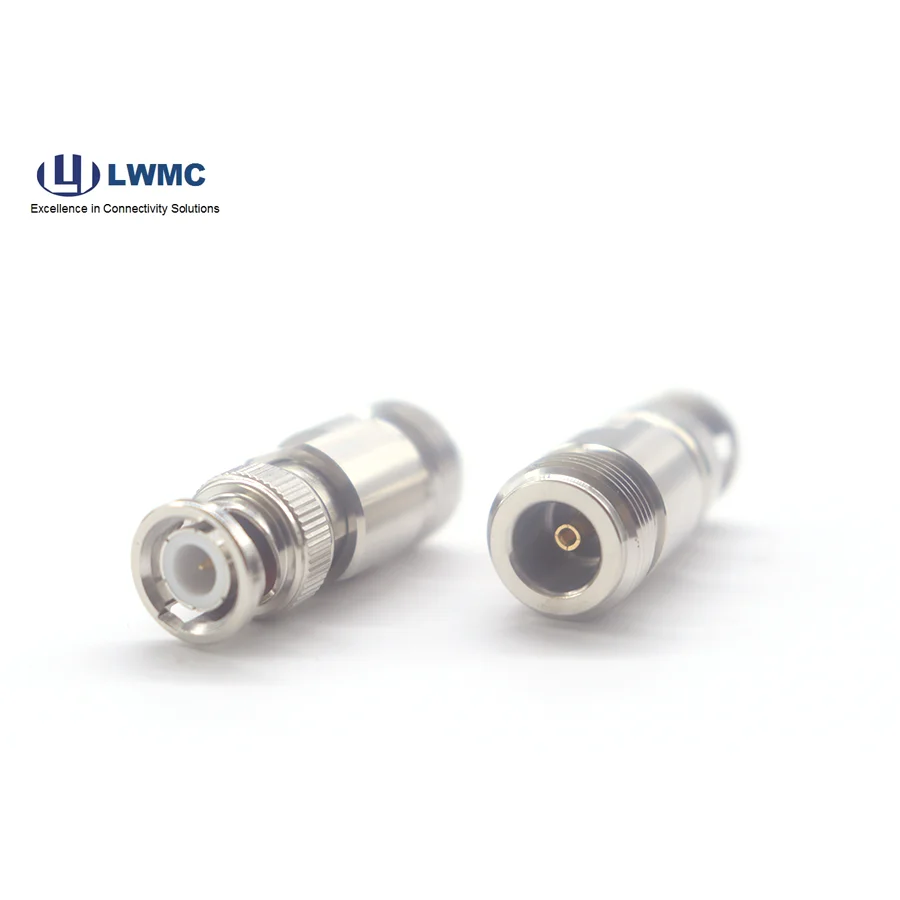
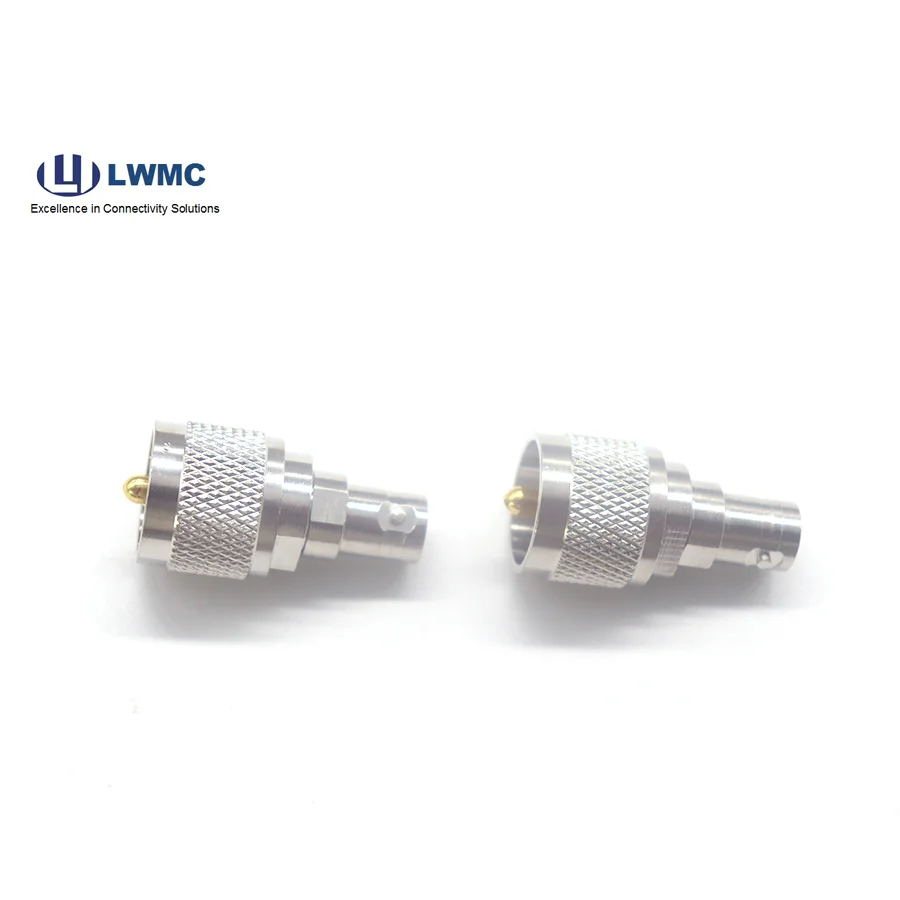
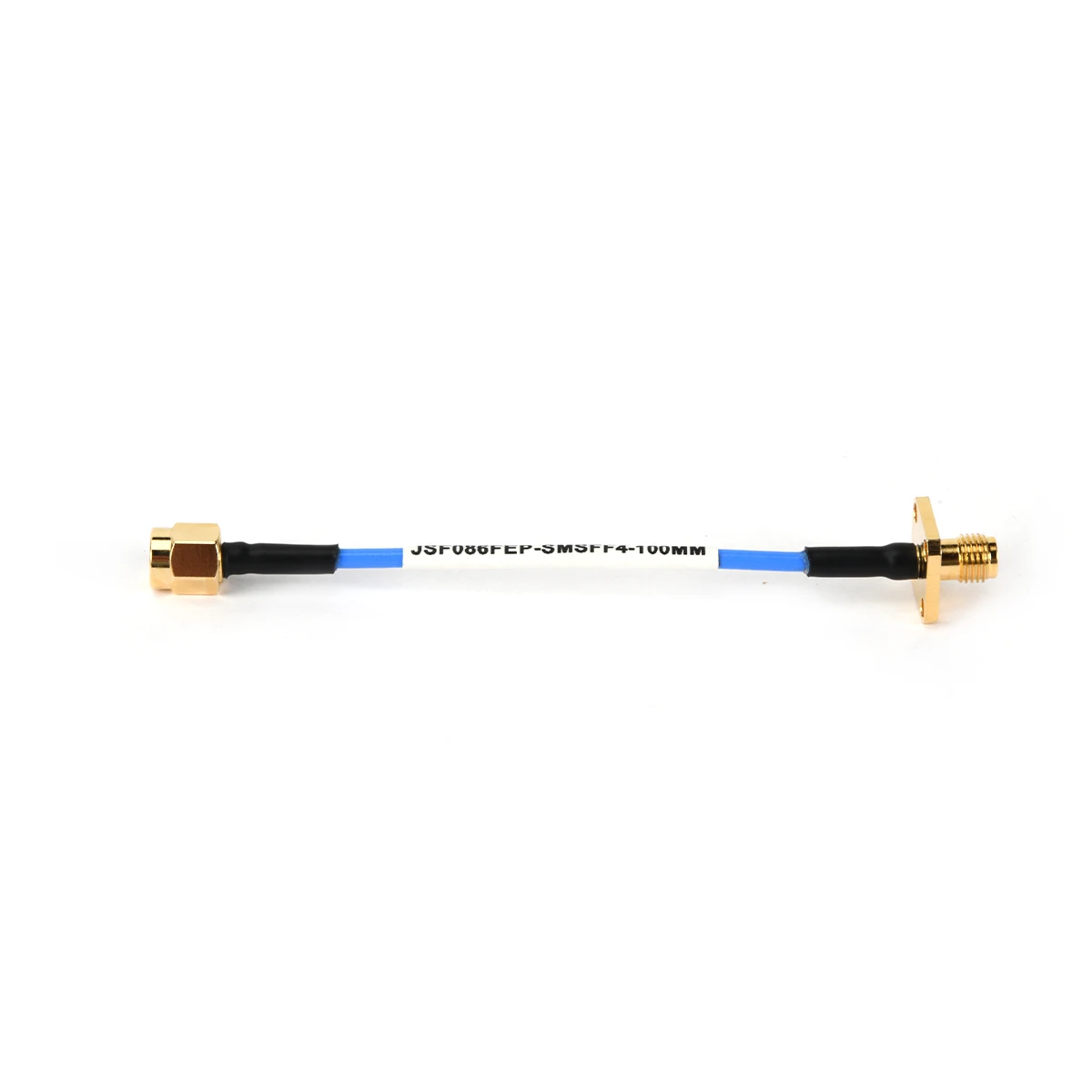
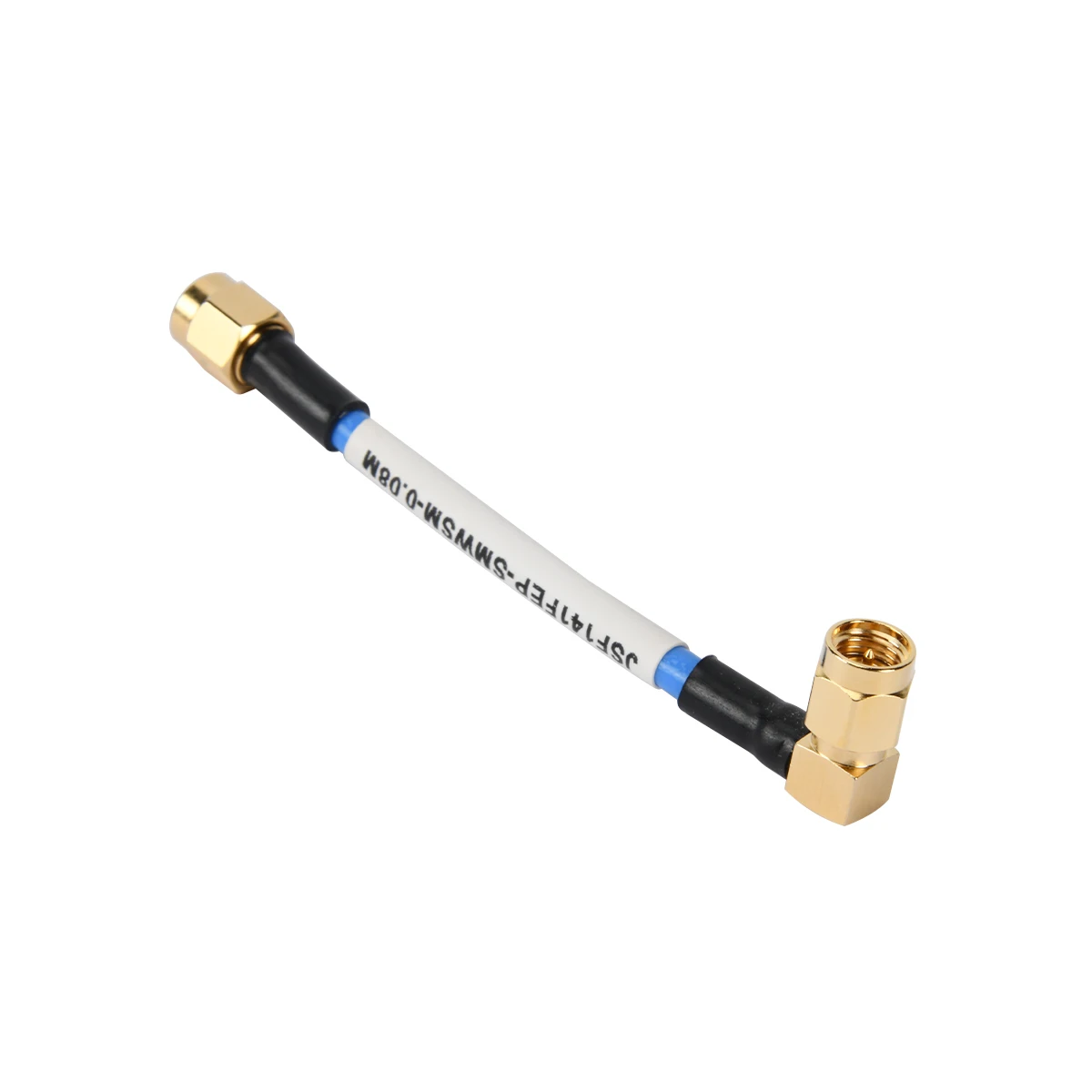
In the foundation of reliable RF systems, where RF Adapters and Coaxial Cable Assemblies form the essential pathways for signal transmission, the individual N Male and N Female Connectors stand as the fundamental building blocks. These connectors, defined by their robust threaded coupling interface, are engineered to provide secure, weatherproof, and high-performance connections. Their complementary design is pivotal in creating complete, functional links for applications from cellular networks to aerospace instrumentation, ensuring every connection starts with a solid foundation.
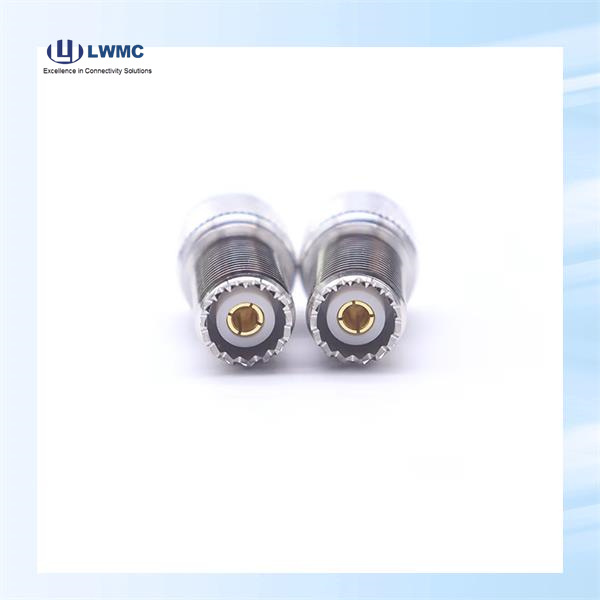
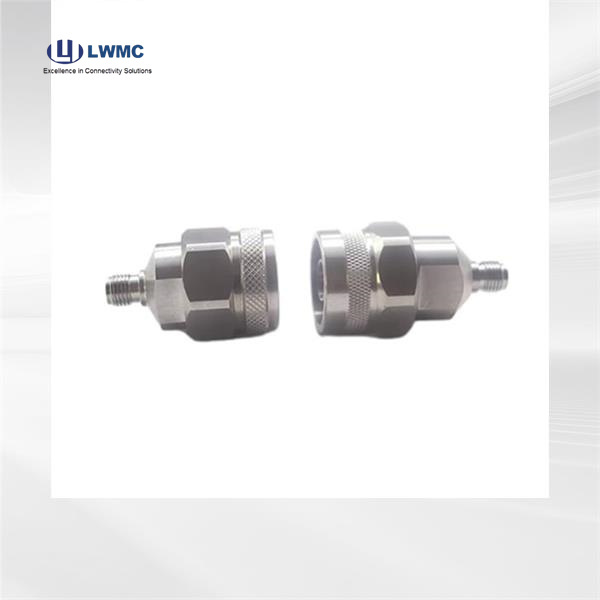
The N Male connector, or plug, is characterized by its internal thread on the coupling nut and a protruding center pin. Its counterpart, the N Female connector, or jack, features an external thread and a socket designed to receive the male pin. This threaded interface is a defining feature, offering a secure, vibration-resistant connection that can withstand environmental challenges. Precision-machined from materials like brass with gold or silver plating, these connectors are built to maintain a stable 50-ohm impedance (or 75-ohm for video applications) and perform reliably up to 11 GHz. Their complementary physical and electrical design ensures they work in unison to form a seamless, continuous transmission line when mated.
N Male and N Female connectors are ubiquitous across industries due to their durability and performance. Common applications include:
Antenna Systems: N Female connectors are frequently found as the port on base station antennas, while N Male connectors terminate the coaxial feeder cables.
Test and Measurement: Signal generators, spectrum analyzers, and network analyzers often use N Female panel mounts. Test cables are correspondingly terminated with N Male connectors.
Wireless Infrastructure: They form the critical interface between radios, amplifiers, and filters within cellular and microwave backhaul equipment.
Coaxial Cable Assembly: They serve as the primary termination points for custom and standard Coaxial Cable Assemblies, creating ready-to-deploy jumpers or interconnect cables.
Their role is foundational; they are the starting point for any system link, whether directly connected or through intermediary RF Adapters.
The performance of an RF system hinges on the quality of its most basic connections. Properly mated N Male and N Female connectors provide excellent shielding against electromagnetic interference (EMI) due to their full metal-to-metal contact. The threaded coupling ensures consistent mating depth, which is critical for maintaining a low Voltage Standing Wave Ratio (VSWR) and minimizing signal loss. To guarantee optimal performance, it is crucial to use connectors from the same impedance family (all 50-ohm or all 75-ohm), ensure they are clean and undamaged, and apply the correct mating torque (typically 15-20 in-lbs) to avoid under-tightening (which can cause loss) or over-tightening (which can damage the threads).
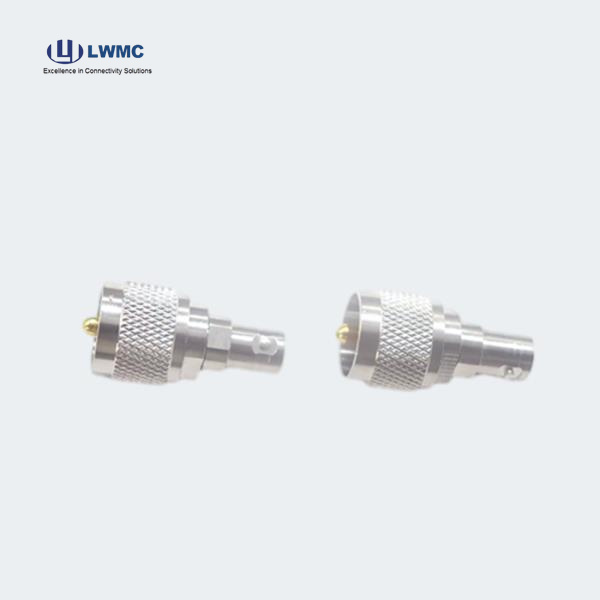
Selecting the right N connector type is vital for a successful installation. The primary considerations are:
Impedance: For most RF communications, test gear, and wireless systems, 50-ohm connectors are standard. For broadcast video and some cable TV applications, 75-ohm versions are used. Physically, they can thread together, but impedance mismatch will cause significant signal reflection and degradation.
Gender and Polarity: The standard polarity has a male center pin and female outer contact. Always verify the gender required by your equipment port (typically female) and your cable termination (typically male).
Construction Quality: For harsh environments, look for connectors with robust plating, rubber sealing gaskets for weatherproofing (IP-rated), and sturdy strain relief. The quality of these individual connectors directly impacts the longevity and reliability of the entire Coaxial Cable Assembly they become part of.

 EN
EN