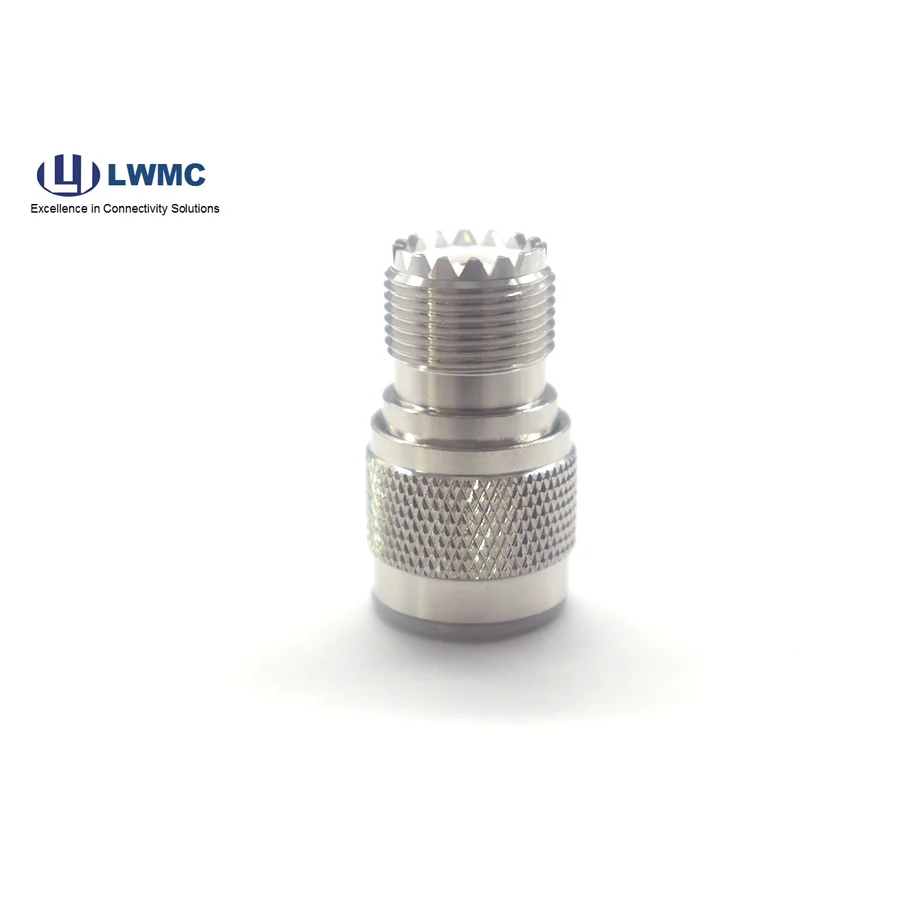
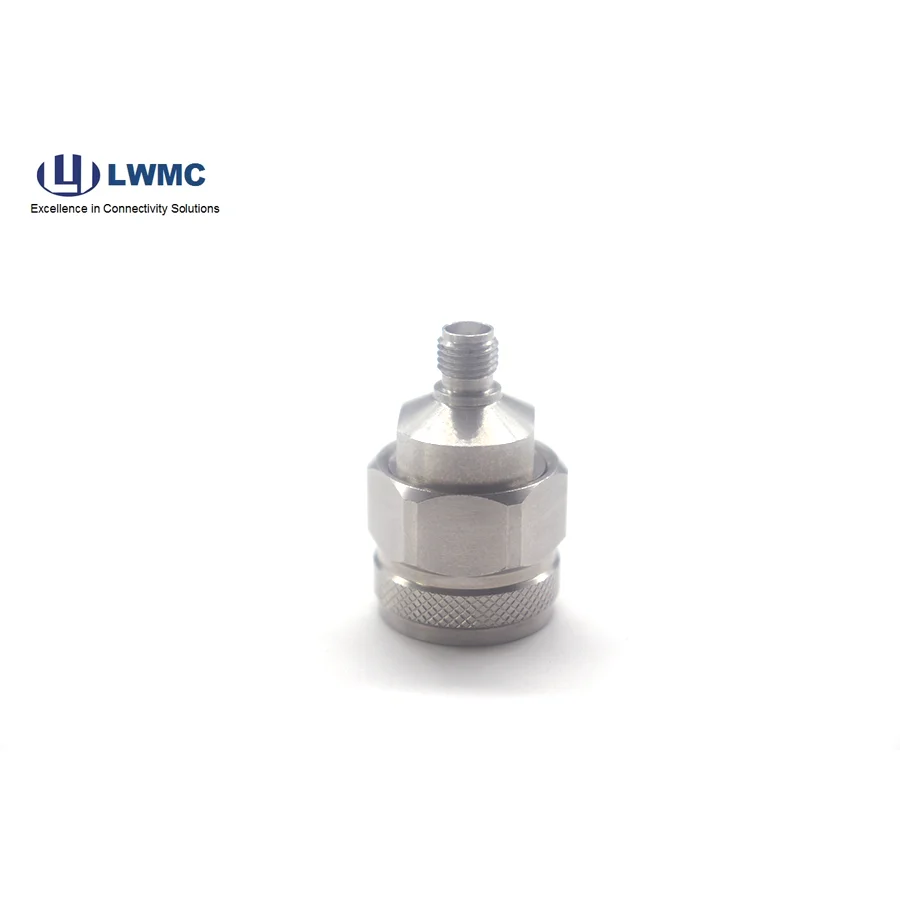
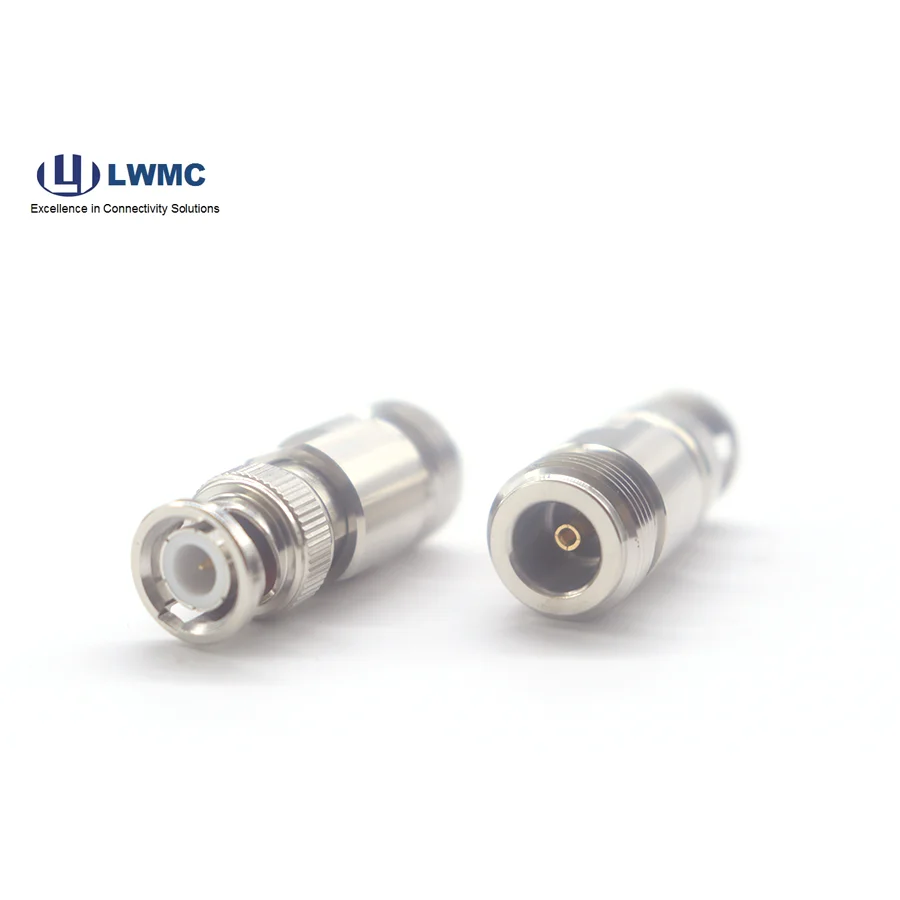
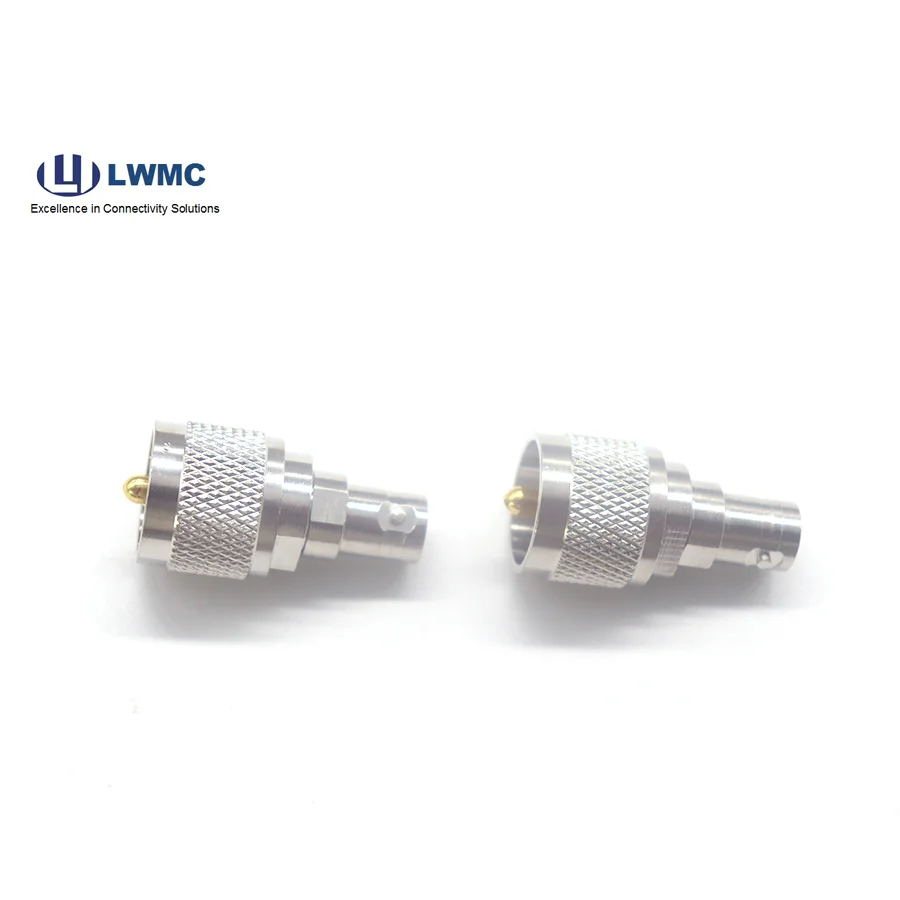
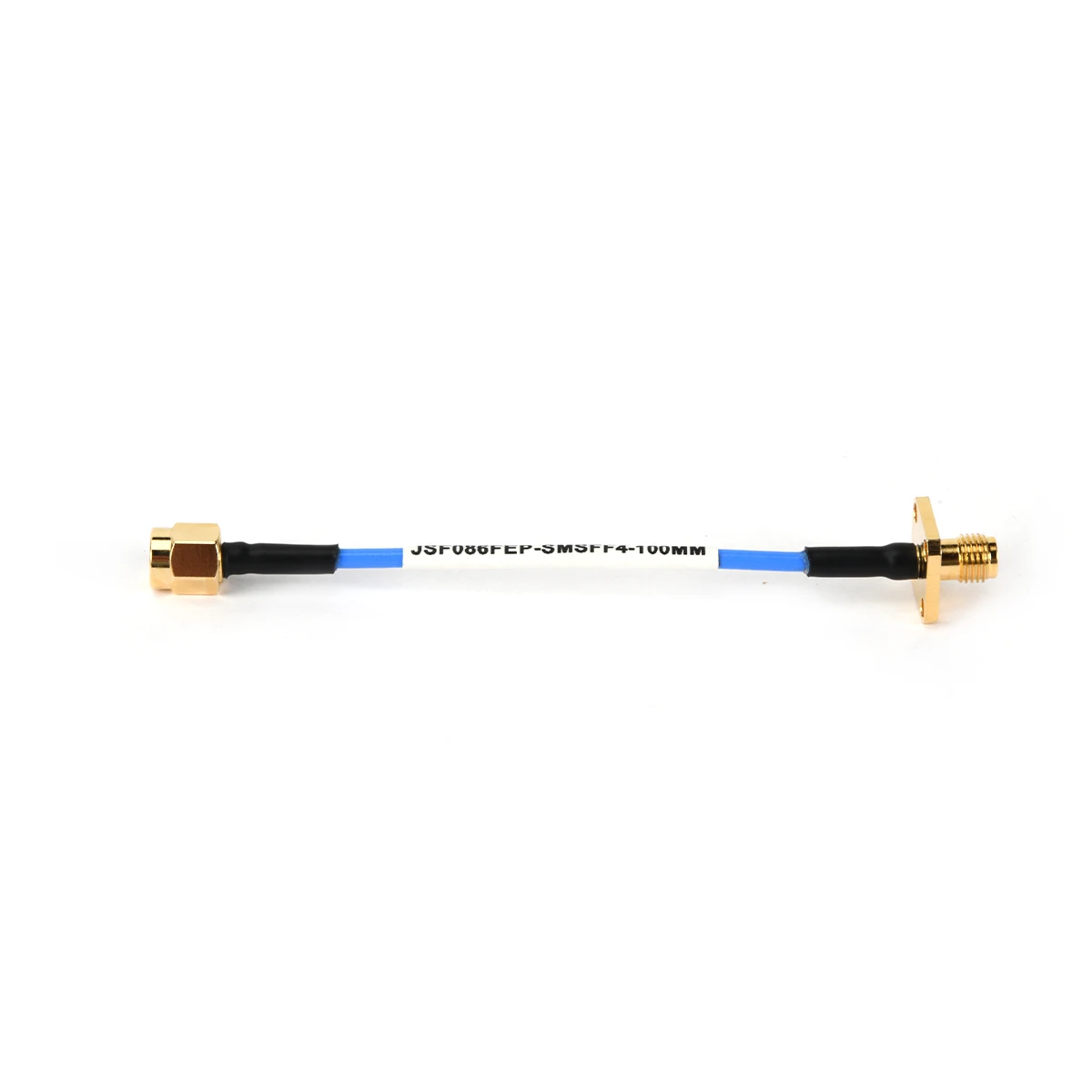
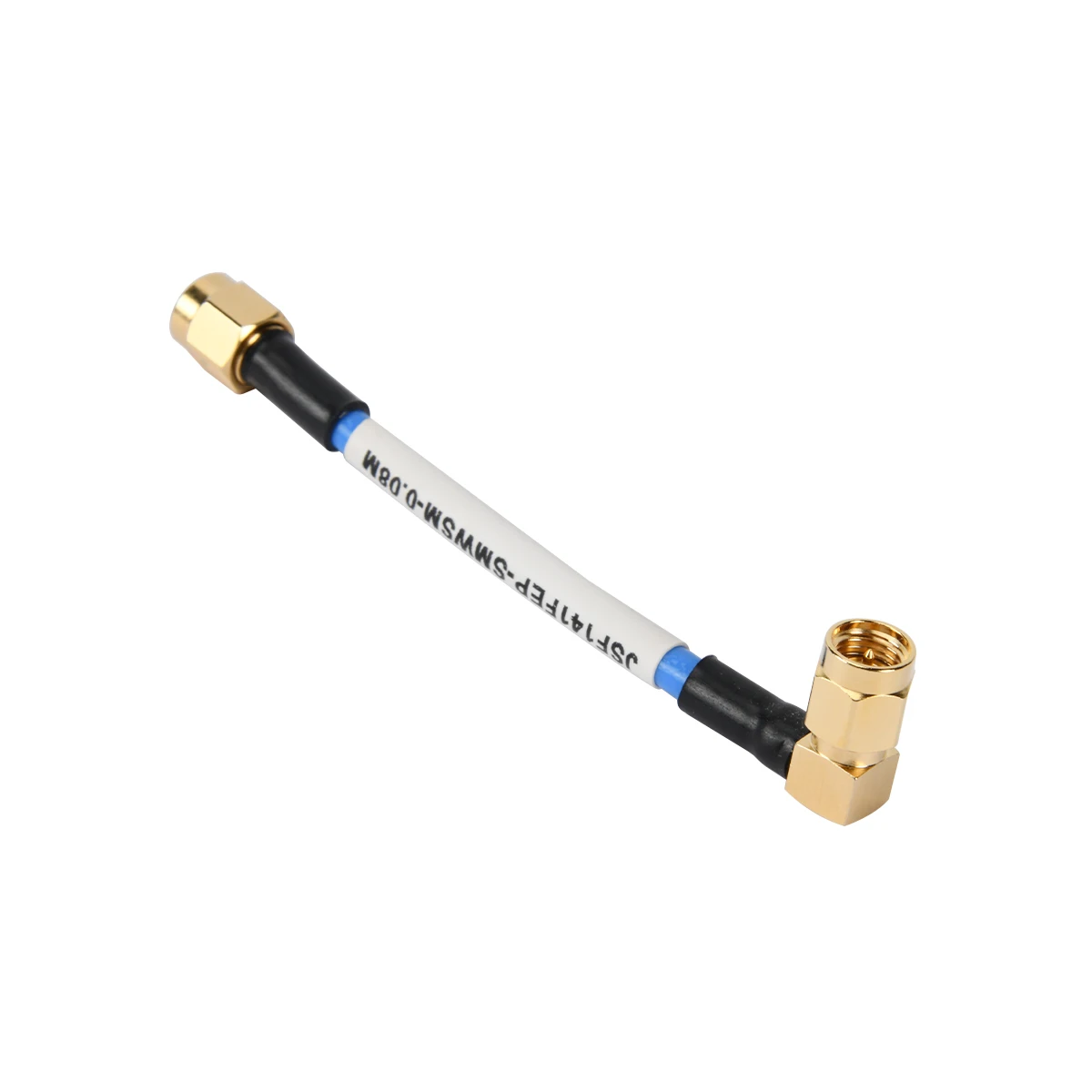
In the comprehensive ecosystem of RF components, where RF Connectors, RF Adapters, and Coaxial Cable Assemblies form the backbone of signal pathways, the N Female to SMA Male Adapter stands out as a critical interoperability solution. This precision-engineered device serves as an essential bridge, enabling seamless and reliable connections between systems utilizing the robust, threaded N-type interface and those designed with the compact, high-frequency SMA standard. It is a fundamental tool for maximizing equipment versatility and maintaining signal integrity across diverse applications.
The primary role of the N Female to SMA Male adapter is to resolve physical and electrical interface mismatches. The N connector is favored for its durability, weatherproofing, and power-handling capability, commonly found on base station antennas, outdoor cabling, and many legacy test instruments. Conversely, the SMA connector is the default choice for modern, space-constrained devices like GPS modules, radio transceivers, and internal board-level links due to its smaller form factor and performance up to 18 GHz or higher. This adapter directly links these two worlds, allowing, for example, a large-diameter N-type coaxial feeder line to connect to a compact SMA port on a modem or radio unit. It transforms a potential integration barrier into a simple, plug-and-play solution, showcasing the indispensable value of a dedicated RF Adapter.
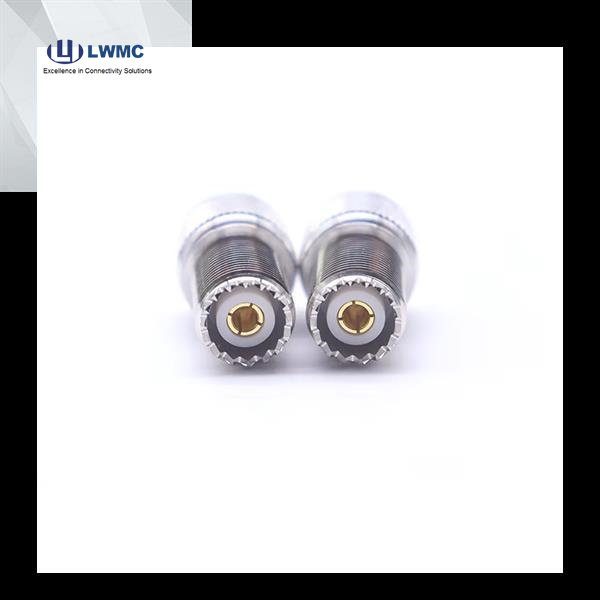
A high-quality N Female to SMA Male adapter is more than just a mechanical coupler; it is an electrically transparent transition designed to preserve signal quality. Key engineering aspects include:
Impedance Continuity: Both interfaces are standardized at 50 ohms. The adapter's internal construction is meticulously designed to maintain this characteristic impedance throughout the transition, minimizing disruptive signal reflections and ensuring a low Voltage Standing Wave Ratio (VSWR).
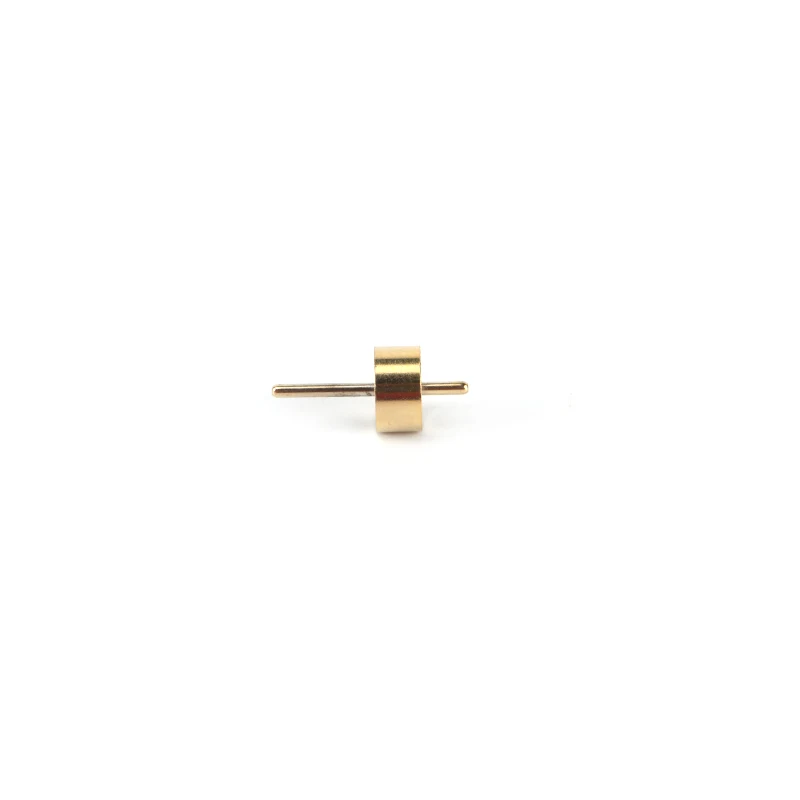
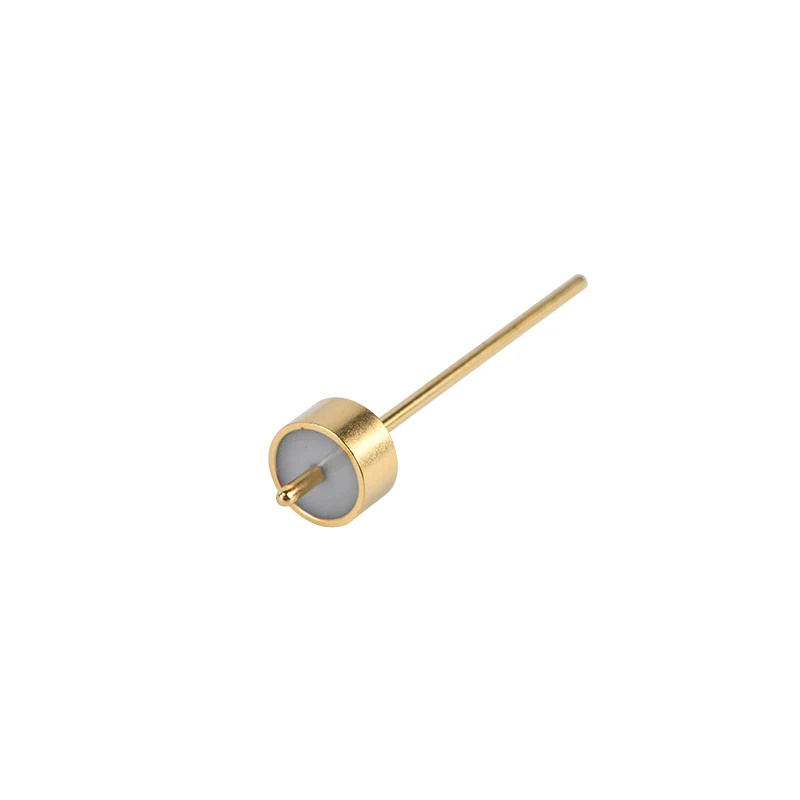
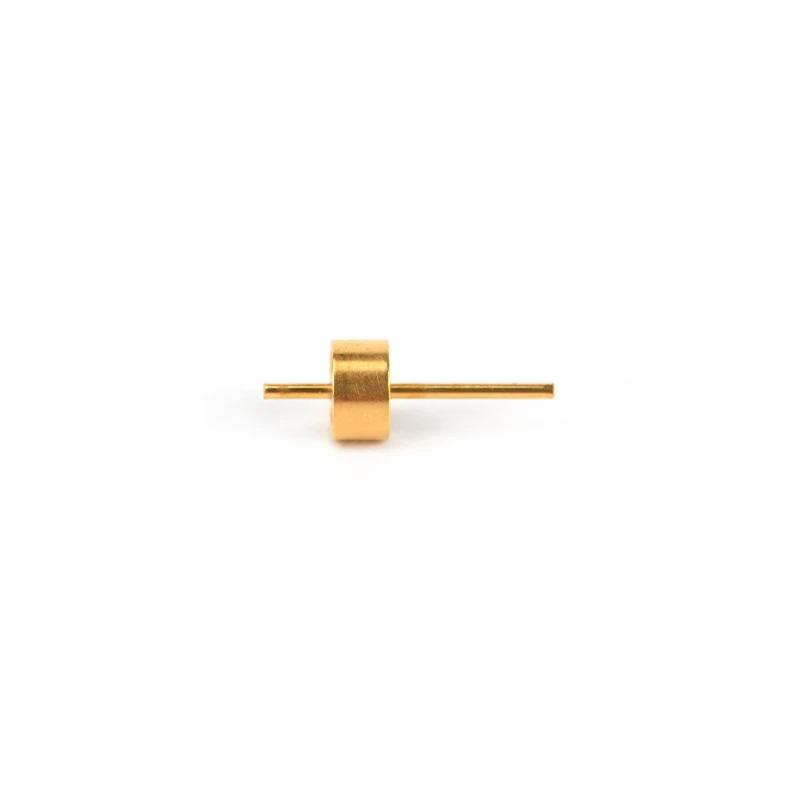
Material Integrity: Constructed from machined brass or stainless steel with gold or silver plating on critical contact surfaces, these adapters offer superior conductivity, corrosion resistance, and mechanical strength to withstand repeated mating cycles.
Frequency Considerations: While the SMA interface can support higher frequencies, the adapter's effective operational bandwidth is often constrained by the lower maximum frequency of the N-type connector (typically 11 GHz for standard versions). Selecting a precision-grade adapter is crucial for demanding high-frequency applications.
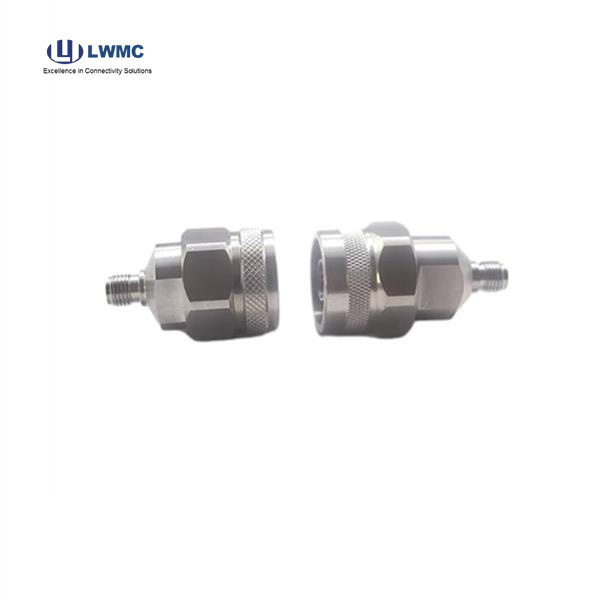
Incorporating this specific adapter into an RF toolkit delivers significant operational benefits:
Enhanced System Flexibility: It facilitates the connection of disparate equipment without modifying existing Coaxial Cable Assemblies or purchasing new, custom cables, enabling rapid reconfiguration of test benches or field setups.
Cost and Space Efficiency: A single, reliable adapter is a cost-effective alternative to equipment replacement. Its inline design is also more efficient and introduces fewer potential points of failure than daisy-chaining multiple adapters.
Reliable Signal Transition: When properly specified and installed, it provides a secure, stable connection that protects the performance of the entire signal chain, ensuring that the integrity of the attached cable assembly is not compromised at the interface.
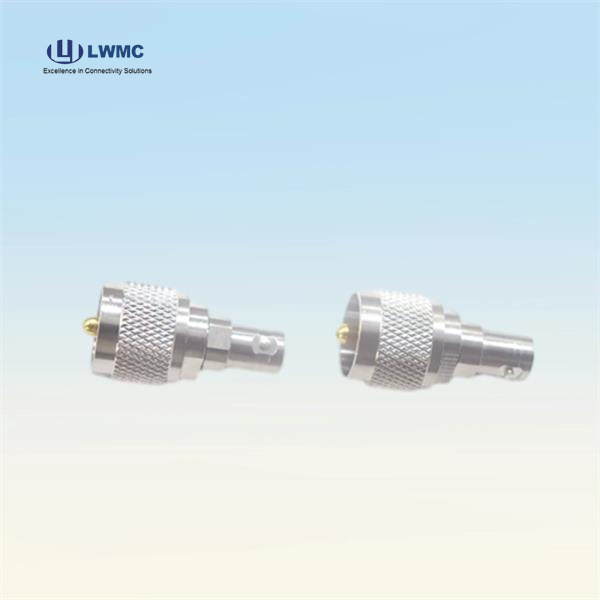
Optimal performance hinges on correct selection and proper handling:
Selection Criteria: Always verify the required interface genders (N Female / SMA Male) and confirm the system impedance (standard is 50-ohm). For harsh environments, select models with robust plating and, if needed, a hex body for secure wrench-tightening. Use a torque wrench for the SMA connection (typically 5-8 in-lbs) to prevent under- or over-tightening.
Troubleshooting Common Issues:
Unexpected Signal Loss: Inspect for physical damage, thread wear, or contamination on the contacts. Clean with isopropyl alcohol and compressed air. Ensure both connector ends are tightened to their specified torque values.
Intermittent Connectivity: This often indicates a loose connection or a worn center contact. Check the SMA male pin for straightness and the N female socket for debris or damage.
Difficulty Mating: Never force the connection. Cross-threading is a primary risk. Always start all threading by hand to ensure perfect alignment before applying any tool-based torque.

 EN
EN