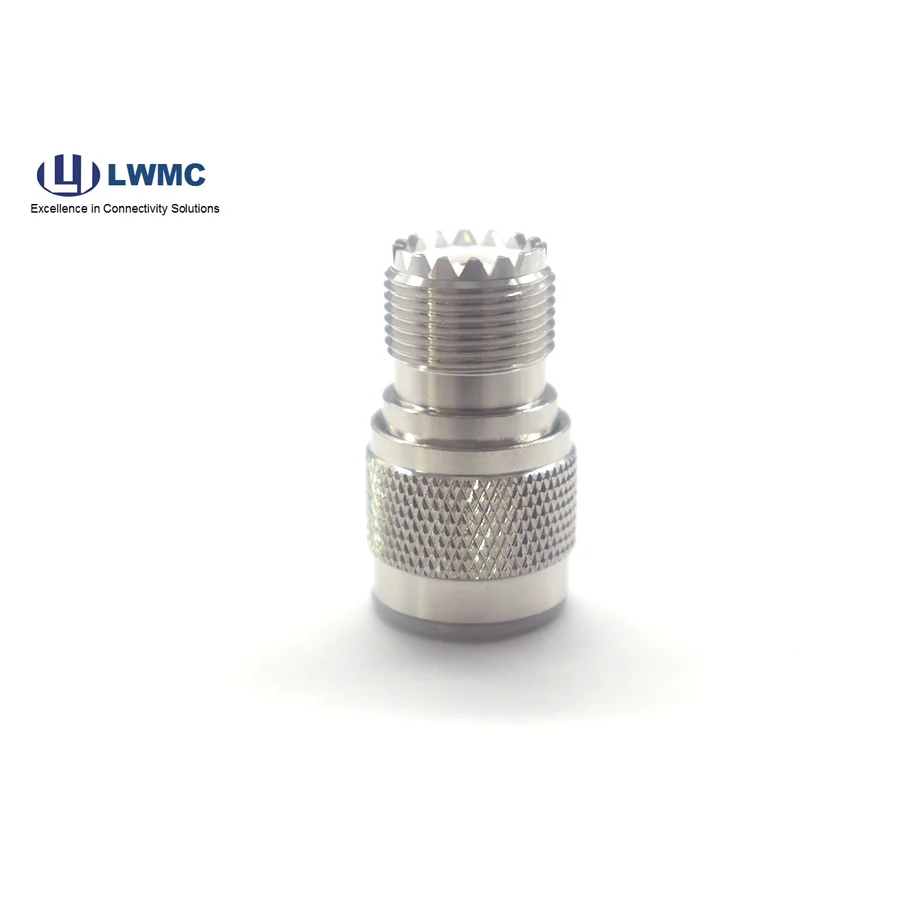
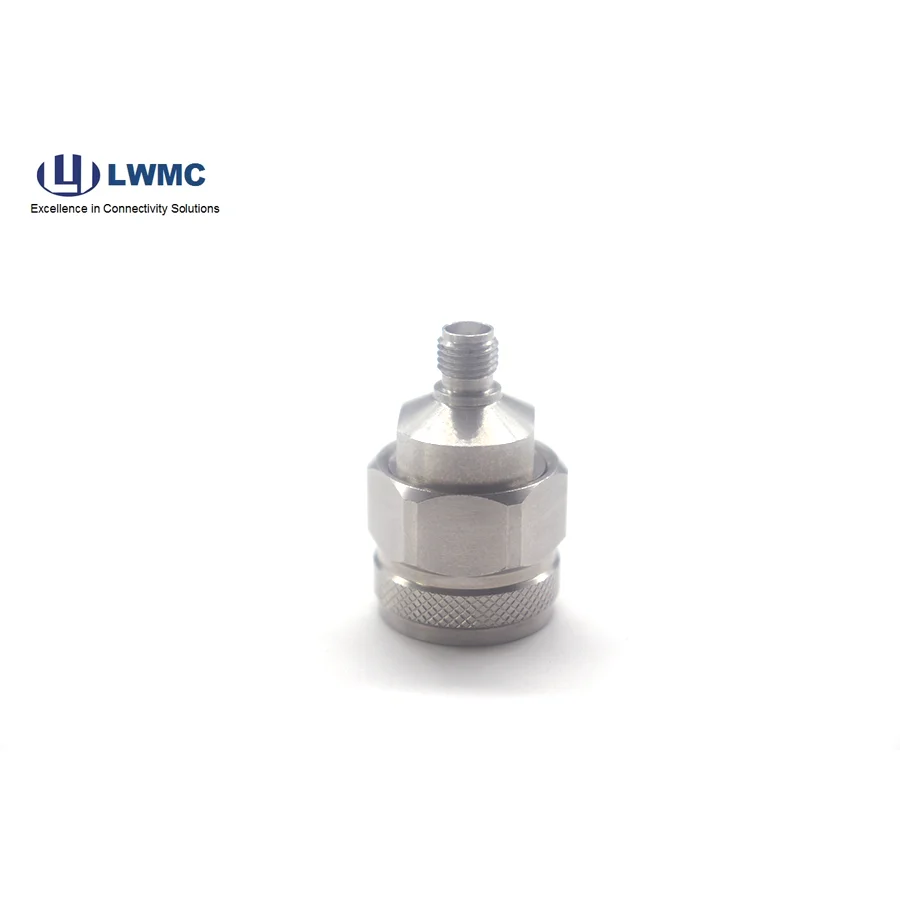
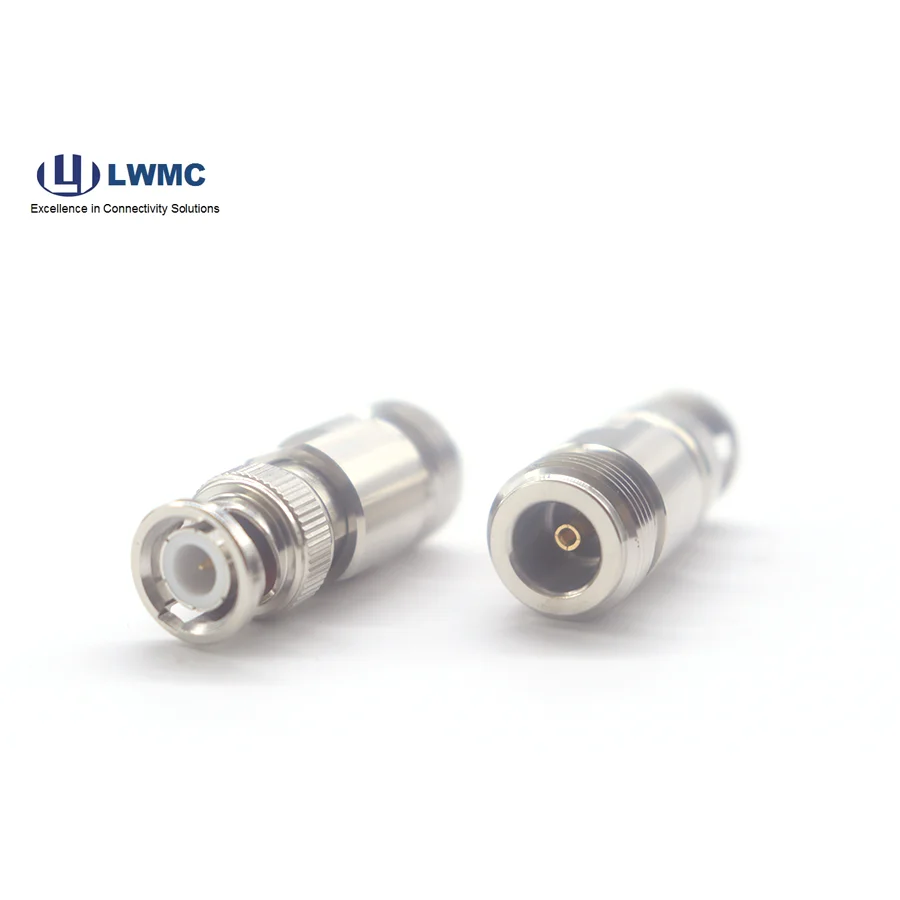
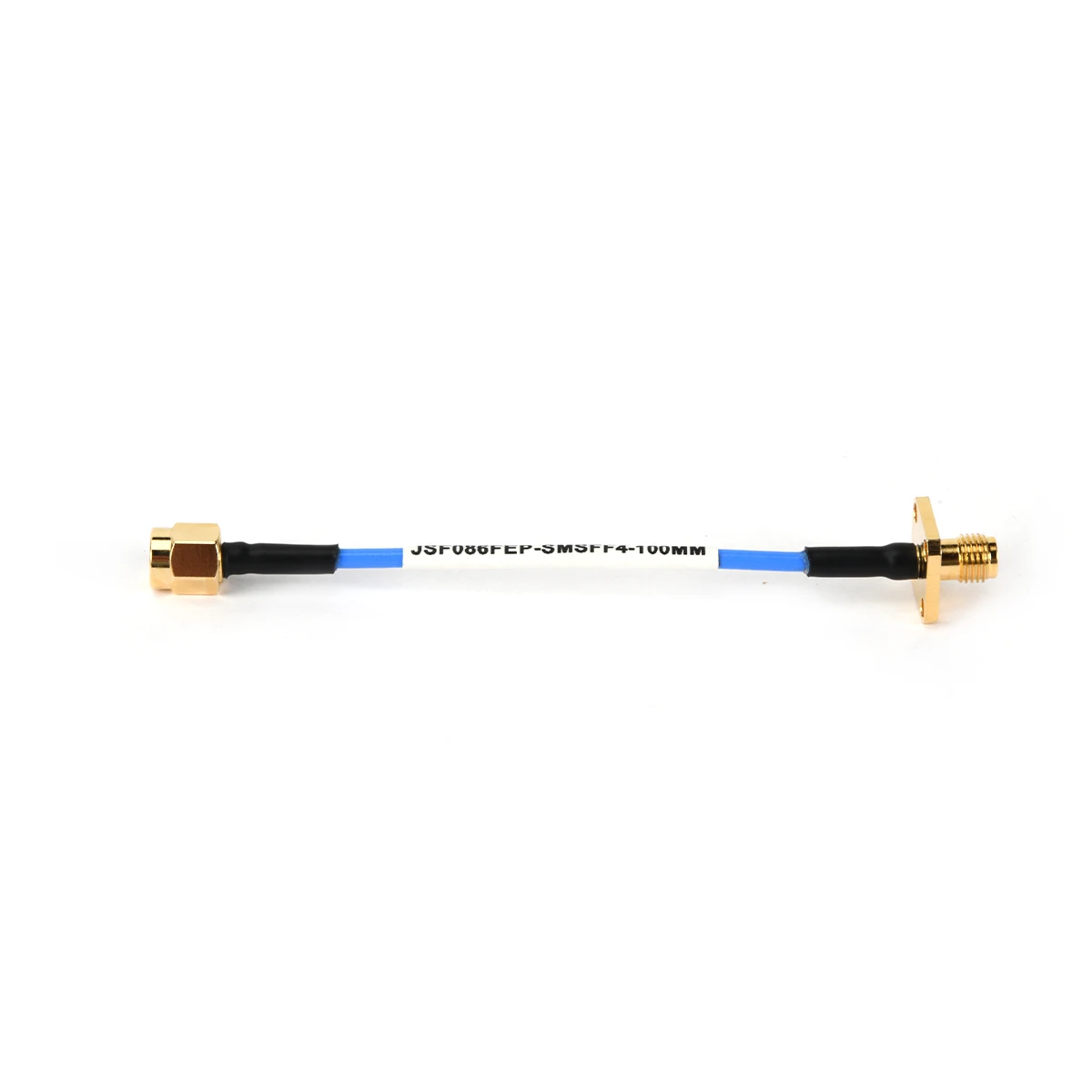
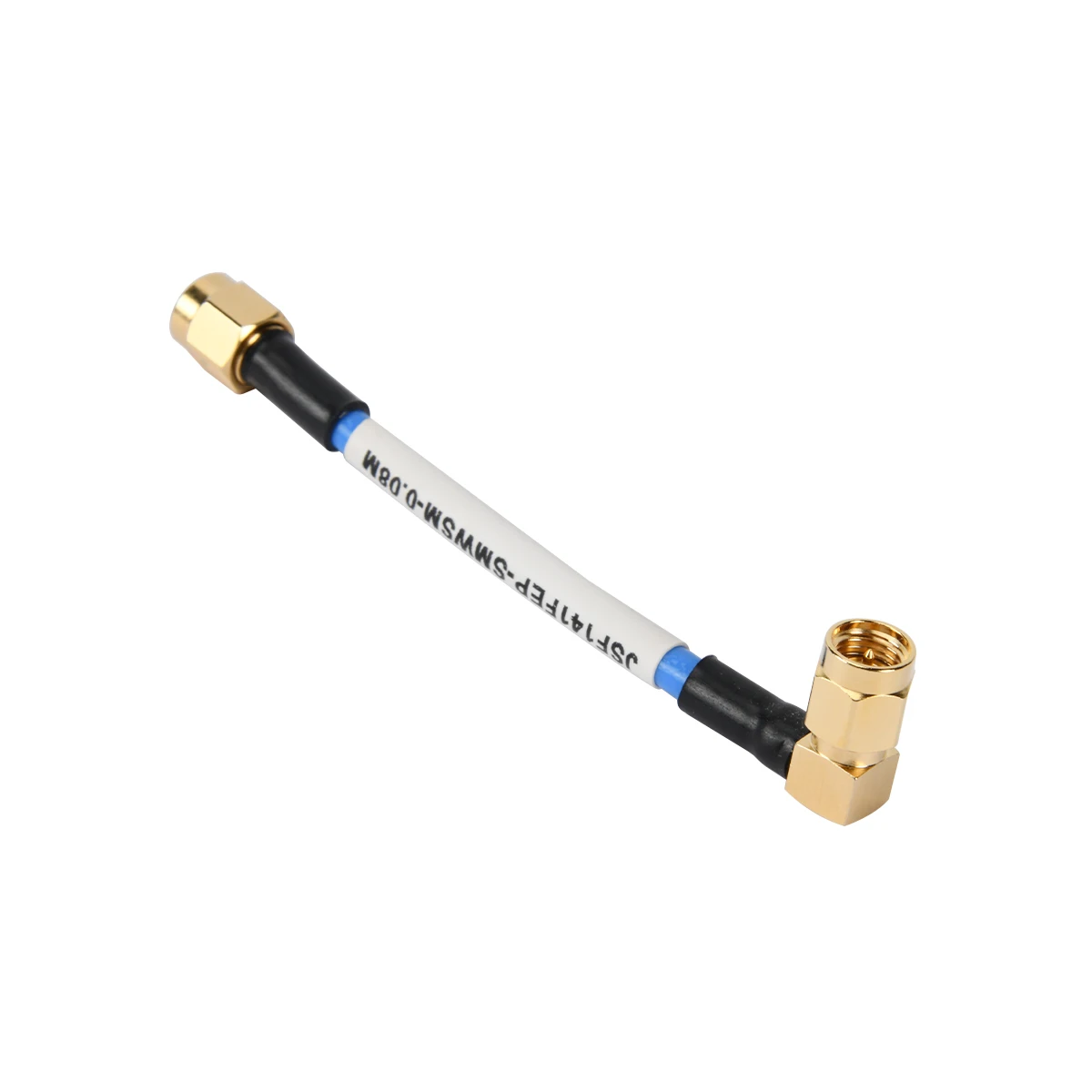
As a cornerstone of robust and reliable RF connectivity, the N-type connector is a standard across industries from telecommunications to test and measurement. The N connector female is a critical interface point on equipment, panels, and cable assemblies. Designed for frequencies up to 11 GHz (and higher for precision versions), its threaded coupling mechanism provides a stable, weather-resistant connection, making it indispensable for both indoor and outdoor networking equipment.
Selecting the correct N connector female is vital for optimal system performance. Consider these key factors:
Impedance: Standard N connectors are 50-ohm. Ensure this matches your entire RF system (cables, adapters) to prevent signal reflections.
Cable Compatibility: The connector must be designed for your specific coaxial cable type (e.g., RG213, LMR-400, 1/2" Heliax). Using an RG8 connector on a smaller cable will result in a poor, unreliable assembly.
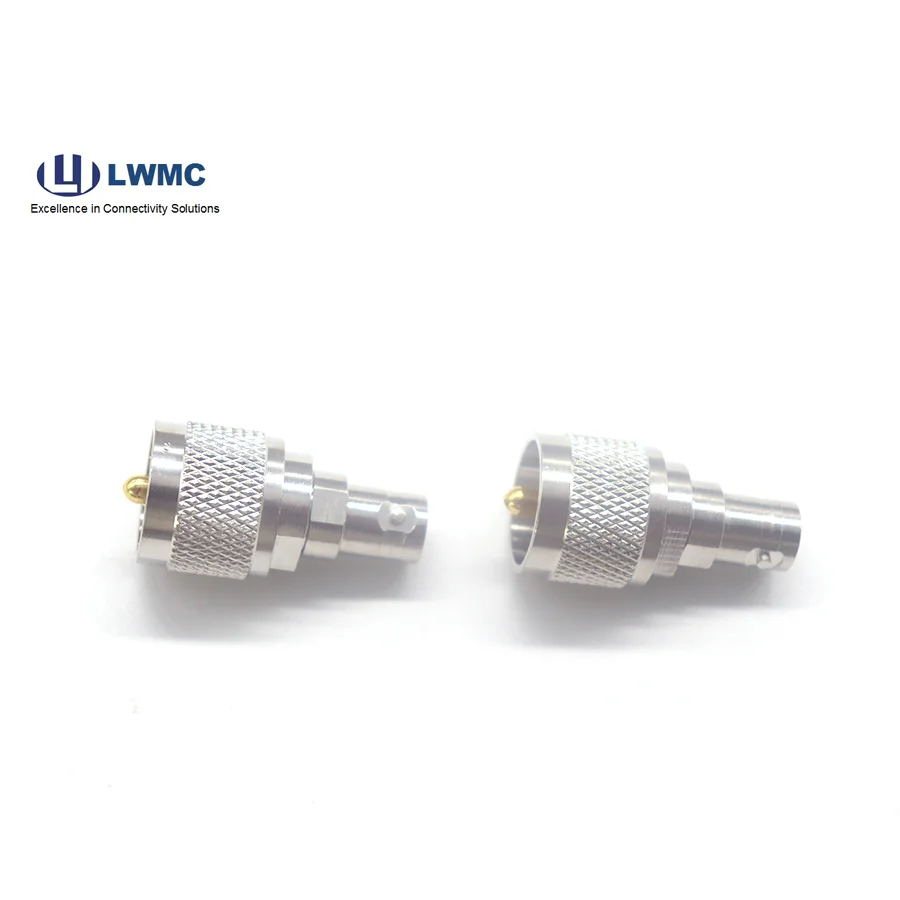
Interface Type: Standard N female connectors mate with N male plugs. For connecting to other connector families (like SMA or BNC), you will need an RF adapter (e.g., N female to SMA male).
Construction & Environment: Choose from brass with silver or nickel plating for general use. For harsh outdoor or marine environments, select stainless steel or passivated versions with sealed gaskets for weatherproofing.
Connection Method: Decide between solder-type, crimp-type, or clamp-style connectors based on your assembly tools, required durability, and field-repair needs. Crimp types offer excellent repeatability for coaxial cable assembly production.
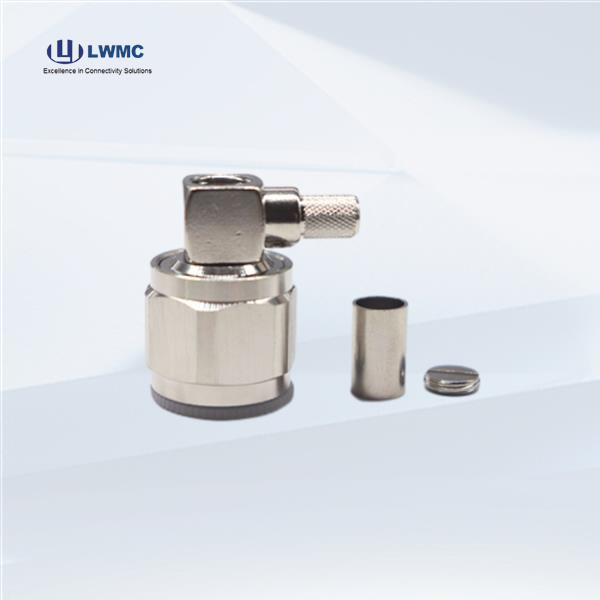
Proper installation ensures performance and longevity. For installing a female jack onto a cable:
Prepare the Cable: Use a coaxial stripper to strip the cable to the precise dimensions specified by the connector manufacturer.
Assemble the Connector: Thread the nut and ferrule onto the cable. For solder types, solder the center pin to the inner conductor and the body to the braid. For crimp types, use the correct die to crimp the center contact and the outer ferrule.
Mount Panel Connectors: When mounting a female jack to a panel or bulkhead, ensure the mounting hole is the correct size. Use the supplied nut and washer, tightening securely while ensuring the connector body does not rotate, which could damage the internal connection.
Making the Connection: Always hand-tighten the mating N male connector first to avoid cross-threading. For optimal RF performance and consistent mating force, final tightening with a torque wrench (typically 15 in-lbs) is recommended. This secures the weather seal and ensures proper electrical contact.
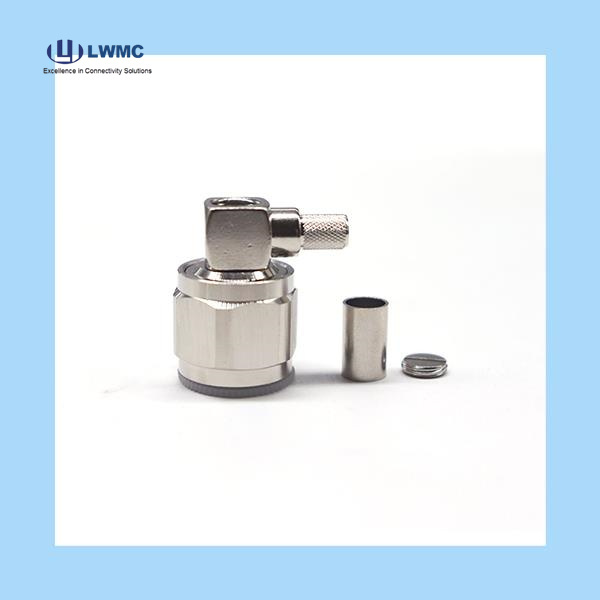
Common problems often stem from physical damage or improper installation.
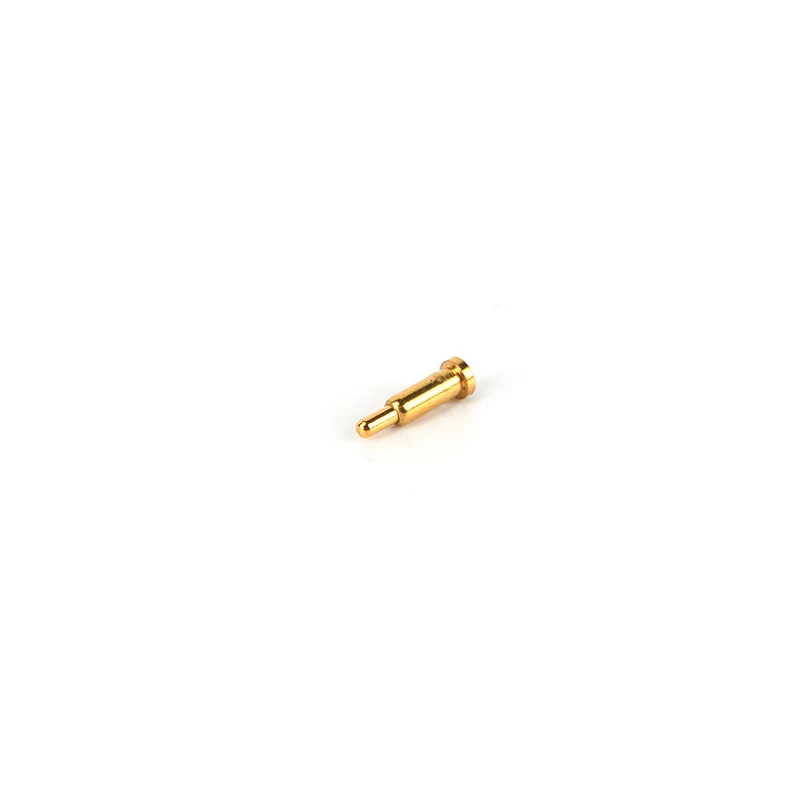
High VSWR/Signal Loss: Check for improper cable preparation (center conductor too short/long), a damaged dielectric, or moisture ingress. Inspect the female connector's center contact for looseness or deformation.
Intermittent Connection: Often caused by a faulty solder joint on the center conductor or a poorly secured braid connection. Internal corrosion can also cause this issue.
Difficulty Mating: Never force the connection. Check for cross-threading, dirt/debris inside the connector, or a damaged coupling thread. Clean with compressed air and isopropyl alcohol if needed.
Water Ingress: In outdoor setups, this leads to corrosion and failure. Verify that weather-sealing gaskets are present and intact, and that the coupling nut is fully tightened.
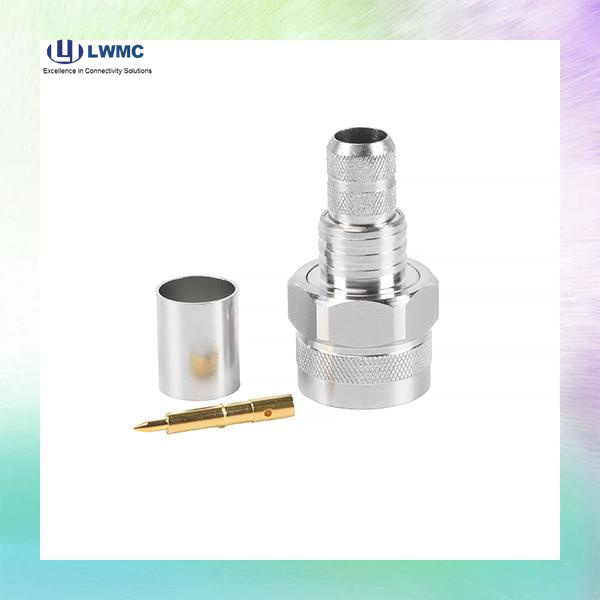
The N connector female offers distinct benefits that justify its widespread use:
Robustness & Durability: Its large, threaded coupling mechanism provides excellent mechanical stability, vibration resistance, and can withstand hundreds of mating cycles.
Weather Resistance: When properly sealed, the N connector performs reliably in outdoor environments, making it ideal for base station antennas and outdoor RF links.
Superior Performance: Designed for medium-to-high power applications, it offers lower intermodulation (IMD) than smaller connectors and maintains low VSWR through 11 GHz.
Versatility: Its widespread adoption makes it easy to integrate into diverse systems. A comprehensive range of RF adapters (N female to other types) provides exceptional flexibility in network design and equipment interconnection.
Reliability: The secure connection minimizes accidental disconnections and ensures stable electrical performance, which is critical for the integrity of any RF network.

 EN
EN