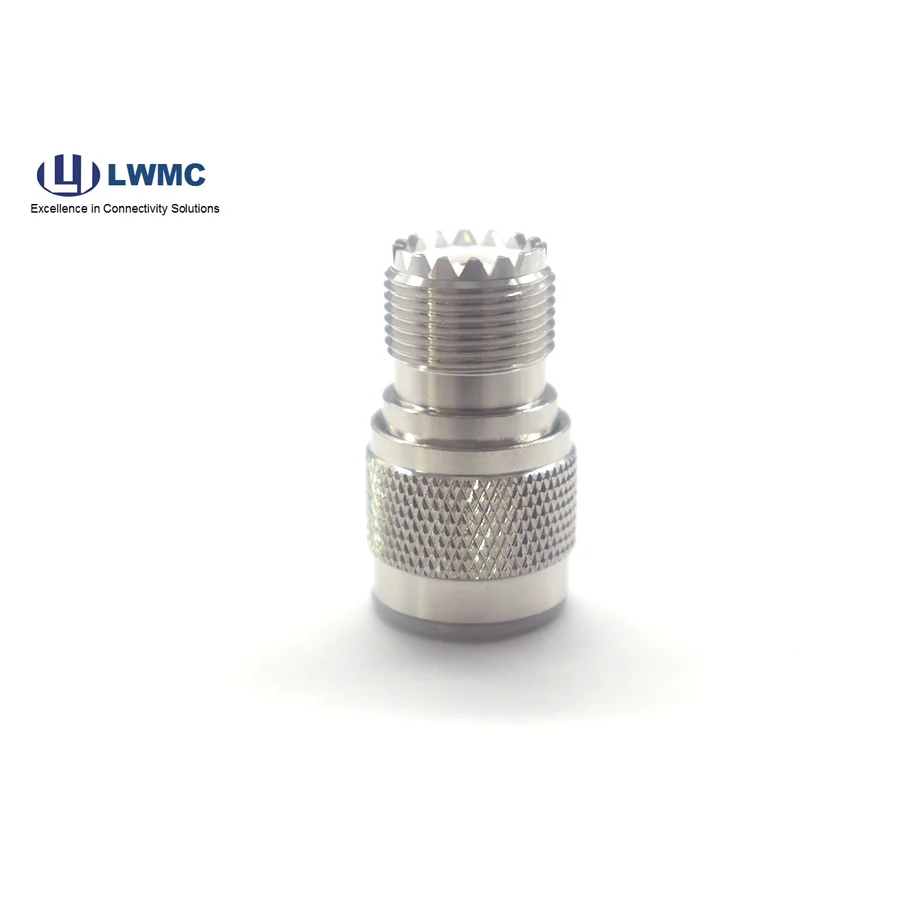
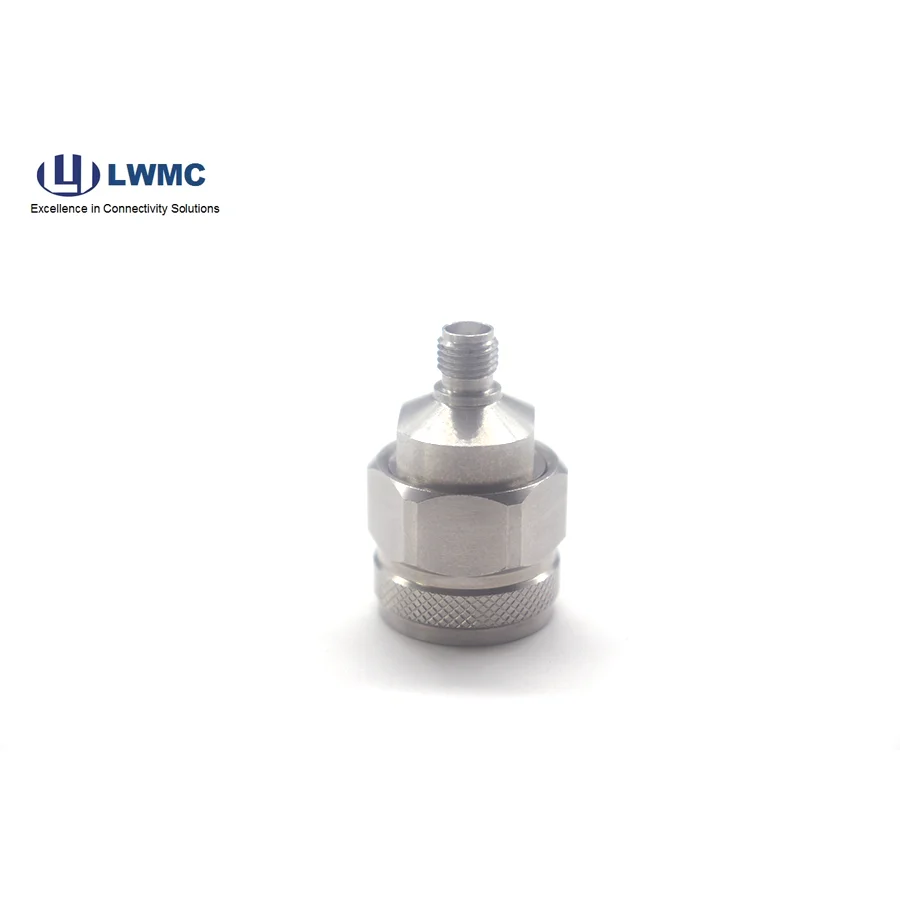
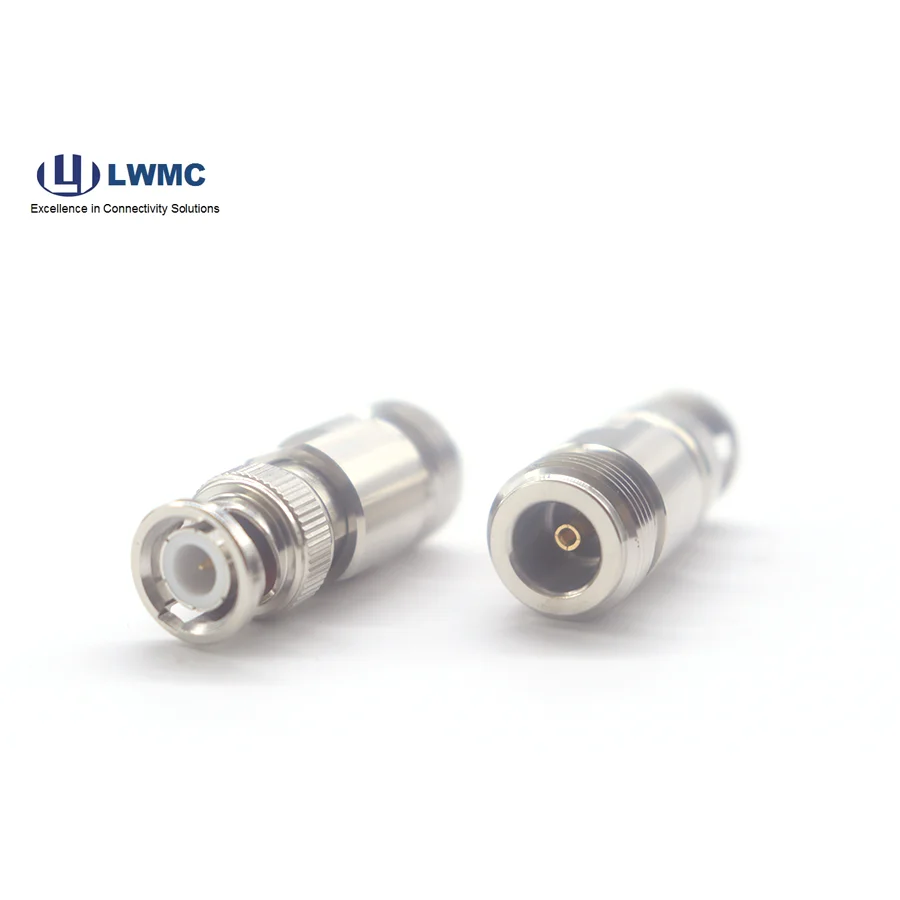
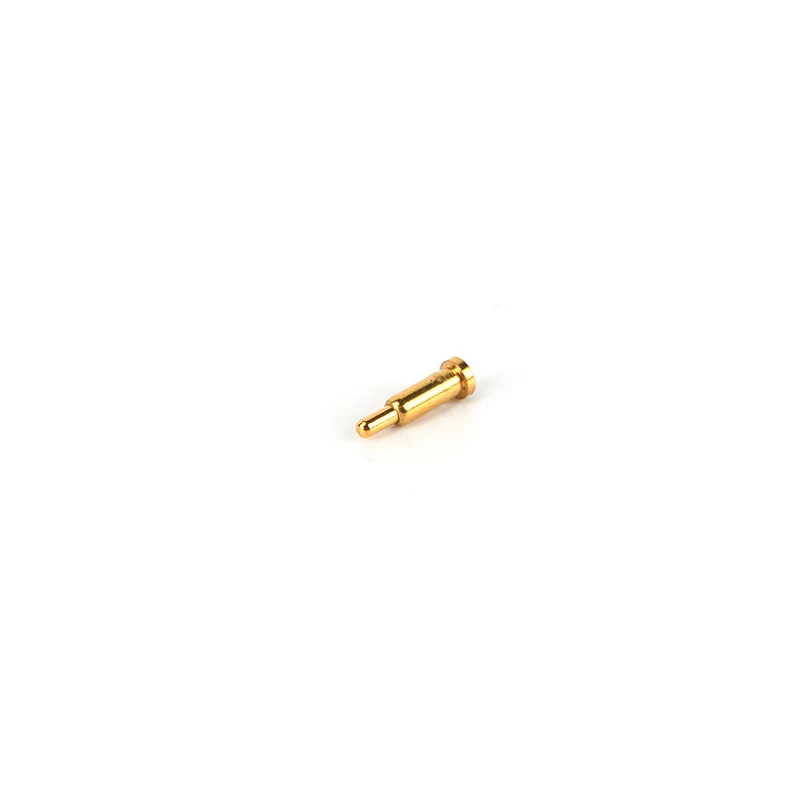
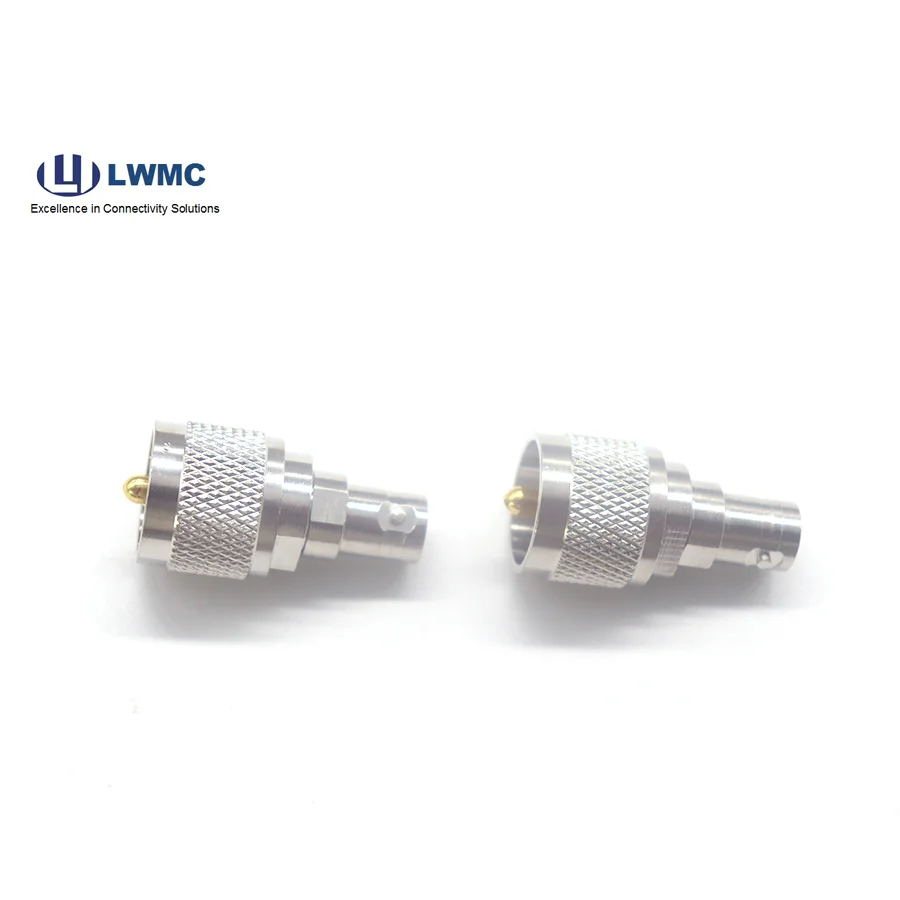
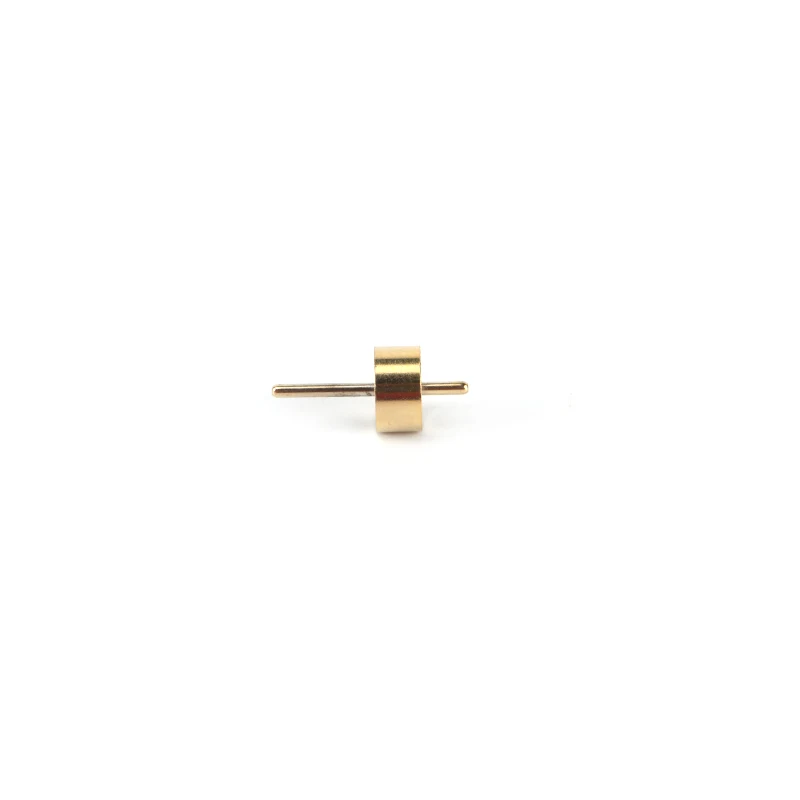
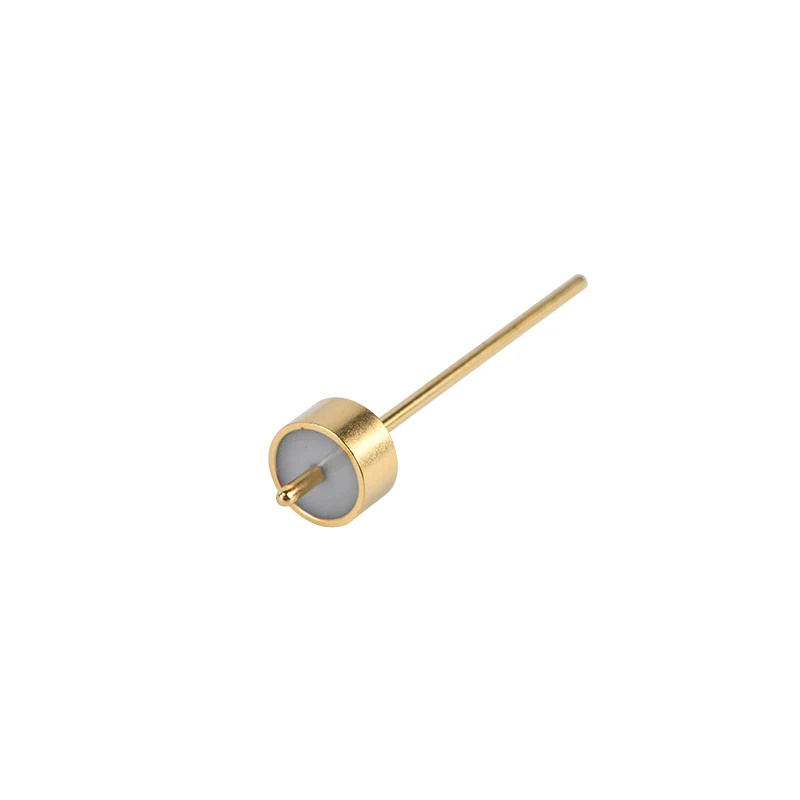
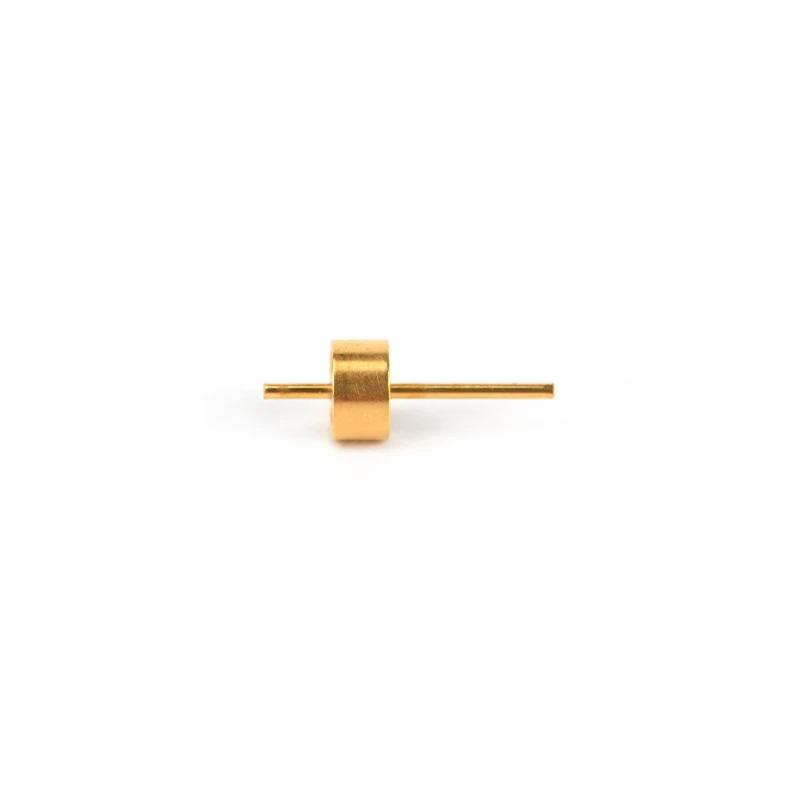
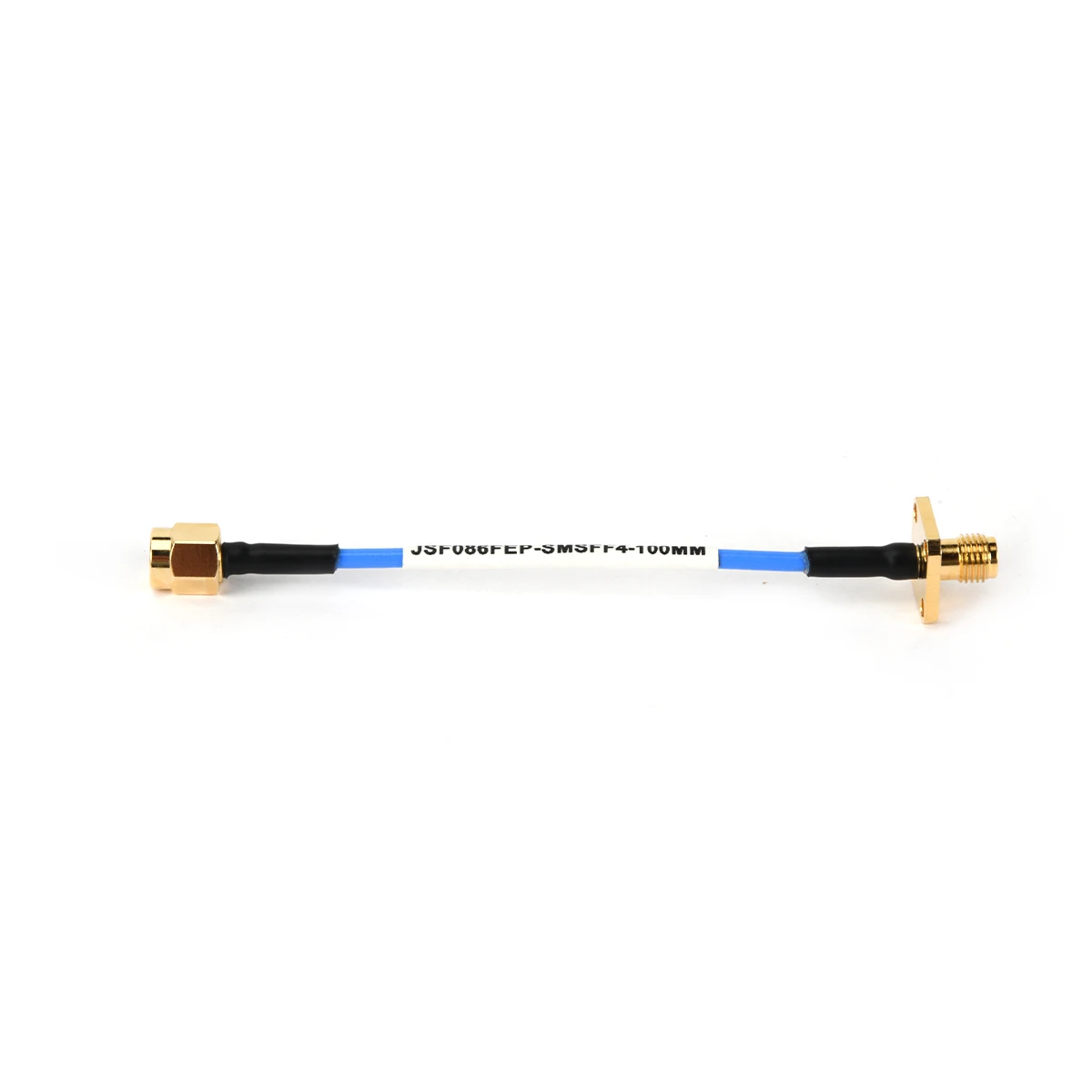
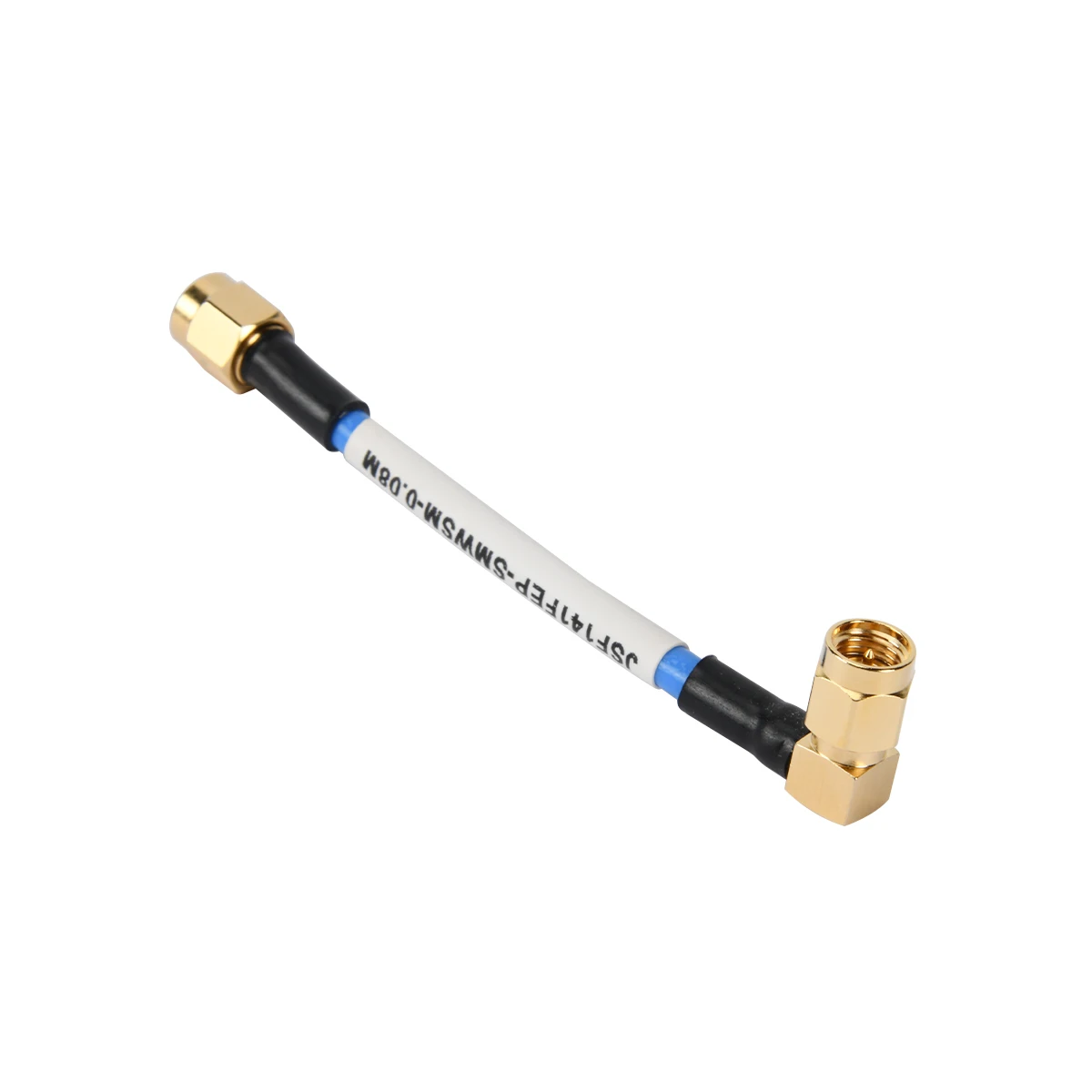
In the realm of radio frequency (RF) electronics, establishing a reliable and efficient connection is the cornerstone of system performance. At the physical interface of this connection lies a critical component: the male RF connector. Characterized by a central pin that inserts into a corresponding female socket, the male connector is the active mating half found on the ends of cables, adapters, and many active devices.
Male RF connectors are fundamental to modularity and interoperability in modern electronics. They enable the seamless integration of various system components—such as antennas, amplifiers, transceivers, and test instruments—into a cohesive whole. Without standardized male interfaces, systems would require permanent, hard-wired connections, making manufacturing, field upgrades, and repairs prohibitively complex and costly. By providing a secure and repeatable connection point, male connectors facilitate system assembly, configuration flexibility, and component replacement, thereby driving efficiency and innovation across industries from consumer wireless devices to aerospace systems.
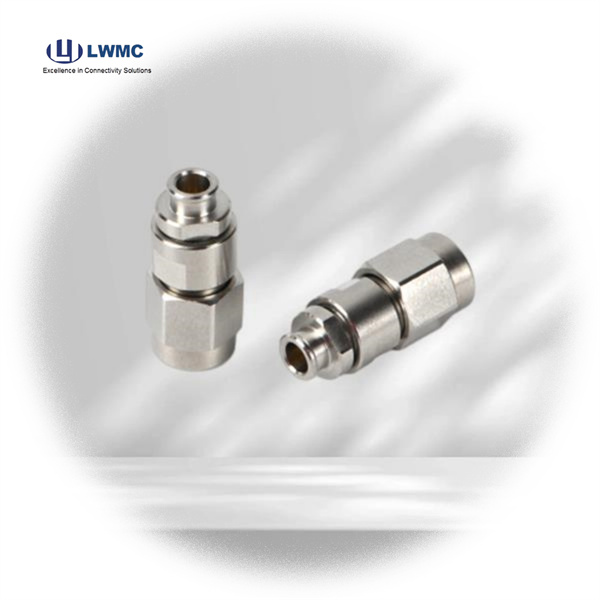
The primary function of a male RF connector is to serve as the crucial junction for signal transmission. Its internal geometry and material construction are engineered to maintain a consistent characteristic impedance (typically 50 or 75 ohms) with its mating female counterpart and the attached cable. A high-quality male connector minimizes signal reflection and attenuation at the junction point. This ensures maximum power transfer and preserves signal fidelity by reducing losses and preventing the impedance mismatches that can cause data errors, reduced range, and degraded system performance. Essentially, it acts as a gatekeeper, determining how effectively the signal passes from one segment of the circuit to the next.
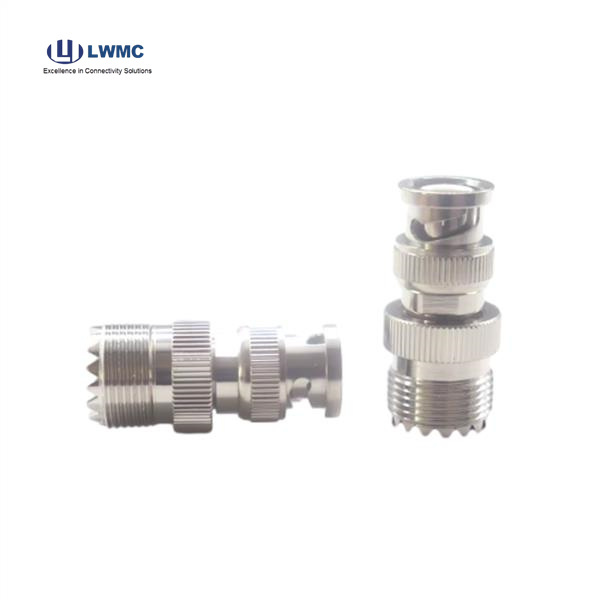
Correct installation and handling are paramount to realizing the performance specifications of a male RF connector. For threaded types (e.g., SMA, N-Type), always use a calibrated torque wrench to achieve the manufacturer's specified tightening value. This ensures optimal electrical contact and mechanical stability without damaging the threads. Avoid subjecting the connector to lateral stress or using it to support the weight of a cable. Ensure the central pin is clean, straight, and undamaged before mating, and always use protective dust caps when the connector is not in use to prevent contamination. For cable assemblies, proper crimping or soldering techniques are essential to maintain the cable's shield integrity and impedance at the connector interface.
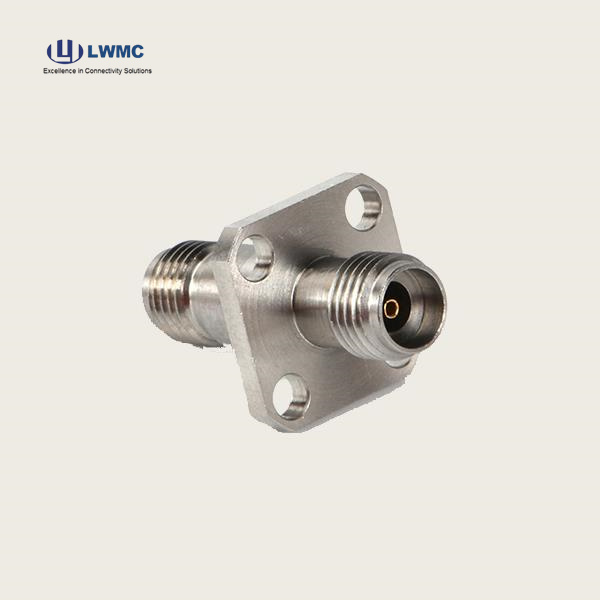
The "male" interface is a feature across numerous RF connector families, each designed for specific applications. Common types include:
SMA Male: A small, threaded connector ubiquitous in applications up to 18 GHz, found on WiFi cards, GPS modules, and many coaxial cables.
N Male: A larger, robust threaded connector used in infrastructure, base stations, and applications requiring high power and durability up to 11 GHz.
BNC Male: Featuring a bayonet-style coupling, it is common in test equipment and video systems for its quick-connect/disconnect capability.
7/16 DIN Male: A large connector designed for very high-power applications, such as broadcast transmitters.
QMA Male: A quick-lock version of the SMA, allowing for rapid connection without threading.

 EN
EN