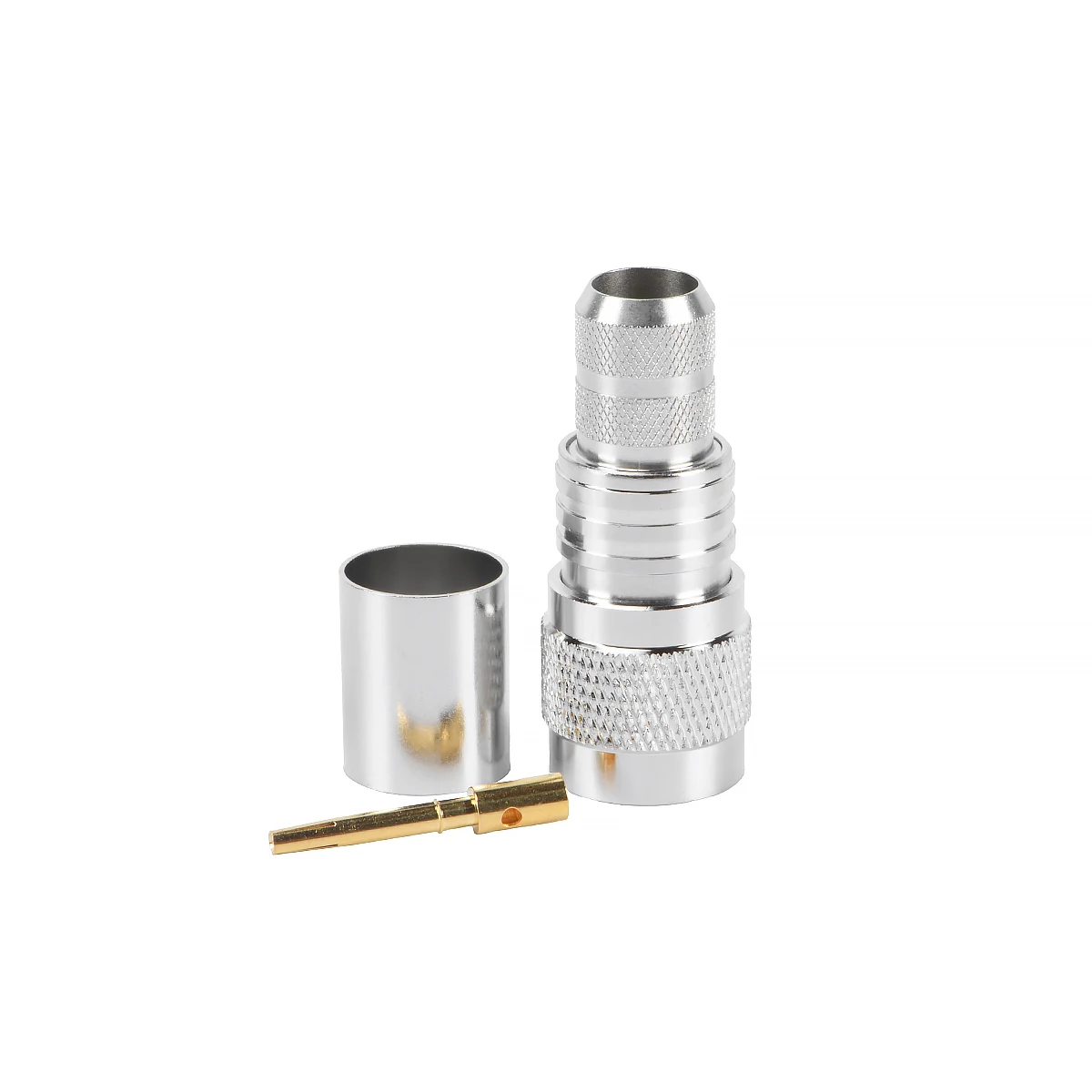
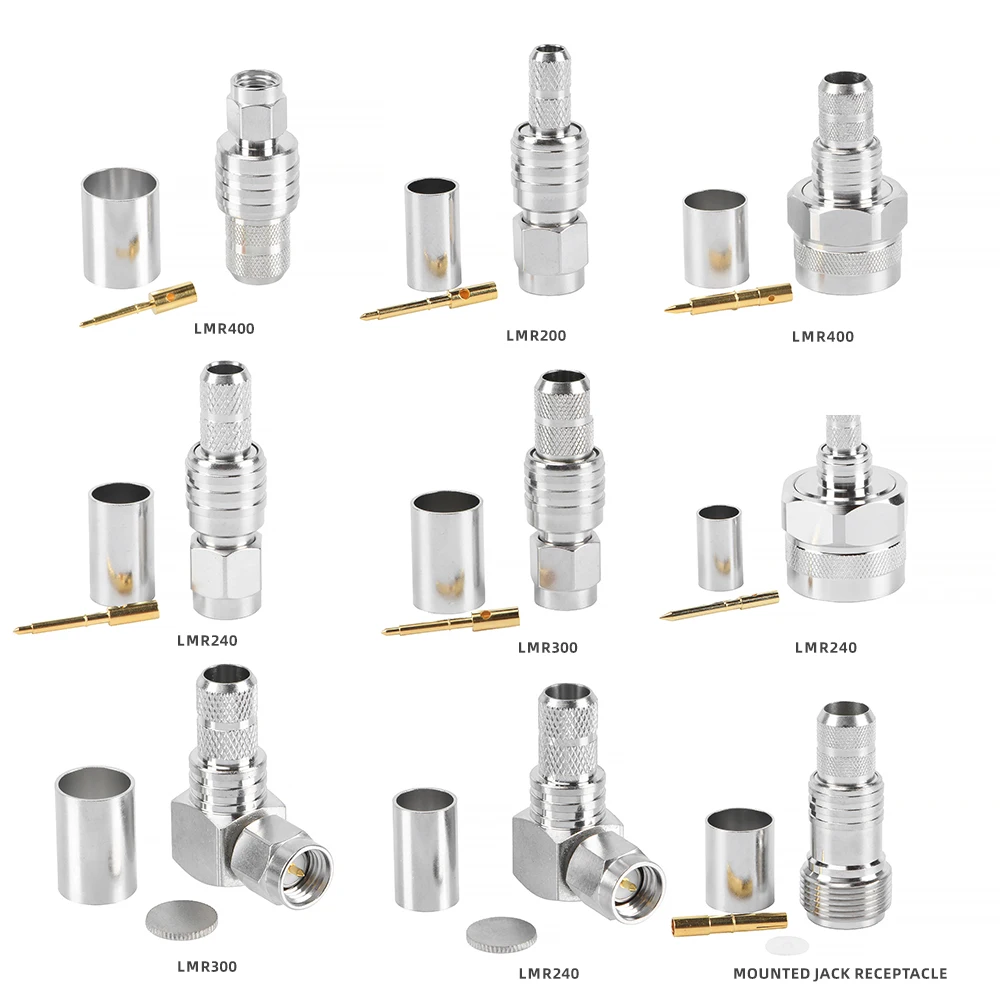
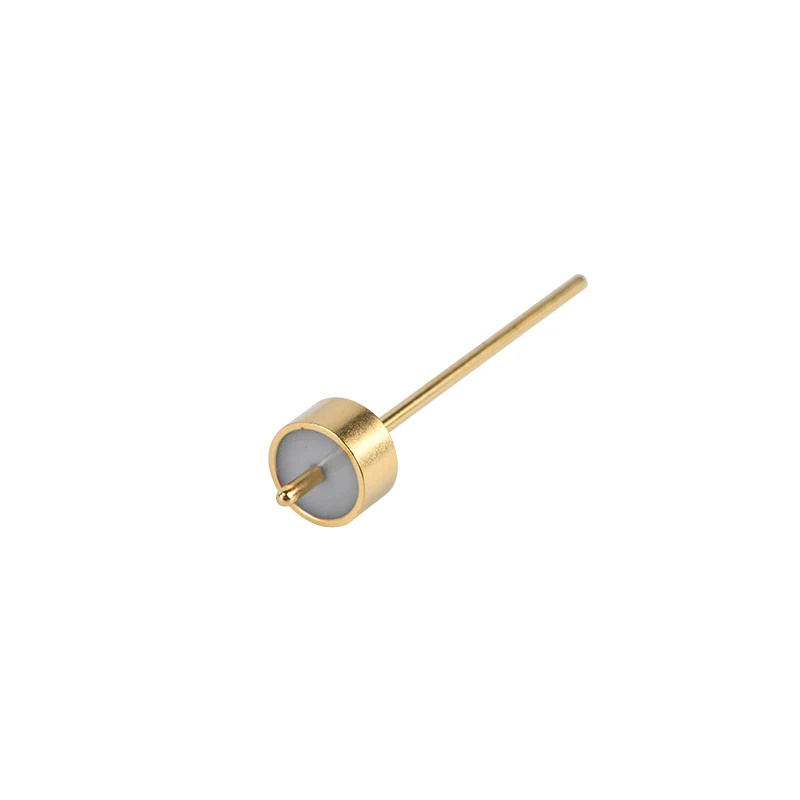
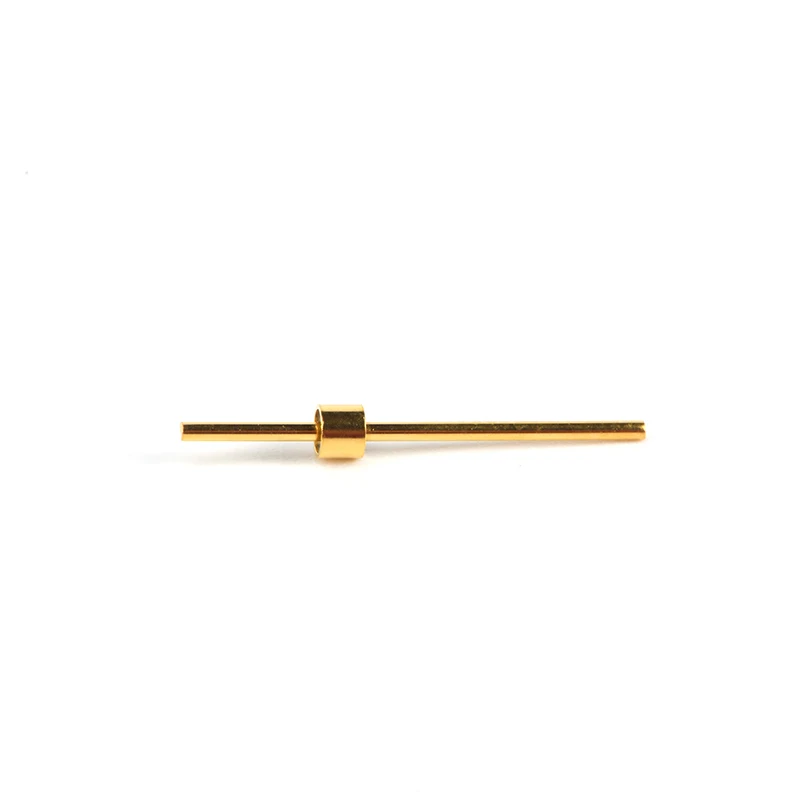
In the world of radio frequency (RF) systems, from telecom infrastructure to sophisticated test equipment, the connection is only as strong as its weakest link. This link is often the humble yet critical Male Female Socket interface. These mating connectors, found on RF Connectors, RF Adapters, and Coaxial Cable Assemblies, form the physical bridge that ensures signal integrity. Understanding their proper use, selection, and potential pitfalls is fundamental for any reliable RF application.
A proper connection is more than just screwing two parts together. First, ensure connector compatibility (e.g., both are SMA or N-type). Visually inspect both the male (plug) and female (jack) for cleanliness and damage—look for bent center pins or dented sockets. Align the threads carefully and start by hand-threading to avoid cross-threading, which can permanently damage the connectors. Once hand-tight, use the appropriate torque wrench (not a regular wrench) to achieve the manufacturer’s specified torque. This ensures optimal electrical contact and proper mating depth without over-tightening, which can crush connectors or deform the dielectric. Finally, always use a pulling grip on the connector body, not the cable, when disconnecting.
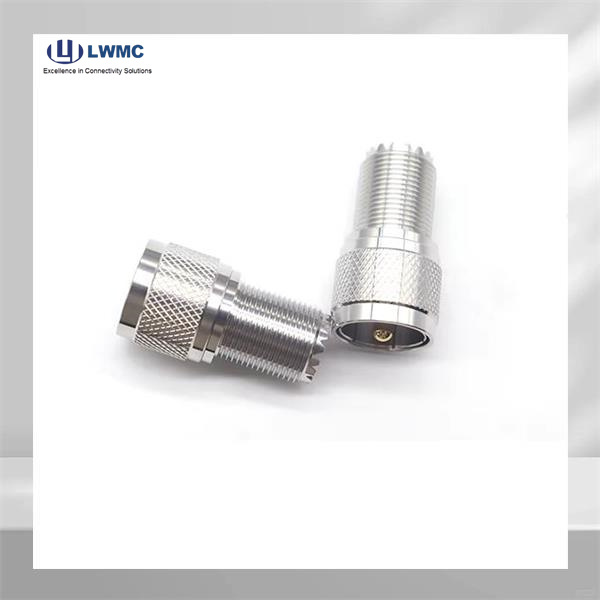
Selecting the correct connector type is a strategic decision impacting system performance. Key considerations include Frequency Range (SMA for up to 18 GHz, N-type for up to 11 GHz, 7/16 for high power), Power Handling, and Environmental Requirements (weather sealing for outdoor use). The choice between a straight plug and a right-angle plug, or between a cable assembly and a bulkhead-mounted jack, affects cable routing and physical layout. Furthermore, material quality—such as brass with gold plating for low resistance versus nickel plating for durability—directly influences signal loss, longevity, and ultimately, the reliability of your entire RF chain. An ill-chosen connector becomes a bottleneck.
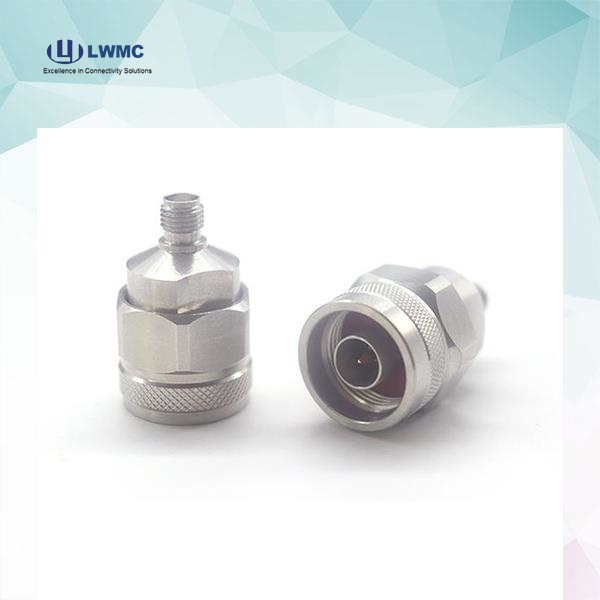
Poor Signal/High VSWR: Often caused by improper mating, dirt, or damage. Fix by cleaning with isopropyl alcohol and compressed air, and re-connecting correctly.
Intermittent Connection: Can result from a loose connection, a worn-out female socket, or a damaged cable. Check and re-torque the connection. If persistent, inspect and replace the faulty connector or cable assembly.
Cross-Threading: Caused by misalignment during coupling. This often requires replacing both damaged connectors. Prevention is key: always start threads by hand.
Difficulty Disconnecting: Usually from over-tightening. Use proper tools and never over-torque. If stuck, employ two wrenches on the connector nuts, avoiding force on the cable.
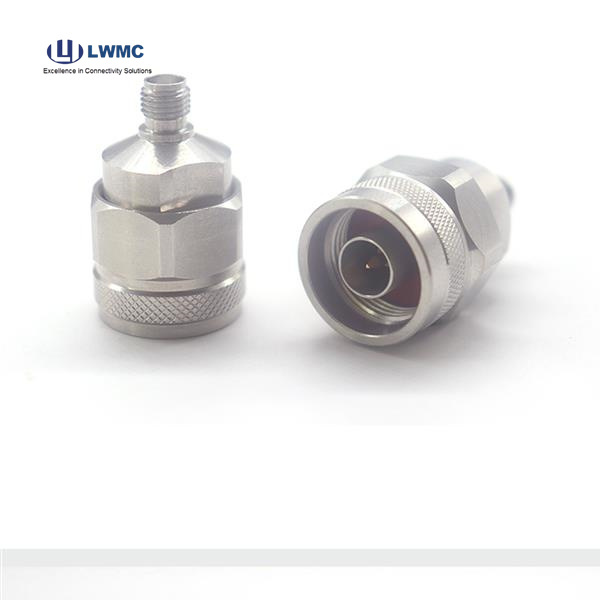
The RF industry offers a vast array of standardized Male Female Socket configurations to suit every need. Common gender patterns include:
Plug (Male) to Jack (Female): The standard for connecting a cable to a device.
Plug to Plug / Jack to Jack: Achieved using a Gender Changer Adapter (e.g., SMA Male to SMA Male).
In-Series vs. Between-Series Adapters: RF Adapters are specialized connectors that solve interface challenges. An in-series adapter (e.g., N Female to N Male) changes gender within the same series. A between-series adapter (e.g., SMA Male to N Female) connects different connector families, allowing system flexibility.
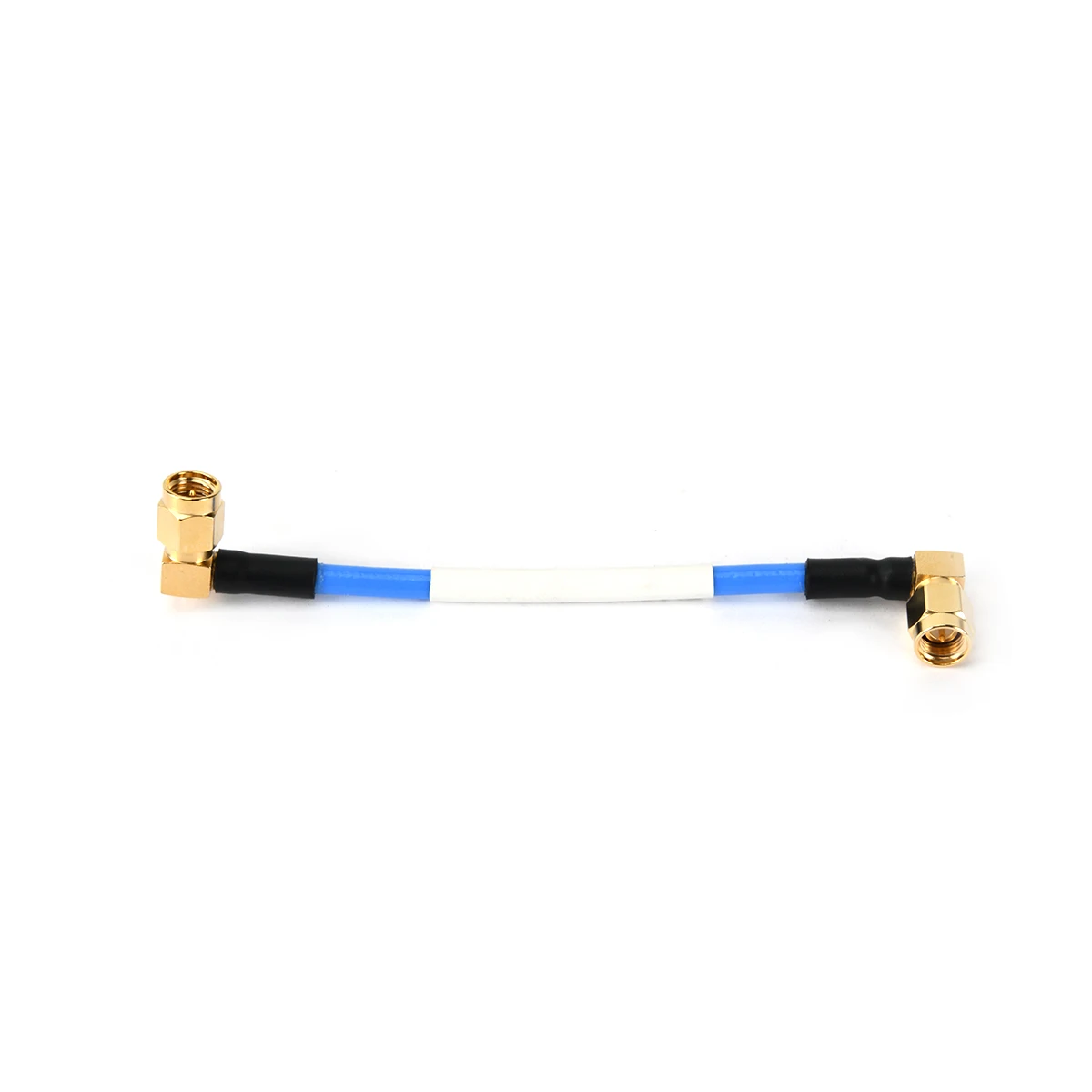
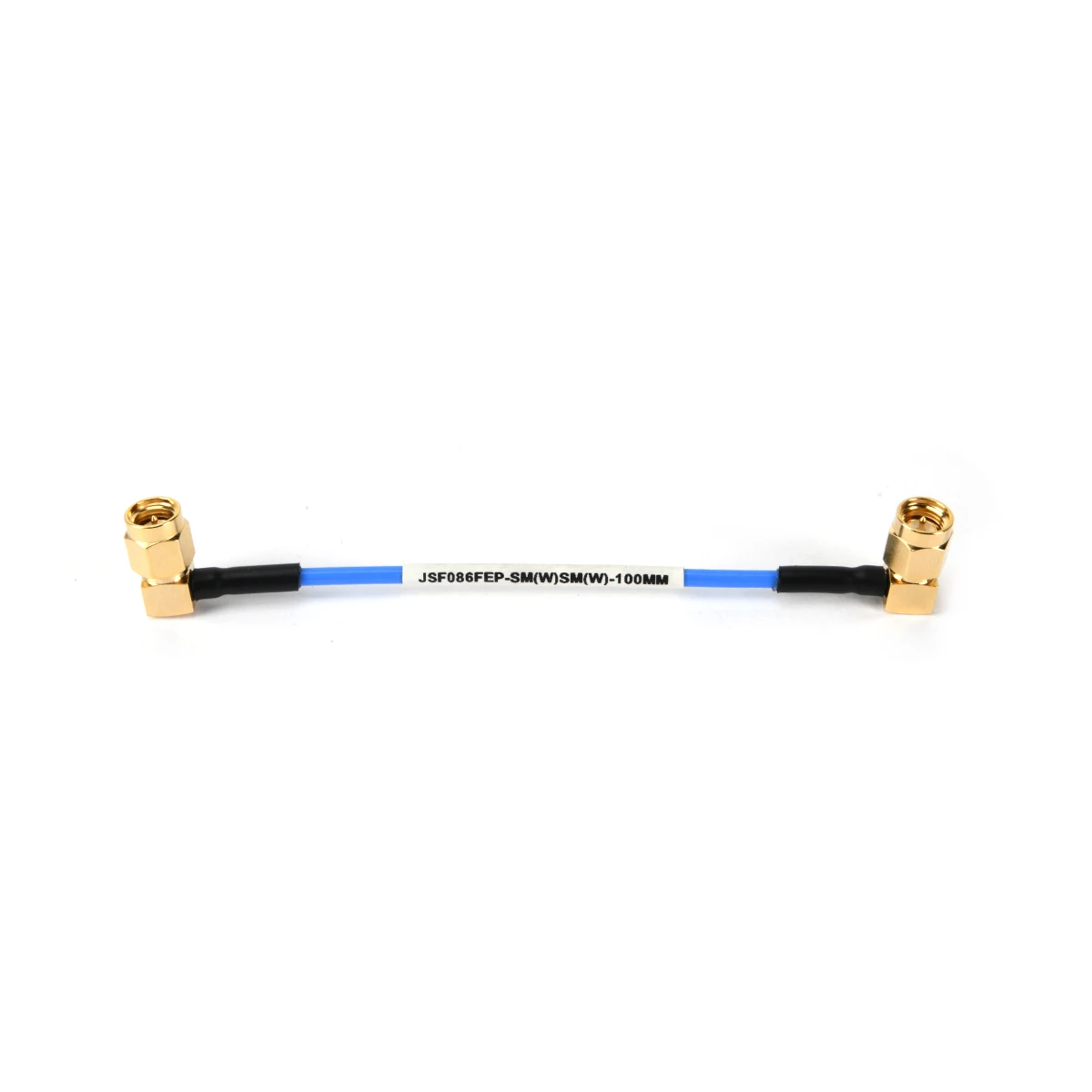
Coaxial Cable Assemblies: These are pre-made cables terminated with specific Male Female Sockets (e.g., an assembly with an N Male on one end and an SMA Female on the other), providing a robust, ready-to-use solution.

 EN
EN