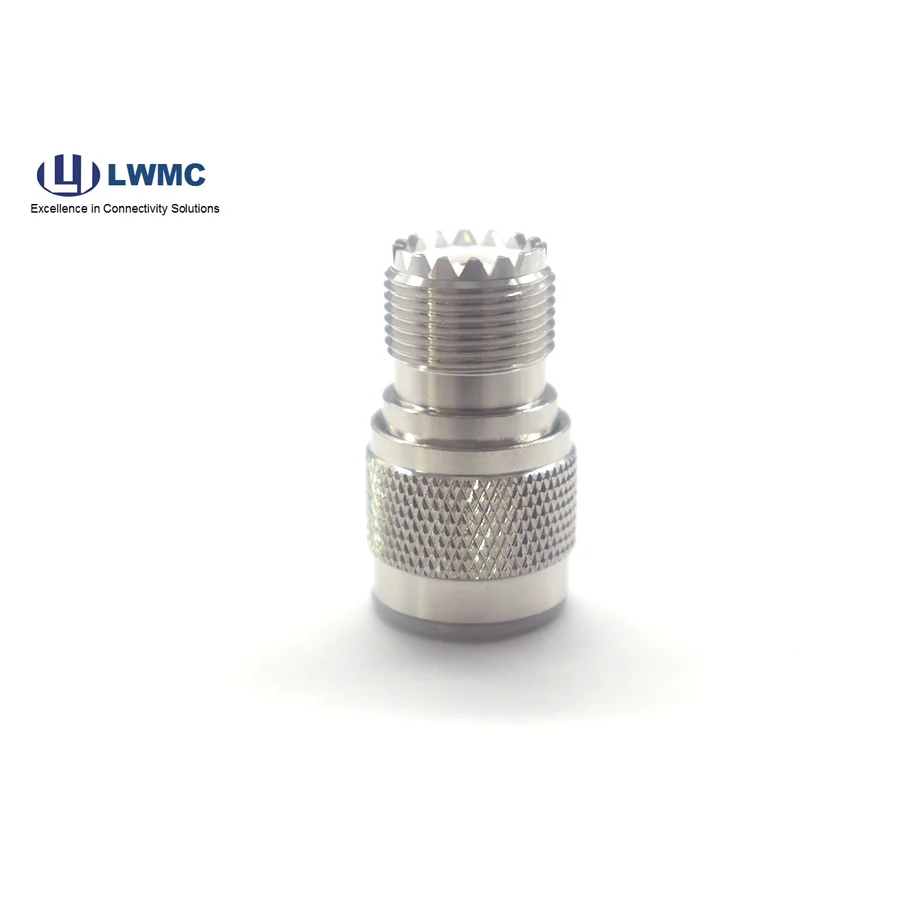
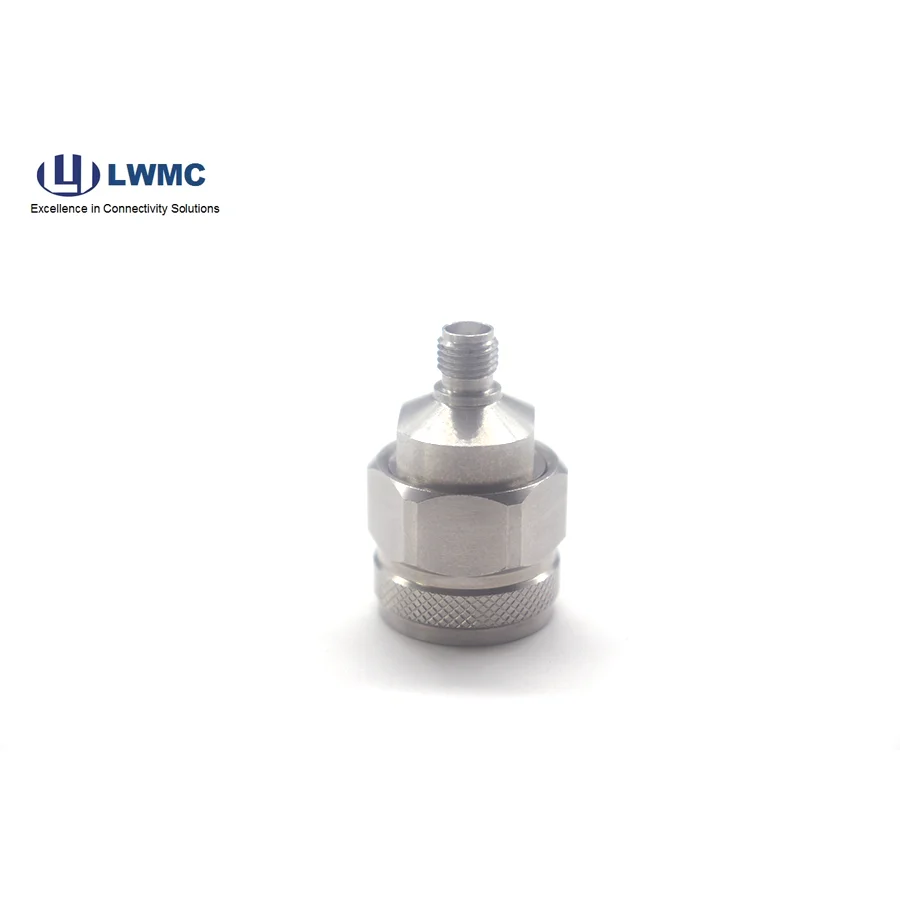
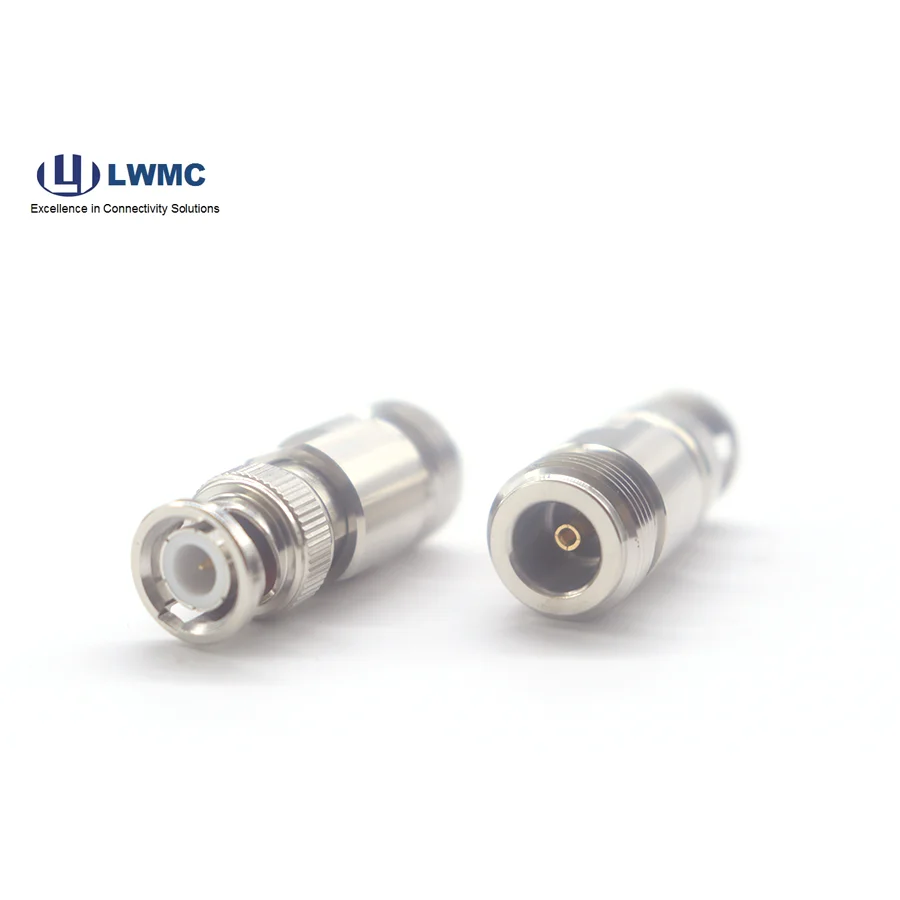
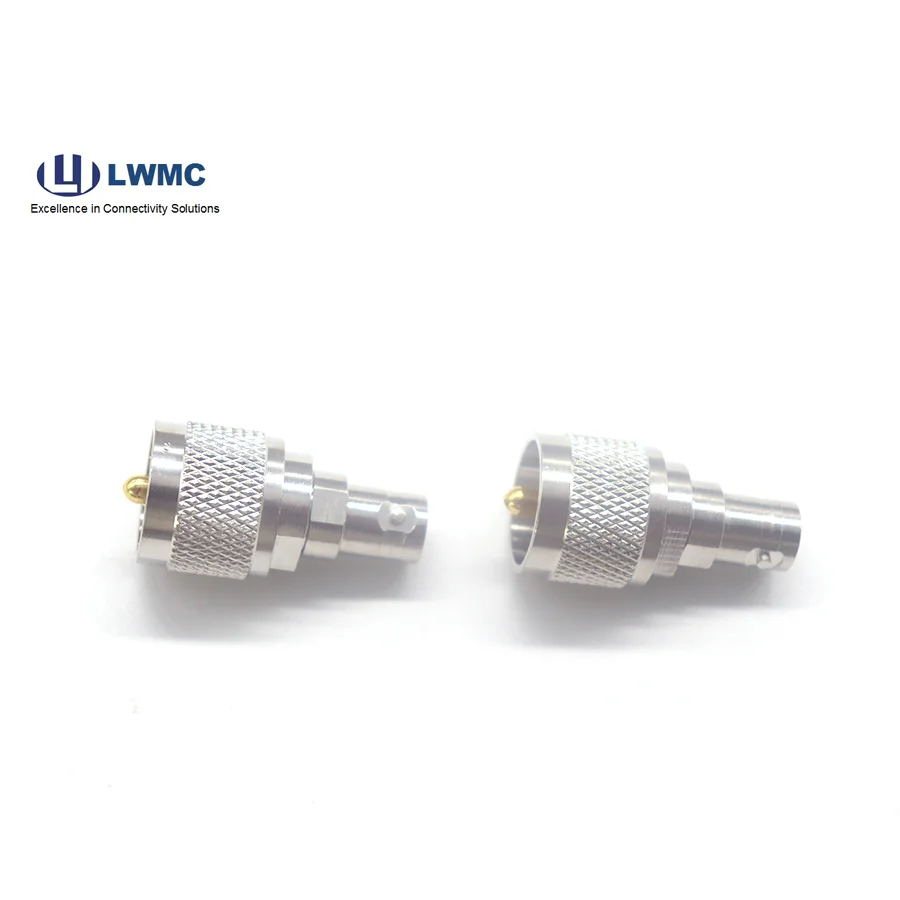
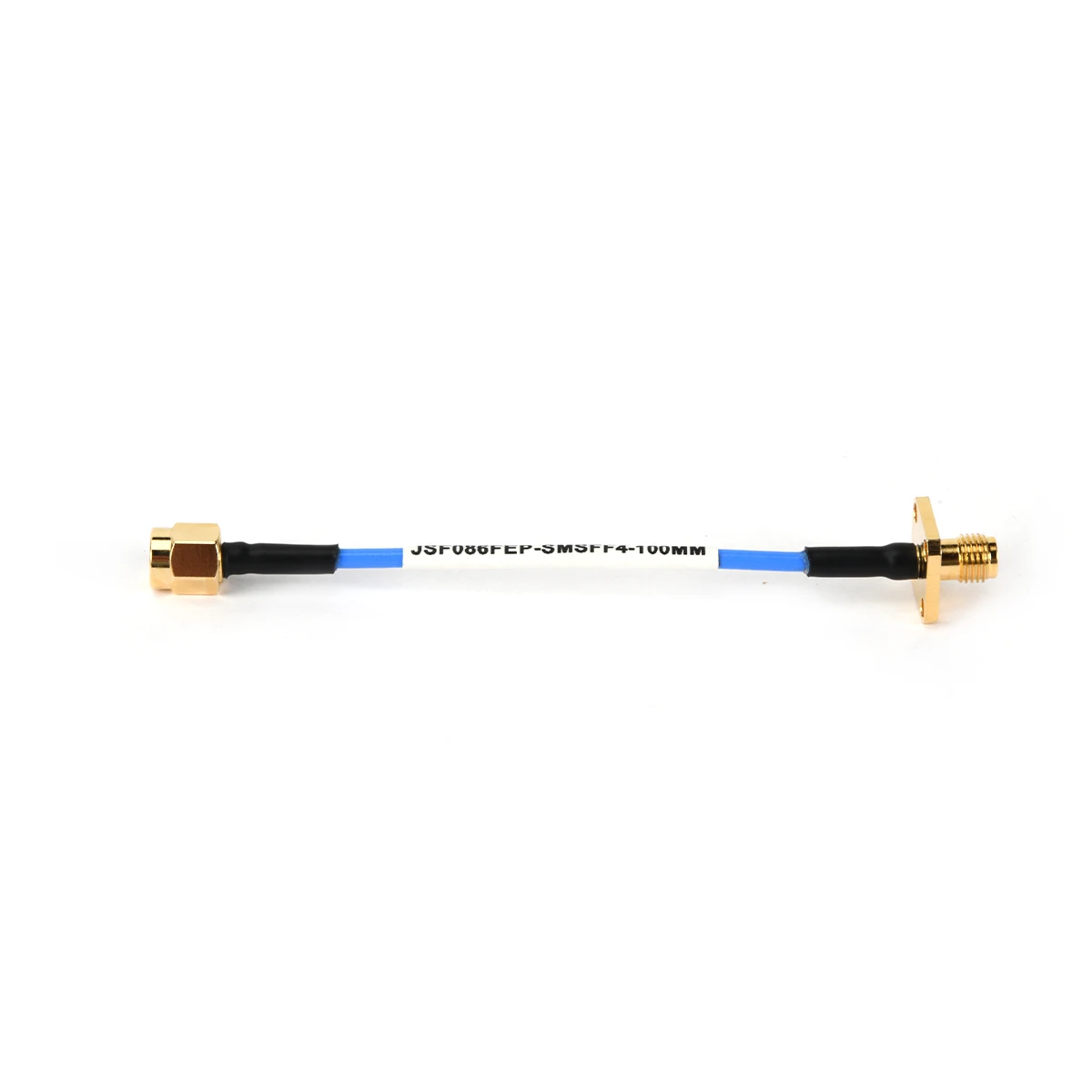
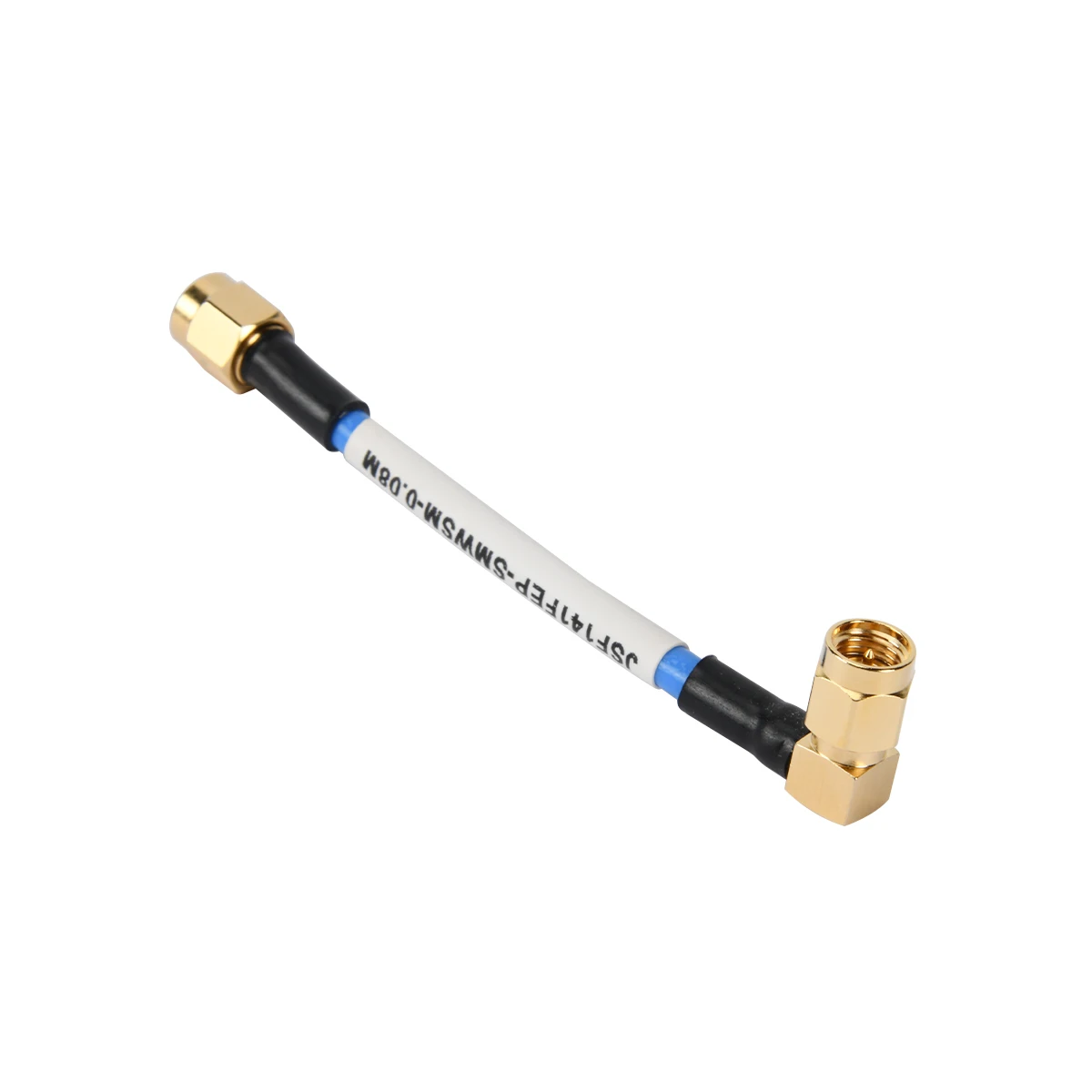
Precision RF connectors are essential components in communication and microwave systems, enabling reliable signal transmission across interconnected devices. LINKWORLD male and female connectors are engineered to join coaxial cables, antennas, and microwave components, ensuring optimal RF signal flow with minimal loss. Two primary interface types—male and female—serve specific functions in RF paths and must be properly selected and mated to maintain signal integrity in demanding applications.
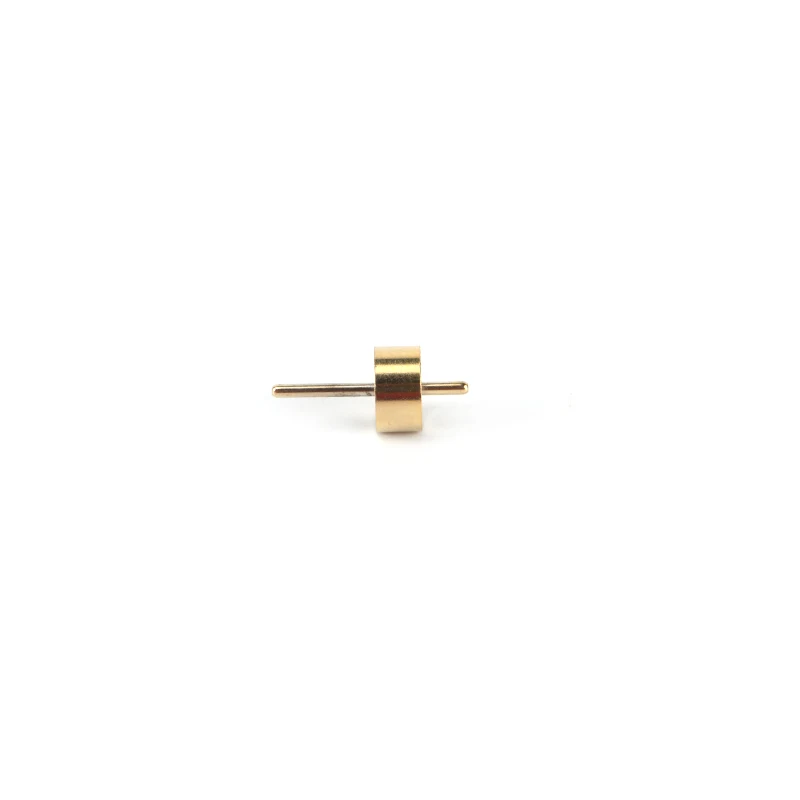
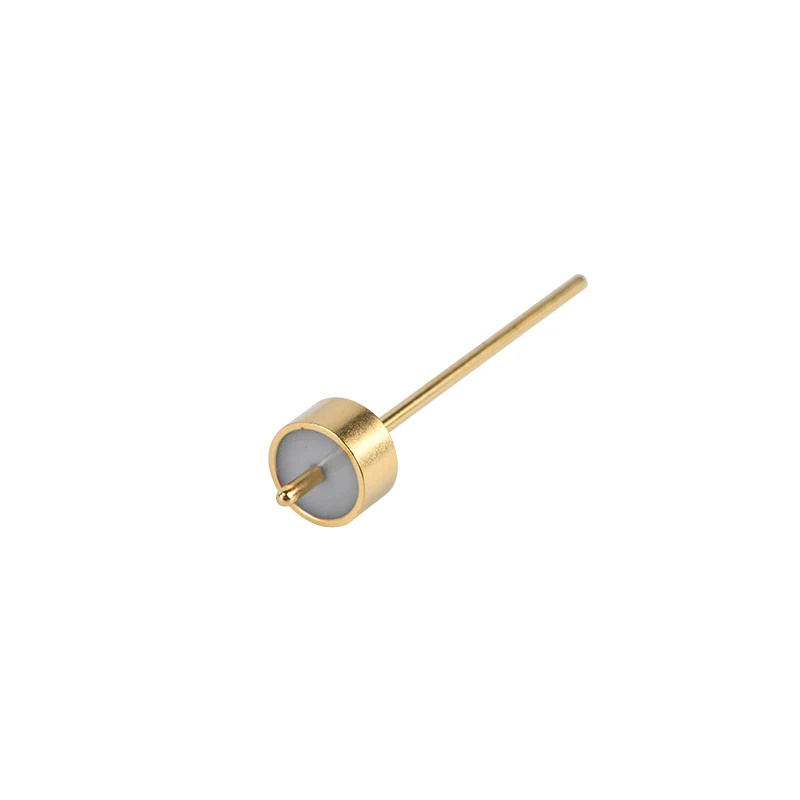
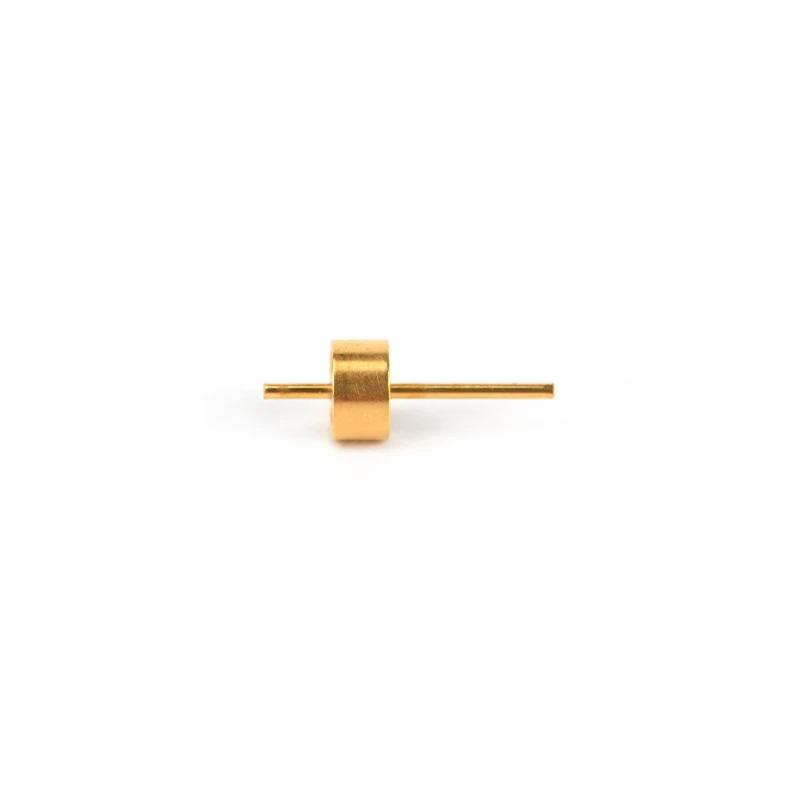
Male RF connectors feature a protruding center pin designed to mate with the recessed center socket of female connectors. This precision interface, combined with threaded or bayonet coupling mechanisms, creates a mechanically stable connection that maintains consistent characteristic impedance—typically 50 ohms—across the signal path. When properly mated, the connection preserves signal integrity through the specified frequency range.
Connecting male and female connectors is just like doing a puzzle. You just want to ensure the prongs of the male connector fit nicely in the slots of the female connector. If they’re not fitting right, the connection may be weak and electricity could be not flowing. Always verify that everything is the same before you start using the wires.
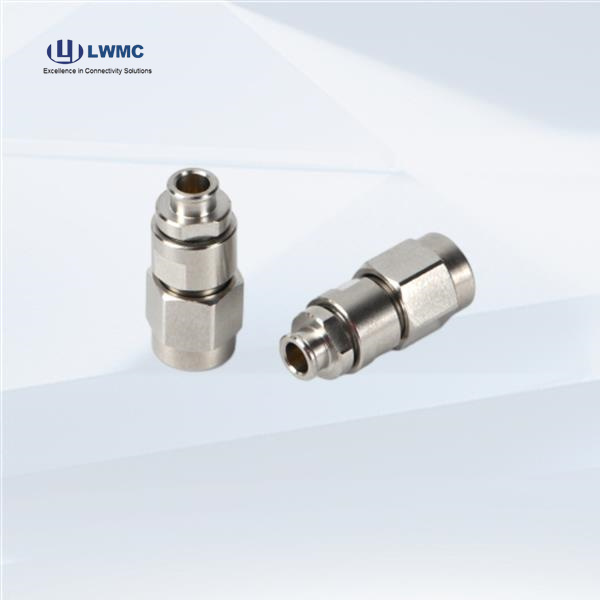
Selecting the appropriate male and female RF connectors is critical for maintaining signal performance in communication, microwave, and aerospace applications. Improperly matched connectors can introduce impedance discontinuities, increasing insertion loss and voltage standing wave ratio (VSWR). This degrades signal quality in radar systems, satellite communications, and microwave links. By choosing precision LINKWORLD connectors designed for specific frequency ranges and environmental conditions, you ensure reliable signal transmission in mission-critical applications.
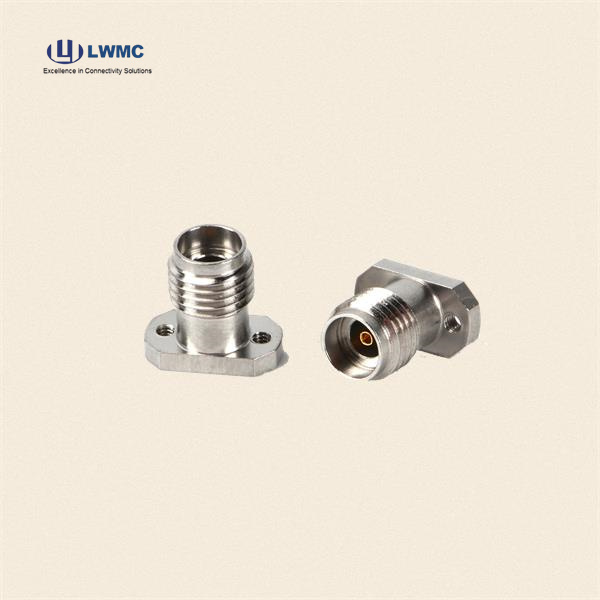
When selecting LINKWORLD male and female RF connectors for communication and microwave projects, consider interface compatibility, frequency rating, and environmental requirements. Verify that the male center pin diameter and female socket dimensions match precisely—SMA, N-Type, and 2.92mm interfaces serve different frequency ranges from DC to millimeter-wave. Ensure connector materials—stainless steel or brass with gold-plated contacts—provide appropriate durability for aerospace, test, or field-deployed applications.
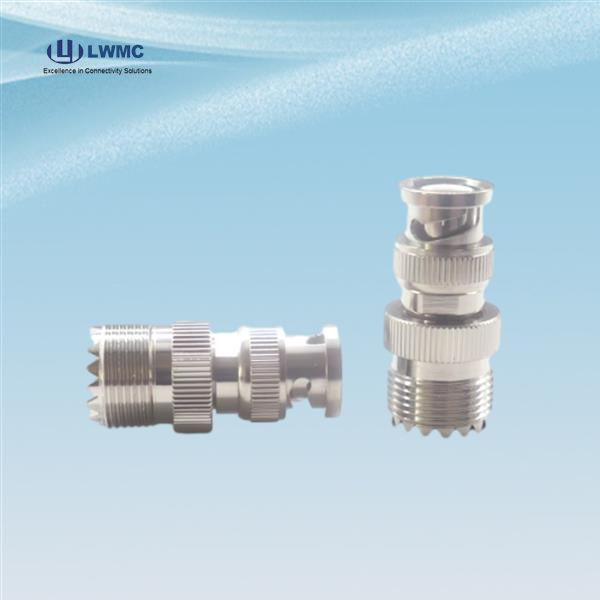
Several common errors compromise RF connector performance in professional applications. Insufficient torque on threaded couplings—particularly with SMA connectors—can increase insertion loss and VSWR in microwave assemblies. Over-tightening damages dielectric interfaces and degrades signal integrity. Using connectors rated for incorrect frequency ranges introduces impedance mismatches in radar and communication systems. Contamination from improper handling degrades performance in aerospace applications. Always follow manufacturer specifications for torque, cleaning, and mating cycles.

 EN
EN