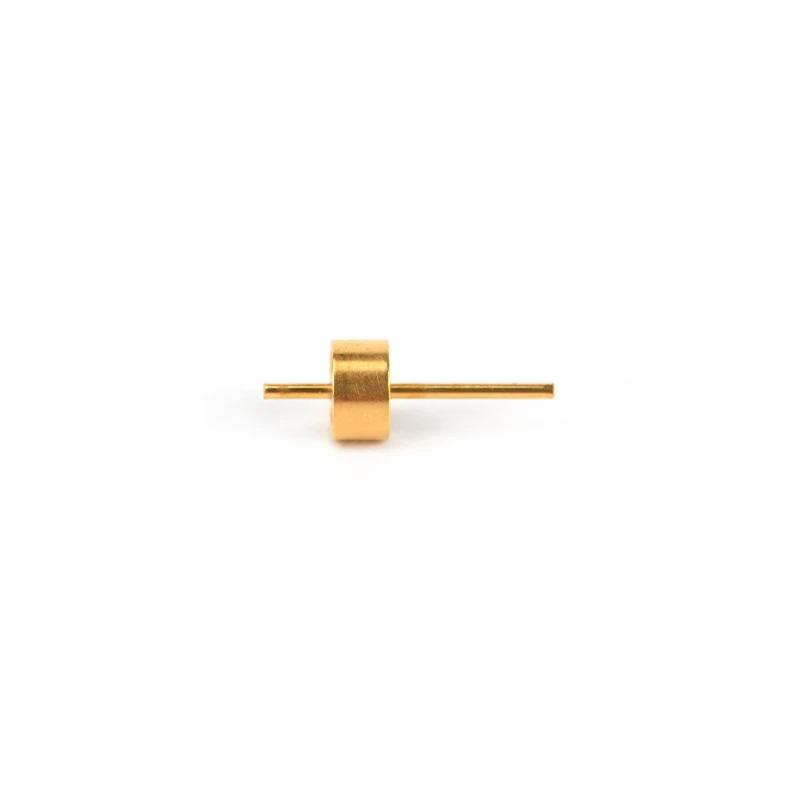
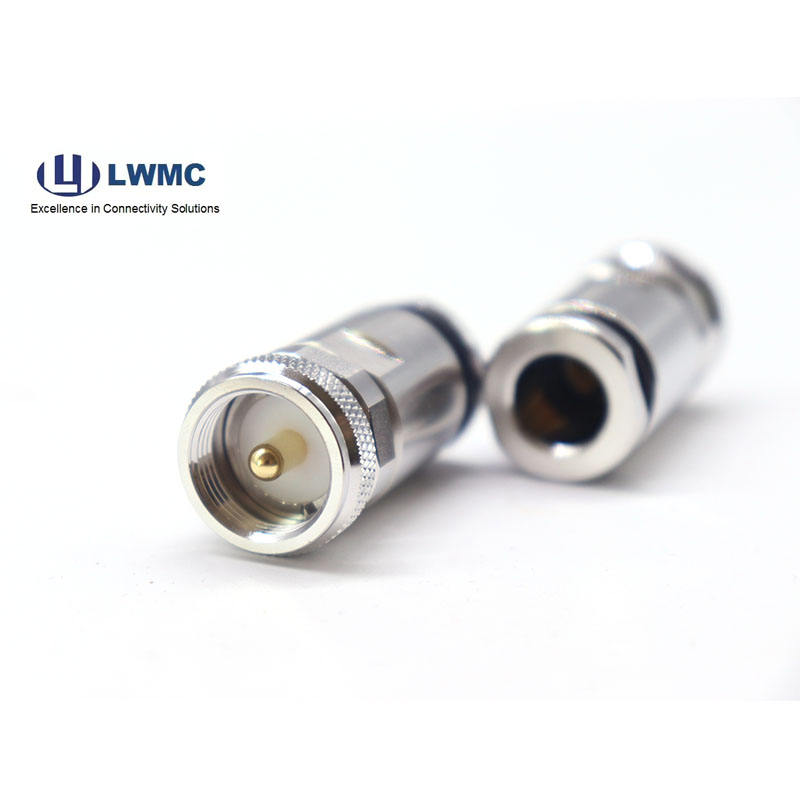
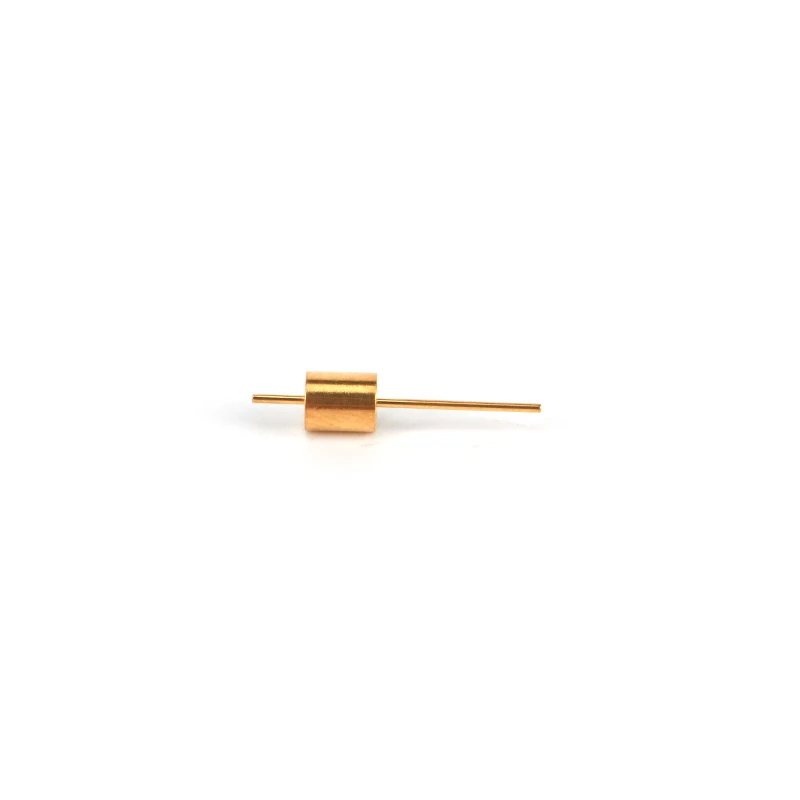
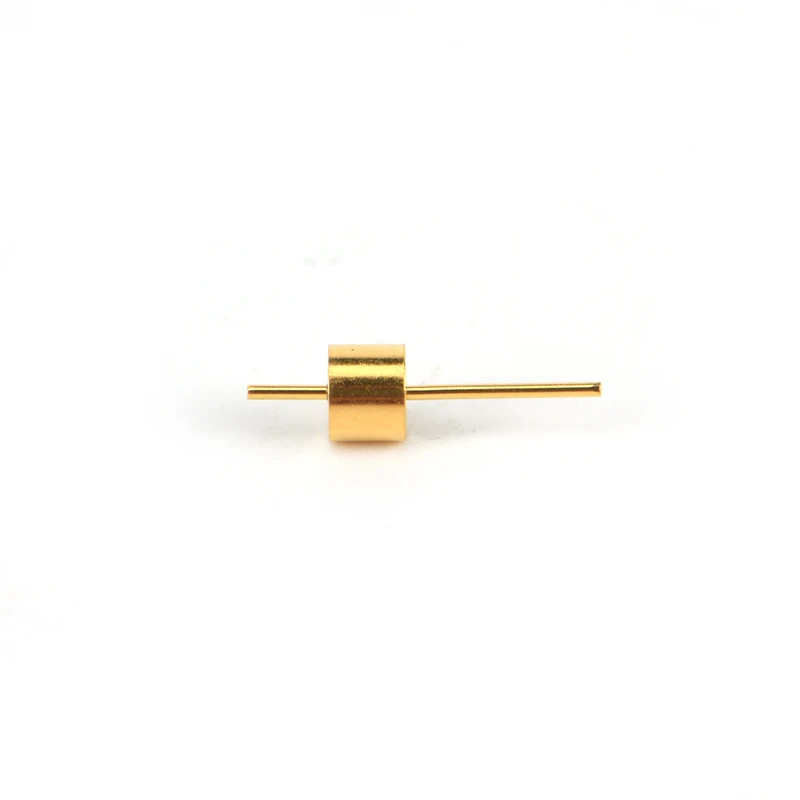
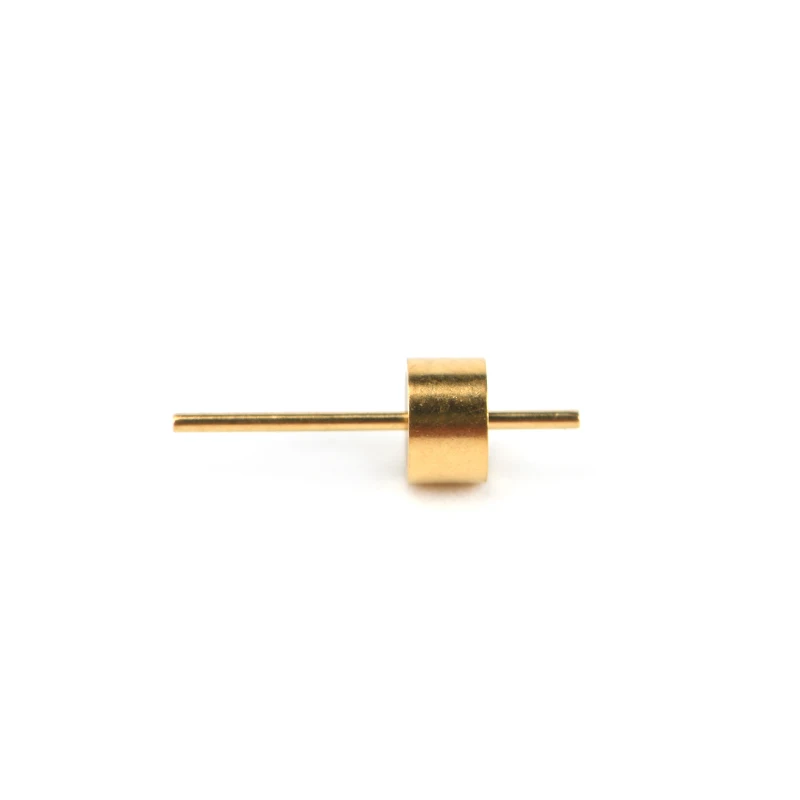
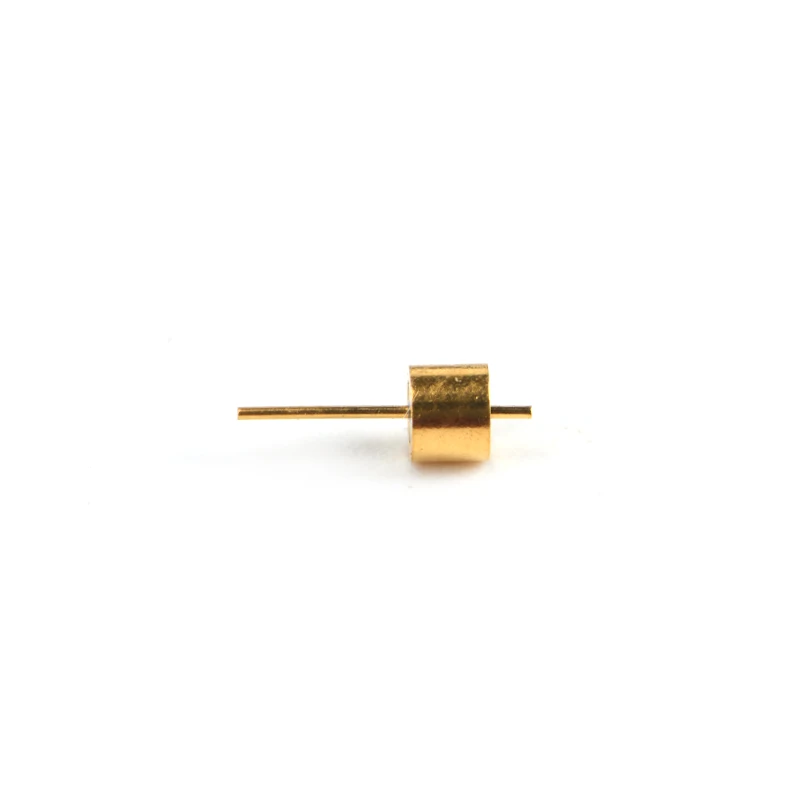
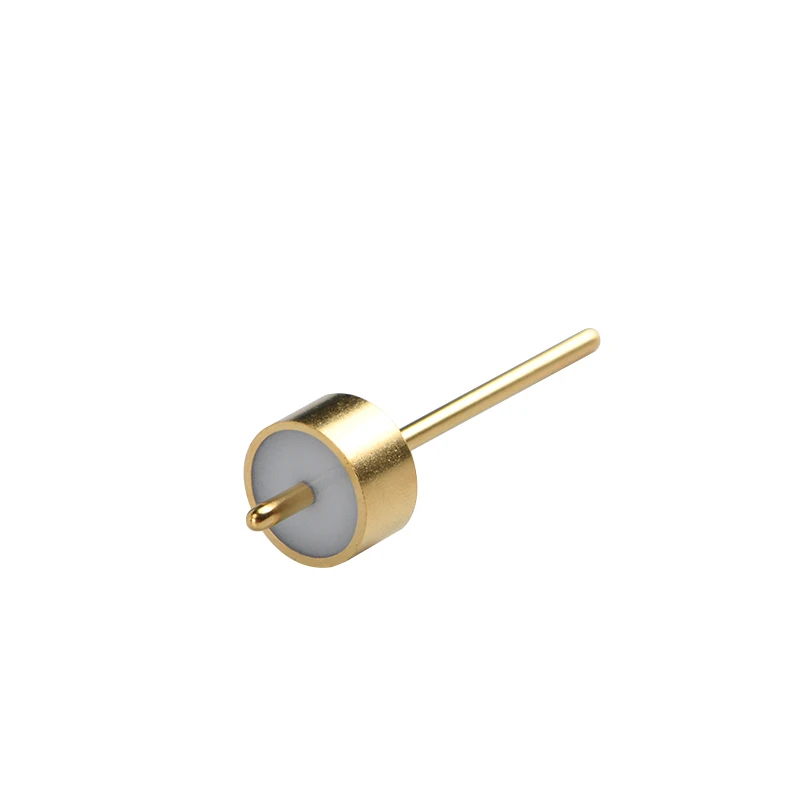
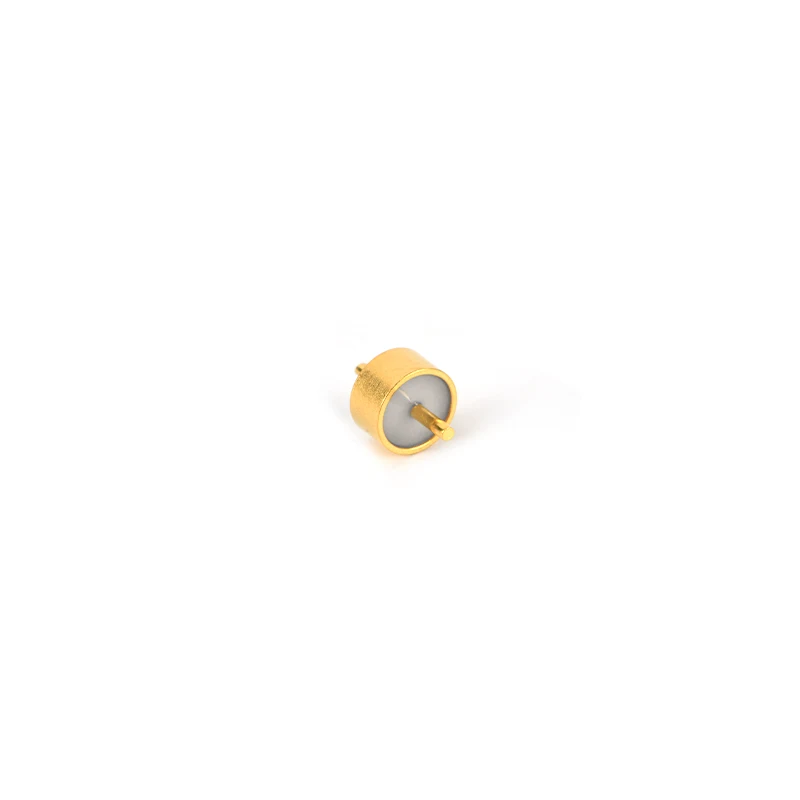
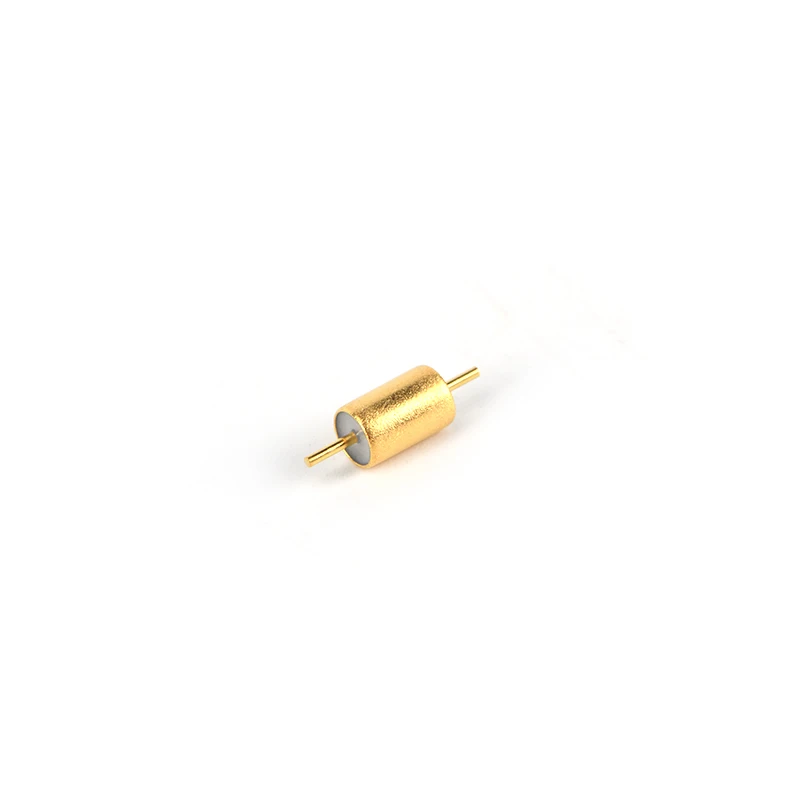
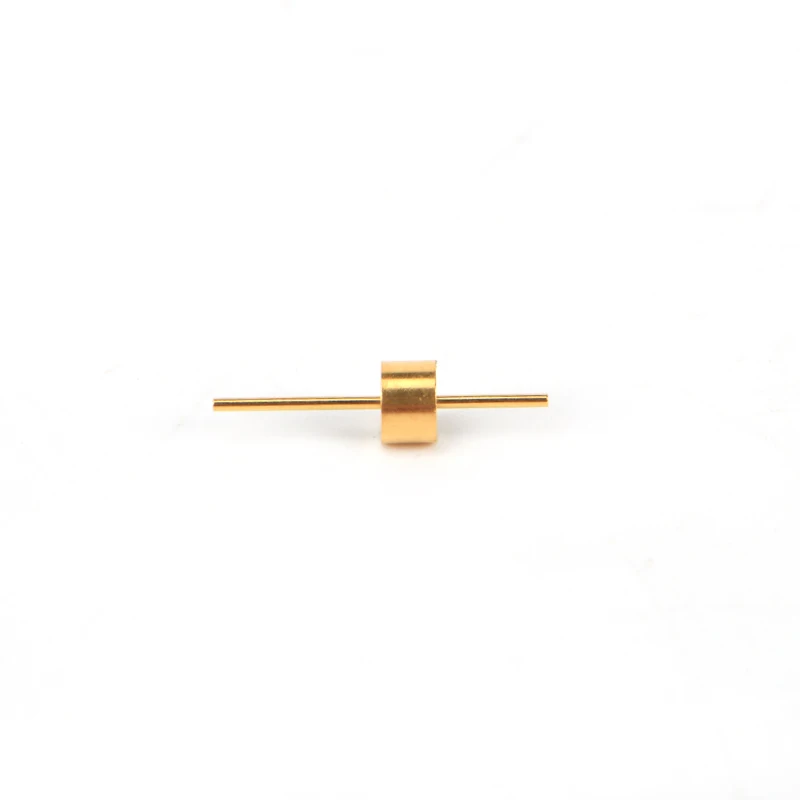
In the world of high-frequency signal transmission, the Jack RF connector serves as a critical interface ensuring reliable connectivity across numerous mission-critical systems. From military radar installations to satellite communication ground stations, the humble jack connector—the receptacle side of an RF interface—plays an indispensable role in preserving signal integrity under demanding conditions. Zhenjiang Linkworld Microwave Communication Co., Ltd. (Linkworld), established in 2015 with an R&D team possessing 25 years of product development experience, has positioned itself as a specialized manufacturer in this field. Linkworld’s standard jack connector portfolio covers DC to 27 GHz, while our 1.85mm precision receptacles support DC to 67 GHz, with specialized expertise in high-frequency bands from 18 GHz to 67 GHz.
Jack RF connectors—the female interface that receives the plug—offer distinct advantages in electronic system design. These connectors provide a stable, repeatable reference point for signal transmission across multiple mating cycles, with Linkworld's adapters rated for over 500 mating cycles. When mounted on printed circuit boards, chassis panels, or cable ends, jack connectors serve as the permanent interface that equipment operators interact with, delivering consistent electrical performance throughout the product lifecycle. For high-frequency applications up to 27 GHz for standard interfaces, precision jack connectors maintain the characteristic 50-ohm impedance required for minimal signal reflection, with Linkworld’s precision test-grade assemblies achieving VSWR as low as 1.10 within 18 GHz narrow bandwidth and low intermodulation (IMD) performance down to -168 dBc under 2×43dBm carrier test conditions on low-PIM precision components—critical metrics for aerospace, test and measurement, and telecommunications infrastructure. Additionally, jack connectors built with appropriate sealing materials can withstand harsh environmental conditions, supporting operation up to 350°C when specified with glass-to-metal hermetic seals; standard non-sealed connectors operate between -55°C and +155°C.
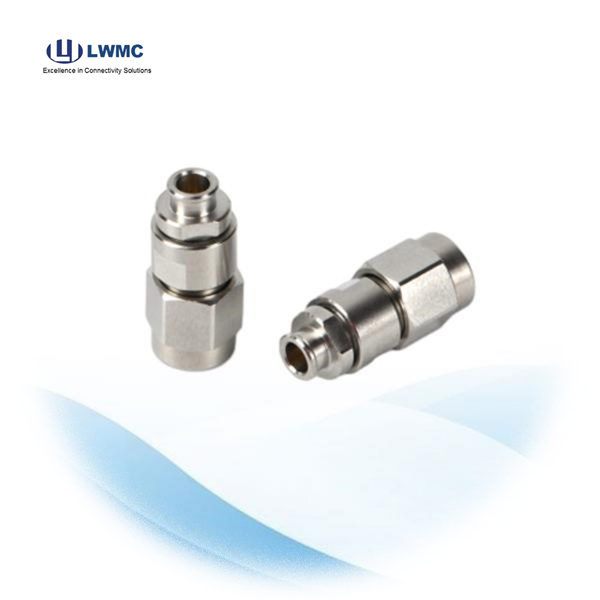
Proper installation and maintenance are essential to realizing the full performance potential of jack RF connectors. Installation typically involves either crimping or soldering the center conductor, followed by attaching the outer conductor. For PCB-mounted jack connectors, ensuring the connector end face remains clean and free from debris is paramount—even microscopic contamination can degrade VSWR performance at microwave frequencies. During installation, cable preparation must follow manufacturer specifications for strip lengths and preparation techniques to avoid impedance mismatches at the termination point. Maintenance practices include regular visual inspection for mechanical damage, periodic cleaning of mating surfaces using appropriate solvents, and verification of torque specifications when tightening coupling nuts. For connectors used in demanding environments, implementing moisture and dust protection measures significantly extends service life. General standard connectors and adapters are rated for over 500 mating cycles, while dedicated test cable assemblies are reinforced for over 5,000 dynamic mating cycles for laboratory repeated use. Linkworld's end-to-end support approach, spanning from design optimization through real-time usage tracking and after-sales service, reflects the industry's recognition that connector longevity depends as much on proper care as on initial quality.
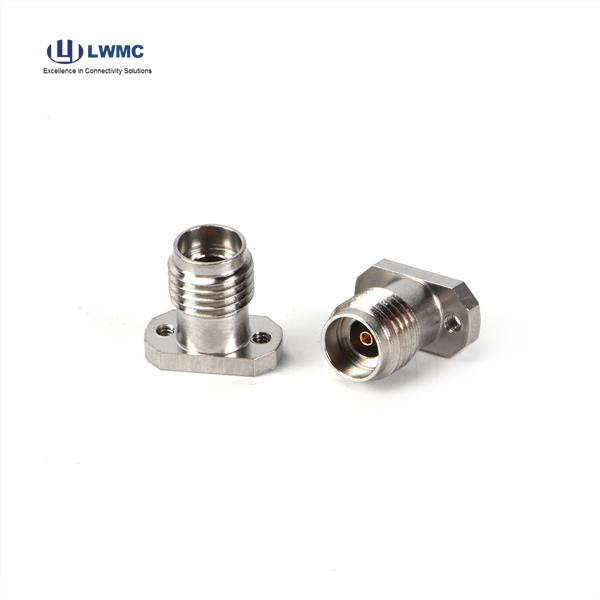
Selecting the optimal jack RF connector requires matching application requirements against connector specifications across multiple dimensions. Frequency range serves as the primary selection criterion—Linkworld’s standard jack connector portfolio covers DC to 27 GHz, while our 1.85mm precision receptacles support DC to 67 GHz, with specialized expertise in high-frequency bands from 18 GHz to 67 GHz. Interface type must align with existing system infrastructure, with options including SMA, N-type, BNC, TNC, 3.5mm, 2.92mm, and 2.4mm among others. For applications requiring phase stability or amplitude stability, Linkworld offers specialized designs leveraging their extensive experience in these demanding areas. Mounting configuration—whether board-mounted, panel-mounted, or cable-mounted—dictates the mechanical interface style required. Environmental factors including operating temperature range, humidity exposure, vibration levels, and chemical resistance inform material selection and sealing options. For hermetic sealing requirements, Linkworld integrates glass-to-metal seal technology into connector designs, ensuring airtight integrity for telecommunications and microwave devices that cannot tolerate contamination.
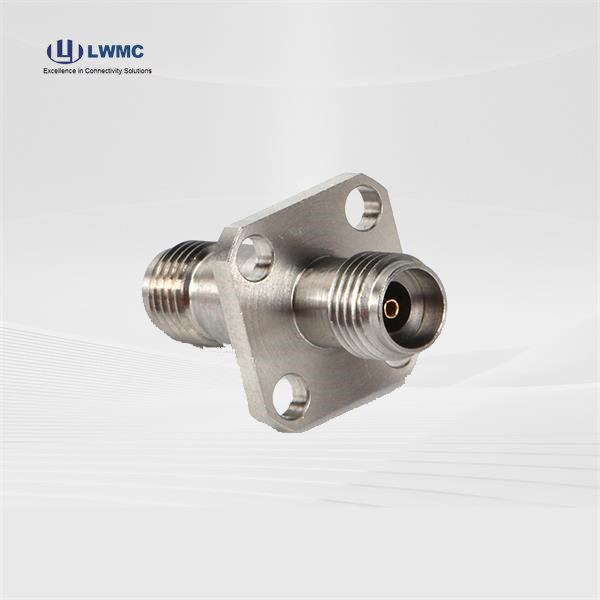
The RF connector marketplace offers numerous jack connector types, each optimized for specific frequency ranges, power handling capabilities, and mechanical requirements. SMA connectors remain ubiquitous for general-purpose RF applications up to 18 GHz, offering a compact screw-coupling interface. BNC connectors, utilizing a bayonet coupling mechanism, serve applications through 4 GHz and are common in test equipment and video systems. For higher power and frequencies through 11 GHz, N-type connectors provide a robust solution with weatherproof options available. Precision connector families including 3.5mm, 2.92mm, and 2.4mm serve increasingly higher frequencies, with 2.4mm interfaces supporting operation up to 50 GHz. Linkworld's comprehensive product portfolio spans the full range of IEC60169-compliant jack connectors, supporting various cable mating methods and device-side receptacles. Beyond standard catalog offerings, the company provides custom designs to meet specific customer requirements, collaborating closely with clients' R&D departments from early design stages to deliver optimized solutions balancing performance, reliability, and cost-efficiency.

 EN
EN