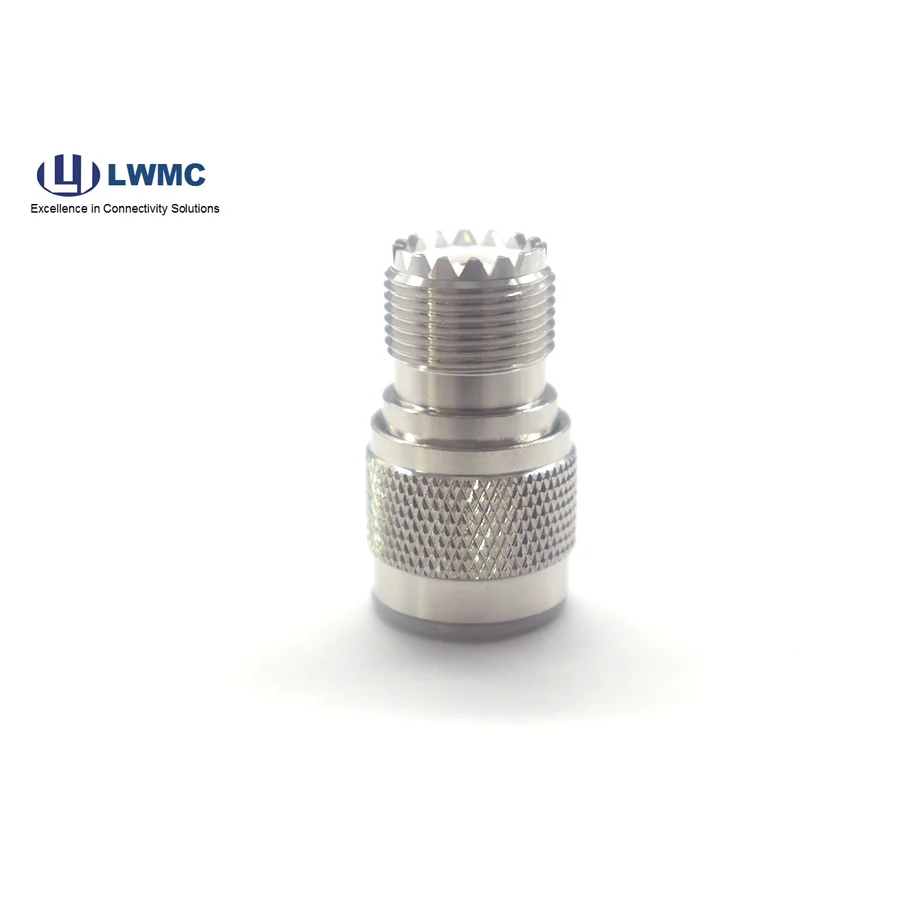
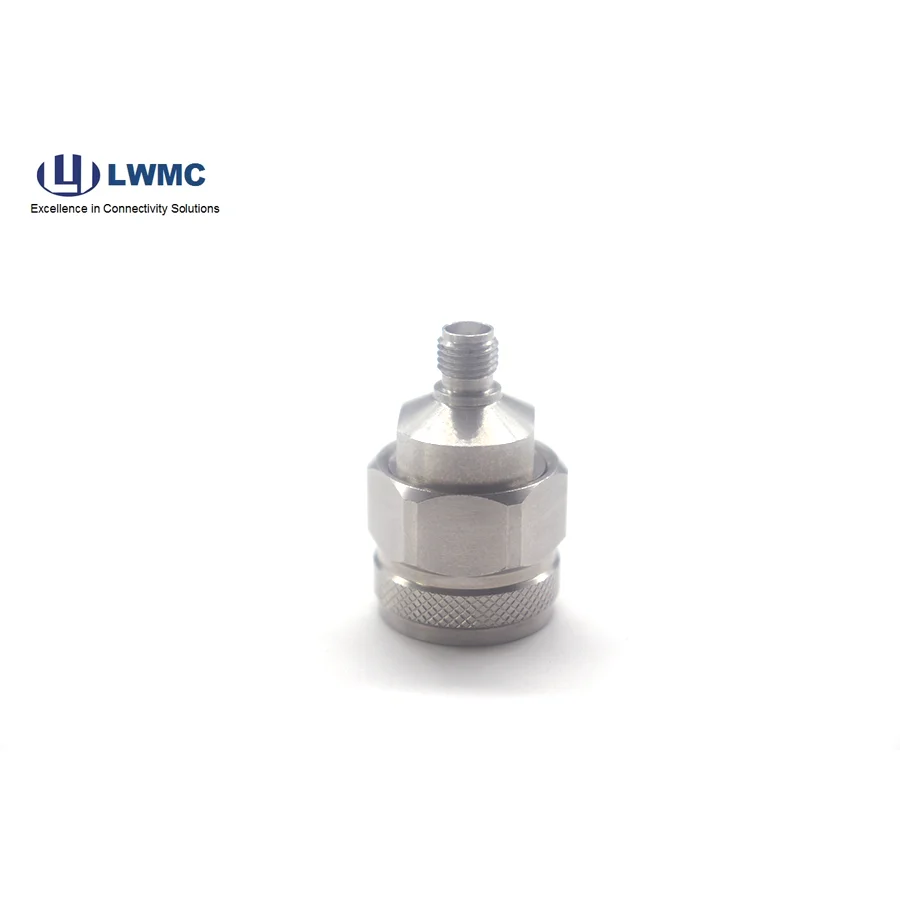
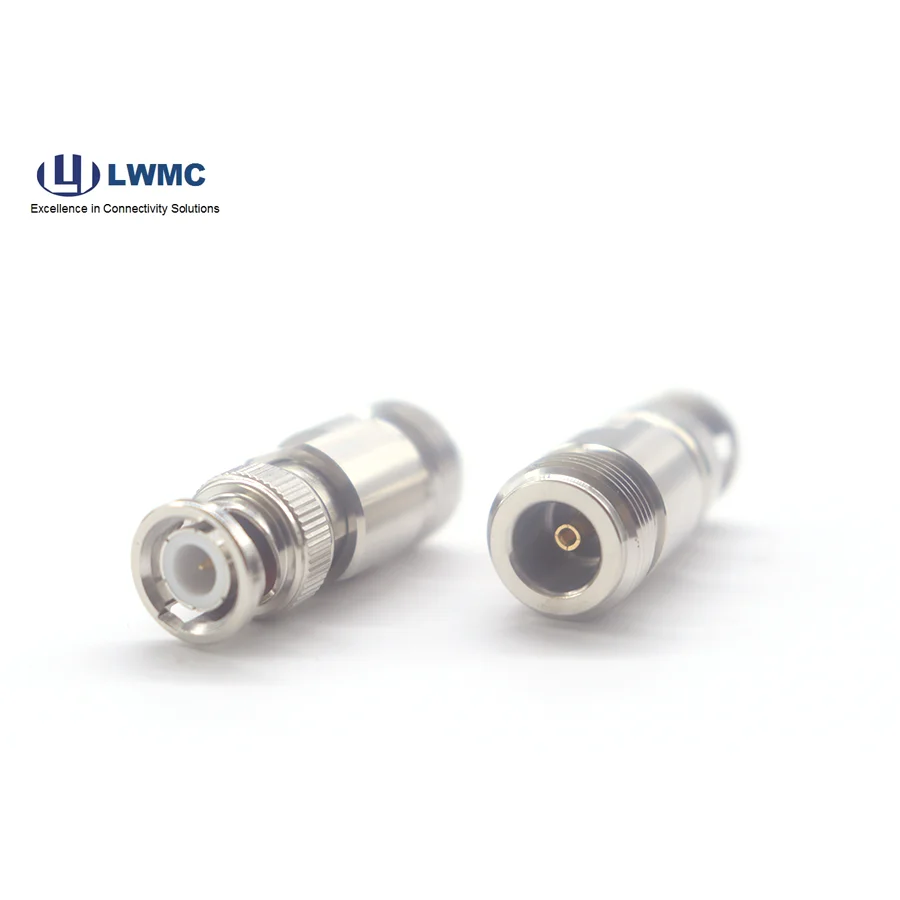
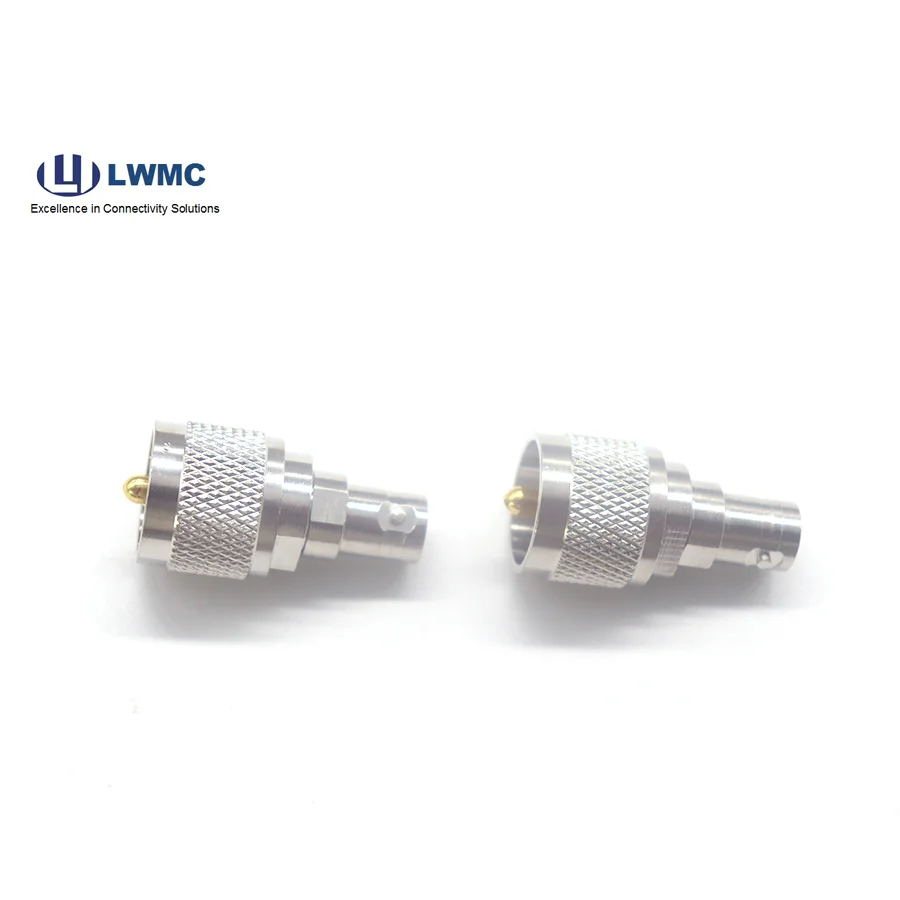
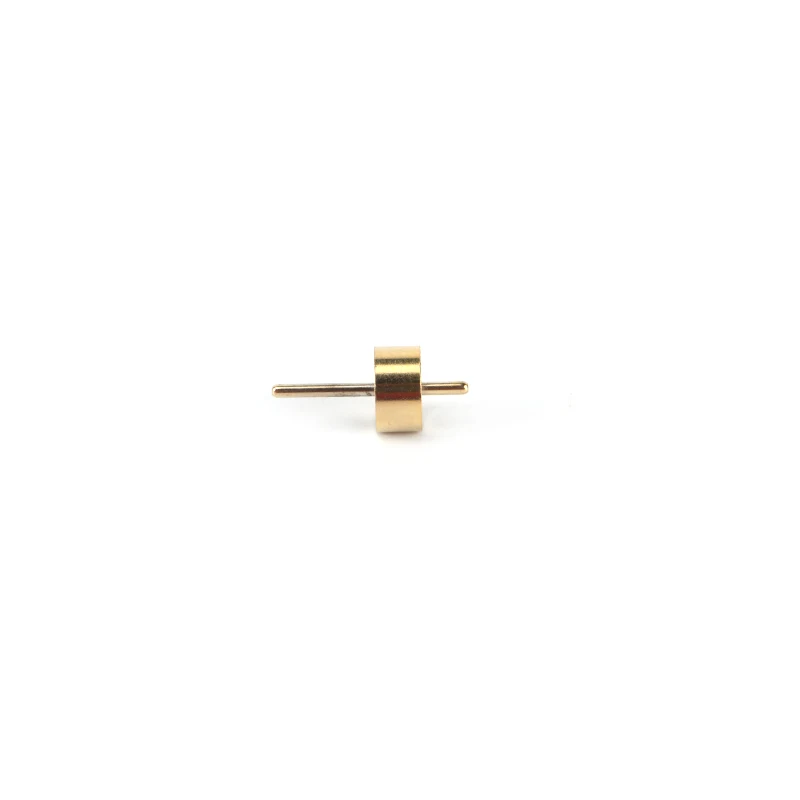
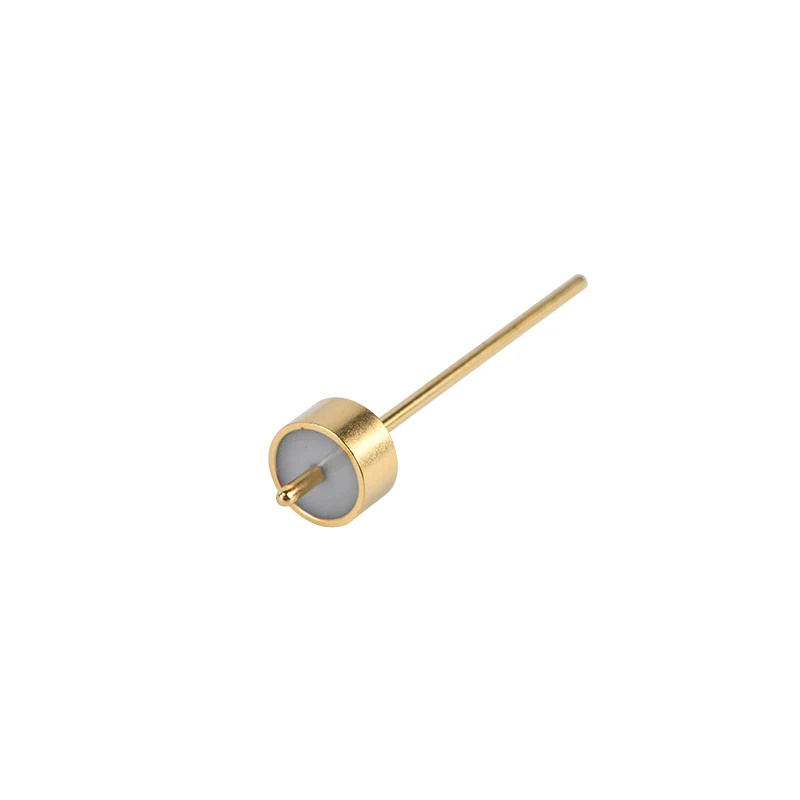
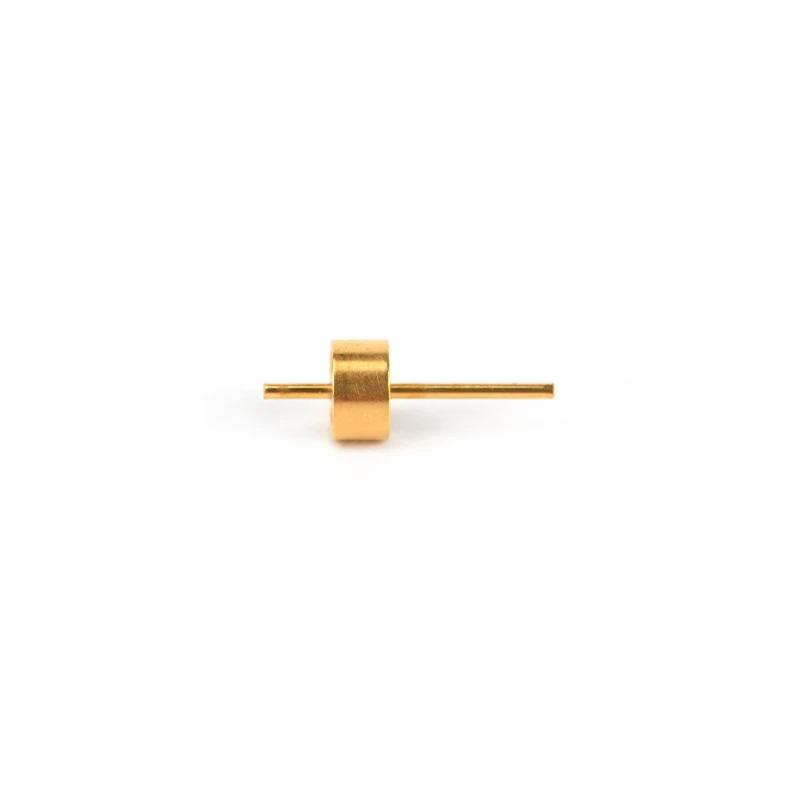
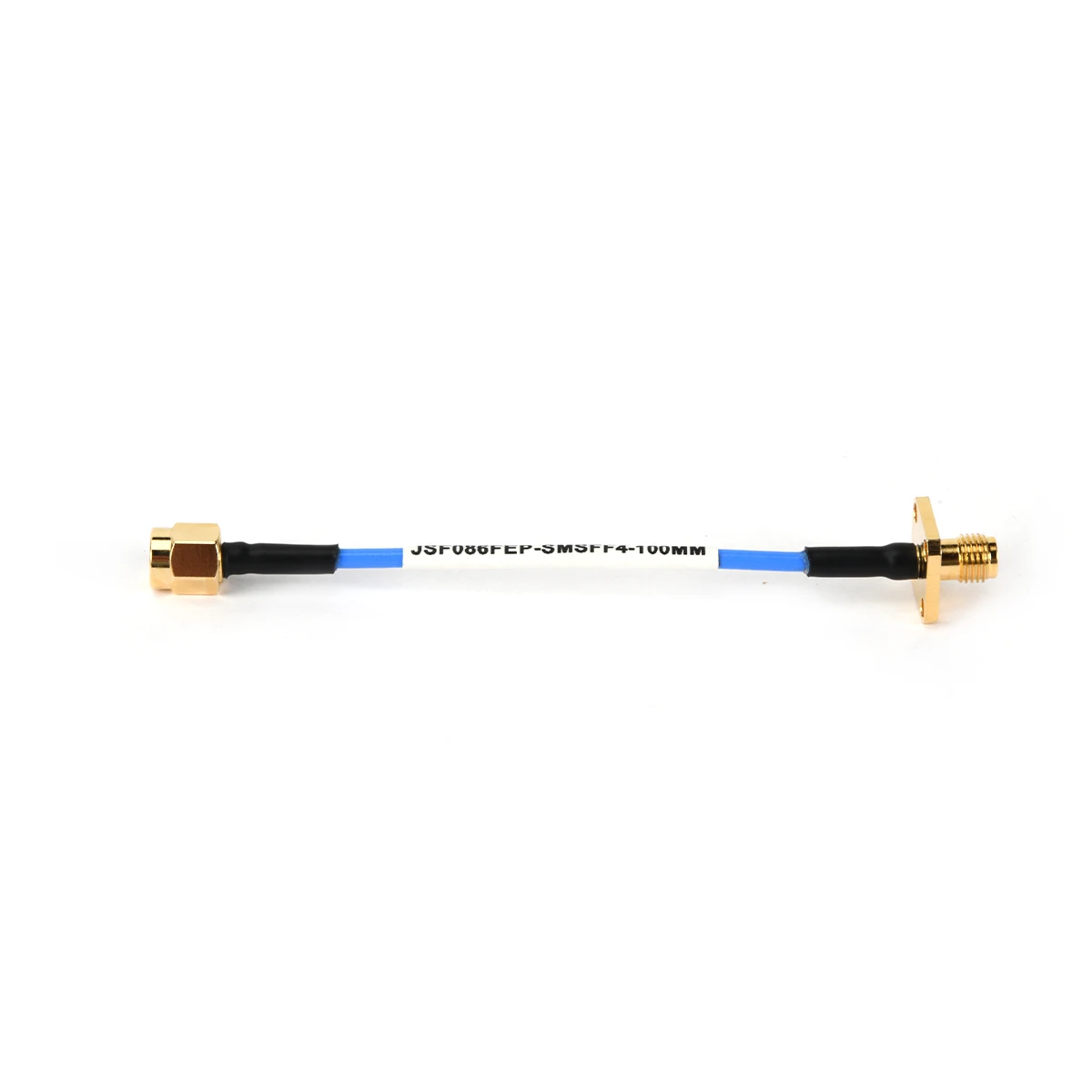
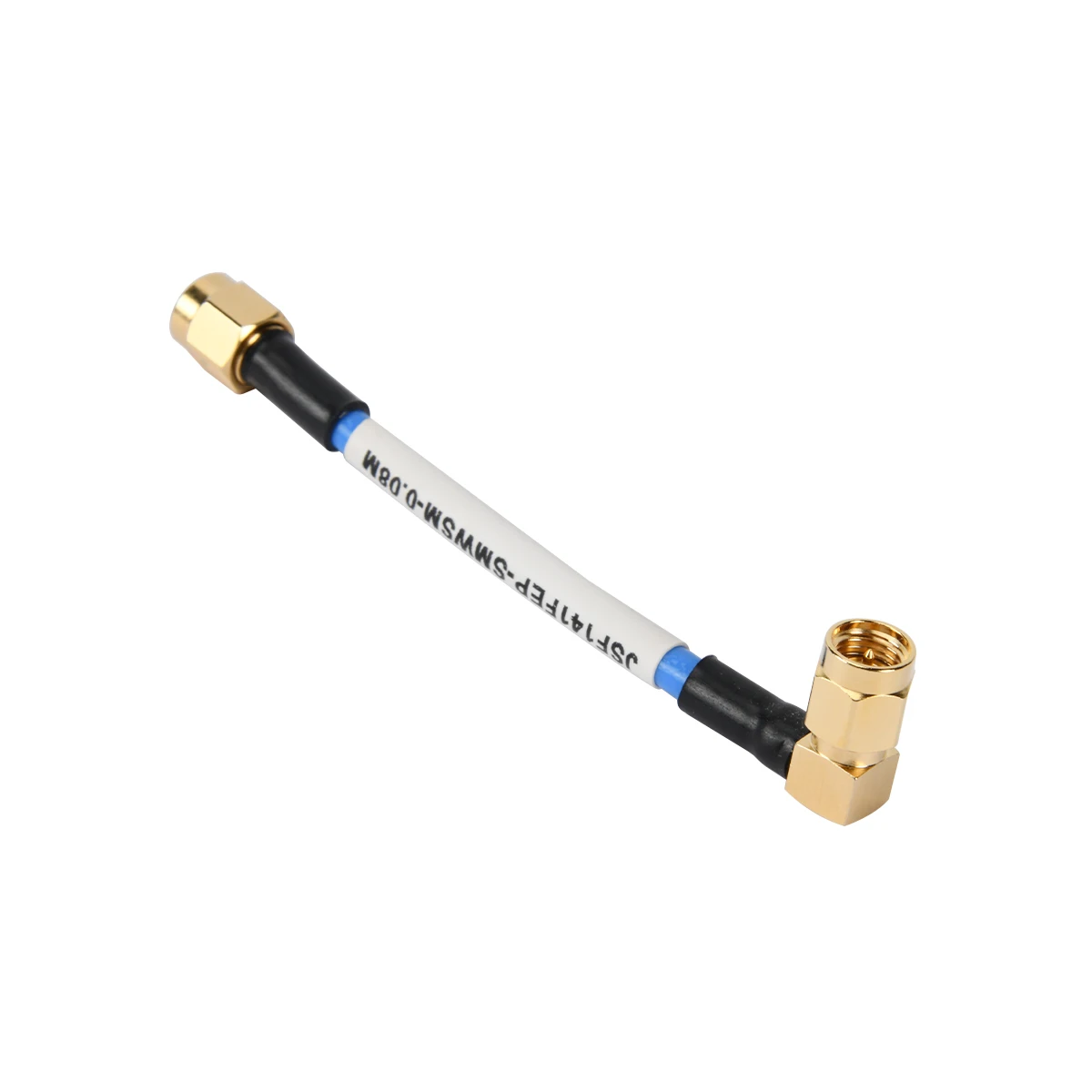
In the intricate ecosystem of radio frequency (RF) and microwave systems, the female plug connector—commonly referred to as a "jack" or "socket" in technical specifications—serves as the critical reception point for establishing secure and reliable signal transmission. Characterized by its precision internal socket design, which mates with a corresponding male center pin, it forms the foundational interface on communication devices, microwave components, radar panels, and cable assemblies across countless applications. As a core element within product categories such as RF Connectors, Coaxial Cable Assemblies, and RF Adapters, selecting and utilizing the correct female plug connector is paramount for ensuring optimal signal integrity, impedance matching, and long-term performance in demanding environments.
Selecting the appropriate female plug connector requires careful consideration of several technical and application-specific factors. First, identify the connector series and gender counterpart, such as SMA, N-Type, BNC, or TNC, ensuring it matches the male connector you need to interface with. Second, determine the impedance (typically 50 or 75 ohms) to match your system and prevent signal reflections. Third, consider the frequency range of your application; a standard SMA female connector is reliable up to 18 GHz, while a precision version may be needed for higher frequencies. Fourth, evaluate the environmental conditions. Will the connector be used indoors, outdoors, or in high-vibration settings? Options with stainless steel bodies, robust threading, and environmental seals (like IP67 ratings) are essential for harsh conditions. Finally, decide on the termination style—panel mount, PCB mount, or bulkhead—and the attachment method, such as crimp, solder, or clamp, based on your assembly tools and required durability.
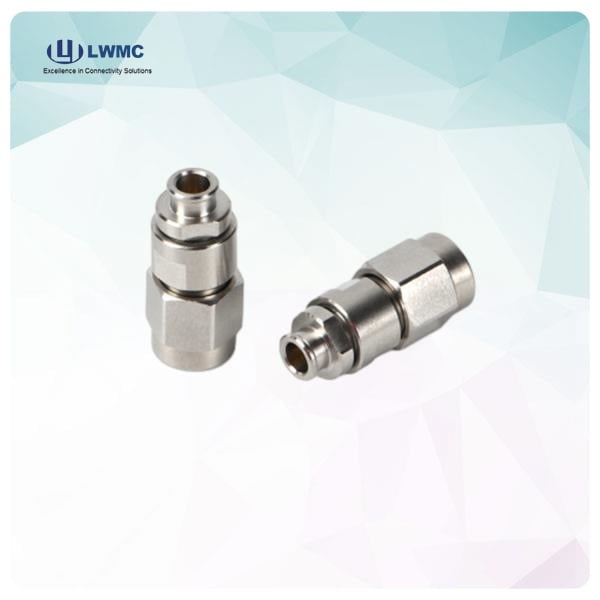
Incorporating precision female plug connectors into communication, microwave, and aerospace systems offers significant advantages. Their primary benefit is providing a standardized interface that maintains consistent characteristic impedance—typically 50 ohms—thereby preserving signal integrity across radar installations and satellite communications. They enhance system modularity and serviceability, allowing for efficient reconfiguration of test setups and field deployments without compromising performance. From a design perspective, precision female connectors ensure minimal insertion loss and voltage standing wave ratio (VSWR), which is critical for data transmission in Coaxial Cable Assemblies and microwave components operating from DC through millimeter-wave frequencies.
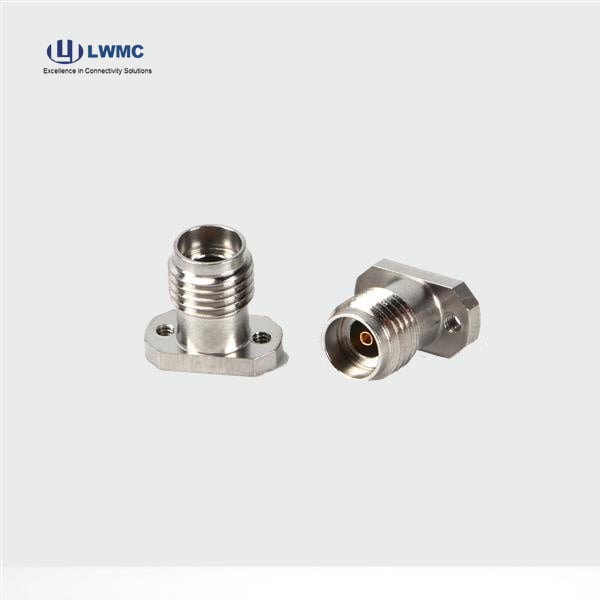
Even precision RF connectors can encounter performance issues requiring systematic troubleshooting. Intermittent signal or complete loss of transmission often points to degraded contact integrity, caused by a worn or contaminated center socket, improper torque application, or damaged cable termination affecting impedance. Elevated VSWR or signal degradation may indicate physical damage inside the connector body, such as a deformed dielectric from over-tightening or mechanical stress. Difficulty in mating typically stems from cross-threaded coupling nuts, debris contamination, or thread damage on the connector shell in field-deployed aerospace systems. Regular visual inspection using magnification, along precision cleaning with compressed air and isopropyl alcohol using lint-free applicators, prevents many issues in critical communication links and radar installations.
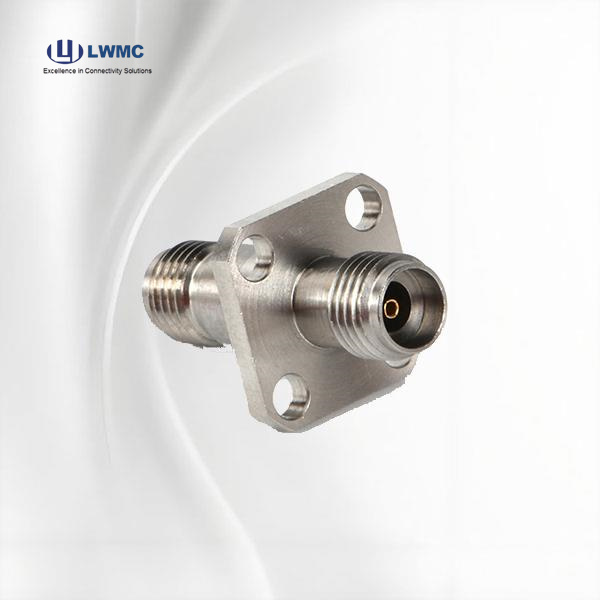
Selecting precision female plug connectors for communication, microwave, and aerospace applications requires attention to key features that ensure reliable RF performance. Precision machining using brass or stainless steel bodies with gold-over-nickel plating on center contacts provides superior conductivity and corrosion resistance in demanding environments. Durable coupling mechanisms—whether threaded for SMA and N-Type connectors in vibration-prone radar applications or bayonet-style for BNC in test environments—must engage smoothly and maintain consistent mating force. Impedance matching to system requirements (50 ohms for most RF applications) is essential for signal integrity through microwave frequencies. Environmental sealing using silicone gaskets and corrosion-resistant materials ensures reliable operation in outdoor radar installations and aerospace platforms. Connectors meeting MIL-PRF-39012 or IEC 61169 standards have undergone rigorous validation for performance and durability in mission-critical applications.

 EN
EN