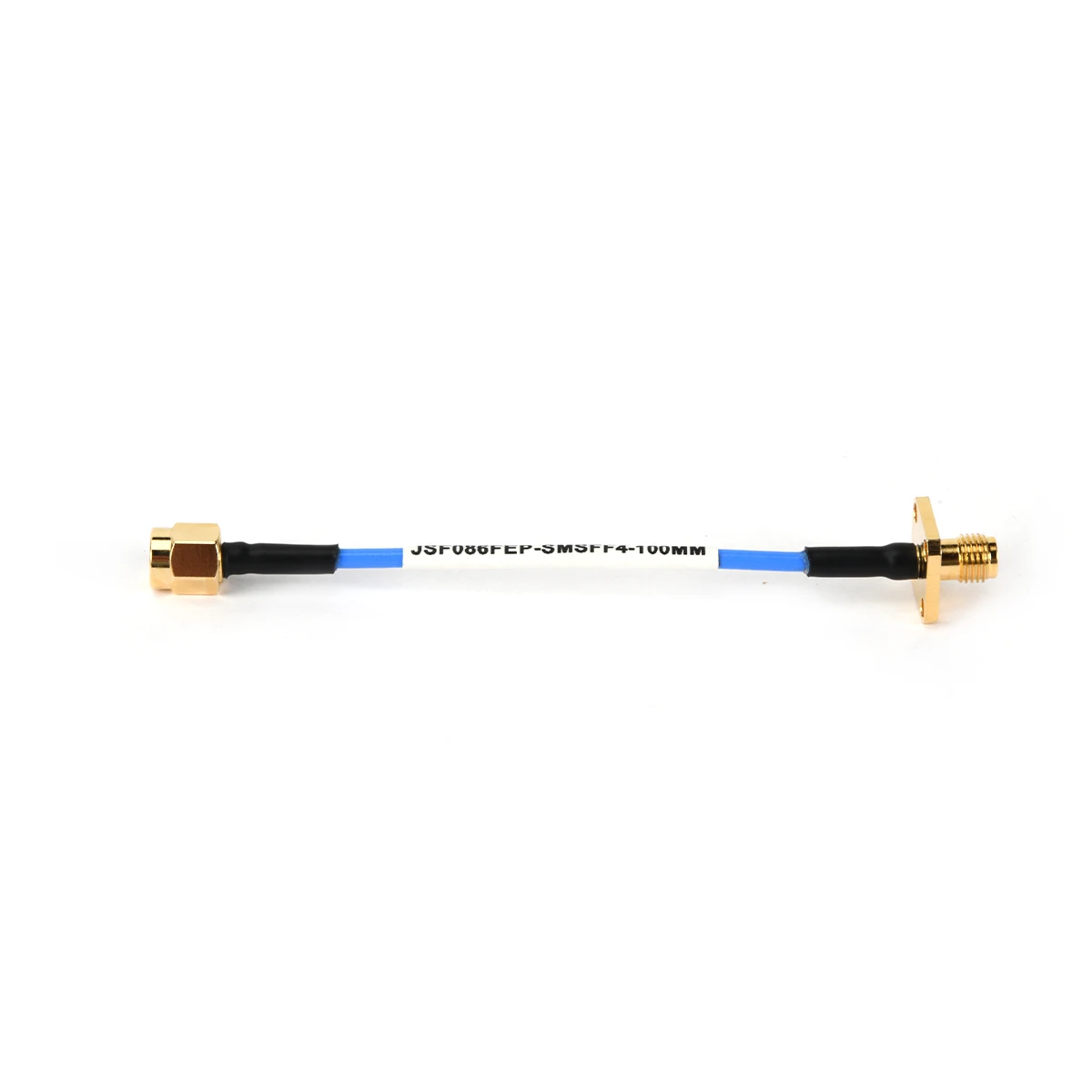
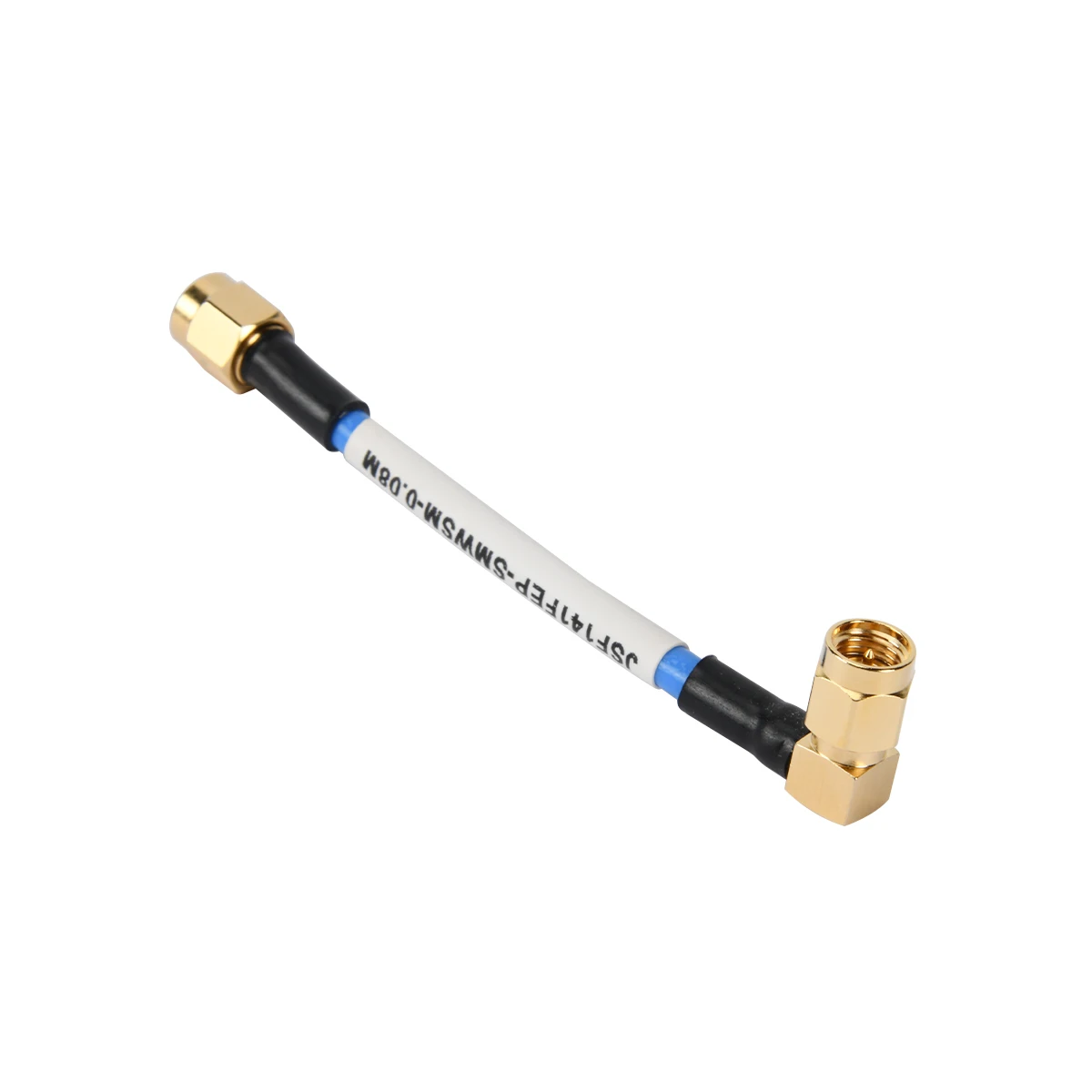
Zhenjiang Linkworld Microwave Communication Co., Ltd. is a leading RF and microwave technology company with over 20 years of expertise in the design and manufacturing of RF coaxial connectors, adapters, cable assemblies, and passive components. As an integrated manufacturing and trading enterprise established in 2015, Linkworld benefits from an R&D team with 25 years of product development experience, collaborating closely with customers from the early design phase to deliver optimized, high-reliability solutions. Guided by the core values of "Honesty and Perfection," the company produces a full portfolio compliant with IEC60169 standards, serving mission-critical industries including military and aerospace, telecommunications, radar systems, test and measurement, and medical equipment. Our standard coaxial cable assemblies cover DC to 27 GHz, and precision 1.85mm test cable assemblies reach DC to 67 GHz, with particular expertise in high-frequency bands from 18 GHz to 67 GHz.
Selecting the appropriate coaxial cable assembly requires careful consideration of frequency range, power handling, and environmental conditions. Linkworld offers flexible, semi-flexible, and semi-rigid cable assemblies, each suited to different applications. Flexible assemblies are ideal for general-purpose interconnections where routing flexibility is needed, such as in test setups or telecommunications equipment. Semi-flexible cables provide improved phase stability and lower loss for microwave applications. Semi-rigid assemblies offer the highest performance for critical applications requiring precise phase matching and minimal signal degradation, commonly used in radar and aerospace systems. For test environments, Linkworld's test cable assemblies are engineered for over 5,000 mating cycles, delivering long-term reliability with VSWR as low as 1.10 within 18 GHz narrow bandwidth and low intermodulation (IMD) performance down to -168 dBc under 2×43dBm carrier test conditions on low-PIM precision components. General standard connectors and adapters are rated for over 500 mating cycles, while dedicated test cable assemblies are reinforced for over 5,000 dynamic mating cycles for laboratory repeated use.
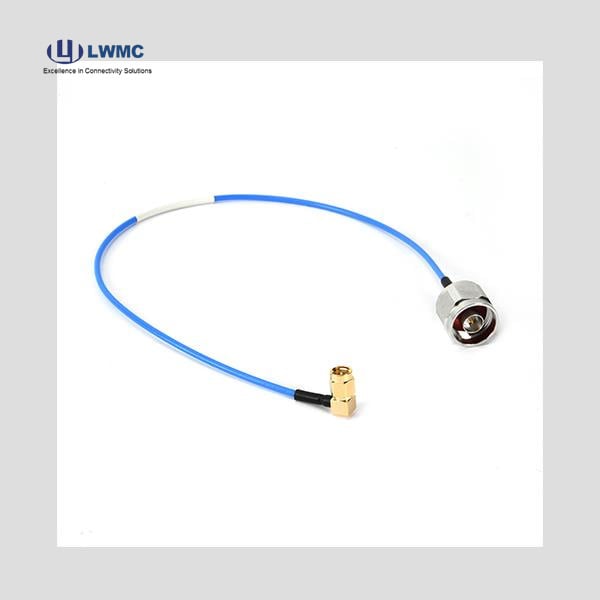
Coaxial cable assemblies provide significant advantages in modern electronic systems. Their shielded design ensures superior signal integrity by minimizing electromagnetic interference and crosstalk, making them essential in densely packed electronic environments. The consistent 50-ohm impedance characteristic enables efficient power transfer and minimal signal reflection, preserving signal quality across the transmission path. Linkworld's assemblies are precision-engineered to maintain phase and amplitude stability, critical for applications such as phased-array radar and satellite communication systems. The robust construction ensures durability under mechanical stress and environmental exposure, with options for hermetic sealing using glass-to-metal hermetic sealed versions capable of withstanding up to 350°C, while standard non-hermetic products operate from -55°C to +155°C.
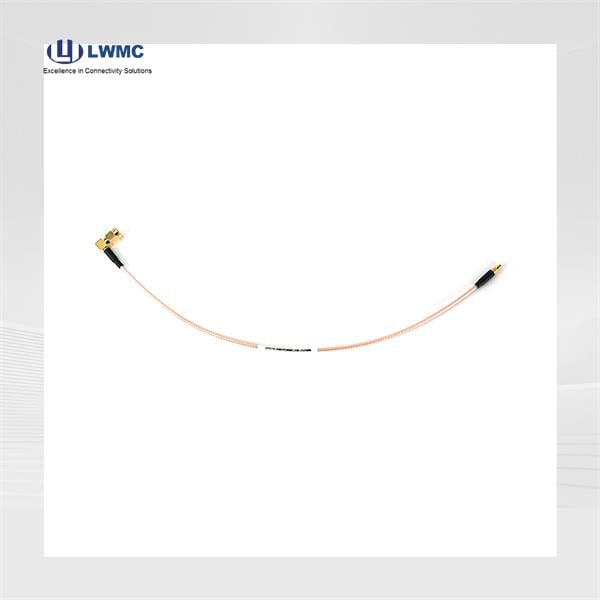
Quality is paramount in coaxial cable assemblies, as poor manufacturing leads to increased insertion loss, high VSWR, and premature failure. Linkworld's commitment to quality is reflected in rigorous testing and inspection throughout the production process, from cable preparation to connector termination and final assembly. Each assembly is verified for electrical performance, mechanical integrity, and environmental resilience. By partnering with a reputable manufacturer like Linkworld, engineers can ensure that their systems achieve optimal performance and reliability, reducing downtime and maintenance costs. The company's end-to-end support—from design optimization to real-time usage tracking and after-sales service—provides customers with confidence in their critical applications.
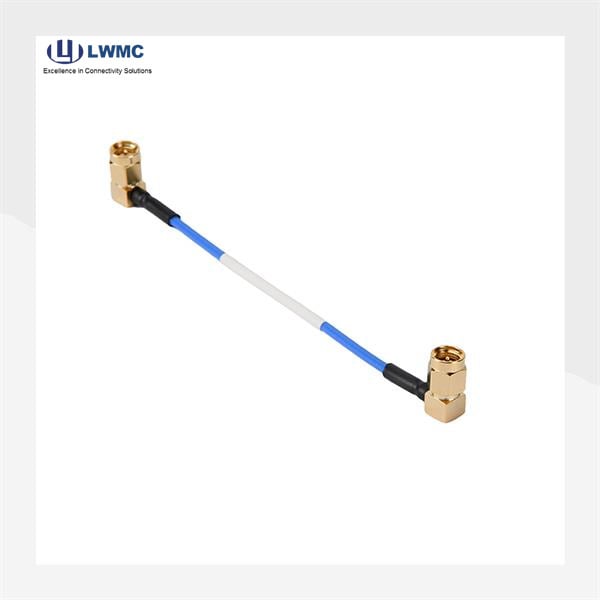
Inspect the assembly before installation — Check connectors for damage and verify that the cable is free from kinks, cuts, or abrasions.
Maintain minimum bend radius — Exceeding the minimum bend radius can damage the cable, alter impedance, and degrade performance. For flexible cables, typically keep bend radius at least 10 times the cable diameter.
Use proper torque on connections — Tighten connectors to the manufacturer's specified torque to ensure reliable mating without over-torquing, which can deform interfaces.
Support the cable weight — Provide strain relief for heavy assemblies or long vertical runs to prevent stress on connectors and maintain VSWR performance.
Label and route carefully — Organize cables with appropriate ties and labels to facilitate maintenance and prevent accidental damage from adjacent equipment or sharp edges.

 EN
EN