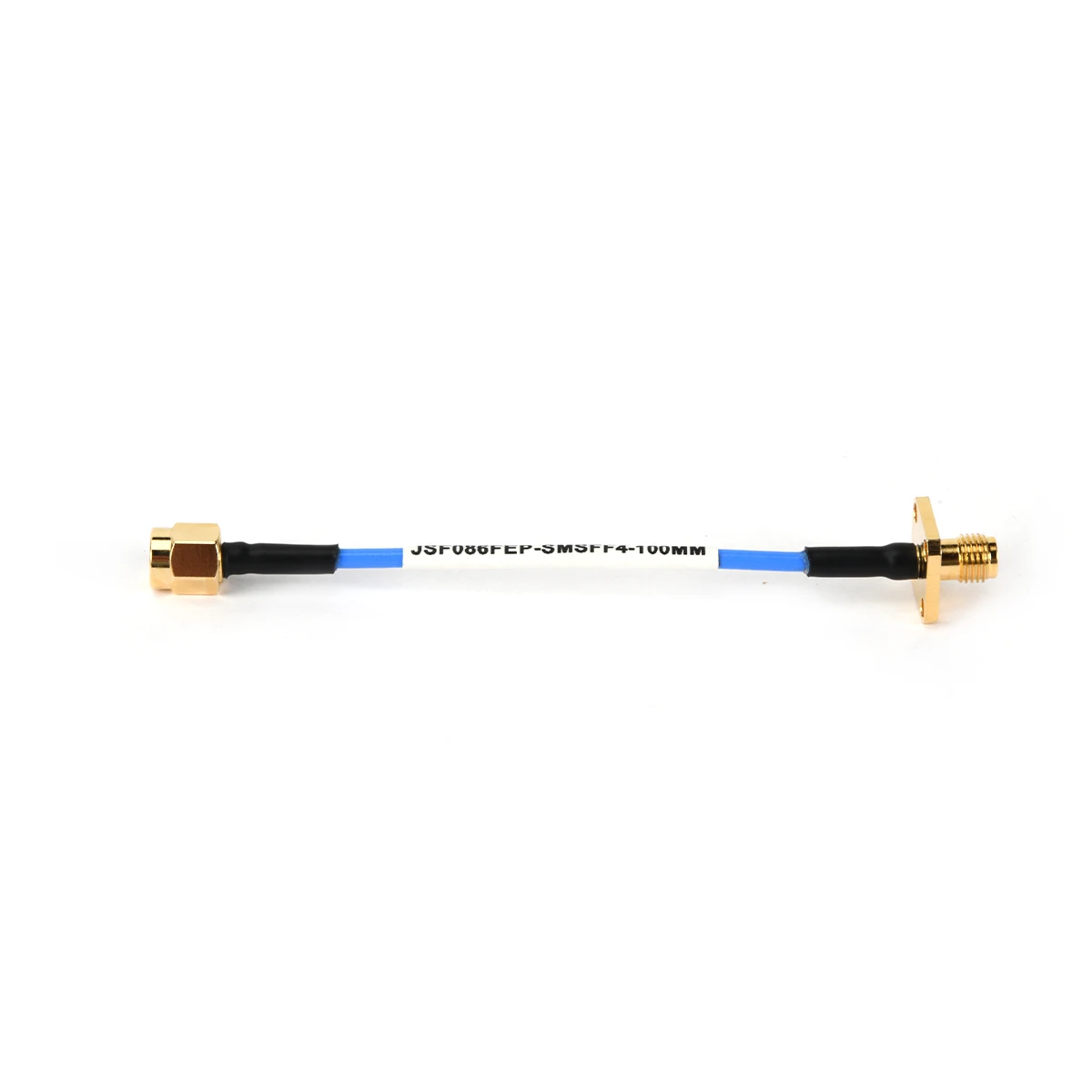
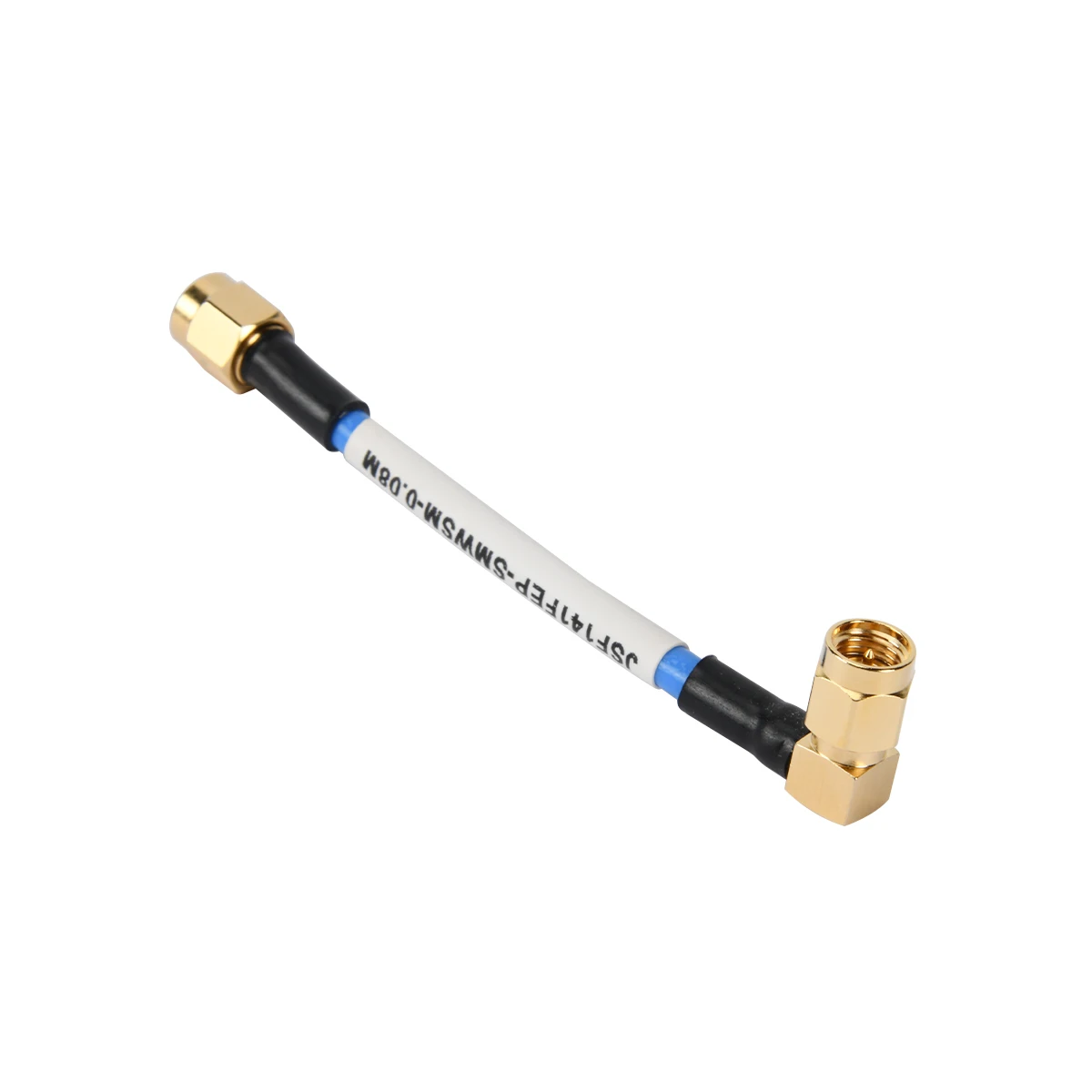
In the diverse ecosystem of radio frequency interconnects, where space, speed, and reliability are often competing priorities, the SMB (SubMiniature version B) series stands out as a pivotal solution. As a core member of the RF Connector family, the SMB connector, along with its associated RF Adapters and Coaxial Cable Assemblies, provides a critical balance of performance and practicality for a wide range of applications where frequent connections and compact design are paramount.
The SMB connector is distinguished by its push-on, snap-on mating mechanism, which allows for quick and secure coupling without the need for threading. It is significantly smaller than the threaded SMA connector but larger than the SMC. The interface features a characteristic snap-on coupling ring that engages with a corresponding groove on the mating connector, providing both an audible and tactile click upon proper engagement. Standard SMB connectors are typically rated for operation up to 4 GHz, with some precision versions extending performance higher. Their 50-ohm impedance design makes them suitable for a broad spectrum of RF and digital applications, offering a more robust and reliable alternative to solder-in posts or board-to-board connections in confined spaces.
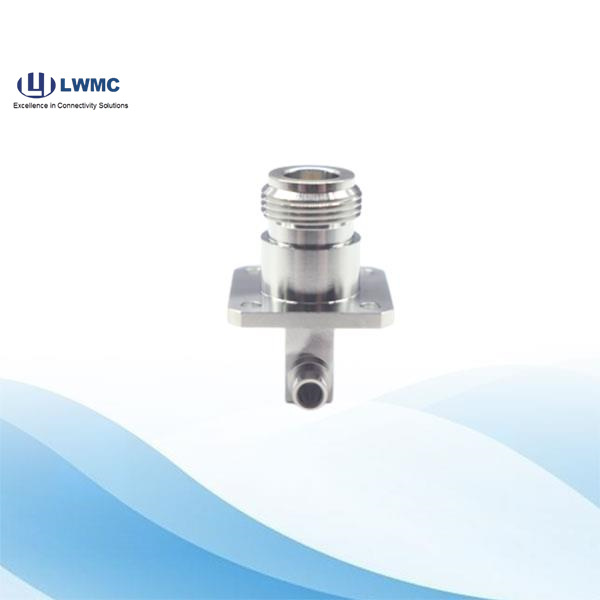
The unique attributes of the SMB series make it the connector of choice for several key industries and applications:
Telecommunications Infrastructure: Widely used inside base stations, microwave transmission systems, and networking equipment for internal board-to-board and module-to-cable interconnections.
Test and Measurement Equipment: Frequently found as input/output ports on compact instruments, signal generators, and modular test systems where space is limited and connections need to be made rapidly during setup.
Automotive Electronics: Employed in GPS modules, telematics units, and infotainment systems due to their vibration resistance and reliable snap-lock design.
Aerospace and Defense Avionics: Used in communication and navigation systems within aircraft and satellites, where their lightweight, compact form factor and secure mating are essential.
Data and Broadcast Equipment: Common in set-top boxes, routers, and broadcast video equipment for internal RF signal routing.
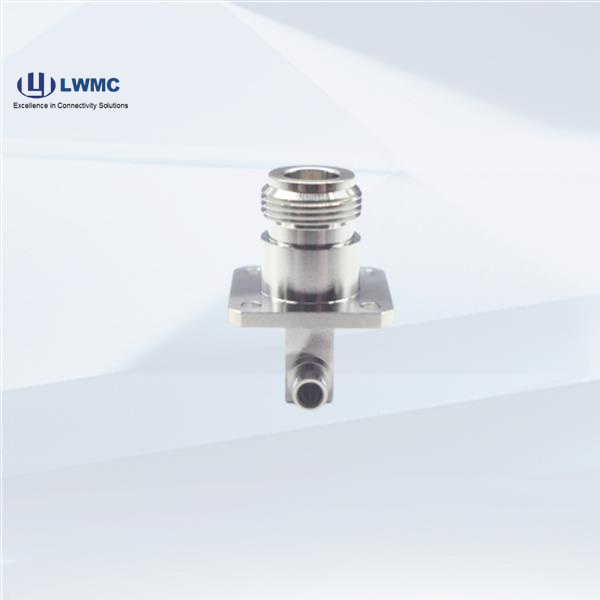
The SMB series offers a compelling set of advantages, along with some inherent trade-offs:
Advantages:
Rapid Connect/Disconnect: The snap-on mechanism allows for much faster mating and unmating than threaded connectors, improving assembly and maintenance efficiency.
Space-Saving Design: Its compact size enables higher density layouts on PCBs and within chassis.
Good Vibration Resistance: The spring-loaded snap-lock provides a secure hold that resists loosening under vibration, a key improvement over simple slip-on connectors.
Cost-Effective: Generally offers a lower total installed cost compared to precision threaded connectors, especially in high-volume applications.
Limitations:
Lower Frequency Range: Compared to SMA (up to 18 GHz), the standard SMB's 4 GHz limit restricts its use in higher-frequency microwave applications.
Less Robust Coupling: While secure, the snap-on mechanism is not as mechanically robust as a fully threaded interface like the N-type for harsh environmental exposure.
Potential for Wear: The spring coupling can lose tension over many mating cycles, potentially leading to a less secure connection.
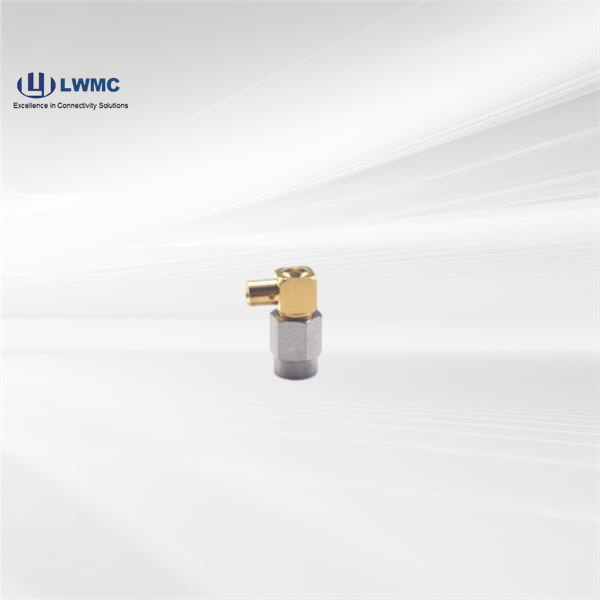
To maximize the reliability and performance of SMB-based interconnections, several best practices should be followed:
Use Complete Mated Pairs: Always use a genuine SMB plug (male) with an SMB jack (female). Forcing incompatible connectors can damage the delicate spring clip.
Ensure Proper Engagement: Listen and feel for the distinct "click" when mating. A properly engaged connector will resist a gentle pull. A loose connection drastically increases VSWR and signal loss.
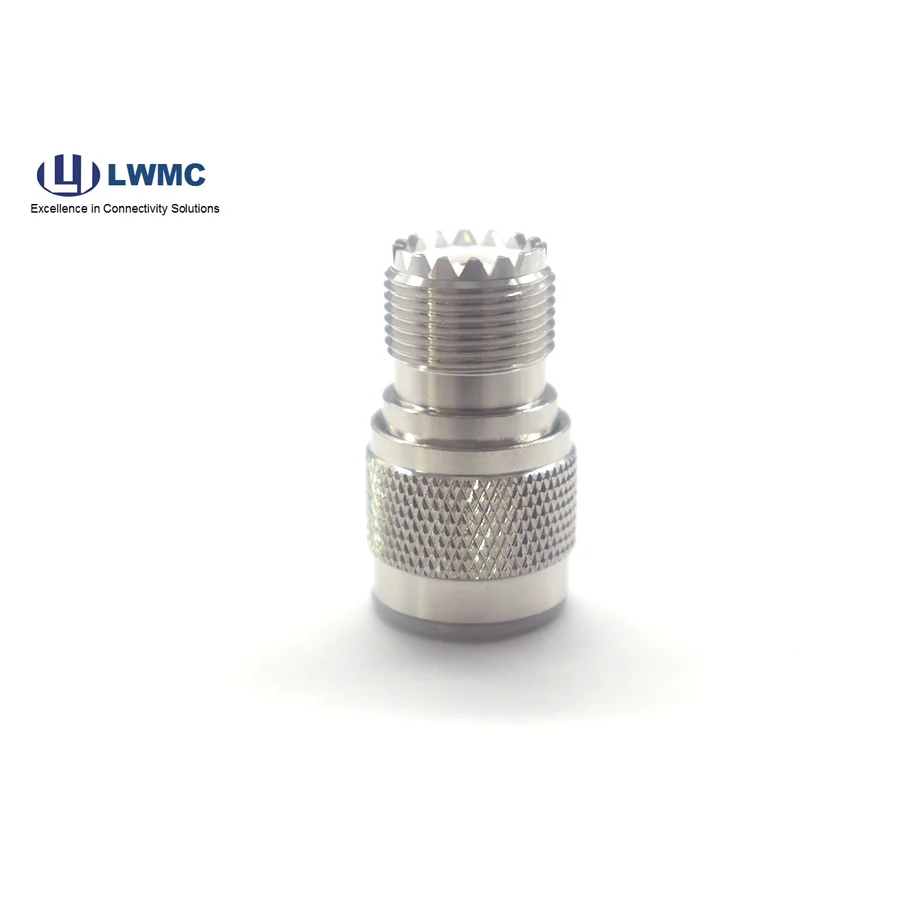
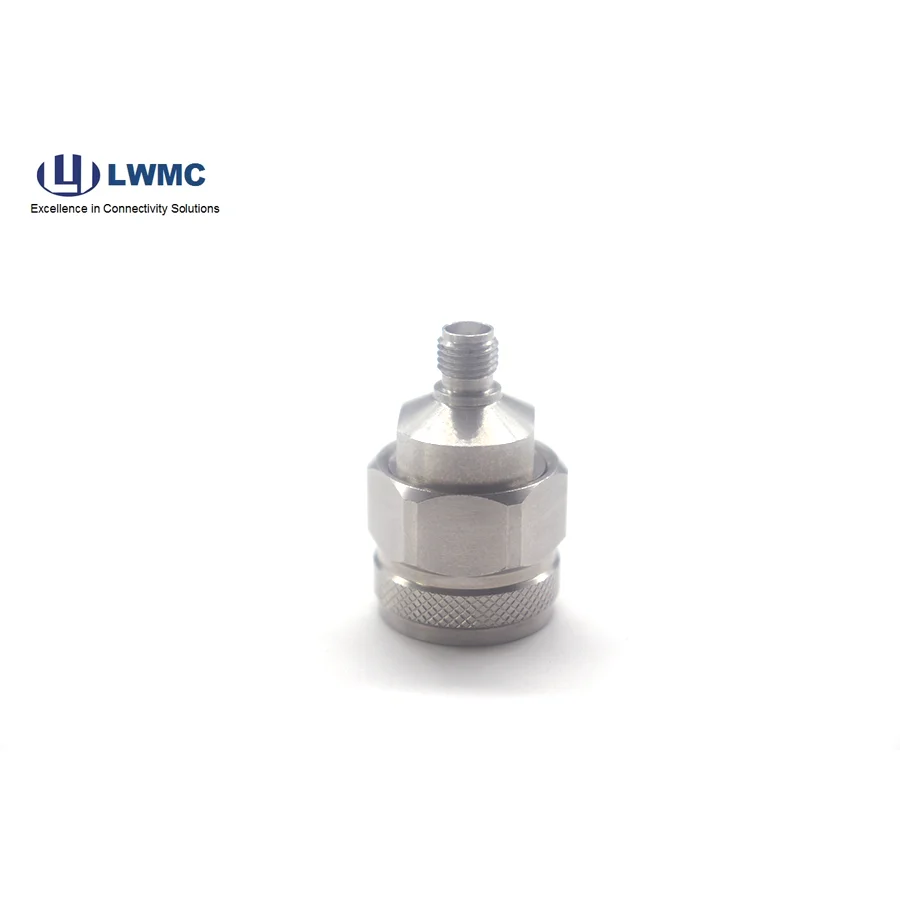
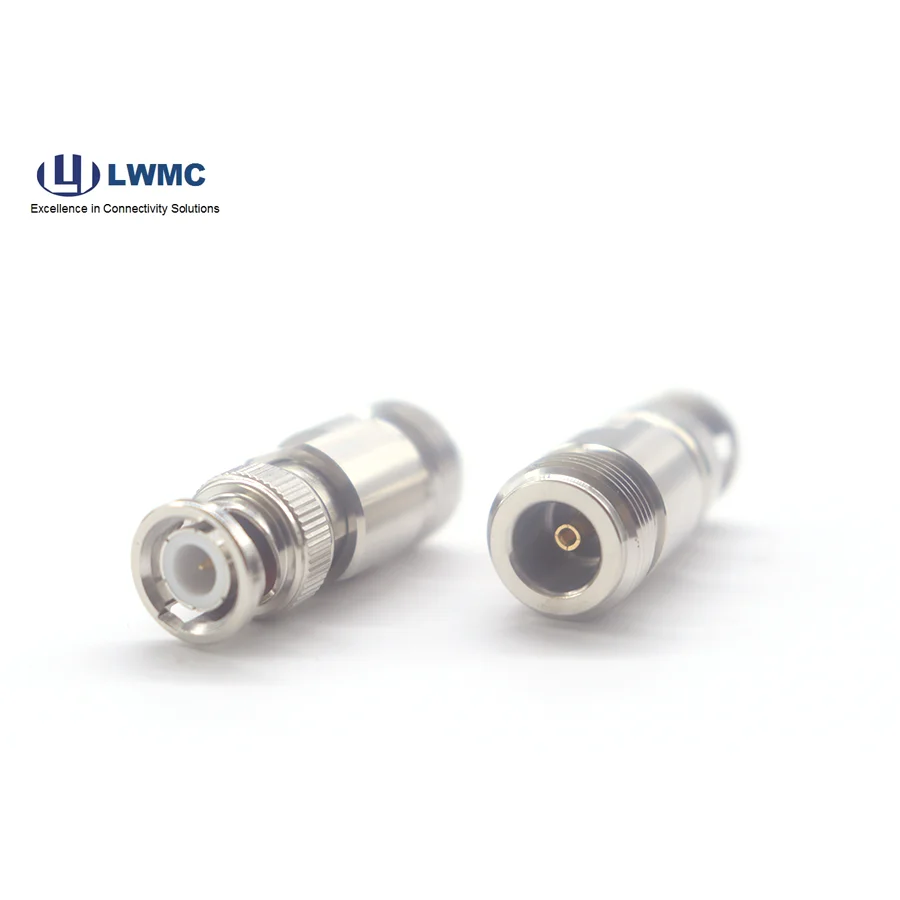
Utilize Quality Adapters and Cable Assemblies: When interfacing with other connector series, use high-quality RF Adapters (e.g., SMB Male to SMA Female) to ensure impedance continuity. For Coaxial Cable Assemblies, ensure the cable (often RG174 or similar small-diameter coax) and connector are correctly matched and assembled to prevent strain on the snap-lock.
Mind the Mating Cycle Life: Be aware of the connector's specified mating cycle rating. For applications requiring frequent reconnection, consider this factor during selection and maintenance planning.
Avoid Lateral Force: Once connected, avoid applying sideways or bending force directly to the connector joint, as this can distort the coupling mechanism and degrade performance.

 EN
EN