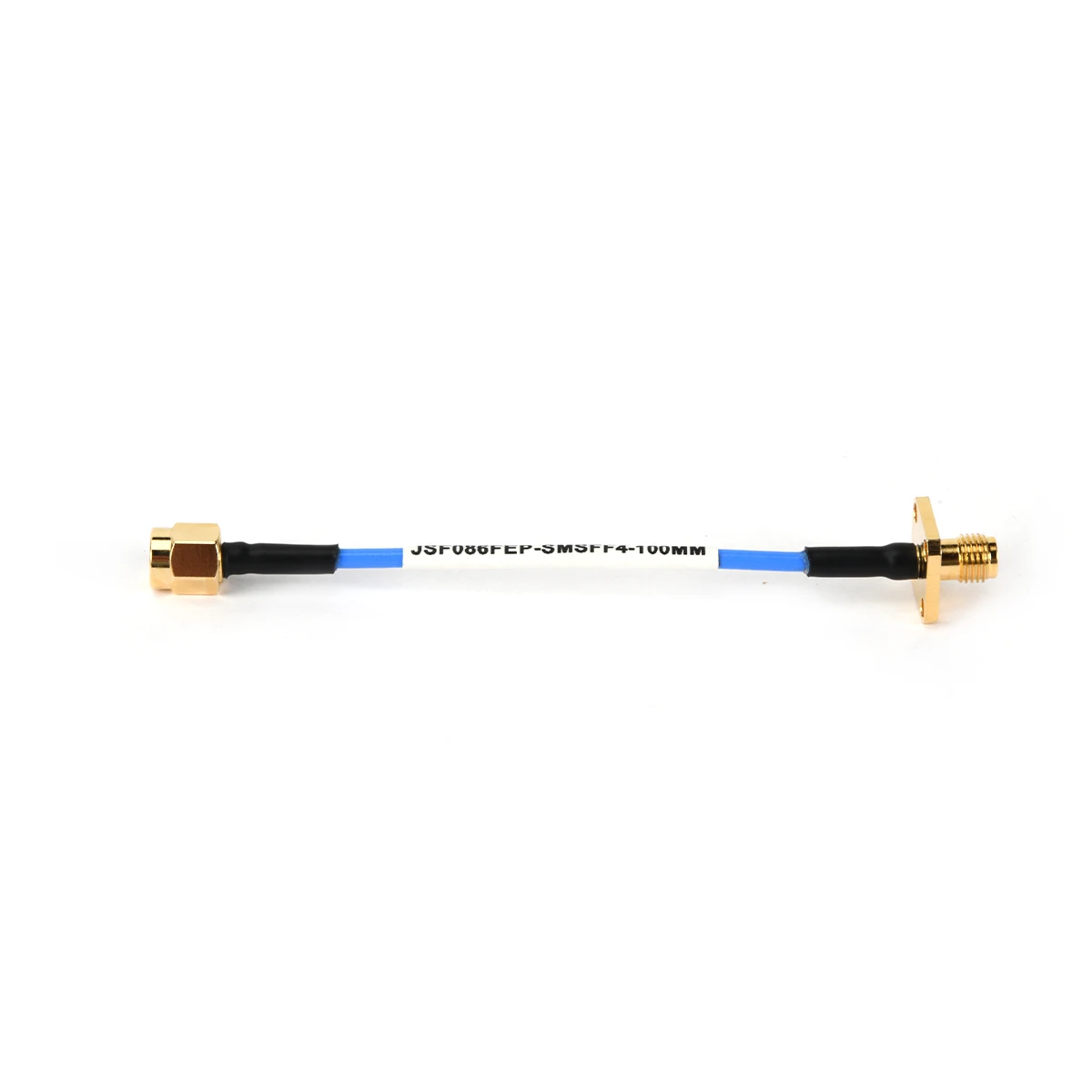
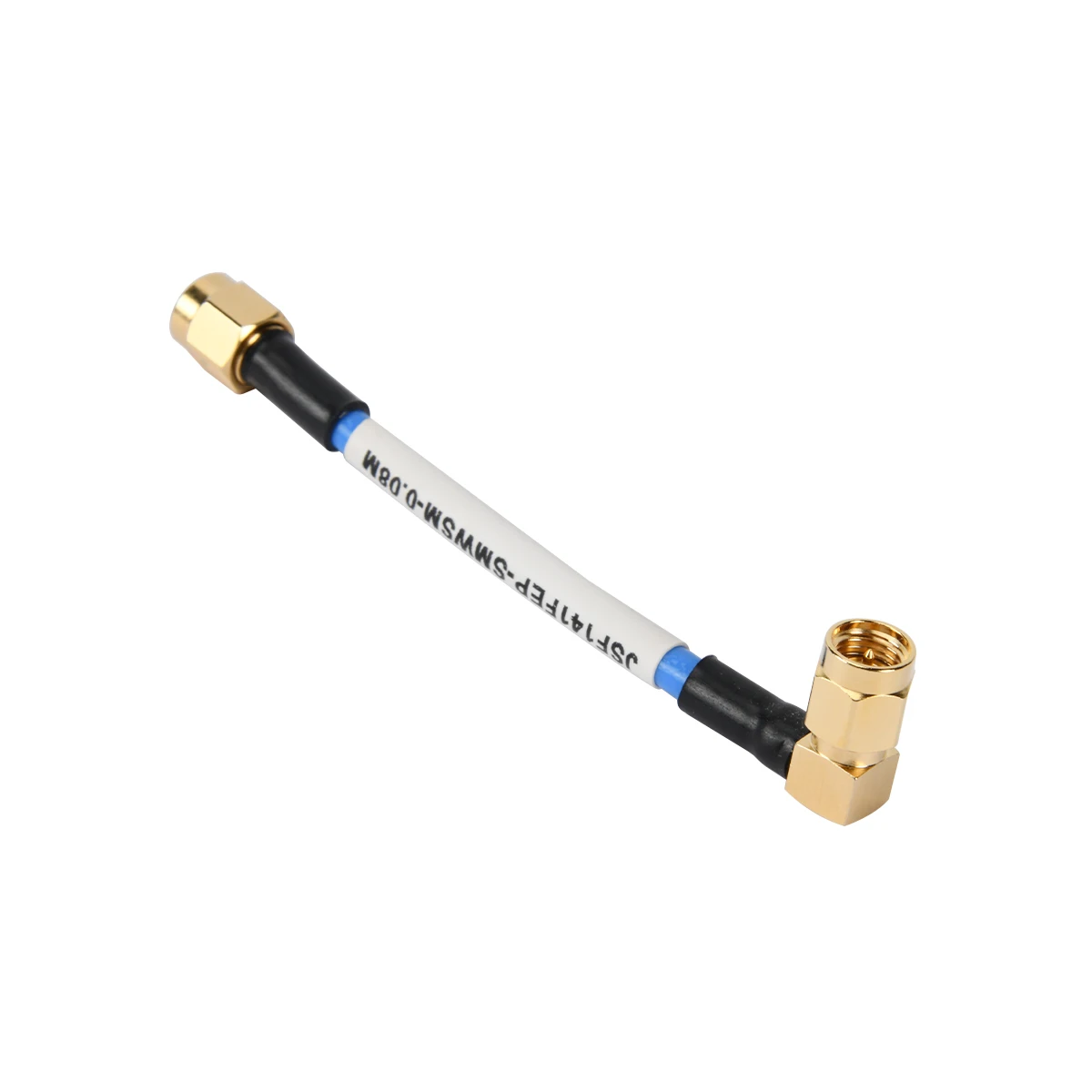
In the intricate landscape of modern wireless infrastructure, where site topology is complex and installation space is at a premium, the demand for a cable that combines superior electrical performance with exceptional physical flexibility is paramount. 1/2" Super Flexible Coaxial Cable Assemblies meet this exact need. These advanced assemblies, terminated with precision RF Connectors and supported by RF Adapters, deliver a unique blend of low-loss signal transmission and unparalleled maneuverability, making them a preferred choice for challenging deployment scenarios.
The designation "1/2"" refers to the approximate diameter of the coaxial cable, a common size for medium-power RF feeder lines. The "Super Flex" characteristic, however, is what defines its core advantage. Unlike standard corrugated copper cables, Super Flex cables are engineered with a specialized design, often featuring a smooth or specially textured inner conductor and a finely corrugated, often silver-plated copper outer conductor. This construction achieves an extremely tight minimum bend radius—often as low as 5 to 7 times the cable diameter—without compromising electrical integrity. The result is a cable that is remarkably pliable, lightweight, and easy to route through tight spaces, conduits, and around obstacles where rigid or standard corrugated cables would be impossible to install.
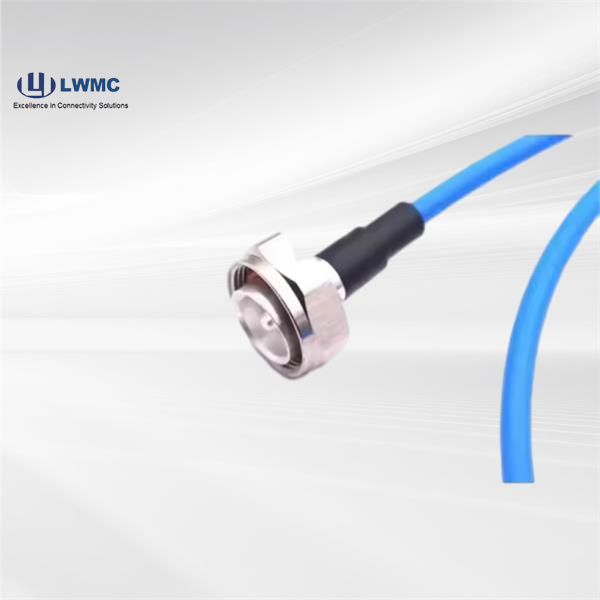
The unique properties of 1/2" Super Flex Coaxial Cable Assemblies make them ideally suited for specific, demanding applications:
Crowded Tower Top and Antenna Farm Installations: Their exceptional flexibility allows for neat and efficient routing around multiple antennas, diplexers, and structural supports, reducing clutter and strain.
Indoor Distributed Antenna Systems (DAS): Perfect for snaking through risers, ceiling plenums, and equipment cabinets in office buildings, airports, and stadiums, where tight bends and complex paths are unavoidable.
Short Jumper and Interconnect Cables: Used as low-loss jumpers between base station equipment, hybrid combiners, and feed lines, where precise, clean routing is required in confined equipment shelters.
Any site requiring the electrical performance of a 1/2" cable but with the handling ease of a much smaller, more flexible cable.
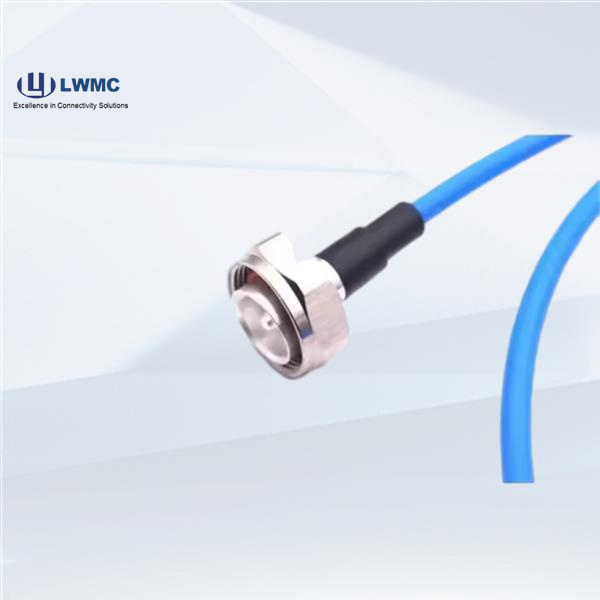
Choosing a 1/2" Super Flex Assembly provides a host of technical and practical benefits:
Very Low Attenuation: It maintains the excellent low-loss performance expected of a 1/2" coaxial cable, ensuring efficient signal transfer with minimal power loss, comparable to standard 1/2" rigid lines.
Outstanding Flexibility and Low Weight: The significantly reduced bending radius and lighter weight ease installation labor, reduce stress on mounting hardware, and enable cleaner site aesthetics.
High Power Handling: Despite its flexibility, it is capable of handling the high power levels typical of macro-cell and broadcast applications.
Superior Passive Intermodulation (PIM) Performance: High-quality Super Flex cables, when paired with low-PIM connectors like the 4.3-10 or DynaLine series, can achieve ultra-low PIM levels (e.g., ≤ -165 dBc), which is critical for modern multi-operator, multi-carrier networks to minimize interference and maximize capacity.
Durability: The design is robust enough to withstand repeated bending and environmental stresses encountered during and after installation.
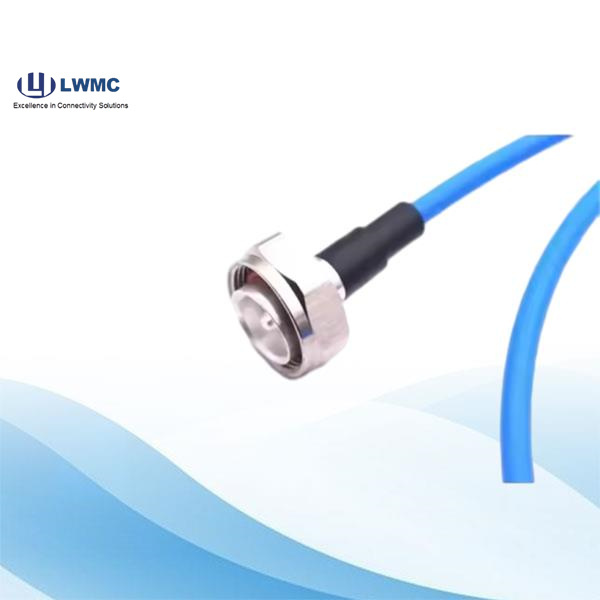
To fully realize the potential of a Super Flex cable, proper component selection and handling are essential:
Connector Compatibility: These assemblies are most commonly terminated with low-PIM, lightweight connectors optimized for dense installations. The 4.3-10 connector has become an industry standard for new deployments due to its excellent performance, small size, and hand-tighten capability. Traditional 7/16 DIN connectors are also used but add more weight and bulk.
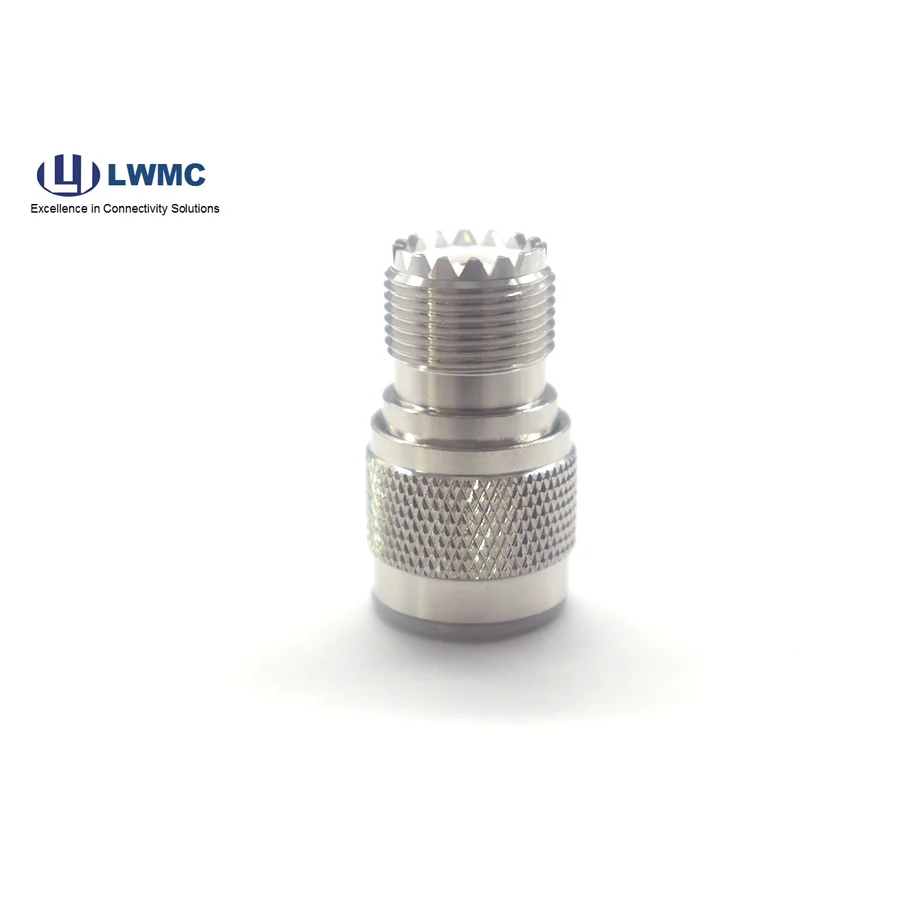
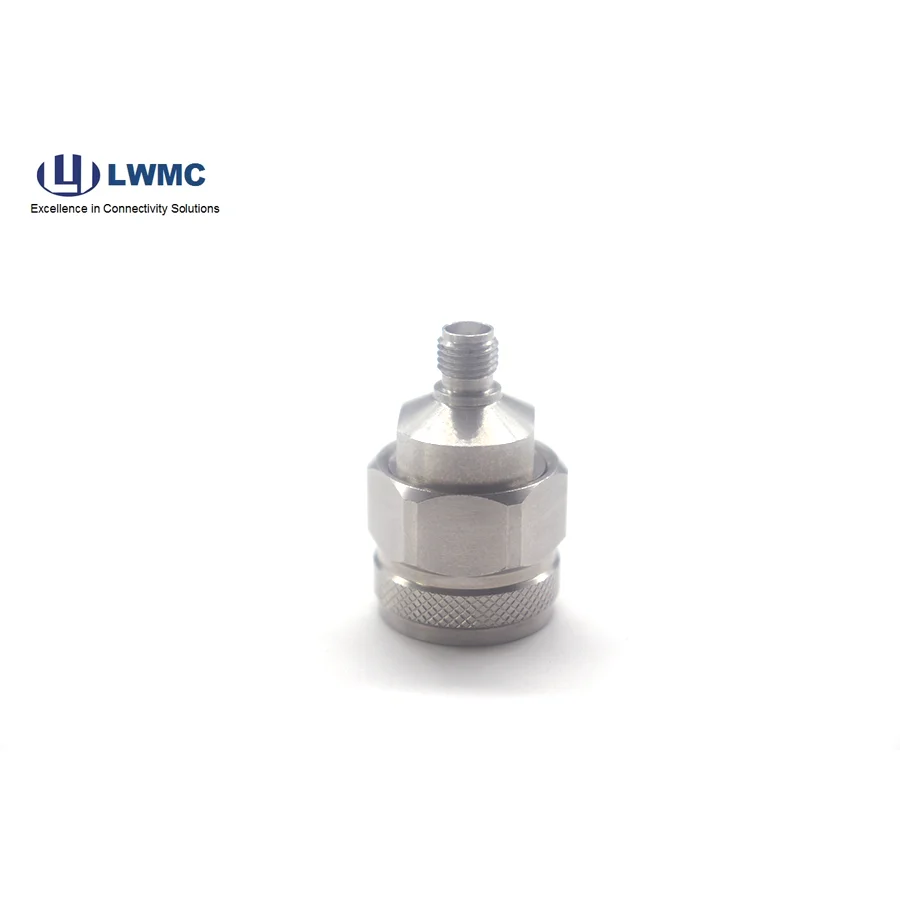
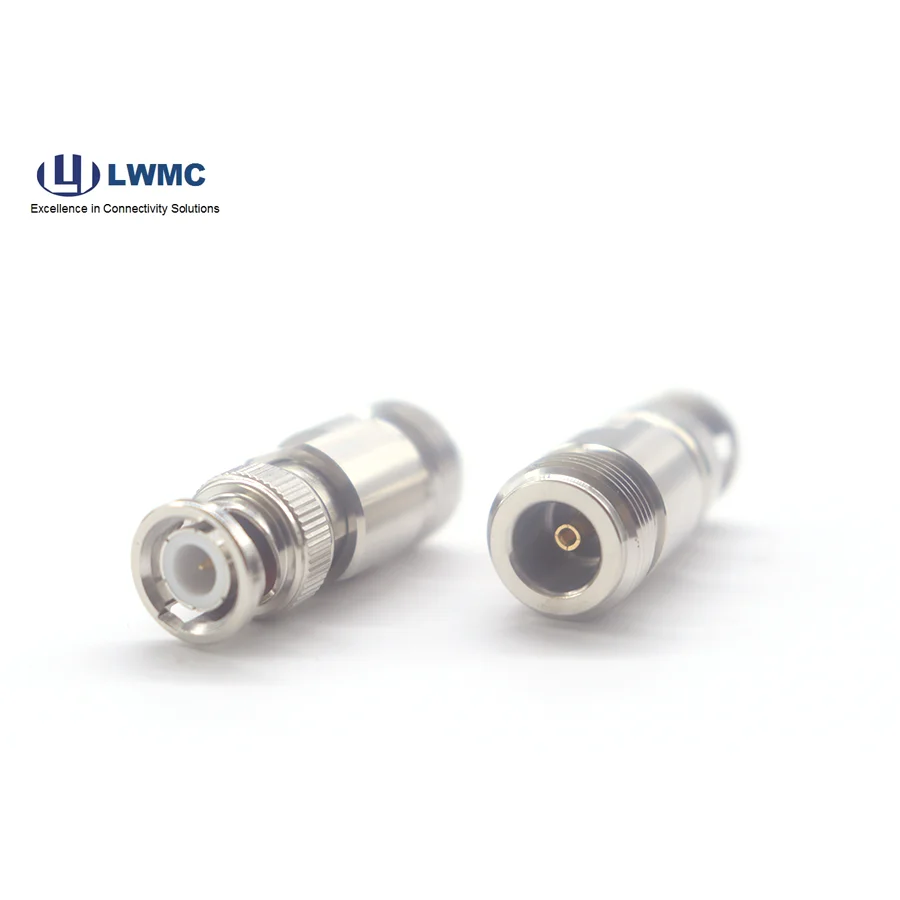
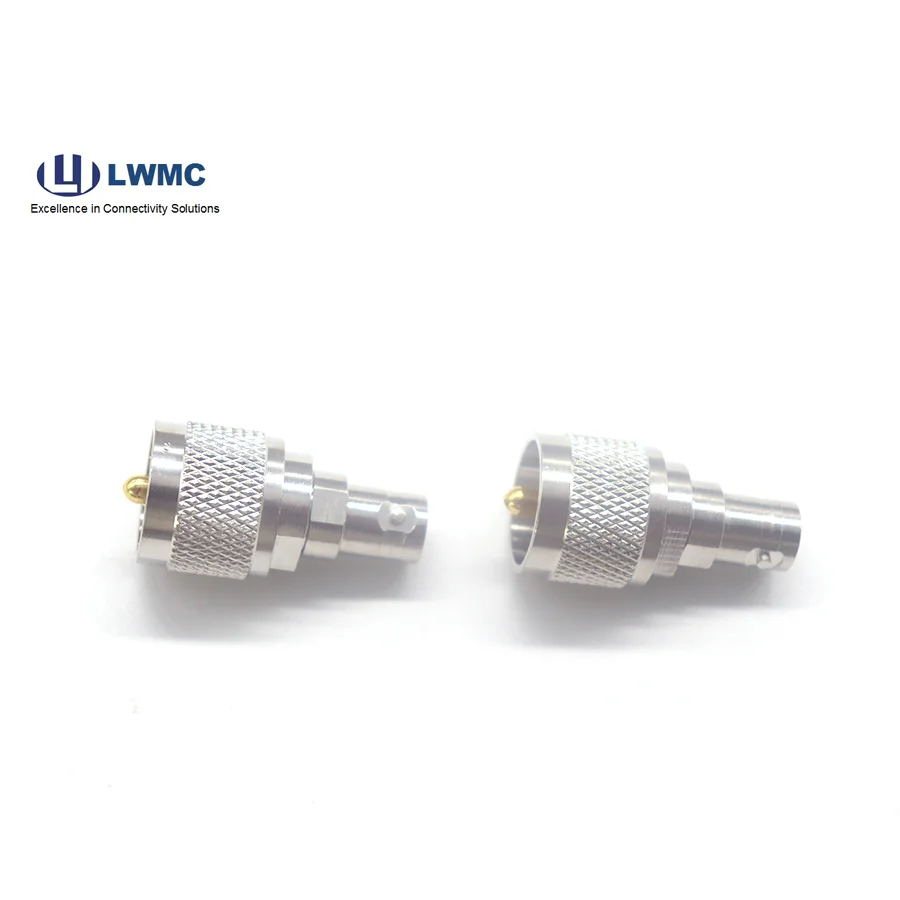
The Role of RF Adapters: Adapters (e.g., 4.3-10 Female to N Male) are crucial for interfacing these modern cable assemblies with legacy equipment or devices using different port types, ensuring seamless system integration.
Professional Installation: While easier to handle, termination still requires precision. Using factory-pre-assembled cables guarantees optimal performance. During installation, even with superior flexibility, it is vital to avoid sharp pinches or kinks and to use gentle, sweeping bends to preserve the cable's structural and electrical properties.

 EN
EN