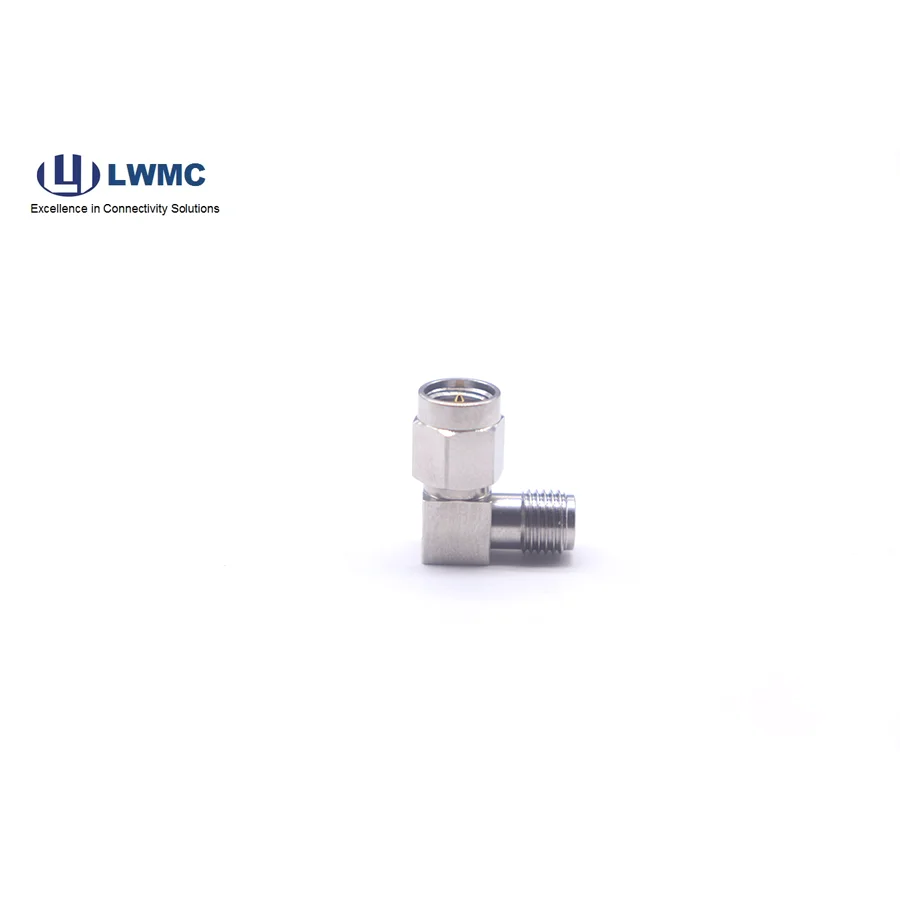
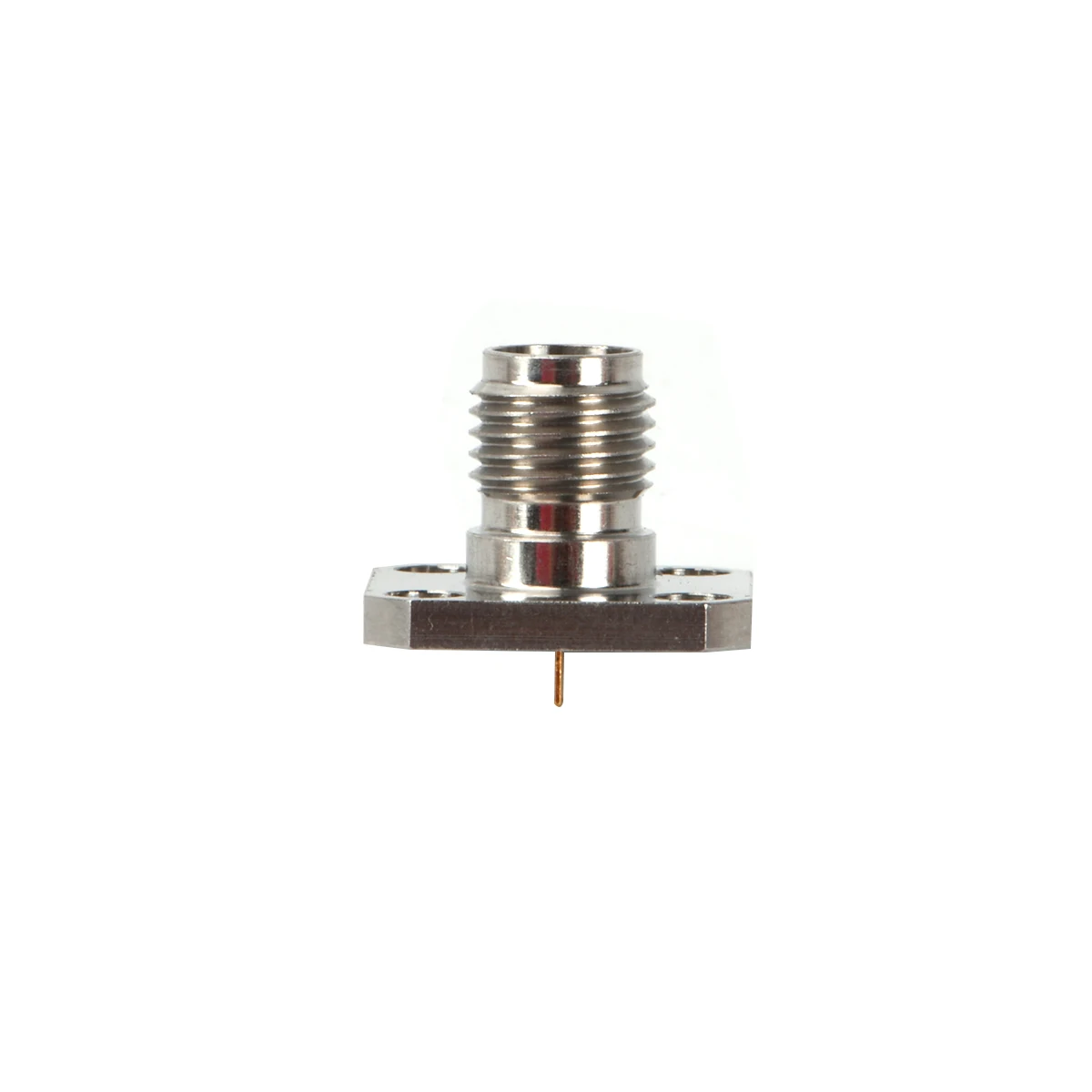
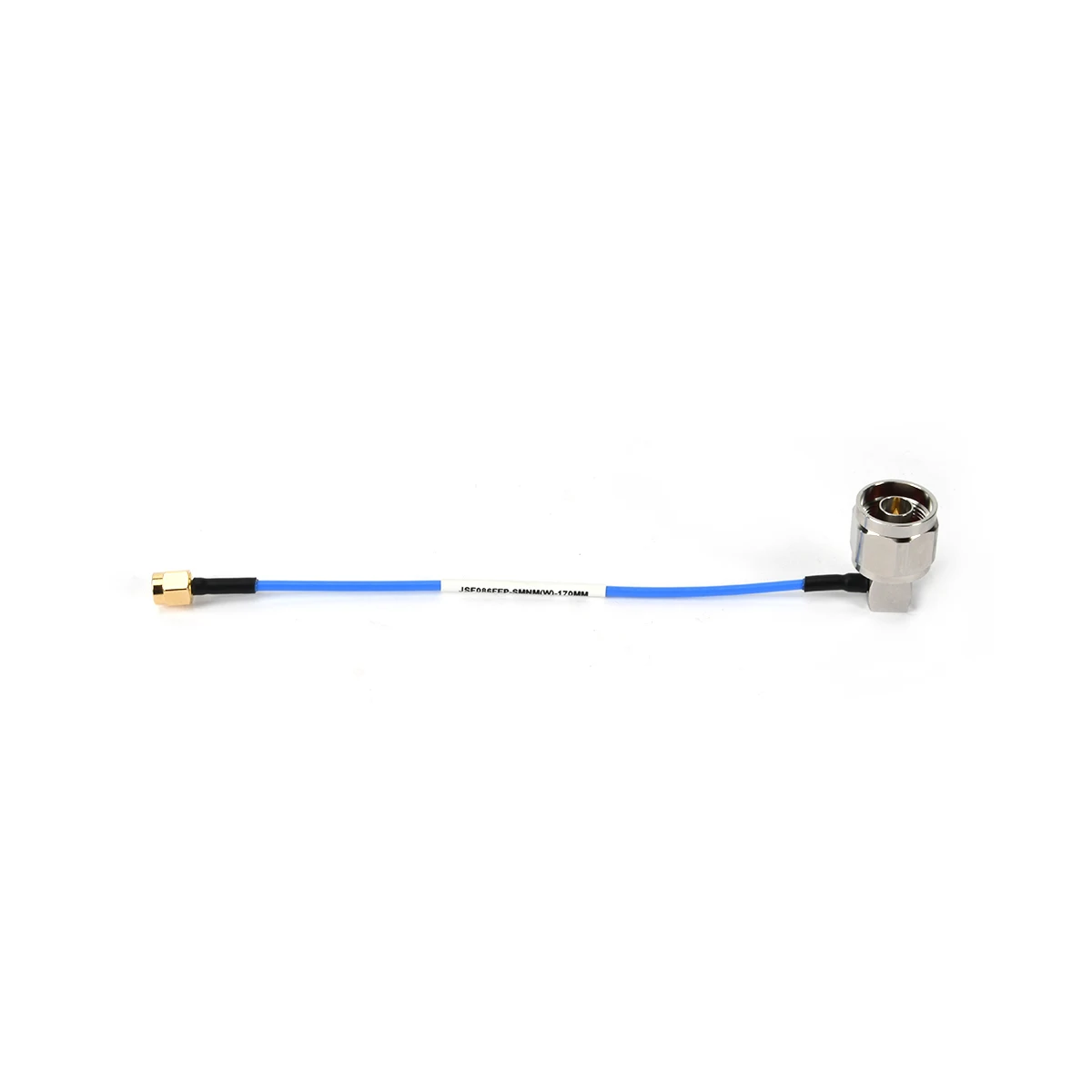
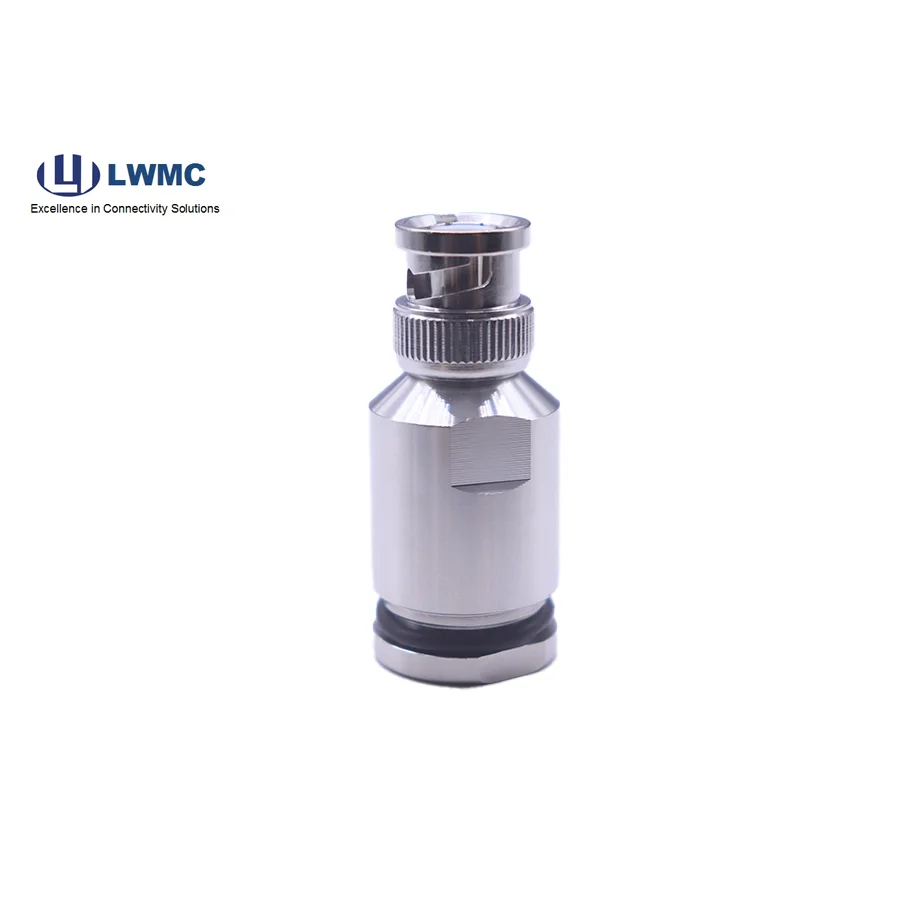
Ultrahigh frequency (UHF) male female connector technology has 'swept into our world, changing the things we do and say and hear and see! UHF is electromagnetic radiation with frequencies in the range of 300 megahertz (MHz) and 3 gigahertz (GHz). In the present day this technology has embedded itself into our daily lives, allowing us to use smartphones, smart TVs and even in RFID tags. But what’s so great about UHF, anyway?
UHF sma socket connector technology surrounds us, cloaked in (nearly ocular) invisibility. Have you ever operated a walkie-talkie and watched television by using an antenna? Well, you have now been to the UHF magic factory! It’s this tech that makes it possible to send and receive signals across long distances, and in doing so speed up communication. UHF’s versatility, including it’s ability to penetrate obstructions such as walls and buildings, has made it integral to our modern civilization.
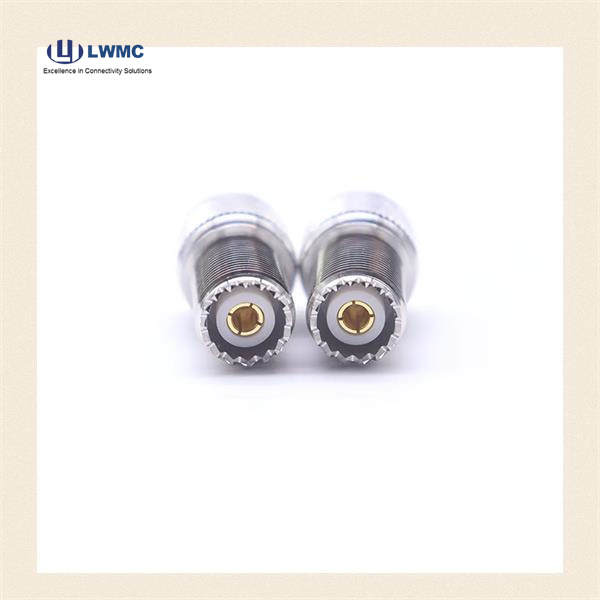
One of the most promising applications of UHF coaxial cable plug technology is its application to data transmission. We have more connected devices and IOT tech than ever, and this means data transfer speeds that have to matter have to be faster. UHF provides us with the ability to move a lot of data very fast and confidently, which also enables us to perform tasks such as asset tracking, inventory control, & even secure payments. We would be able to exploit this freely available UHF radiation for new uses in our networked world."
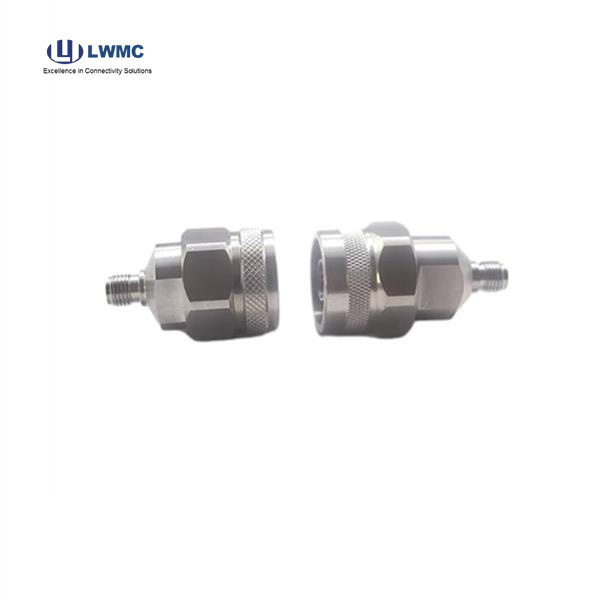
Life on earth would be much different without UHF technology we take for granted. Mobile phones, radio waves, everything works with UHF technology to keep you talking and connected Transceiver Communication Exchange information between users. Its potential to implement long range communications with low transmit power and low interference, has positioned it as an alternative solution suitable for wireless and satellite communication systems. As we move forward with our technological prowess, UHF also looks set to pave the way for the future.
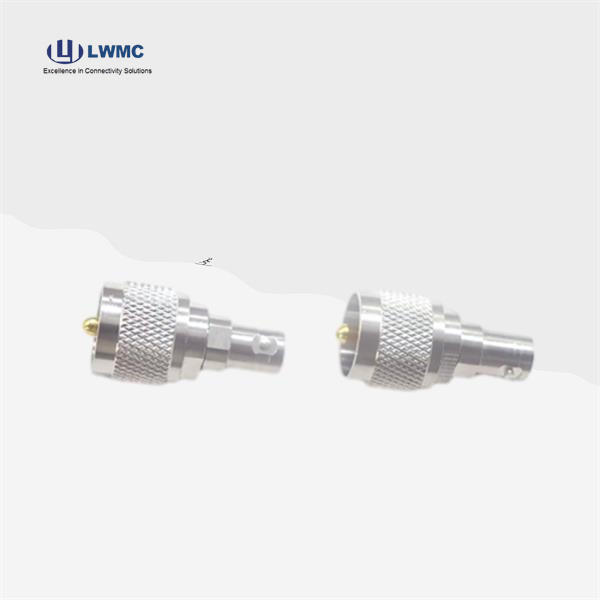
Wireless technology is the lifeblood of our digital existence enabling us to connect and communicate with each other, both near and far, whenever we want, wherever we want. UHF technology has facilitated the progress of wireless networks, allowing higher data rates and network coverage. Now, with the rise of 5G, UHF will be even more critical in enabling the next phase of wireless networks. And as we gaze into the future, we can see that it's UHF technology that will continue paving the way and increasing the limits of what is accomplish able in the world we share.

 EN
EN