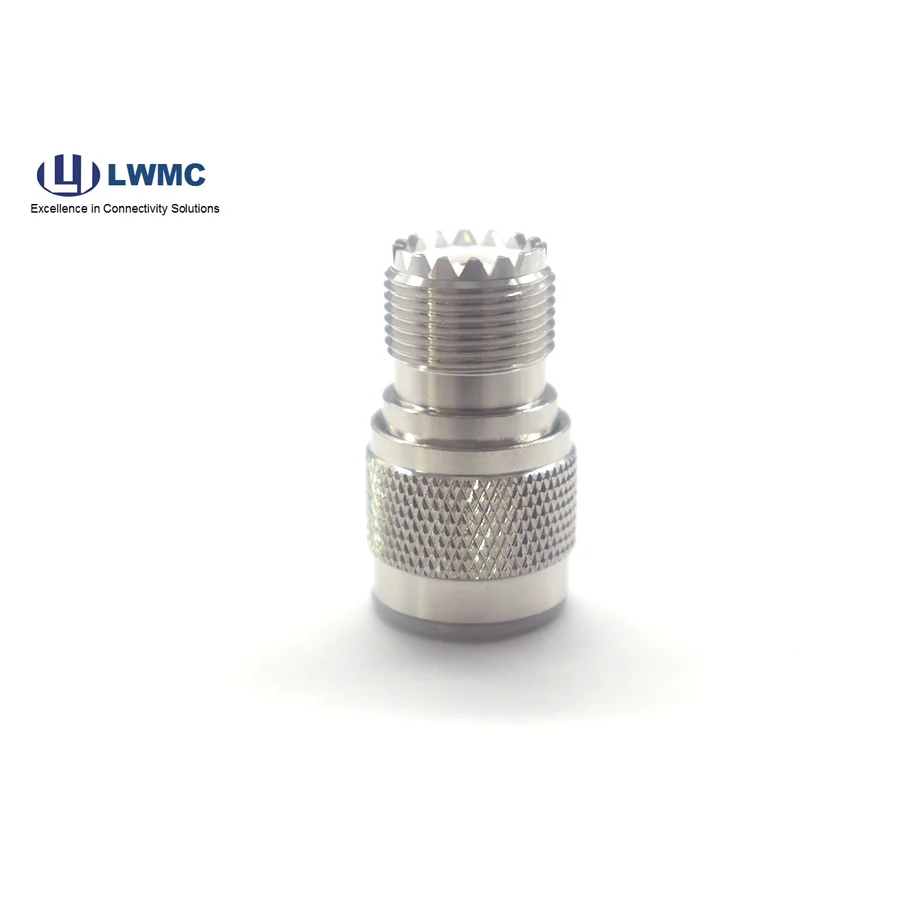
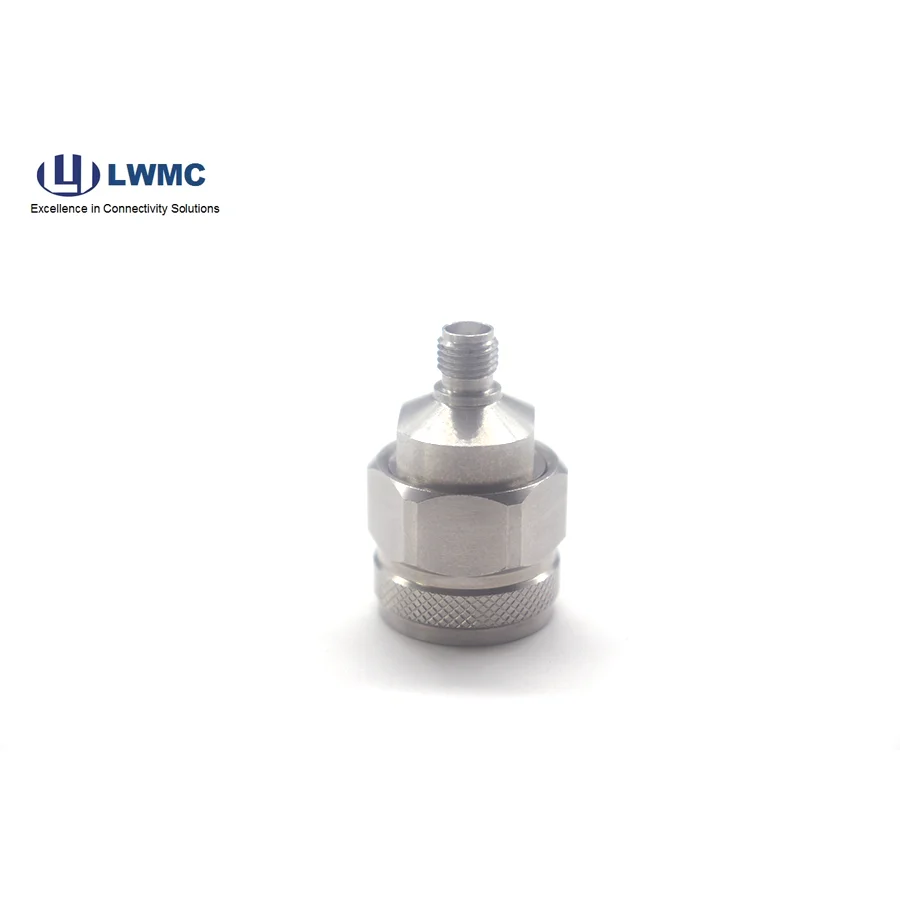
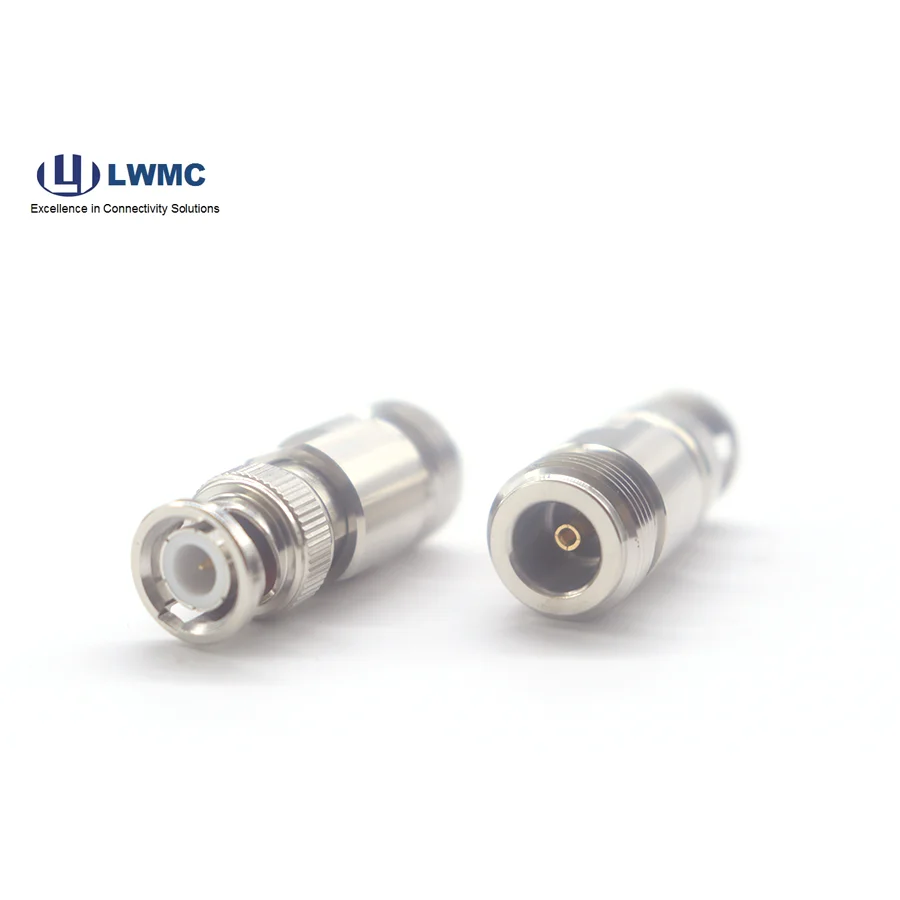
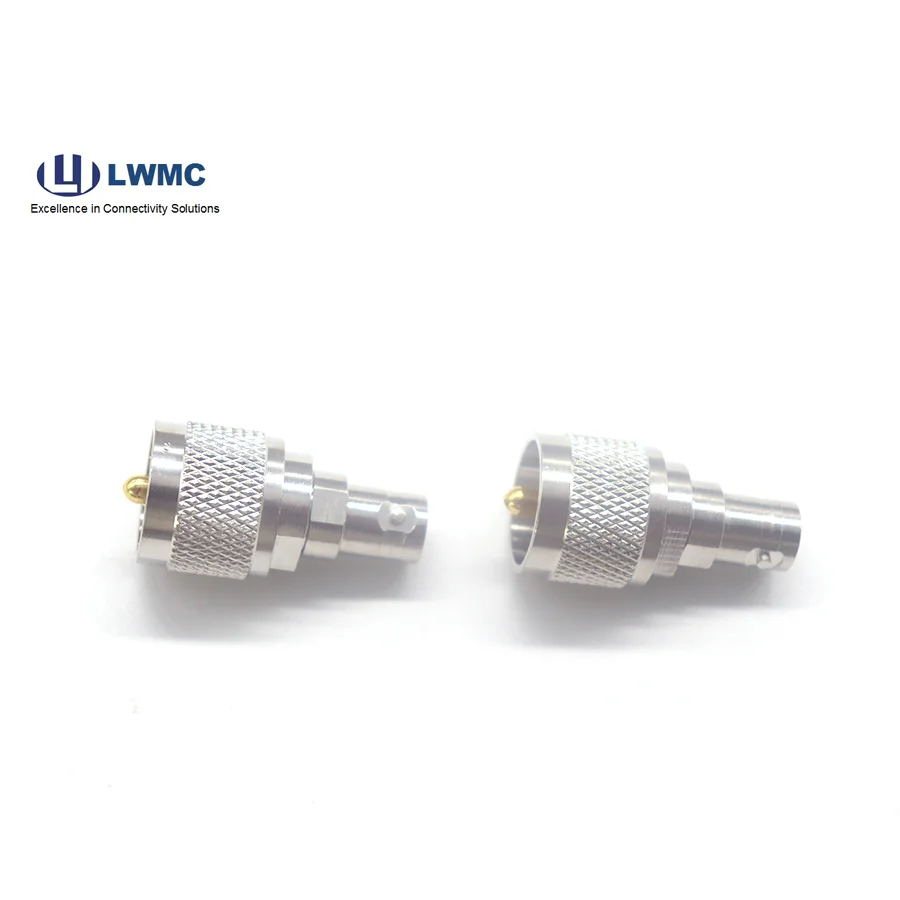
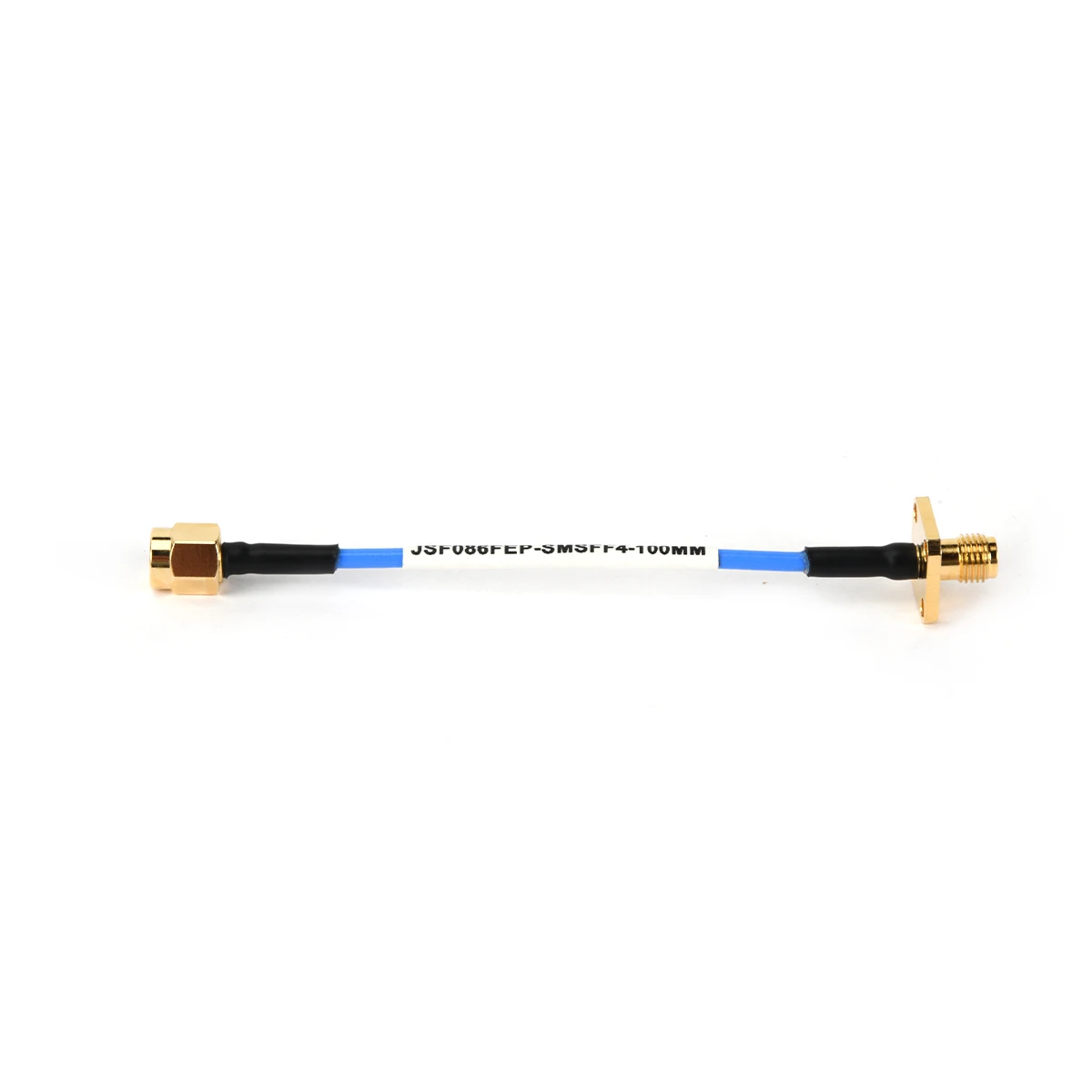
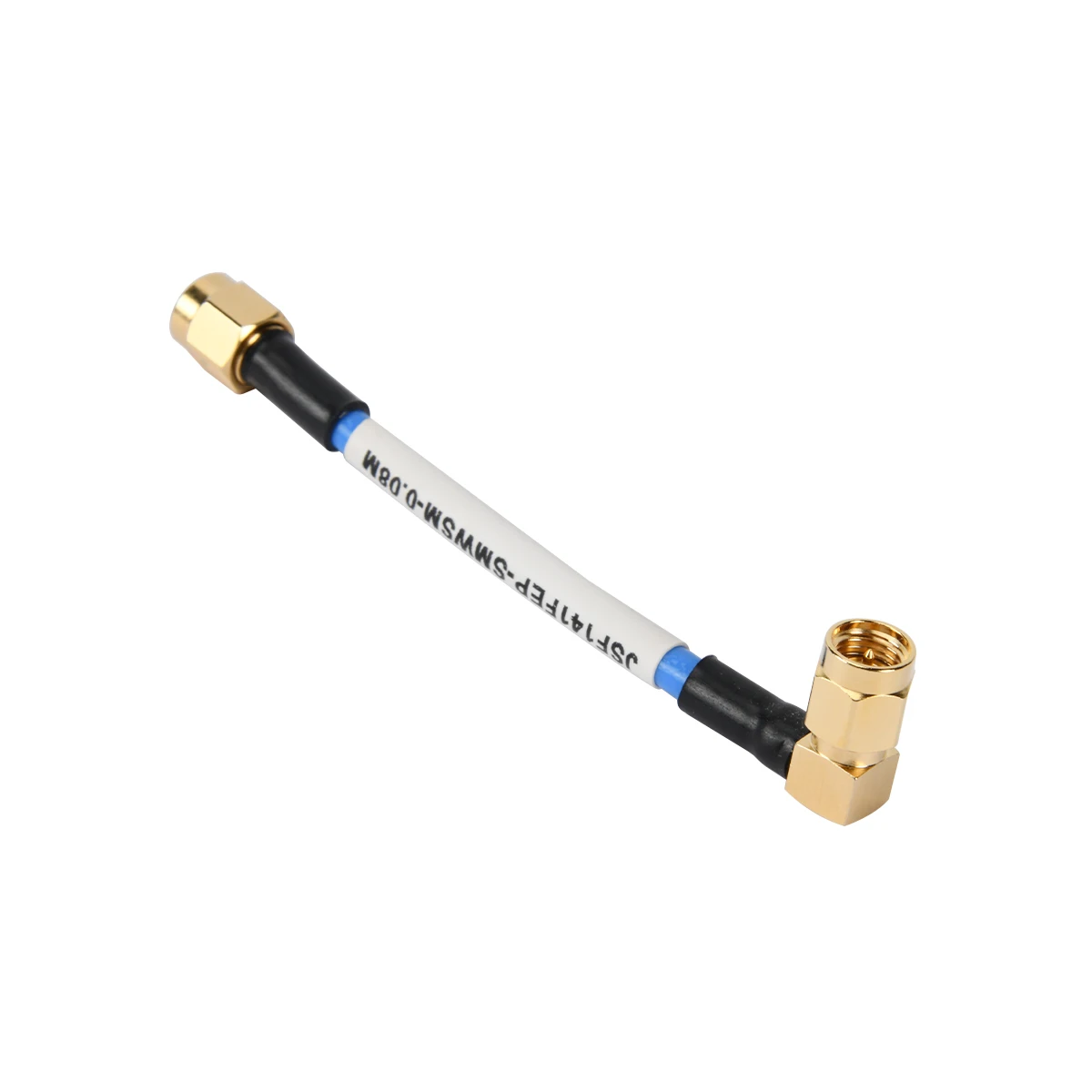
In the diverse and evolving landscape of RF system design, interoperability is a constant challenge. This precision adapter enables a seamless, low-loss transition between the robust N-type connector and the compact SMA interface. By providing a secure and electrically stable connection, it facilitates system integration, test and measurement setups, and field deployments, ensuring that compatibility issues do not hinder performance or innovation across telecommunications, aerospace, and defense applications.
The N to SMA adapter is a hybrid connector meticulously engineered to manage the transition between two distinct physical and electrical standards. The N connector side is characterized by its larger, threaded coupling nut, designed for high-power handling and environmental durability up to 11 GHz. The SMA side features the smaller, threaded interface known for its high-frequency performance up to 18 GHz and common use in miniaturized modules. Internally, the adapter is constructed as a continuous 50-ohm transmission line. The core engineering challenge lies in managing the impedance transition from the larger N-type center conductor to the smaller SMA pin. High-quality adapters from manufacturers like Linkworld achieve this through precise machining of the dielectric support and center conductor, ensuring minimal signal reflection (low VSWR) and insertion loss across the operational bandwidth.
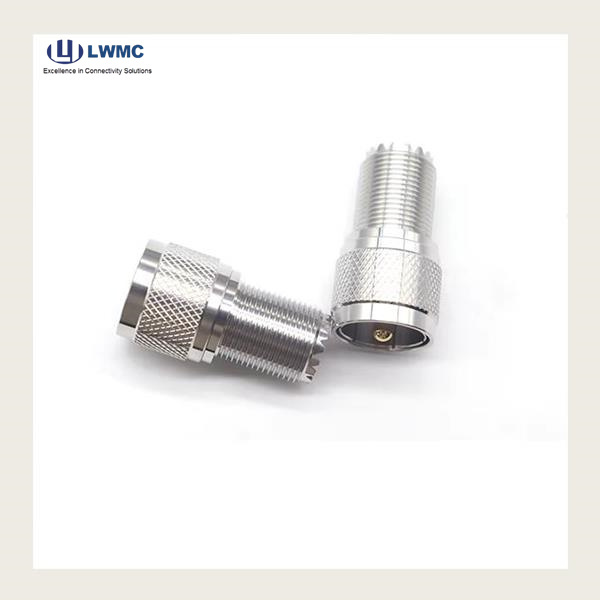
The primary value of the N to SMA adapter is realized in its application-driven versatility. It serves as an indispensable tool in several key scenarios:
Test & Measurement: Connecting benchtop instruments (e.g., spectrum analyzers, vector network analyzers with SMA ports) to field devices, antennas, or system components terminated with N-type connectors.
Telecommunications Infrastructure: Bridging modern radio units or active antenna systems (often using SMA interfaces) with legacy feeder cables, filters, or base station antennas that utilize the more rugged N-type interface.
Aerospace and Defense: Interfacing ruggedized outdoor or vehicle-mounted equipment (using N-type) with internal avionics, test points, or portable diagnostic gear (using SMA).
Prototyping and Field Service: Providing a flexible, reconfigurable interface solution that adapts to various connection needs without requiring custom cable assemblies, thereby accelerating development cycles and simplifying maintenance.
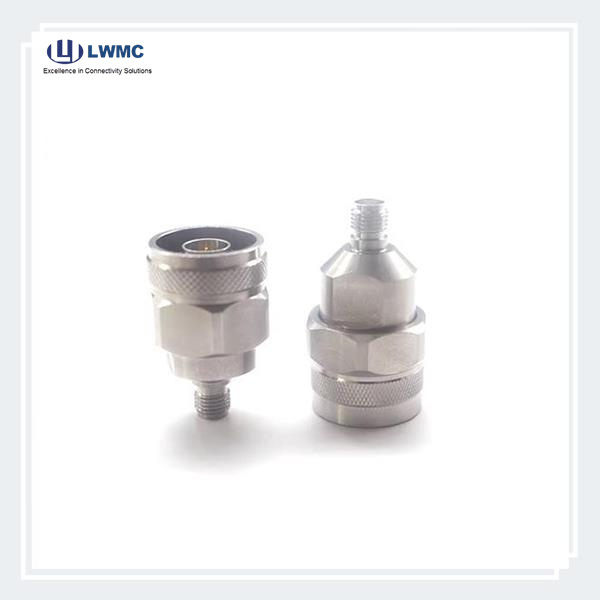
Selecting the correct N to SMA adapter requires an understanding of its performance parameters to ensure it meets the demands of the specific application. Critical specifications include:
Frequency Range: The adapter must support the required operating frequency. While N connectors are rated to 11 GHz and SMA to 18 GHz, the adapter's effective range is determined by its internal design quality.
VSWR (Voltage Standing Wave Ratio): A key indicator of signal reflection. High-quality adapters maintain a low VSWR (e.g., <1.25:1) across their specified range.
Insertion Loss: The amount of signal power lost within the adapter itself, which should be minimal.
Gender Configuration: Adapters are available in various configurations (e.g., N Male to SMA Female, N Female to SMA Male). The correct choice depends on the ports of the equipment to be connected.
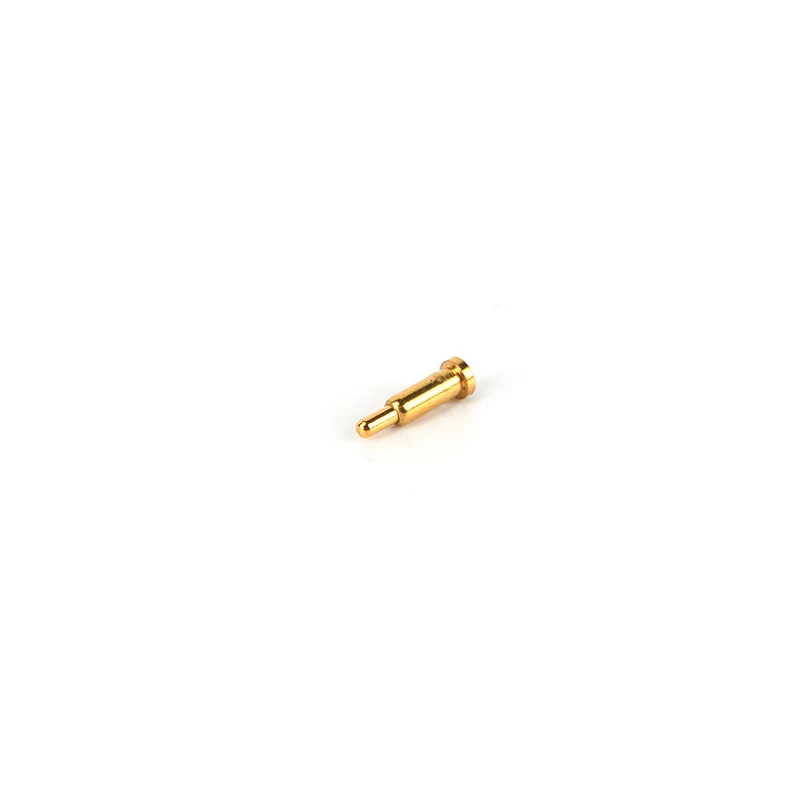
Construction Quality: Materials matter. Bodies made from passivated stainless steel offer corrosion resistance, and gold-plated beryllium copper contacts ensure optimal conductivity and mating longevity.
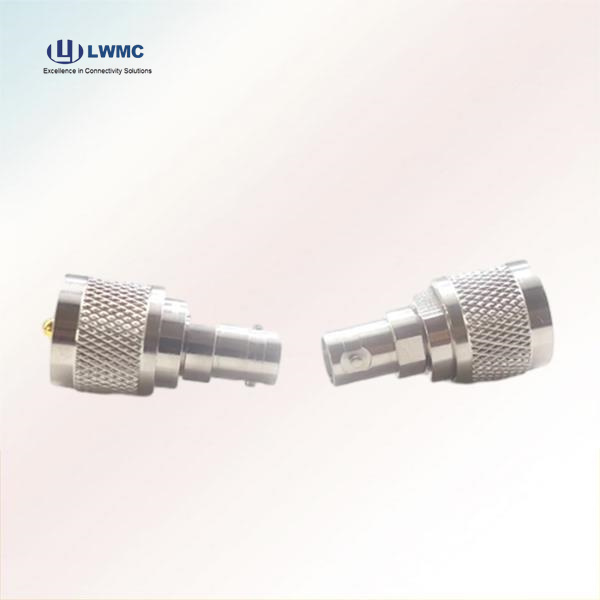
In an RF signal chain, every connection point is a potential source of degradation. A poorly manufactured adapter can become the weak link, introducing unacceptable loss or reflection. Linkworld's N to SMA adapters are built to be the strongest link. We achieve this through precision CNC machining that holds tight tolerances, the use of premium materials for durability, and a plating process that ensures consistent electrical performance. Each adapter undergoes rigorous electrical testing to verify its VSWR and other parameters before shipment.

 EN
EN