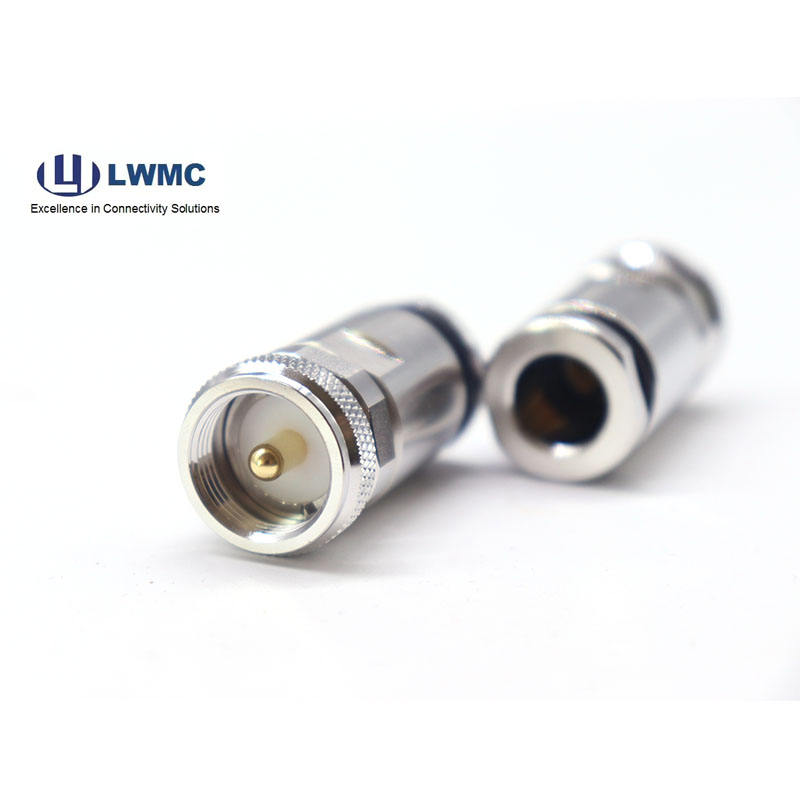
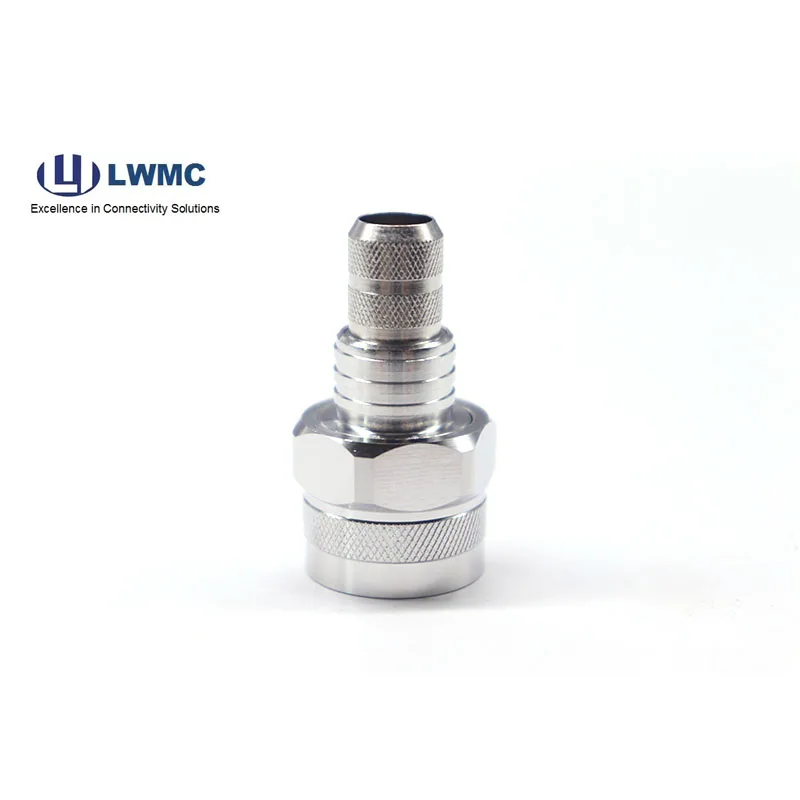
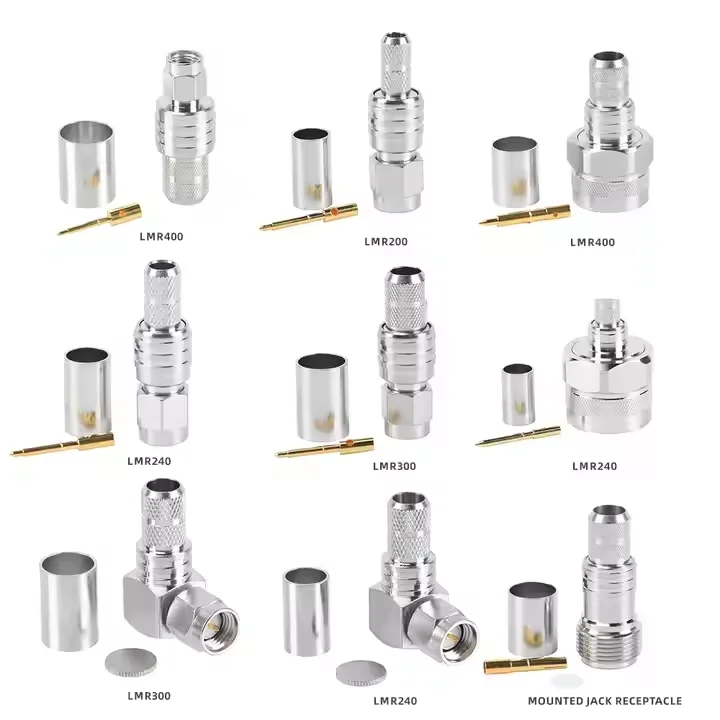
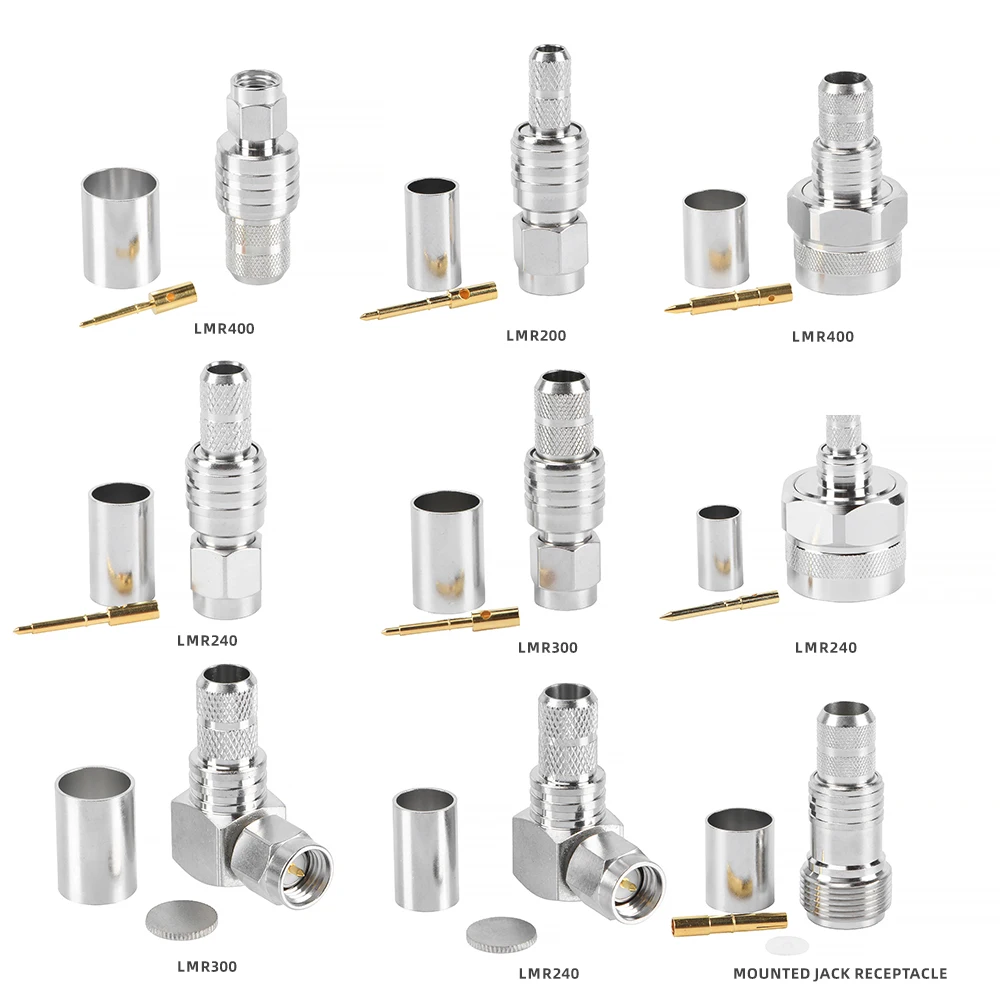
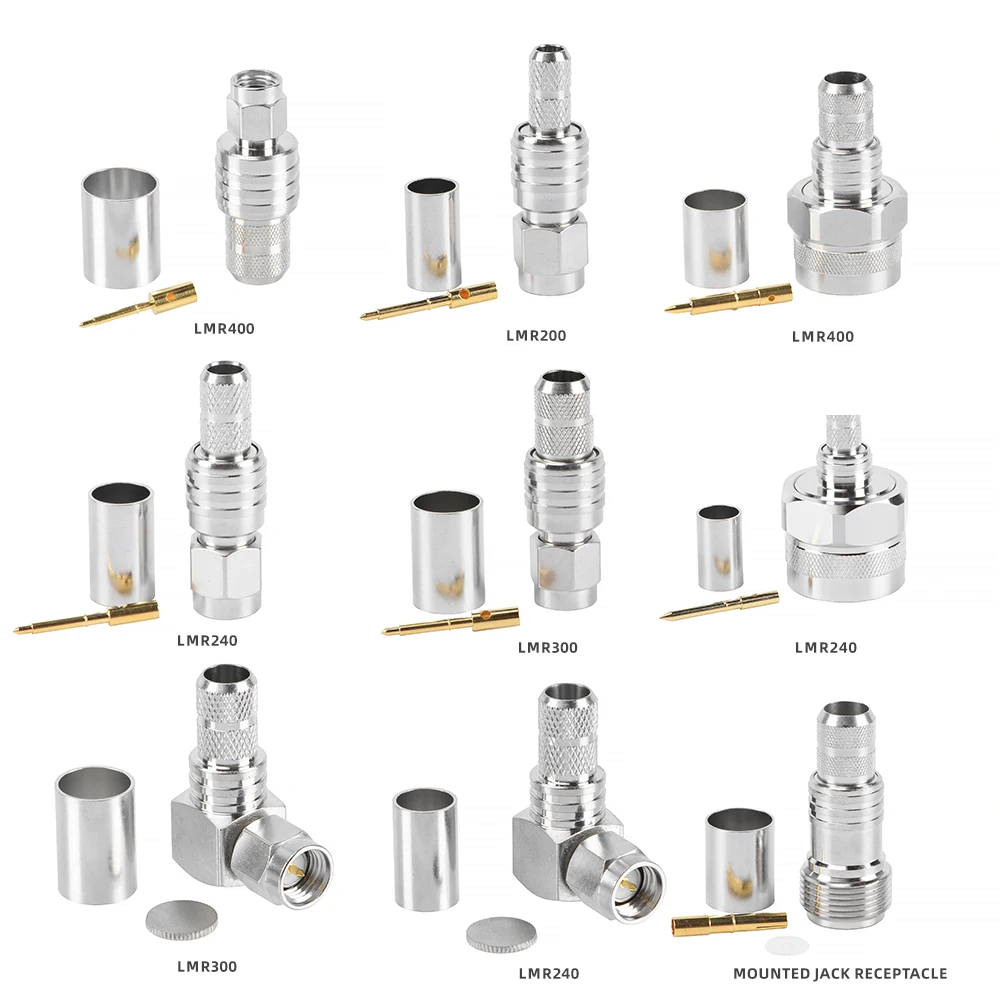
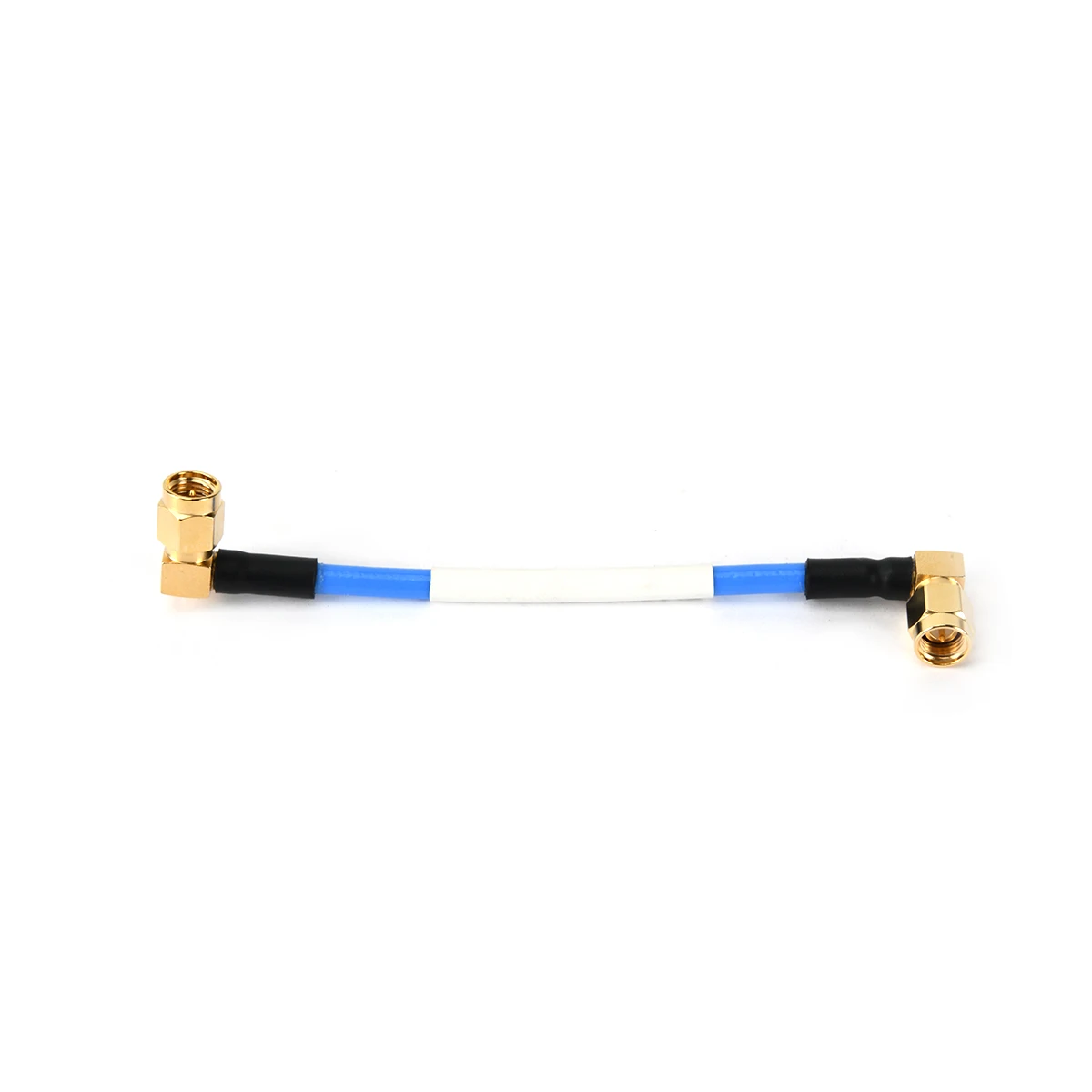
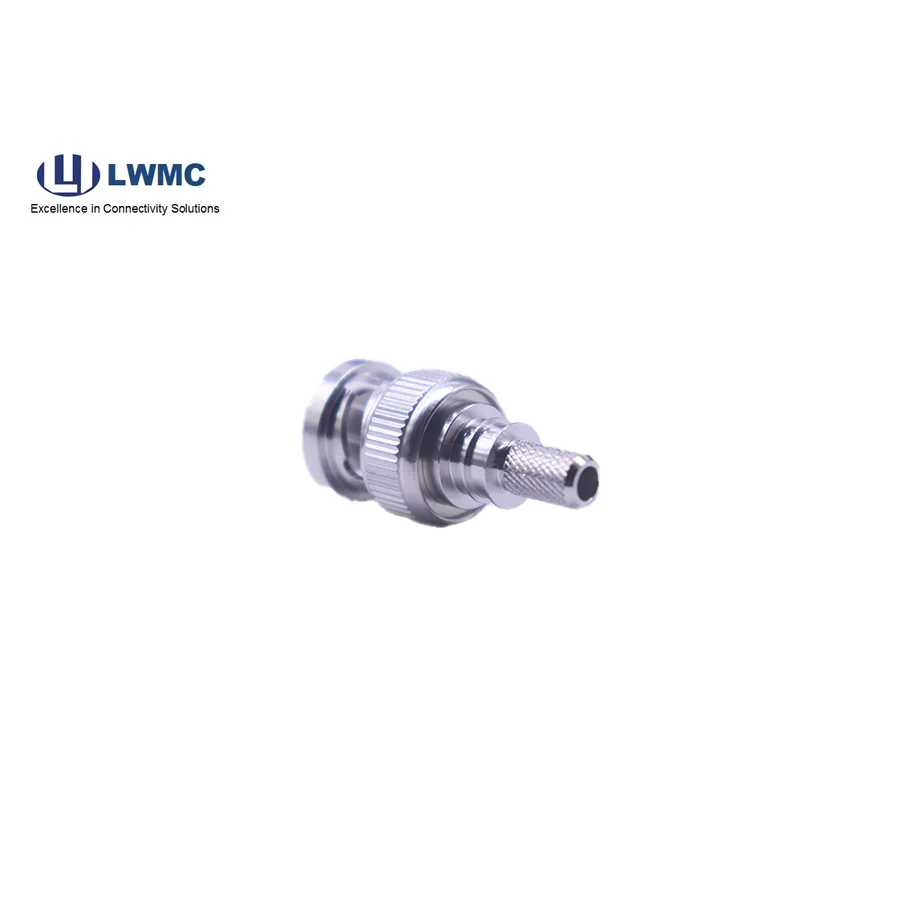
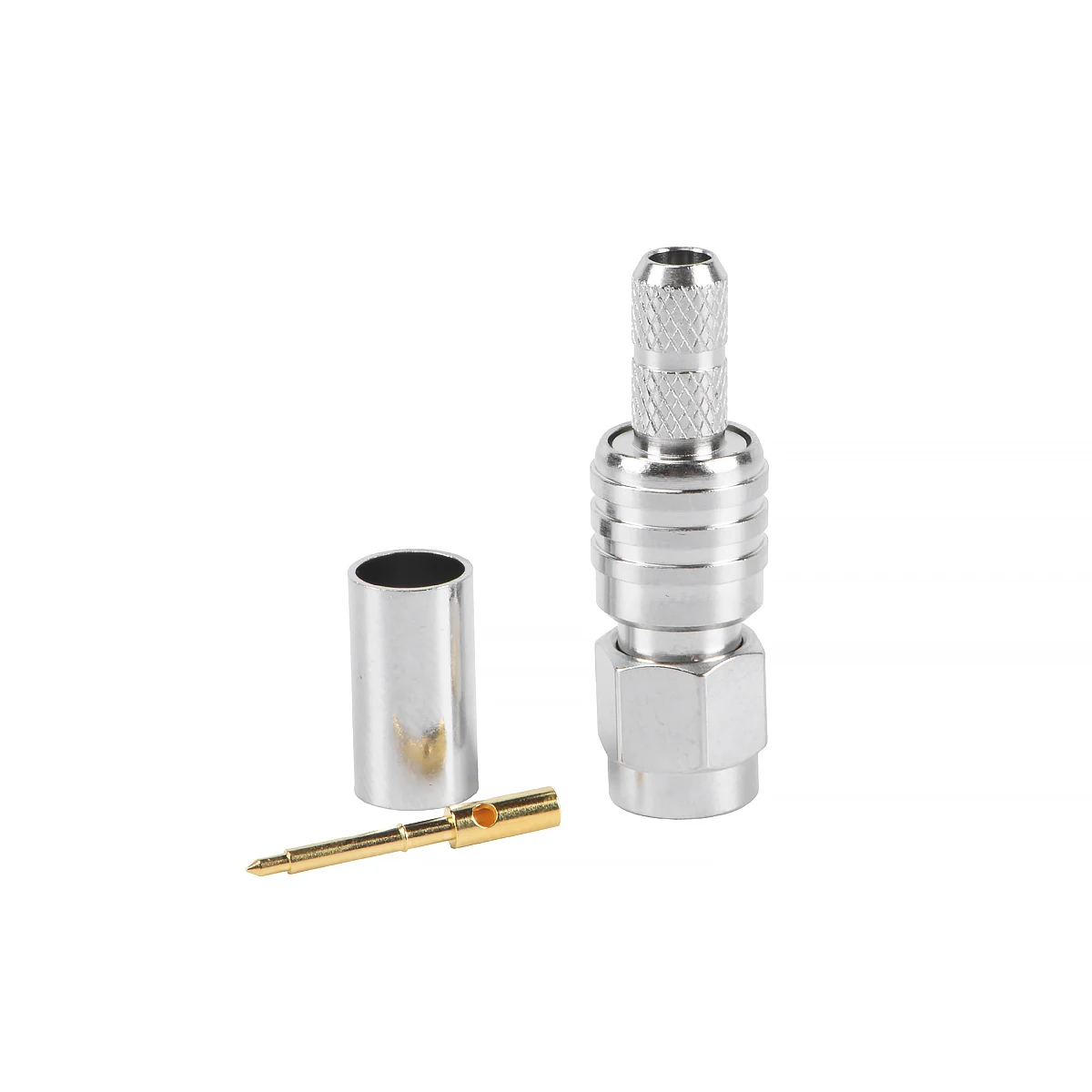
In the precision-driven field of RF and microwave engineering, the method of terminating a connector to a cable is as critical as the components themselves. The crimp SMA connector represents a standardized and highly reliable termination technique designed for semi-flexible and flexible coaxial cables. It is the preferred method for volume production and field installations where repeatability, speed, and long-term reliability are paramount.
Properly attaching a crimp SMA connector is a precise, multi-step process that demands attention to detail. It begins with preparing the coaxial cable (RG-316, RG-174) using a calibrated stripping tool to remove the outer jacket, shield, and dielectric to exact lengths specified by the connector manufacturer. The prepared cable is then inserted into the connector assembly, ensuring the center conductor seats fully into the contact pin and the braided shield is neatly arranged over the connector's ferrule or collet. The critical crimping action is performed using a dedicated, calibrated crimp tool. This dual crimp creates both electrical continuity and mechanical strain relief, resulting in a secure, low-resistance termination ready for immediate use.
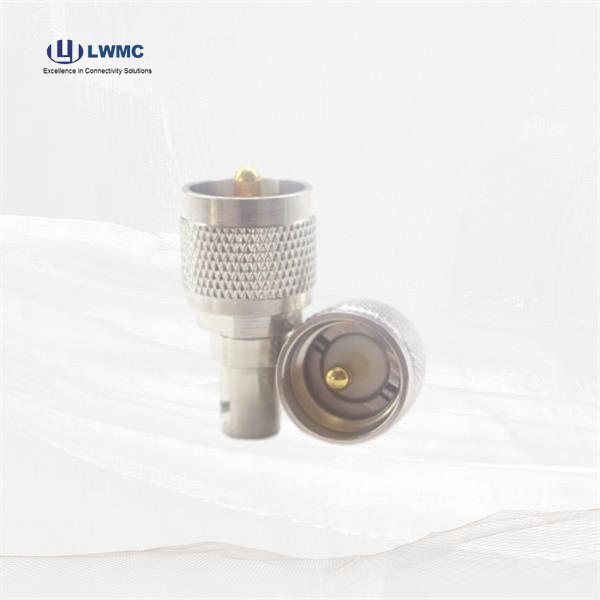
The crimp termination method offers distinct advantages over soldering, making it the industry standard for many applications. The foremost benefit is consistency and repeatability. When using the correct tooling, every crimp is virtually identical, eliminating the variability inherent in manual soldering and ensuring uniform electrical performance across thousands of assemblies. This leads directly to enhanced reliability. A proper crimp forms a cold weld that is highly resistant to vibration and thermal cycling, which can fatigue solder joints over time. The process is also faster and more efficient for high-volume production, reducing assembly time and labor costs. Furthermore, it eliminates risks associated with soldering, such as thermal damage to the cable dielectric, flux contamination, or cold solder joints, thereby improving overall product yield and long-term performance in the field.
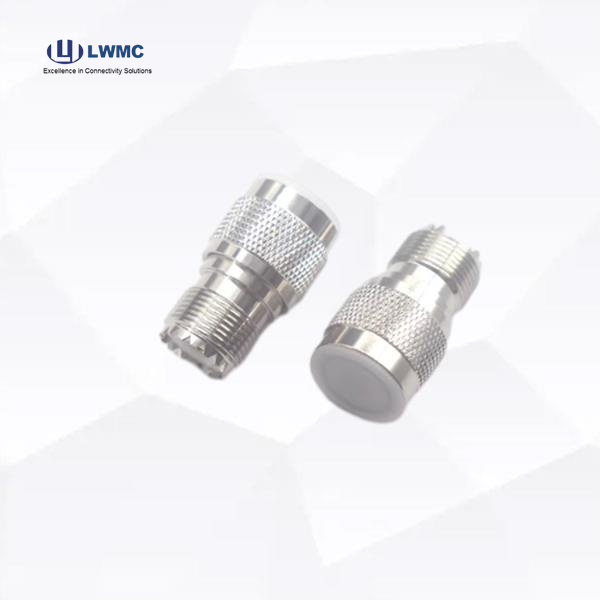
Select Compatible Components: Ensure the crimp SMA connector is designed for your specific cable type (e.g., diameter, shield type).
Strip the Cable: Use a precision stripper to remove the outer jacket, braid, and dielectric to the millimeter-precise lengths required.
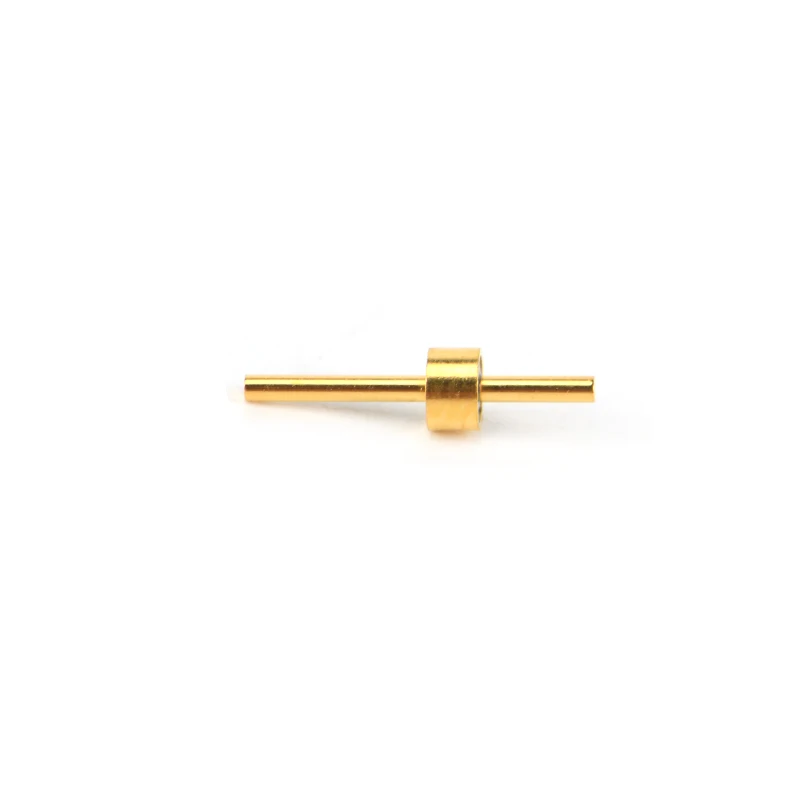
Assemble the Connector: Slide any rear ferrule or boot onto the cable first. Insert the prepared cable end into the connector body until it stops. The center conductor should protrude into the contact pin, and the braid should fan evenly over the crimp sleeve.
Perform the Crimp: Using a calibrated crimp tool with the correct die set:
First, crimp the center contact (usually the smaller die).
Then, crimp the outer ferrule (the larger die) to secure the braid and outer jacket.
Inspect and Test: Visually inspect for any stray braid strands or imperfections. For guaranteed performance, electrically test the assembly for VSWR and continuity.
Using manufacturer-recommended tooling, such as the specific dies for a given connector series, is non-negotiable for achieving a reliable crimp that meets all mechanical and electrical specifications.
Using Incorrect or Uncalibrated Tools: Generic pliers or non-matching die sets will not apply the correct force or pattern, leading to an unreliable crimp that may fail immediately or over time.
Improper Cable Stripping: Stripping too much or too little, or nicking the center conductor, will prevent proper seating and cause poor electrical contact or short circuits.
Misalignment During Crimping: If the connector or cable is not seated straight in the crimp tool, the applied force will be uneven, resulting in a weak or electrically flawed termination.
Incorrect Crimp Sequence: Failing to perform the center conductor crimp before the outer crimp, or vice versa as specified, can damage the assembly.
Over-Crimping or Under-Crimping: Both can deform the connector, damage the cable, and degrade electrical performance. The tool should have a positive stop to prevent this.

 EN
EN