
 EN
EN
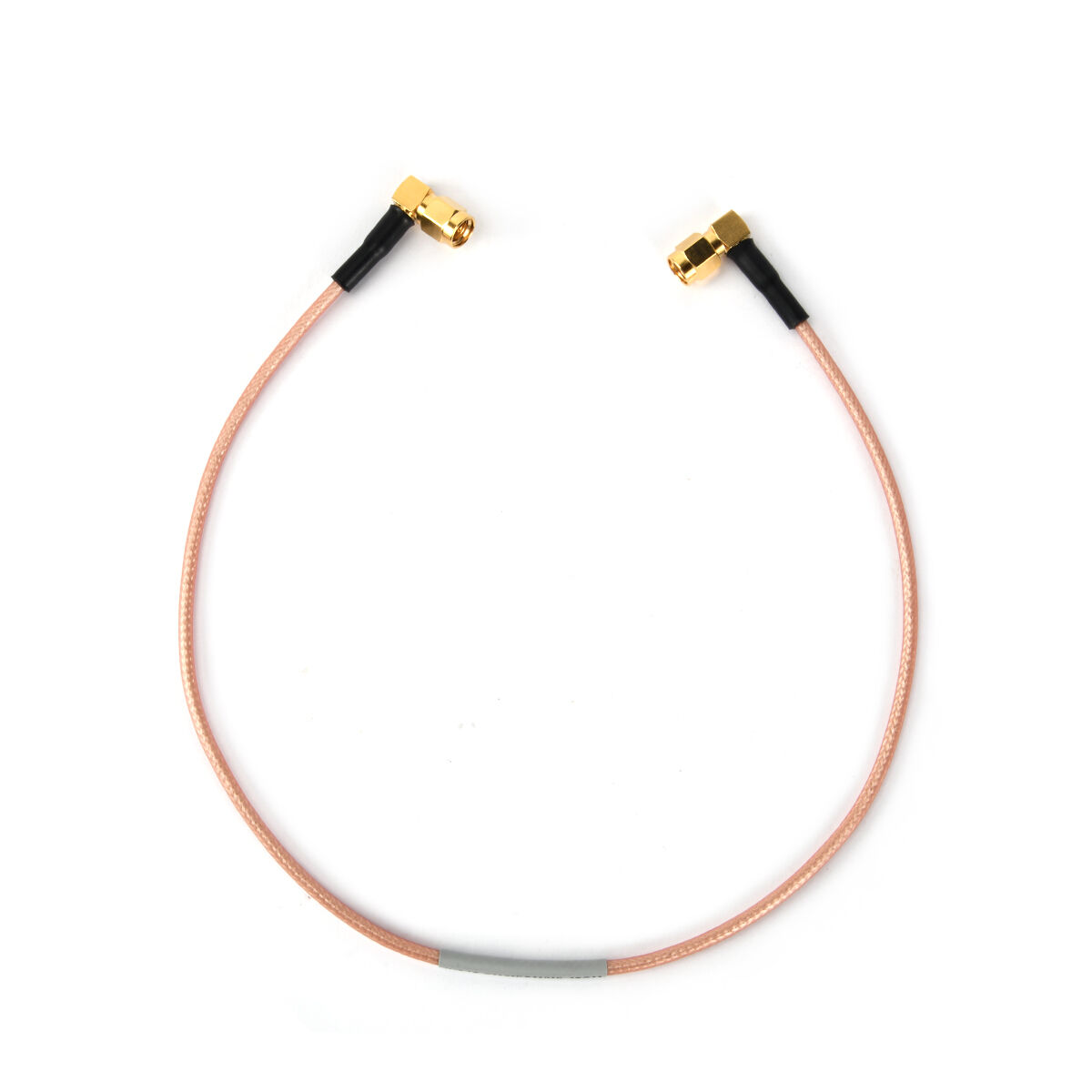
Minimum Order Quantities (MOQs) and lead times bother procurement managers more than any other problem, when it comes to sourcing of custom RF cable assemblies. Custom assemblies require special tooling, special materials and controlled operations. It is difficult to strike the balance between the customization and the inventory costs and the production planning. At Linkworld, over 20 years of RF experience has taught us that well-structured MOQ and production strategies can mean the difference between project success and failure. This tutorial addresses four important strategies of managing these important areas of procurement.
Understanding the Drivers Behind MOQ Requirements
MOQs are not produced out of thin air-MOQs are pointers to economies of custom production. Tooling costs of cutting, stripping, crimping and testing should be amortized over the production runs. The other reason is the procurement of the materials: cable and connector manufacturers have MOQs as well, which require suppliers to order sufficient inventory. Things like programming test equipment, tooling calibration etc are fixed costs which must be priced out. Linkworld works closely with procurement teams to explain these drivers and explore opportunities for structuring mutually beneficial orders.
Strategies for Optimizing Order Quantities
Buyers can implement measures that would enable them to maximize quantities without necessarily engaging in high levels when they know the drivers. Forecast-based blanket order allows the customers to make a promise to order a volume, and to issue them in scheduled increments. This enables the suppliers to prepare and hoard materials as per the overall commitment but the customers are flexible to it because they have the freedom of releasing it in phases. Product family consolidation takes similar assemblies that consume common materials or tooling to achieve increased volumes within the family rather than on a SKU by SKU basis. The purchase volumes that are made at corporate level in companies with many projects result in consolidating the needs of several business units and turning a number of small purchase orders into one volume that meets supplier MOQs. The customer will have to collaborate with Linkworld to develop new frameworks enabling the balancing between efficiency and flexibility in supply chain.
Aligning Lead Times with Project Lifecycles
Production should be planned in good coordination with project schedule. The stock of the distributors does not include custom components in such a way that they could be snatched when an emergency demand arises as in the case of off-the-shelf components. The saints of the companies take supplier lead time as the very first step when proceeding with projecting the manufacturing partners of the design but not following the approval of the prototype. The knowledge of the critical path including the material procurement, the tooling fabrication, the first-article inspection and the production throughput will allow the project managers to plan ahead. It is important to note that the creation of buffer time is considered in relation to unavoidable variables: lack of material, inability to pass tests, or capacity. Where there are constant programs, the safety stock arrangements are taken to absorb the peaks or interruptions of the demands. The collaborative approach of the Linkworld includes a high rate of communication on the capacity, availability, and the potential risk factors to the delivery dates, which is fixed.
Leveraging Modular Design and Partial Customization
It does not need to personalize everything. The standards may be achieved in a sophisticated manner that may help in reducing pressures of MOQ without affecting the delivery of project-oriented needs. The principles of the modular design include the use of standard sub elements: bulk cable and common connector families, standard adapters of project specific configurations. This allows the suppliers to store up their standard parts but leave the customization process to be carried out in the process of assembly. Commonality design Designing similar types of base cable and connector, but distinguishing only by length or terminating, is a technique of designing a common base to be reused in a variety of projects, with sometimes only basic additional tooling. The Linkworld engineering staff operates at the conceptual design phase to identify these opportunities proposing off-the-shelf components where possible and making an effort in customized component where it has the potential to generate actual value, which, in the long run, makes MOQ amounts economical to generate.
All that is required to cope with MOQ and production planning of custom cable assemblies is partnership, transparency, and strategic thinking. Being over 20 years old in RF production with willingness to serve customers, Linkworld provides you with the services of good custom assemblies and planning partnership that will ensure the successful integration of it in your project work flows. Give us a call and create your new personalized cable assembly.