
 EN
EN
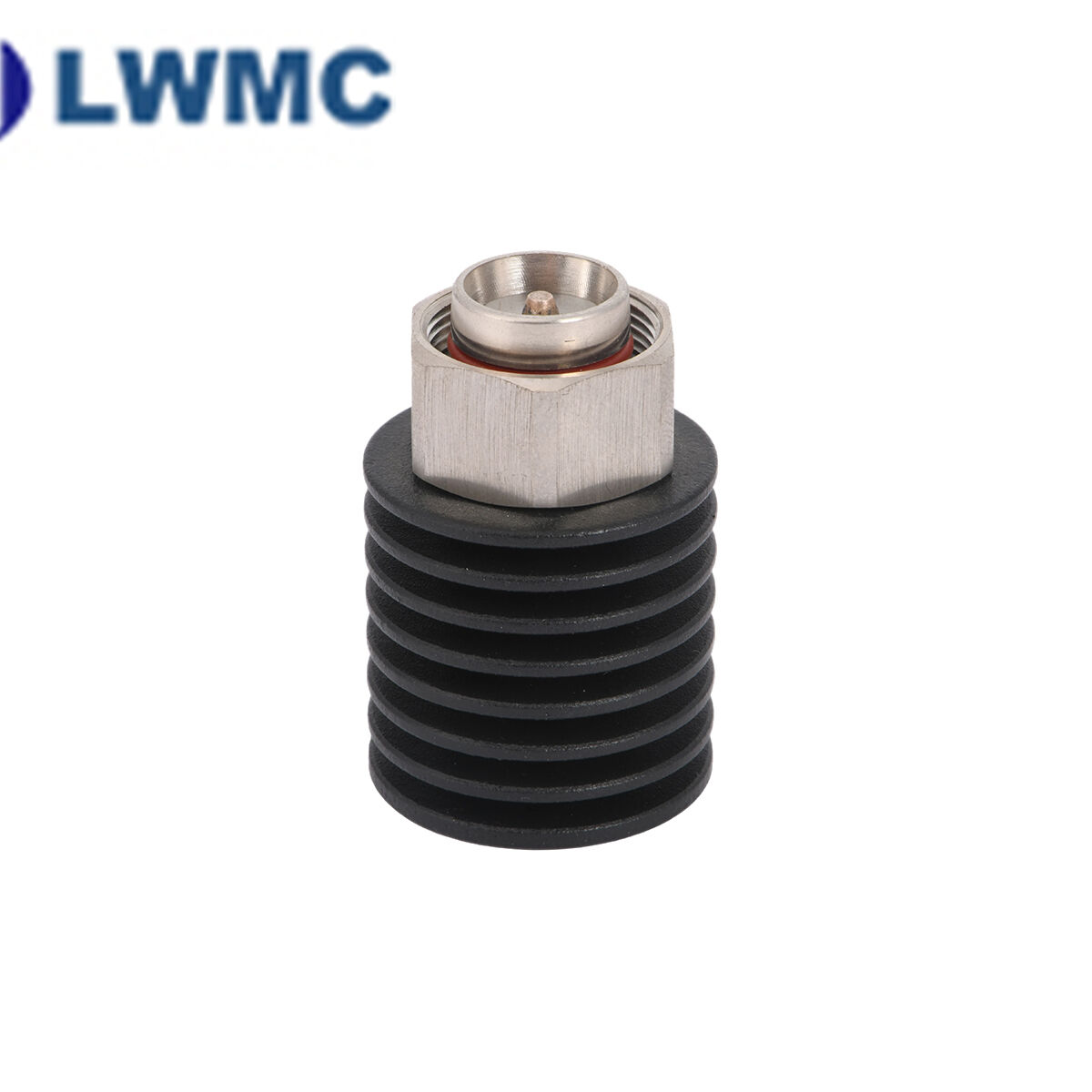
RF leakage (synonymous with signal leakage) is an expensive issue in RF and microwave designs and is not obtrusive. Signal leakages in the most important applications such as telecommunications, broadcast and defense, should be minimized in order to attain improved signal integrity and security of the operations. Our 20 years of innovation experience in RF at Linkworld has made us understand that preventing leakages starts by having the right connector and connector installation specifications. This is an instruction on how to remove signal leakage on your RF coaxial connector using four steps.
Ensure Proper Shielding Effectiveness and Connector Design
The shielding characteristic of the connector is the first component of shielding the connector. The capacity of the connector to trap the quantity of the electromagnetic fields inside the transmission path is determined by the method in which it is constructed and the smoothness of the outer conductor interface.
The connectors required in high frequency applications had to have solid shielding of 360 degrees without gaps and openings. The threaded interface on SMA and N connections is likely to be superior in shielding such as the bayonet connections due to the consistent and uniform force along the entire circumference. The design of connector-cable interface is also needed. A connector that grips the cable braid completely, either with a crimp or clamp type of device, forms a low impedance, continuous electrical connection between the connector body and the shield of the cable.. The RF connectors manufactured by the company of Linkworld also possess idealized geometry of shielding that sees to it that the electromagnetic energy is not retained out of place; it is in the transmission line.
Master Proper Cable Preparation Techniques
The best connector will be a leakage after the cable was prepared in an inattentive manner. Most failures in the discipline begin on the cable preparation stage. Bad stripping may cut off the underlying braid, or leave the rest of the strands of wire, or an opening through which the energy may escape.
Coaxial cable is prepared with a lot of caution during its termination. The outer jacket should be taken off in a clean manner without scraping or touching the shield of the braid. This should then be separated and cut according to the length of the connector manufacturer. Where a connector will need to braid the ferrule under the braid, it should be ensured that there is uniform coverage--are there not holes in the braid, the braid will become a slot antenna, and radiate signal at the desired frequencies. Instructions of assembling our connectors are furnished to Linkworld in the event of limited use that may be necessitated by missions where our factory-terminated cable assemblies are used to do away with this variable altogether and provide controlled and repeatable performance with no leakage.
Achieve Correct Torque and Mating Force
Signal leakage is not necessarily encountered at the cable interface, it may occur at connector- to connector mating interface. In cases of such tight connection, the microscopic spaces between the mating surfaces will be opened and the energy will be emitted.
In threaded connector, there is a need to satisfy the requirements of the appropriate torque. The latter can lead to gaps in case of under-tightening, and the former can lead to deformed contact surfaces or broken dielectrics. N-type connectors like, require some input torque to press the inner gasket and seating surfaces together. The condition of the mating surfaces is also not to be ignored, interfaces that are scratched or dirty will not form a good RF seal. Never mate connector interfaces without inspection first, and where necessary calibrated torque wrenches must be employed. The connectors manufactured by Linkworld have powerful coupling gadgets which provide good tactile sense when fitted correctly and this will help the installers to ensure that the field connections are uniform, leak free and simultaneously.
Inspect and Maintain Installed Connectors
Even well-installed systems may have signal leakages with time. Gradual connector performance and open leakage path deterioration can also be due to thermal cycling, environmental, mechanical vibration and basic wear and tear.
The visual inspection should analyse corrosion, physical or loosening of couple nuts. Periodic sweep testing or distance to fault (DTF) can be applied in the event of critical systems to identify the emerging issues before it causes system failures. In addition, the contacts also wear out every time connectors are mated and demated. The answer to the sporadic leakage issues would be a pro-active replacement of connector in test environments with high use or that in the field deployed systems. To maintain the signal integrity over the system lifecycle, we will help customers at Linkworld reach an effective maintenance procedure, through technical documentation and applications support.
All components of connector design, installation and maintenance must be included in a comprehensive strategy that discourages signal leakages. Learning about proper termination techniques, correct connector selection with known shielding effectiveness, proper mating torque, and regular inspection programs can allow system operators to obtain clean reliable signal transfer with the operational and compliance risks of RF leakage eliminated. The experience of over twenty years of RF manufacturing and the real commitment to quality in every one of our products, enables us to give our customers that experience combined with the technical expertise necessary to have a leakage-free design even in the harshest of settings.