
 EN
EN
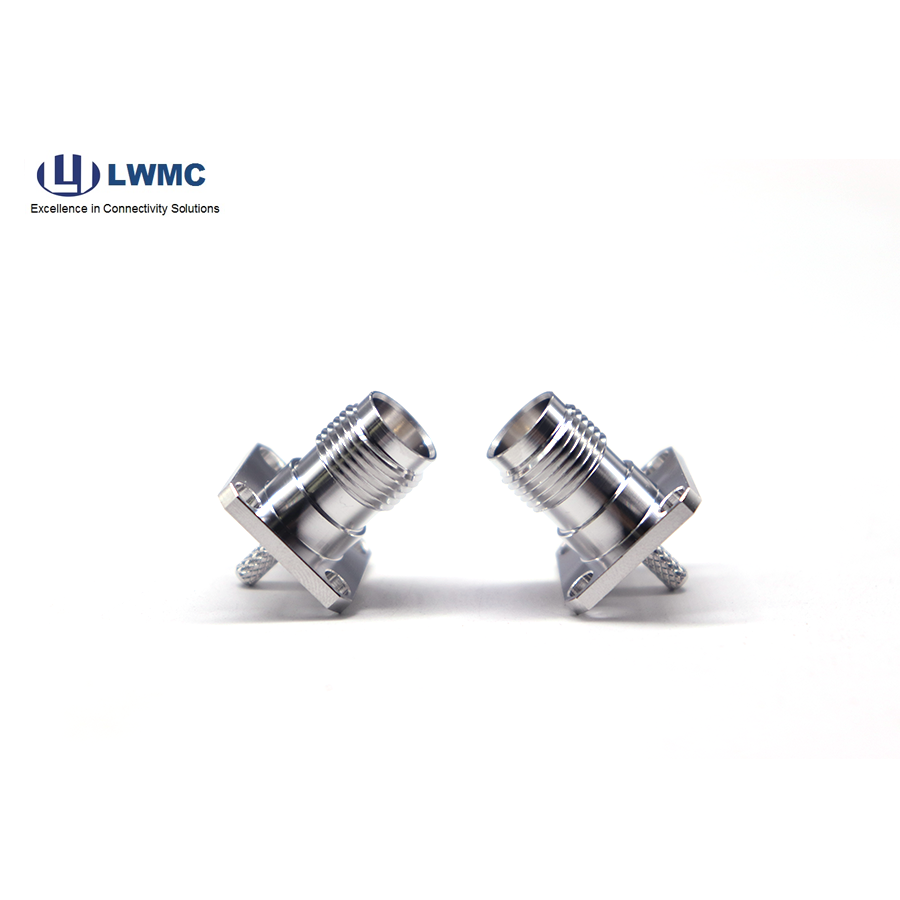
The connected world relies on telecommunications infrastructure and the functionality of RF components in these systems depends on their reliability. From the macro cell towers to dense small cell networks, all the signal paths rely on coaxial connectors to preserve integrity between the transmitters and the antenna. Linkworld, having more than 20 years of experience in RF innovation, is fully aware that the wrong connector may cause signal loss, passive intermodulation (PIM) and unproductive downtime. Major products here include RF connectors and adapters as well as full cable assemblies hence a wise decision is important. This guide addresses four important considerations that an engineer has to make when specifying connectors to use in the modern telecom infrastructure projects.
Understand Frequency and Bandwidth Requirements
The initial process in connector selection will be to match the electrical performance to the frequency range of the application. The telecom infrastructure has also greatly changed as the 2G and 3G bands have been succeeded by 4G LTE and 5G that use frequencies down to sub-6 GHz all the way to millimeter-wave (mmWave) frequencies.
Various connectors are fabricated to operate to a given frequency limit without causing any signal degradation. In the case of traditional macro cell sites with below 6 GHz, it is common to use the connector of 7-16 because of its strength and low PIM properties. Smaller cell sizes and distributed antenna systems (DAS) towards higher frequencies, however, require a connector such as 4.3-10 or SMA. An example of this is the 4.3-10 which can perform at speeds up to 15 GHz and is much smaller than the previous models. The connector should always be checked in terms of the range of frequencies it is designed to operate with to guarantee that it can accommodate the present infrastructure requirements and also upgrade to higher frequencies.
Prioritize PIM (Passive Intermodulation) Performance
Signal purity is the most important in crowded telecommunication areas. Passive Intermodulation (PIM) is a type of interfering phenomenon that is both caused by nonlinear substances and inappropriate mechanical connections in the RF path. Huge PIM may have the effect of deafening a receiver, reducing the capacity of the network and data rates. In the case of telecom infrastructure, particularly at cell sites where there are many and high-power carriers running at the same time, there is no bargaining when it comes to choosing low-PIM connectors. Search connector design with a strong symmetrical contact interface. The 4.3-10 connector family is now the industry standard in low PIM and frequently gets down to values of -166 dBc. There is also N-Type which is a dependable workhorse because of the outdoor rated work that needs low PIM until 6 GHz. At Linkworld, we make sure our connectors are plated accurately and with high tolerance in order to reduce intermodulation distortion.
Evaluate Environmental Durability and Materials
Telecommunication infrastructure is predominantly deployed outdoors. Connectors that are placed on the towers, or within pole-mounted cabinets, are exposed to rain, UV radiation, extreme temperatures, and corrosive pollutants. The connector comes in various types of materials and plating which define its life span.
High-grade brass is the most popular type of material used in the high-performance telecom connectors, but it is mixed with stainless steel coupling nuts to increase the resistance to higher torque. Plating is important: Silver is the most conductive and can be tarnished, whereas triple layering plating (copper, silver and protective coating) or nickel plating is more corrosion resistant. In addition, the mechanism of sealing should be taken into account. Connectors that are well sealed with an O-ring and gasket to keep moisture out discourage the degradation of VSWR (Voltage Standing Wave Ratio) with time. In the case of rough conditions, interface options with IP68 rating warrant round-the-clock operation even when in contact.
Consider Mechanical Fit and Installation Efficiency
Lastly, the physical dimensions and installation of the connector also have an effect on space and expenses of labor. With the densification of telecom infrastructure, there is a reduction in the size of equipment enclosures. Large connectors such as the standard 7-16 may be very good electrically, but would be inconvenient with high-density remote radio units (RRUs) .
This has led to the use of smaller formats such as the 4.3-10 and MCX which have similar RF performance, but with a smaller footprint. Also the method of termination, field-soldered, crimp, or push-on influences the speed of installation. In fast deployments, connectors with quick and tool-free installation or standardized crimping processes minimize human error and labor time. The coaxial cable assemblies of Linkworld have been designed to fit perfectly in these new interfaces so as to offer a stable mechanical connection that is easy to deploy and at the same time offers a signal connection.
Selecting the right RF coaxial connector for telecom infrastructure is a balancing performance between frequency response, PIM control, environmental resilience and physical design. With knowledge of these four critical areas, project managers and design engineers will be able to protect network performance and reliability. Linkworld, another partner and the company with more than 20 years of experience works with customers at the initial design phase and offers optimal connector solutions and cable assemblies, which satisfy the requirements of the modern telecommunications, which are very strict.