
 EN
EN
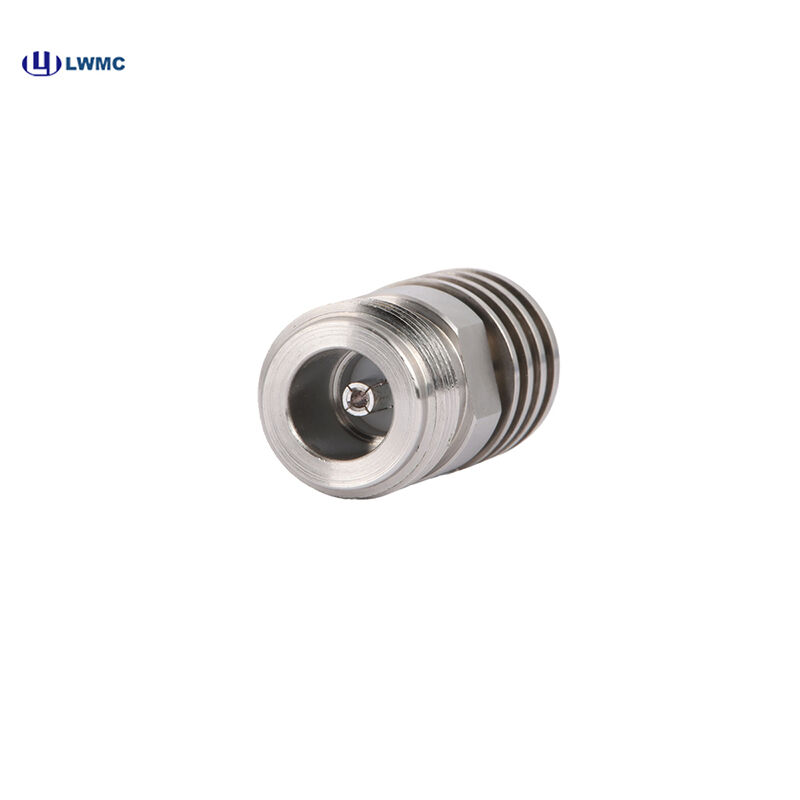
Whilst OEMs building communications infrastructure, the distinction between an excellent product and the one leading the market is, in many cases, detail and cannot be covered by standard catalog elements. Off-the-shelf microwave passive components are sold to a general purpose, and are seldom optimized to meet the specific electrical, mechanical and environmental characteristics of a proprietary design. Differentiation is achieved through custom components: optimum performance, ease of integration, and protection of intellectual property. At Linkworld we create over 20 years of RF expertise providing OEM a relationship with custom microwave passive solutions starting at the earliest design phase. This roadmap examines four important factors that OEMs should consider when attempting to develop custom components.
Electrical Specification Development and Optimization
An effective custom component starts with electrical specifications that are clear and balanced between ideal performance and physical realisation. Custom designs can be optimized to specific frequency bands and power levels as well as system architectures. In the case of custom filters, it implies defining not just center frequency and bandwidth but specific rejection criteria: is it adjacent-band interference that you are interested in, and that you need steep skirts, or do you care more about in-band flatness? This is because custom designs can trade off between the insertion loss, selectivity, and physical size, which would be unavailable in standard components. In the case of power dividers and couplers, OEMs are able to make specifications of precise coupling values, amplitude equilibrium and phase matching corresponding to particular array configurations. Linkworld works with the OEMs to craft ambitious but workable specifications that utilize our knowledge of filter technologies, substrate materials and manufacturing processes.
Mechanical Integration and Form Factor Customization
Standard products are available in standard packages that can be used in a general use, but not your particular enclosure. Customization may be motivated more often by mechanical integration than by electrical performance. OEMs building small cell equipment, customer premises equipment or airborne platforms need components to fit accurately into real estate. This can include custom mounting arrangements, special connector orientations or built-in heat sinking facilities not available with standard components. Due to special interface needs such as direct PCB integration and no coaxial connector, special design solutions may use surface mount terminations or edge-launch designs that do not use any transitions, also enhancing performance and reliability. Linkworld has the mechanical design capabilities between miniature surface-mount packages on one end to rugged chassis-mount on other end, to facilitate a smooth integration with your mechanical architecture.
Environmental Performance and Reliability Validation
OEM projects are designed to meet certain deployment conditions that have special requirements: outdoor usage, high and low temperatures, vibration, moisture or corrosive fumes. Commercial elements of standard may not be qualified to these conditions. Tailored parts can be designed to meet special needs of environmental requirements. In case of outdoor telecommunications infrastructure, it entails materials that can sustain performance levels between -40 °C to +85 °C and IP67/IP68 ingress protection. In the case of mobile platforms, mechanical designs are resistant to vibration and shock. In marine structures, there is degradation of salt-sprays by use of corrosion resistant materials. In addition to design, custom components are tested through qualification testing that ensures that they perform as per the precise environmental conditions. The environmental testing, such as thermal cycling, mechanical shock, vibration, and exposure to humidity, are available at Linkworld and have documented evidence showing custom components to suit a particular reliability need.
Supply Chain Partnership and Lifecycle Management
A supply chain relationship through product lifecycle is built by creating a bespoke component. The selection of the appropriate manufacturing partner is equal to the design of components. Custom parts must be thoroughly documented, specifying all details: electrical specifications, mechanical drawings, material specifications, and test procedures. This is what is documented to provide a basis of consistent manufacturing between production runs that are years apart. Materials change and OEMs must evaluate partners in terms of configuration control, change management, and obsolescence management. Capacity and consistency in the lead time should be according to the requirements of your production be it in prototyping, introduction of new products or even in large volume production. The OEM relationships of Linkworld are established on open communication, high-quality standards, and the willingness to assist the customers in the product lifecycle. Our teams are considered to be the body parts of the organizations of the customers, so, the custom parts are always ready and the same as long as it is required.
Standard catalog components cannot provide OEMs with the performance, integration, or differentiation they need. Custom microwave passive components can do this. OEMs generate products that are unique in competitive markets without compromising customer expectations by investing in well developed electrical specifications, optimized mechanical designs, validated environmental performance and good supply chain relationships. Linkworld offers its customers a chance to win in the competitive OEM market through personalized passive component solutions based on its more than twenty years of experience in manufacturing RF products and its interactive customer relationship. Contact us and discuss your requirements for custom microwave passive component.